
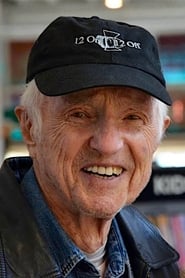
Camera
Haskell Wexler
Born — Died
1926-02-06 — 2015-12-27
Place of birth
Chicago, Illinois, USA
Known for
Camera
Credits
62 titles
Haskell Wexler (February 6, 1922 – December 27, 2015) is an American cinematographer, producer, and director. Wexler was judged to be one of film history's ten most influential cinematographers in a survey of the members of the International Cinematographers Guild. He won the Academy Award for Best Cinematography twice, in 1966 and 1976 in five nominations. Description above from the Wikipedia article Haskell Wexler, licensed under CC-BY-SA, full list of contributors on Wikipedia.
Known for
 7.1
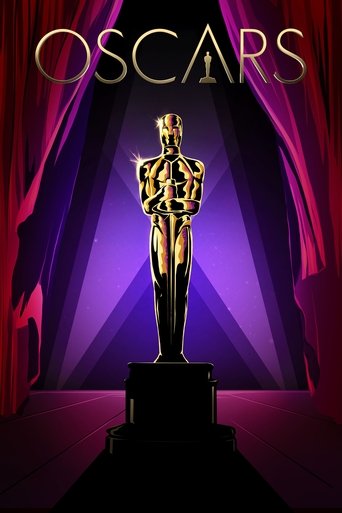
7.1An annual American awards ceremony honoring cinematic achievements in the film industry. The various category winners are awarded a copy of a statuette, officially the Academy Award of Merit, that is better known by its nickname Oscar.
The Oscars
1953
 7.7
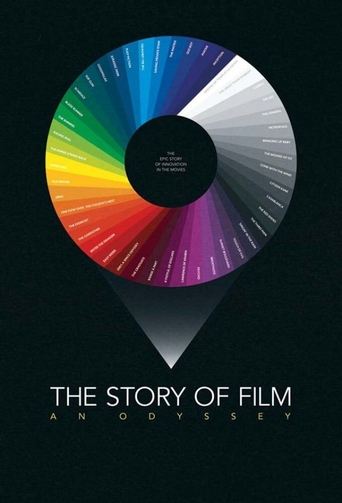
7.7A worldwide guided tour of the greatest movies ever made and the story of international cinema through the history of cinematic innovation.
The Story of Film: An Odyssey
2011
 6.3
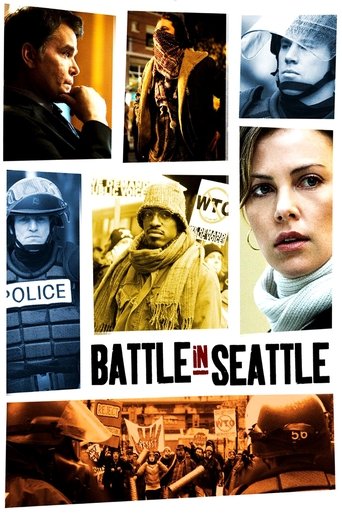
6.3Thousands of activists arrive in Seattle, Washington in masses to protest the WTO Ministerial Conference of 1999 (World Trade Organization). Although it began as a peaceful protest with a goal of stopping the WTO talks, it escalated into a full-scale riot and eventually, a State of Emergency that pitted protesters against the Seattle Police Department and the National Guard.
Battle in Seattle
2007
 6.6
6.6John Cassellis is the toughest TV news reporter around. After extensively reporting about violence and racial tensions in poor communities, he discovers that his network is helping the FBI by granting them access to his footage to find suspects.
Medium Cool
1969
 6.2
6.2The suicide of his expatriate uncle draws Englishman and poet Dennis Barlow into California's booming funeral industry.
The Loved One
1965
 7.0
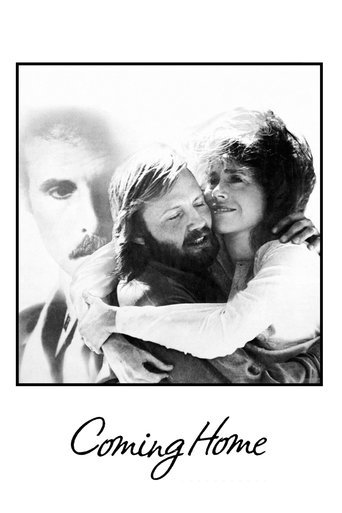
7.0In 1968 California, a Marine officer's wife falls in love with a former high school classmate who suffered a paralyzing combat injury in the war.
Coming Home
1978
Film credits
2010s · 11 titles
 6.6
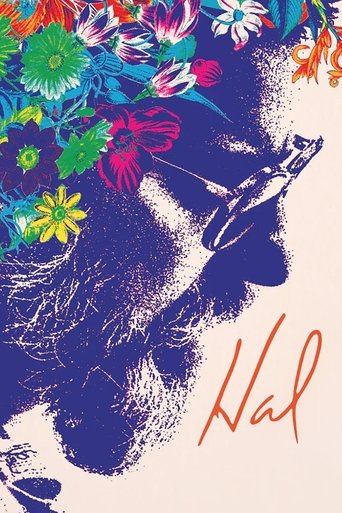
6.6Hal Ashby's obsessive genius led to an unprecedented string of Oscar®-winning classics, including Harold and Maude, Shampoo and Being There. But as contemporaries Coppola, Scorsese and Spielberg rose to blockbuster stardom in the 1980s, Ashby's uncompromising nature played out as a cautionary tale of art versus commerce.
Hal
2019
 6.9
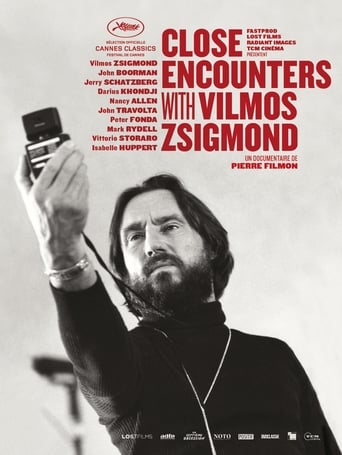
6.9A very special encounter between legendary American cinematographer Vilmos Zsigmond and young French director Pierre Filmon. A personal journey with the brightest shadowmaker and his friends.
Close Encounters with Vilmos Zsigmond
2016
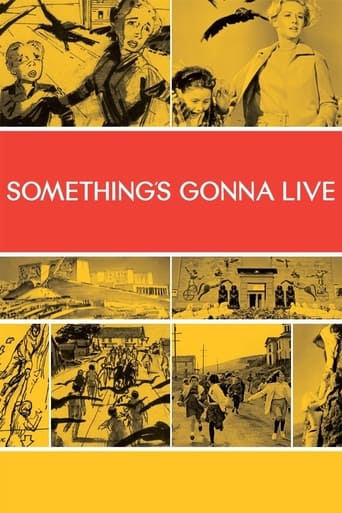 7.8
7.8The Los Angeles Times Critics' Pick Something’s Gonna Live is an intimate portrait of life, death, friendship and the movies, as recalled by some of Hollywood's greatest cinema artists. Academy Award®-nominated director Daniel Raim (The Man on Lincoln’s Nose), captures the late life coming together of renowned art directors Robert Boyle (North by Northwest, The Birds), Henry Bumstead (To Kill a Mockingbird, The Sting) and Albert Nozaki (The War of the Worlds, The Ten Commandments), storyboard illustrator Harold Michelson (The Graduate, Star Trek: The Motion Picture), and master cinematographers Haskell Wexler (Who’s Afraid of Virginia Woolf?, Medium Cool) and Conrad Hall (In Cold Blood, Butch Cassidy and the Sundance Kid). These prolific artists have worked on a total of 400 films, garnering 25 Academy Award® nominations and 8 wins.
Something's Gonna Live
2010
 NR
NRDocumentary about the impact left by John Sayles’ 1987 film Matewan, about a shooting between company gun thugs and union organizers in Southern West Virginia. Along with a lasting legacy of support for union rights, the film inspired many West Virginians to become filmmakers and introduced the world to many great actors.
Them That Work
2019
 NR
NRHaskell Wexler revisits the themes of his previous work "Medium Cool" on the occasion of the Occupy demonstrations in Chicago in 2012.
Medium Cool Revisited
2013
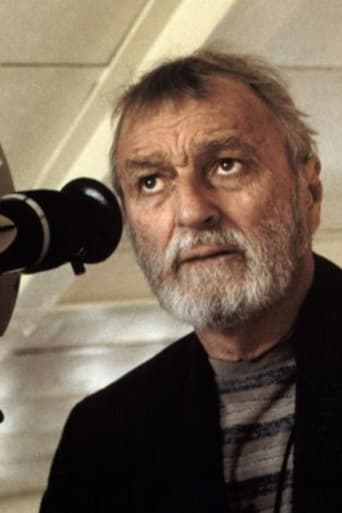 5.5
5.5No synopsis available yet.
A Cinematic Life: The Art and Influence of Conrad Hall
2010
 NR
NRIn the video John Hanlon, producer/recording engineer says: "Neil just captures the moment, he gives it his all, he goes for the throat. If he is not feeling it, he ain't gonna pick up the guitar. If he's feeling music, then he is recording, he's playing and I am recording it because that's what art is, capturing the movement, all the human imperfections, that is what it is about always. He is the commensurate artist, we get first takes on everything, that's the idea, cuz that's often times the best stuff. If you have to think about it that's not creating, that's thinking, then it doesn't work, it doesn't have that passion."
Neil Young - Haskell Wexler - Teatro Session
2015
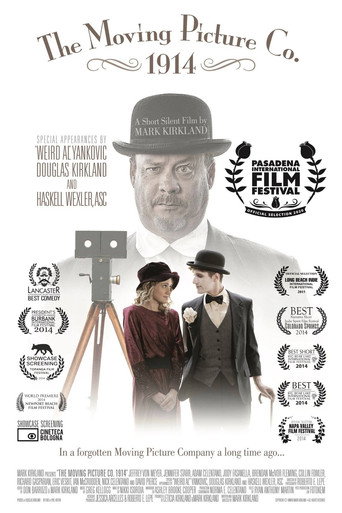 NR
NRIn the early 1900s, Ellen, an aspiring actress, tries to find her lucky break in a studio where everything goes wrong.
The Moving Picture Co. 1914
2014
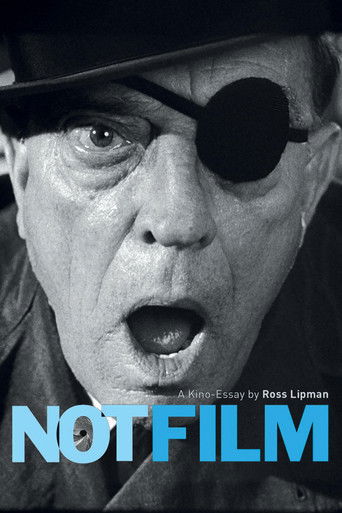 5.0
5.0NOTFILM is a feature-length experimental essay on FILM -- its author Samuel Beckett, its star Buster Keaton, its production and its philosophical implications -- utilizing additional outtakes, never before heard audio recordings of the production meetings, and other rare archival elements.
Notfilm
2015
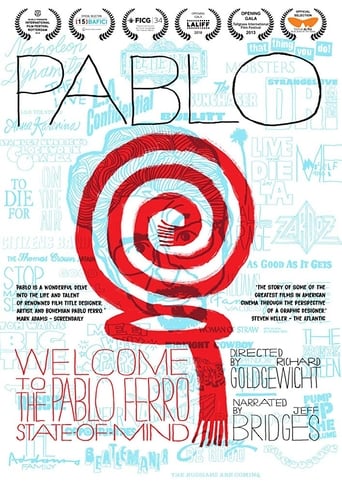 6.9
6.9Pablo blends documentary and animation elements to tell the saga of "famous unknown" Pablo Ferro, a man with a personal journey that spans from Havana, during the pre-Cuban revolution to his current home, in the garage behind his son's house.
Pablo
2012
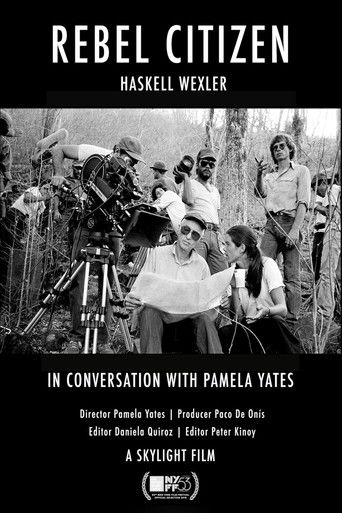 NR
NRWhat began as a video master class evolved into a film about the political documentaries of Oscar-winning cinematographer Haskell Wexler. Comprised of footage from his films as well as interviews, the film is an intimate portrait of the genius behind the camera.
Rebel Citizen
2015
2000s · 14 titles
6.3Thousands of activists arrive in Seattle, Washington in masses to protest the WTO Ministerial Conference of 1999 (World Trade Organization). Although it began as a peaceful protest with a goal of stopping the WTO talks, it escalated into a full-scale riot and eventually, a State of Emergency that pitted protesters against the Seattle Police Department and the National Guard.
Battle in Seattle
2007
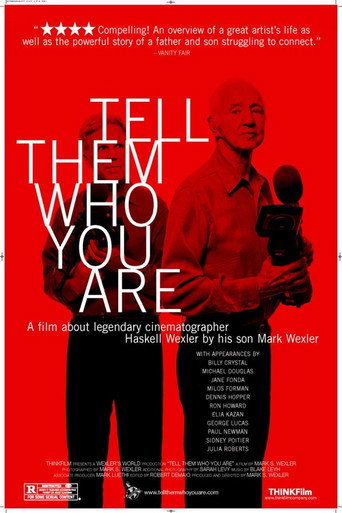 6.2
6.2The son of acclaimed cinematographer Haskell Wexler confronts his complex father by turning the camera on him. What results is a portrait of a difficult genius and a son's path out of the shadow of a famous father.
Tell Them Who You Are
2004
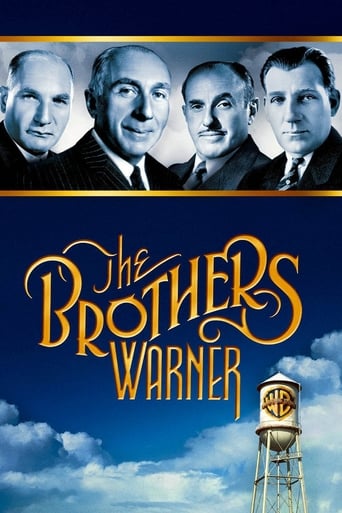 6.6
6.6An intimate portrait and saga of four film pioneers--Harry, Albert, Sam and Jack who rose from immigrant poverty through personal tragedies persevering to create a major studio with a social conscience.
The Brothers Warner
2008
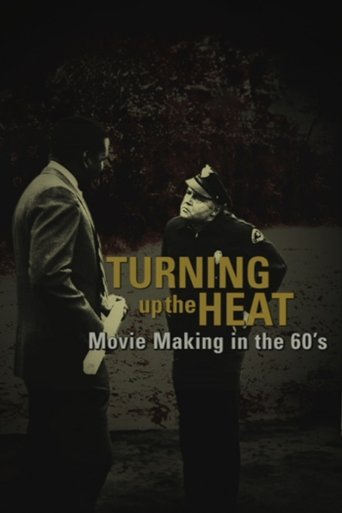 NR
NRDocumentary featuring interviews with director Norman Jewison and others providing an in-depth look at the production of the 1967 film IN THE HEAT OF THE NIGHT.
Turning Up the Heat: Movie Making in the 60's
2008
A young woman consults multiple doctors for a persistent internal pain, eventually leading to the discovery of a vast, frozen tundra within her body. The condition draws scientific and media attention, reducing her identity to the anomaly. As others attempt to explore the phenomenon, she remains emotionally and physically affected by the experience.
The Big Empty
2005
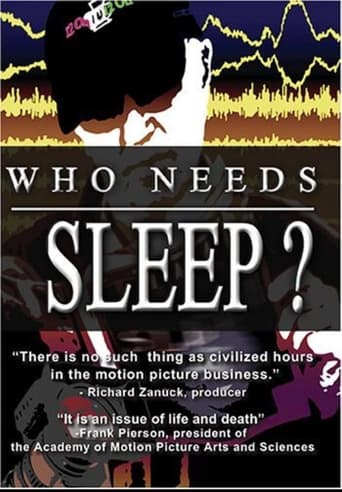 6.8
6.8A documentary that highlights the deadly combination of sleep deprivation and long days of work, focusing on the American film industry.
Who Needs Sleep?
2006
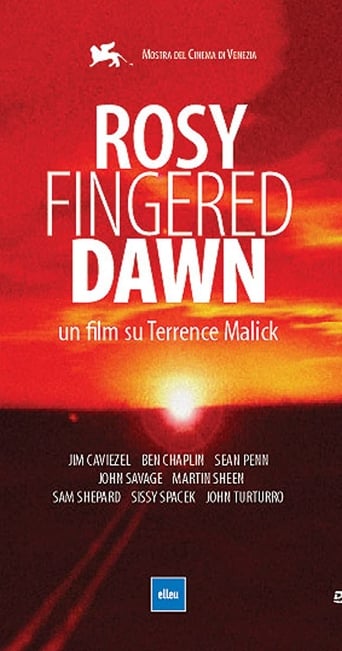 7.0
7.0Rosy-Fingered Dawn is a film on Terrence Malick. It is about the making of BADLANDS, DAYS OF HEAVEN, THE THIN RED LINE and the personal involvement of some of the most representative figures of the American culture itself. This medley of voices has given origin to a journey throughout the whole United States, from California to Colorado, from Virginia to Minnesota, passing by New York and Los Angeles. Every stop represents an ideal set in which all the characters of the films come to life once again giving place to a growing flow of memories. The narrative dimension of Malick's cinema resounds and opens a new horizon on the visible contradictions of the American culture; no easy judgement but a critical consciousness is what emerges from this coral speech, together with a definite need: the necessity of art. A need that Terrence Malick was able to satisfy.
Rosy-Fingered Dawn: A Film on Terrence Malick
2002
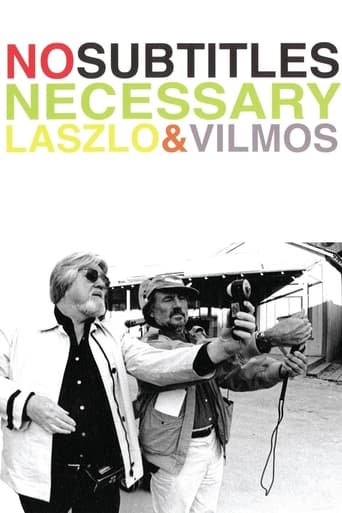 5.6
5.6The artistry, triumph and lifelong friendship of the great cinematographers Laszlo Kovacs and Vilmos Zsigmond. With film school equipment, they shoot the Soviet crackdown of the 1956 Hungarian Revolution. As refugees they struggle in Hollywood, finally breaking into the mainstream with their pivotal contribution to the "American New Wave."
No Subtitles Necessary: Laszlo & Vilmos
2009
 5.0
5.0A Biography of George Lucas.
George Lucas: Creating an Empire
2002
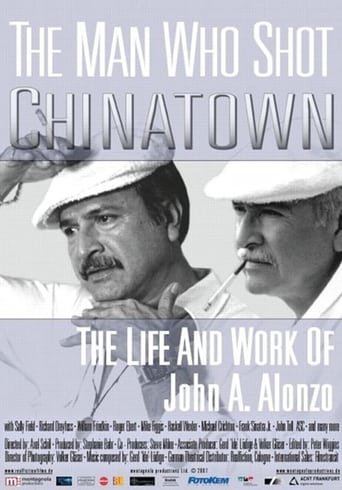 6.0
6.0Cinematographer John A. Alonzo was one of the driving creative forces in the resurgence of expressionistic American movies of the late 1960s and '70s. Director Axel Schill's documentary explores Alonzo's work on key films of that era and beyond. Clips from Chinatown, Scarface, Internal Affairs and other movies accompany interviews with stars such as Richard Dreyfuss, Sally Field and contemporary cinematographer Haskell Wexler.
The Man Who Shot Chinatown: The Life and Work of John A. Alonzo
2007
 5.9
5.9Friends, family, co-stars and admirers of actor Steve McQueen talk about his life and his movie career.
Steve McQueen: The Essence of Cool
2005
Reveals the courageous lives of pioneer camerawomen from Hollywood to Bollywood, from war zones to children’s laughter, in a way that has never been seen before. Based on a book by Alexis Krasilovsky, the film tells the stories of camerawomen surviving the odds in Afghanistan, Australia, Canada, China, France, Germany, India, Iran, Mexico, the U.S. and other countries, as well as exploring their individual visions.
Women Behind the Camera
2007
 7.5
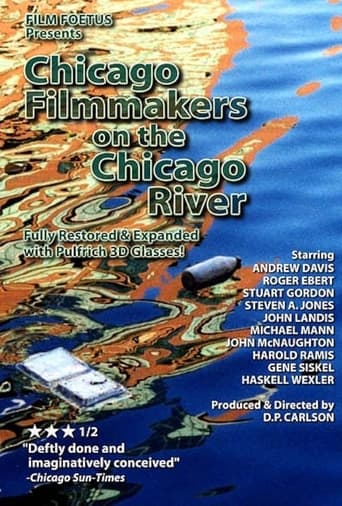
7.5A documentary feature that reveals the creative process of Chicago moviemakers. Using the city's famous river as a location, directors are placed in a variety of boats and share stories of how Chicago has influenced their careers.
Chicago Filmmakers on the Chicago River
2004
“Look out Haskell, it’s real!” details the production of Haskell Wexler‘s 1969 feature Medium Cool. It features interviews with members of the film’s cast and crew alongside critics, commentators and historical figures, and includes outtakes of Medium Cool. A 55-minute version premiered at the 2001 Edinburgh Film Festival alongside a new theatrical print of Medium Cool and with Wexler in attendance, and was broadcast on the BBC, PBS and the Sundance Channel. A version of the film appears on the 2013 Criterion Collection DVD release of Medium Cool. The documentary, which has become more an educational project than anything else and remains a work-in-progress, was expanded in 2015 and now runs approximately six and half hours (in six parts).
Look Out Haskell, It’s Real!: The Making of Medium Cool
2001
1990s · 3 titles
 7.8
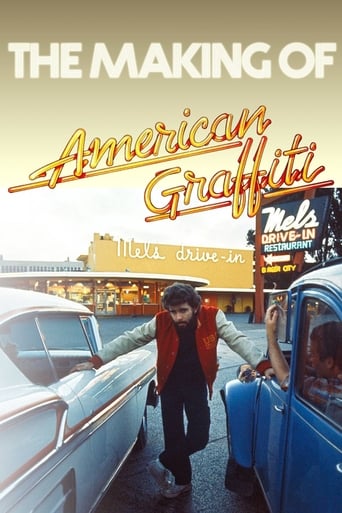
7.8Documentary that features many interviews and other footage of the cast and crew for the film American Graffiti (1973)
The Making of 'American Graffiti'
1998
 7.0
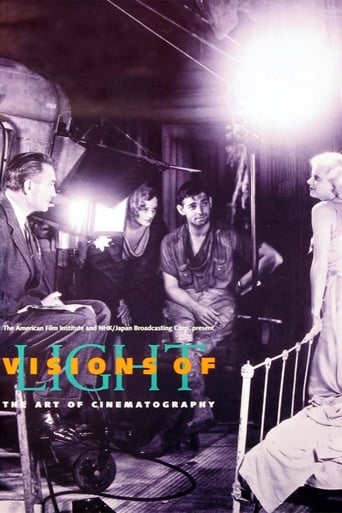
7.0Cameramen and women discuss the craft and art of cinematography and of the "DP" (the director of photography), illustrating their points with clips from 100 films, from Birth of a Nation to Do the Right Thing. Themes: the DP tells people where to look; changes in movies (the arrival of sound, color, and wide screens) required creative responses from DPs; and, these artisans constantly invent new equipment and try new things, with wonderful results. The narration takes us through the identifiable studio styles of the 30s, the emergence of noir, the New York look, and the impact of Europeans. Citizen Kane, The Conformist, and Gordon Willis get special attention.
Visions of Light
1992
 5.8
5.8A group portrait of filmmakers attend the 1995 Sundance Film Festival. Featuring Matthew Harrison, Richard Linklater, Ethan Hawke, Todd Haynes, Greg Araki, Abel Ferrara, Atom Egoyan, James Gray, Robert Redford, Haskell Wexler, among many others. Co-directed by Amy Hobby. [Filmed in Pixelvision and blown-up to evocatively grainy 16mm.]
At Sundance
1995
1970s · 3 titles
7.0In 1968 California, a Marine officer's wife falls in love with a former high school classmate who suffered a paralyzing combat injury in the war.
Coming Home
1978
 NR
NRLaymen as well as celebrities in the sciences and creative arts give their views and values regarding their creative efforts and technological society. Their answers add up to the view that science is an indispensable part of mankind's hope for the future. Interviewees include Haskell Wexler, Joan Baez, Ann Halprin, Benny Bufano, Art Hoppe, Zubin Mehta, Phil Ochs, George Pimentel, Ben Maddow.
Wondering About Things
1971
 7.0
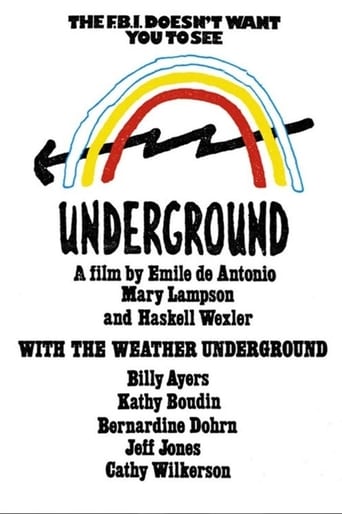
7.0A documentary about the Weathermen, founded as a militant faction of the Students for a Democratic Society (SDS), who fought to overthrow the U.S. government during the 1960s and 1970s. The film consists of interviews with members of the group after they went underground and footage of the anti-war and civil rights protests of the time. It was directed by Emile de Antonio, Haskell Wexler and Mary Lampson, later subpoenaed by the Federal Bureau of Investigation in an attempt to confiscate the film footage in order to gain information that would help them arrest the Weathermen.
Underground
1976
Series credits
7.1An annual American awards ceremony honoring cinematic achievements in the film industry. The various category winners are awarded a copy of a statuette, officially the Academy Award of Merit, that is better known by its nickname Oscar.
The Oscars
1953
7.7A worldwide guided tour of the greatest movies ever made and the story of international cinema through the history of cinematic innovation.
The Story of Film: An Odyssey
2011
Behind the camera
6.6John Cassellis is the toughest TV news reporter around. After extensively reporting about violence and racial tensions in poor communities, he discovers that his network is helping the FBI by granting them access to his footage to find suspects.
Medium Cool
1969
6.6John Cassellis is the toughest TV news reporter around. After extensively reporting about violence and racial tensions in poor communities, he discovers that his network is helping the FBI by granting them access to his footage to find suspects.
Medium Cool
1969
6.6John Cassellis is the toughest TV news reporter around. After extensively reporting about violence and racial tensions in poor communities, he discovers that his network is helping the FBI by granting them access to his footage to find suspects.
Medium Cool
1969
6.2The suicide of his expatriate uncle draws Englishman and poet Dennis Barlow into California's booming funeral industry.
The Loved One
1965
6.8A documentary that highlights the deadly combination of sleep deprivation and long days of work, focusing on the American film industry.
Who Needs Sleep?
2006
6.8A documentary that highlights the deadly combination of sleep deprivation and long days of work, focusing on the American film industry.
Who Needs Sleep?
2006
 9.0
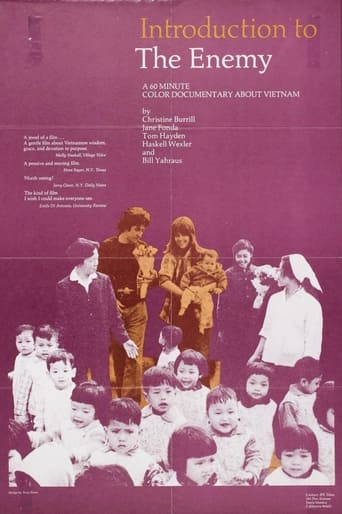
9.0This film documents the journey of actress Jane Fonda and her husband – future California state senator Tom Hayden – through North and South Viet Nam in 1974. They travel from villages to towns talking with ordinary Vietnamese about their lives and the effects of the war on their lives, families, and communities.
Introduction to the Enemy
1974
NRHaskell Wexler revisits the themes of his previous work "Medium Cool" on the occasion of the Occupy demonstrations in Chicago in 2012.
Medium Cool Revisited
2013
NRIn the video John Hanlon, producer/recording engineer says: "Neil just captures the moment, he gives it his all, he goes for the throat. If he is not feeling it, he ain't gonna pick up the guitar. If he's feeling music, then he is recording, he's playing and I am recording it because that's what art is, capturing the movement, all the human imperfections, that is what it is about always. He is the commensurate artist, we get first takes on everything, that's the idea, cuz that's often times the best stuff. If you have to think about it that's not creating, that's thinking, then it doesn't work, it doesn't have that passion."
Neil Young - Haskell Wexler - Teatro Session
2015
NRIn the video John Hanlon, producer/recording engineer says: "Neil just captures the moment, he gives it his all, he goes for the throat. If he is not feeling it, he ain't gonna pick up the guitar. If he's feeling music, then he is recording, he's playing and I am recording it because that's what art is, capturing the movement, all the human imperfections, that is what it is about always. He is the commensurate artist, we get first takes on everything, that's the idea, cuz that's often times the best stuff. If you have to think about it that's not creating, that's thinking, then it doesn't work, it doesn't have that passion."
Neil Young - Haskell Wexler - Teatro Session
2015
 9.0
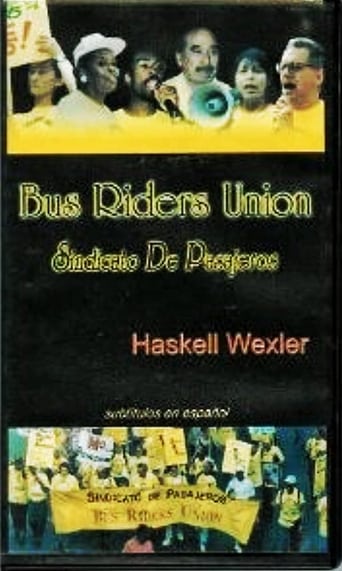
9.0A 1998 editorial in Time magazine made the claim that the city of Los Angeles "might just have the most inept public-transport system on the planet earth. . . . The neglected bus system, which still handles 91% of all transit riders,is now roughly as efficient as travel by burro." Academy Award–winning cinematographer and director Haskell Wexler (Medium Cool, Latino) has now fashioned a new documentary tracing three years in the life of a group of bus-rider activists passionately engaged in the struggle to bring affordable, safe, and adequate mass transit back to their city. What might at first sound like a well-intentioned but rather parochial subject for a film has resulted in a truly inspiring lesson in how working-class, predominantly minority citizens forge an effective social movement and how, like Rosa Parks and the Montgomery, Alabama, bus boycotters of the 1950s, a group of committed individuals can successfully challenge the powers that seek to control their lives.
Bus Rider's Union
2000
 7.5
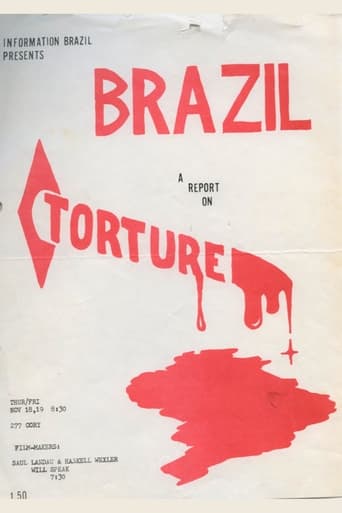
7.5The filmmakers spoke to ex-political prisoners who had been tortured by the military government who were at that point supported by the US government.
Brazil: A Report on Torture
1971
 10.0
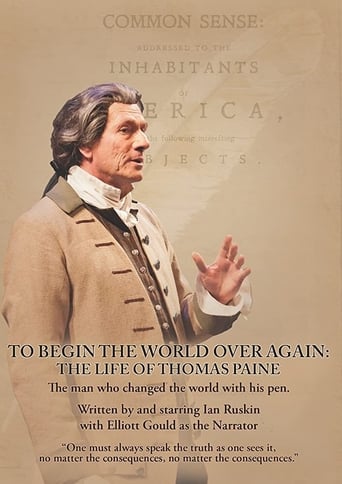
10.0This is the story of one of the most extraordinary men in history, who ignited the American Revolution, defined the French and championed the use of Reason, all with his pen.
To Begin the World Over Again: The Life of Thomas Paine
2016
 9.0
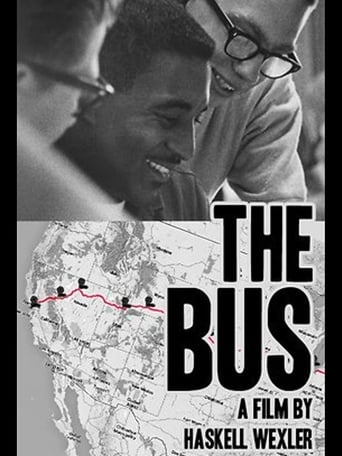
9.0The struggle for civil rights has been one of the most important issues of American life for the last fifty years. In August of 1963, groups from all over the country journeyed to Washington D.C. for a massive demonstration, and this film is a fascinating document of this event. Celebrated filmmaker Haskell Wexler ("Medium Cool") traveled with the San Francisco delegation, photographing and conversing candidly with the participants. He has succeeded admirably in capturing the significance and drama of this historic trip.
The Bus
1965
9.0The struggle for civil rights has been one of the most important issues of American life for the last fifty years. In August of 1963, groups from all over the country journeyed to Washington D.C. for a massive demonstration, and this film is a fascinating document of this event. Celebrated filmmaker Haskell Wexler ("Medium Cool") traveled with the San Francisco delegation, photographing and conversing candidly with the participants. He has succeeded admirably in capturing the significance and drama of this historic trip.
The Bus
1965
9.0The struggle for civil rights has been one of the most important issues of American life for the last fifty years. In August of 1963, groups from all over the country journeyed to Washington D.C. for a massive demonstration, and this film is a fascinating document of this event. Celebrated filmmaker Haskell Wexler ("Medium Cool") traveled with the San Francisco delegation, photographing and conversing candidly with the participants. He has succeeded admirably in capturing the significance and drama of this historic trip.
The Bus
1965
 10.0
10.0Filmed account of the five MUSE (Musicians United for Safe Energy) concerts at Madison Square Garden and an outdoor rally at Battery Park in New York protesting the dangers of nuclear power. Performers include Bruce Springsteen, Jackson Browne, Carly Simon, and the Doobie Brothers.
No Nukes
1980
 5.5
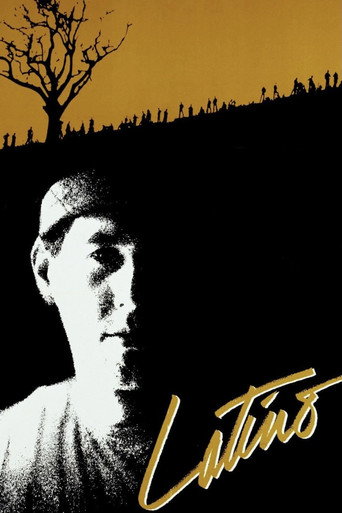
5.5The fighting between the Sandinista government in Nicaragua and the Contra rebels backed by U.S. money and expertise is the focus of this pro-Sandinista film by Haskell Wexler. On a secret mission to help the U.S. Special Forces train Contra rebels in the jungles of Nicaragua, American soldier Eddie Guerrero begins to question the morality of the task at hand and consider how his actions may influence the fate of a nation.
Latino
1985
5.5The fighting between the Sandinista government in Nicaragua and the Contra rebels backed by U.S. money and expertise is the focus of this pro-Sandinista film by Haskell Wexler. On a secret mission to help the U.S. Special Forces train Contra rebels in the jungles of Nicaragua, American soldier Eddie Guerrero begins to question the morality of the task at hand and consider how his actions may influence the fate of a nation.
Latino
1985
A unique story of a small urban community of Native Hawaiians and the women who championed for their rights to their land against all odds.
Papakolea: A Story of Hawaiian Land
1992
Marvel at the all-star musical cast of Jackson Browne, Arlo Guthrie, Pete Seeger, Sarah Lee Guthrie, many other musicians as well as an audience of one-thousand longshore workers. Bridges was an immigrant working stiff who loved Karl Marx and Jack London, and who fought government persecution for 21 years to become an American citizen. He had a profound effect on the American labor movement, at the same time counting Charlie Chaplin, Orson Welles and Paul Robeson among his friends, He was revered by some, hated by others --a hero or the devil incarnate--but he faced it all with a twinkle in his eye. As Harry Bridges, Ian Ruskin takes you on a captivating journey through some of America's most exciting and turbulent years.
From Wharf Rats to Lords of the Docks
2007
7.0A documentary about the Weathermen, founded as a militant faction of the Students for a Democratic Society (SDS), who fought to overthrow the U.S. government during the 1960s and 1970s. The film consists of interviews with members of the group after they went underground and footage of the anti-war and civil rights protests of the time. It was directed by Emile de Antonio, Haskell Wexler and Mary Lampson, later subpoenaed by the Federal Bureau of Investigation in an attempt to confiscate the film footage in order to gain information that would help them arrest the Weathermen.
Underground
1976
Oscar-winning filmmaker Haskell Wexler returns to his hometown of Chicago to document the Occupy Movement's demonstrations against the 2012 NATO Summit.
Four Days in Chicago
2013
Oscar-winning filmmaker Haskell Wexler returns to his hometown of Chicago to document the Occupy Movement's demonstrations against the 2012 NATO Summit.
Four Days in Chicago
2013
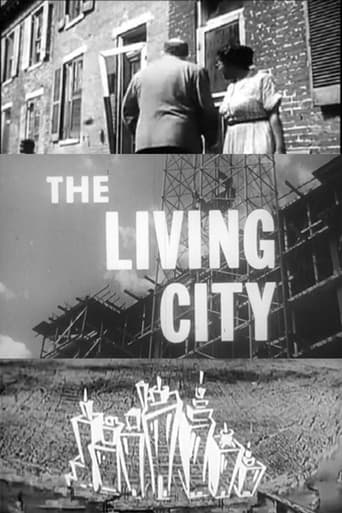 5.8
5.8This short explores the early planning innovations and the subsequent mistakes that resulted in developing urban sprawl, suburbia, and gentrification in modern day US cities as well as the effects it had on its populace and industry.
The Living City
1953
Paul Newman joins ordinary people in the US and the USSR in taking on the military-industrial complex and campaigning for nuclear-war prevention.
War Without Winners
1978