
Acting
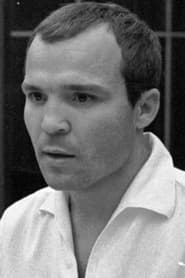
József Madaras
Born — Died
1937-08-16 — 2007-04-24
Place of birth
Rigmani, Romania
Known for
Acting
Credits
64 titles
Known for
 6.7
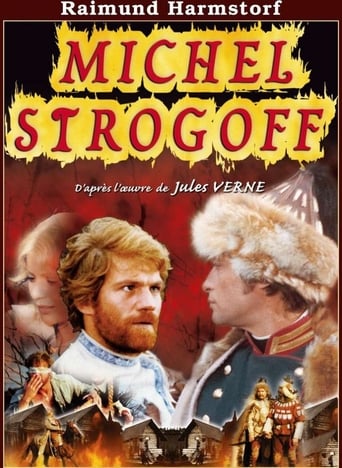
6.7Captain Michael Strogoff is chosen in Moscow to be the courier of the Tsar, 5,523 km far to Irkutsk, to warn the governor about the traitor Ivan Ogareff, a former colonel, who was once demoted and exiled and now seeks revenge.
Michael Strogoff
1975
 4.7
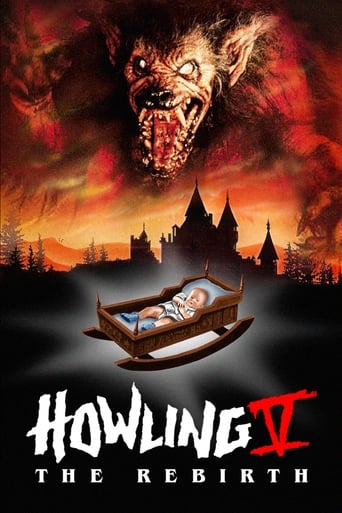
4.7When a group of people from different walks of life converge in a Hungarian castle situated in Budapest which has been sealed for 500 years, they bring with them a werewolf which slowly begins to cut their numbers down.
Howling V: The Rebirth
1989
 7.0
7.0In 1919, Hungarian Communists aid the Bolsheviks' defeat of Czarists, the Whites. Near the Volga, a monastery and a field hospital are held by one side and then the other.
The Red and the White
1967
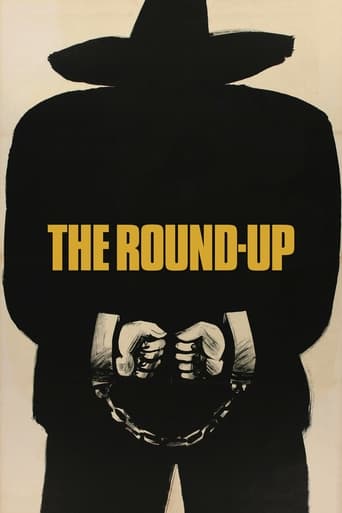 7.2
7.2After the failure of the Kossuth's revolution of 1848, people suspected of supporting the revolution are sent to prison camps. Years later, partisans led by outlaw Sándor Rózsa still run rampant. Although the authorities do not know the identities of the partisans, they round up suspects and try to root them out by any means necessary.
The Round-Up
1966
No synopsis available yet.
Zsarumeló
1989
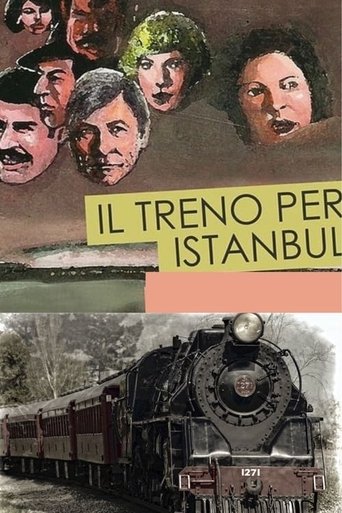 7.0
7.0Set on the Orient Express train, which traveled from Ostend, Belgium, to Istanbul, Turkey, it features several characters whose destinies intertwine, each bearing their own burden of torment: race, sexual frustration, political failure, poverty. Among them are Carlston Myatt, a Jewish businessman, and Dr. Czinner, a Slavic politician who escaped a death sentence five years earlier and is intent on returning to Belgrade.
The Istambul Train
1980
Film credits
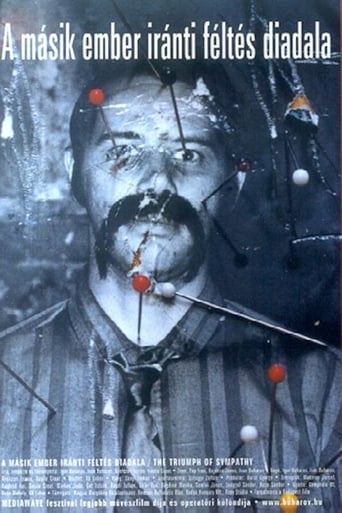
1990s · 2 titles
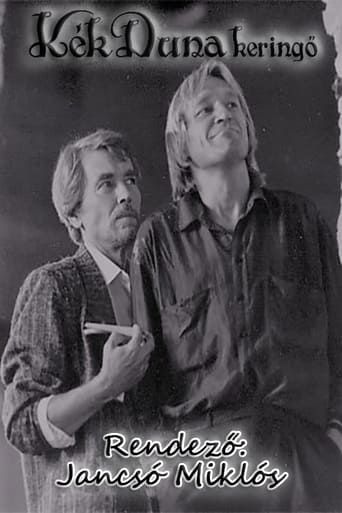 7.6
7.6When Hungary's newest prime minister is shot and killed at a reception, the resulting investigation is necessarily swift and comprehensive. This compelling political thriller uncovers two prime suspects: the woman who guns the leader down, and a man who was friends with both the prime minister and his murderer. Using video surveillance footage, as well as other more artful and symbolic imagery, the noted "visualist" director Miklos Jancso, who is known for his craft in getting his points across non-verbally, combines fantasy and reality in a highly ironic manner.
The Blue Danube Waltz
1992
 4.7
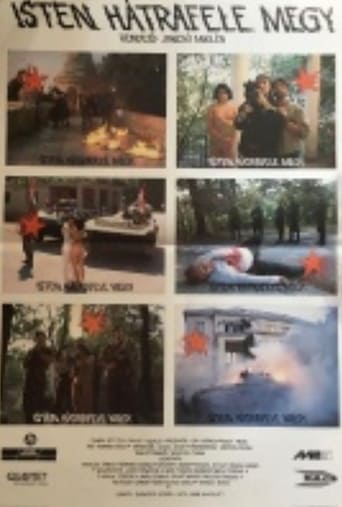
4.7From the film-shooting in the Buda Castle Marci and his friend go to a well-paying job. The scene is a big castle in the middle of a huge park. They enjoy the company of the Kid and the beautiful naked French girl, Nathalie. Their job is to watch the monitors on which they can see the Moscow coup détat. By the time Gorbachev is executed the Communist and the Nationalists have taken turns in occupying the castle and the park.
God Walks Backwards
1991
1980s · 5 titles
4.7When a group of people from different walks of life converge in a Hungarian castle situated in Budapest which has been sealed for 500 years, they bring with them a werewolf which slowly begins to cut their numbers down.
Howling V: The Rebirth
1989
More than a storyline with a beginning, middle, and end, this tale of a foundry worker who engages a woman -- and fellow worker -- to do housekeeping for him is a tale that holds up the Hungarian social system against the morality of an exploitative male-female relationship. After his wife dies, the rough-cut and intentionally nameless "man" (Jozsef Madaras) eventually coerces the "woman" (Julianna Nyako) into doing his housework for a small remuneration. Everything goes along passably well for awhile, until the man adds in more household responsibility in the form of chickens to raise. Due to extra work at the factory, the woman cannot tend to the chickens as she should and the result is that some of them die. The man is furious, verbally abuses her, and then rapes her. Later, the woman discovers she is pregnant, with dire consequences.
We're Getting Along
1981
 5.5
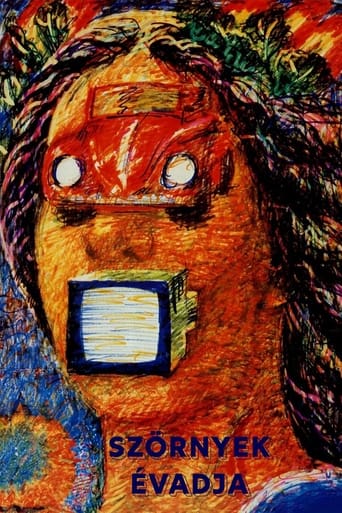
5.5Zoltai is a Hungarian professor who returns home after a visit to the United States. Following a television interview, he commits suicide and leaves a note for his longtime friend Dr. Bardocz. The doctor and Zoltai's colleague Komindi join the police in investigating what drove the man to suicide.
Season of Monsters
1987
 5.2
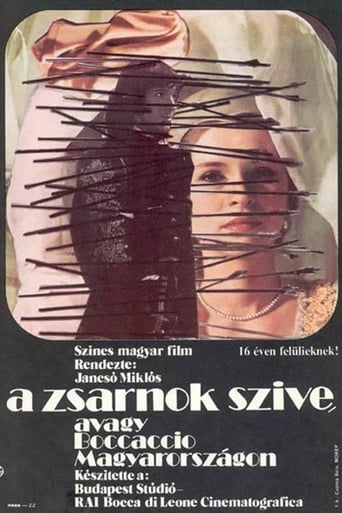
5.2A historical drama set in the 1400s, a young man sent to Italy but is forced back after his father's mysterious death.
The Tyrant's Heart, or Boccaccio in Hungary
1981
 10.0
10.0In the streets of Vichy, France, during World War II, the Germans apprehend nine men and a boy. Among them are a painter, a businessman, an electrician, a waiter, an army doctor, an actor, a prince, a gypsy, and a Jew. Confined without explanation, they can only speculate about their fate.
Incident at Vichy
1981
1970s · 33 titles
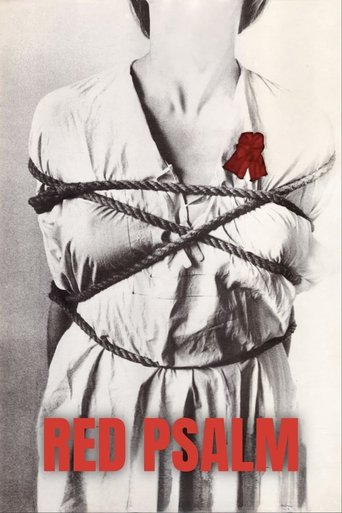 6.3
6.3Set in the 1890s on the Hungarian plains, a group of farm workers go on strike in which they face harsh reprisals and the reality of revolt, oppression, morality and violence.
Red Psalm
1972
The scene is Ukraine. In 1943, after the Hungarian' defeat at the river Don, soldier Balogh decides to visit his family.
Blindfold
1974
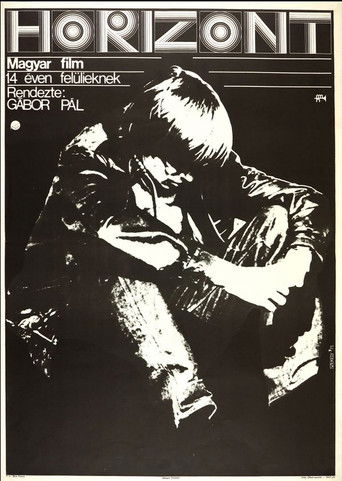 4.0
4.0Karesz's mother, a weaver who was widowed at an early age, is determined to raise her son to be a civil servant, but Karesz refuses to live up to expectations. First he drops out of high school, then of office work. He also becomes disillusioned with the masked world, and love does not complete his life. Slowly, he gets lost in the complexities of growing up...
Horizont
1971
 5.0
5.0Allegory of the suppression of the 1919 revolution and the advent of fascism in Hungary; in the countryside, a unit of the revolutionary army spares the life of father Vargha, a fanatical priest. He comes back and leads massacres. A new force, represented by Feher, apparently avenges the people, but only to impose a different, more refined and effective kind of repression.
Agnus Dei
1971
 NR
NRAn oil driller falls for the lonely farm wife of a man working in Budapest.
Rumbling Silence
1978
 6.3
6.3An orphan girl suffers abuse from her adoptive parents.
Nobody's Daughter
1976
The film is based on a true story. Jakus, managing director of a scooter-factory suddenly resigns, since he disagrees with his superiors in the ministry on several points. Disregarding the attacks of his family and friends, he returns to his original job and becomes a welder, which is not very easy because of his records.
The Last Chance
1973
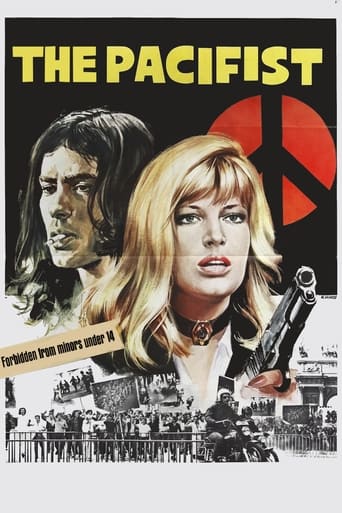 5.0
5.0A journalist preparing a story on extremist youth falls in love with a young radical who fears being killed by his companions when he is unable to commit a political assassination.
The Pacifist
1970
While awaiting his release from the Soviet detention camp he is being held in, a half-starved refugee (Andras Ambrus) finds that an error has been made and his name is not on the to-be-released list. It is then that he is forced to assume the identity of a dead man whose name is on the list. Ambrus at first refuses, but because he was an orphan and cannot produce evidence of his true identity, he has no other choice. However, when he returns to the outer world and the community he was raised in, he is greeted with suspicion. When he tries to claim his part-ownership of a farm from his adopted uncle, he is refused and beaten by farmhands the uncle sets on him.
Identification
1975
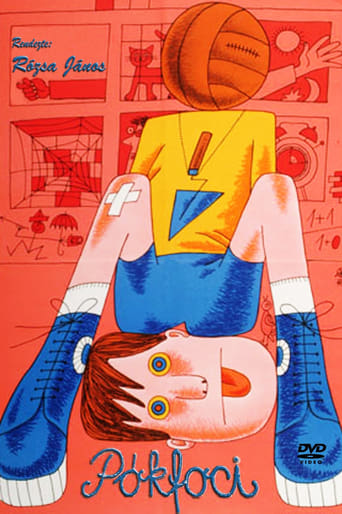 6.5
6.5This satire on film depicts the micro-climate of a technical vocational school newly established at a housing estate. The construction vocational school holds a name-giving ceremony, thus calling the attention of its supervisory organ to itself. The school-master distributes as well as receives presents from the sponsoring factory, and the pupils sit for a written examination of unheard-of material. The results are devastating, which the despotic school-master attempts to conceal by a staged disciplinary procedure.
Spider Football
1976
The film evokes the era of the 1831 cholera epidemic and the peasant uprising which followed it. The way of Doctor Balás, cholera commissioner, and district administrator Hunyor leads through the mountains of Zemplén and is lined by unburied corpses, peasants dying of the illness and of overdoses of bismuth, by the miserably starving population, the healthy digging mass-graves and by uncultivated lands.
Epidemic
1975
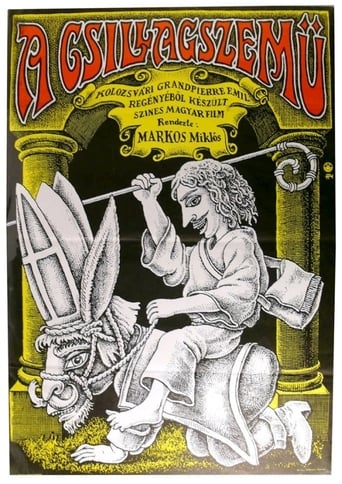 7.0
7.0The powerful, all-powerful lord, Bishop Ambrus, keeps the unfortunate serfs of his county kingdom in fear. But one day, a young man - the youngest son of the poorest serf - stands up to him. The people of the area call him Star-Eyed.
A csillagszemű
1977
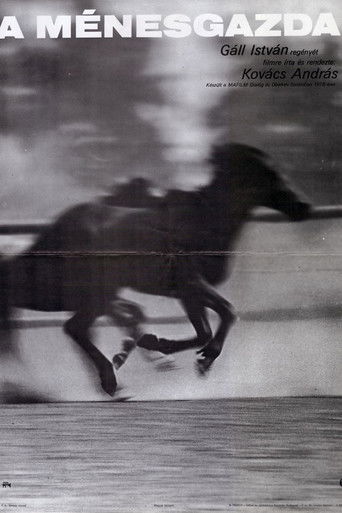 6.2
6.2In 1950, when a young communist director arrives to take charge of a stud farm near the Hungarian borders, his efforts to draw on the experience of the old hands there meet with little success. Janit Busó is not accepted by the farm workers, who were exiled here and branded as class enemies. Busó tries to gain authority, which is not easy among these proud, resentful people who are skilled in their profession. In his difficult situation, the dubious support he receives from the party does more harm than good.
The Stud Farm
1978
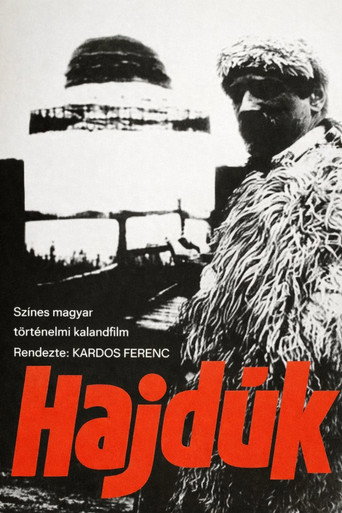 4.6
4.6This film, set at the beginning of the 17th century, is the first East-European "Eastern". Bocskai István orders the free Heyducks to shepherd a huge herd of cattle through the country torn to three parts, to the Dalmatian coast, where he can get weapons in exchange, for fighting the Austrians.
Unruly Heyducks
1974
 6.1
6.1It has been fifteen years since the death of her father, Agamemnon, and Elektra still burns with hatred for Aegisztosz, who conspired with Elektra's mother to kill him.
Electra, My Love
1974
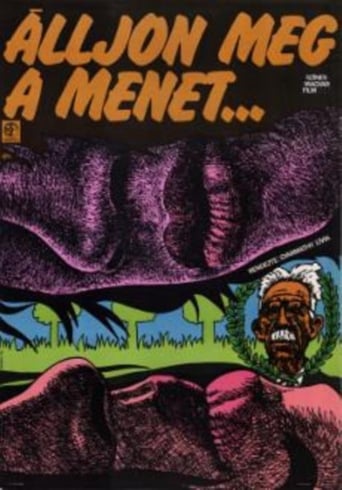 9.0
9.0This film shows us around a factory in the seventies in Hungary. In the outskirts factory of Kőbánya workers celebrate the foundation members and want to present the oldest member, Uncle Benda, now a pensioner, with a golden ring. His grandson, Karcsi Merkovics, an industrial apprentice, is in love with the foreman's daughter.
Wait a Sec!
1973
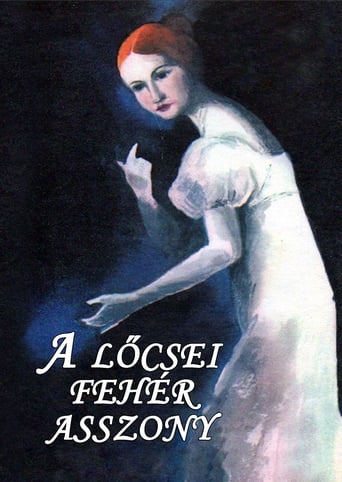 6.0
6.0During the Rákóczi War of Independence, noblewoman Julianna Géczy becomes caught between warring factions as the city of Lőcse falls under siege.
A lőcsei fehér asszony
1976
 7.4
7.4Everyone loves little Junior, but nobody has time for him. So Junior decides to find Time with the help of his friends - dwarves.
Hi, Junior!
1971
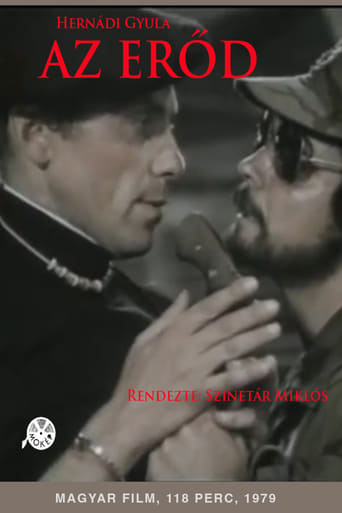 6.5
6.5A World War II-style "war game" setting the wealthy customers against skilled mercenaries goes awry when the simulated war gets too real.
The Fortress
1979
 6.3
6.3The movie portrays a peasant revolt in Hungary in the early twentieth century.
Hungarian Rhapsody
1979
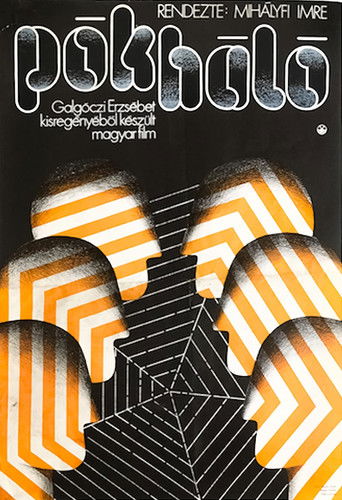 7.0
7.0The guard of the pond announces to Niklai, the president of the Mezőháti farmers' cooperative, that the agronomist Deczki has shipped one hundred and twenty kilos more fish than the amount on the waybill. The management decides to transfer the agronomist.
Cobweb
1974
A musical farce about women in the canning factory. The pretty Brigitta tries to commit suicide, because Laci left her, pregnant, but her mates save her.
Dashing Girls
1974
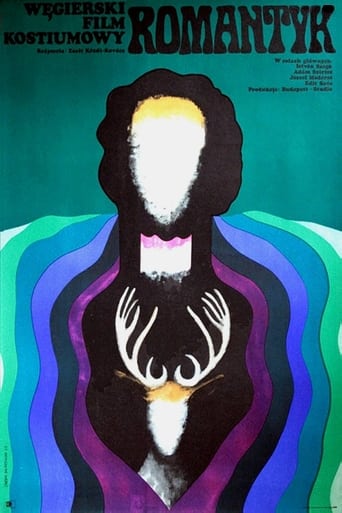 7.0
7.0This film, set at the end of the 18th century, in a provincial and noble environment raises the question of humans forced to lead a meaningless life. The rich Transylvanian noble youth, Kálmán, absorbed the spirit of freedom and enlightened culture in Paris. Returning to his father's estate, he encounters a superstitious backwardness and an orgiastic storming of violence and instincts.
Romanticism
1972
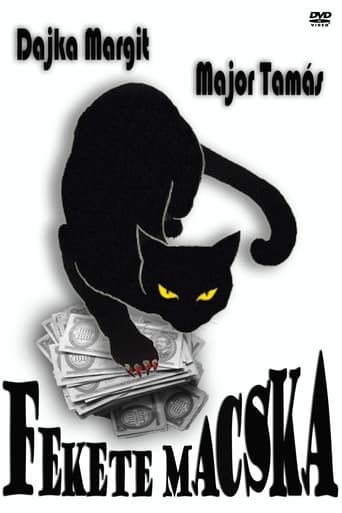 9.0
9.0As the unforgettable Auntie Zsófi, the unforgettable Dajka Margit lives with naive simplicity and wisdom in her secluded little villa. Everyone is in a hurry around her, but she puts the cottage cheese dumplings or the casserole in her oven every day with a healthy spirit. He sells his peach orchard for good money to help his daughter. Lawyer and Bunko, two petty criminals, get wind of the money, but they don't count on the ingenuity of the fair old woman and her fearsome flatmate, the black cat.
Fekete macska
1972
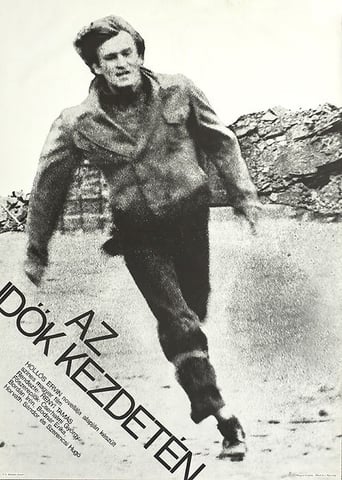 8.0
8.0The film takes place at the end of 1946. Rumours are spread that the food supply will not arrive for it has been robbed. Workers of the metal factory go on strike.
When Time Began
1975
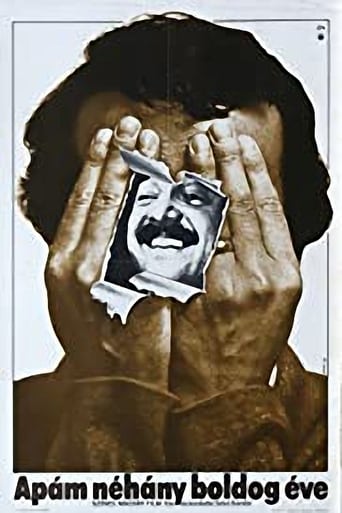 8.0
8.0Director Sandor Simo based this film on his recollections of a period in his father's life just after World War II. In the film, Janos Torok is a chemist and an entrepreneur With enormous enthusiasm, he gets loans to purchase a small chemical plant and begins experiments to create innovative products, such as hormones. Meanwhile, the communist party has come to dominate Hungarian life in such a way that his activities are viewed as little more than criminal. He is hauled away to a prison camp, but even then his letters home are full of boundless optimism and his ideas for further experiments.
My Father's Happy Years
1977
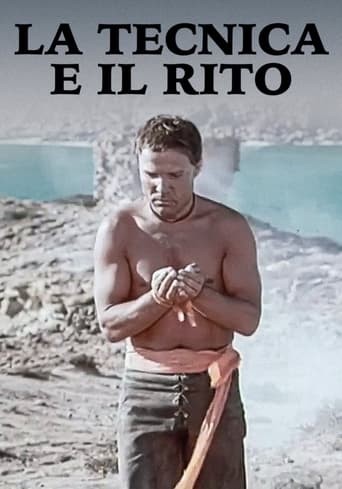 5.6
5.6The narrative concerns the barbaric exploits of Attila The Hun and yet none of the characters ever leave the remote seaside stretch of land on which the film is set or do much of anything – with the ensuing moralizing interrupted only by the occasional (and equally obscure) music-infused rites.
The Technique and the Rite
1972
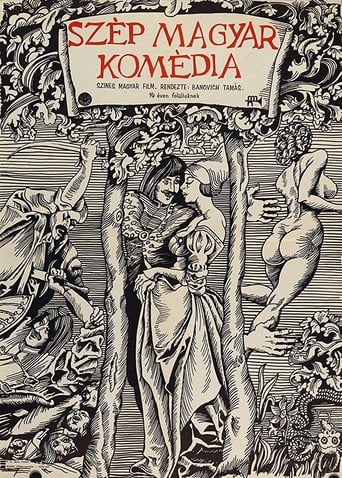 10.0
10.0The story of Bálint Balassi, the poet and warrior. The scene is Hungary at the end of the 16th century. The soldiers stationed at the castles of Hungary's border defence-system spend their days with anti-Turkish raids, hunting and womanising.
A Galant Story
1970
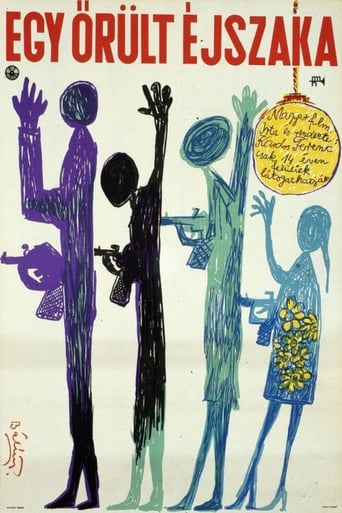 6.7
6.7The grotesque comedy with crime elements takes place in a grocery store.
A Mad Night
1970
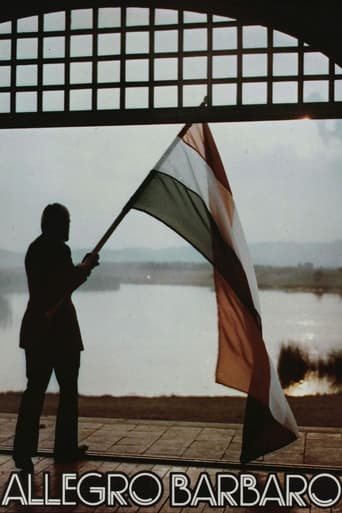 6.8
6.8Zsadányi flees from the authorities with his goddaughter, Bankós Mari, and they escape into the forest. The film then skips ahead thirty-fold years: Zsadány and Mari are now lovers, with the sound of war in the background halting their romance. The old friends of Zsadányi have joined with the Nazis, and the landowner living with his peasants in a socialist community grows distant from them. Zsadányi is held responsible for political problems in the country, and will pay with his life.
Allegro Barbaro
1979
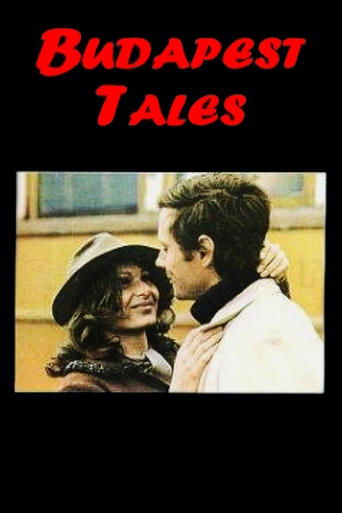 6.3
6.3"Budapest Tales" is about a group of people (consisting of Szabo regular Andras Balint along with Ildiko Bansagi and Karoly Kovacs) who find a broken down tram while trying to go to the city. The people band together and try to get the tram back on the train tracks and head towards the city. Along this journey the passengers encounter many people who join them on the tram. What started out as only a handful of people has now turned into a small village. As the people travel on to the city each person takes on certain roles and through the course of time these roles will change. Some people fall in love, others out of love, and a few even die. But life goes on. The people keep the tram going hoping to reach Budapest.
Budapest Tales
1977
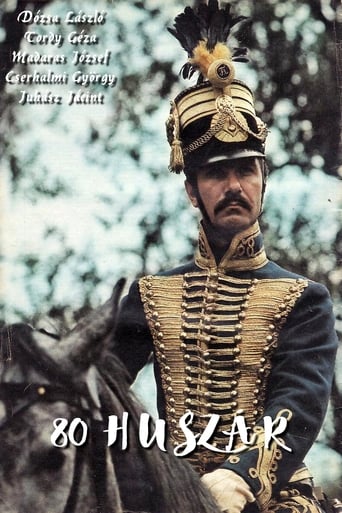 6.7
6.7The film tells the story of a regiment of Hungarian hussars stationed in Poland. The hussars, mostly ordinary men, have heard news of the uprising and wish to return to the homeland to defend the newly independent country. The Empire, on the other hand, is firmly resolved that all Hungarian troops in the imperial army should be kept as far away from the trouble spot as possible, knowing that most soldiers would be loyal to Budapest rather than Vienna.
80 Hussars
1978
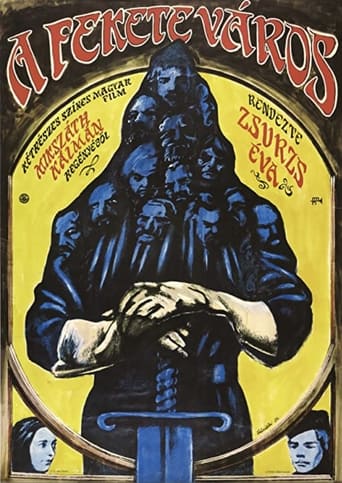 NR
NRFeature film version of the 1971 series. On the eve of the 18th century, County Vicecomes Görgey Pál broods alone in his manor while the town of Leutschau celebrates New Year’s with lead‐casting omens and a disastrous hunt that sparks a bitter feud. As Görgey fights for his honor and life, and the townspeople defend their Saxon privileges, their mutual blind ambition prevents them from seeing the rising light of Rákóczi’s coming rebellion.
The Black City
1972
1960s · 18 titles
7.0In 1919, Hungarian Communists aid the Bolsheviks' defeat of Czarists, the Whites. Near the Volga, a monastery and a field hospital are held by one side and then the other.
The Red and the White
1967
7.2After the failure of the Kossuth's revolution of 1848, people suspected of supporting the revolution are sent to prison camps. Years later, partisans led by outlaw Sándor Rózsa still run rampant. Although the authorities do not know the identities of the partisans, they round up suspects and try to root them out by any means necessary.
The Round-Up
1966
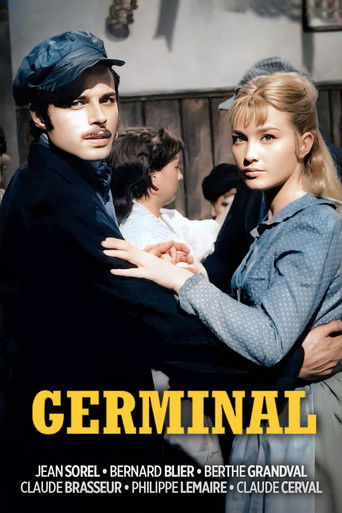 7.8
7.8Dismissed from the railroads in 1863 for his union activities, Etienne Lantier found a job at the Voreux coal mine. But work was hard, wages were low and safety left much to be desired. Lantier tried to organize the miners into a union. When mine manager Hennebeau refused to negotiate, the workers launched a general strike, which ended with the intervention of the troops.
Germinal
1963
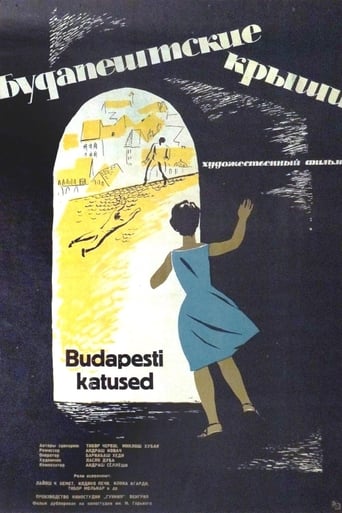 10.0
10.0Gráci has been recently released from a reformatory school. His old gang would like to involve him in a new action, but he hesitates. His past record is bad enough already, and he would not like to get into new trouble.
On the Roofs of Budapest
1961
 9.0
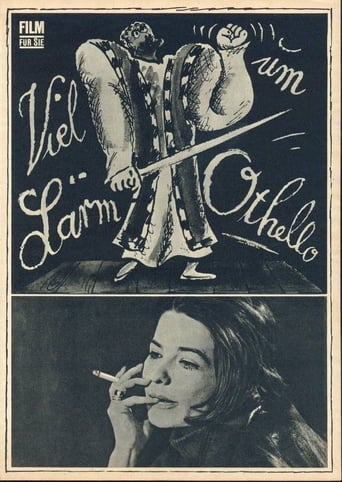
9.0An ambitious theatre director arrives in Gyulaháza from the capital. The aim of the young Debrődy is to shake up the locals and turn the life of the town upside down.
Othello in the Province
1966
 7.0
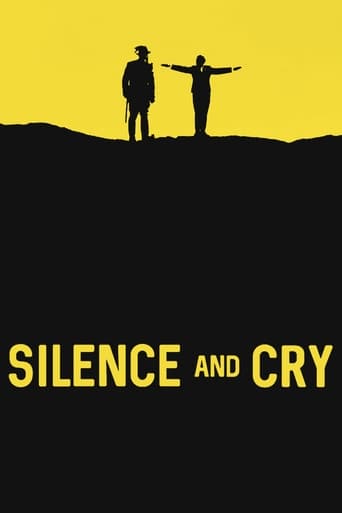
7.0Set during a turbulent era of disquiet, fear, persecution and terror, which permeates every corner of post-WWI Hungarian society. In 1919, after just a few months of communist rule the Hungarian Republic of Councils falls victim to a nationalist counter-revolution. Admiral Horthy, leader of the nationalist far right movement, becomes the self-proclaimed regent of Hungary, and assumes power as the legal Head of State. Soldiers of the short-lived Hungarian Red Army are now on the run from relentless secret policemen and patrol units of the nationalist Royal Gendarme. If caught, ex-Red Army soldiers are executed without mercy or proper trial. István Cserzi, a former soldier of the Red Army has fled to the Great Hungarian Plains and has taken refuge on a farm, which is run by two sympathetic women.
Silence and Cry
1968
 8.0
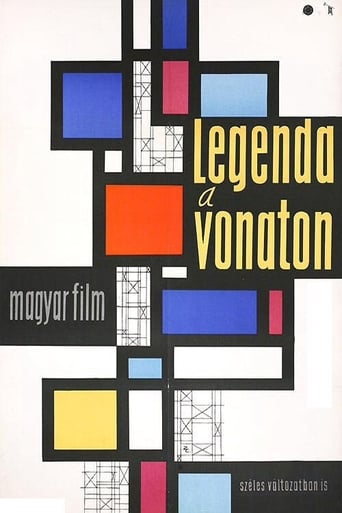
8.0On the crowded train, the workers entertain each other by telling stories.
Tales of a Long Journey
1962
 6.7
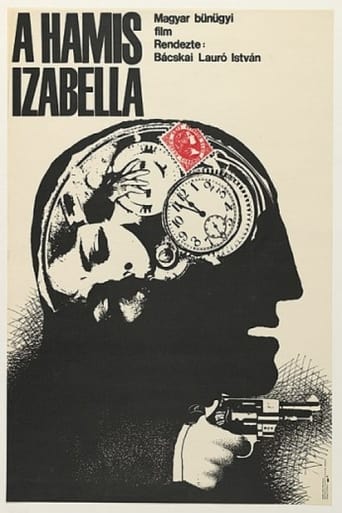
6.7Végh Márta, the teacher is looking for her student Vadász Ica in the Buda villa, but she only finds the tenant, Mrs. Paár - dead. The investigation reveals that Mrs. Paár was murdered for an invaluable stamp, the "Fake Isabella".
The Fake "Isabella"
1968
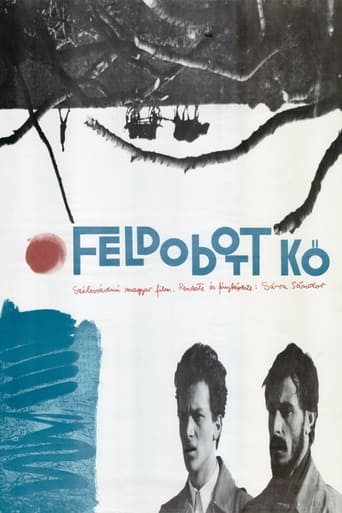 6.7
6.7An aspiring film student is denied a scholarship to the state-funded university when his father is thrown in jail. The man had stopped a train in order to facilitate the union between two old friends. The son then takes a job as a land surveyor and meets a Greek man who works towards the collective benefits of the peasants. The man is killed in a peasant uprising prompted by a bureaucratic boondoggle. The surveyor looks after the man's widow as his emerging political and social awareness leads him take a stand against government injustice. Another incident, in which gypsies are rounded up by state hygiene workers, further galvanizes the man's beliefs. He photographs the incident, and his work allows him to be accepted into the school from which he was previously denied admission.
The Upthrown Stone
1969
 8.0
8.0No synopsis available yet.
A vigyori
1968
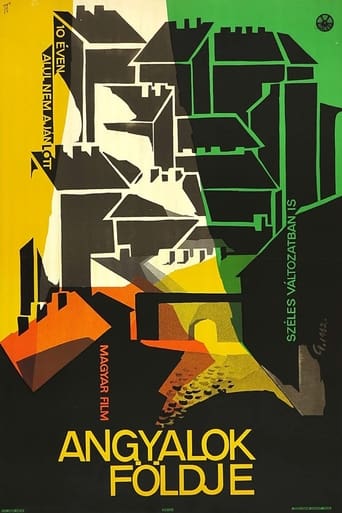 8.0
8.0The film is a ballad about the dwellers of a block-of-flats in Angyalföld.
The Land of Angels
1962
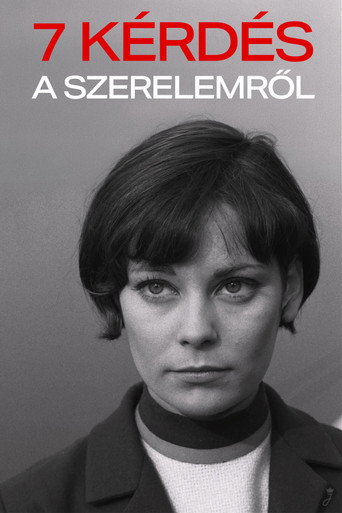 NR
NRSeven stories about love and women.
7 kérdés a szerelemről (és 3 alkérdés)
1969
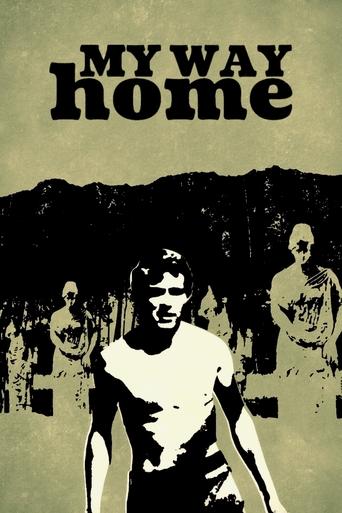 7.1
7.1In the aftermath of World War II, a Hungarian teenager, captured by Soviet troops, forms an unlikely bond with a Russian soldier in a remote prison camp.
My Way Home
1965
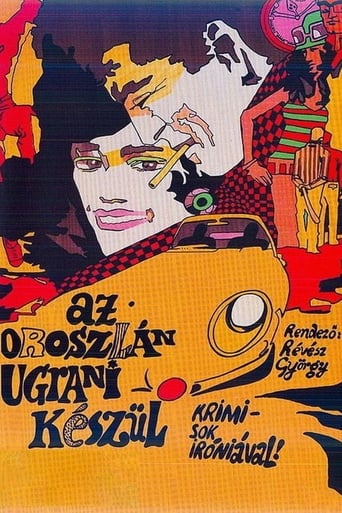 4.0
4.0SS doctor during the war worked on the serum of cancer, but discovered a terrible poison, one vial is enough to kill 100 000 people. 20 years after the war, the old Nazi gets out of prison, and the hunt for him and his discovery begins.
The Lion is Ready to Jump
1969
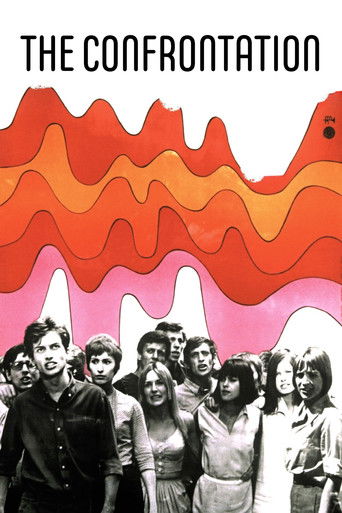 6.5
6.5In post-WWII Hungary, a group of Communist college students arrive at a Catholic seminary hoping to engage in peaceful debate with its students.
The Confrontation
1969
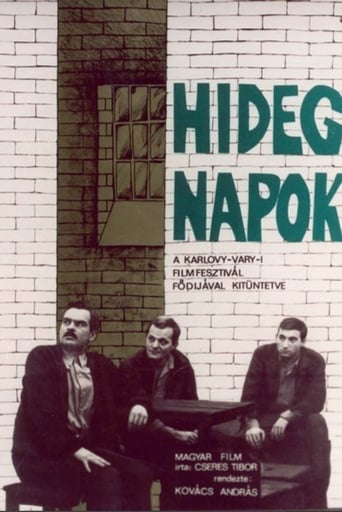 7.0
7.0Andras Kovacs' film, considered one of the most important Hungarian films of the 1960s, centers around four men who await trial for their involvement in the massacre of several thousand Jewish and Serbian people of Novi Sad in 1942. Each denies any responsibility, claiming that they were only following orders. The film is significant for its willingness to address the subject of Hungary's role in WWII, which was taboo at the time of the its release.
Cold Days
1966
 6.7
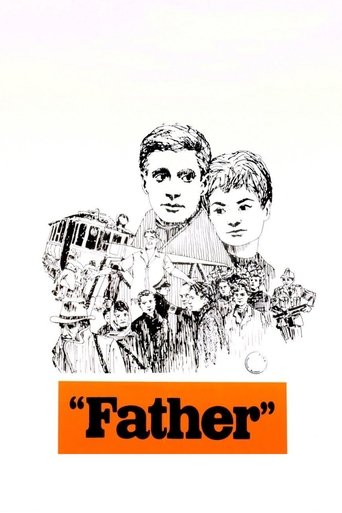
6.7When young Tako's father dies in Hungary in 1945, Tako is left with scant memories of him. Nurtured by his mother, the boy fantasizes about the man his father was, imagining him a hero. Grown into a man himself, Tako falls for a Jewish refugee, Anni. Burdened by her own heritage as a Jew, Anni sparks in Tako a desire to find out what his father was really like, and he delves into the role his father played in World War II.
Father
1966
 7.1
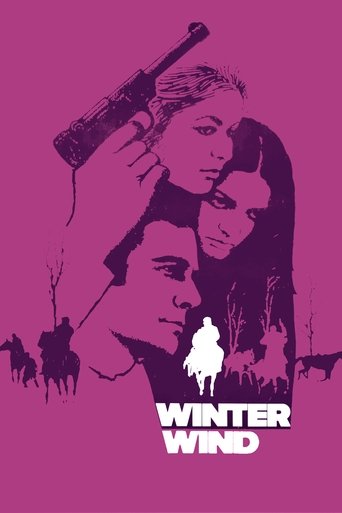
7.1Croatian anarchists collaborate with Hungarians to make a bid for the life of King Alexander of Yugoslavia.
Winter Wind
1969
Series credits
6.7Captain Michael Strogoff is chosen in Moscow to be the courier of the Tsar, 5,523 km far to Irkutsk, to warn the governor about the traitor Ivan Ogareff, a former colonel, who was once demoted and exiled and now seeks revenge.
Michael Strogoff
1975
No synopsis available yet.
Zsarumeló
1989
7.0Set on the Orient Express train, which traveled from Ostend, Belgium, to Istanbul, Turkey, it features several characters whose destinies intertwine, each bearing their own burden of torment: race, sexual frustration, political failure, poverty. Among them are Carlston Myatt, a Jewish businessman, and Dr. Czinner, a Slavic politician who escaped a death sentence five years earlier and is intent on returning to Belgrade.
The Istambul Train
1980
 9.5
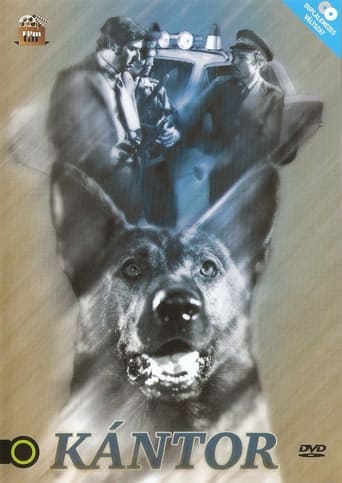
9.5No synopsis available yet.
Kántor
1976