
Acting
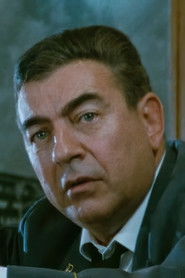
Jacques Provins
Born — Died
1914-10-23 — 1979-03-09
Place of birth
Genève, Suisse
Known for
Acting
Credits
13 titles
Known for
 8.5
8.5Schulmeister, l’espion de l’empereur (Schulmeister, the Emperor's Spy) is a French historical adventure television series consisting of 13 episodes (1971–1974), inspired by the real life of Charles Louis Schulmeister, a famous spy in the service of Napoleon I. It alternates between historical facts and fiction, offering a fictionalized portrait of a cunning spy, loyal to Napoleon, and always ready to turn a situation to his advantage.
Schulmeister, l'espion de l'Empereur
1971
 6.0
6.0No synopsis available yet.
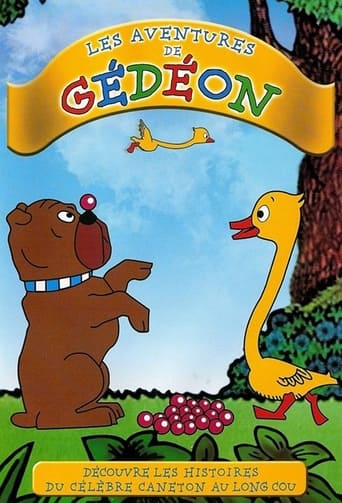
Gideon
1976
 6.6
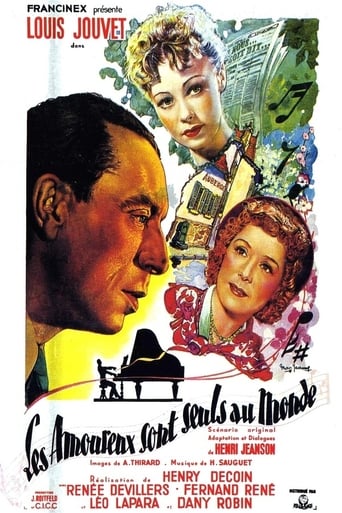
6.6Gérard Favier is a famous composer who is deeply in love with his wife Sylvia. The couple meet Monelle, a pretty, talented young pianist and ardent admirer of Gérard Favier. The musician takes the young woman under his wing and launches her to success. But a tabloid reveals an affair between the composer and his protégée.
Monelle
1948
 9.0
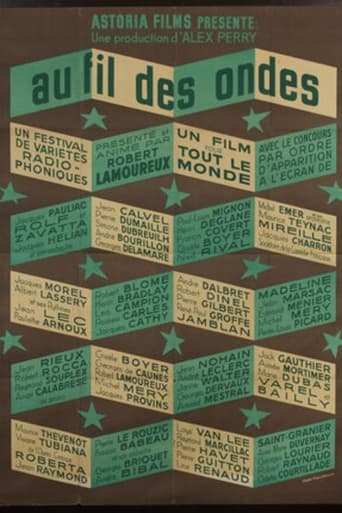
9.0Panorama of the programs and hosts who made the heyday of radio in the 1950s.
Over the waves
1951
 10.0
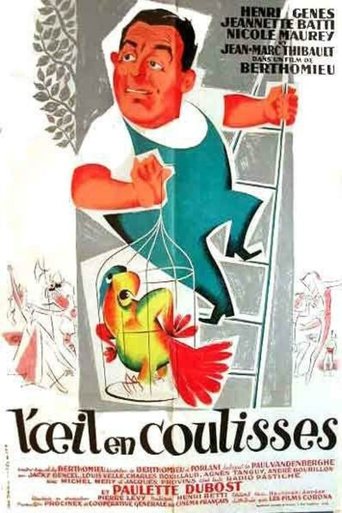
10.0Wounded during a rugby match he'd come to Paris to play, Tonin Bonnafous, a thoroughbred southerner, settled in Paris with a former stalag mate he'd happily met. Tonin liked the asylum. His friends are charming, and there's a neighbor, Martine, a young cinema extra, whom Tonin finds to his liking. Through his electrician friend, Tonin gets a job on the radio, and through his young neighbor, he even gets a job as an extra in the cinema.
L'oeil en coulisse
1953
 6.3
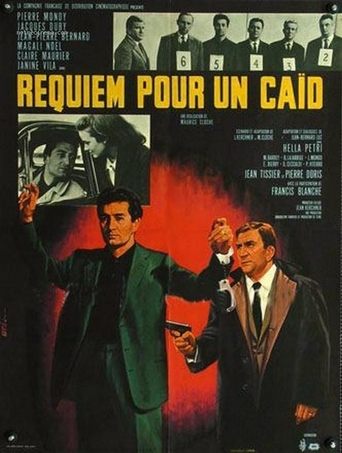
6.3Police officer Antoine Delille is in charge of putting an end to the activities of a "kingpin", Jo Pinelli, trafficker, racketeer and pimp. He has three women working for him, including Eva and Jeannette, and is currently "conditioning" a charming, naive Orly employee, with whom he poses as an honorable businessman. Inspector Delille's plan is to arrest Jo for some crime and, while he's being held at the P.J., to delve into his other criminal activities and confound him.
Requiem pour un caïd
1964
Film credits
1970s · 3 titles
Antoine Saint-Just, comrade of Robespierre and youngest member of the Committee of Public Safety, is drawn into the tempestuous political & military conflicts of France under the Terror.
Saint-Just and the Force of Things
1975
 4.8
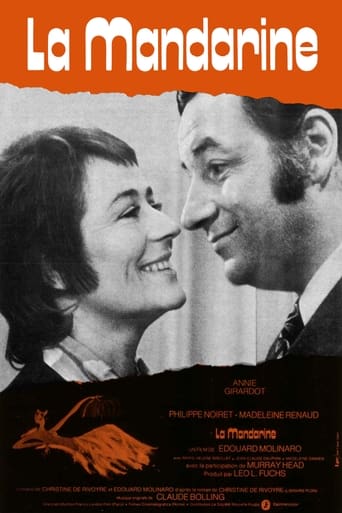
4.8Paris, seventies. In a hotel in the glittering Rue de Rivoli an English boy falls in love with the two young grandchildren of the owner. Based on the novel "La Mandarine" by Christine de Rivoyre.
La Mandarine
1972
 6.2
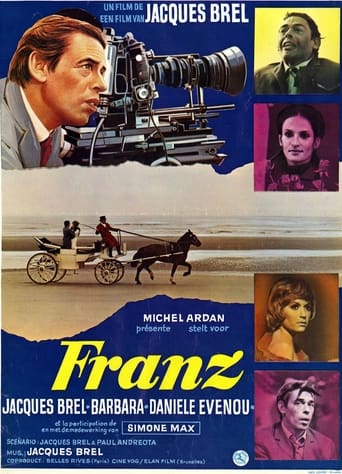
6.2In a French seaside town, at a boarding house for civil servants recovering from surgery and maladies, the six male residents' lives change dramatically when two women arrive: Catherine, lively, sexually liberated, willing to kiss, dance, and sleep with the men, and Leonie, reserved, formal, conservative. Leonie finds herself attracted to Leon, a Belgian who was a mercenary in Katanga in 1964, wounded and carrying psychological scars as well. The other men continually play practical jokes on Leon, some of them cruel. As Leon courts Leonie, his horrid mother brings him emotional distress as do his memories of war. Can the two of them get past these obstacles?
Franz
1972
1950s · 6 titles
9.0Panorama of the programs and hosts who made the heyday of radio in the 1950s.
Over the waves
1951
10.0Wounded during a rugby match he'd come to Paris to play, Tonin Bonnafous, a thoroughbred southerner, settled in Paris with a former stalag mate he'd happily met. Tonin liked the asylum. His friends are charming, and there's a neighbor, Martine, a young cinema extra, whom Tonin finds to his liking. Through his electrician friend, Tonin gets a job on the radio, and through his young neighbor, he even gets a job as an extra in the cinema.
L'oeil en coulisse
1953
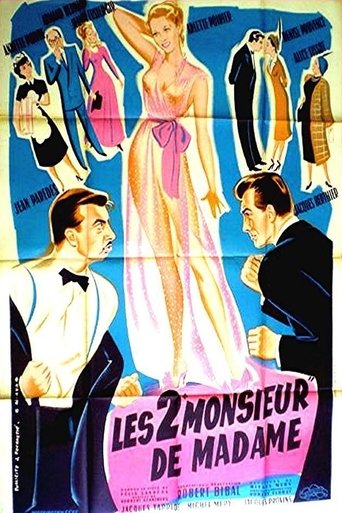 8.0
8.0Adolphe is in serious financial difficulties and the extravagances of his wife do not help to fix things.
Les deux Monsieur de Madame
1951
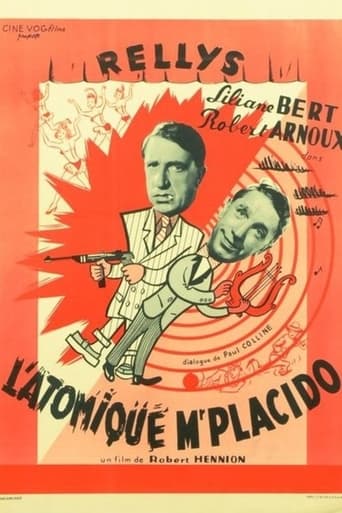 8.0
8.0A gangster, thief of atomic formulas, has a double in the person of a naive musician. A music hall artist who makes eyes at the musician is deceived by the gangster who also takes advantage of the resemblance to track down a band of thugs who are chasing him. Virtue is ultimately rewarded.
L’Atomique monsieur Placido
1950
 8.0
8.0François Jauréguy is a young Basque who would love to devote his life to God. But meeting Maïté and the example of the worker priests makes him doubt the wisdom of his choice. Marie-Jeanne, his mother, suffers from this situation. She knew a man, Jean Etchandy, who renounced the priesthood out of love for her. François supports him in his final moments, and celebrates his first mass before his mother's tender eyes.
Les mains liées
1956
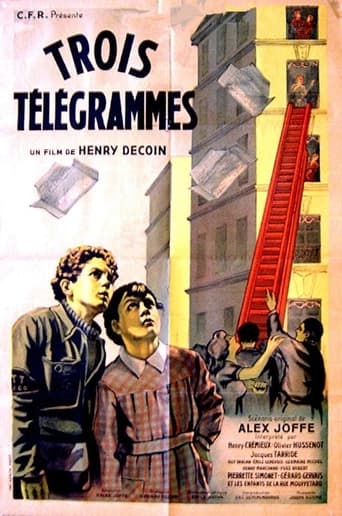 9.0
9.0Story is primarily based on the adventures of Antoine, a young telegraph messenger on his second night of work. He is given three telegrams, one of which is for the president of the Camber of Deputies. Excited, Antoine runs his bicycle into a truck and loses the telegrams. What follows is an amusing and agonizing search for the missing messages. He is assisted first by a glum, wise-beyond-her-years little girl, Amelie; an off-duty police superintendent, a schoolmaster, a cookie-tin maker and a fireman. The harmonica musical theme is played by Flore Falvey.
Paris Incident
1950
Series credits
8.5Schulmeister, l’espion de l’empereur (Schulmeister, the Emperor's Spy) is a French historical adventure television series consisting of 13 episodes (1971–1974), inspired by the real life of Charles Louis Schulmeister, a famous spy in the service of Napoleon I. It alternates between historical facts and fiction, offering a fictionalized portrait of a cunning spy, loyal to Napoleon, and always ready to turn a situation to his advantage.
Schulmeister, l'espion de l'Empereur
1971
6.0No synopsis available yet.
Gideon
1976