
Acting
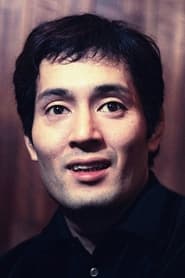
Tatsuya Nakadai
Born — Died
1932-12-13 — 2025-11-08
Place of birth
Meguro, Tokyo, Japan
Known for
Acting
Credits
73 titles
Tatsuya Nakadai (仲代 達矢, Nakadai Tatsuya; born Motohisa Nakadai; December 13, 1932 – November 8, 2025) was a Japanese actor. Widely regarded as one of the greatest actors in the history of Japanese cinema, he collaborated extensively with many of Japan's best-known and acclaimed directors. In his over seven decade career, he appeared in more than 160 films, and received numerous accolades. He was honored with a Medal with Purple Ribbon in 1996 and Japan's Order of Culture in 2015. Nakadai rose to prominence starring in Masaki Kobayashi's films, with his breakthrough being the protagonist of the epic anti-war trilogy The Human Condition (1959–1961). He won the Blue Ribbon Award for Best Actor…
Known for
 8.5
8.5A samurai answers a village's request for protection after he falls on hard times. The town needs protection from bandits, so the samurai gathers six others to help him teach the people how to defend themselves, and the villagers provide the soldiers with food.
Seven Samurai
1954
 8.0
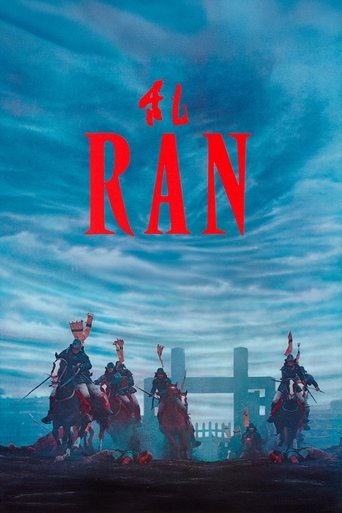
8.0Shakespeare's King Lear is reimagined as a singular historical epic set in sixteenth-century Japan where an aging warlord divides his kingdom between his three sons.
Ran
1985
 8.4
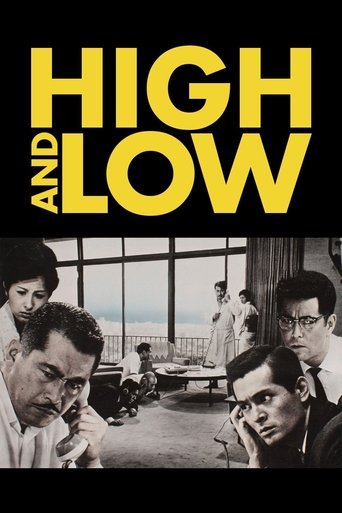
8.4A Yokohama shoe executive faces a wrenching choice when kidnappers mistakenly seize his chauffeur’s son but demand the ransom anyway.
High and Low
1963
 8.2
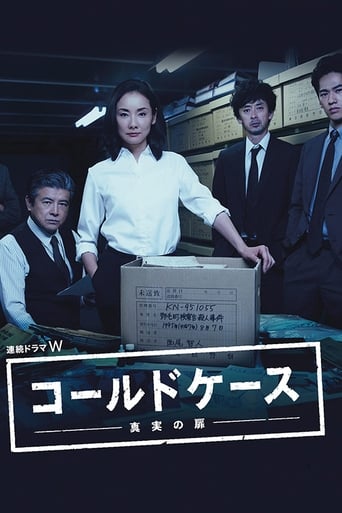
8.2Yuri Ishikawa and her team try to crack unresolved cold cases in Kanagawa Prefecture, Japan.
Cold Case: Door of Truth
2016
 8.1
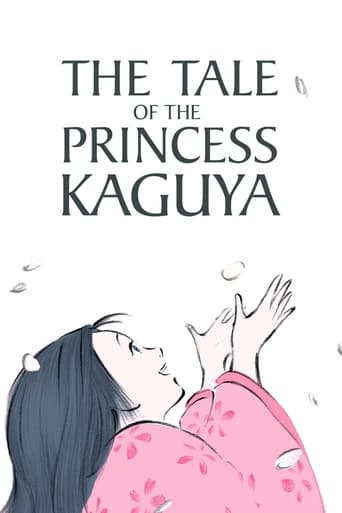
8.1Found inside a shining stalk of bamboo by an old bamboo cutter and his wife, a tiny girl grows rapidly into an exquisite young lady. The mysterious young princess enthrals all who encounter her. But, ultimately, she must confront her fate.
The Tale of The Princess Kaguya
2013
 8.5
8.5Down-on-his-luck veteran Tsugumo Hanshirō enters the courtyard of the prosperous House of Iyi. Unemployed, and with no family, he hopes to find a place to commit seppuku—and a worthy second to deliver the coup de grâce in his suicide ritual. The senior counselor for the Iyi clan questions the ronin’s resolve and integrity, suspecting Hanshirō of seeking charity rather than an honorable end. What follows is a pair of interlocking stories which lay bare the difference between honor and respect, and promises to examine the legendary foundations of the Samurai code.
Harakiri
1962
Film credits
2010s · 6 titles
8.1Found inside a shining stalk of bamboo by an old bamboo cutter and his wife, a tiny girl grows rapidly into an exquisite young lady. The mysterious young princess enthrals all who encounter her. But, ultimately, she must confront her fate.
The Tale of The Princess Kaguya
2013
 7.5
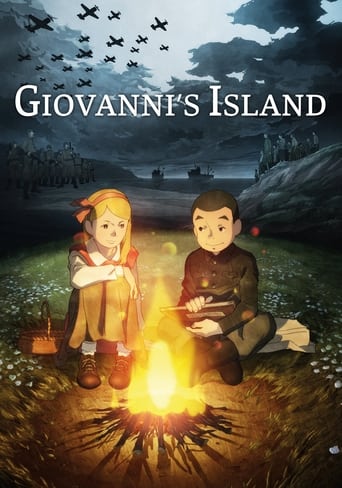
7.5In the aftermath of the most devastating conflict mankind had ever experienced, the tiny island of Shikotan became part of the Sakhalin Oblast... and on the unhealed border in this remote corner of the world, friendship among children from two different countries timidly blossomed, striving to overcome language barriers and the waves of history. Inspired by true events.
Giovanni's Island
2014
 7.0
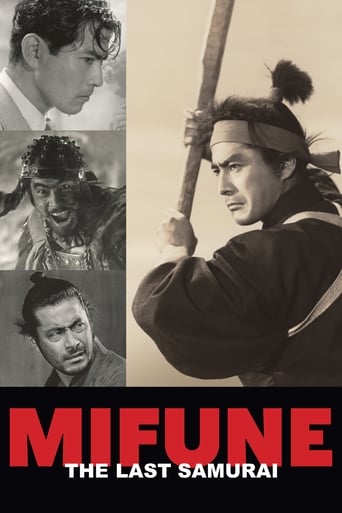
7.0An account of the life and work of legendary Japanese actor Toshirō Mifune (1920-97), the most prominent actor of the Golden Age of Japanese cinema.
Mifune: The Last Samurai
2016
 5.0
5.0A brilliant doctor on a quest for revenge buys a young woman and trains her to be the ultimate assassin, implanting gun parts in her body that she must later assemble and use to kill her target before she bleeds to death.
Gun Woman
2014
 6.7
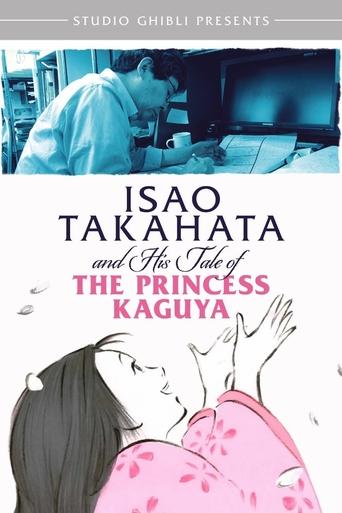
6.7For his first film in fourteen years, animation director Isao Takahata embarked on a visually sumptuous adaptation of The Tale of the Bamboo-Cutter. A dream project for the director that would hopefully establish the recently formed Ghibli Studio 7, created to meet the demands of a new type of modern animation process. But, almost immediately, the epic production is faced with difficulties and falls dramatically behind schedule. In this compelling and insightful documentary, we follow Isao Takahata and his dedicated team of artists as they frantically strive against adversity to make their vision a reality and bring Studio Ghibli into a new era.
Isao Takahata and His Tale of The Princess Kaguya
2014
 6.6
6.6Stuck in a fishing village in Hokkaido, Tadao's grand-daughter Haru is desperate to visit Tokyo, a trip Tadao is reluctant to make.
Haru's Journey
2010
2000s · 3 titles
 5.5
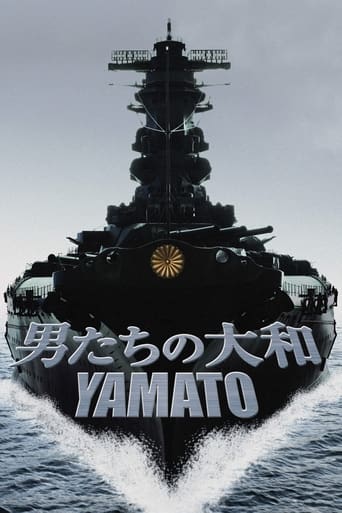
5.5Directed by Junya Sato and based on a book by Jun Henmi, "Yamato" has a framing story set in the present day and uses flashbacks to tell the story of the crew of the World War II Japanese battleship Yamato. The film was never released in the United States, where reviewers who have seen it have compared the military epic to "Titanic" and "Saving Private Ryan."
Yamato
2005
 7.3
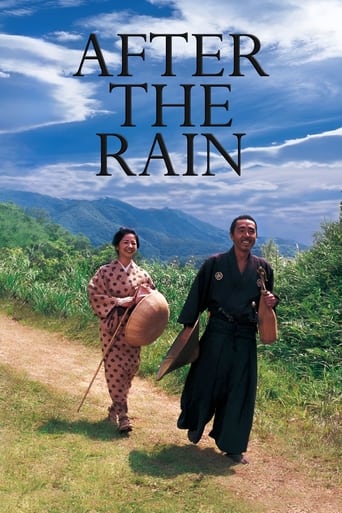
7.3A group of travelers is stranded in a small country inn when the river floods during heavy rains. As the bad weather continues, tensions rise amongst the trapped travelers.
After the Rain
2000
 6.9
6.9Inugami Sahei, who built up the wealth of the Inugami Clan, passes away, leaving a will with Furudate, his legal adviser, for his daughters Matsuko, Takeko and Umeko, all of whom have different mothers, and for their sons, as well as for Nonomiya Tamayo, the granddaughter of a person to whom Sahei feels heavily indebted. The will states that all his assets are inherited by Tamayo alone, on the condition that she marries one of the sons of the daughters. Furudate's assistant learns the content of the will, and seeks advice from Kindaichi Kosuke, a private detective, as he senses the air of unease. Shortly afterwards, murders start to occur one after another in the clan.
Murder of the Inugami Clan
2006
1990s · 4 titles
 5.8
5.8A peace treaty between the Earth and the Black World, a parallel universe of demons, is coming to an end. Two cops, Taki, a human male, and Maki, a female demon, are assigned to protect a diplomat who will help secure another treaty. A radical group of demons from the Black World are out to assassinate the diplomat and prevent the treaty; only the bond that forms between the two cops can save the Earth from destruction.
Wicked City
1992
 5.9
5.9Rin Jyoshima lost her father to death-by-gambling; years later, she's grown up in the Kosugi household and has fallen victim to gambling herself.
Heat Wave
1991
 7.0
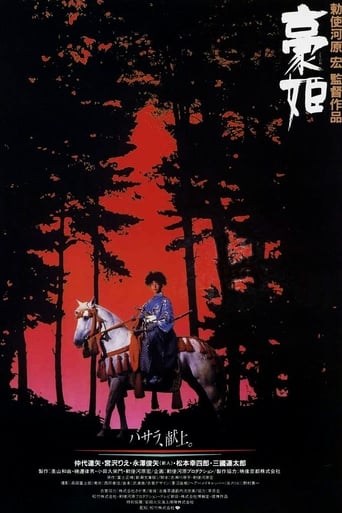
7.0Furuta Oribe is ordered to become tea master under Toyotomi Hideyoshi after his teacher Sen no Rikyū, the former tea master, was ordered to commit suicide. Princess Goh, daughter of the lord but adopted by Hideyoshi, is outraged when Rikyū's severed head is thrown in the Nijo River. She sends Usu, Oribe's servant, to retrieve the head and deliver it to Rikyū's adopted daughter.
Basara: The Princess Goh
1992
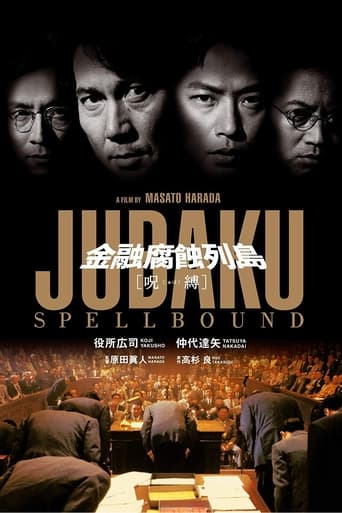 6.2
6.2When a major bank is caught paying off a corporate extortionist, the media and prosecutors begin to dig, breaking open a money-and-favours scandal that threatens to rock the entire structure of business and government to its core. While the bank's top executives continue to vacillate, a quartet of middle-management reformers, led by straight-arrow Kitano (Koji Yakusho), decide to stage a boardroom coup and install a new, clean management team. With the aid of a hotshot news anchor (Mayumi Wakamura) and a hard-nosed prosecutor (Kenichi Endo), heads begin to roll.
Jubaku: Spellbound
1999
1980s · 12 titles
8.0Shakespeare's King Lear is reimagined as a singular historical epic set in sixteenth-century Japan where an aging warlord divides his kingdom between his three sons.
Ran
1985
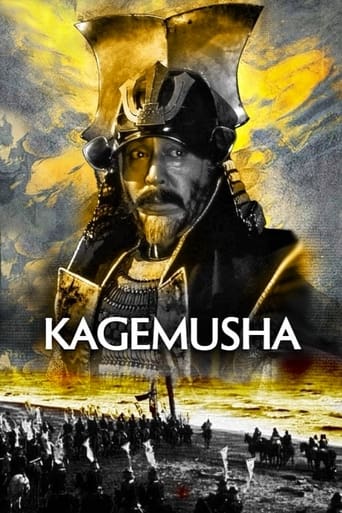 7.8
7.8A feudal epic presenting the tale of a petty thief who is recruited to impersonate Shingen, an aging warlord, in order to avoid attacks by competing clans. The impostor becomes comfortable living his life among nobility, but his responsibilities to his station grow more demanding the longer he occupies it.
Kagemusha
1980
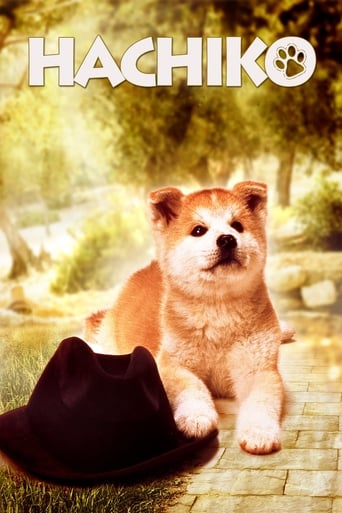 7.8
7.8The tragic, true story about Hachikō, an Akita dog who was loyal to his master, Professor Ueno, even after Ueno's death.
Hachiko
1987
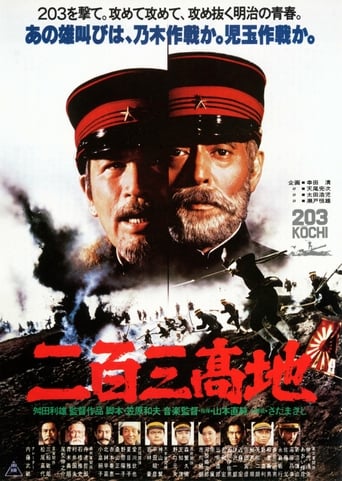 7.4
7.4Depicts the bloody siege of the fortress of Port Arthur, one of the most strongly fortified positions in the world, during the Russo-Japanese War of (1904 - 1905). In the story dominated the character Lt Takeshi Kogyo (Teruhiko Aoi), teachers, and a reserve officer who became commander of the platoon and later company. At the same time monitors the conduct of the army commander general Nogi (Tatsuya Nakadai), which was commissioned of the emperor Matsuhito (Toshirô Mifune) to the conquest of the fort.
Port Arthur
1980
 5.0
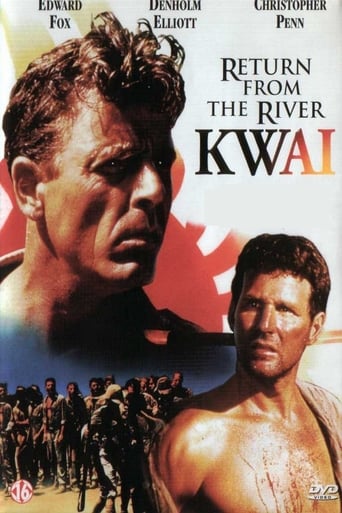
5.0A group of war prisoners has spilt blood, sweat and tears to construct a bridge over the river Kwai in Thailand. Just when the bridge is ready, an American bomber arrives and destroys it. Camp commander Tanaka wants to set an example and orders that some of the prisoners must be executed. Just in time major Harada arrives with orders that the healthiest prisoners must be transported to Japan by train and boat. A treacherous journey since the allied forces keep a close eye on railroads and practically own the seas.
Return from the River Kwai
1989
 5.6
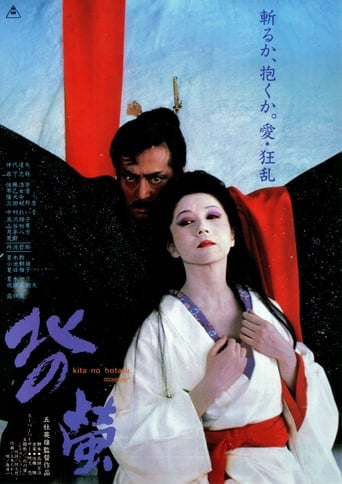
5.6Set in the icy wilderness of Hokkaido during the early days of the Meiji era, where the brutal warden of Kabato Prison terrorizes convicts sentenced to forced labor to build the roads needed to open up the territory.
Fireflies in the North
1984
 7.3
7.3Based on the "2.26 Incident", an attempted coup d'état in Japan 1936, launched by radical ultra-nationalist parts of the military. Several leading politicians were killed and the center of Tokyo was briefly held by the insurgents before the coup was suppressed.
Four Days of Snow and Blood
1989
 6.8
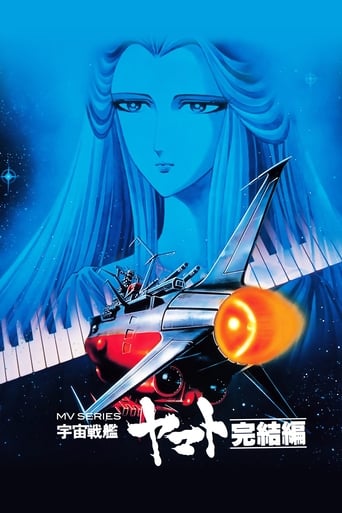
6.8The Galman Empire is destroyed but the planet Galmania is not, by a chance collision of galaxies. The Bolar Federation worlds including Planet Bolar are destroyed. The Yamato, back under the command of Captain Okita, encounters the planet Denguil too late to save its humanoid civilization from being flooded by the water planet Aquarius. The surviving Denguil, a warrior race who believe only the strong should survive, plan to use Aquarius to flood Earth and destroy humanity, in order to create a new home for their race.
Final Yamato
1983
 6.2
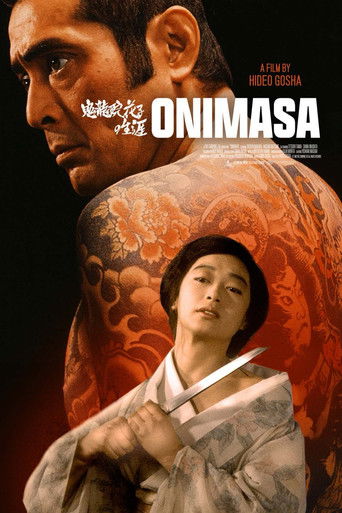
6.2Onimasa is the egocentric boss of a small yakuza clan on Shikoku Island, whose criminal duties conflict with his self-image as a chivalrous samurai. His struggles with his boss, the Shikoku Godfather, and the tumultuous life of his adopted daughter, Matsue, form the backdrop of this epic tale of justice, obedience, and bloody vengeance.
Onimasa: A Japanese Godfather
1982
 7.7
7.7The story of Japan's victory in the battle of Tsushima Strait.
Battle Anthem
1983
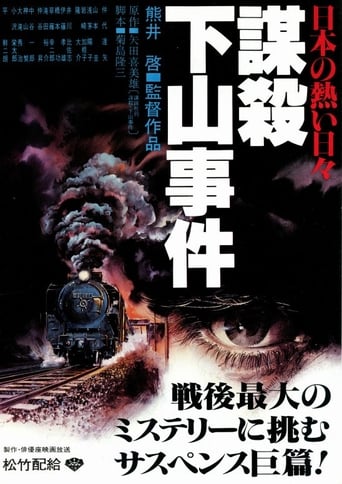 8.0
8.0The president of the Japanese National Railways is found dead during a period in which train service is plagued by numerous layoffs, strikes and shutdowns. The government says that the president was murdered; the police claim it was a suicide. A quizzical reporter follows the case for years, but the basic question remains unanswered: was the victim killed by members of the burgeoning Communist movement in Japan, or was the death stage-managed by the authorities in hopes of discrediting the Communists?
Willful Murder
1981
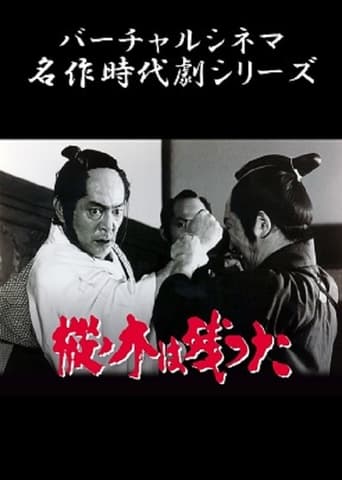 NR
NRThe 21-year-old feudal on Sendai, Tsunamune Date, was prohibited to go out in the daytime for his misbehavior during his short stay in Edo. On the next day, his 4 attendants were killed one after another. Sakai Utanokamike, the Rozyu, is turned out to be involved in this scheme, and the aim is to destroy the Date family. Tsunamune's brother Munekatsu Date who is willing to take over the family doesn't know the real purpose of Utanokami and helps him. Munesuku Harada gets to know the whole picture of the incident and takes action alone for the sake of protecting the Date family, leaving his own family. His lonely fight continues for 10 years and he got in danger in Utanokamike's house, and...
The Fir Trees Remain
1983
1970s · 9 titles
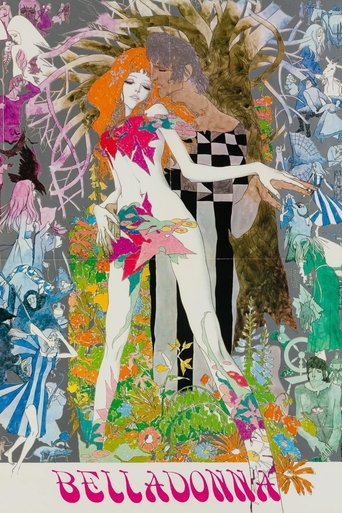 7.4
7.4An evil feudal lord rapes a village girl on her wedding night and proceeds to ruin her and her husband's lives. After she's eventually banished from her village, the girl makes a pact with the devil to gain magical ability and take revenge.
Belladonna of Sadness
1973
 6.3
6.3In feudal Japan, when any commerce with the rest of the world is strictly prohibited, an idealist appears at an isolated inn, headquarters of smugglers with stolen money intended to ransom his loved one forced to work in a brothel.
Inn of Evil
1971
 6.9
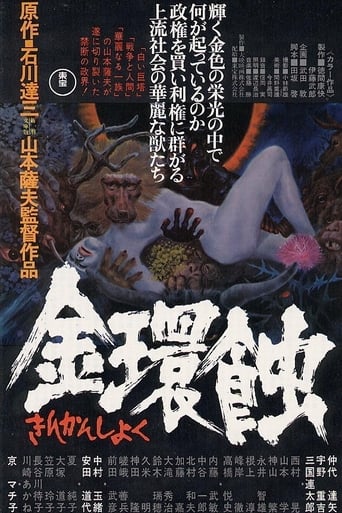
6.9When bribe money from a rigged election funnels into a dam construction project, collusion, lust, greed and even murder are on the ballot.
Solar Eclipse
1975
 6.1
6.1UFOs appear on Earth, and people who actually see them suddenly find that their blood has turned blue. Soon panic and hysteria result in the new "blue-bloods" being persecuted by the rest of mankind, and eventually certain all-too-familiar measures begin to be taken against them.
Blood Type: Blue
1978
 7.0
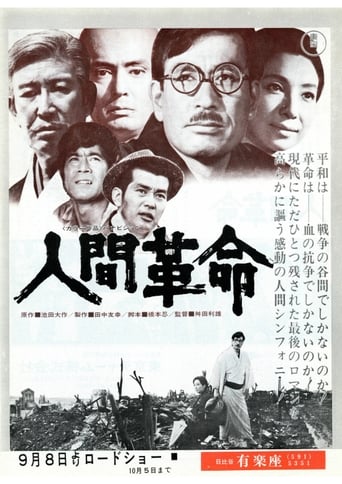
7.0No synopsis available yet.
The Human Revolution
1973
 6.8
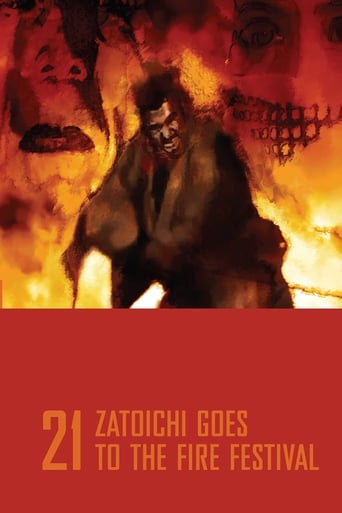
6.8The blind masseuse is targeted by the leader of a powerful yakuza group while also fending off a jealous husband bent on revenge. Zatoichi tours Edo's underground via a rousing onsen fight scene, gambling houses and the gender-bending character of Umeji, before a final, flame-filled conflagration.
Zatoichi Goes to the Fire Festival
1970
 7.8
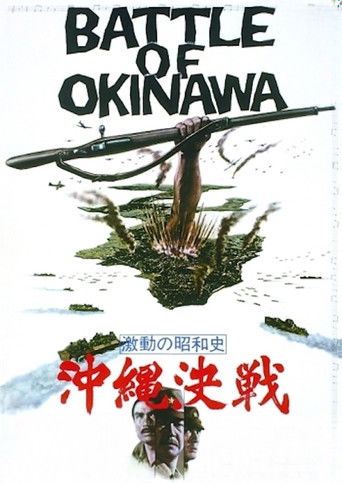
7.8The Americans are swiftly closing on Okinawa, an island just south of the Japanese mainland. The Imperial command sends top generals and several army divisions to defend it at all costs. The mission quickly degenerates as vital resources and troops are diverted to other islands. After a civilian evacuation ends in tragedy most of non-combatants are forced to remain on the island. Many convert to soldier status. Tokyo sends mixed messages that squander time and resources, as when they order the defenders to build an airstrip for aircraft that never come. The truth soon becomes obvious: the high command decides that the island cannot be held and effectively abandons the Okinawan defenders. When the Americans land many troops are deployed in the wrong places. As the slaughter mounts, a suicidal attitude takes hold. Okinawa becomes a death trap, for civilian volunteers and non-combatants as well.
The Battle of Okinawa
1971
 6.1
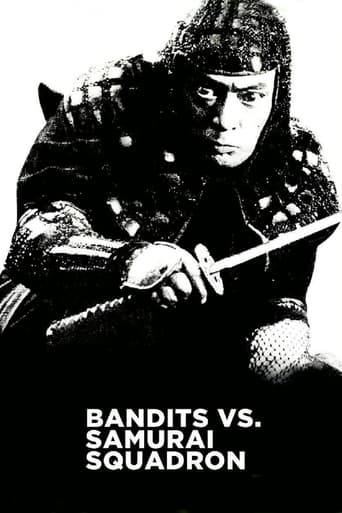
6.1Kumokiri Nizaemon, a former samurai warrior, has abandoned his class to become the leader of a gang of thieves. He leads his outlaws in an attempt to rob the castle of his former clan.
Bandits vs. Samurai Squadron
1978
 7.1
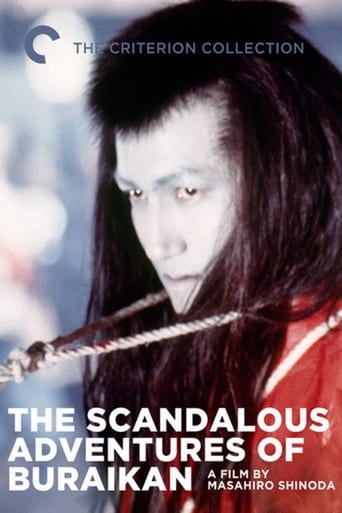
7.1An outlaw pushes the residents of Edo's red light district to rebel against a growing number of stifling, moralistic laws.
The Scandalous Adventures of Buraikan
1970
1960s · 21 titles
8.4A Yokohama shoe executive faces a wrenching choice when kidnappers mistakenly seize his chauffeur’s son but demand the ransom anyway.
High and Low
1963
8.5Down-on-his-luck veteran Tsugumo Hanshirō enters the courtyard of the prosperous House of Iyi. Unemployed, and with no family, he hopes to find a place to commit seppuku—and a worthy second to deliver the coup de grâce in his suicide ritual. The senior counselor for the Iyi clan questions the ronin’s resolve and integrity, suspecting Hanshirō of seeking charity rather than an honorable end. What follows is a pair of interlocking stories which lay bare the difference between honor and respect, and promises to examine the legendary foundations of the Samurai code.
Harakiri
1962
 7.7
7.7Taking its title from an archaic Japanese word meaning "ghost story," this anthology adapts four folk tales. A penniless samurai marries for money with tragic results. A man stranded in a blizzard is saved by Yuki the Snow Maiden, but his rescue comes at a cost. Blind musician Hoichi is forced to perform for an audience of ghosts. An author relates the story of a samurai who sees another warrior's reflection in his teacup.
Kwaidan
1965
 8.1
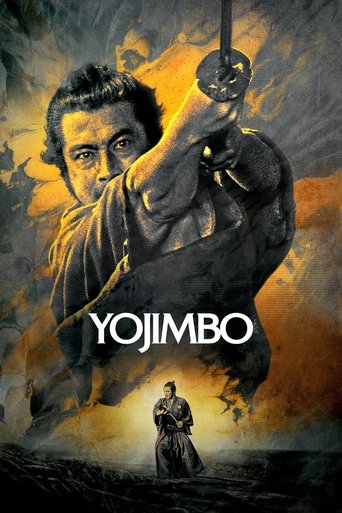
8.1A nameless ronin, or samurai with no master, enters a small village in feudal Japan where two rival businessmen are struggling for control of the local gambling trade. Taking the name Sanjuro Kuwabatake, the ronin convinces both silk merchant Tazaemon and sake merchant Tokuemon to hire him as a personal bodyguard, then artfully sets in motion a full-scale gang war between the two ambitious and unscrupulous men.
Yojimbo
1961
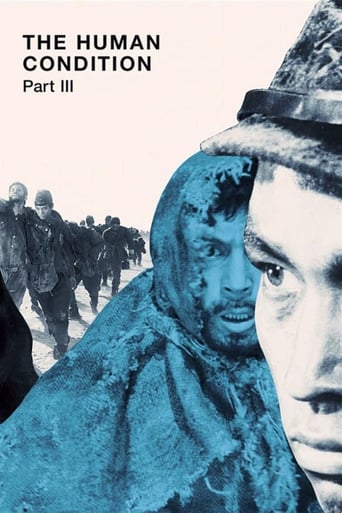 8.4
8.4After the Japanese defeat to the Russians, Kaji leads the last remaining men through Manchuria. Intent on returning to his old life, he faces great odds in a variety of different harrowing circumstances as he and his men sneak behind enemy lines.
The Human Condition III: A Soldier's Prayer
1961
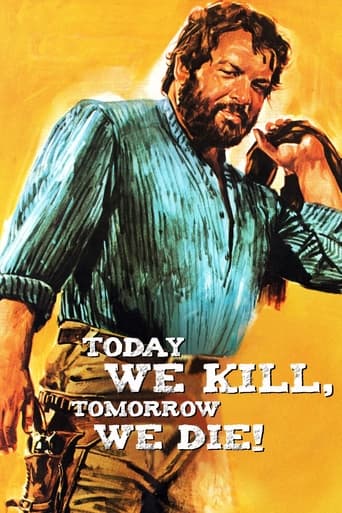 6.1
6.1A man, released after a jail term for a crime he did not commit, raises a gang to go after the man who framed him.
Today We Kill, Tomorrow We Die!
1968
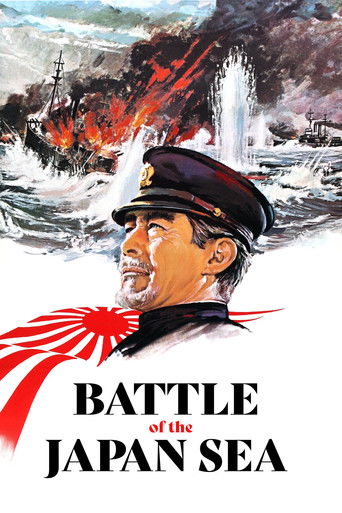 6.4
6.4Japan and Russia clash in what comes to be known as the Russo-Japanese War. An attempt by the Japanese fleet and army to take Port Arthur fails, and a Russian fleet bears down on the Sea of Japan. Admiral Heihachiro Togo sends his fleet to confront the Russians, with results which stun both nations. Meanwhile, Major Genjiro Akashi makes secret negotiations with the Bolshevik revolutionaries in Russia, negotiations that have repercussions far beyond the conflict at hand.
Battle of the Japan Sea
1969
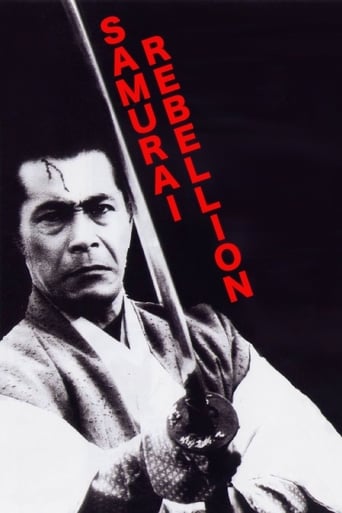 8.2
8.2The mother of a feudal lord's only heir is kidnapped by the lord. Her husband and his samurai father must decide whether to accept the unjust decision, or risk death to rescue her.
Samurai Rebellion
1967
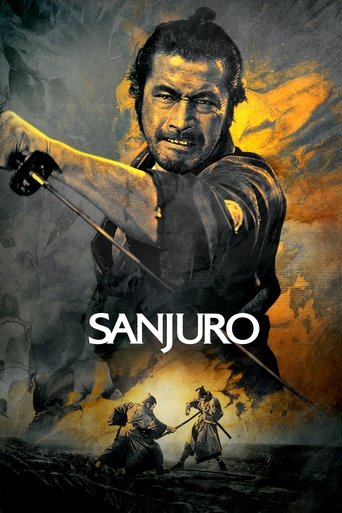 7.9
7.9In this companion piece and sequel to "Yojimbo," jaded samurai Sanjuro helps an idealistic group of young warriors weed out their clan's evil influences, and in the process turns their image of a proper samurai on its ear.
Sanjuro
1962
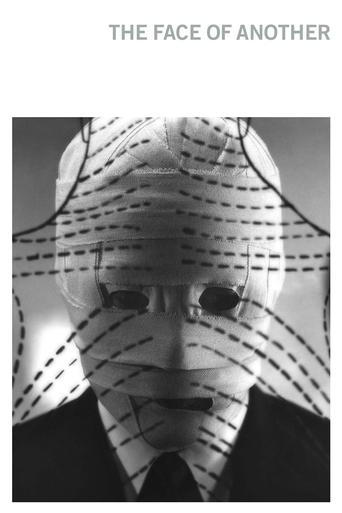 7.8
7.8A businessman with a disfigured face obtains a lifelike mask from his new doctor, but the mask starts altering his personality and causing him to question his identity.
The Face of Another
1966
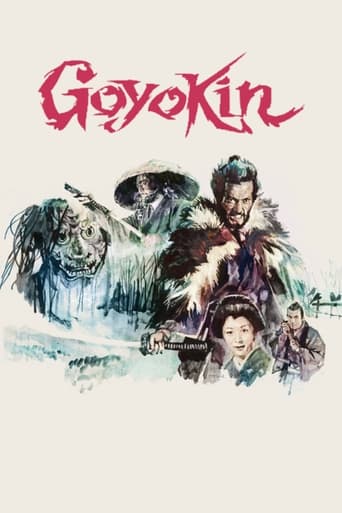 7.5
7.5A guilt-haunted samurai warrior attempts to stop a massacre taking place.
Goyokin
1969
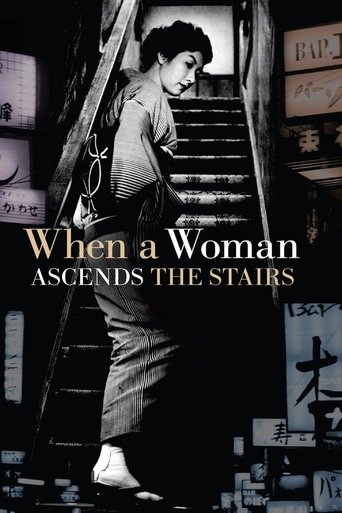 8.0
8.0Keiko, whom everyone calls Mama, narrates her story: she's a hostess on the Ginza, 30, a widow. She describes life's vicious cycle: acting cheerful around drunks, dressing and living well to convey confidence, needing money for these expenses and for her demanding mother and brother, and knowing she's growing older.
When a Woman Ascends the Stairs
1960
 7.0
7.0A ronin desperately seeks a way out of financial straits; he allies with the Tosa clan under the ruthless leader Takechi, who quickly takes advantage.
Tenchu!
1969
 7.8
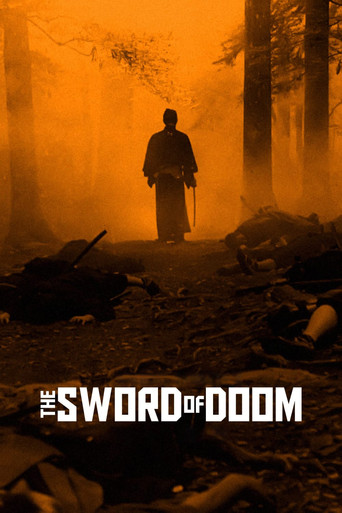
7.8Ryunosuke, a gifted swordsman plying his trade during the turbulent final days of Shogunate rule, has no moral code and kills without remorse. It’s a way of life that leads to madness.
The Sword of Doom
1966
 7.0
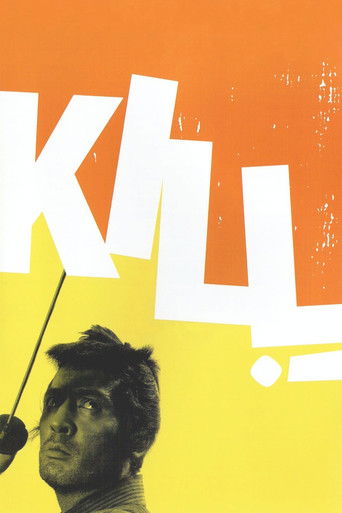
7.0A pair of down-on-their-luck swordsmen arrive in a dusty, windblown town, where they become involved in a local clan dispute. One, previously a farmer, longs to become a noble samurai. The other, a former samurai haunted by his past, prefers living anonymously with gangsters. But when both men discover the wrongdoings of the nefarious clan leader, they side with a band of rebels who are under siege at a remote mountain cabin.
Kill!
1968
 7.1
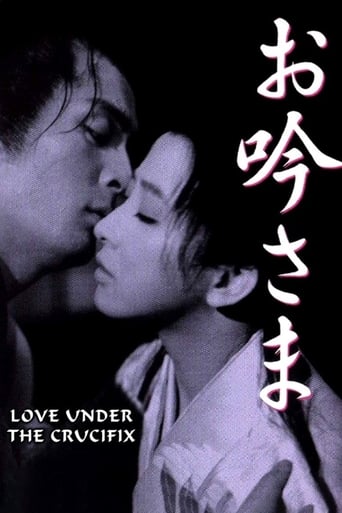
7.1A tea master and his daughter Ogin are both Christians in feudal Japan. Ogin falls in love with a married feudal prince who shares her faith. When the Shogun bans Christianity, the situation worsens.
Love Under the Crucifix
1962
 7.6
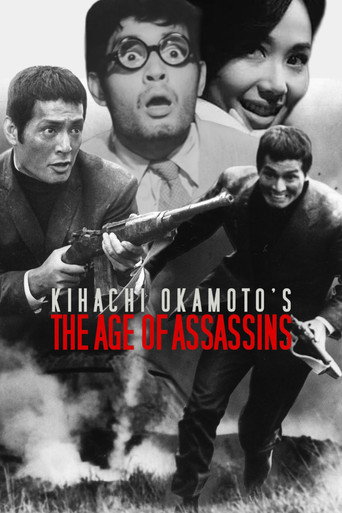
7.6A nerdy young college instructor named Shinji Kikyo returns home one day to find himself the target of a mad assassin. Surviving somewhat miraculously, he fends off other assassins and with the help of reporter Keiko Tsurumaki and car mechanic Bill Otomo, eventually discovering that a "population control" association is really an assassination squad led by Shogo Mizorogi, who has been training patients of a mental asylum to become killers.
The Age of Assassins
1967
 6.0
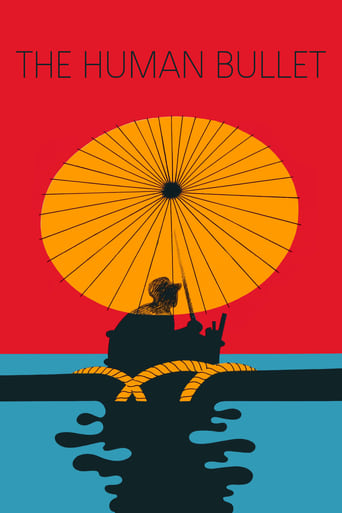
6.0A soldier has been in the Japanese military for the entirety of WWII, and in that time, his dedication to the army has never faltered. However, as the war draws to a close, his commanding officers become increasingly desperate and push their men to ever more absurd extremes. The ridiculousness of the orders from above peak when the hero of the story is assigned to drive a one-man submarine straight into the hull of an enemy battleship.
The Human Bullet
1968
 7.3
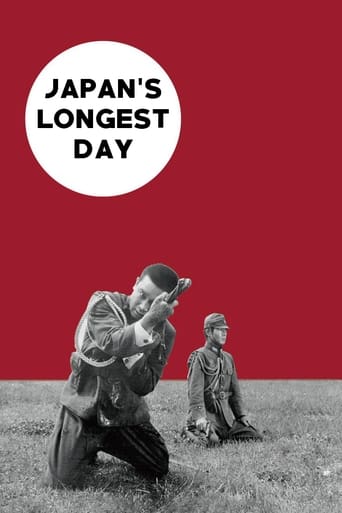
7.3A dramatisation of the 24-hour period in which the Japanese government was deadlocked over the decision to accept or reject the Allies' demand for an unconditional surrender following the bombings of Hiroshima and Nagasaki.
Japan's Longest Day
1967
 7.1
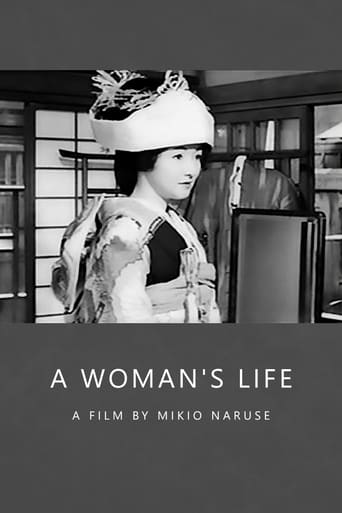
7.1A woman remembers her own marriage when dealing with the love life of her son.
A Woman's Life
1963
 8.3
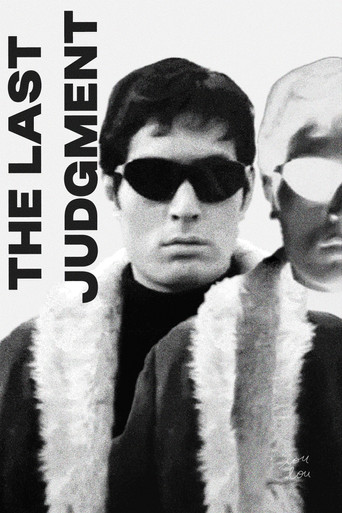
8.3Driven by greed and a desire for his cousin's wife, Jiro orchestrates a complex frame-up to have his cousin arrested for murder.
The Last Judgment
1965
1950s · 5 titles
8.5A samurai answers a village's request for protection after he falls on hard times. The town needs protection from bandits, so the samurai gathers six others to help him teach the people how to defend themselves, and the villagers provide the soldiers with food.
Seven Samurai
1954
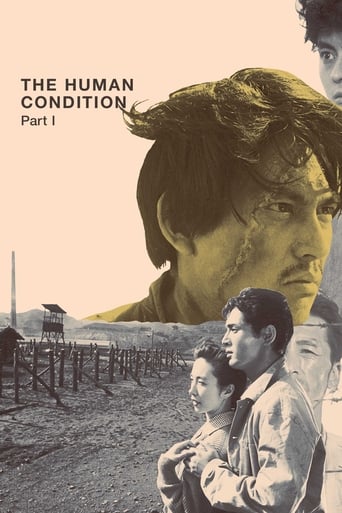 8.2
8.2After handing in a report on the treatment of Chinese colonial labor, Kaji is offered the post of labour chief at a large mining operation in Manchuria, which also grants him exemption from military service. He accepts and moves with his newlywed wife Michiko, but when he tries to put his ideas of more humane treatment into practice, he finds himself at odds with scheming officials, cruel foremen, and the military police.
The Human Condition I: No Greater Love
1959
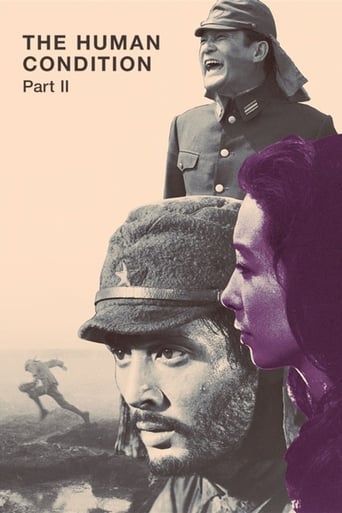 8.2
8.2Kaji, sent to the Japanese army labeled Red, witnesses cruelties in the army and revolts against the abusive treatment against a fellow recruit. He also sees his friend Shinjô defecting to the Russian border, and he ends in the front to fight a lost battle against the Russian tanks division.
The Human Condition II: Road to Eternity
1959
 6.2
6.2A middle-aged husband of a younger woman finds her youth intimidating to the point that he cannot become aroused. His solution involves the introduction of his daughter's lover to his wife.
Odd Obsession
1959
 7.2
7.2A group of rank-and-file soldiers are jailed for crimes against humanity, themselves victims of a nation refusing to bear its burdens as a whole.
The Thick-Walled Room
1956
Series credits
8.2Yuri Ishikawa and her team try to crack unresolved cold cases in Kanagawa Prefecture, Japan.
Cold Case: Door of Truth
2016
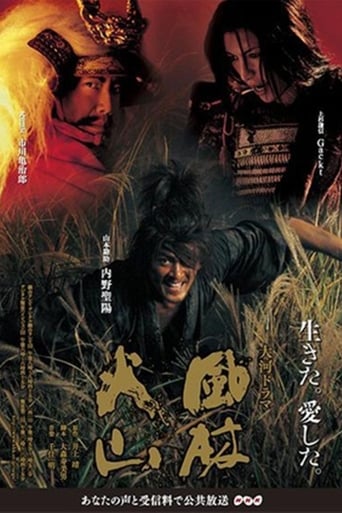 7.6
7.6Fūrin Kazan was the 46th NHK Taiga drama beginning on January 7, 2007. It was aired throughout 2007. The four characters from left to right are wind, woods, fire, and mountain. The title is a reference to the war banner used by Takeda Shingen, which in turn was taken from Sun Tzu's The Art of War. It means "Swift as the Wind, Silent as a Forest, Fierce as Fire and Immovable as a Mountain."
Samurai Banners
2007
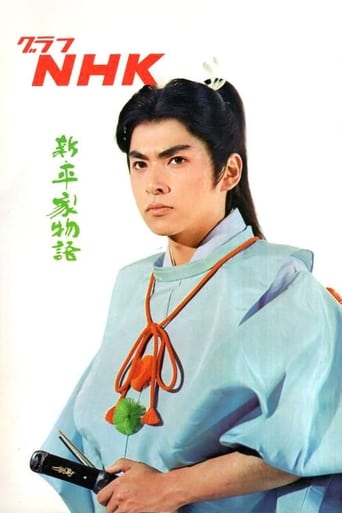 7.3
7.3Set at the end of the 12th century when several wars for control of Japan disrupted a long era of peace, this tale of "Heike" (another name for the Taira clan) focuses on Taira Kiyomori who fights alongside other members of his clan to at first successfully overcome the Minamoto clan and their bid for power. Battles and intrigue abound, as the puppet Emperor and Buddhist monks take sides in the power struggle. At issue is Kiyomori's parentage, not an unusual problem for the nobility in that era where clandestine liaisons among courtiers and the upper classes were common.
Shin Heike Monogatari
1972
 8.4
8.4"I thought I might be using a lifetime's happiness in a moment. I was that happy and she was that beautiful." A young boy stands on the red earth of Australia under its blue sky. It is 17-year-old Sakutaro Matsumoto. His time with the girl comes back to him. The colored sand runs through his hands and a tear appears on his cheek. He wakes up. It's 2004 and he is 34 years old and in Japan. He thinks "I have been in a world without her for 17 years." Returning home to see his old high school for the last time before it is demolished, Saku confronts anew the loss of the love of his life, Aki, to leukemia 17 years ago. Now a medical researcher at graduate school, he has been living as if half of him died with her since then.
Crying Out Love, in the Center of the World
2004
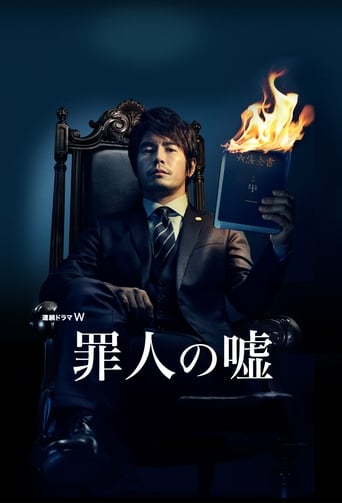 8.4
8.4Serious legal thriller starring Hideaki Ito which depicts the glory and the darkness of an infamous and highly paid lawyer.
A Sinner's Lie
2014
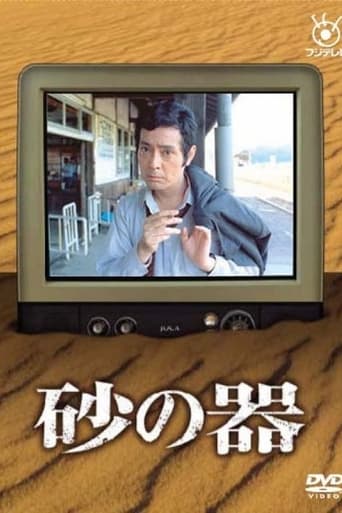 NR
NRTwo police investigate the death of a corpse found in a train yard.
Suna no Utsuwa
1977
 10.0
10.0This Japanese-Chinese production based on a novel by Toyoko Yamazaki tells the story of Lu Yixin, a Japanese orphan left behind in Manchuria after Japan's defeat in World War II. Torn between his love for his Chinese adoptive parents and his love-hate relationship with his Japanese biological father, he navigates the turbulent waters of the Cultural Revolution.
A Son of the Good Earth
1995
No synopsis available yet.
ゴメスの名はゴメス
1967
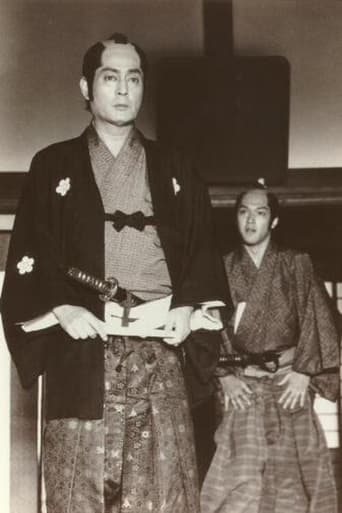 NR
NRA human drama based on the "Date Riots".
Momi no Ki wa Nokotta: Ranshin
1983
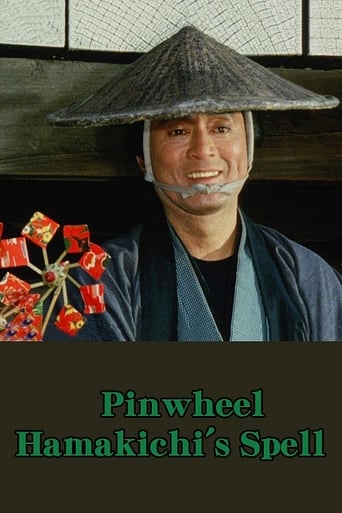 NR
NRNezu no Hamakichi used to be a renowned detective. He had lost his job and been banished from Edo after he was arrested for some reasons. Back in Edo for the first time in 5 years, he has just sold toys. This is a story that Hamakichi resolves difficult incidents.
Pinwheel Hamakichi's Spell
1992
 NR
NRTv special that follows the life of Genghis Khan. Adapted from a novel by Yasushi Inoue.
Aoki Ookami Narukichiomoase no Shougai
1980
 NR
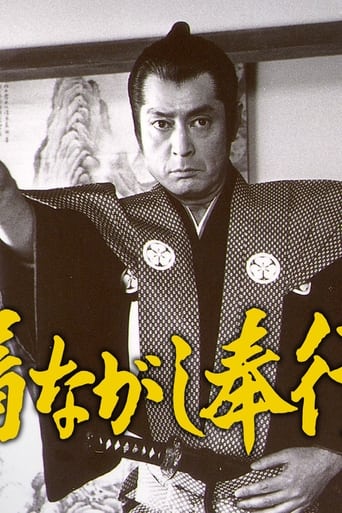
NRKoheita, a newly appointed magistrate, never shows his face in the magistrate's office, instead spending his time in the 'Horisoto', a den of evil where anything goes, from theft to prostitution to murder. However, this man is about to clean up the city in an unconventional way!
Kinagashi Bugyō
1981
No synopsis available yet.
嘱託刑事・小山田昭平 旅路の果て
2001