
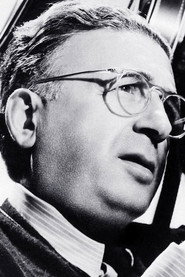
Camera
Karl Freund
Born — Died
1890-01-16 — 1969-05-03
Place of birth
Königinhof, Bohemia, Czech Republic
Known for
Camera
Credits
13 titles
From Wikipedia, the free encyclopedia. Karl W. Freund, A.S.C. (January 16, 1890-May 3, 1969) was a cinematographer and film director. Born in Dvůr Králové (Königinhof), Bohemia, his career began in 1905 when, at age 15, he got a job as an assistant projectionist for a film company in Berlin where his family moved in 1901. He worked as a cinematographer on over 100 films, including the German Expressionist films The Golem (1920), The Last Laugh (1924) and Metropolis (1927). Freund emigrated to the United States in 1929 where he continued to shoot well remembered films such as Dracula (1931) and Key Largo (1948). He won an Academy Award for Best Cinematography for The Good Earth (1937). I…
Known for
No synopsis available yet.
German Film Award
1951
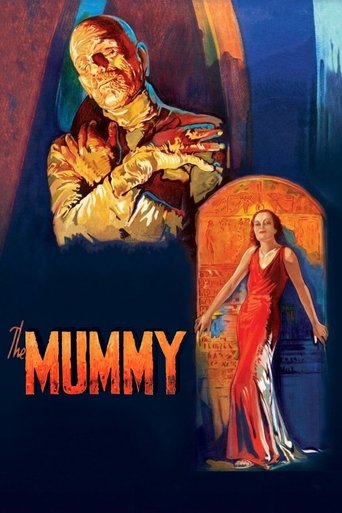 6.7
6.7An ancient Egyptian priest named Imhotep is revived when a British archaeological expedition finds his mummy and one of the researchers accidentally reads an ancient life-giving spell. Imhotep escapes from the field site and searches for the reincarnation of the soul of his lover.
The Mummy
1932
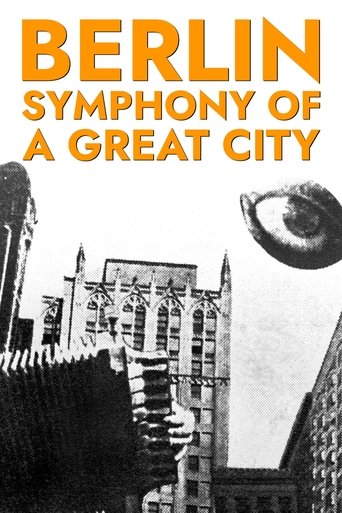 7.5
7.5A day in the city of Berlin, which experienced an industrial boom in the 1920s, and still provides an insight into the living and working conditions at that time. Germany had just recovered a little from the worst consequences of the First World War, the great economic crisis was still a few years away and Hitler was not yet an issue at the time.
Berlin: Symphony of a Great City
1927
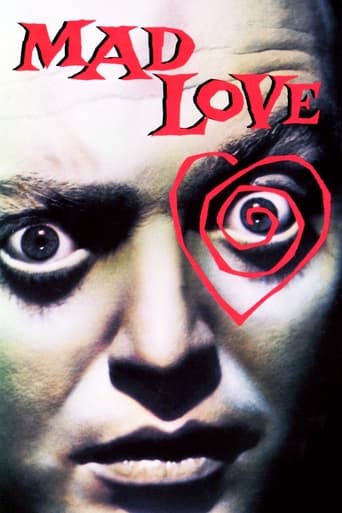 7.0
7.0An insane surgeon's obsession with an actress leads him to replace her wounded pianist husband's hands with those of a knife-throwing murderer.
Mad Love
1935
 7.5
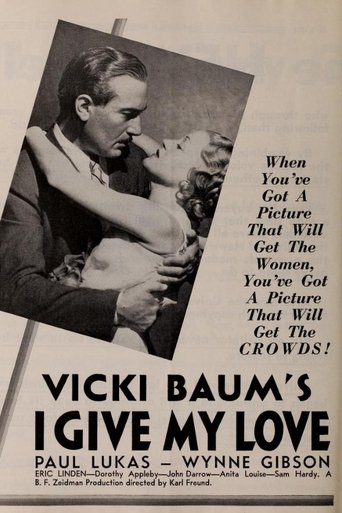
7.5After accidentally killing her no-good husband, Judy makes her true love promise not to tell her small son about his imprisoned mother. She is released ten years later...
I Give My Love
1934
 7.5
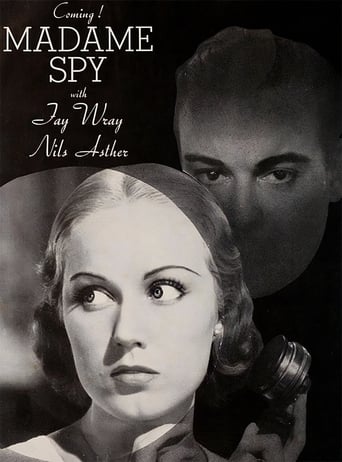
7.5Maria is married to Captain Franck of German Intelligence. He does not know she is a Russian assigned to spy on him. When he is told to uncover a leak, he vows revenge on his wife.
Madame Spy
1934
Film credits
Series credits
Behind the camera
6.7An ancient Egyptian priest named Imhotep is revived when a British archaeological expedition finds his mummy and one of the researchers accidentally reads an ancient life-giving spell. Imhotep escapes from the field site and searches for the reincarnation of the soul of his lover.
The Mummy
1932
7.5A day in the city of Berlin, which experienced an industrial boom in the 1920s, and still provides an insight into the living and working conditions at that time. Germany had just recovered a little from the worst consequences of the First World War, the great economic crisis was still a few years away and Hitler was not yet an issue at the time.
Berlin: Symphony of a Great City
1927
7.0An insane surgeon's obsession with an actress leads him to replace her wounded pianist husband's hands with those of a knife-throwing murderer.
Mad Love
1935
7.5After accidentally killing her no-good husband, Judy makes her true love promise not to tell her small son about his imprisoned mother. She is released ten years later...
I Give My Love
1934
7.5Maria is married to Captain Franck of German Intelligence. He does not know she is a Russian assigned to spy on him. When he is told to uncover a leak, he vows revenge on his wife.
Madame Spy
1934
 9.0
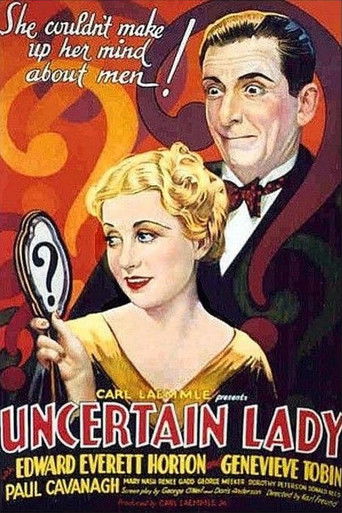
9.0Elliot's affair prompts his wife Doris to love millionaire Bruce. After a messy gathering, a flat tire stops Doris from chasing Bruce's departing ship, which traps Elliot and Myra on board instead, leaving Bruce free to propose to Doris ashore.
Uncertain Lady
1934
 5.2
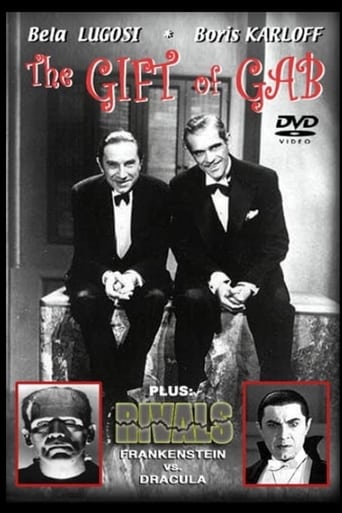
5.2Conceited radio announcer irritates everyone else at the station.
Gift of Gab
1934
 6.3
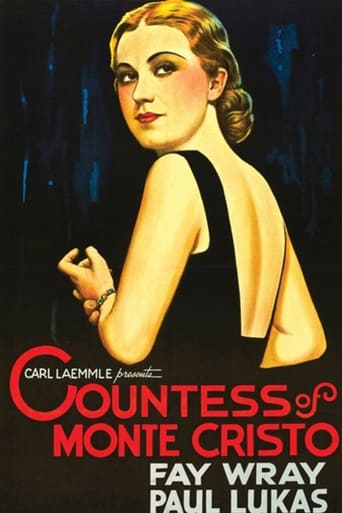
6.3A distraught movie extra flees a movie set with a fancy costume and car. Circumstances lead her to begin impersonating a Countess, while a fellow extra takes on the role of her servant.
The Countess of Monte Cristo
1934
 10.0
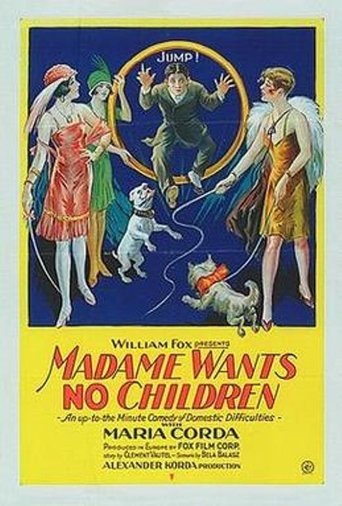
10.0Playboy Paul Le Barroy, weds Elyane Parizot because he is ready for children, and his mistress, Louise Bonvin, is not. After the honeymoon, Elyane informs Paul that she doesn’t want children, either. When Paul leaves her, Elyane blames Louise and confronts the ex-mistress with a gun.
Madame Wants No Children
1926
 9.0
9.0A song plugger is stranded in a small town. There he meets a girl who later helps him to put on a show on Broadway.
Moonlight and Pretzels
1933