
Known for
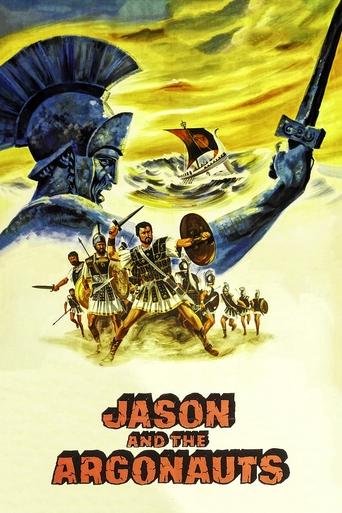 7.2
7.2Jason, a fearless sailor and explorer, returns to his home land of Thessaly after a long voyage to claim his rightful throne. He learns, however, that he must first find the magical Golden Fleece. To do so, he must embark on an epic quest fraught with fantastic monsters and terrible perils.
Jason and the Argonauts
1963
 6.3
6.3The world is delighted when a spacecraft containing a crew comprised of the world's astronauts lands on the moon, but are shocked when the astronauts discover an old British flag and a document declaring that the moon is taken for Queen Victoria, proving that the astronauts were not the first men on the moon.
First Men in the Moon
1964
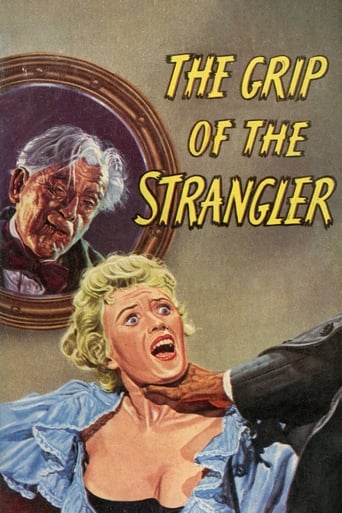 6.0
6.0A researcher investigating a notorious serial killer who was hanged 20 years earlier seemingly becomes possessed by the long dead strangler.
Grip of the Strangler
1958
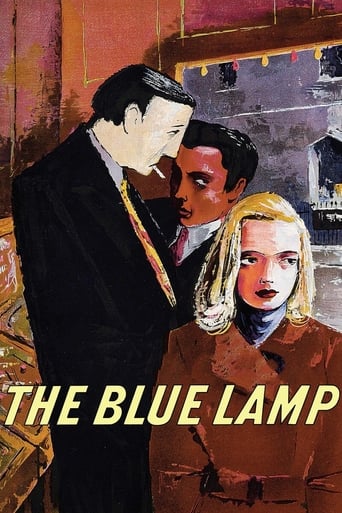 6.6
6.6P.C. George Dixon is a long-serving traditional copper who is due to retire shortly. He takes a new recruit under his aegis and introduces him to the easy-going night beat. Dixon is a classic ordinary hero but also anachronistic, unprepared and unable to answer the violence of the 1950s.
The Blue Lamp
1950
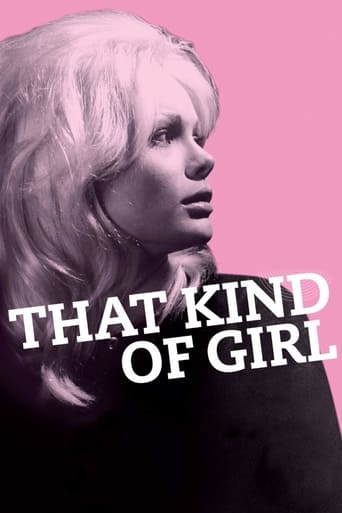 5.8
5.8That Kind of Girl is a British cult film and the directorial debut of Gerry O'Hara. Produced by Robert Hartford-Davis with a script by Jan Read, it was released in 1963. The film's subject is premarital sexual relationships and sexually transmitted diseases in an English 1960s millieu.
That Kind of Girl
1963
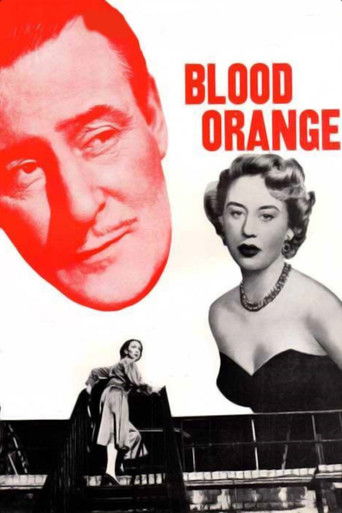 5.5
5.5Discharged by his employer, a private eye stays on a jewel theft case after a model with information for him is murdered.
Blood Orange
1953
Behind the camera
7.2Jason, a fearless sailor and explorer, returns to his home land of Thessaly after a long voyage to claim his rightful throne. He learns, however, that he must first find the magical Golden Fleece. To do so, he must embark on an epic quest fraught with fantastic monsters and terrible perils.
Jason and the Argonauts
1963
6.3The world is delighted when a spacecraft containing a crew comprised of the world's astronauts lands on the moon, but are shocked when the astronauts discover an old British flag and a document declaring that the moon is taken for Queen Victoria, proving that the astronauts were not the first men on the moon.
First Men in the Moon
1964
6.0A researcher investigating a notorious serial killer who was hanged 20 years earlier seemingly becomes possessed by the long dead strangler.
Grip of the Strangler
1958
6.6P.C. George Dixon is a long-serving traditional copper who is due to retire shortly. He takes a new recruit under his aegis and introduces him to the easy-going night beat. Dixon is a classic ordinary hero but also anachronistic, unprepared and unable to answer the violence of the 1950s.
The Blue Lamp
1950
5.8That Kind of Girl is a British cult film and the directorial debut of Gerry O'Hara. Produced by Robert Hartford-Davis with a script by Jan Read, it was released in 1963. The film's subject is premarital sexual relationships and sexually transmitted diseases in an English 1960s millieu.
That Kind of Girl
1963
5.5Discharged by his employer, a private eye stays on a jewel theft case after a model with information for him is murdered.
Blood Orange
1953
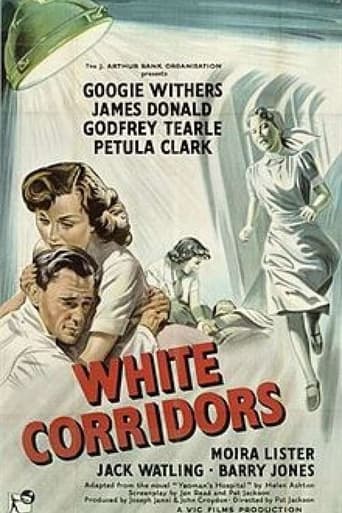 6.8
6.8White Corridors was based on Yeoman Hospital, a novel by Helen Ashton. Told episodically, the story concentrates on the day-to-day activities in a busy hospital, where research pathologist Neil Marriner (James Donald) conducts experiments in the hopes of curing diseases impervious to penicillin. Marriner is aided in this endeavor by lady surgeon Dr. Sophie Dean (Googie Withers), who happens to be in love with him. After a tragedy occurs for which Marriner holds himself responsible, the film builds steadily to an exciting climax involving a untested -- and potentially dangerous -- serum. The top-rank British supporting cast includes Barry Jones, Moira Lister, Petula Clark, Basil Radford, Dagmar (later Dana) Wynter, Bernard Lee, and, in a minor role, future "Dr. Who" Patrick Troughton.
White Corridors
1951
 NR
NRGeorge Bernard Shaw’s illustrious friends pay tribute to his talents – with anecdotes, artefacts and one-liners.
Bernard Shaw
1957