
Writing
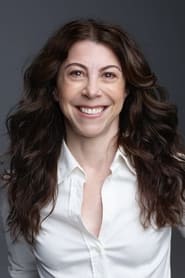
Nell Scovell
Born
1960-11-08 (65)
Place of birth
Newton, Massachusetts, USA
Known for
Writing
Credits
8 titles
Helen Vivian "Nell" Scovell is an American television and magazine writer, and producer. She is the creator of the television series Sabrina the Teenage Witch, which aired on ABC and The WB from 1996 until 2003 and co-author of the book Lean In.
Known for
A criminal lawyer attempts to solve cases by hiring two two law school grads.
Criminology 101
2003
 5.4
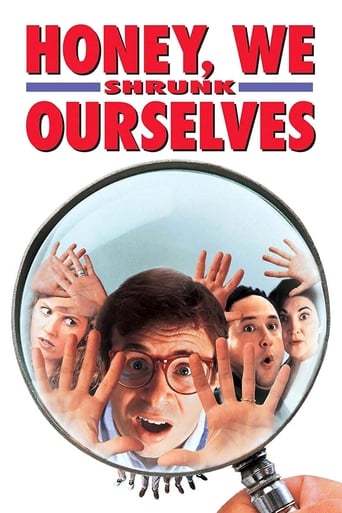
The joke's on absent-minded scientist Wayne Szalinski when his troublesome invention shrinks him, his brother and their wives so effectively that their children think they've completely disappeared. Of course, this gives the kids free rein to do anything they want, unaware that their parents are watching every move.
Honey, We Shrunk Ourselves
1997
 3.0
Five former college roommates gather years later for an emotional reunion. Although their lives have taken different paths, they still feel a strong bond and each reveals a dark, personal secret.
Betrayals
2007
 5.0
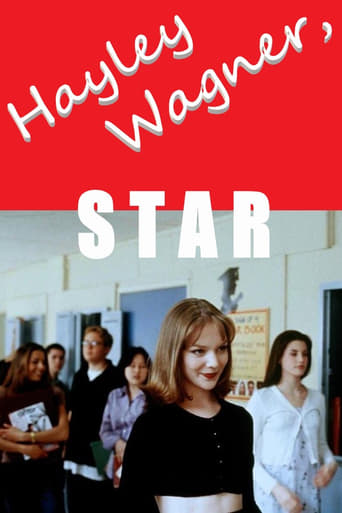
Having outgrown her role, a pampered child actor returns to her family and tries to be an ordinary youngster.
Hayley Wagner, Star
1999
 6.6
At a pivotal moment for gender equality in Hollywood, successful women directors talk about their art, lives and careers.
Half the Picture
2018
A pilot for a sketch comedy show. A single stationary camera was mounted inside the center of a large rotating platform. As the platform rotated around the camera, a scene would come into view of the camera. The wheel would stop and a sketch would play out in the scene, which was often framed by some piece of appropriate artwork or prop (for the purposes of forced perspective). At the end of the scene, the wheel would rotate, carrying one scene out of the camera's view and bringing another in, and a new sketch would begin in the new scene. Some scenes were self-contained on the platform, while others were open to the studio beyond the platform (and additional action would take place in the background).
The TV Wheel
1995
Film credits
Behind the camera
A criminal lawyer attempts to solve cases by hiring two two law school grads.
Criminology 101
2003
5.4The joke's on absent-minded scientist Wayne Szalinski when his troublesome invention shrinks him, his brother and their wives so effectively that their children think they've completely disappeared. Of course, this gives the kids free rein to do anything they want, unaware that their parents are watching every move.
Honey, We Shrunk Ourselves
1997
3.0Five former college roommates gather years later for an emotional reunion. Although their lives have taken different paths, they still feel a strong bond and each reveals a dark, personal secret.
Betrayals
2007
3.0Five former college roommates gather years later for an emotional reunion. Although their lives have taken different paths, they still feel a strong bond and each reveals a dark, personal secret.
Betrayals
2007
5.0Having outgrown her role, a pampered child actor returns to her family and tries to be an ordinary youngster.
Hayley Wagner, Star
1999
5.0Having outgrown her role, a pampered child actor returns to her family and tries to be an ordinary youngster.
Hayley Wagner, Star
1999
A pilot for a sketch comedy show. A single stationary camera was mounted inside the center of a large rotating platform. As the platform rotated around the camera, a scene would come into view of the camera. The wheel would stop and a sketch would play out in the scene, which was often framed by some piece of appropriate artwork or prop (for the purposes of forced perspective). At the end of the scene, the wheel would rotate, carrying one scene out of the camera's view and bringing another in, and a new sketch would begin in the new scene. Some scenes were self-contained on the platform, while others were open to the studio beyond the platform (and additional action would take place in the background).
The TV Wheel
1995