
Directing
Bernd Upnmoor
Born
1940-05-13 (86)
Place of birth
Hamburg, Germany
Known for
Directing
Credits
18 titles
Bernd Upnmoor is a German avant-garde filmmaker and actor. He lives and works in Hamburg.
Known for
Short film that might or might not be about murder.
Der Lustmörder
1968
 NR
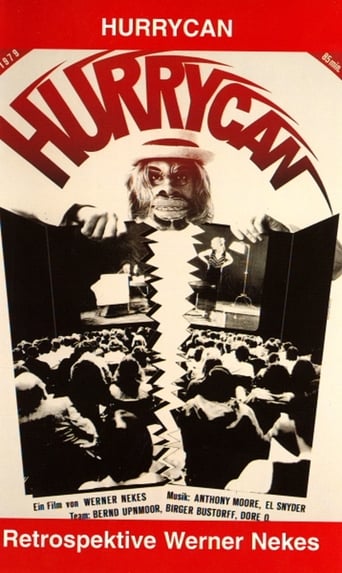
NRHurrycan has nothing to do with whirlwinds, although in this Nekes film the pictures journey across the screen, excitedly, spasmodically and flickering. The title weds the element of haste with the notion of a film can, which in this case turns out to be something of a Pandora's Box and contains expectations for a new way of seeing. A computerized shutter system that Nekes had built.
Hurrycan
1979
This film subtly contrasts banal reality with parody, using technical film techniques like time lapse and color filtering to parallel a home theater screening with a seduction scene. The director skillfully stimulates the viewer’s erotic imagination in a delicate and ironic manner, while also incorporating amateur film flaws dramaturgically and adding a socially critical, satirical element.
Unsere Ferienreise
1970
A film director's personal ad, seeking a woman who is also a filmmaker.
The Want Ad
1970
No synopsis available yet.
Horly
1979
 9.0
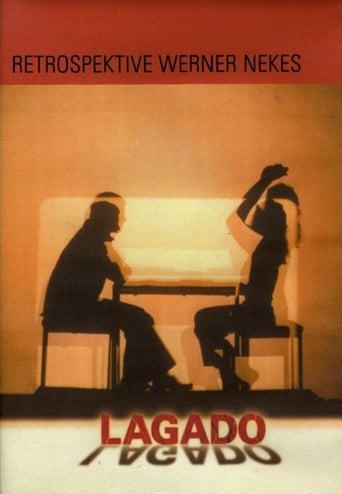
9.0An experimental film about the interpenetration of various levels of communication, dealing with the relationship of the pictorial functions to those of sound (direct sound).
Lagado
1977
Film credits
1970s · 4 titles
NRHurrycan has nothing to do with whirlwinds, although in this Nekes film the pictures journey across the screen, excitedly, spasmodically and flickering. The title weds the element of haste with the notion of a film can, which in this case turns out to be something of a Pandora's Box and contains expectations for a new way of seeing. A computerized shutter system that Nekes had built.
Hurrycan
1979
This film subtly contrasts banal reality with parody, using technical film techniques like time lapse and color filtering to parallel a home theater screening with a seduction scene. The director skillfully stimulates the viewer’s erotic imagination in a delicate and ironic manner, while also incorporating amateur film flaws dramaturgically and adding a socially critical, satirical element.
Unsere Ferienreise
1970
No synopsis available yet.
Horly
1979
9.0An experimental film about the interpenetration of various levels of communication, dealing with the relationship of the pictorial functions to those of sound (direct sound).
Lagado
1977
Behind the camera
Short film that might or might not be about murder.
Der Lustmörder
1968
Short film that might or might not be about murder.
Der Lustmörder
1968
Short film that might or might not be about murder.
Der Lustmörder
1968
This film subtly contrasts banal reality with parody, using technical film techniques like time lapse and color filtering to parallel a home theater screening with a seduction scene. The director skillfully stimulates the viewer’s erotic imagination in a delicate and ironic manner, while also incorporating amateur film flaws dramaturgically and adding a socially critical, satirical element.
Unsere Ferienreise
1970
This film subtly contrasts banal reality with parody, using technical film techniques like time lapse and color filtering to parallel a home theater screening with a seduction scene. The director skillfully stimulates the viewer’s erotic imagination in a delicate and ironic manner, while also incorporating amateur film flaws dramaturgically and adding a socially critical, satirical element.
Unsere Ferienreise
1970
This film subtly contrasts banal reality with parody, using technical film techniques like time lapse and color filtering to parallel a home theater screening with a seduction scene. The director skillfully stimulates the viewer’s erotic imagination in a delicate and ironic manner, while also incorporating amateur film flaws dramaturgically and adding a socially critical, satirical element.
Unsere Ferienreise
1970
A film director's personal ad, seeking a woman who is also a filmmaker.
The Want Ad
1970
A landscape is filmed with a single-frame camera 48 hours from a point of view.
Kugeloberflächen
1985
A landscape is filmed with a single-frame camera 48 hours from a point of view.
Kugeloberflächen
1985
The great, increasing intensity of the film results from an interaction of the actress and camera not yet attempted in this way. The phases of emotions of a life lived through in a few minutes - the theme that the film has posed - are completely expressed. Time-lapse and delay immediately express the external process, the performer adequately succeeds in demonstrating the internal processes. Interesting are the nuances with which the color scheme follows the development of the idea. This applies here in a special way also from the acoustic processing.
Alice Down Wonderland
1973
Bernd Upnmoor's Dom the title refers to the famous funfair at Hamburg - varies an increasingly meaningless shot of a few minutes on a carousel by exploring all the possibilities of colour film techniques and succeeds (in Upnmoor's words) in "making the viewers' senses tremble and flutter."
DOM
1980
Sunsets instead of TV.
Wir beginnen zu sehen
—