
Directing
Werner Nekes
Born — Died
1944-04-29 — 2017-01-22
Place of birth
Erfurt, Germany
Known for
Directing
Credits
59 titles
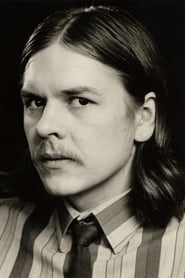
Werner Nekes was born in 1944 in Erfurt and studied linguistics and psychology in Freiburg. He then went to Bonn in 1964 where he was a head of the University Film Club and later chairman of the FIAG. He developed friendships with film directors, sculptors and painters. These included Dore 0., his companion and collaborator since 1967. He began painting in 1965 with diverse materials and objects. He started his practice of film with 8mm and went on with 16mm. He decided to free the film from narration and psychology and organized his films according to temporal units and structural systems. In spring 1967, his films were rejected by the Kurzfilmtage of Oberhausen. Thus, Nekes organized a …
Known for
 9.0
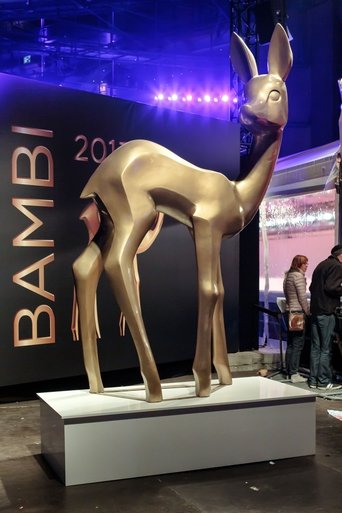
9.0The Bambi, often called the Bambi Award and stylised as BAMBI, is a German award presented annually by Hubert Burda Media to recognize excellence in international media and television to personalities in the media, arts, culture, sports, and other fields "with vision and creativity who affected and inspired the German public that year", both domestic and foreign. First held in 1948, it is the oldest media award in Germany. The trophy is named after Felix Salten's book Bambi, A Life in the Woods and its statuettes are in the shape of the novel's titular fawn character. They were originally made of porcelain until 1958, when the organizers switched to using gold, with the casting done by the art casting workshop of Ernst Strassacker in Süßen.
Bambi
1948
 6.4
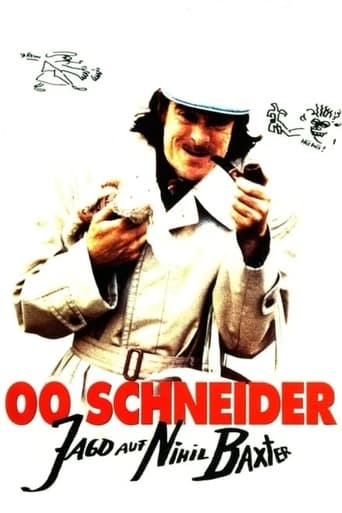
6.4The funny clown Bratislav Metulskie is found dead in circus "Apollo". The retired commissioner 00 Schneider is asked to assume control of the case. Schneider and his aged sidekick Körschgen investigate to find the murderer.
00 Schneider - Jagd auf Nihil Baxter
1994
 4.9
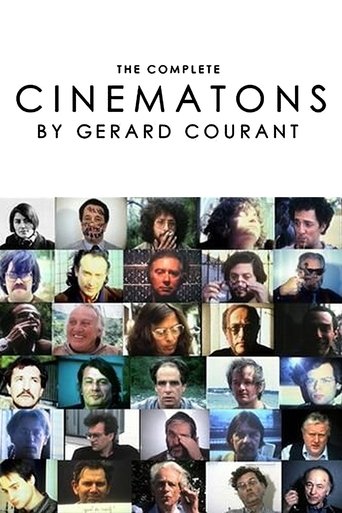
4.9Cinématon is a 156-hour long experimental film by French director Gérard Courant. It was the longest film ever released until 2011. Composed over 36 years from 1978 until 2006, it consists of a series of over 2,821 silent vignettes (cinématons), each 3 minutes and 25 seconds long, of various celebrities, artists, journalists and friends of the director, each doing whatever they want for the allotted time. Subjects of the film include directors Barbet Schroeder, Nagisa Oshima, Volker Schlöndorff, Ken Loach, Benjamin Cuq, Youssef Chahine, Wim Wenders, Joseph Losey, Jean-Luc Godard, Samuel Fuller and Terry Gilliam, chess grandmaster Joël Lautier, and actors Roberto Benigni, Stéphane Audran, Julie Delpy and Lesley Chatterley. Gilliam is featured eating a 100-franc note, while Fuller smokes a cigar. Courant's favourite subject was a 7-month-old baby. The film was screened in its then-entirety in Avignon in November 2009 and was screened in Redondo Beach, CA on April 9, 2010.
Cinématon
1978
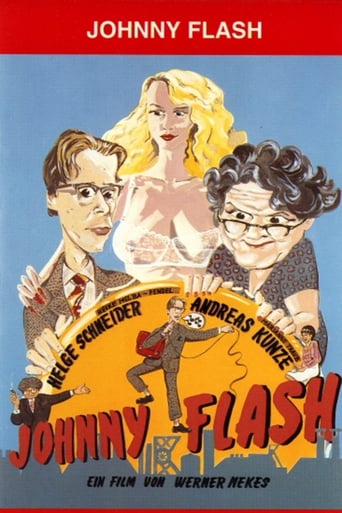 7.7
7.7Jurgen is an unknown electrician with a dream of pop stardom. His mother browbeats him into fame, while two managers compete for his contract. All Johnny really wants to do is get some sleep.
Johnny Flash
1986
 4.3
4.3Director Werner Nekes has created this experimental film in the mode of James Joyce's Ulysses to the extent that human interactions are represented by poetic, symbolic images and language, with a certain amount of nudity added in.
Uliisses
1982
 7.0
7.0Jonas Mekas assembles 160 portraits, appearances, and fleeting sketches of underground and independent filmmakers captured between 1955 and 1996. Fast-paced and archival in spirit, the film celebrates the avant-garde as its own “nation of cinema,” a vital community existing outside the dominance of commercial film.
Birth of a Nation
1997
Film credits
2010s · 3 titles
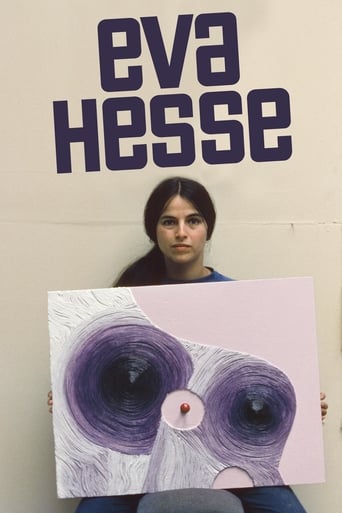 6.5
6.5German American artist Eva Hesse (1936 – 1970) created her innovative art in latex and fiberglass in the whirling aesthetic vortex of 1960s New York. Her flowing forms were in part a reaction to the rigid structures of then-popular minimalism, a male-dominated movement. Hesse’s complicated personal life encompassed not only a chaotic 1930s Germany, but also illness and the immigrant culture of New York in the 1940s. One of the twentieth century’s most intriguing artists, she finally receives her due in this film, an emotionally gripping journey with a gifted woman of great courage.
Eva Hesse
2016
In conversations with his friends and colleagues, among them Bernd Upnmoor, Helmut Herbst, Alexander Kluge, Klaus Wyborny, Daniel Kothenschulte and Helge Schneider, Ulrike Pfeiffer takes us on a journey into the broad expanse of Nekes' cabinet of wonder and his cinematic works. At the same time, this documentary provides an insight into the history of experimental film in Germany.
Werner Nekes - Life Between the Pictures
2017
 NR
NRKnokke, Belgium. A small mundane coastal town, home to the beau-monde. To compete with Venice and Cannes, the posh casino hosts the second ‘World Festival of Film and the Arts’ in 1949, organised in part by the Royal Cinematheque of Belgium. To celebrate cinema’s 50 year existence, they put together a side program showcasing the medium in all its shapes and forms: surrealist film, absolute film, dadaist films, abstract film,… The side program would soon become a festival in its own right: ‘EXPRMNTL’, dedicated to experimental cinema, and would become a mythical gathering of the avant-garde…
EXPRMNTL
2016
1990s · 3 titles
6.4The funny clown Bratislav Metulskie is found dead in circus "Apollo". The retired commissioner 00 Schneider is asked to assume control of the case. Schneider and his aged sidekick Körschgen investigate to find the murderer.
00 Schneider - Jagd auf Nihil Baxter
1994
7.0Jonas Mekas assembles 160 portraits, appearances, and fleeting sketches of underground and independent filmmakers captured between 1955 and 1996. Fast-paced and archival in spirit, the film celebrates the avant-garde as its own “nation of cinema,” a vital community existing outside the dominance of commercial film.
Birth of a Nation
1997
A documentary about the 'critical mass', the Film Coop, a group of young filmmakers in Hamburg during the 1960s - a small group far from the Mainstream or the New German Cinema.
The Critical Mass
1999
1980s · 5 titles
4.3Director Werner Nekes has created this experimental film in the mode of James Joyce's Ulysses to the extent that human interactions are represented by poetic, symbolic images and language, with a certain amount of nudity added in.
Uliisses
1982
 NR
NRHome movies shot on Super 8mm by W+B Hein over 10 years.
Home Movies 1971-81
1985
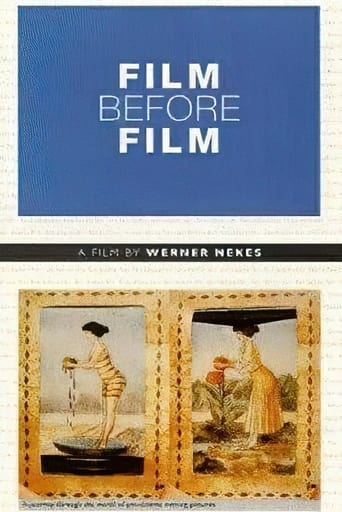 8.4
8.4An exhilarating and amusing encyclopedic look at the "prehistory" of cinema. Werner Nekes charts the fascination with moving pictures which led to the birth of film, covering shadow plays, peep shows, flip books, flicks, magic lanterns, lithopanes, panoramic, scrolls, colorful forms of early animation, and numerous other historical artiffices. Working with these formats, early "producers" created melodramas, comedies, -- as well as lots of pornography -- anticipating most of the forms known today. Nekes probes these colorful toys and inventions in a rich and rewarding optical experience. Film Before Film is a bewildering assault of exotic (and sometimes erotic) images and illusions.
Film Before Film
1987
Reel 27 of Gérard Courant’s on-going Cinematon series.
Cinématon XXVII
1982
 NR
NRNo synopsis available yet.
Cinématon n°261 : Werner Nekes
1982
1970s · 4 titles
4.9Cinématon is a 156-hour long experimental film by French director Gérard Courant. It was the longest film ever released until 2011. Composed over 36 years from 1978 until 2006, it consists of a series of over 2,821 silent vignettes (cinématons), each 3 minutes and 25 seconds long, of various celebrities, artists, journalists and friends of the director, each doing whatever they want for the allotted time. Subjects of the film include directors Barbet Schroeder, Nagisa Oshima, Volker Schlöndorff, Ken Loach, Benjamin Cuq, Youssef Chahine, Wim Wenders, Joseph Losey, Jean-Luc Godard, Samuel Fuller and Terry Gilliam, chess grandmaster Joël Lautier, and actors Roberto Benigni, Stéphane Audran, Julie Delpy and Lesley Chatterley. Gilliam is featured eating a 100-franc note, while Fuller smokes a cigar. Courant's favourite subject was a 7-month-old baby. The film was screened in its then-entirety in Avignon in November 2009 and was screened in Redondo Beach, CA on April 9, 2010.
Cinématon
1978
 7.0
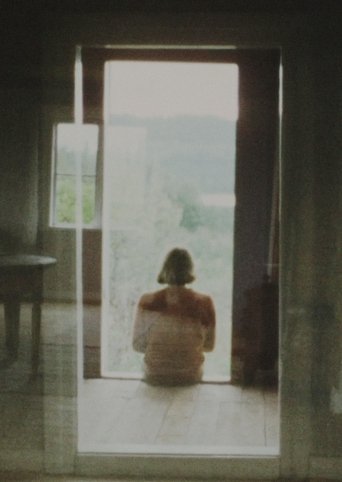
7.0An experimental film where a particular space is constantly "present" : there is a complex usage of superim- position, and of split-screen effects. The place shown is a part of a house in the country. Doors and windows are continually shown, emphasizing the film's concern with framing. Other images are present: city-scapes of a particularly sinister nature, implying a sense of ruin, and shots of a chorus on a stage. These shots begin and end the film which is accompanied by a vocal chant on the soundtrack.
Kaskara
1974
 7.3
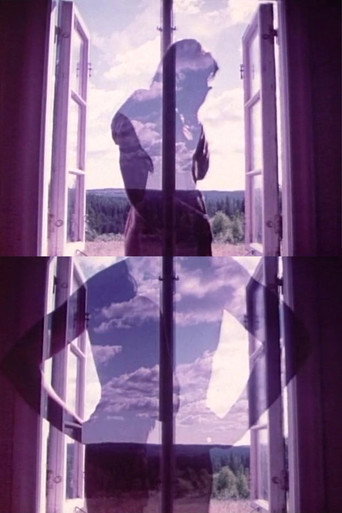
7.3Diwan, a lyric anthology, an outdoor movie with people. With people living in the surrounding precious and very beautifully photographed nature, are neither more nor less than one part of it. What Nekes manages there with landscape, as a cunning and quote many fine artist in a medium that runs in time, as he defeated the time changed, by themselves for change of scenery uses, as it interferes with the laws of chronology through the rewind ability of the camera or destroyed, which is a compelling and highly aesthetic experimental company.
Diwan
1974
 8.0
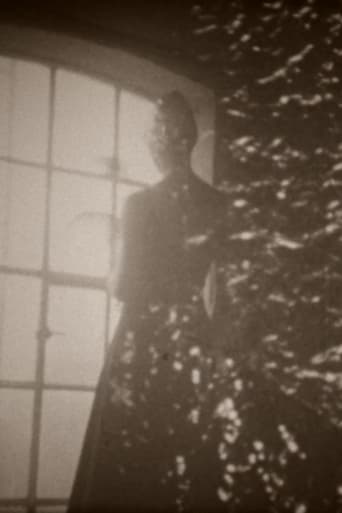
8.0A female figure wanders inside a warehouse interior and through various motifs, including a fan and a birdcage, set to a medieval chant.
Blonde Barbarei
1973
1960s · 3 titles
 9.5
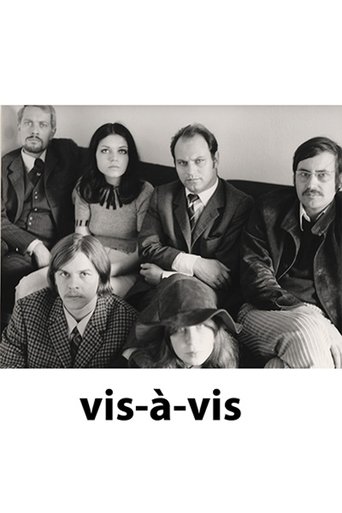
9.5A fixed shot showing six persons, looking into the camera inertly. Gradually tiny, minimal movements can be registered.
Vis-à-vis
1968
 6.5
6.5No synopsis available yet.
Start
1966
 NR
NRDore O. and later Nekes speak to each other and into the camera, slowly and deliberately like a speech exercise, quickly like a tongue twister or in competition with each other, accentuated rhythmically or rubato, until the silent noise becomes piercing and rings in the ears. As in a mirror joke, Zerroptik also involves the viewer in the erotic duet, which persistently elicits all the comedy and latent horrors of a sudden discovery from the field of associations of the strange sentence.
Mama, da steht ein Mann
1968
Series credits
Behind the camera
7.7Jurgen is an unknown electrician with a dream of pop stardom. His mother browbeats him into fame, while two managers compete for his contract. All Johnny really wants to do is get some sleep.
Johnny Flash
1986
7.7Jurgen is an unknown electrician with a dream of pop stardom. His mother browbeats him into fame, while two managers compete for his contract. All Johnny really wants to do is get some sleep.
Johnny Flash
1986
4.3Director Werner Nekes has created this experimental film in the mode of James Joyce's Ulysses to the extent that human interactions are represented by poetic, symbolic images and language, with a certain amount of nudity added in.
Uliisses
1982
4.3Director Werner Nekes has created this experimental film in the mode of James Joyce's Ulysses to the extent that human interactions are represented by poetic, symbolic images and language, with a certain amount of nudity added in.
Uliisses
1982
 6.0
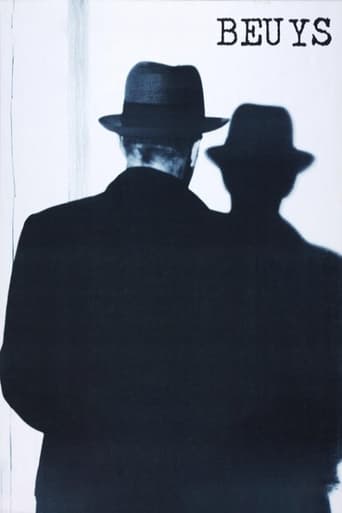
6.0The German artist Joseph Beuys is reflecting on his theory of art, being filmed as a kinetic sculpture. In 1981, the film has won the German film critic's award for “Best short film in Germany”.
Beuys
1981
 NR
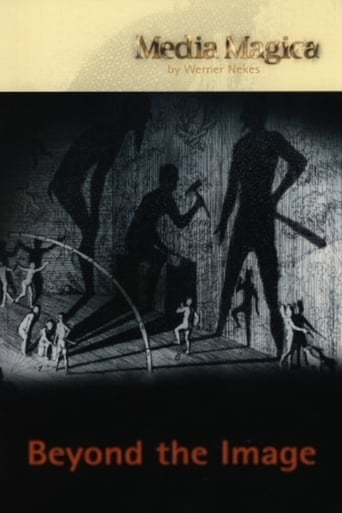
NRThe film traces the history of the camera obscura, the understanding of perspective and anamorphosis, peepshows and it shows the beauty of historical shadowtheaters and shadow toys.
Beyond the Image
1996
NRThe film traces the history of the camera obscura, the understanding of perspective and anamorphosis, peepshows and it shows the beauty of historical shadowtheaters and shadow toys.
Beyond the Image
1996
NRThe film traces the history of the camera obscura, the understanding of perspective and anamorphosis, peepshows and it shows the beauty of historical shadowtheaters and shadow toys.
Beyond the Image
1996
8.4An exhilarating and amusing encyclopedic look at the "prehistory" of cinema. Werner Nekes charts the fascination with moving pictures which led to the birth of film, covering shadow plays, peep shows, flip books, flicks, magic lanterns, lithopanes, panoramic, scrolls, colorful forms of early animation, and numerous other historical artiffices. Working with these formats, early "producers" created melodramas, comedies, -- as well as lots of pornography -- anticipating most of the forms known today. Nekes probes these colorful toys and inventions in a rich and rewarding optical experience. Film Before Film is a bewildering assault of exotic (and sometimes erotic) images and illusions.
Film Before Film
1987
 NR
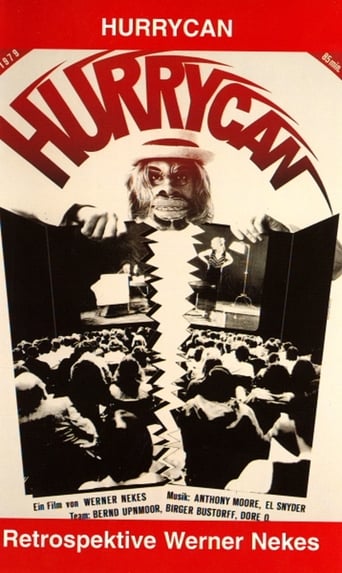
NRHurrycan has nothing to do with whirlwinds, although in this Nekes film the pictures journey across the screen, excitedly, spasmodically and flickering. The title weds the element of haste with the notion of a film can, which in this case turns out to be something of a Pandora's Box and contains expectations for a new way of seeing. A computerized shutter system that Nekes had built.
Hurrycan
1979
 NR
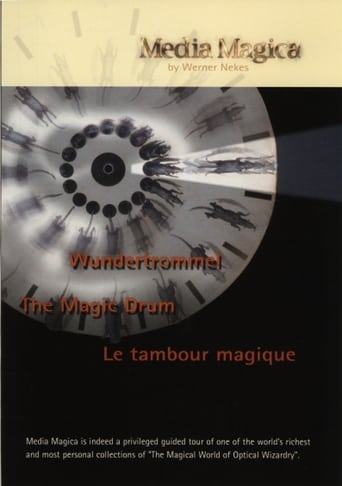
NROther essential predecessors of film were those devices that created the illusion of motion by taking advantage of the persistence of vision and the stroboscopic effect, such as the thaumatrope, phenakistoscope or wheel of life, zoetrope or magic drum and praxinoscope and later on, the more sophisticated flip-books such as the kinora and mutoscope.
The Magic Drum
1996
NROther essential predecessors of film were those devices that created the illusion of motion by taking advantage of the persistence of vision and the stroboscopic effect, such as the thaumatrope, phenakistoscope or wheel of life, zoetrope or magic drum and praxinoscope and later on, the more sophisticated flip-books such as the kinora and mutoscope.
The Magic Drum
1996
NROther essential predecessors of film were those devices that created the illusion of motion by taking advantage of the persistence of vision and the stroboscopic effect, such as the thaumatrope, phenakistoscope or wheel of life, zoetrope or magic drum and praxinoscope and later on, the more sophisticated flip-books such as the kinora and mutoscope.
The Magic Drum
1996
 NR
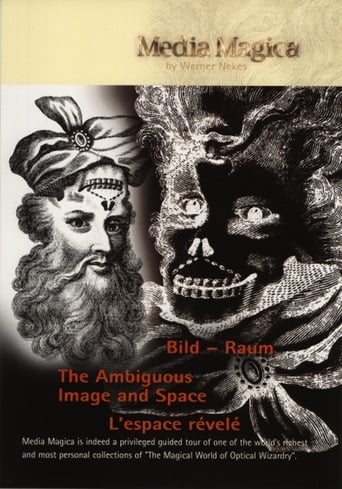
NRThe film looks at ways of creating spezial illusions through amiguous images, perspective theatres, folding peepshows and from the 19th century, the stereoscope, which look forward to today’s holography.
The Ambiguous Image and Space
1996
NRThe film looks at ways of creating spezial illusions through amiguous images, perspective theatres, folding peepshows and from the 19th century, the stereoscope, which look forward to today’s holography.
The Ambiguous Image and Space
1996
NRThe film looks at ways of creating spezial illusions through amiguous images, perspective theatres, folding peepshows and from the 19th century, the stereoscope, which look forward to today’s holography.
The Ambiguous Image and Space
1996
 9.0
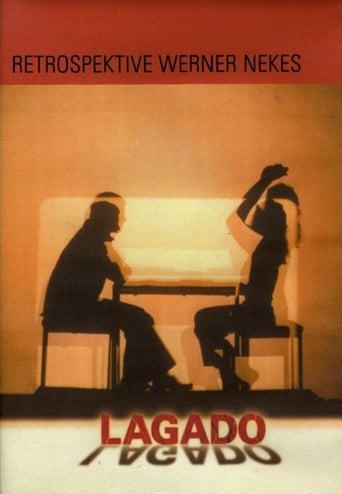
9.0An experimental film about the interpenetration of various levels of communication, dealing with the relationship of the pictorial functions to those of sound (direct sound).
Lagado
1977
9.0An experimental film about the interpenetration of various levels of communication, dealing with the relationship of the pictorial functions to those of sound (direct sound).
Lagado
1977
9.0An experimental film about the interpenetration of various levels of communication, dealing with the relationship of the pictorial functions to those of sound (direct sound).
Lagado
1977
 10.0
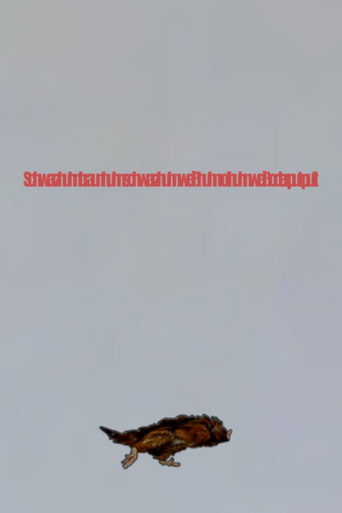
10.0This film is a poetic endeavor about Life and Death. A brown hen was selected to convey motion. The soundtrack is a collage of approximately 200 beginnings and endings of different musical pieces.
Schwarzhuhnbraunhuhnschwarzhuhnweißhuhnrothuhnweiß oder put-putt
1967
 8.0
8.0Alaska is a wordless experimental film with a simple, droning soundtrack that sounds as if it is a piece for violin and refrigerator hum.
Alaska
1968
 8.0
8.0No synopsis available yet.
Das Seminar
1967
 10.0
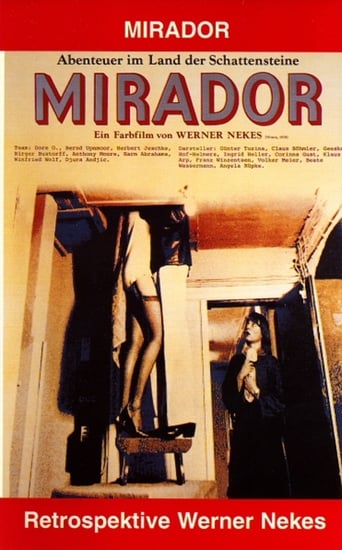
10.0An expedition report (a winter sailing trip down the Elbe), and a document about filmmakers who leave a city because it's more hospitable elsewhere, reflections, reflexes.
Mirador
1978
10.0An expedition report (a winter sailing trip down the Elbe), and a document about filmmakers who leave a city because it's more hospitable elsewhere, reflections, reflexes.
Mirador
1978
10.0An expedition report (a winter sailing trip down the Elbe), and a document about filmmakers who leave a city because it's more hospitable elsewhere, reflections, reflexes.
Mirador
1978
"...Nekes retreats behind his film. What is left is a double portrait, in which neither Dore 0. nor the grand landscape remain unchanged. The cold of the icy coastline - long shots of stones, snow and the sea - dwindles away before the image of Dore 0. Solitude is superflous, when the grandiose mountain meadow invites somersaults. ... In this case Nekes handles what he shows considerately. He releases the objects he portrays. He allows them to unfold. And so model and patterns actually serve another purpose: to let poetry grow, and energy and beauty and confidence nell'abbandono."
Abbandono
1970
 NR
NRSPACECUT makes the frame a very strong culminating structure. Every frame is different, yet the almost half hour assembly of images results in a picture of one place being filmed. SPACECUT has two sections, the second being the frame composite, whereas the first consists of long takes. Within the swirling, fleeting frames the eye receives picture after picture like an enormous, exciting puzzle. Strangely enough, it receives it only by absorption - of the sky, trees, valley, rocks, shadows. The automatic retention of these flashes gives you a sense of being in this bowl of land made by the golddiggers in 1871. You might think that this use of single frames would hurt the eye, but in fact it does not. Rather the experience is one of total relaxation. (Stephen Dwoskin)
Spacecut
1971
 5.8
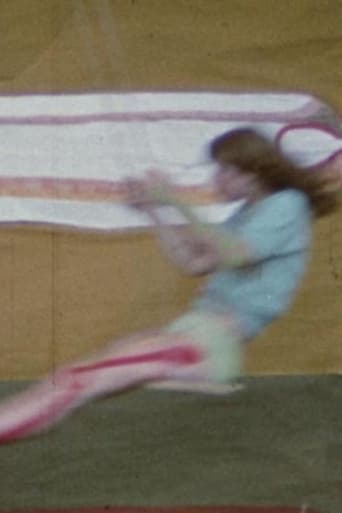
5.8A montage experiment in which Dore O., her body painted in different colours, swings back and forth in front of a movie screen, on which is painted a phallus (slightly abstract and fairly large). The perspective is such that the girl appears to be swinging into and out of the phallus. It is one who is content to see through the specific event. The work exhausts itself in a trivial aspect, the literary. This is most comfortable for the critic: the literary content of a work is easiest to reproduce in a literary form of criticism.
Jüm-Jüm
1967
No synopsis available yet.
Horly
1979
 NR
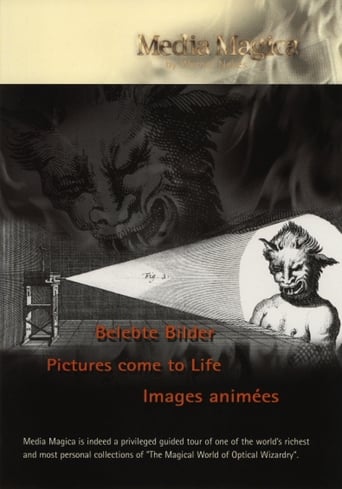
NRThe history of the magic lantern with demonstrations of moving slides, watertank or polarisation slides, followed by images on paper, which are brought to life with mechanical manipulations, with light shining through them or as panorama.
Pictures Come to Life
1996
NRThe history of the magic lantern with demonstrations of moving slides, watertank or polarisation slides, followed by images on paper, which are brought to life with mechanical manipulations, with light shining through them or as panorama.
Pictures Come to Life
1996
NRThe history of the magic lantern with demonstrations of moving slides, watertank or polarisation slides, followed by images on paper, which are brought to life with mechanical manipulations, with light shining through them or as panorama.
Pictures Come to Life
1996
 NR
NRDirected by Werner Nekes.
Knoten
1976
7.3Diwan, a lyric anthology, an outdoor movie with people. With people living in the surrounding precious and very beautifully photographed nature, are neither more nor less than one part of it. What Nekes manages there with landscape, as a cunning and quote many fine artist in a medium that runs in time, as he defeated the time changed, by themselves for change of scenery uses, as it interferes with the laws of chronology through the rewind ability of the camera or destroyed, which is a compelling and highly aesthetic experimental company.
Diwan
1974
7.3Diwan, a lyric anthology, an outdoor movie with people. With people living in the surrounding precious and very beautifully photographed nature, are neither more nor less than one part of it. What Nekes manages there with landscape, as a cunning and quote many fine artist in a medium that runs in time, as he defeated the time changed, by themselves for change of scenery uses, as it interferes with the laws of chronology through the rewind ability of the camera or destroyed, which is a compelling and highly aesthetic experimental company.
Diwan
1974
7.3Diwan, a lyric anthology, an outdoor movie with people. With people living in the surrounding precious and very beautifully photographed nature, are neither more nor less than one part of it. What Nekes manages there with landscape, as a cunning and quote many fine artist in a medium that runs in time, as he defeated the time changed, by themselves for change of scenery uses, as it interferes with the laws of chronology through the rewind ability of the camera or destroyed, which is a compelling and highly aesthetic experimental company.
Diwan
1974
No synopsis available yet.
Palimpsest
1969
 3.5
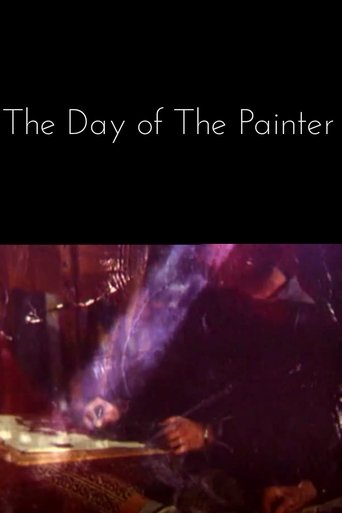
3.5The painter gazes at his female model, or how voyeurism is transformed into culture. An erotic adventure film where the theme is the viewer himself.
The Day of the Painter
1997
3.5The painter gazes at his female model, or how voyeurism is transformed into culture. An erotic adventure film where the theme is the viewer himself.
The Day of the Painter
1997
 6.0
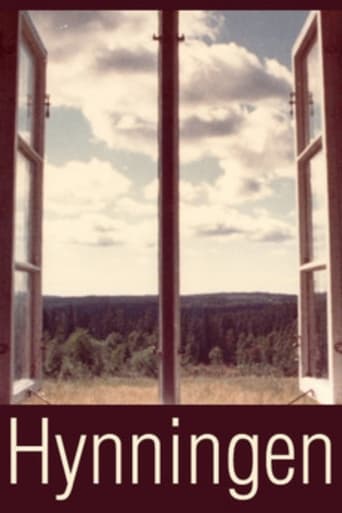
6.0Hynningen (Swedish for ‘honey roof’) begins with long multiple exposures of a landscape with a clearing, opening up to the horizon.
Hynningen
1974