
Camera
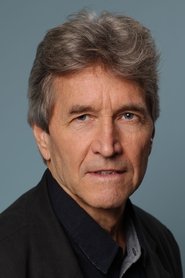
Ron Fricke
Born
1953-02-24 (73)
Place of birth
USA
Known for
Camera
Credits
9 titles
From Wikipedia, the free encyclopedia. Ron Fricke is an American film director and cinematographer, considered to be a master of time-lapse photography and large format cinematography. He was the director of photography for Koyaanisqatsi (1982) and directed the purely cinematic non-verbal non-narrative feature Baraka (1992). He designed and used his own 65 mm camera equipment for Baraka and his later projects. He also directed the IMAX films Chronos (1985) and Sacred Site (1986). His most recent work was as cinematographer for parts of the film Star Wars Episode III: Revenge of the Sith (he was hired to shoot the eruption of Mt Etna in Sicily for use in scenes of the volcanic planet Mustafa…
Known for
 8.2
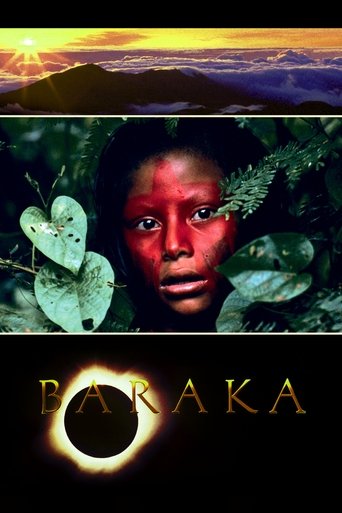
8.2A paralysingly beautiful documentary with a global vision—an odyssey through landscape and time—that attempts to capture the essence of life.
Baraka
1992
 8.1
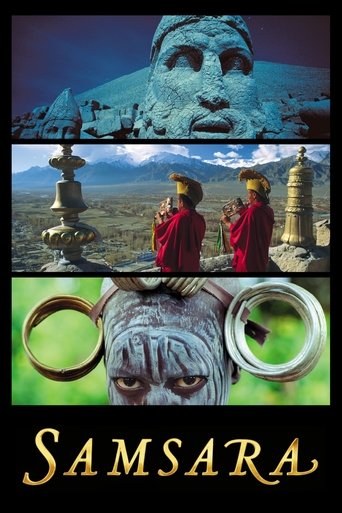
8.1Filmed over nearly five years in twenty-five countries on five continents, and shot on seventy-millimetre film, Samsara transports us to the varied worlds of sacred grounds, disaster zones, industrial complexes, and natural wonders.
Samsara
2011
 7.9
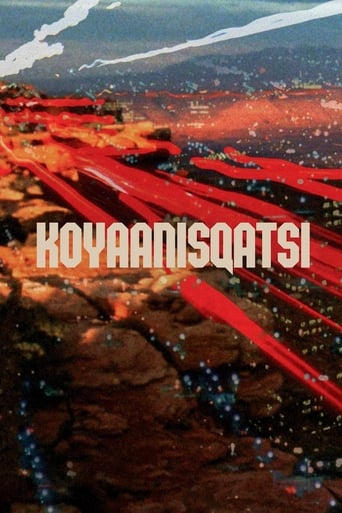
7.9Takes us to locations all around the US and shows us the heavy toll that modern technology is having on humans and the earth. The visual tone poem contains neither dialogue nor a vocalized narration: its tone is set by the juxtaposition of images and the exceptional music by Philip Glass.
Koyaanisqatsi
1983
 7.2
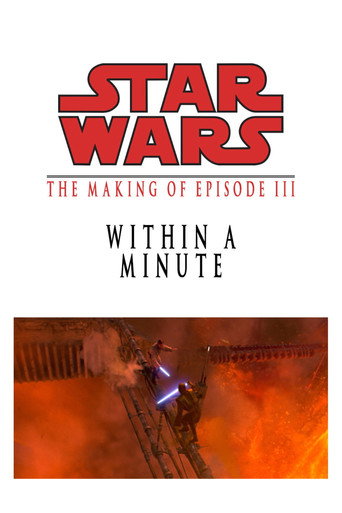
7.2This documentary offers a glimpse into all the people, departments, and work that went into creating the film, specifically, the fight between Anakin Skywalker and Obi-Wan Kenobi. Featured on the 2-Disc DVD for Star Wars: Episode III - Revenge of the Sith.
Within a Minute: The Making of Star Wars Episode III
2005
High-speed film and time-lapse photography combined to create breathtaking images of the night sky and Halley's Comet in this astronomical short subject.
Sacred Site
1986
 7.5
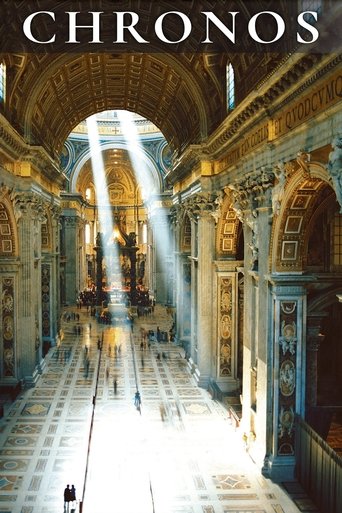
7.5Carefully picked scenes of nature and civilization are viewed at high speed using time-lapse cinematography in an effort to demonstrate the history of various regions.
Chronos
1985
Film credits
Behind the camera
8.2A paralysingly beautiful documentary with a global vision—an odyssey through landscape and time—that attempts to capture the essence of life.
Baraka
1992
8.2A paralysingly beautiful documentary with a global vision—an odyssey through landscape and time—that attempts to capture the essence of life.
Baraka
1992
8.1Filmed over nearly five years in twenty-five countries on five continents, and shot on seventy-millimetre film, Samsara transports us to the varied worlds of sacred grounds, disaster zones, industrial complexes, and natural wonders.
Samsara
2011
8.1Filmed over nearly five years in twenty-five countries on five continents, and shot on seventy-millimetre film, Samsara transports us to the varied worlds of sacred grounds, disaster zones, industrial complexes, and natural wonders.
Samsara
2011
7.9Takes us to locations all around the US and shows us the heavy toll that modern technology is having on humans and the earth. The visual tone poem contains neither dialogue nor a vocalized narration: its tone is set by the juxtaposition of images and the exceptional music by Philip Glass.
Koyaanisqatsi
1983
High-speed film and time-lapse photography combined to create breathtaking images of the night sky and Halley's Comet in this astronomical short subject.
Sacred Site
1986
7.5Carefully picked scenes of nature and civilization are viewed at high speed using time-lapse cinematography in an effort to demonstrate the history of various regions.
Chronos
1985
7.5Carefully picked scenes of nature and civilization are viewed at high speed using time-lapse cinematography in an effort to demonstrate the history of various regions.
Chronos
1985