
Acting
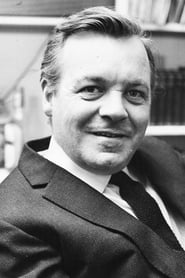
Patrick Wymark
Born — Died
1926-07-11 — 1970-10-20
Place of birth
Lincolnshire, England, UK
Known for
Acting
Credits
49 titles
Born Patrick Carl Cheeseman in Cleethorpes, Lincolnshire, England. He was brought up in neighbouring Grimsby and frequently re-visited the area during the height of his career. He attended University College, London, before training at the Old Vic Theatre School and making his first stage appearance in a walk-on part in Othello in 1951. He toured South Africa the following year and then directed plays for the drama department at Stanford University, California. Moving to the Shakespeare Memorial Theatre, Stratford-upon-Avon, Wymark played a wide range of traditional roles, including Dogberry in Much Ado about Nothing and Stephano in The Tempest. He also played the parts of Marullus in Jul…
Known for
 5.2
5.2An anthology series of television plays which aired on BBC1 from October 1964 to May 1970. The plays were usually written for television, although adaptations from other sources also featured.
The Wednesday Play
1964
 7.0
7.0ITV Playhouse is a British comedy-drama TV series that ran from 1967 to 1983, which featured contributions from playwrights such as Dennis Potter, Rhys Adrian and Alan Sharp. The series began in black and white, but was later shot in colour and was produced by various companies for the ITV network, a format that would inspire Dramarama. Actors appearing in the series included Leslie Anderson, Gwen Nelson, Ricky Alleyne, Pat Heywood, Michael Elphick, Ian Hendry, Edward Woodward, Margaret Lockwood, Jessie Matthews and Lloyd Peters.
ITV Playhouse
1967
 7.3
7.3Danger Man is a British television series which was broadcast between 1960 and 1962, and again between 1964 and 1968. The series featured Patrick McGoohan as secret agent John Drake. Ralph Smart created the programme and wrote many of the scripts. Danger Man was financed by Lew Grade's ITC Entertainment.
Danger Man
1960
 6.5
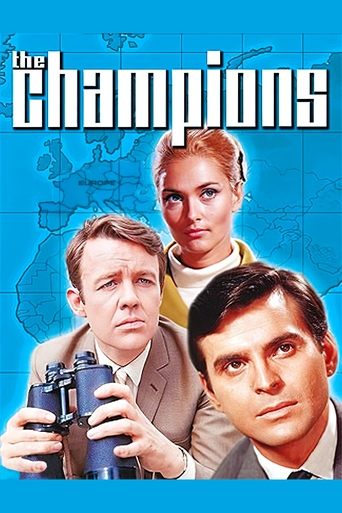
6.5After a plane carrying three Agents crashes in the Himalayas, they are rescued by an advanced civilisation secretly living in Tibet who grant them enhanced versions of the ordinary five senses, and intellectual and physical abilities.
The Champions
1968
 7.9
7.9Walt Disney Productions has produced an anthology television series under several different titles since 1954. The original version of the series premiered on ABC, Wednesday night, October 27, 1954. The show, which was hosted by Walt Disney until his death and then from 1996 to 2002 by then-CEO Michael Eisner (with one-off hosts or no hosts during other periods) has since aired continually as either a weekly program or an irregular series of specials on several networks and streaming services, most recently on ABC and Disney+. The show is the second longest showing prime-time program on American television, behind its rival, Hallmark Hall of Fame. However, Hallmark Hall of Fame was a weekly program only during its first five seasons, while Disney remained a weekly program for more than forty years.
The Wonderful World of Disney
1954
 5.1
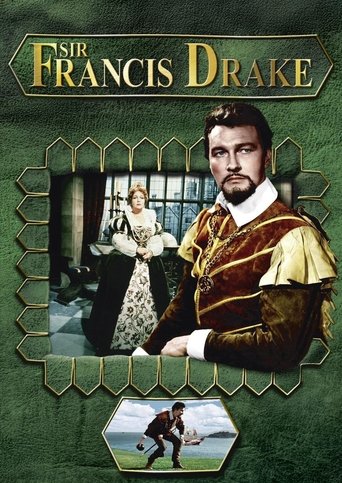
5.1Sir Francis Drake was a British adventure television series starring Terence Morgan as Sir Francis Drake, commander of the sailing ship the Golden Hind. As well as battles at sea, sword fights, the series also deals with intrigue at Elizabeth's court, often caused by Spaniard, Mendoza.
Sir Francis Drake
1961
Film credits
1970s · 3 titles
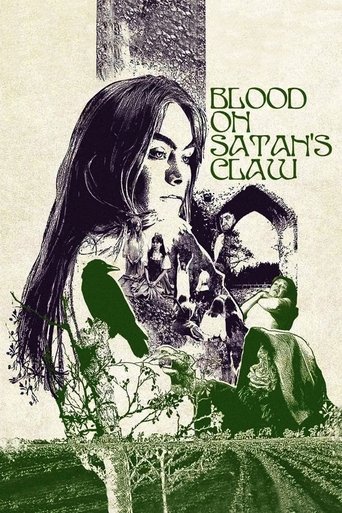 6.2
6.2After a landsman in 18th century England discovers a corpse covered in fur buried in a field, the town becomes infected by "the devil's skin," leading the local children to engage in demonic rituals and criminal behavior.
Blood on Satan's Claw
1971
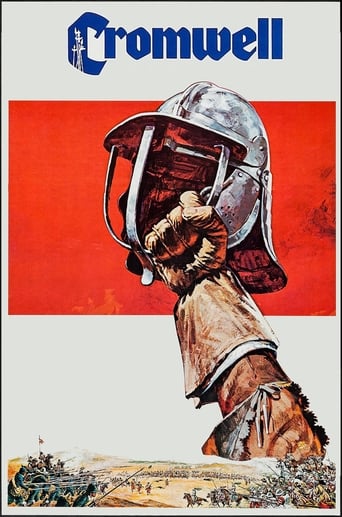 6.6
6.6Disgusted with the policies of King Charles I, Oliver Cromwell plans to take his family to the New World. But on the eve of their departure, Cromwell is drawn into the tangled web of religion and politics that will result in the English Civil War.
Cromwell
1970
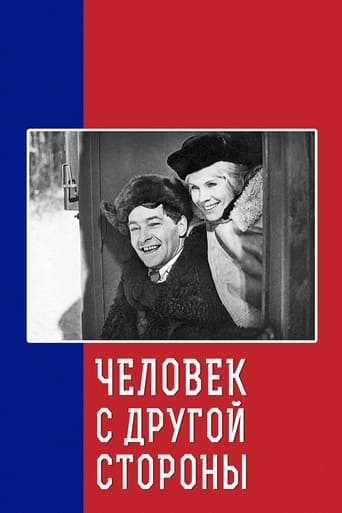 7.0
7.0After the Bolshevik seizure of power in 1917. A Russian engineer gets the assignment to purchase locomotives from Sweden. Paid in gold. Claimed by the opponents of the revolution.
The Man from the Other Side
1972
1960s · 25 titles
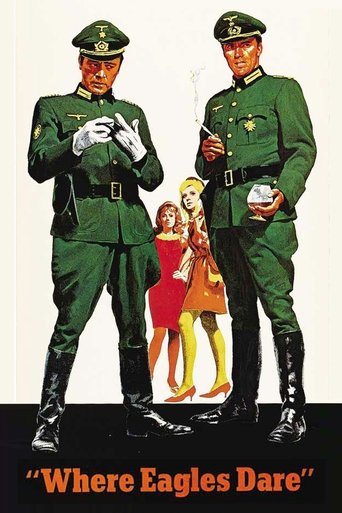 7.5
7.5World War II is raging, and an American general has been captured and is being held hostage in the Schloss Adler, a Bavarian castle that's nearly impossible to breach. It's up to a group of skilled Allied soldiers to liberate the general before it's too late.
Where Eagles Dare
1968
 6.8
6.8In 1940, the Royal Air Force fights a desperate battle against the might of the Luftwaffe for control of the skies over Britain, thus preventing an attempted Nazi invasion.
Battle of Britain
1969
 6.9
6.9English vicar Dr. Syn becomes a scarecrow on horseback by night to thwart King George III's taxmen.
Dr. Syn, Alias the Scarecrow
1963
 7.4
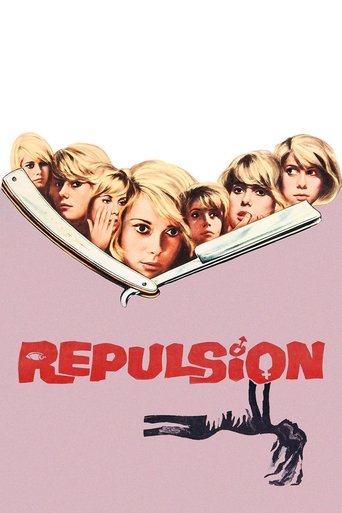
7.4Beautiful young manicurist Carole suffers from androphobia (the pathological fear of interaction with men). When her sister and roommate, Helen, leaves their London flat to go on an Italian holiday with her married boyfriend, Carole withdraws into her apartment. She begins to experience frightful hallucinations, her fear gradually mutating into madness.
Repulsion
1965
 6.7
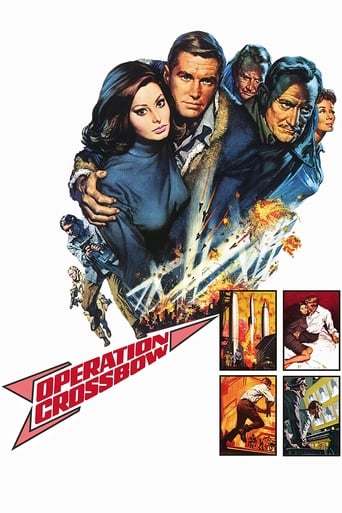
6.7Allied agents infiltrate the Nazi rocket complex at Peenemunde in order to obtain their secrets and sabotage the plant. The film alternates between German developments of the V-1 missile and V-2 rocket (with a German cast speaking their own language) and discovery by British Intelligence of the weapon.
Operation Crossbow
1965
 6.3
6.3Seven mini-stories of adultery: a widow misbehaves at her husband's funeral, a wife turns to streetwalking for revenge, a prudish girl surprises, a neglected wife vies for her husband's attention, a fight over a dress, a death pact, and a detective revealed as a jealous husband's spy.
Woman Times Seven
1967
 6.1
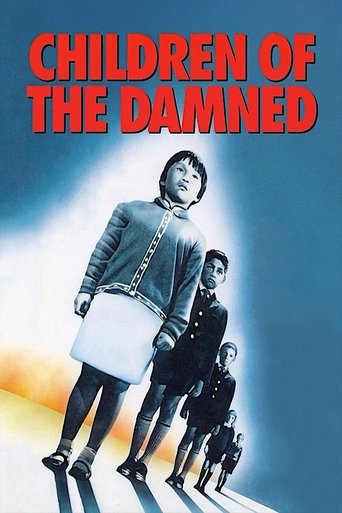
6.1Six children are found spread through out the world that not only have enormous intelligence, but identical intelligence and have a strange bond to each other.
Children of the Damned
1964
 7.1
7.1Involuntarily-retired Colonel Hyde recruits seven other dissatisfied ex-servicemen for a special project. Each of the men has a skeleton in the cupboard, is short of money, and is a service-trained expert in his field. The job is a bank robbery, and military discipline and planning are imposed by Hyde and second-in-command Race on the team, although civilian irritations do start getting in the way.
The League of Gentlemen
1960
 6.5
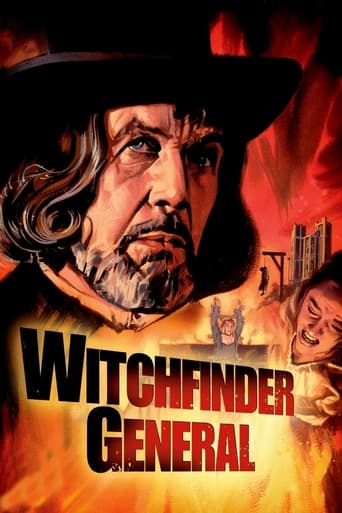
6.5England, 1645. The cruel civil war between Royalists and Parliamentarians that is ravaging the country causes an era of chaos and legal arbitrariness that allows unscrupulous men to profit by exploiting the absurd superstitions of the peasants; like Matthew Hopkins, a monster disguised as a man who wanders from town to town offering his services as a witch hunter.
Witchfinder General
1968
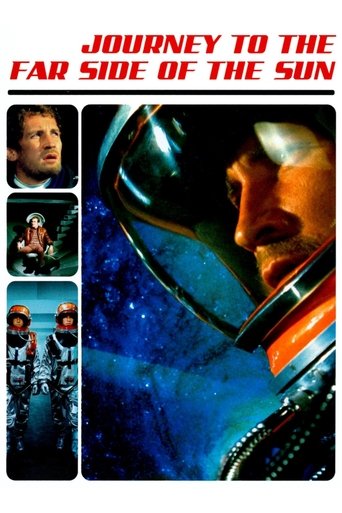 6.3
6.3A planet is discovered in the same orbit as Earth's but is located on the exact opposite side of the sun, making it not visible from Earth. The European Space Exploration Council decide to send American astronaut Glenn Ross and British scientist John Kane via spaceship to explore the other planet.
Doppelgänger
1969
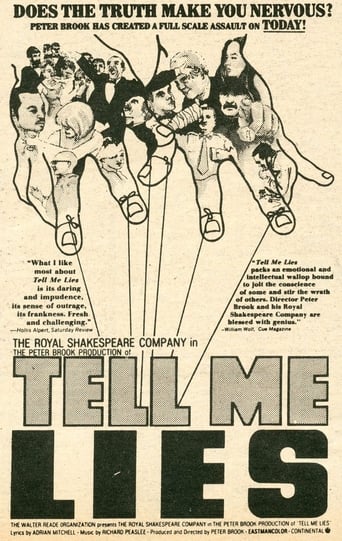 6.4
6.4Adapted and directed by Peter Brook from the Royal Shakespeare Company’s ‘production-in-progress US’, this long-unseen agitprop drama-doc – shot in London in 1967 and released only briefly in the UK and New York at the height of the Vietnam War – remains both thought-provoking and disturbing. A theatrical and cinematic social comment on US intervention in Vietnam, Brook’s film also reveals a 1960s London where art, theatre and political protest actively collude and where a young Glenda Jackson and RSC icons such as Peggy Ashcroft and Paul Scofield feature prominently on the front line. Multi-layered scenarios staged by Brook combine with newsreel footage, demonstrations, satirical songs and skits to illustrate the intensity of anti-war opinion within London’s artistic and intellectual community.
Tell Me Lies
1968
 6.5
6.5When a robbery at a racetrack goes wrong ex-con Johnny Bannion is caught and sent back to prison. He won't tell the rest of the gang where he has stashed the loot leading to violent consequences.
The Criminal
1960
 6.0
6.0Esoterica collector Dr Maitland buys an unusual skull from his ordinary source; the artifact is what remains of the Marquis De Sade. Much too soon, Maitland discovers that the skull is turning him into a frenzied killer.
The Skull
1965
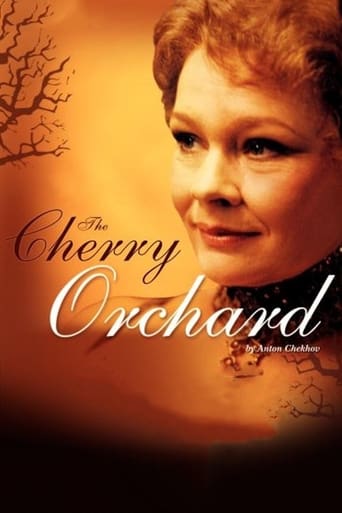 8.0
8.0Madame Ranevsky and her daughter Anya return home from Paris to find that their beloved family estate and cherry orchard are to be auctioned off to pay debts. Lopahin, a former serf on the estate who is now a wealthy landowner, proposes razing the home and cherry orchard and dividing the estate into plots that could be leased at great profit. The family, however, continues to hold out hope that their beloved home can somehow be saved from destruction.
The Cherry Orchard
1962
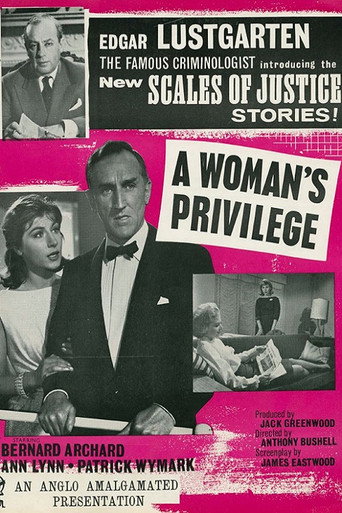 NR
NRA shipboard romance leads to a lawsuit for breach of promise.
A Woman's Privilege
1962
 6.9
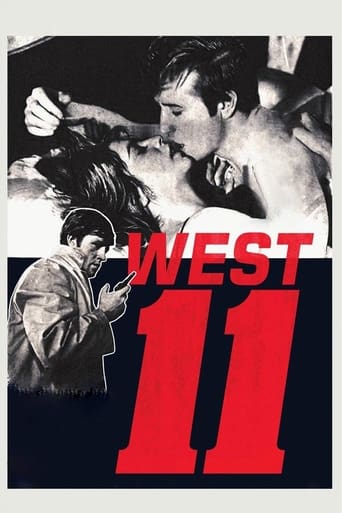
6.9In Notting Hill's jazz club, coffee bar and bedsit land of the early 1960s, Joe Beckett is a young unemployed misfit and drifter whose life takes a turn for the worse when he encounters Richard Dyce, an ex-army officer.
West 11
1963
 9.0
9.0Based on the true story of a British secret agent, shot down over Malaya near to a Allied POW forced labour camp. There she is hidden, disguised as a youthful prisoner, until her escape can be effected. The costs of keeping her identity secret fall on all the POW's as the Japanese embark on a policy of ruthless terror to extract her and the focus shifts to the conflicts of the group' s collective concerns against the necessities of personal survival.
The Secret of Blood Island
1964
One of the earliest hits for the newly established RSC, Michael Elliott’s sparkling version of Shakespeare's comedy is still remembered with joy by a generation of theatre-goers. The design was dominated by a huge oak tree, but the production is most memorable for Vanessa Redgrave’s luminous Rosalind, supported by Max Adrian and Ian Bannen.
As You Like It
1963
 6.4
6.4Four men involved in the investigation of a German millionaire at the end of World War II are found murdered with tiny dolls beside their corpses.
The Psychopath
1966
 6.8
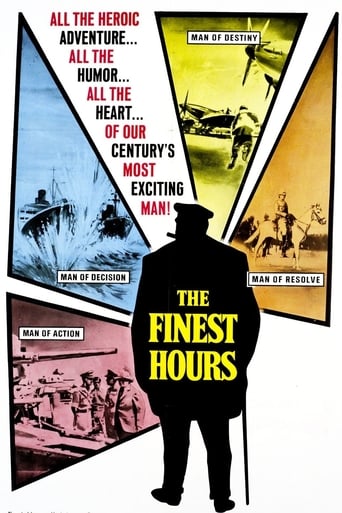
6.8A biography of Winston Churchill, shown through re-creations and actual film footage and told by Orson Welles.
The Finest Hours
1964
Inhabitants in a remote village laughs off and dismiss a couple of schoolboys' claims that they are being invaded by aliens.
The Invasion
1963
 7.0
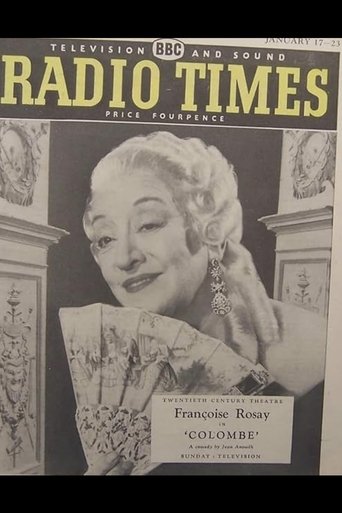
7.0A diva of the Paris stage transforms her mousy daughter-in-law into an attractive ingenue to spite her hated son, away on military service.
Twentieth Century Theatre: Colombe
1960
A story of choices leading to redemption or further from it, set against a backdrop of human nature and societal constraints.
The Cruel Necessity
1962
A documentary feature telling how then descendants of the crew of HMS Bounty survive today on the remote island of Pitcairn, where their ancestors settled after the mutiny.
The Pitcairn People
1962
A detailed account of the life and artistic journey of Michelangelo.
Michelangelo
1964
Series credits
5.2An anthology series of television plays which aired on BBC1 from October 1964 to May 1970. The plays were usually written for television, although adaptations from other sources also featured.
The Wednesday Play
1964
7.0ITV Playhouse is a British comedy-drama TV series that ran from 1967 to 1983, which featured contributions from playwrights such as Dennis Potter, Rhys Adrian and Alan Sharp. The series began in black and white, but was later shot in colour and was produced by various companies for the ITV network, a format that would inspire Dramarama. Actors appearing in the series included Leslie Anderson, Gwen Nelson, Ricky Alleyne, Pat Heywood, Michael Elphick, Ian Hendry, Edward Woodward, Margaret Lockwood, Jessie Matthews and Lloyd Peters.
ITV Playhouse
1967
7.0ITV Playhouse is a British comedy-drama TV series that ran from 1967 to 1983, which featured contributions from playwrights such as Dennis Potter, Rhys Adrian and Alan Sharp. The series began in black and white, but was later shot in colour and was produced by various companies for the ITV network, a format that would inspire Dramarama. Actors appearing in the series included Leslie Anderson, Gwen Nelson, Ricky Alleyne, Pat Heywood, Michael Elphick, Ian Hendry, Edward Woodward, Margaret Lockwood, Jessie Matthews and Lloyd Peters.
ITV Playhouse
1967
7.0ITV Playhouse is a British comedy-drama TV series that ran from 1967 to 1983, which featured contributions from playwrights such as Dennis Potter, Rhys Adrian and Alan Sharp. The series began in black and white, but was later shot in colour and was produced by various companies for the ITV network, a format that would inspire Dramarama. Actors appearing in the series included Leslie Anderson, Gwen Nelson, Ricky Alleyne, Pat Heywood, Michael Elphick, Ian Hendry, Edward Woodward, Margaret Lockwood, Jessie Matthews and Lloyd Peters.
ITV Playhouse
1967
7.0ITV Playhouse is a British comedy-drama TV series that ran from 1967 to 1983, which featured contributions from playwrights such as Dennis Potter, Rhys Adrian and Alan Sharp. The series began in black and white, but was later shot in colour and was produced by various companies for the ITV network, a format that would inspire Dramarama. Actors appearing in the series included Leslie Anderson, Gwen Nelson, Ricky Alleyne, Pat Heywood, Michael Elphick, Ian Hendry, Edward Woodward, Margaret Lockwood, Jessie Matthews and Lloyd Peters.
ITV Playhouse
1967
7.3Danger Man is a British television series which was broadcast between 1960 and 1962, and again between 1964 and 1968. The series featured Patrick McGoohan as secret agent John Drake. Ralph Smart created the programme and wrote many of the scripts. Danger Man was financed by Lew Grade's ITC Entertainment.
Danger Man
1960
6.5After a plane carrying three Agents crashes in the Himalayas, they are rescued by an advanced civilisation secretly living in Tibet who grant them enhanced versions of the ordinary five senses, and intellectual and physical abilities.
The Champions
1968
7.9Walt Disney Productions has produced an anthology television series under several different titles since 1954. The original version of the series premiered on ABC, Wednesday night, October 27, 1954. The show, which was hosted by Walt Disney until his death and then from 1996 to 2002 by then-CEO Michael Eisner (with one-off hosts or no hosts during other periods) has since aired continually as either a weekly program or an irregular series of specials on several networks and streaming services, most recently on ABC and Disney+. The show is the second longest showing prime-time program on American television, behind its rival, Hallmark Hall of Fame. However, Hallmark Hall of Fame was a weekly program only during its first five seasons, while Disney remained a weekly program for more than forty years.
The Wonderful World of Disney
1954
5.1Sir Francis Drake was a British adventure television series starring Terence Morgan as Sir Francis Drake, commander of the sailing ship the Golden Hind. As well as battles at sea, sword fights, the series also deals with intrigue at Elizabeth's court, often caused by Spaniard, Mendoza.
Sir Francis Drake
1961
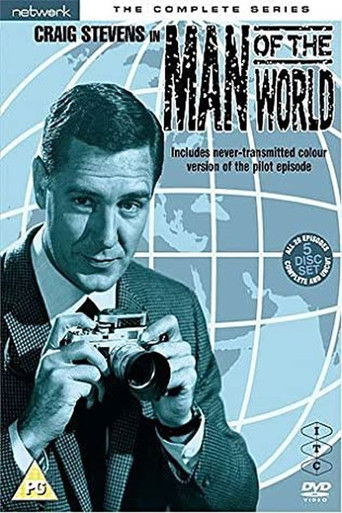 7.2
7.2Michael Strait is a world-renowned photographer whose assignments lead him into investigating mysterious goings-on amongst the rich and glamorous and intrigue from far-flung places as Iraq, French Indochina, and Algiers.
Man of the World
1962
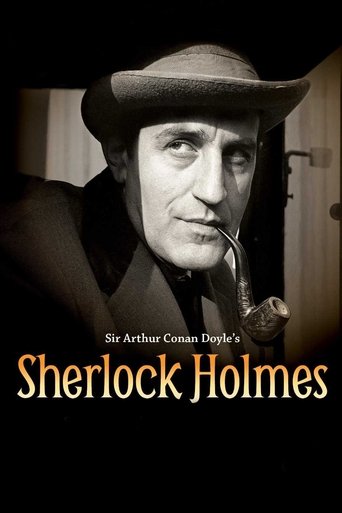 6.9
6.9Sherlock Holmes (also known as 'Sir Arthur Conan Doyle's Sherlock Holmes') is a series of Sherlock Holmes adaptations produced by British television company BBC between 1964 and 1968. This was the second screen adaption of Sherlock Holmes for BBC Television.
Sherlock Holmes
1964
 10.0
10.0The Power Game is an ITV drama spin-off from The Plane Makers (1963–65), created by Wilfred Greatorex. Broadcast for three 13-episode series, Patrick Wymark reprised his role as Sir John Wilder, who here ruthlessly pursues boardroom machinations and tangled relationships.
The Power Game
1965
 8.8
8.8Long-running anthology program sponsored by Hallmark Cards. Beginning in 1951 and continuing into 2019, the series received 80 Emmy Awards, 24 Christopher Awards, 11 Peabody Awards, 9 Golden Globes, and 4 Humanitas Prizes. Early seasons were a weekly live drama, eventually transitioning to videotaped and then filmed productions broadcast as occasional specials.
Hallmark Hall of Fame
1951
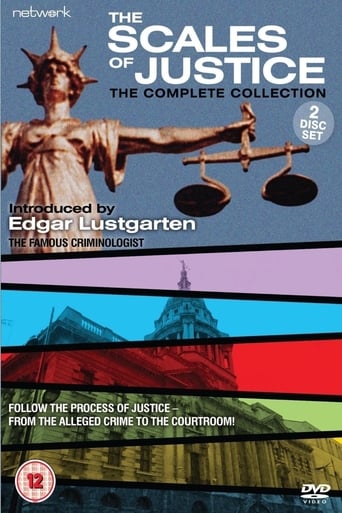 6.7
6.7The Scales of Justice is a series of thirteen British cinema featurettes produced from 1962 to 1967 for Anglo-Amalgamated at Merton Park Studios in London. The first nine were made in black and white, and the last four in colour. The finale, Payment in Kind, was Merton Park's final production. Episodes were based on criminal cases, and each film was introduced by criminologist Edgar Lustgarten. The series derives its title from the symbolic scales held by the statue of Justice, situated above the dome of London's Central Criminal Court, The Old Bailey. The opening narration describes her as having "in her right hand, the Sword of Power and Retribution, and in her left – The Scales of Justice".
The Scales of Justice
1962
An anthology of self-contained stories about acts of resistance in occupied Europe during the Second World War. Producer Gerard Glaister drew upon his own wartime experiences, having served as a pilot in the RAF.
Moonstrike
1963
 6.0
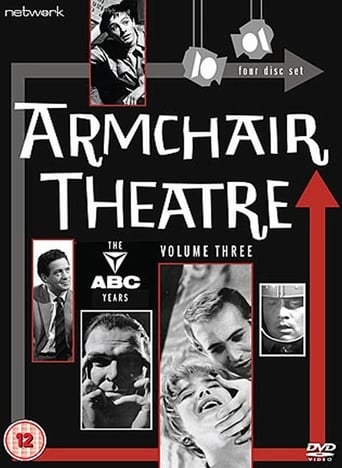
6.0Armchair Theatre is a British television drama anthology series of single plays that ran on the ITV network from 1956 to 1974. It was originally produced by Associated British Corporation, and later by Thames Television from mid-1968.
Armchair Theatre
1956
6.0Armchair Theatre is a British television drama anthology series of single plays that ran on the ITV network from 1956 to 1974. It was originally produced by Associated British Corporation, and later by Thames Television from mid-1968.
Armchair Theatre
1956
 6.3
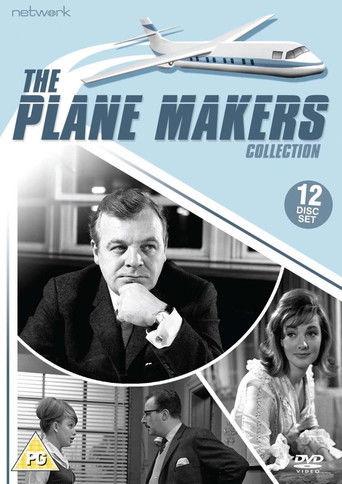
6.3The Plane Makers is a British television series created by Wilfred Greatorex and produced by Rex Firken. ATV made three series for ITV between 1963 and 1965. It was succeeded by The Power Game, which ran for an additional three series from 1965 to 1969. Firkin continued as producer for the first two series, and David Reid took over for series 3.
The Plane Makers
1963
 NR
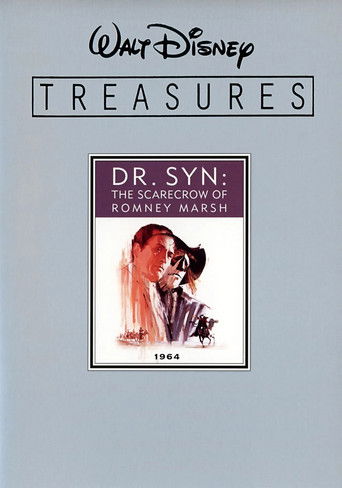
NR"Scarecrow! Scarecrow! The soldiers of the King feared his name!" And so begins the hard-to-forget theme song to The Scarecrow of Romney Marsh. Walt Disney's thrilling 3-part adventure was produced for his Wonderful World of Color weekly TV show and aired February 1964. Filled with action, drama and suspense, it follows the adventures of Dr. Christopher Syn - brave priest by day, righter of wrongs by night.
The Scarecrow of Romney Marsh
1964