
Acting
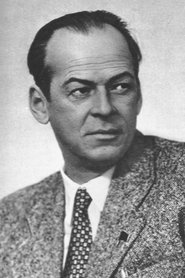
Nikolai Cherkasov
Born — Died
1903-07-27 — 1966-09-14
Place of birth
St Petersburg, Russian Empire
Known for
Acting
Credits
45 titles
An outstanding Soviet theater and film actor. Honored Artist of the RSFSR (1937). People's Artist of the RSFSR (03/11/1939). People's Artist of the USSR (02.26.1947). He graduated from the Institute of Performing Arts (1926). Since 1919 - a mimic artist of the Petrograd Mariinsky Opera and Ballet Theater, the Bolshoi Drama Theater and other theaters. In the years 1926-1929 - actor of the Leningrad Youth Theater. In 1929-1931 - artist of the Leningrad and Moscow music halls. In the years 1931-1933 - artist of the Leningrad Mobile Theater "Comedy". In 1933-1965 - artist of the Leningrad Academic Drama Theater named after Pushkin. Nikolai Cherkasov is the only actor whose face is imprinted on t…
Known for
 8.5
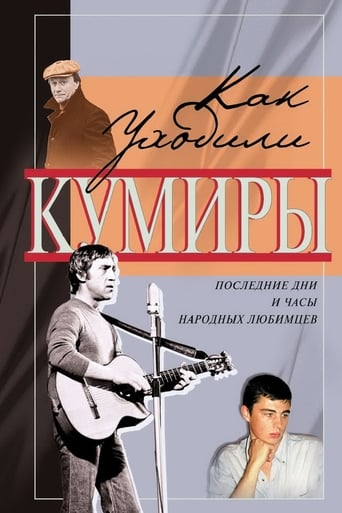
8.5No synopsis available yet.
When Idols Were Gone
2005
 7.3
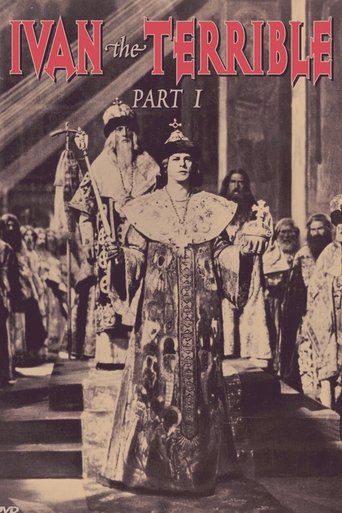
7.3Set during the early part of his reign, Ivan faces betrayal from the aristocracy and even his closest friends as he seeks to unite the Russian people. Sergei Eisenstein's final film, this is the first part of a three-part biopic of Tsar Ivan IV of Russia, which was never completed due to the producer's dissatisfaction with Eisenstein's attempts to use forbidden experimental filming techniques and excessive cost overruns. The second part was completed but not released for a decade after Eisenstein's death and a change of heart in the USSR government toward his work; the third part was only in its earliest stage of filming when shooting was stopped altogether.
Ivan the Terrible, Part I
1944
 6.7
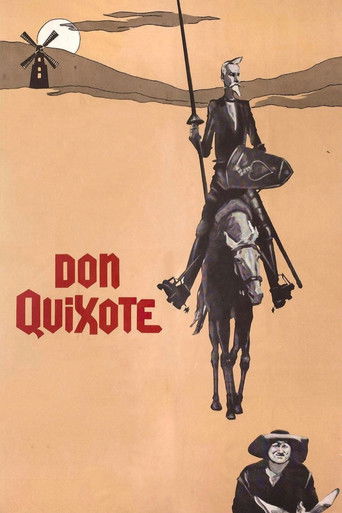
6.7Senor Quexana has read so many books on chivalry that he believes that he is the knight Don Quixote de la Mancha. So Don Quixote sets off on his horse, accompanied by his squire Sancho Panza on a mule, to perform valiant deeds. They mistakenly save the Lady Altisidora who is so amused that she invites them to visit the Duke to provide some merriment at court. Among other deeds, Don Quixote frees some prisoners, who then turn upon him, and Don Quixote attacks a windmill that he imagines is a monstrous wizard.
Don Quixote
1957
 7.3
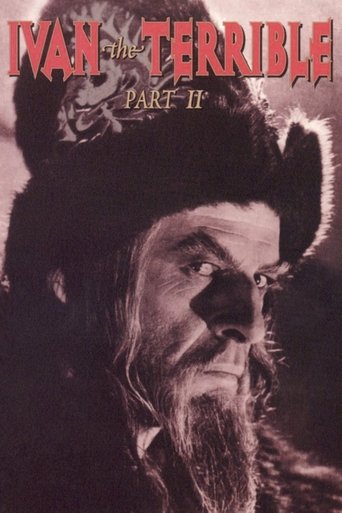
7.3This is the second part of a projected three-part epic biopic of Russian Czar Ivan Grozny, undertaken by Soviet film-maker Sergei Eisenstein at the behest of Josef Stalin. Production of the epic was stopped before the third part could be filmed, due to producer dissatisfaction with Eisenstein's introducing forbidden experimental filming techniques into the material, more evident in this part than the first part. As it was, this second part was banned from showings until after the deaths of both Eisenstein and Stalin, and a change of attitude by the subsequent heads of the Soviet government. In this part, as Ivan the Terrible attempts to consolidate his power by establishing a personal army, his political rivals, the Russian boyars, plot to assassinate him.
Ivan the Terrible, Part II: The Boyars' Plot
1958
 7.1
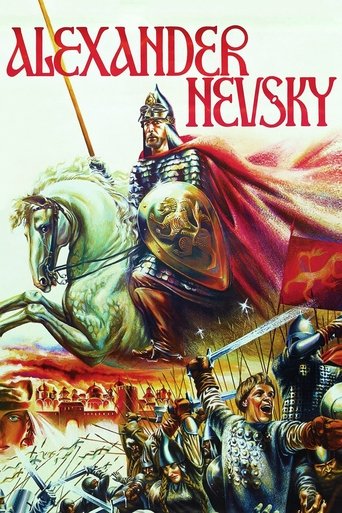
7.1When German knights invade Russia, Prince Alexander Nevsky must rally his people to resist the formidable force. After the Teutonic soldiers take over an eastern Russian city, Alexander stages his stand at Novgorod, where a major battle is fought on the ice of frozen Lake Chudskoe. While Alexander leads his outnumbered troops, two of their number, Vasili and Gavrilo, begin a contest of bravery to win the hand of a local maiden.
Alexander Nevsky
1938
 4.8
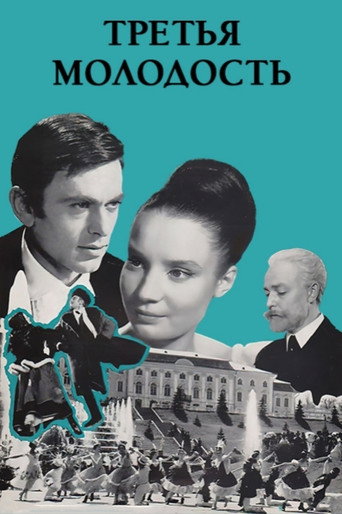
4.8Paris, the middle of the XIX century. Young Marius Petipa is going on a long journey to St. Petersburg, where he is invited to become the first dancer. He doesn't know that his life will develop both happily and dramatically, and his work will be the glory and pride of Russian ballet.
Nights of Farewell
1965
Film credits
1960s · 4 titles
4.8Paris, the middle of the XIX century. Young Marius Petipa is going on a long journey to St. Petersburg, where he is invited to become the first dancer. He doesn't know that his life will develop both happily and dramatically, and his work will be the glory and pride of Russian ballet.
Nights of Farewell
1965
 4.8
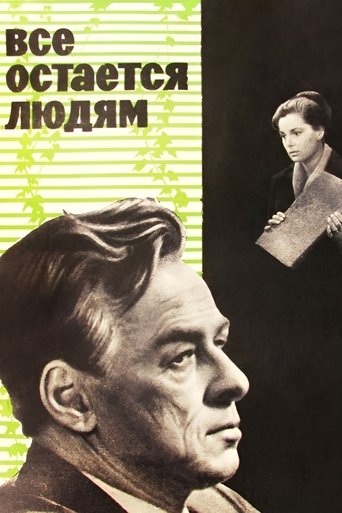
4.8Renowned scientist Dronov works in Novosibirsk on the creation of ultra-modern engine. He has a bad heart, he was afraid not to have time to finish the job, and test engine at a factory in Moscow, unfortunately, is not the first time passes unsuccessfully. Dronov abandons the rest of the work, even the leadership of the Institute entrusts to his disciple Morozov.
All Remains to People
1963
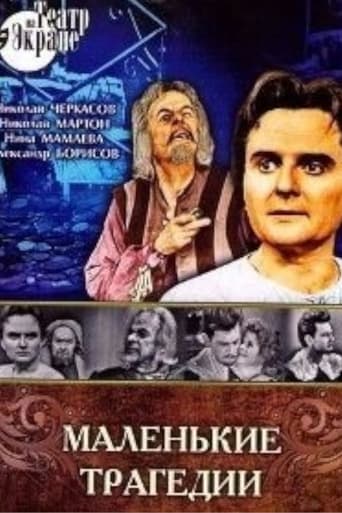 NR
NRLeningrad State Drama Theatre's staging of Pushkin's three "Little Tragedies": The Covetous Knight, The Stone Guest, Mozart and Salieri
Little Tragedies
1966
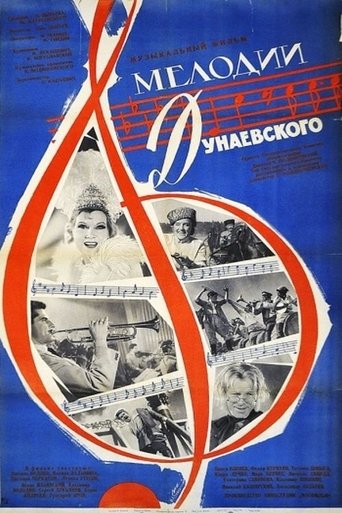 6.0
6.0The film uses fragments of feature films and materials of the Gosfilmofond of the Russian Federation. In addition to the actors listed above, the following actors tell about the composer: directors Grigory Alexandrov and Ivan Pyriev, songwriters Mikhail Matusovsky and Vasily Lebedev-Kumach.
Мелодии Дунаевского
1963
1950s · 6 titles
6.7Senor Quexana has read so many books on chivalry that he believes that he is the knight Don Quixote de la Mancha. So Don Quixote sets off on his horse, accompanied by his squire Sancho Panza on a mule, to perform valiant deeds. They mistakenly save the Lady Altisidora who is so amused that she invites them to visit the Duke to provide some merriment at court. Among other deeds, Don Quixote frees some prisoners, who then turn upon him, and Don Quixote attacks a windmill that he imagines is a monstrous wizard.
Don Quixote
1957
7.3This is the second part of a projected three-part epic biopic of Russian Czar Ivan Grozny, undertaken by Soviet film-maker Sergei Eisenstein at the behest of Josef Stalin. Production of the epic was stopped before the third part could be filmed, due to producer dissatisfaction with Eisenstein's introducing forbidden experimental filming techniques into the material, more evident in this part than the first part. As it was, this second part was banned from showings until after the deaths of both Eisenstein and Stalin, and a change of attitude by the subsequent heads of the Soviet government. In this part, as Ivan the Terrible attempts to consolidate his power by establishing a personal army, his political rivals, the Russian boyars, plot to assassinate him.
Ivan the Terrible, Part II: The Boyars' Plot
1958
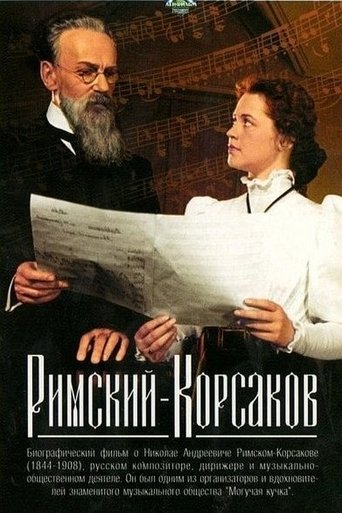 7.0
7.0Biographical film about the composer Rimskiy-Korsakov. Belongs to the gallery of costume historical and biographical films of the postwar cinema of the Soviet Union. The film tells about the last two decades in the life of Russian composer.
Rimsky-Korsakov
1953
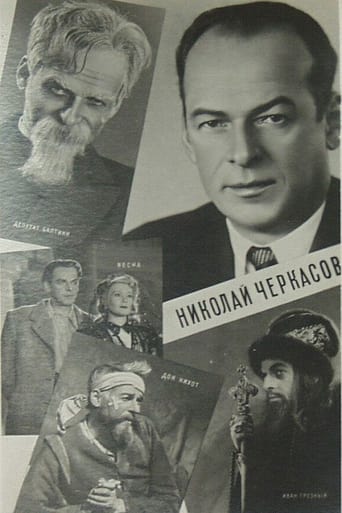 NR
NRAbout the creative career of People's Artist of the USSR N.K. Cherkasov. The film uses footage from movies of the 1920s and 1930s.
Actor Nikolai Cherkasov
1959
 NR
NRNo synopsis available yet.
They Knew Mayakovsky
1955
 5.4
5.4Saint Petersburg, 1858. A group of composers known as The Five meet at Balakirev's. Young Modest Mussorgsky, both a civil servant and a musician, has become a fixture there. He tells about the first opera he plans to compose. Then he goes to the country where he discovers the lowly conditions of the peasants and the bloody conflicts with the rich land owners. He works on Gogol's 'The Marriage', trying to render into music the natural accents of the play's naturalistic dialogue. But his efforts do not pan out. On the other hand, he starts writing his opera on the story of Boris Godunov. The Marinsky Theatre refuses to stage the work. The Five, and Mussorgsky among them, are libeled and the group starts disintegrating. When 'Boris Godunov' is finally performed in 1874, it is a popular success.
Mussorgsky
1950
1940s · 14 titles
7.3Set during the early part of his reign, Ivan faces betrayal from the aristocracy and even his closest friends as he seeks to unite the Russian people. Sergei Eisenstein's final film, this is the first part of a three-part biopic of Tsar Ivan IV of Russia, which was never completed due to the producer's dissatisfaction with Eisenstein's attempts to use forbidden experimental filming techniques and excessive cost overruns. The second part was completed but not released for a decade after Eisenstein's death and a change of heart in the USSR government toward his work; the third part was only in its earliest stage of filming when shooting was stopped altogether.
Ivan the Terrible, Part I
1944
 6.8
6.8The fifth film of Frank Capra's Why We Fight propaganda film series, revealing the nature and process of the fight between the Soviet Union and Germany in the Second World War.
Why We Fight: The Battle of Russia
1943
 6.3
6.3A drab woman scientist, working on machine to harness solar energy, and a pert concert singer look-alike being courted to play her in a movie swap identities and find personal growth, professional success, love, and happiness.
Spring
1947
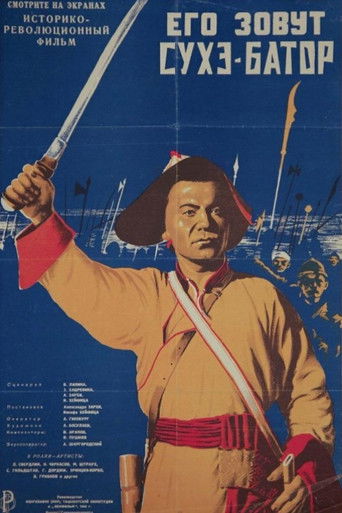 7.0
7.0The film tells about the founder of the Mongolian People's Revolutionary Party, the leader of the Mongolian People's Revolution - Damdin Sukhe-Bator.
His Name Is Sukhe-Bator
1942
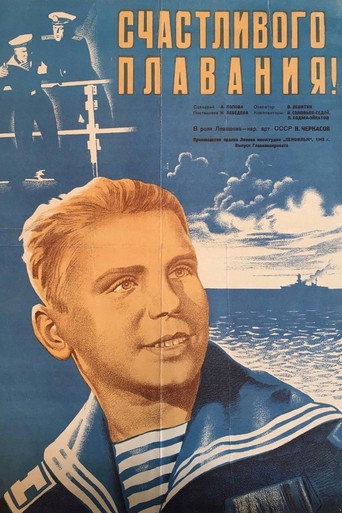 10.0
10.0A story about boys in a sailors school.
Happy Sailing
1949
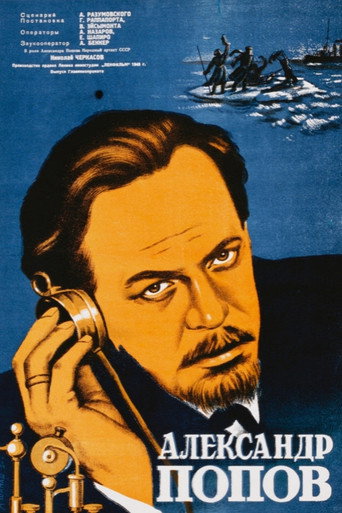 7.0
7.0A biographical film about the life and work of the outstanding physicist-electrical engineer, inventor of radio communications Alexander Semenovich Popov.
Alexander Popov
1949
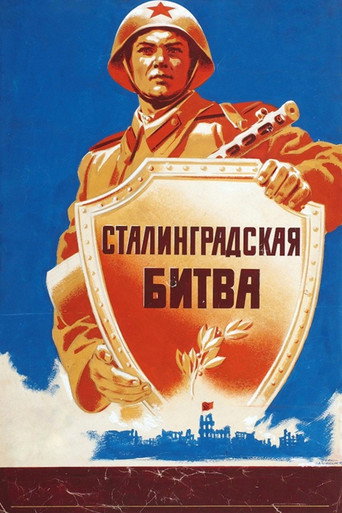 4.0
4.0A 1949 two-part Soviet epic war film about the Battle of Stalingrad.
The Battle of Stalingrad
1949
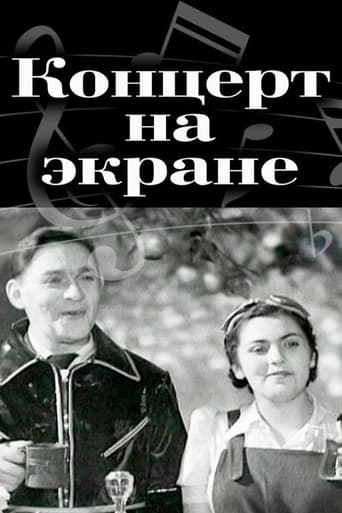 8.0
8.0Film-Concert. The program includes scenes from plays, ballets, and operas; folk songs and romances; B. Eder with a group of trained lions; S. Obraztsov's puppet theater; and dances by soloists of the I. Moiseyev Ensemble. The host is Nikolai Cherkasov.
Concert on the Screen
1940
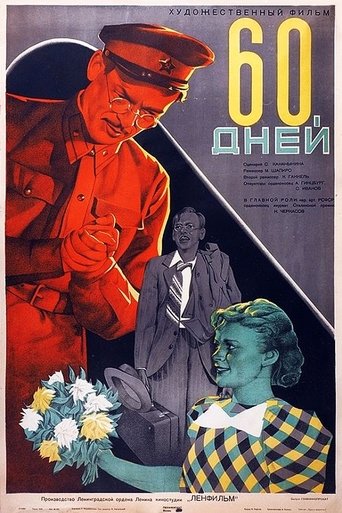 8.0
8.0Adventures of the medicine professor during reserve duty.
60 Days
1940
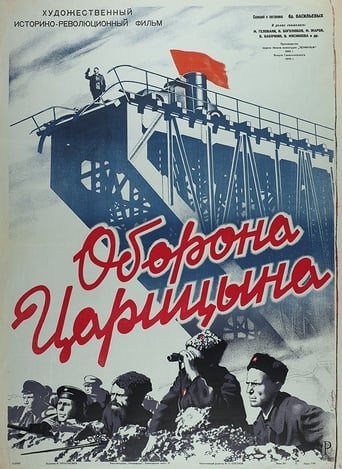 4.5
4.5Propaganda film enhancing the role of Joseph Stalin in the defense of the city of Tsaritsyn (subsequently Stalingrad, at present Volgograd) by the red army during the Russian civil war.
Defense of Tsaritsyn
1942
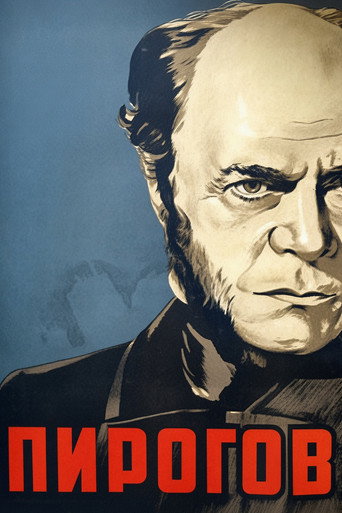 7.4
7.4A biopic based on the life of Russian scientist and doctor Nikolai Ivanovich Pirogov (1810-1881), famous for being the founder of field surgery.
Pirogov
1947
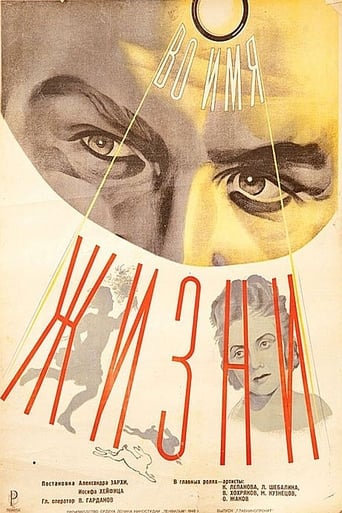 7.0
7.0Three friends, three young surgeons, returning from war, begin working on a complex medical problem. Their hard work does not yield the desired results, and two of them lose faith in success...
In the Name of Life
1946
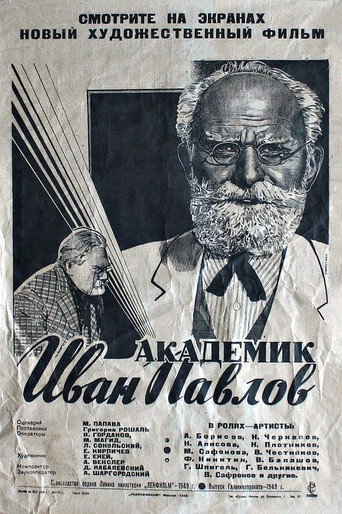 9.0
9.0Russia, 1875: In Riazan’, Dr Pavlov is summoned to a landowner who refuses to accept the inevitability of his death; to Pavlov’s dismay, he orders the destruction of a beautiful apple orchard. 1894: Experimenting on dogs, Pavlov tries to comprehend the interaction between nerves and external signals governing digestion. In 1904, he formulates the principles of conditional reflexes. When Zvantsev, an opponent of Pavlov’s materialist worldview, leaves the laboratory, the scientist hires Varvara Ivanova who becomes his most reliable assistant. 1912: Pavlov receives an honorary doctorate from Cambridge University. 1917: Despite Pavlov’s political scepticism, the Bolshevik administration treats him with great respect.
Ivan Pavlov
1949
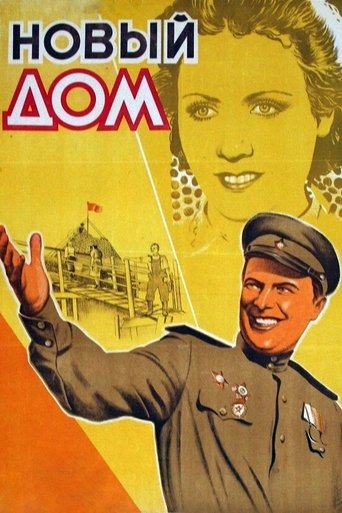 9.5
9.5No synopsis available yet.
New Home
1947
1930s · 15 titles
7.1When German knights invade Russia, Prince Alexander Nevsky must rally his people to resist the formidable force. After the Teutonic soldiers take over an eastern Russian city, Alexander stages his stand at Novgorod, where a major battle is fought on the ice of frozen Lake Chudskoe. While Alexander leads his outnumbered troops, two of their number, Vasili and Gavrilo, begin a contest of bravery to win the hand of a local maiden.
Alexander Nevsky
1938
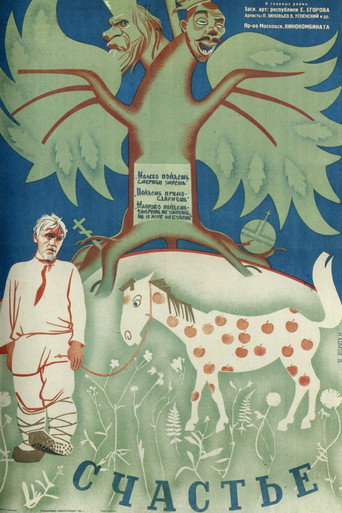 5.7
5.7A hapless loser (with the surname of Loser) undergoes misadventures with avaracious clergy, a tired horse, and a walking granary (among other things) on his road to collectivized happiness.
Happiness
1935
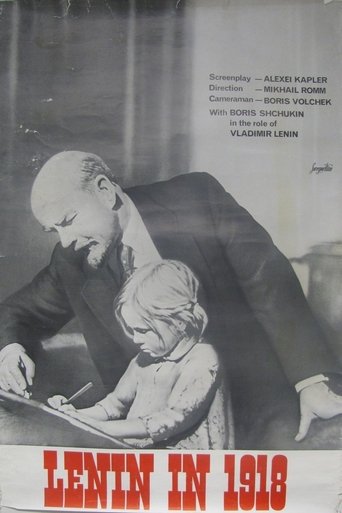 5.2
5.2Historical-revolutionary film about Lenin’s activities in the first years after the Great October Revolution in Russia.
Lenin in 1918
1939
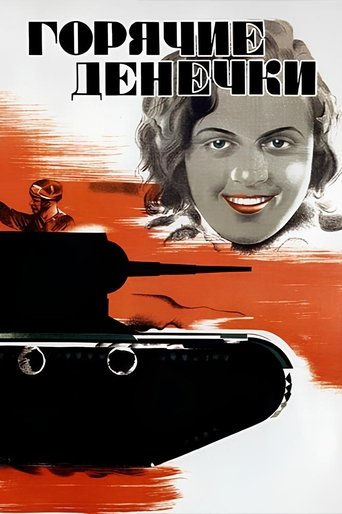 6.2
6.2A Soviet comedy about a charming womanizer.
Hectic Days
1935
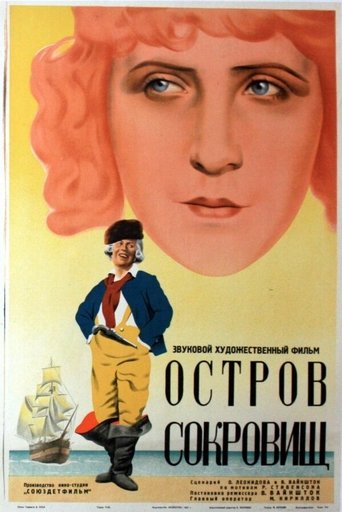 6.3
6.3An adaptation of Robert Louis Stevenson's "Treasure Island" with drastic changes to the plot. A group of English rebels searches for pirate's treasures to buy weapons for the civil war.
Treasure Island
1937
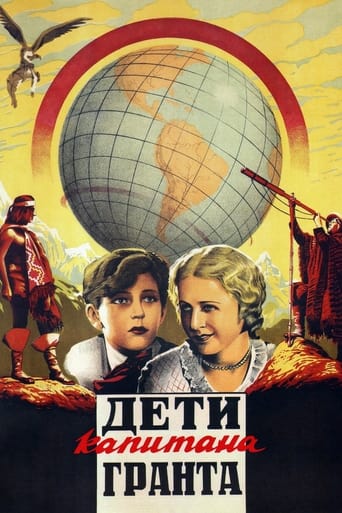 6.4
6.4The son and daughter of a lost-at-sea captain recruit help to find him on the basis of an incomplete note found in a bottle, and encounter adventures in Patagonia, Australia, and New Zealand.
Capt. Grant's Family
1936
 5.2
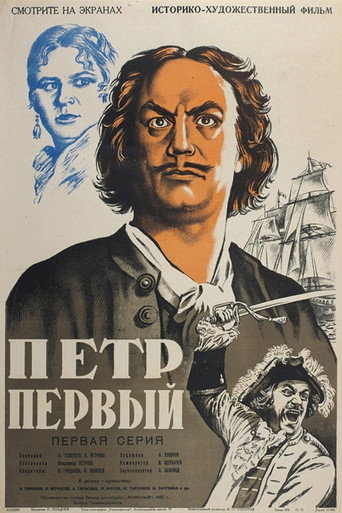
5.2This, the first Soviet depiction of Peter the Great, set the stage for what would become the post-Revolutionary line concerning the early Romanovs. Rulers like Ivan the Terrible and Peter the Great were widely admired for their dedication to Russia and their absolute determination to enhance her position in the world. But praise for the hated later Romanovs conflicted too heavily with the very beliefs that had brought about the Revolution in 1917.
Peter the First, Part I
1937
 4.6
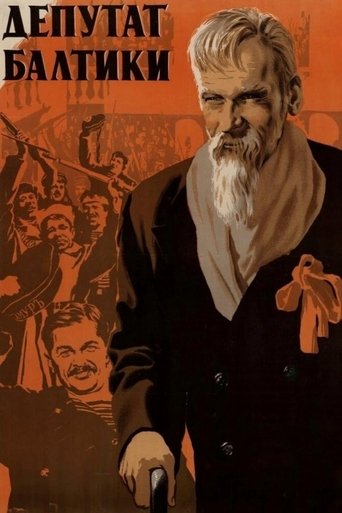
4.6A film based on the life of the Russian scientist, Klement Timiriazev, who taught at Cambridge and Oxford and was awarded the Newton Mantle for his work. Timiriazev, one of the few outstanding Russian scientists who (publically) backed the Soviets in their revolutionary campaign, was later elected a delegate to the Leningrad Soviet by the sailors of the Baltic fleet. There he denounced his fellow scientists for failing to aid the Soviets and predicted that such aid would come.
Baltic Deputy
1937
 6.7
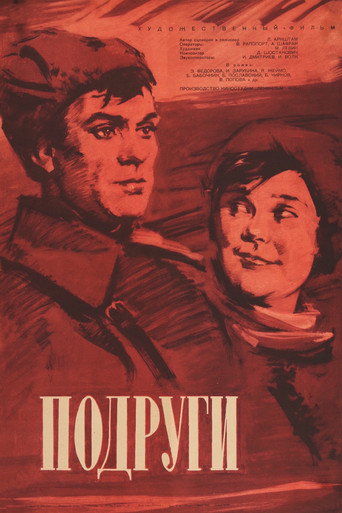
6.7Girlfriends Zoya, Natasha and Asya live in Petrograd. Before the Civil War, young heroines are aware of the social injustice of life. When the war begins, the girls are recorded by the orderlies of the working group to protect the Bolshevik Petrograd from the advance of the whites.
The Girlfriends
1936
 9.0
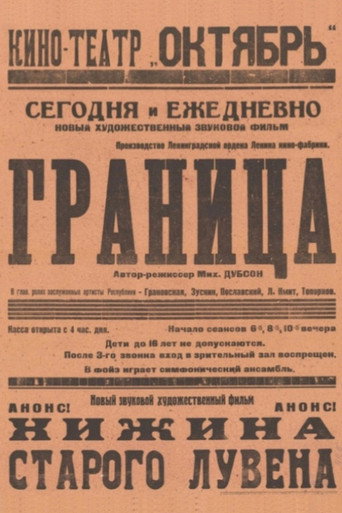
9.0The residents of the village of Staroje Dudino, located four kilometers west of the Soviet border, are completely dependent on the wealthy Novik, whose interests are protected by the local police and clergy. Novik is actively stirring up ethnic strife between the Jewish poor and Polish workers. During the traditional "black crown" ceremony (a wedding ceremony for an old man and an old woman), a group of factory workers led by the communist Haidul, together with the Jewish poor, attack the police and free Boris Bernstein, who had been sentenced to death.
Frontier
1935
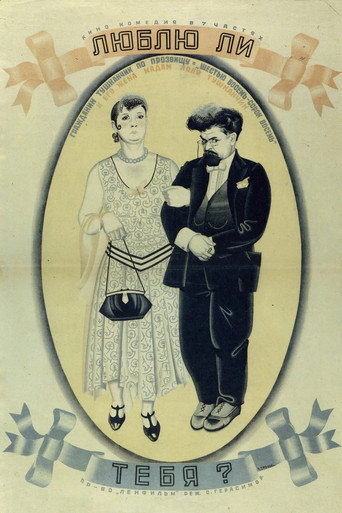 8.0
8.0A comedy about the life of a young married couple—Soviet students. Film has not survived.
Do I Love You?
1934
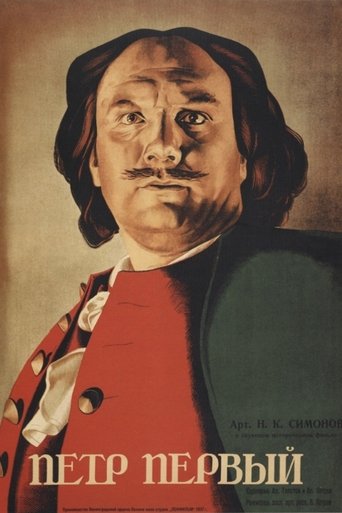 4.6
4.6Depicts Russian Tsar Peter the First's conquest over the Swedes and his son Aleksey's plot to overthrow him.
Peter the First, Part II
1938
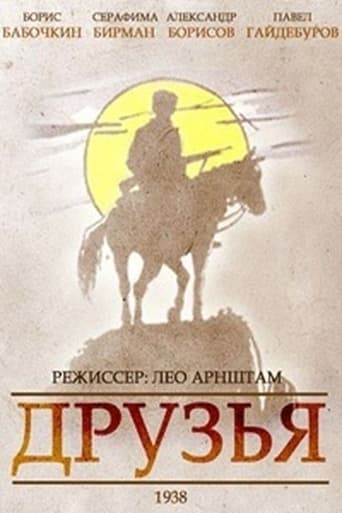 6.0
6.0The Soviet classic based on the biography of one of the main October Revolution leaders - Sergey Kirov.
Friends
1939
 7.0
7.0The film takes place in 1921 on the Soviet-Finnish border. Shyutskorov detachments broke into Karelia, killed Soviet activists, burned houses ... In the rear of the enemy with a special task - to destroy the headquarters of the White Finns on the Kimas Lake - a detachment of Soviet cadets under the command of Toivo Antikainen (Oleg Zhakov) was sent.
For the Soviet Motherland
1937
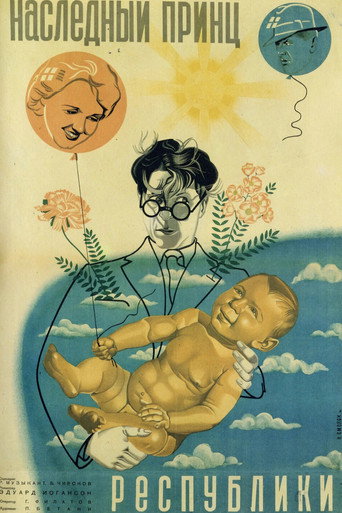 5.8
5.8After news of the future birth of a child, Sergei split from his wife, Natasha, and settled in the company of young architects, who occupied a room in a big house. As a result of a chain of unforeseen events, brought by one of the tenants found a child, Sergei finds a newborn son. Friends are doing everything possible to find a lost mother, but Sergei does not disclose their affiliation and tries to give the baby the wrong hands.
Crown Prince of the Republic
1934
1920s · 5 titles
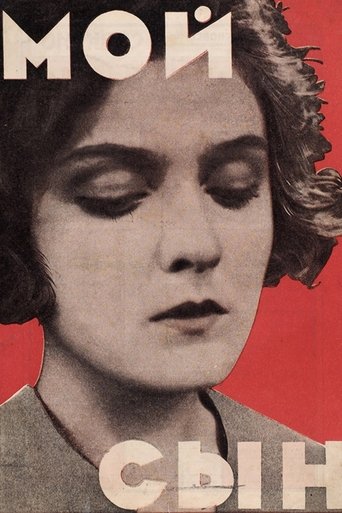 8.5
8.5A man discovers that he's not the father of his wife's baby.
My Son
1928
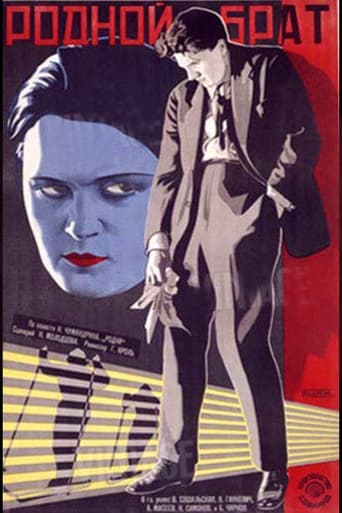 10.0
10.0The chairman of the factory committee of one of the Leningrad factories, Fyodor Gorbachev, a weak-willed man who was unable to completely overcome his petty-proprietor psychology, is visited from the village by his brother Sergei, a former kulak and trader. His arrival brings quarrels and discord into the friendly Gorbachev family. At Fyodor's request, the factory director hires Sergei, but demands a favor in return.
Brother
1929
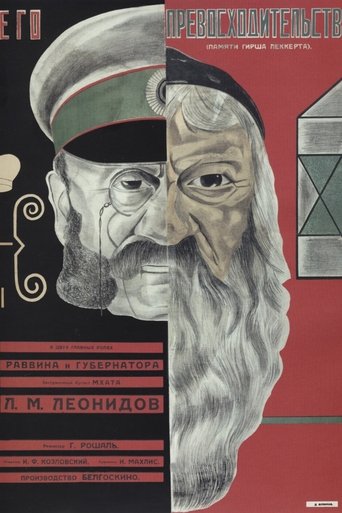 7.5
7.5This 1928 film features stylized cinematography and actors from the Moscow Art Theater in a fiction story based on the life of Jewish Labor Bund member Hirsch Lekert who attempted to assassinate the Vilna governor in 1902 to avenge the flogging of workers who participated in a May Day rally.
His Excellency
1928
 7.0
7.0The main character, the chairman of the district revolutionary tribunal, Comrade Kovalev, believes that a true revolutionary should have only one love - revolution. And women, especially attractive ones, are a great hindrance to Comrade Kovalev. But he is unable to connect theory with practice. Love overcomes the ridiculous prejudices of the hero, who along the way achieves his real victory - the defeat of the White bandit gang...
Moon on the Left
1929
 6.4
6.4Tsar Nicholas I is enamoured by Natalia, the wife of Alexander Pushkin. To cover his tracks, the tsar encourages the suit of Georges d'Anthès, a French officer, with the help of Count Alexander von Benckendorff. Pushkin hears rumours of D’Anthès’s love for his wife and challenges him to a duel.
The Poet and the Tsar
1927