
Writing
Anthony Veiller
Born — Died
1903-06-23 — 1965-06-27
Place of birth
New York, New York, USA
Known for
Writing
Credits
46 titles
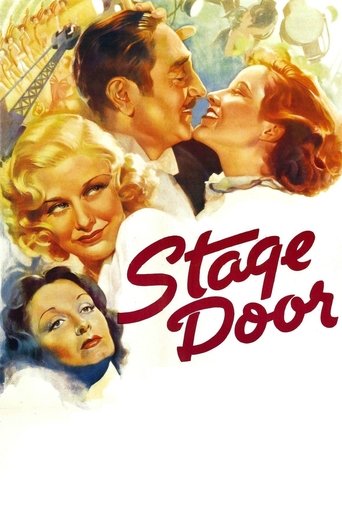
From Wikipedia, the free encyclopedia Anthony Veiller (23 June 1903 – 27 June 1965) was an American screenwriter and film producer. The son of the screenwriter Bayard Veiller and the English actress Margaret Wycherly, Anthony Veiller wrote for 41 films between 1934 and 1964. He was born on 23 June 1903 in New York City to Bayard Veiller and Margaret Wycherly. He moved to Hollywood in 1930. Veiller was twice nominated for an Academy Award for Best Screenplay. In 1937, he co-wrote (with Morrie Ryskind) the screenplay for Stage Door, starring Katharine Hepburn, Ginger Rogers and Adolphe Menjou. This very loose adaptation of the play by George S. Kaufman and Edna Ferber was also nominated for…
Known for
 7.4
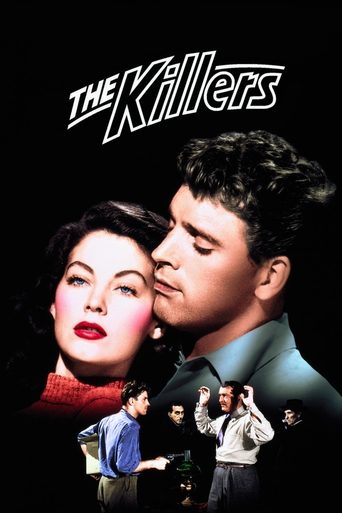
7.4Two hit men walk into a diner asking for a man called "the Swede". When the killers find the Swede, he's expecting them and doesn't put up a fight. Since the Swede had a life insurance policy, an investigator, on a hunch, decides to look into the murder. As the Swede's past is laid bare, it comes to light that he was in love with a beautiful woman who may have lured him into pulling off a bank robbery overseen by another man.
The Killers
1946
 7.2
7.2A defrocked Episcopal clergyman leads a bus-load of middle-aged Baptist women on a tour of the Mexican coast and comes to terms with the failure haunting his life.
The Night of the Iguana
1964
 7.2
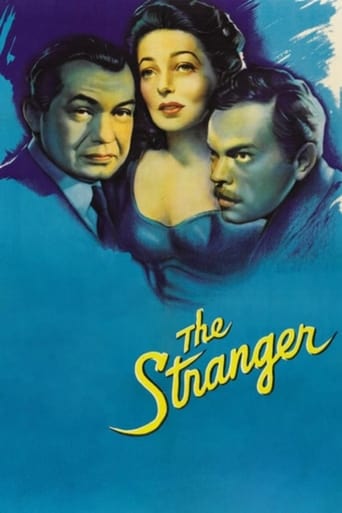
7.2An investigator from the War Crimes Commission travels to Connecticut to find an infamous Nazi, who may be hiding out in a small town in the guise of a distinguished professor engaged to the Supreme Court Justice’s daughter.
The Stranger
1946
 6.5
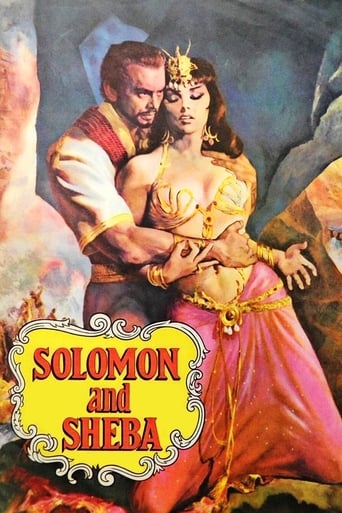
6.5Near death, King David has a vision that his poet son, Solomon, should succeed him, rather than hot-headed Adonijah. Furious, Adonijah departs the court, swearing he will become king. Other rulers are concerned that Solomon's benevolent rule and interest in monotheism will threaten their tyrannical, polytheistic kingdoms. The Queen of Sheba makes an agreement with the Egyptian pharaoh to corrupt Solomon for their mutual benefit.
Solomon and Sheba
1959
 6.4
6.4After the Civil War, Confederate soldier Blayde Hollister travels to Dallas to avenge the savage murder of his family. Discovering his enemy is now an esteemed citizen, Hollister plots to expose the outlaw and his syndicate.
Dallas
1950
 6.6
6.6In 1890 Paris, Moulin Rouge is a nightclub where crippled artist Toulouse-Lautrec feels like he fits in. In the following years, he meets two women who provide an opportunity for him to find true love.
Moulin Rouge
1952
Film credits
1960s · 1 titles

1940s · 4 titles
 6.8
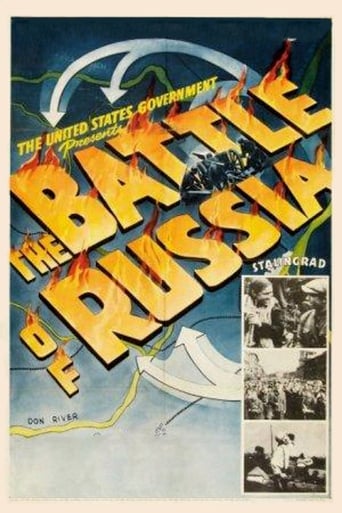
6.8The fifth film of Frank Capra's Why We Fight propaganda film series, revealing the nature and process of the fight between the Soviet Union and Germany in the Second World War.
Why We Fight: The Battle of Russia
1943
 6.7
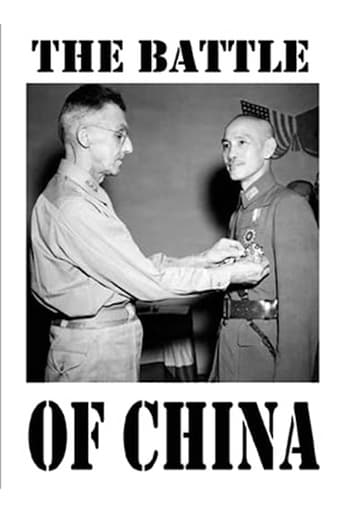
6.7The sixth film of Frank Capra's Why We Fight propaganda film series illustrates Japan's occupation of China, including Madame Chiang Kai-Shek's stirring address before congress, the rape of Nanking, the great 2,000 mile migration, and Claire Chennault's Flying Tigers.
Why We Fight: The Battle of China
1944
 7.0
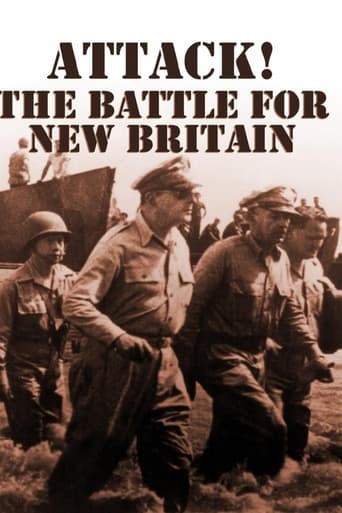
7.0Actual footage by the United States Signal Corps of the landing and attack on Arawe Beach, Cape Glouster, New Britain island in 1943 in the South Pacific theatre of World War Two, and the handicaps of the wild jungle in addition to the Japanese snipers and pill-box emplacements.
Attack! The Battle for New Britain
1944
 7.0
7.0A "know-your-enemy" propaganda film similar to "Know Your Enemy: Japan" and "My Japan", films about Japan with the same objective. It contains a history of the prelude to WW II, the death camps and other Nazi war crimes, and commentary on the character of the German people. Directed by Frank Capra, this film is in essentially the same format as his "Why We Fight" series. It was intended to be shown to American troops participating in the invasion and occupation of Germany. But by the time it was ready, events had overtaken it -- Germany was already well on its way to falling -- so the film was shelved. Although it is readily available for public-domain viewing on the Internet, it has never been widely distributed or shown.
Here Is Germany
1945
Behind the camera
7.4Two hit men walk into a diner asking for a man called "the Swede". When the killers find the Swede, he's expecting them and doesn't put up a fight. Since the Swede had a life insurance policy, an investigator, on a hunch, decides to look into the murder. As the Swede's past is laid bare, it comes to light that he was in love with a beautiful woman who may have lured him into pulling off a bank robbery overseen by another man.
The Killers
1946
7.2A defrocked Episcopal clergyman leads a bus-load of middle-aged Baptist women on a tour of the Mexican coast and comes to terms with the failure haunting his life.
The Night of the Iguana
1964
7.2An investigator from the War Crimes Commission travels to Connecticut to find an infamous Nazi, who may be hiding out in a small town in the guise of a distinguished professor engaged to the Supreme Court Justice’s daughter.
The Stranger
1946
6.5Near death, King David has a vision that his poet son, Solomon, should succeed him, rather than hot-headed Adonijah. Furious, Adonijah departs the court, swearing he will become king. Other rulers are concerned that Solomon's benevolent rule and interest in monotheism will threaten their tyrannical, polytheistic kingdoms. The Queen of Sheba makes an agreement with the Egyptian pharaoh to corrupt Solomon for their mutual benefit.
Solomon and Sheba
1959
6.4After the Civil War, Confederate soldier Blayde Hollister travels to Dallas to avenge the savage murder of his family. Discovering his enemy is now an esteemed citizen, Hollister plots to expose the outlaw and his syndicate.
Dallas
1950
6.6In 1890 Paris, Moulin Rouge is a nightclub where crippled artist Toulouse-Lautrec feels like he fits in. In the following years, he meets two women who provide an opportunity for him to find true love.
Moulin Rouge
1952
 7.2
7.2A spirited heiress wishing to break into theatre on her own merit arrives at a boardinghouse where aspiring young actresses and showgirls are brought together through their cynicism and disappointments.
Stage Door
1937
 7.4
7.4US marshal Len Merrick saves Tim Keith from lynching at the hands of the Roden clan, and hopes to get him to Santa Loma for trial. Vindictive Ned Roden, whose son Ed was killed, still wants personal revenge, and Tim would like to escape before Ned catches up with him again. Can the marshal make it across the desert with Tim and his daughter? Even if he makes it, will justice be served?
Along the Great Divide
1951
 6.4
6.4Former World War II flying ace Matt Brennan takes a position as a test pilot for a commercial aircraft corporation and bumps into his old girlfriend, Jo Holloway, who now works as a receptionist for the company.
Chain Lightning
1950
 6.8
6.8An industrialist is urged to run for President, but this requires uncomfortable compromises on both political and marital levels.
State of the Union
1948
 6.7
6.7Adrian Messenger, a famous writer, asks his friend Anthony Gethryn, a former British agent, to help him investigate the whereabouts of the people who appear on a list, without asking him the reason why he should do so.
The List of Adrian Messenger
1963
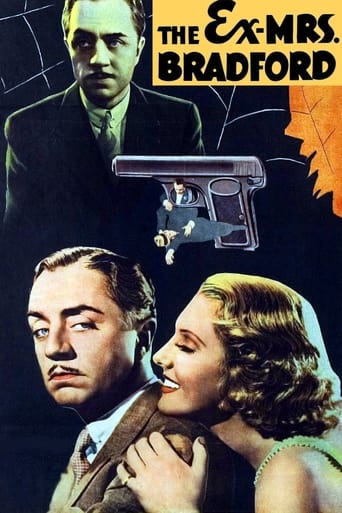 6.2
6.2A doctor is driven into an investigation of sinister goings-on at a horse race track by his mystery writer ex-wife.
The Ex-Mrs. Bradford
1936
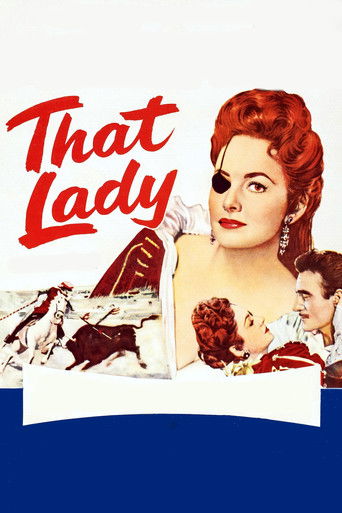 6.6
6.6In 1570, widowed Princess Ana de Mendoza becomes the love object of a deadly rivalry between her cousin Don Inigo, King Philip II of Spain and his secretary of state Antonio Perez.
That Lady
1955
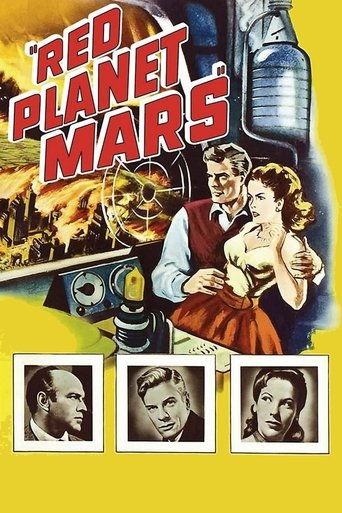 4.9
4.9Husband-and-wife scientists pick up a pie-in-the-sky TV message supposedly from Mars.
Red Planet Mars
1952
4.9Husband-and-wife scientists pick up a pie-in-the-sky TV message supposedly from Mars.
Red Planet Mars
1952
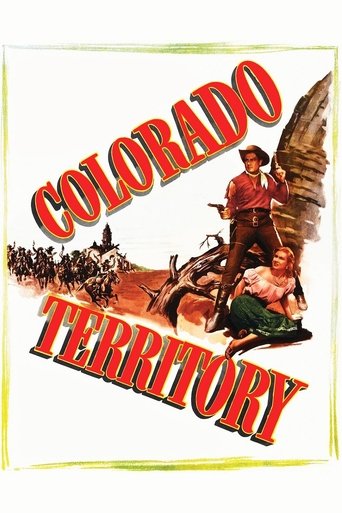 7.0
7.0After escaping from jail, outlaw Wes McQueen is convinced by his old partner in crime to do one last heist.
Colorado Territory
1949
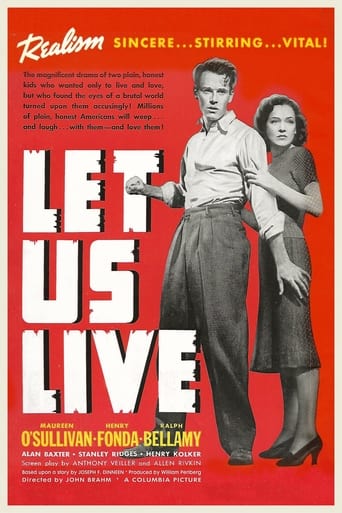 6.8
6.8When a confused eyewitness identifies New York City cabbie Brick Tennant as a killer, he is sentenced to death for a murder that he wasn't involved in. Though no one is willing to listen to the innocent prisoner's pleas for freedom, Brick's faithful fiancée, Mary, knows that her lover is innocent because she was with him when the crime was committed. As the scheduled execution draws ever nearer, Mary begins to investigate the murder herself.
Let Us Live
1939
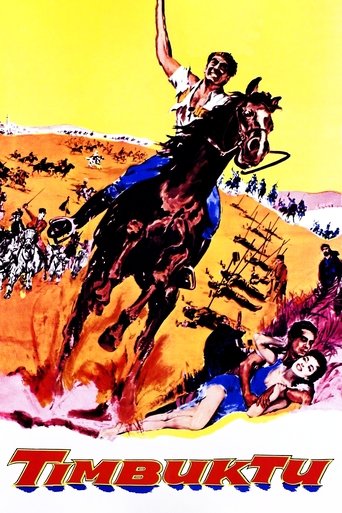 4.8
4.8An American wheeler-dealer woos a colonel's wife amid danger at a French Foreign Legion fort.
Timbuktu
1958
 5.6
5.6Wealthy eccentric Sir Vincent Brampton and his fiancée Linda Latham hire Ken Duffield to lead them on a jungle hunt. Duffield is looking for the murderer of his son; he gets the killer and Linda.
Safari
1956
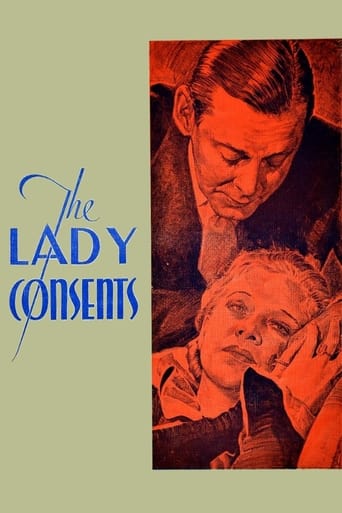 6.4
6.4Civilized wife doesn't protest when husband runs off with uncivilized professional golfer pretending to be civilized.
The Lady Consents
1936
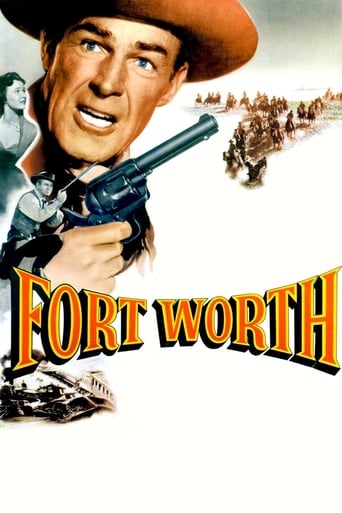 7.1
7.1Ex-gunfighter Ned Britt returns to Fort Worth after the civil war to help run a newspaper which is against ambitious men and their schemes for control.
Fort Worth
1951
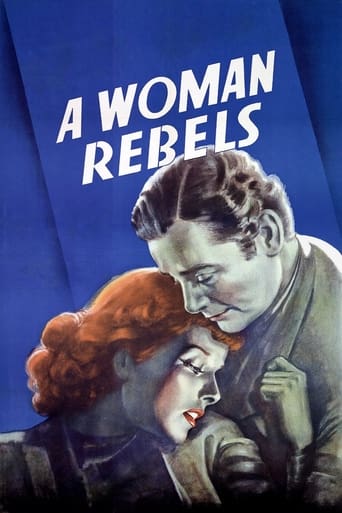 5.8
5.8A defiant young woman struggles against the norms and morals established by Victorian society and enforced by her autocratic father.
A Woman Rebels
1936
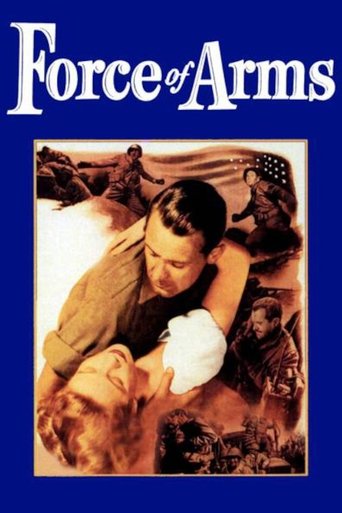 6.7
6.7During the winter of 1943, the German Army halted the American advance in the mountains of Italy; back-and-forth combat decimates Joe Peterson's platoon. On leave in Naples, Joe meets WAC lieutenant Eleanor MacKay; initially cool, she begins to melt during a bombing raid. Their romance develops despite Joe's periodic returns to the front. But whether he'll come back in the end becomes more than doubtful.
Force of Arms
1951
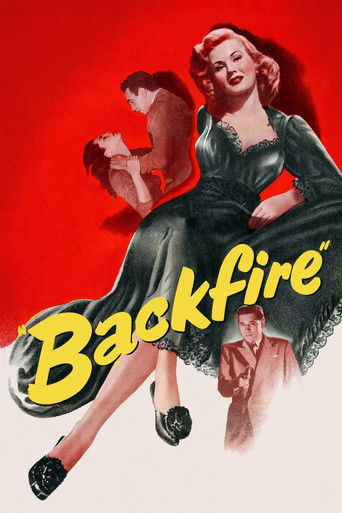 5.9
5.9When he's discharged from a military hospital, ex-GI Bob Corey goes on a search for his army buddy Steve Connolly. A reformed crook, Connolly is on the lam from a trumped-up murder rap, and Corey hopes to clear his pal. Tagging along is Army nurse Julie Benson, who has fallen for Corey.
Backfire
1950
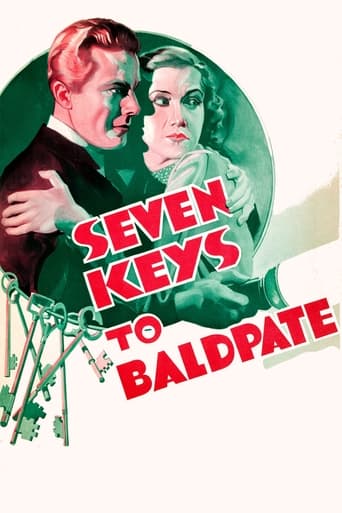 6.9
6.9A writer, looking for some peace and quiet in order to finish a novel, takes a room at the Baldpate Inn. However, peace and quiet are the last things he gets, as there are some very strange goings-on at the establishment.
Seven Keys to Baldpate
1935
 8.5
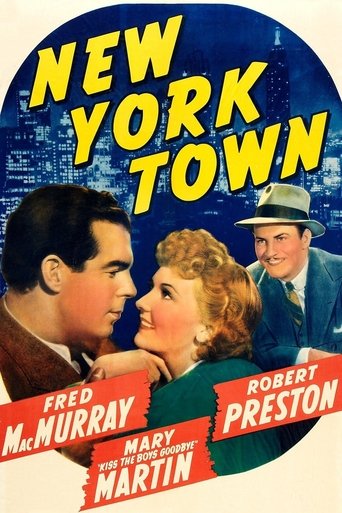
8.5Victor Ballard, a happy-go-lucky albeit impoverished sidewalk photographer, shares a New York City studio apartment with Polish immigrant painter Stefan Janowski. The big city doles out joy and misery indiscriminately: In the apartment below Victor and Steve, Gus Nelson learns that his wife has given birth to quintuplets, while the lonely tenant in the apartment below Gus has given up on life and committed suicide.
New York Town
1941
 6.8
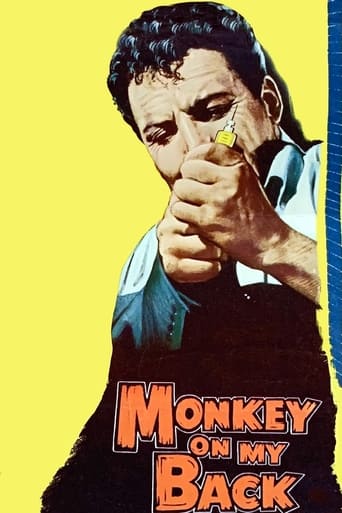
6.8The painfully true story of welterweight boxing champion Barney Ross is detailed in Monkey on My Back. Cameron Mitchell stars as Ross, whose meteoric ring career is interrupted when he joins the Marines at the outset of WWII. A highly decorated hero, Ross contracts malaria oversees and is given morphine to assuage the pain. By the time he returns to the states, Ross is a confirmed drug addict. Before he can rise to the top again, he must hit rock bottom and his descent into the hell of narcotics dependency is graphically illustrated (so much so that the film was almost denied a Production Code seal). Though a cured Barney Ross served as technical advisor for Monkey on My Back, he ended up suing the producers for defamation of character -- and lost.
Monkey on My Back
1957
 5.9
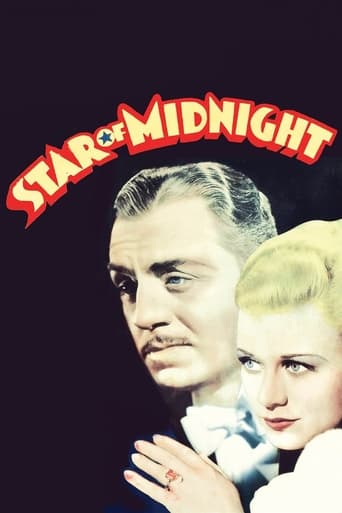
5.9When a dancer disappears from a theater, Clay Dalzell is asked to investigate, leading him on a trail of murder and deception.
Star of Midnight
1935
 6.0
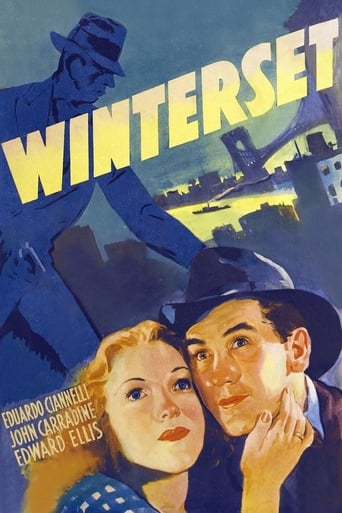
6.0A man is determined to find the real culprit behind the crime for which his father was wrongly executed.
Winterset
1936
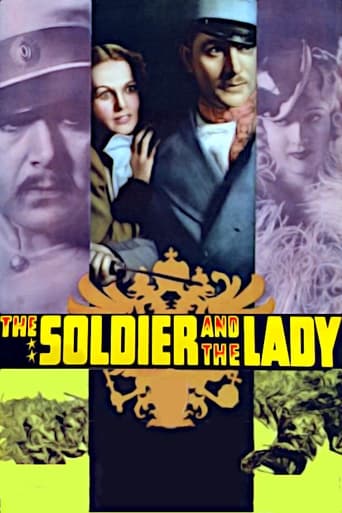 7.3
7.3In the face of rebellion in Russia, Czar Alexander II sends soldier Michael Strogoff 2,000 miles away, with a critical message for Grand Duke Vladimir. On the train journey, Michael befriends a traveler and comes into contact with a mysterious spy, who both unexpectedly aid him in his quest. Once behind enemy lines, Michael is near his hometown and his mother, whom he must avoid in order to fulfill his mission.
The Soldier and the Lady
1937
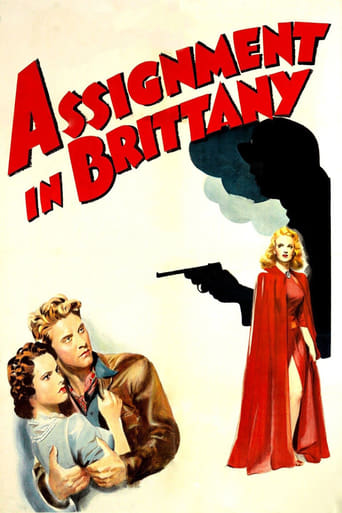 7.1
7.1A French Resistance fighter discovers he's a dead ringer for a Nazi official.
Assignment in Brittany
1943
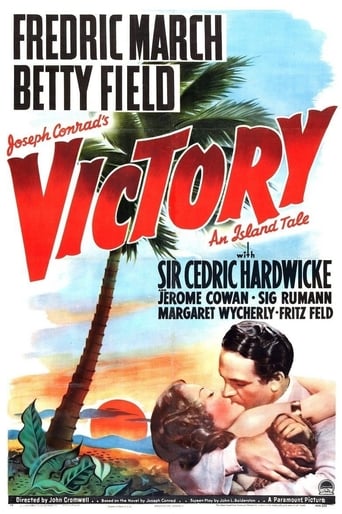 9.0
9.0A hermit's idyllic life on an island is disturbed by the arrival of a bunch of cutthroats.
Victory
1940
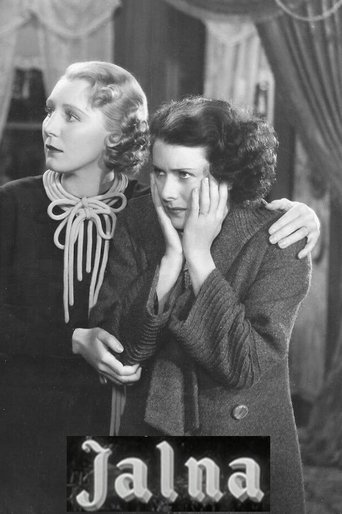 5.1
5.1A young poet, accompanied by his new bride, returns home to his large family at their Canadian farm.
Jalna
1935
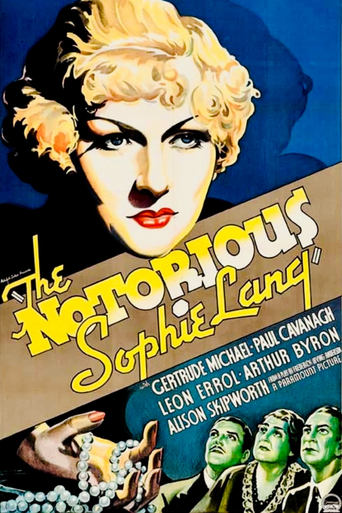 6.7
6.7After an extended stay in England, Sophie Lang returns to America. She is beautiful, sophisticated--and a notorious jewel thief. A New York police detective who's been trying to nail her finally comes up with what seems a foolproof scheme--to catch her off guard by having her fall for a handsome and suave jewel thief who happens to be in the U.S. traveling under an assumed name.
The Notorious Sophie Lang
1934
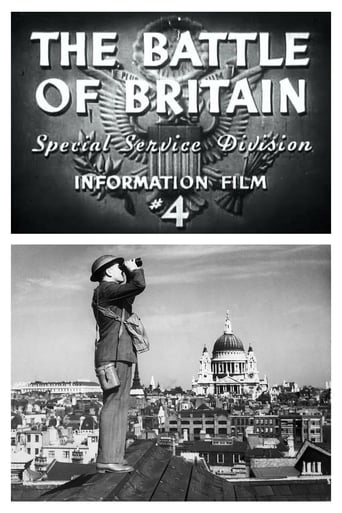 6.8
6.8The fourth of Frank Capra's Why We Fight series of seven propaganda films, which made the case for fighting and winning the Second World War. It was released in 1943 and concentrated on the German bombardment of the United Kingdom in anticipation of Operation Sea Lion, the planned German invasion.
Why We Fight: The Battle of Britain
1943
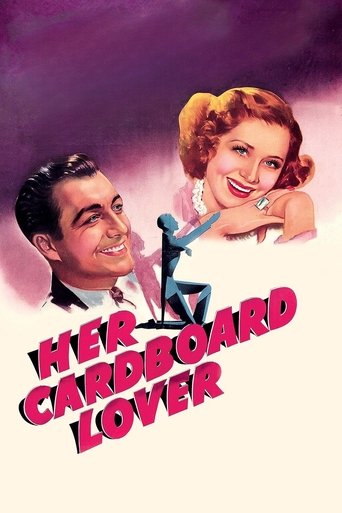 4.9
4.9A flirt tries to make her fiancée jealous by hiring a gigolo.
Her Cardboard Lover
1942
 5.8
5.8The managers of a teak lumber camp in Burma compete for the affections of a beautiful American entertainer who gets stranded in Rangoon.
Moon Over Burma
1940
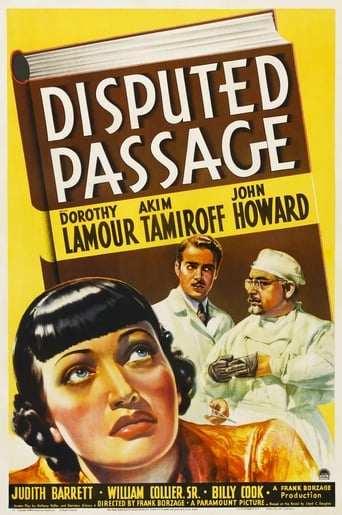 7.0
7.0A doctor's medical studies are threatened by his infatuation with a Chinese girl. The girl returns to China, but complications ensue when she runs into him in Nanking during a Japanese bombing raid.
Disputed Passage
1939
Part of Frank Capra's World War II propaganda series made for the U.S. Armed Forces, this program presents newsreel footage addressing the Battle of China and shifting opinion as the United States moves from isolationism to supporting the war. Highlights include Madame Chiang Kai-Shek's moving address to Congress, Edward R. Murrow's reports from London during the Blitz and Charles Lindbergh expressing his opposition to America entering the war.
Why We Fight: World War II: The Battle of China / War Comes to America
2000
 6.5
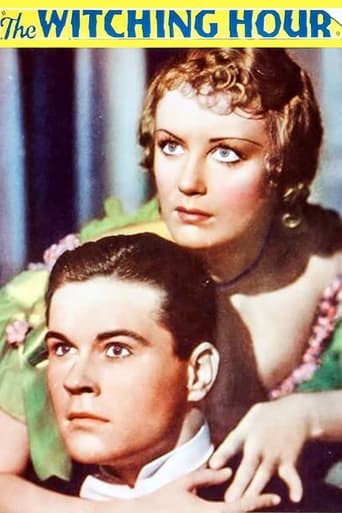
6.5Jack Brookfield, a gambler with clairvoyant and hypnotic powers, is able to win at cards through his unique gift. But when he inadvertently hypnotizes young Clay Thorne, Thorne kills an enemy of Brookfield's while under a trance. No one believes Brookfield's protestations that Thorne is innocent of any murderous intent, so Brookfield teams up with retired lawyer Martin Prentice in hopes of saving the young man from the gallows.
The Witching Hour
1934