
Acting
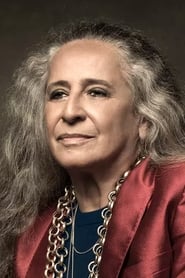
Maria Bethânia
Born
1946-06-18 (80)
Place of birth
Santo Amaro da Purificação, Bahia, Brazil
Known for
Acting
Credits
67 titles
Maria Bethânia Viana Teles Veloso (born 18 June 1946) is a Brazilian singer and songwriter. Born in Santo Amaro, Bahia, she started her career in Rio de Janeiro in 1964 with the show "Opinião" ("Opinion"). Due to its popularity, with performances all over the country, and the popularity of her 1965 single "Carcará", the artist became a star in Brazil. Bethânia is the sister of the singer-songwriter Caetano Veloso and of the writer-songwriter Mabel Velloso, as well as being aunt of the singers Belô Velloso and Jota Velloso. The singer has released 50 studio albums in 47 years of career, and is among the 10 best-selling music artists in Brazil, having sold more than 26 million records. Bethân…
Known for
 6.8
6.8No synopsis available yet.
Champs-Elysées
1982
 8.0
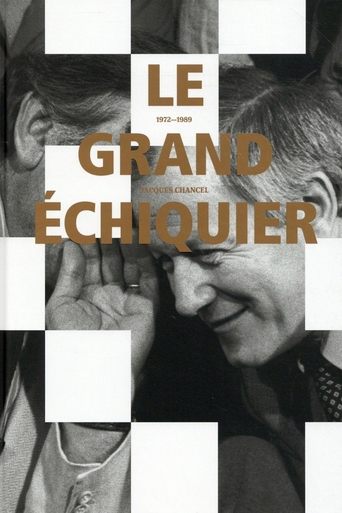
8.0Le Grand Échiquier is a French variety television program created and presented by Jacques Chancel. It aired at 8:30 pm on the first channel of the ORTF from January 12, 1972 to July 12, 1972, then on the second color channel of the ORTF from September 1972 to December 1974, and finally on Antenne 2 from January 1975 to December 21, 1989. The program returned to France 2 on December 20, 2018 and is hosted by Anne-Sophie Lapix.
Le Grand Échiquier
1972
 NR
NRNo synopsis available yet.
Criança Esperança
1986
 9.5
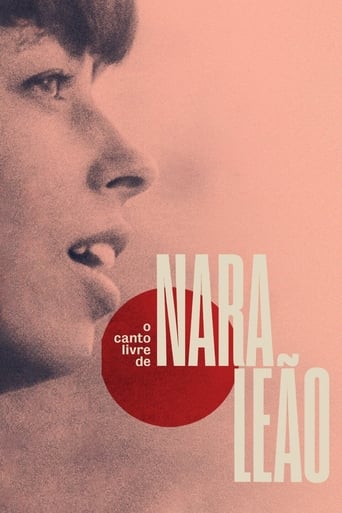
9.5Nara Leão revolutionized Brazilian music, broke prejudices, confronted the military dictatorship, opened paths for women. All this without changing the tone of her voice.
O Canto Livre de Nara Leão
2022
 8.0
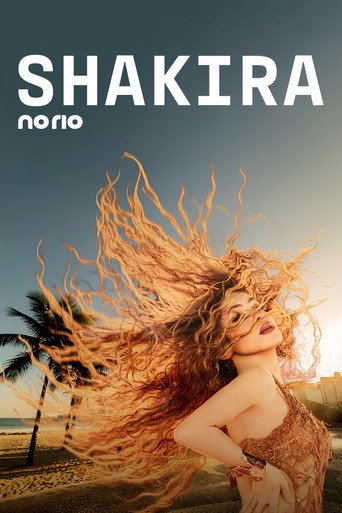
8.0On the iconic sands of Rio de Janeiro, Brazil, Shakira sets Copacabana Beach ablaze in the third edition of “Todo Mundo no Rio”. Before a historic crowd of 2 million people, the Colombian superstar celebrates three decades of hits in an electrifying performance that bridges her new album, “Las Mujeres Ya No Lloran,” with the timeless classics that defined her career. Featuring guest appearances by Brazilian music icons and a high-tech visual spectacle, the night transforms the coastline into the stage for an epic celebration of power, music, and the artist’s unbreakable connection with Brazil.
Todo Mundo no Rio com Shakira
2026
 NR
NRNo synopsis available yet.
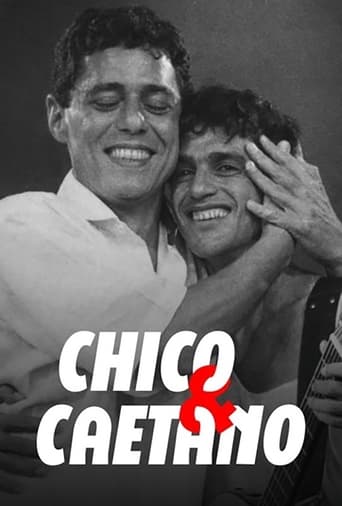
Chico & Caetano
1986
Film credits
2020s · 8 titles
8.0On the iconic sands of Rio de Janeiro, Brazil, Shakira sets Copacabana Beach ablaze in the third edition of “Todo Mundo no Rio”. Before a historic crowd of 2 million people, the Colombian superstar celebrates three decades of hits in an electrifying performance that bridges her new album, “Las Mujeres Ya No Lloran,” with the timeless classics that defined her career. Featuring guest appearances by Brazilian music icons and a high-tech visual spectacle, the night transforms the coastline into the stage for an epic celebration of power, music, and the artist’s unbreakable connection with Brazil.
Todo Mundo no Rio com Shakira
2026
 8.1
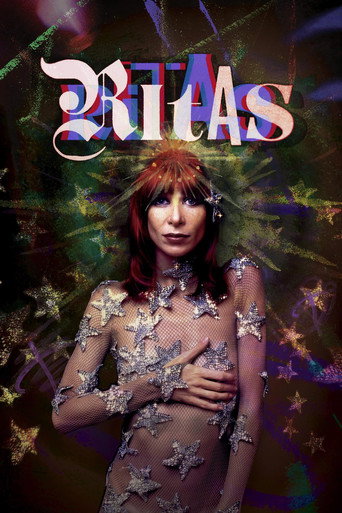
8.1It explores Rita Lee's personal life and her creative process, revealing her musical talent and her ability to transform on stage. Rita herself guides the narrative through past interviews she gave throughout her career and current testimonies.
Ritas
2025
 9.0
9.0Released in 1966 by Vinicius de Moraes and Baden Powell, the record Os Afro-Sambas is one of Brazil's most revered. Participants of the original recording, critics, friends and family of the musicians revisit the creation of this masterpiece. Filmed between Salvador and Rio, the documentary brings together archive footage and exclusive interviews with Maria Bethânia, Dori Caymmi, Russo Passapusso and Nelson Motta. A tribute to a classic that transformed Brazilian music.
Os Afro-Sambas: The Brazil of Baden and Vinicius
2024
 10.0
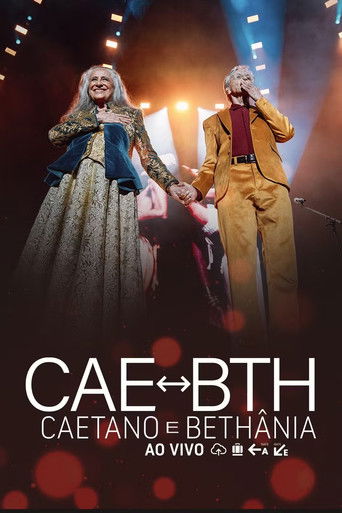
10.0No synopsis available yet.
Caetano e Bethânia Ao Vivo
2025
 7.0
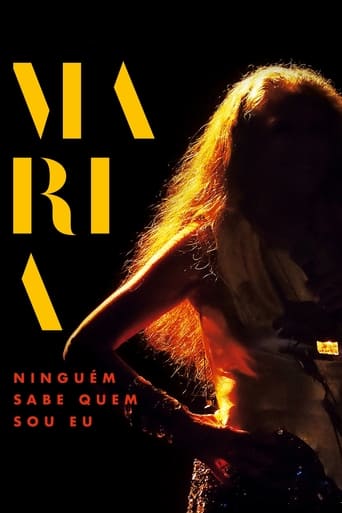
7.0The film is an unprecedented and exclusive testimonial of Maria Bethânia from director and screenwriter Carlos Jardim, interspersed with rare footage of rehearsals and concerts by the singer throughout her 57-year career. Actress Fernanda Montenegro narrates five texts by authors such as Ferreira Gullar and Caio Fernando Abreu about Bethânia's importance on the Brazilian cultural scene.
Maria: Ninguém Sabe Quem Sou Eu
2022
 NR
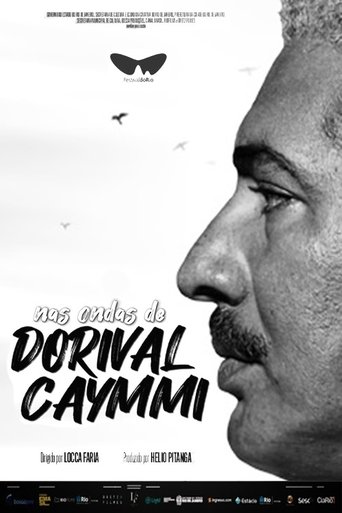
NRThe film reveals the creation of poet Dorival Caymmi's musical works with testimonies from researchers, journalists and friends who lived with him and were able to enjoy his wisdom and talent.
Nas Ondas de Dorival Caymmi
2024
 NR
NRThe documentary narrates the life of Toquinho, one of the greatest Brazilian artists, a musician who transcends the barriers of time and language with his sensitivity. A story that shapes Brazilian popular music.
Toquinho Maravilhoso
2024
 8.5
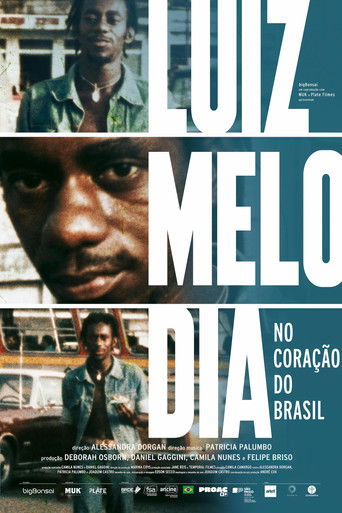
8.5A sound and visual journey that portrays the life and work of singer and composer Luiz Melodia. The Poet of Estácio himself tells us, in the first person, his trajectory as a black boy born on the hill until his transformation into one of the greatest artists in the history of MPB. The film also features an unpublished collection made available by Jane Reis, his wife and businesswoman.
Luiz Melodia - Within the Heart of Brazil
2025
2010s · 23 titles
 5.6
5.6This documentary investigates the aesthetic, political and existential trajectory of emblematic Black Brazilian actor Antônio Pitanga. His career spans over five decades, and he has worked with iconic Brazilian filmmakers Glauber Rocha, Cacá Diegues and Walter Lima Jr. He was a prominent figurehead and outspoken activist during the Brazilian dictatorship, a period of unrest in Brazilian cinema. "Pitanga" deep dives into the world of Antônio and the history of Brazil. The documentary was directed by his daughter Camila Pitanga, one of widely recognised faces in Brazilian television and cinema right now. The film is also a poem, and a tender ode to fatherhood.
Pitanga
2016
 7.8
7.8Chico Buarque is a constant presence in Brazil's art scene and makes up its citizen's popular culture. This wealth in music, poems, theater and novels has been created over the last 50 years and in this film Chico Buarque converses about his memories, shows, daily life, work methods, creative process, in summary all his trajectory. The musician’s search for his German brother, whom he never got to meet, serves as one of the axis for the narrative.
Chico: Brazilian Artist
2015
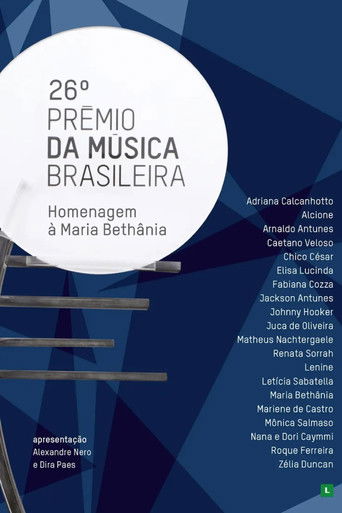 5.0
5.0No synopsis available yet.
26º Prêmio da Música Brasileira - Homenagem a Maria Bethânia
2015
 7.4
7.4A record on Brazilian samba school Estação Primeira de Mangueira's victory on the 2016 carnaval parade. Mangueira's parade that year was a homage to singer Maria Bethânia. The documentary also follows Bethânia on the celebrations of Our Lady of Purification, in Bahia, northeast of Brazil.
Fevereiros
2019
 7.0
7.0Dorival Caymmi was one of the inventors of the Bahian imagination. In his 94 years of life, Caymmi composed, sang, wrote, illustrated and thought about his Bahia, even far from it. His family, partners, friends and fans remember his history, which made him one of the pillars of Brazilian culture.
Dê Lembranças a Todos
2018
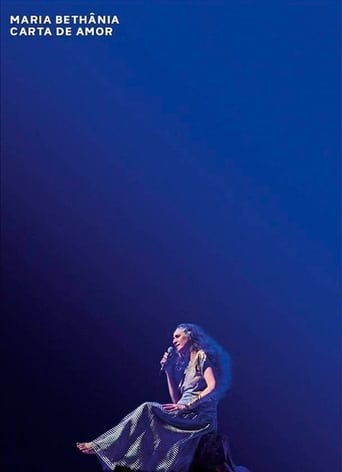 NR
NRThe show brings successes of his career, songs from the new CD and unpublished songs in his voice. In the script, songs from the new album as 'Casablanca' and 'Barulho' (both by. which inspired the album's title.
Maria Bethânia: Carta de Amor Ao Vivo
2013
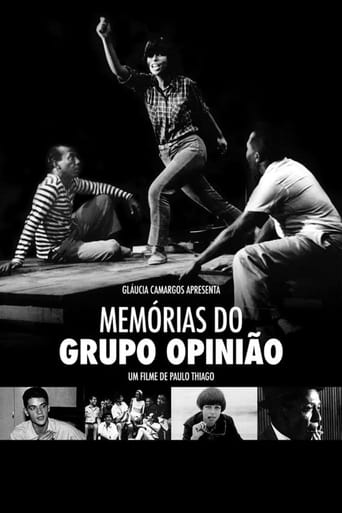 NR
NRFollows the story of Opinião, a theatre group created in 1964 during the early Brazilian dictatorship period to oppose the government through artistic performances. Considered the first left-wing response to the dictatorship, the group gathered now famous Brazilian artists such as Nara Leão, Maria Bethânia, João do Vale and Millôr Fernandes.
Memórias do Grupo Opinião
2019
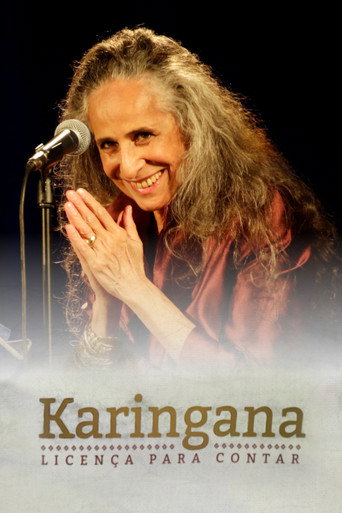 NR
NRMaria Bethânia takes her poetic narrative to Mozambique for the first time. The interpreter presents excerpts of works connected by different forms of expression in the Portuguese language. With testimonies from Mia Couto, José Agualusa and several Mozambican and Angolan writers and literary critics, the documentary shows the development of literature in these countries, delving on its importance during the anti-colonial resistance, the connection with native languages, the oral traditions and the influence of Brazilian writers.
Karingana - Licença para contar
2017
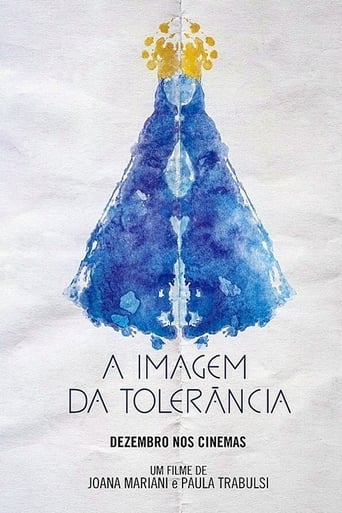 NR
NRWhile the differences in religious beliefs tend to separate and divide, the image of Nossa Senhora de Aparecida is like her cloak, covering and protecting the body of her followers. Aparecida has devout followers of all social classes, religions and regions of the country. Aparecida is a symbol of the maternal heart, kindness and tolerance. All people fit underneath the mother’s cloak. Aparecida goes beyond the church which she represents and transcends the differences so that all feel welcome in her home. The film is constructed by different characters that have emotional, relevant and particular stories about their faith in Aparecida.
A Imagem da Tolerância
2017
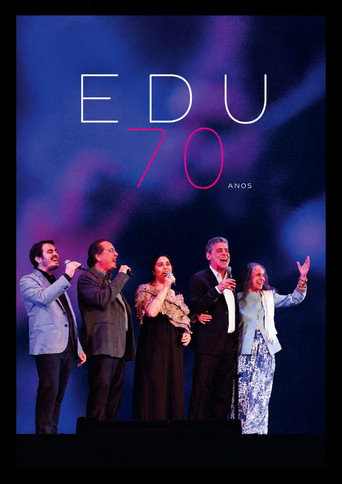 NR
NRNo synopsis available yet.
Edu Lobo 70 Anos
2013
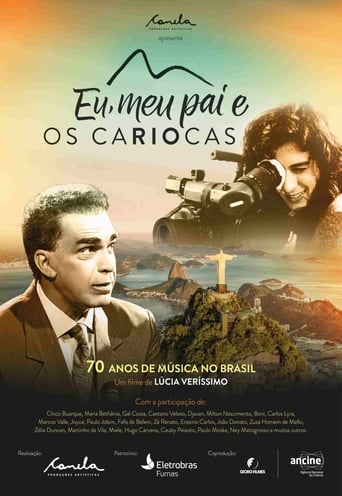 NR
NRNo synopsis available yet.
Eu, Meu Pai e Os Cariocas
2017
 6.0
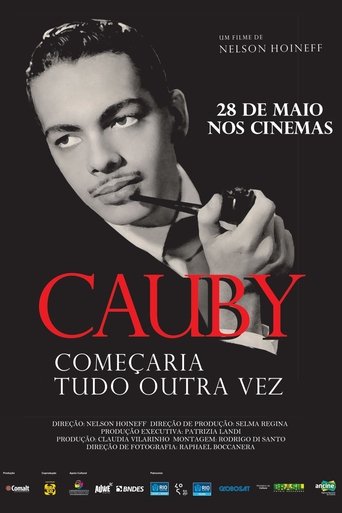
6.0The film discusses decisive moments in the life and career of Cauby Peixoto. In addition to interviews and recordings of the singer's concerts, the film uses testimonials from fans and artists such as Maria Bethânia, Emílio Santiago, Agnaldo Timóteo and Agnaldo Rayol, in addition to researchers Ricardo Cravo Albin and Rodrigo Faour.
Cauby: Começaria Tudo Outra Vez
2015
 8.0
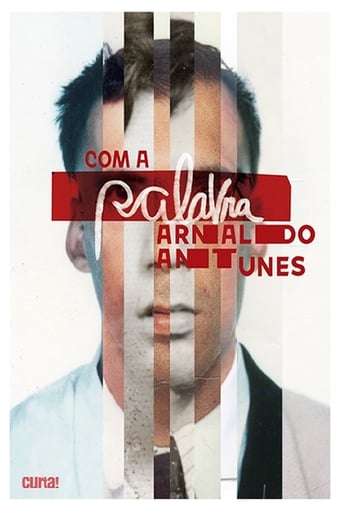
8.0From his origins as a poet to his success as a singer and composer, Arnaldo Antunes revisits the most remarkable moments of his career.
Com a Palavra, Arnaldo Antunes
2018
A woman reads a poem, but the world doesn't seem to care.
Ruin
2016
 8.5
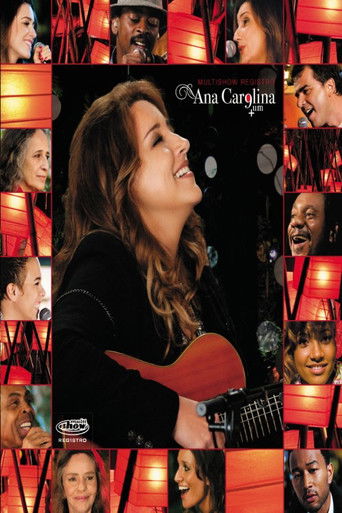
8.5No synopsis available yet.
Ana Carolina - Multishow Registro Ana Car9lina + Um: 9+1
2010
 NR
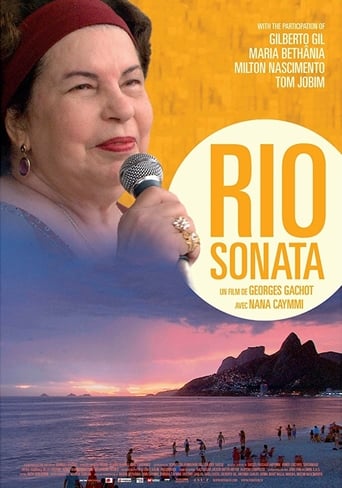
NRFeaturing images from concerts that marked the history of Brazilian music and interviews with major personalities, Nana Caymmi, one of the greatest artists of Brazilian popular music, has her story analyzed and revisited. The ex-wife of Gilberto Gil, muse of Milton Nascimento, and daughter of Dorival Caymmi, Nana is considered by many journalists to be "the singer of singers," and the leading names of the era attempt to explain why.
Rio Sonata: Nana Caymmi
2011
 7.2
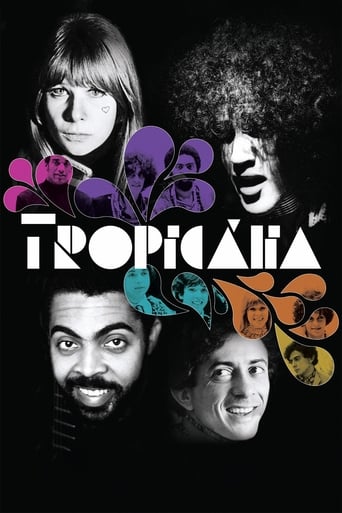
7.2Set against the turbulent atmosphere of the 1960s, Tropicália is a feature length documentary exploring the Brazilian artistic movement known as Tropicália, and the struggle its artists endured to protect their right to freely express revolutionary thought against the traditional Brazilian music of that time.
Tropicália
2012
 NR
NRThe intense life of Ferreira Gullar, one of the most influential poets in Brazil, is revisited by his personal friend Silvio Tendler, based on his most acclaimed work: Poema Sujo. In addition to addressing other poems by Gullar, the documentary also includes the testimony of people who lived directly with the artist's work.
Ferreira Gullar: Arqueologia do Poeta
2019
No synopsis available yet.
Zeca Apresenta - o Quintal do Pagodinho ao Vivo - Vol. 3
2016
 NR
NRNo synopsis available yet.
Alcione - Duas Faces
2011
 NR
NRThe documentary follows the commemorative tour for the 20th anniversary of singer Jorge Vercillo's career.
Extrafísico - Jorge Vercillo
2019
 10.0
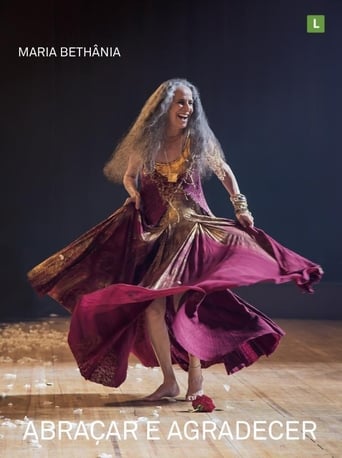
10.0Celebrating 50 years of her career, Maria Bethânia filmed in Brazil in 2105 the show Abraçar e Agradecer, which now comes out on CD and DVD.
Abraçar e Agradecer
2016
 NR
NRNo synopsis available yet.
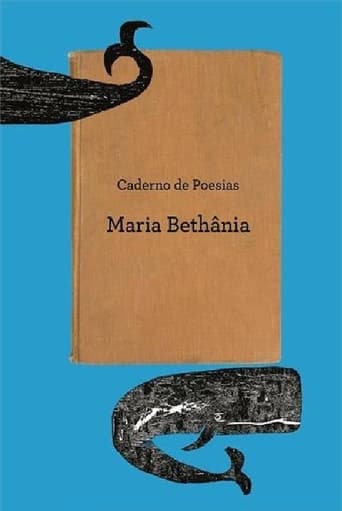
Maria Bethânia - Caderno de Poesia
2013
2000s · 18 titles
 10.0
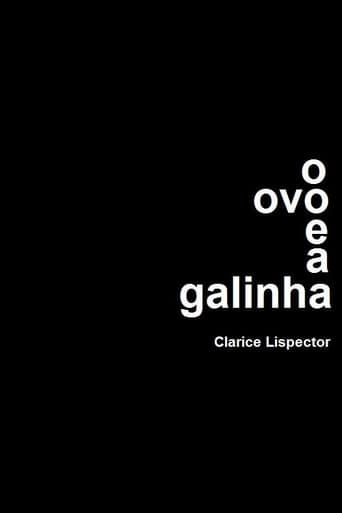
10.0Writer and poet Clarice Lispector investigates and develops the old question of what came first, the egg or the chicken.
The Egg
2003
 NR
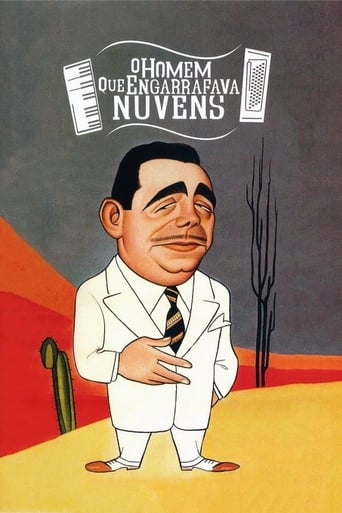
NRA host of personalities reminisce about the life and work of songwriter, lawyer, and congressman Humberto Teixeira — aka "Baião Doctor" — the author of such classic Brazilian popular songs as "Asa Branca". A musical film about the baião, a movement in Brazilian music in the 1940s and 1950s that was later snowed under by samba and bossa nova.
The Man Who Bottled Clouds
2008
 NR
NRThis is a journey of friendship, an Argentinian is going to rediscover his continent while searching for his friend from Bahia. And while the work, the records and the career of this great lady of Brazilian music are well known, the starting point, the training, the first years remained till now in a vaguely legendary and imprecise blur. Thanks to many investigations that concern as many places as times, thanks to journeys back in time through the towns and regions, the film seeks the origins of Maria Bethânia’s voice and style. Helped and led by Bethânia herself, with the assistance of Caetano Veloso and Chico Buarque, the two princes of Brazilian music, along with the complicity of the great Gilberto Gil, the author is allowed to go to the first context : the North-East. In the family home in Santo Amaro, the film finally touches the childhood of Maria Bethânia – and her brother Caetano, and this mysterious point – from which the music radiates.
Brazil's Maria Bethânia
2001
 NR
NRNo synopsis available yet.
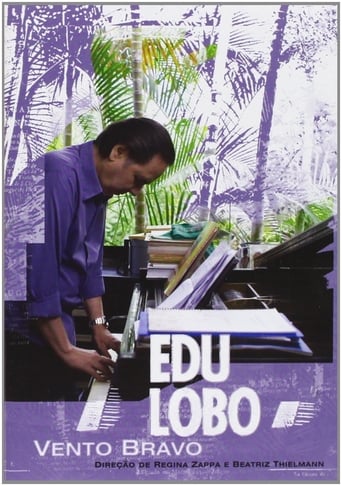
Vento Bravo
2007
 NR
NRThe biggest Brazilian historical festival of all time. The great cast of the 1973 Phonogram (now Universal Music) meets in three nights to protest against the curtailment of freedom of expression in those dark years of the dictatorship. With the images rescued in 2005, revealing exciting moments, containing the incredible presentations, it brings a team of all greatness and the opportunity to understand the path that Brazilian music has taken to the present day.
Phono 73: A Country and its Music
2005
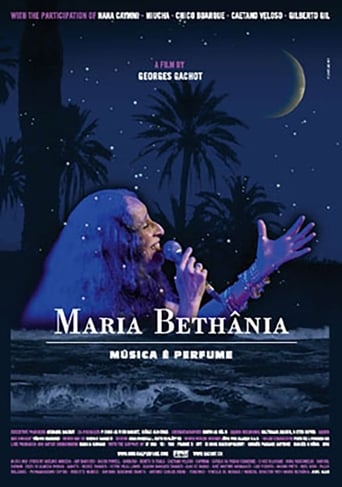 7.7
7.7Brazilian singer Maria Bethania has a 40-year singing career. A documentary shows her concerts and famous family.
Maria Bethânia: Música é Perfume
2005
 10.0
10.0A unique and intimate portrait of singer Maria Bethania, that starts at the artist’s 60th birthday, celebrated during a concert in El Salvador and a Mass in Santo Amaro, her hometown, in 2006. In the same house where she spent her childhood and adolescence, and beside her mother, Dona Canô, and brother Caetano Veloso, Maria Bethânia tells us her own story and about the tunes that followed her throughout her life.
Maria Bethânia: Pedrinha de Aruanda
2007
 7.0
7.0The film has Gal's career as its guiding principle, drawing a parallel with the movement of which the singer was the muse and one of the main interpreters, and reaching the present day.
Gal - from Tropicalism to the Present Day
2006
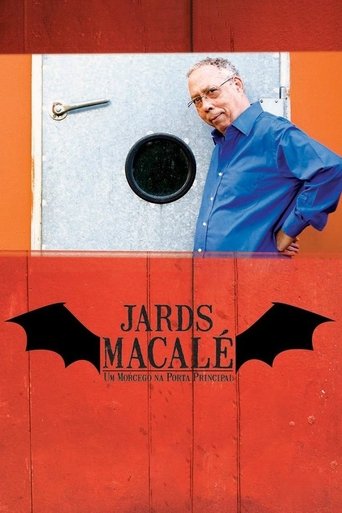 NR
NRThis film shines a light at the story of Jards Macalé, polemic artist and controversial character of Brazilian culture over the last four decades. Author of songs such as "Vapor Barato" and "Movimento dos Barcos", a partner in crime of poet Waly Salomão, guitar player and songwriter for Gal Costa and Caetano Veloso, actor and author of soundtracks in Nelson Pereira dos Santos' films, a personal friend of visual artists Lygia Clarke and Hélio Oiticica, but, first and foremost, someone who dreams of seeing the word "love" in the Brazilian flag.
Jards Macalé - Um Morcego na Porta Principal
2008
 9.5
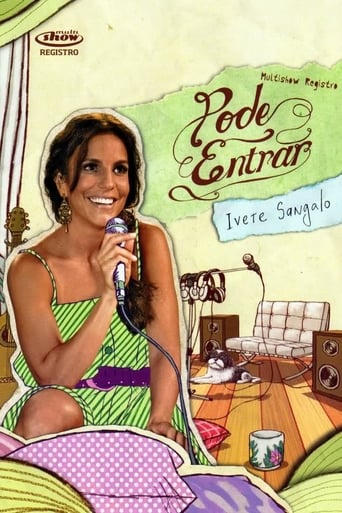
9.5Pode Entrar: Multishow Registro is a DVD by one of the greatest singers from Brazil, Ivete Sangalo. It was recorded at the singer's house in Salvador, in a more intimate mood, when she is visited by many guests, great names of Brazilian music as Maria Bethania, Lulu Santos, Saulo Fernandes and Carlinhos Brown, among others, and the duet with her sister, Monica Sangalo, the song "Completo".
Multishow Registro: Pode Entrar
2009
 NR
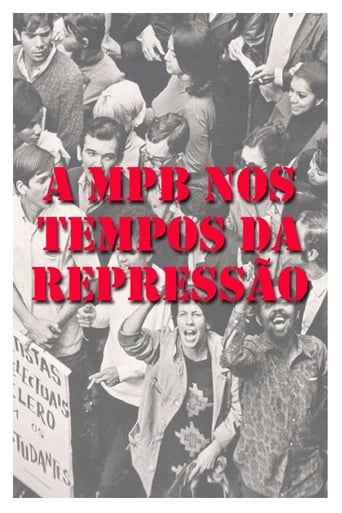
NRNo synopsis available yet.
MPB dos Tempos da Repressão
2004
 10.0
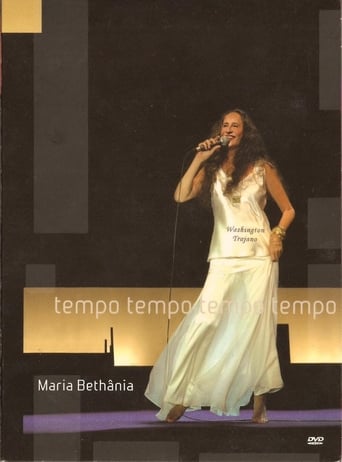
10.0No synopsis available yet.
Maria Bethânia: Tempo Tempo Tempo Tempo
2005
 5.2
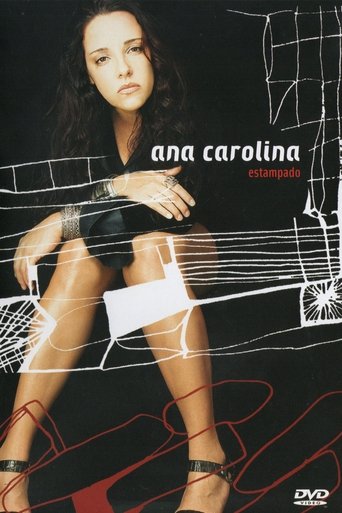
5.2O DVD intitulado Estampado da cantora e compositora Ana Carolina traz grandes sucessos e músicas inéditas na voz desse ícone da música brasileira. Você pode conferir faixas novas como "Escurinho", "Gente Humilde" e "Oração de São Francisco de Assis", além da interpretação da canção "Corsário" acompanhada pelo violão de João Bosco. O disco ainda conta com participações especiais de Chico Buarque, Chico César e Maria Bethânia. Imperdível!
Ana Carolina - Estampado
2003
 6.7
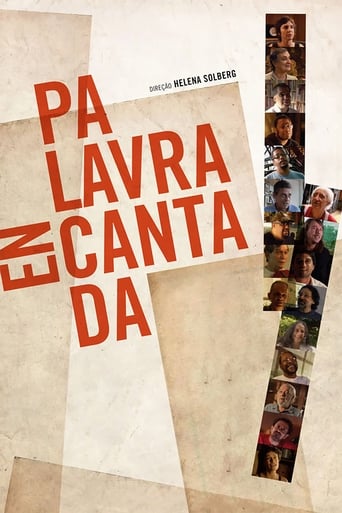
6.7A journey in the history of the Brazilian songbook with a look at the relationship between poetry and music, sewing testimonials of great names of our culture, musical performances and amazing research of images.
Palavra (En)Cantada
2009
 9.0
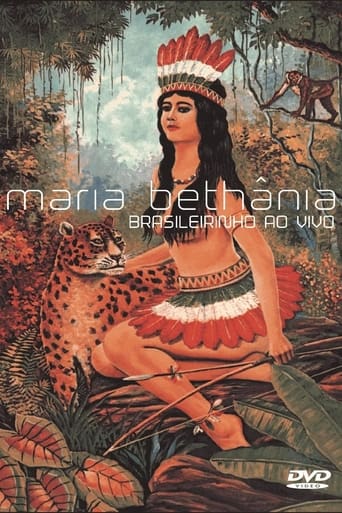
9.0No synopsis available yet.
Maria Bethânia: Brasileirinho Ao Vivo
2004
 8.8
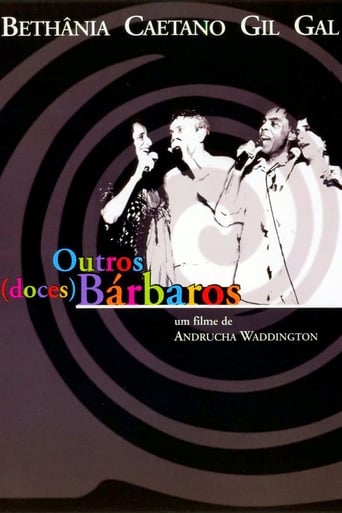
8.8Almost thirty years after the first reunion of Doces Bárbaros (four of Brazil's major popular music stars: Caetano Veloso, Gilberto Gil, Gal Costa and Maria Bethânia), the artists involved decided to get together again for limited concerts in São Paulo and Rio de Janeiro, in December 2002. The film documents the group's live performances, rehearsals and interviews.
Outros (Doces) Bárbaros
2002
 6.5
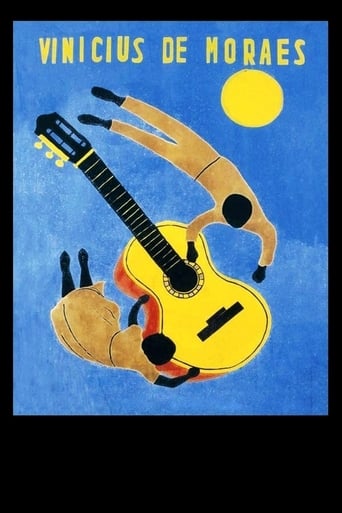
6.5To celebrate the life and the work of a multifaceted creator – playwright, poet, partner of the most important names of Brazilian pop music and, above all, an enlightened character of the Brazilian cultural history - director Miguel Faria Jr. gathered an incomparable cast of partners, singers, friends and rare images from the archives recalling Vinícius’ genial simplicity, with the spontaneity, the humor, and the freedom of a person chatting over a bar table, exactly how the eternal Vinícius would enjoy.
Vinicius de Moraes
2005
 NR
NRNo synopsis available yet.
Maria Bethânia e Omara Portuondo
2008
1970s · 3 titles
 8.0
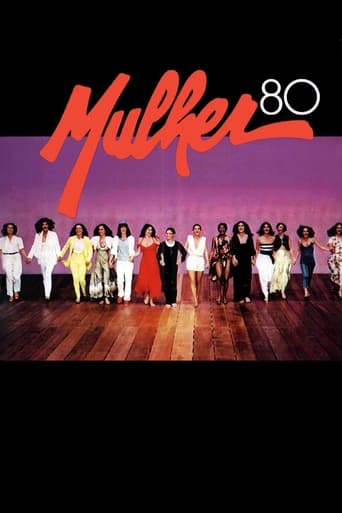
8.0Mulher 80 emerged as a result of the success of 'Malu Mulher' (1979), a miniseries starring Regina Duarte, which addressed the female situation in Brazilian society at that time. The main focus of the special was the female presence in music, honouring the singers and songwriters of MPB with musical numbers and testimonials.
Mulher 80
1979
 6.1
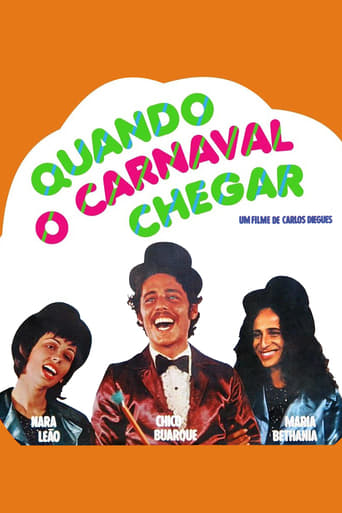
6.1Music manager has to get three of his artists together for a special show, but soon finds out it isn't an easy task.
When Carnaval Comes
1972
 8.2
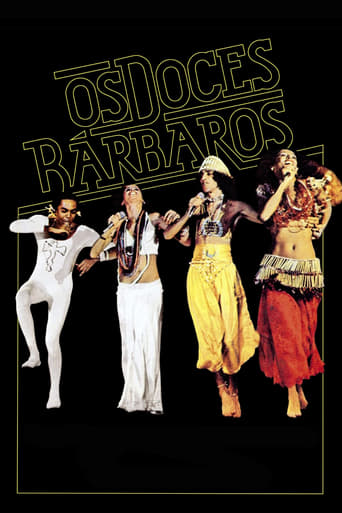
8.2The film records the commemorative tour of the ten years of the career of the Bahia singers Caetano Veloso, Gilberto Gil, Maria Bethânia and Gal Costa, who formed the group with the name of Doces Bárbaros (Sweet Barbarians), at the suggestion of Bethânia. Conceived to present the shows of the live album that would be released (Doces Bárbaros - Live), the documentary changed of tone when registering the arrest and judgment of Gilberto Gil and of a companion by possession of drugs. Gil was forced to go to a detox clinic, and only went out to participate in the programmed shows.
Os Doces Bárbaros
1977
1960s · 6 titles
 5.8
5.8In a fictitious country, a civil servant receives the greatest inheritance in history (ten trillion dollars) and is confined by authorities to prevent a collapse of the world economy. But he manages to escape.
The Man Who Bought the World
1968
 8.1
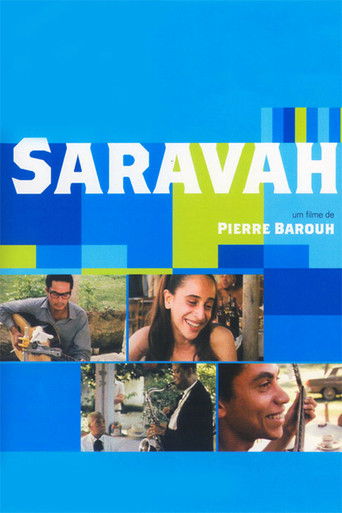
8.1Documentary about Brazilian music circa 1969, with extremely rare scenes, such as the only color footage of Pixinguinha, images of João da Baiana, one of the fathers of Samba, Maria Bethânia rehearsing at Barroco nightclub, Baden Powell playing his acoustic guitar, Paulinho da Viola showing his masterpiece "Coisas do Mundo, Minha Nega", that he had just finished, and Márcia, a singer from São Paulo.
Saravah
1969
 6.3
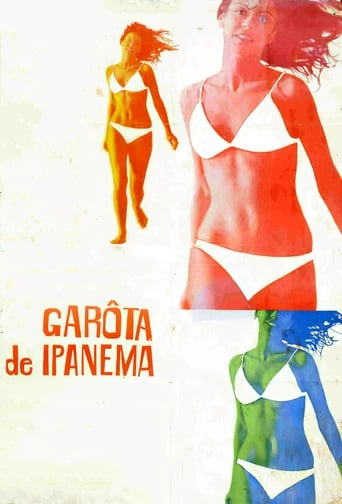
6.3Chronicles the life of a 17 year-old girl living in the upper-class Rio de Janeiro neighbourhood of Ipanema. Márcia lives a life of parties and spend her days among bohemians, musicians and intellectuals. While seeming happy in the outside, she's extremely anguished inside. Based on the famous song by Antonio Carlos Jobim and Vinicius de Moraes.
The Girl from Ipanema
1967
 NR
NRNo synopsis available yet.
A Última Ceia Segundo Ziraldo
1968
 7.5
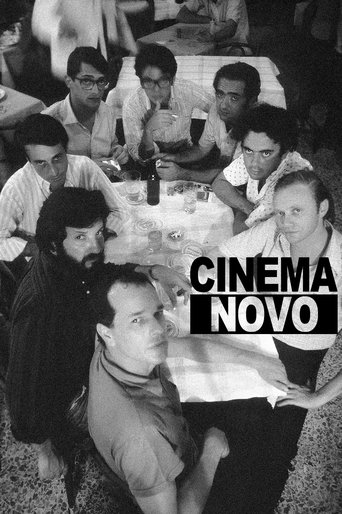
7.5Originally produced for German TV, Improvised and Purposeful is a firsthand look at the "Cinema Novo" movement (otherwise known as the 'Brazilian New Wave'). Director Joaquim Pedro de Andrade focuses on six Cinema Novo filmmakers working in Rio in 1967.
Improvised and Purposeful: Cinema Novo
1967
 7.8
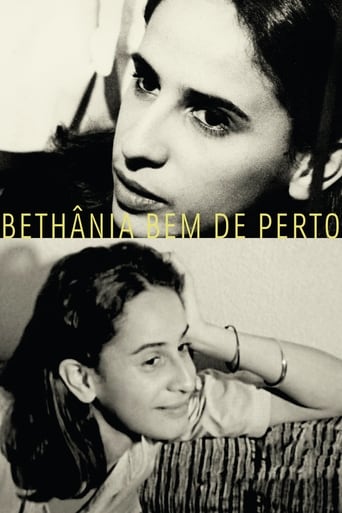
7.8Documentary about Maria Bethânia, at the very beginning of her career as a singer, when she arrived in Rio da Bahia to replace Nara Leão in the show Opinião. Bethânia's appearance, at that time in southern Rio, was a cultural shock that shook the city. The film also contains scenes of her daily life and meetings with other musicians.
Bethânia Bem de Perto: A Propósito de um Show
1966
Series credits
6.8No synopsis available yet.
Champs-Elysées
1982
8.0Le Grand Échiquier is a French variety television program created and presented by Jacques Chancel. It aired at 8:30 pm on the first channel of the ORTF from January 12, 1972 to July 12, 1972, then on the second color channel of the ORTF from September 1972 to December 1974, and finally on Antenne 2 from January 1975 to December 21, 1989. The program returned to France 2 on December 20, 2018 and is hosted by Anne-Sophie Lapix.
Le Grand Échiquier
1972
NRNo synopsis available yet.
Criança Esperança
1986
9.5Nara Leão revolutionized Brazilian music, broke prejudices, confronted the military dictatorship, opened paths for women. All this without changing the tone of her voice.
O Canto Livre de Nara Leão
2022
NRNo synopsis available yet.
Chico & Caetano
1986
 7.2
7.2A four-part biography on the life of the Brazilian singer Gal Costa, from her humble beginning singing in the streets of Salvador, where she became friends with many artists who would be other great names in Brazilian music in the following decades to her 50th career anniversary in 2015.
O Nome Dela é Gal
2017