
Directing
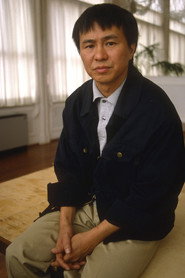
Hou Hsiao-hsien
Born
1947-04-08 (79)
Place of birth
Mei County, Guangdong, China
Known for
Directing
Credits
66 titles
Hou Hsiao-hsien (Chinese: 侯孝賢; pinyin: Hóu Xiàoxián) (born April 8, 1947) is a retired award-winning film director and a leading figure of Taiwan's New Wave cinema movement.
Known for
 9.0
9.0The Taipei Golden Horse Film Festival and Awards (Chinese: 台北金馬影展; pinyin: Táiběi Jīnmǎ Yǐngzhǎn; Pe̍h-ōe-jī: Tâi-pak Kim-má iáⁿ-tián) is a film festival and awards ceremony held annually in Taiwan. It was founded in 1962 by the Government Information Office of the Republic of China (ROC) in Taiwan. The awards ceremony is usually held in November or December in Taipei, although the event has also been held in other locations in Taiwan in recent times
Golden Horse Awards
1962
 7.5
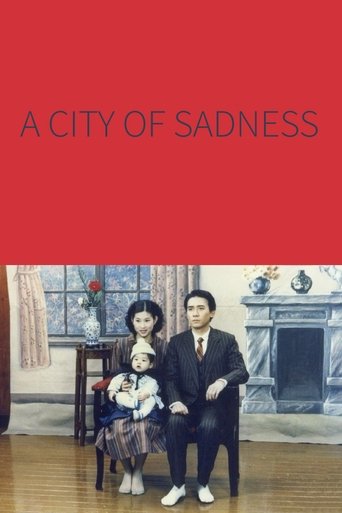
7.5The story of a family embroiled in the "White Terror," the Kuomintang government's anti-communist political repression that was wrought on the Taiwanese people from 1947-1987.
A City of Sadness
1989
 6.4
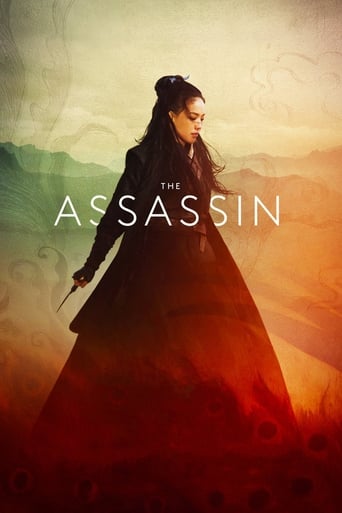
6.49th century China. Ten year old general’s daughter Nie Yinniang is abducted by a nun who initiates her into the martial arts, transforming her into an exceptional assassin charged with eliminating cruel and corrupt local governors. One day, having failed in a task, she is sent back by her mistress to the land of her birth, with orders to kill the man to whom she was promised – a cousin who now leads the largest military region in North China. After 13 years of exile, the young woman must confront her parents, her memories and her long-repressed feelings.
The Assassin
2015
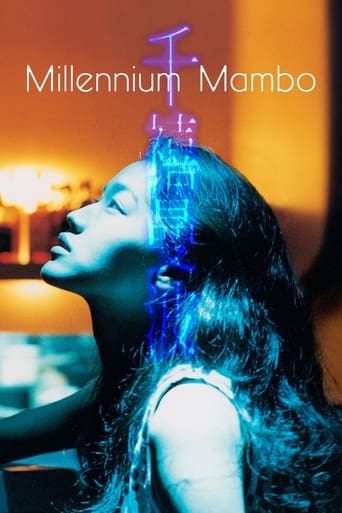 7.0
7.0In 2011, Vicky looks back on her life a decade earlier, recalling her turbulent relationship with her controlling boyfriend Hao Hao and her growing connection to a compassionate gangster amid the neon haze of Taipei's nightlife.
Millennium Mambo
2001
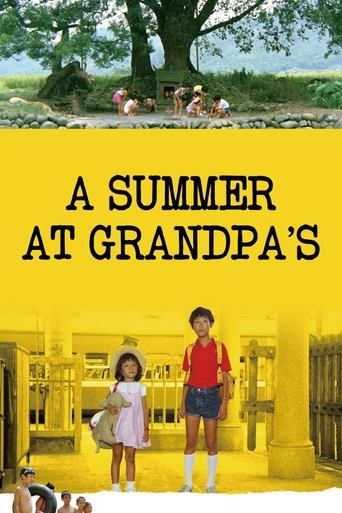 7.5
7.5A coming-of-age story about a young brother and sister whom spend a pivotal summer in the country with their grandparents.
A Summer at Grandpa's
1984
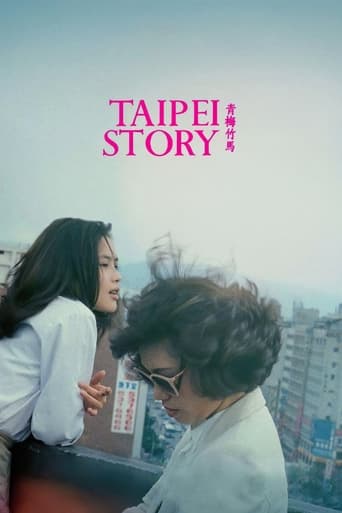 7.5
7.5A young woman urgently seeks to navigate the maze of contemporary Taipei and find a future. She hopes that her boyfriend Lung is the key to the future, but Lung is stuck in a past that combines baseball and traditional loyalty that leads him to squander his nest egg bailing her father out of financial trouble.
Taipei Story
1985
Film credits
2020s · 2 titles
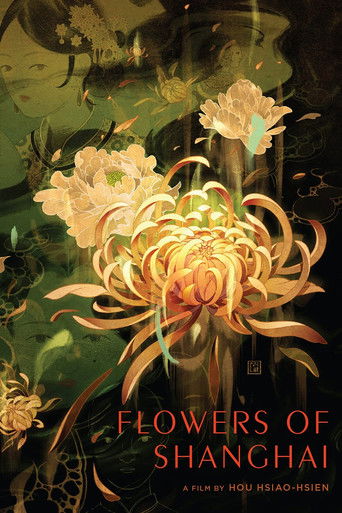 8.0
8.0A new documentary by Daniel Raim and Eugene Suen on the making of "Flowers of Shanghai," featuring behind-the-scenes footage and interviews with Mark Lee Ping-bing, producer and editor Liao Ching-sung, production designer Hwarng Wern-ying, and sound recordist Tu Duu-chih.
Beautified Realism: The Making of 'Flowers of Shanghai'
2021
 8.0
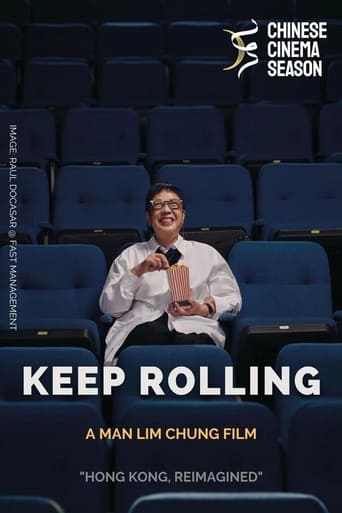
8.0One of Hong Kong's most influential filmmakers, Ann Hui, becomes a “star” for the first time in Man Lim-chung's directorial debut. A forerunner of the New Wave, Hui’s tumultuous, forty-year career is an unequivocal testimony to her unyielding dedication to filmmaking, and her expedition into the metamorphic city. This biopic probes into the acclaimed director’s idiosyncratic world, where we witness her rashness and goofiness, as well as her humanistic concerns for the everyday nobodies which make her films so moving.
Keep Rolling
2020
2010s · 6 titles
 6.8
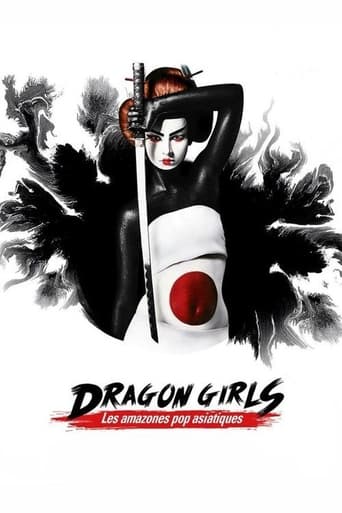
6.8Yves Montmayeur takes Crouching Tiger, Hidden Dragon as the starting point for his study of the new female warrior in Asian pop culture. From Beijing to Tokyo and Taiwan, he went to meet with the most iconic muses of this new trend, including Michelle Yeoh, Zhang Ziyi, Shu Qi and Asami.
Dragon Girls!
2016
 NR
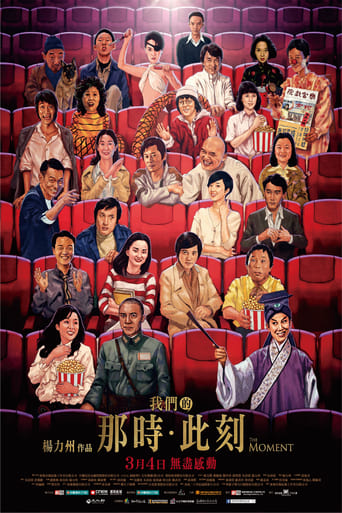
NRIn 2013, the Golden Horse Film Festival celebrated its 50th anniversary. The ministry of Culture commissioned director Yang Li-chou to make a documentary about the history of Golden Horse. What is unique to this film is that it's not an ode to celebrities but about the role cinema plays in ordinary people's lives. It's a love letter to cinema, filmmakers and audiences.
The Moment: Fifty Years of Golden Horse
2016
 5.3
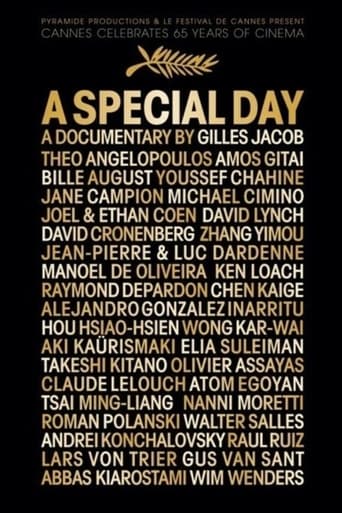
5.3At the 60th anniversary of Cannes Film Festival, 34 famous directors are followed by camera.
A Special Day
2012
 7.1
7.1With Taiwan remaining in the grip of martial law in 1982, a group of filmmakers from that country set out to establish a cultural identity through cinema and to share it with the world. This engaging documentary looks at the movement's legacy.
Flowers of Taipei: Taiwan New Cinema
2014
 6.3
6.3A contemplative trip down memory lane with one of the leading voices of the Second New Wave of Taiwanese Cinema. Saw Tiong Guan clearly established a very personal bond with his subject, and also found many of Tsai Ming-liang’s colleagues prepared to complete this portrait of a quiet yet outspoken artist.
Past Present
2013
 6.6
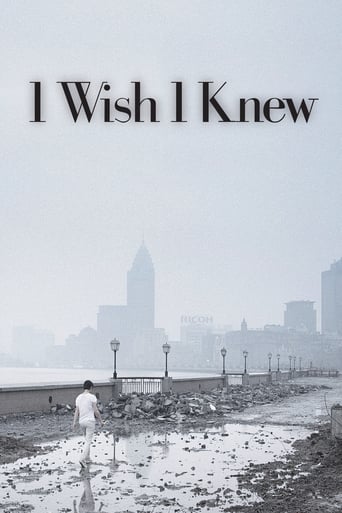
6.6Focuses on the people, their stories and architecture spanning from the mid-1800s, when Shanghai was opened as a trading port, to the present day.
I Wish I Knew
2010
2000s · 6 titles
 7.0
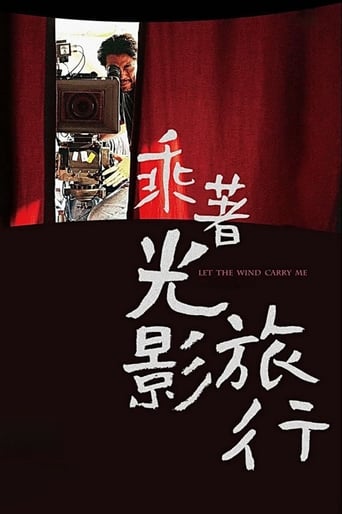
7.0Focusing on Mark Lee Ping-bin, one of the most talented and prolific cinematographers in Asia, the movie details the itinerant lifestyle of a deeply observant and philosophical artist and the tolls that his profession takes on his family life.
Let the Wind Carry Me
2009
 6.0
6.0Richly illustrated with film clips and interviews, OUR TIME, OUR STORY tells the still-evolving story of the Taiwanese "new wave," from its rise in the early 1980s, as the island was democratizing after decades under martial law, through growing international recognition and domestic debate in the 1990s. Spearheaded in its early years by such filmmakers as Edward Yang, Ko I-cheng, Hou Hsiao-hsien and Wan Jen, the movement revitalized Taiwan cinema through low-budget experiments that emphasized personal stories, political reflection and stylistic invention. Said filmmakers, writers and actors like Wu Nien-jen and Sylvia Chang, even "second wave" directors Tsai Ming-liang and Lin Cheng-sheng provide fond reminiscences and retrospective insights in this compelling account of one of the most distinctive national cinemas of the last quarter-century.
Our Time, Our Story
2002
 7.0
7.0French-made documentary, "Métro Lumière", which actually does help provide some of the context for Hsiao-hsien's approach to the film. It includes excerpts from Ozu's films, in particular, "Equinox Flower", to show the parallels with this film, the obvious basis for some of the scenes and situation set-ups.
Métro Lumière
2004
 NR
NRThe essence of progress in civilization has always been handiwork. In traditional Chinese civilization, the emperor was supreme. Vested with the authority to enjoy the best of handiwork, all crafts used for residence, clothing, food, and travel were the most refined and splendid.
In the Golden Age of Chinese Craftsmanship
2008
 NR
NRChinese film school students and the professors from the Greater China Region gathered together at Hong Kong Baptist University to discuss the many serious film issues in the region.
Hou Hsiao-Hsien Master Class
2007
 NR
NRPascal Lamorisse is the son of filmmaker Albert Lamorisse. He is also the little hero of some of his father's films (White Mane, The Red Balloon and Stowaway in the Sky). Over the years, Albert Lamorisse, who took his son on all his shoots, sought to transmit his expertise and his passion for filmmaking, even on his last film, The Lover's Wind. There is something in the story of Pascal Lamorisse that touches on a fabulous story: it is the story of the transmission of cinema from father to child.
My Father Was a Red Balloon: Albert Lamorisse's Life Story
2008
1990s · 5 titles
 5.5
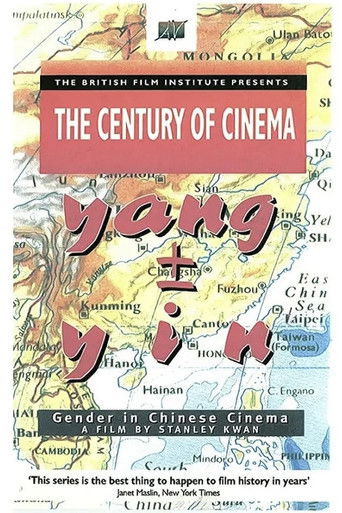
5.5An exploration of Chinese cinema and its relationships with gender and sexuality, which the film argues has been more frankly and provocatively explored than in any other national cinema. Utilizing both film excerpts and interviews with many leading directors and academics, the film examines topics such as male bonding in kung fu movies, depictions of same-sex bonding and physical intimacy, the emphasis on women's grievances in melodramas, and the career of Yam Kim-Fai, a Hong Kong actress who spent her life portraying men on and off the screen.
Yang ± Yin: Gender in Chinese Cinema
1998
 7.9
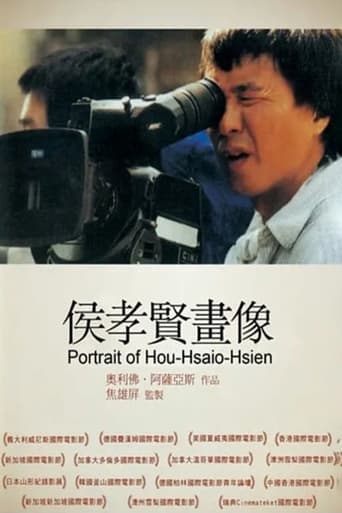
7.9Entry on Taiwanese new-wave filmmaker Hou Hsiao-Hsien for French television's "Cinéma, de notre temps" series, directed by Olivier Assayas.
HHH: A Portrait of Hou Hsiao-Hsien
1999
 6.7
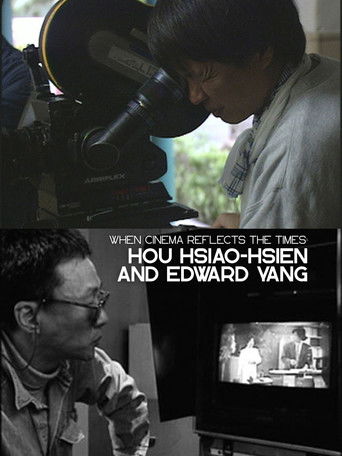
6.7From the 1980s to the 1990s, New Taiwanese Cinema gained international attention for adopting a completely different approach to that of the commercial films which had preceded it. This piece contrasts Hou Hsiao-hsien and Edward Yang, two rivals who were the driving force behind New Taiwanese Cinema. The closing of a cinema invites us to reflect on society and the passage of history.
When Cinema Reflects the Times: Hou Hsiao-Hsien and Edward Yang
1993
 7.0
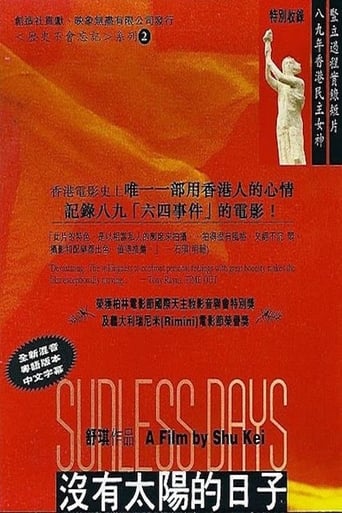
7.0Director Shu Kei travelled to Venice, Canada, London and Hong Kong, collecting accounts of the Tiananmen impact. Among his interviewees are: award-winning Taiwanese filmmaker Hou Hsiao-hsien; Hong Kong director Alfred Cheung, a witness to the massacre; actress Deanne Ip, whose national consciousness is fired by the event; as well as his own brothers, one who soon migrates from Hong Kong, and the other, already an Australian emigre. Their personal testimonies are pieced together into a mural of the Chinese people united in their horror and outrage.
Sunless Days
1990
 6.5
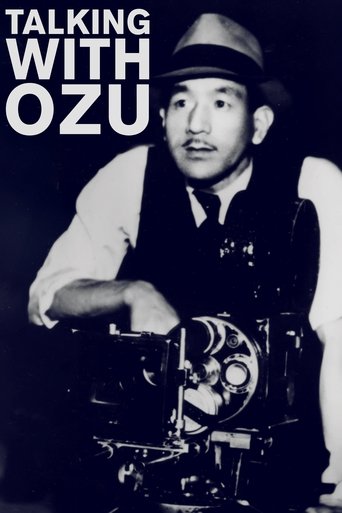
6.5A tribute to the legendary Japanese film director featuring the reflections of filmmakers Lindsay Anderson, Claire Denis, Hou Hsiao-hsien, Aki Kaurismäki, Stanley Kwan, Paul Schrader, and Wim Wenders
Talking with Ozu
1993
1980s · 6 titles
7.5A young woman urgently seeks to navigate the maze of contemporary Taipei and find a future. She hopes that her boyfriend Lung is the key to the future, but Lung is stuck in a past that combines baseball and traditional loyalty that leads him to squander his nest egg bailing her father out of financial trouble.
Taipei Story
1985
 7.5
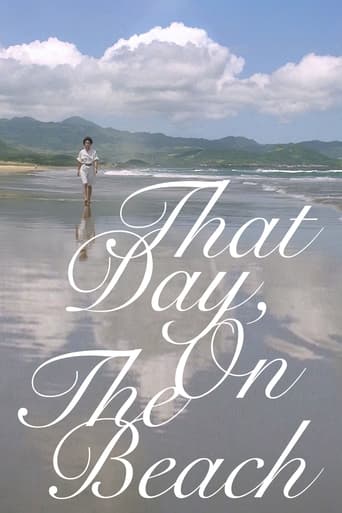
7.5Two friends who haven't seen each other for thirteen years reunite. One is a successful concert pianist just back from a European tour and the other has just started a new business.
That Day, on the Beach
1983
 7.2
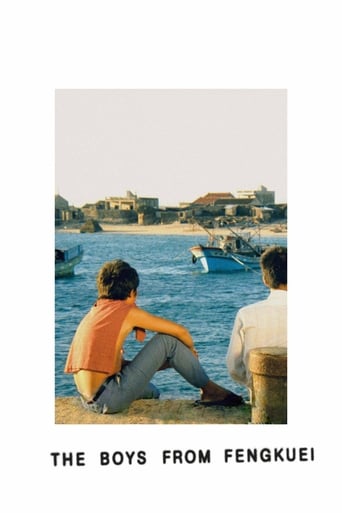
7.2Ah-Ching and his friends have just finished school in their island fishing village, and now spend most of their time drinking and fighting. Three of them decide to go to the port city of Kaohsiung to look for work. They find an apartment through relatives, and Ah-Ching is attracted to the girlfriend of a neighbor. There they face the harsh realities of the big city.
The Boys from Fengkuei
1983
 NR
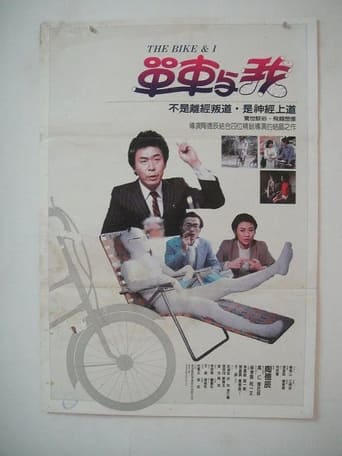
NRTaiwanese comedy film.
The Bike & I
1984
 5.0
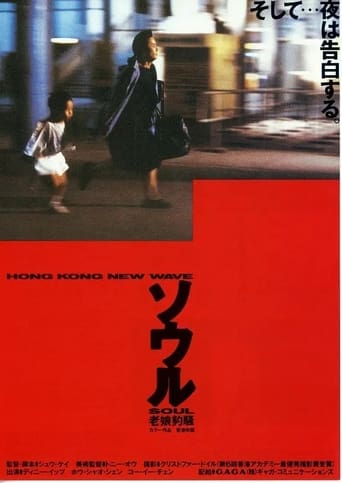
5.0Ip Cheung and her husband, a senior police inspector, had been happily married for 18 years. One day, Ip runs into her neighbour, a Taiwanese woman. As they are talking, three men suddenly appeared and tried to kill them. The Taiwanese woman is killed but Ip and the kid, Yen, managed to escape. At the same time, Ip's husband commits suicide. His superior suspected him of corruption. Ip finds out that the Taiwanese woman was her husband's mistress and Yen, his illegitimate son. Ip is given custody of Yen but they are unable to get along. However she will save his live when the gang go after him.
Soul
1986
 10.0
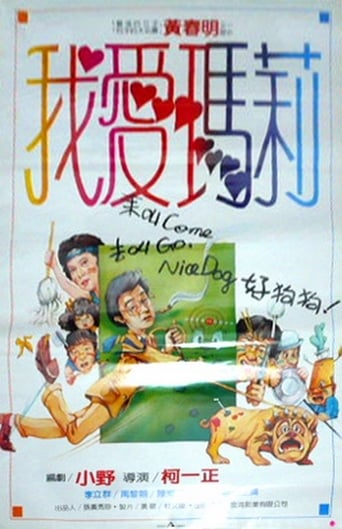
10.0No synopsis available yet.
I Love Mary
1988
Series credits
Behind the camera
7.5The story of a family embroiled in the "White Terror," the Kuomintang government's anti-communist political repression that was wrought on the Taiwanese people from 1947-1987.
A City of Sadness
1989
6.49th century China. Ten year old general’s daughter Nie Yinniang is abducted by a nun who initiates her into the martial arts, transforming her into an exceptional assassin charged with eliminating cruel and corrupt local governors. One day, having failed in a task, she is sent back by her mistress to the land of her birth, with orders to kill the man to whom she was promised – a cousin who now leads the largest military region in North China. After 13 years of exile, the young woman must confront her parents, her memories and her long-repressed feelings.
The Assassin
2015
6.49th century China. Ten year old general’s daughter Nie Yinniang is abducted by a nun who initiates her into the martial arts, transforming her into an exceptional assassin charged with eliminating cruel and corrupt local governors. One day, having failed in a task, she is sent back by her mistress to the land of her birth, with orders to kill the man to whom she was promised – a cousin who now leads the largest military region in North China. After 13 years of exile, the young woman must confront her parents, her memories and her long-repressed feelings.
The Assassin
2015
7.0In 2011, Vicky looks back on her life a decade earlier, recalling her turbulent relationship with her controlling boyfriend Hao Hao and her growing connection to a compassionate gangster amid the neon haze of Taipei's nightlife.
Millennium Mambo
2001
7.5A coming-of-age story about a young brother and sister whom spend a pivotal summer in the country with their grandparents.
A Summer at Grandpa's
1984
7.5A coming-of-age story about a young brother and sister whom spend a pivotal summer in the country with their grandparents.
A Summer at Grandpa's
1984
7.5A young woman urgently seeks to navigate the maze of contemporary Taipei and find a future. She hopes that her boyfriend Lung is the key to the future, but Lung is stuck in a past that combines baseball and traditional loyalty that leads him to squander his nest egg bailing her father out of financial trouble.
Taipei Story
1985
 6.9
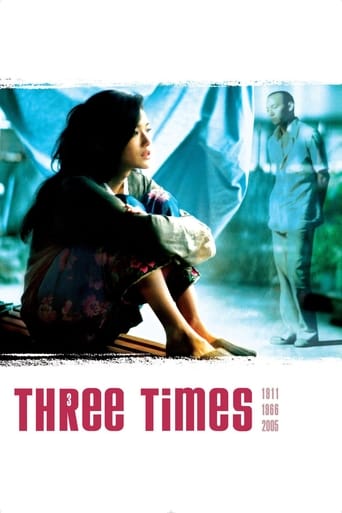
6.9In three separate segments, set respectively in 1966, 1911, and 2005, three love stories unfold between three sets of characters, under three different periods of Taiwanese history and governance.
Three Times
2005
6.9In three separate segments, set respectively in 1966, 1911, and 2005, three love stories unfold between three sets of characters, under three different periods of Taiwanese history and governance.
Three Times
2005
 7.7
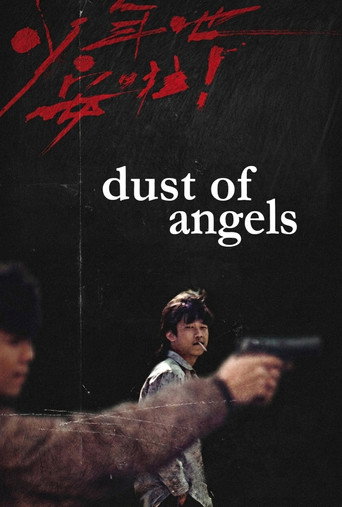
7.7A-Guo and A-Dou are two teenagers living in an industrial town in Taiwan, who fight, loaf, and cause trouble all day and hang out with Jie, a young gangster. When Jie's gangland patron is gunned down, the trio set out to revenge the killing. As a result, the two teens are forced into hiding.
Dust of Angels
1992
 7.0
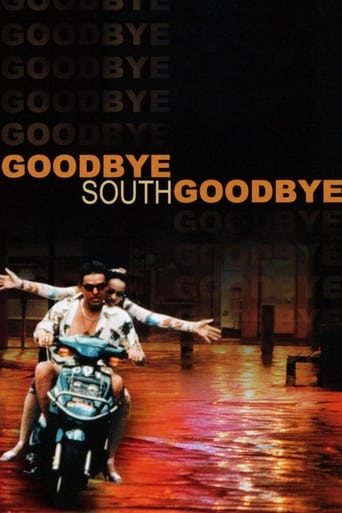
7.0In this portrait of small-time hoods rendered in rhythm-of-life anecdotal detail, Gao is the leader of a circle of layabouts including his sidekick, Flathead, and their girlfriends, Pretzel and Ling. He is also the originator of petty crime schemes, which promise to get the gang nowhere fast.
Goodbye South, Goodbye
1998
 7.6
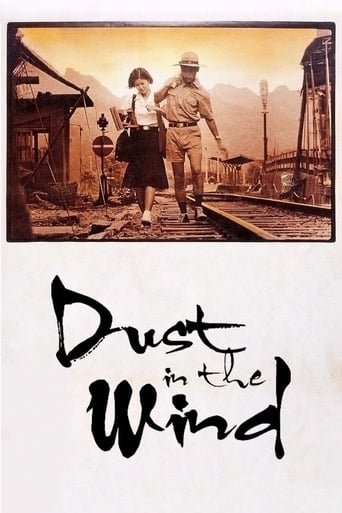
7.6A-yuan and A-yun are both from the small mining town of Jio-fen. They move to Taipei, where A-yuan is an apprentice by day and goes to night school, and A-yun works as a helper at a tailors. Everyone thinks they are meant for each other, and so do they. They fail to see time and fate are beyond their control.
Dust in the Wind
1986
 6.2
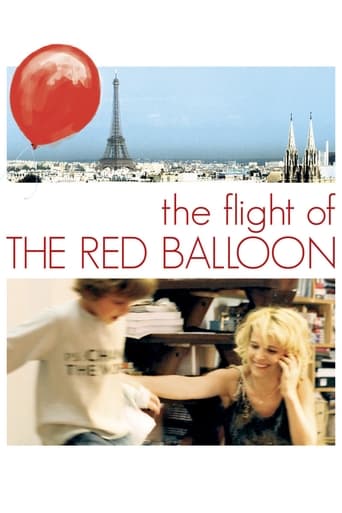
6.2The first part in a new series of films produced by Musée d'Orsay, 'Flight of the Red Balloon' tells the story of a French family as seen through the eyes of a Chinese student. The film was shot in August and September 2006 on location in Paris. This is Hou Hsiao-Hsien's first Western film. It is based on the classic French short The Red Balloon directed by Albert Lamorisse.
Flight of the Red Balloon
2008
6.2The first part in a new series of films produced by Musée d'Orsay, 'Flight of the Red Balloon' tells the story of a French family as seen through the eyes of a Chinese student. The film was shot in August and September 2006 on location in Paris. This is Hou Hsiao-Hsien's first Western film. It is based on the classic French short The Red Balloon directed by Albert Lamorisse.
Flight of the Red Balloon
2008
 7.2
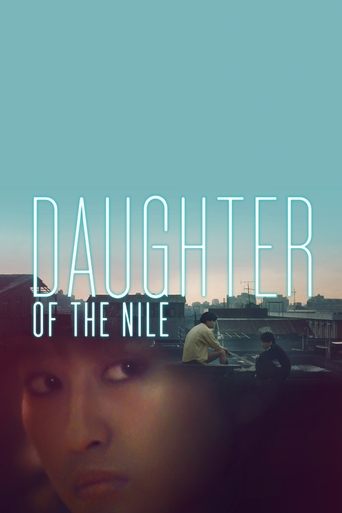
7.2Lin Hsiao-yang tries to keep her family together while working as a waitress at Kentucky Fried Chicken and going to night school. With no mother and her father currently working out of town, it is up to Lin Hsiao-yang to take care of her younger siblings, who are slipping into a life of crime.
Daughter of the Nile
1987
 6.9
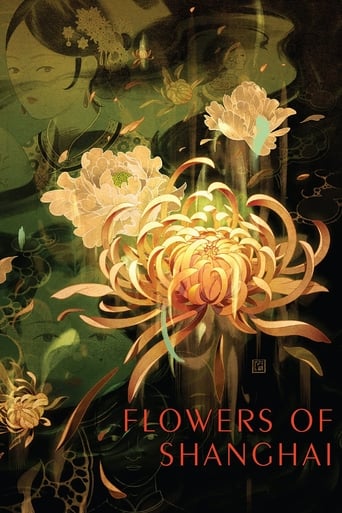
6.9At the end of the 19th century, Shanghai is divided into several foreign concessions. In the British concession, a number of luxurious “flower houses” are reserved for the male elite of the city. Since Chinese dignitaries are not allowed to frequent brothels, these establishments are the only ones that these men can visit. They form a self-contained world, with its own rites, traditions and even its own language. The men don’t only visit the houses to frequent the courtesans but also to dine, smoke opium, play mahjong and relax. The women working there are known as the “flowers of Shanghai”.
Flowers of Shanghai
1998
 7.0
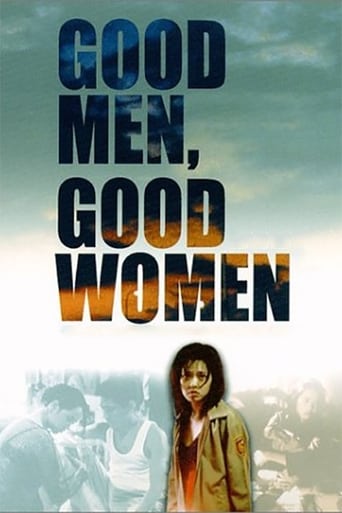
7.0An actress preparing to play in a historical epic is terrorized by someone faxing her pages from her stolen diary; has colorful flashbacks of her affair with a now-deceased man; and imagines black-and-white film-within-a-film scenes of the movie she is about to appear in.
Good Men, Good Women
1995
 7.7
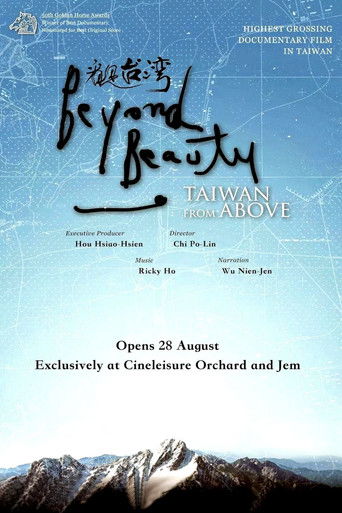
7.7Documenting Taiwan from an aerial perspective offering a glimpse of Taiwan's natural beauty as well as the effect of human activities and urbanization on our environment.
Beyond Beauty: Taiwan from Above
2013
 7.2
7.2An autobiographical film based on Taiwanese director Hou Hsiao-hsien's memories of his youth growing up in Taiwan after emigrating from mainland China.
The Time to Live and the Time to Die
1985
7.2An autobiographical film based on Taiwanese director Hou Hsiao-hsien's memories of his youth growing up in Taiwan after emigrating from mainland China.
The Time to Live and the Time to Die
1985
 6.6
6.6Master puppeteer Li Tien-lu recalls his life in Japanese-occupied Taiwan during the first half of the 20th century.
The Puppetmaster
1993
 6.4
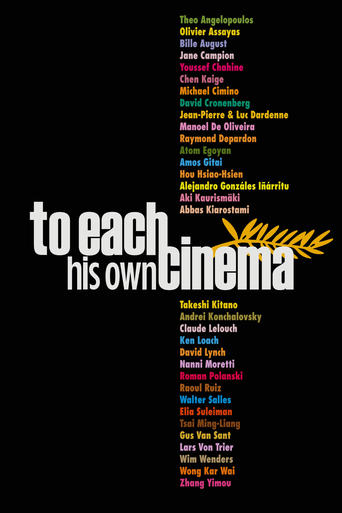
6.4Commissioned to mark the 60th anniversary of the Cannes Film Festival, "To Each His Own Cinema" brought together 33 of the world's pre-eminent filmmakers to produce short pieces exploring the multifarious facets of cinema and their perspective on the state of their chosen artform in the early 21st century.
To Each His Own Cinema
2007
 6.9
6.9In a distinctly contemporary Tokyo that looks backwards to the city’s disappearing past, Yoko is a writer investigating the life of a modernist composer of the 1930s. She is pregnant by a man she does not want to marry and has found a kindred spirit in a used bookstore owner who aids her research.
Café Lumière
2004
6.9In a distinctly contemporary Tokyo that looks backwards to the city’s disappearing past, Yoko is a writer investigating the life of a modernist composer of the 1930s. She is pregnant by a man she does not want to marry and has found a kindred spirit in a used bookstore owner who aids her research.
Café Lumière
2004
 6.9
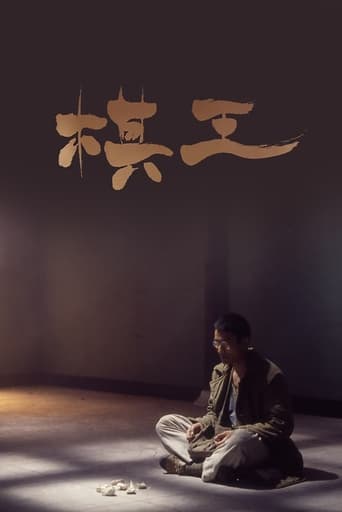
6.9Two independent stories involving chess wizards are interwoven to satirize the politics of the Chinese Cultural Revolution as well as Taiwan's capitalist boom of the 1970's.
King of Chess
1991
 7.1
7.1Composed of three separate stories, the film vividly portrays Taiwan during the cold war period when the country developed its economy with help from the United States.
The Sandwich Man
1983
 6.4
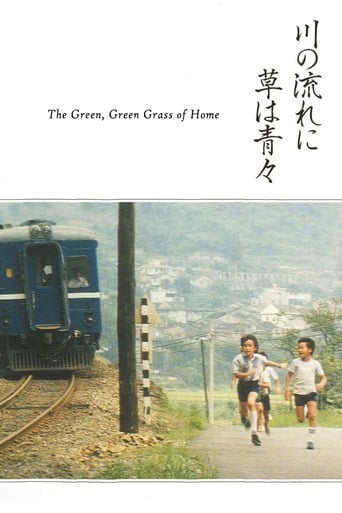
6.4A substitute teacher from Taipei arrives in a country village to teach a class of mischievous students. He soon falls in love with nature, country life and a fellow teacher at the school.
The Green, Green Grass of Home
1982
6.4A substitute teacher from Taipei arrives in a country village to teach a class of mischievous students. He soon falls in love with nature, country life and a fellow teacher at the school.
The Green, Green Grass of Home
1982
 6.7
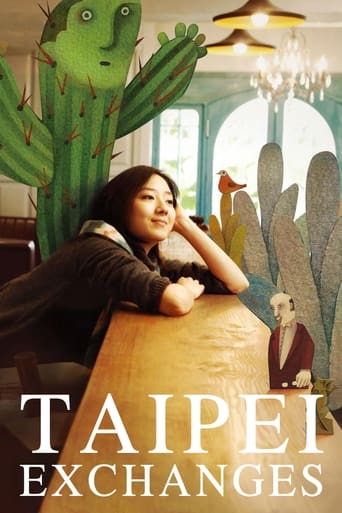
6.7Doris simply wanted to open a refined, stylish coffee shop in a bohemian Taipei neighborhood, but when she's stuck with a load of useless gifts from the opening celebration, her younger sister Josie turns the café into a burgeoning bartering business. There, even a soulful song (by Japanese singer Atari Kosuke in a cameo) is a tradable commodity. One day, a traveler brings in 35 soaps from around the world with a story for each of them, awakening Doris' imagination about the outside world that she has never seen.
Taipei Exchanges
2010
 5.7
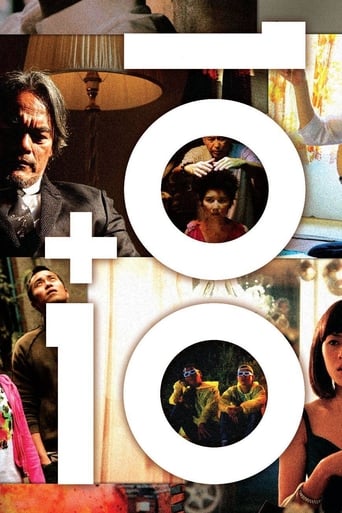
5.710+10 is a project initiated by the Taipei Golden Horse Film Festival to demonstrate the solidarity between Taiwanese film-makers. 20 directors are invited to make a 5-minute short film each on the theme of the “Uniqueness of Taiwan,” but allowed total freedom in all other aspects.
10 Plus 10
2011
7.2Ah-Ching and his friends have just finished school in their island fishing village, and now spend most of their time drinking and fighting. Three of them decide to go to the port city of Kaohsiung to look for work. They find an apartment through relatives, and Ah-Ching is attracted to the girlfriend of a neighbor. There they face the harsh realities of the big city.
The Boys from Fengkuei
1983
 4.0
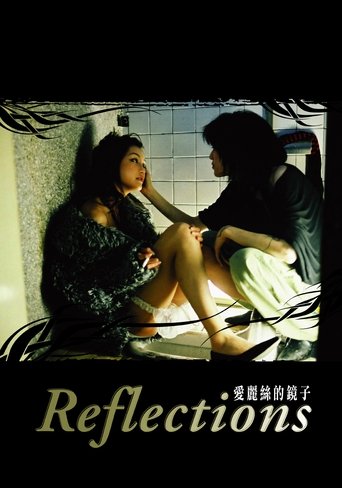
4.0A couple is torn by conflicting emotions. Jing and Mi are two women living in Taiwan who have been lovers for some time; Jing is a singer in a rock band who suffers from severe mood swings and has been suffering from a fractured relationship with her mother, while Mi is the more sedate and level-headed of the couple.
Reflections
2007
 6.3
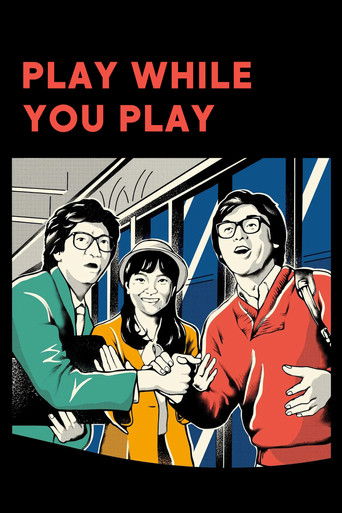
6.3A photographer travels with her boyfriend to a seaside village in Penghu. There she strikes up a relationship with a blind man. When they reencounter one another back in Taipei, where he is preparing to undergo an operation to restore his sight, their connection intensifies.
Play While You Play
1981
6.3A photographer travels with her boyfriend to a seaside village in Penghu. There she strikes up a relationship with a blind man. When they reencounter one another back in Taipei, where he is preparing to undergo an operation to restore his sight, their connection intensifies.
Play While You Play
1981
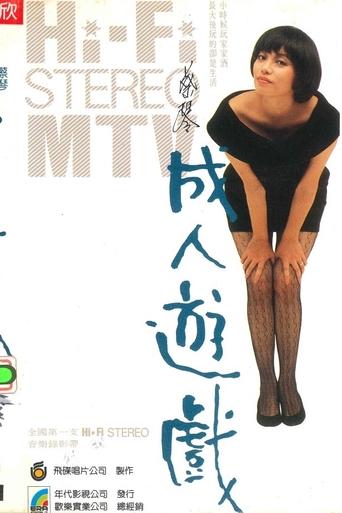 NR
NRDirect-to-video music film co-directed by three major figures of the Taiwanese New Cinema featuring song by Edward Yang’s then wife Tsai Chin.
Adult Game
1986
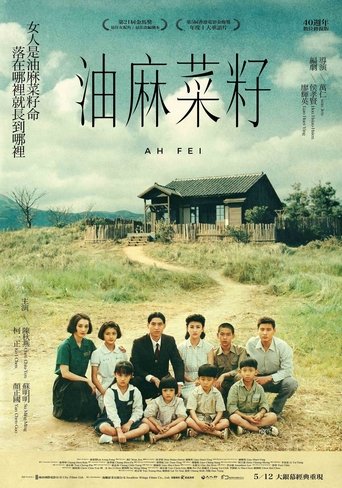 6.3
6.3The startling contrast between old and new Taiwan is the subject of Wan Jen's epic of traditional identities coming into conflict with an urban life, emphasizing the situation of women.
Ah Fei
1983
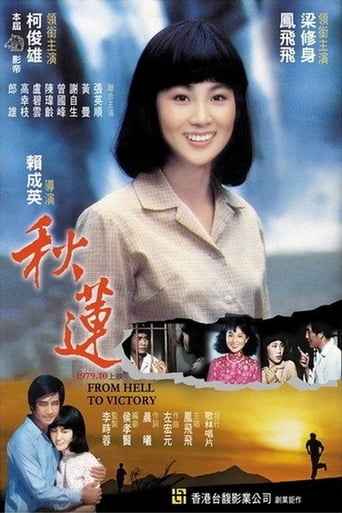 7.5
7.5Zhijie, in her bid to find a wife for her mentally-challenged son, found Chu Lien to become her daughter-in-law. From then, Chu Lien's life becomes miserable, constantly being physically abused. Fortunately, Shun-hsing took pity on her, both of them quietly exchange solemn vows to each other...
Chu Lien
1979
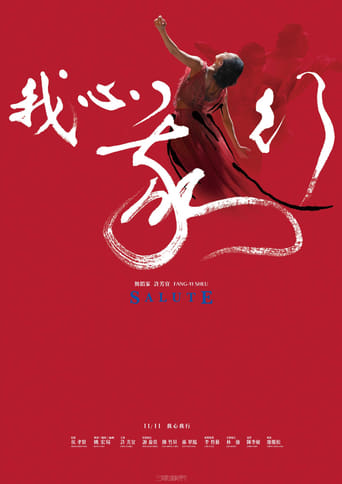 8.8
8.8Dancer SHEU Fang-yi’s career has been told through her modern dance dramas such as Sparrow, Stranger, Wall, and Martha GRAHAM‘s Heretic. Martha GRAHAM once said: “A dancer dies twice — once when they stop dancing, and this first death is the more painful.” At this intersection of her life, SHEU Fang-yi commemorates her glorious past two decades with a funeral, to farewell her past self, and to get ready to move toward her unknown future.
Salute
2022
 6.1
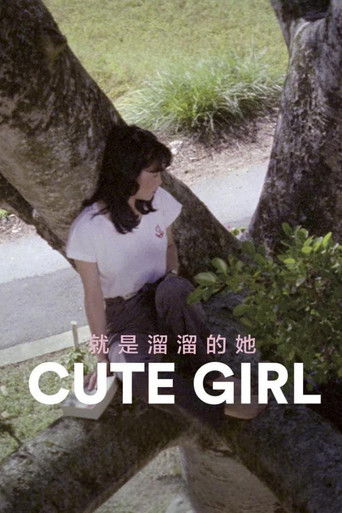
6.1The daughter of a wealthy man takes French lessons so she can go to France with her fiancée, but ends up falling for a poor man who studies civil engineering.
Cute Girl
1980
6.1The daughter of a wealthy man takes French lessons so she can go to France with her fiancée, but ends up falling for a poor man who studies civil engineering.
Cute Girl
1980