
Acting
Fritz Bechtold
Known for
Acting
Credits
5 titles
Fritz Bechtold is known for Kampf um den Himalaya (1938), Eingeschneit in Lager IV (1942) and Nanga Parbat (1936).
Known for
 NR
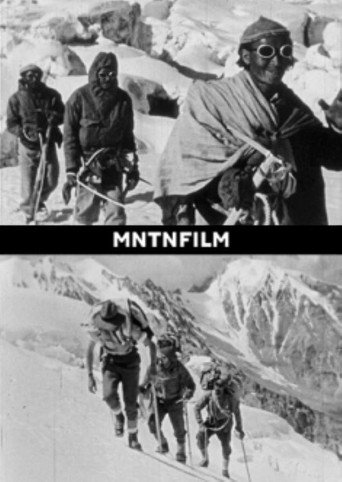
Record of the 1937 German Expedition to Nanga Parbat, led by Karl Wien. This was the third German expedition to the mountain, and the team followed the same route than the 1932 and 1934 expeditions, led by Willy Merkl by the Rakhiot Face. During the ascent, progress was made, but more slowly than previous expeditions due to heavy snowfalls. Sometime between 14 and 16 June, Wien was camped with other six German climbers and nine Sherpas at Camp IV, below Rakhiot Peak, when it was overwhelmed by a massive avalanche. All sixteen men were killed in what remains as the worst single disaster ever to occur on an eight thousand meter peak. Uli Luft, Carl Troll and Dawa Thondup, who stood at the base camp, were the only survivors of the German and Sherpa teams respectively. The film shows images of the members of the rescue team, led by Paul Bauer, that arrived one month later.
With the Camera to Nanga Parbat
1938
 NR
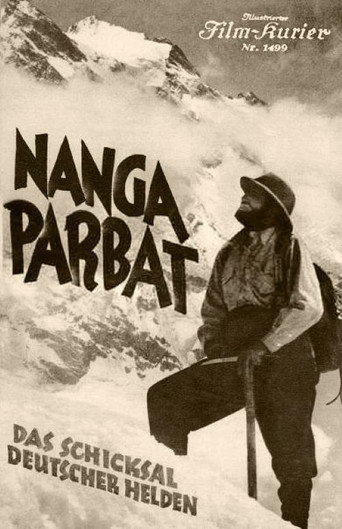
Record of the 1934 German expedition to Nanga Parbat, led by Willy Merkl and with the full backing of the new Nazi government. Peter Aschenbrenner and Erwin Schneider reached an estimated height of 7,895m on July 6, but were forced to return because of worsening weather. On July 7 they and 14 others were trapped by a ferocious storm at 7,480m. During the desperate retreat that followed, three famous German mountaineers, Uli Wieland, Willo Welzenbach and Merkl himself, and six Sherpas died of exhaustion, exposure and altitude sickness, and several more suffered severe frostbite.
Nanga Parbat
1936
 NR
Record of the 1938 German expedition to Nanga Parbat. In June 1938, the vanguard of the German expedition to the Himalayas, after many laborious detours through the labyrinth of the glaciers, had reached Camp IV at 6200m of altitude. A violent storm, which raged for over five days, left the team blocked in camp IV, with food and fuel in decidedly low quantities. They send an S.O.S., which is collected by the aviators in Srinagar, who manage to get food, parachuting them, to the unfortunates blocked by snow. The team, led by Paul Bauer, will still have to retire due to adverse weather conditions.
Snowed-In at Camp IV
1942
 NR
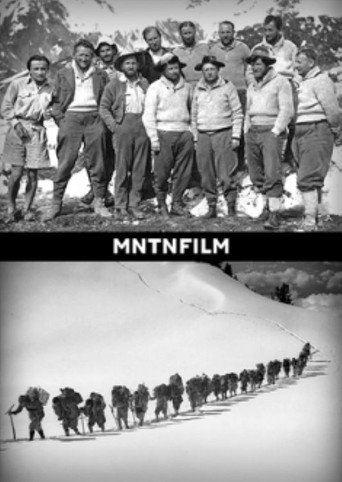
Short version of 'Nanga Parbat' (1936), the record of the 1934 German expedition to Nanga Parbat, led by Willy Merkl and with the full backing of the new Nazi government. Peter Aschenbrenner and Erwin Schneider reached an estimated height of 7,895m on July 6, but were forced to return because of worsening weather. On July 7 they and 14 others were trapped by a ferocious storm at 7,480m. During the desperate retreat that followed, three famous German mountaineers, Uli Wieland, Willo Welzenbach and Merkl himself, and six Sherpas died of exhaustion, exposure and altitude sickness, and several more suffered severe frostbite.
Deutsche Eisenbahner im Kampf um den Nanga Parbat
1935
 NR
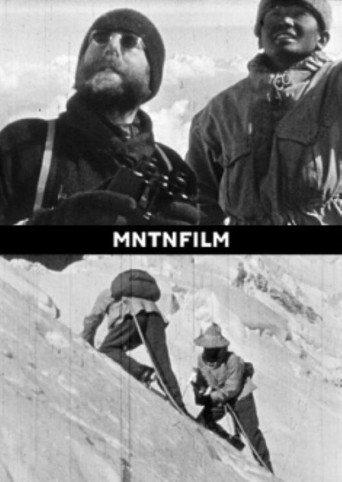
Documentary film material was produced during the 1938 expedition to Nanga Parbat, led by Paul Bauer. The German Himalaya Foundation had planned a feature-length film with the title Berg im Monsun (Mountain in the Monsoon), once again, edited by Frank Leberecht. The outbreak of the Second World War in 1939 as well as extended contract negotiations between Tobis and the foundation during 1940 delayed post-production of the film, and it was only in spring 1945 that Tobis could report to the foundation that the film was about to be finished. The impending collapse of the Third Reich that very spring, made impossible its release in theaters.
Mountain in the Monsoon
1945
Film credits
1940s · 2 titles
NRRecord of the 1938 German expedition to Nanga Parbat. In June 1938, the vanguard of the German expedition to the Himalayas, after many laborious detours through the labyrinth of the glaciers, had reached Camp IV at 6200m of altitude. A violent storm, which raged for over five days, left the team blocked in camp IV, with food and fuel in decidedly low quantities. They send an S.O.S., which is collected by the aviators in Srinagar, who manage to get food, parachuting them, to the unfortunates blocked by snow. The team, led by Paul Bauer, will still have to retire due to adverse weather conditions.
Snowed-In at Camp IV
1942
NRDocumentary film material was produced during the 1938 expedition to Nanga Parbat, led by Paul Bauer. The German Himalaya Foundation had planned a feature-length film with the title Berg im Monsun (Mountain in the Monsoon), once again, edited by Frank Leberecht. The outbreak of the Second World War in 1939 as well as extended contract negotiations between Tobis and the foundation during 1940 delayed post-production of the film, and it was only in spring 1945 that Tobis could report to the foundation that the film was about to be finished. The impending collapse of the Third Reich that very spring, made impossible its release in theaters.
Mountain in the Monsoon
1945
1930s · 3 titles
NRRecord of the 1937 German Expedition to Nanga Parbat, led by Karl Wien. This was the third German expedition to the mountain, and the team followed the same route than the 1932 and 1934 expeditions, led by Willy Merkl by the Rakhiot Face. During the ascent, progress was made, but more slowly than previous expeditions due to heavy snowfalls. Sometime between 14 and 16 June, Wien was camped with other six German climbers and nine Sherpas at Camp IV, below Rakhiot Peak, when it was overwhelmed by a massive avalanche. All sixteen men were killed in what remains as the worst single disaster ever to occur on an eight thousand meter peak. Uli Luft, Carl Troll and Dawa Thondup, who stood at the base camp, were the only survivors of the German and Sherpa teams respectively. The film shows images of the members of the rescue team, led by Paul Bauer, that arrived one month later.
With the Camera to Nanga Parbat
1938
NRRecord of the 1934 German expedition to Nanga Parbat, led by Willy Merkl and with the full backing of the new Nazi government. Peter Aschenbrenner and Erwin Schneider reached an estimated height of 7,895m on July 6, but were forced to return because of worsening weather. On July 7 they and 14 others were trapped by a ferocious storm at 7,480m. During the desperate retreat that followed, three famous German mountaineers, Uli Wieland, Willo Welzenbach and Merkl himself, and six Sherpas died of exhaustion, exposure and altitude sickness, and several more suffered severe frostbite.
Nanga Parbat
1936
NRShort version of 'Nanga Parbat' (1936), the record of the 1934 German expedition to Nanga Parbat, led by Willy Merkl and with the full backing of the new Nazi government. Peter Aschenbrenner and Erwin Schneider reached an estimated height of 7,895m on July 6, but were forced to return because of worsening weather. On July 7 they and 14 others were trapped by a ferocious storm at 7,480m. During the desperate retreat that followed, three famous German mountaineers, Uli Wieland, Willo Welzenbach and Merkl himself, and six Sherpas died of exhaustion, exposure and altitude sickness, and several more suffered severe frostbite.
Deutsche Eisenbahner im Kampf um den Nanga Parbat
1935