
Directing
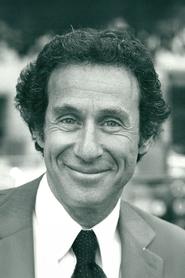
Arthur Penn
Born — Died
1922-09-27 — 2010-09-28
Place of birth
Philadelphia, Pennsylvania, USA
Known for
Directing
Credits
52 titles
Arthur Hiller Penn (September 27, 1922 – September 28, 2010) was an American filmmaker, theatre director, and producer. He was a three-time Academy Award nominee for Best Director, and a Tony Award winner. Among other accolades, he was also nominated for a BAFTA Award, a Golden Globe and two Primetime Emmy Awards. Penn first achieved prominence as a theatre director, winning a Tony Award for Best Direction of a Play for The Miracle Worker. He received similar acclaim and his first Oscar nomination for directing the 1962 film adaptation. His 1967 film Bonnie and Clyde is credited with initiating the New Hollywood movement, by infusing the biographical crime drama with a counterculture sensib…
Known for
 9.5
9.5Marcello Mastroianni, Isabelle Adjani, Alain Delon, Martin Scorsese, Woody Allen... the biggest stars in cinema were welcomed by Christian Defaye on his show Spécial cinéma. Between intimate confessions from actors and immersion in the world of the greatest filmmakers, Christian Defaye took viewers on a journey into the fascinating world of cinema for nearly thirty years.
Spécial cinéma
1974
 6.8
6.8The Dick Cavett Show has been the title of several talk shows hosted by Dick Cavett on various television networks.
The Dick Cavett Show
1968
 7.5
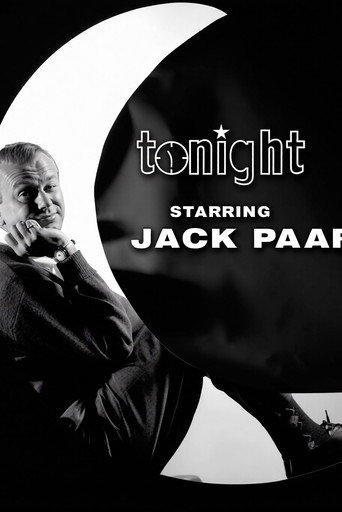
7.5Tonight Starring Jack Paar is an American talk show hosted by Jack Paar under The Tonight Show franchise from 1957 to 1962. It originally aired during late-night. During most of its run it was broadcast from Studio 6B inside the RCA Building. The same studio would also host early episodes of The Tonight Show Starring Johnny Carson, and Late Night with Jimmy Fallon. Its theme song was an instrumental version of "Everything's Coming Up Roses", and the closing theme was "So Until I See You" by Al Lerner.
Tonight Starring Jack Paar
1957
 7.0
7.0American Masters is a PBS television series which produces biographies on enduring writers, musicians, visual and performing artists, dramatists, filmmakers, and others who have left an indelible impression on the cultural landscape of the United States.
American Masters
1986
 6.4
6.4BeastMaster chronicles the adventures of Dar, the last surviving male of the storied Sula tribe, who is blessed with the ability to communicate telepathically with the animals of his ancient world. Also endowed with the strength, courage and fighting skills of a great warrior, he uses his gifts to defend all living creatures oppressed by the forces of evil.
BeastMaster
1999
 7.5
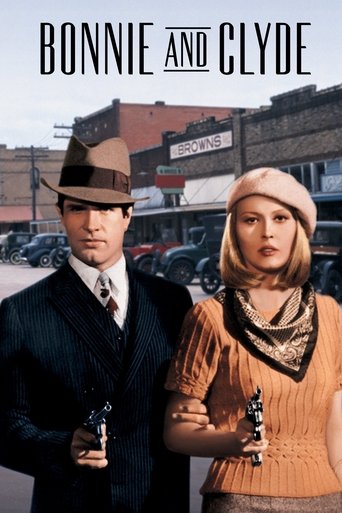
7.5In the 1930s, bored waitress Bonnie Parker falls in love with an ex-con named Clyde Barrow, and together they start a violent crime spree throughout the country, stealing cars and robbing banks.
Bonnie and Clyde
1967
Film credits
2010s · 2 titles
 NR
NRDocumentary by Luc Lagier exploring Godard's career as a filmmaker, the production of Breathless and his influence and his relationship with American cinema.
Godard Made in USA
2010
 NR
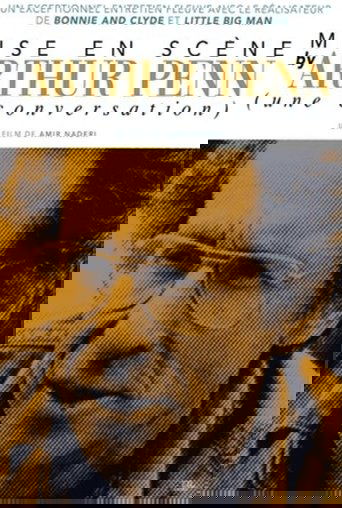
NRThe life and work of Arthur Penn, whose films like "Bonnie and Clyde" helped shape the conversation around violence in America and its movies.
Mise en scène with Arthur Penn (a conversation)
2016
2000s · 8 titles
 7.1
7.1The chronicle of the mind-blowing journey that was Hollywood during the seventies; the true and gripping story of the last golden age of American cinema, an exalted celebration of creativity and experimentation; but also of sex, drugs and rock 'n' roll: a turbulent and dark tale of ambition, envy, betrayal, hatred and self-destruction.
Easy Riders, Raging Bulls: How the Sex 'n' Drugs 'n' Rock 'n' Roll Generation Saved Hollywood
2003
 4.6
4.6The making-of documentary of Bonnie and Clyde.
Revolution! The Making of 'Bonnie and Clyde'
2008
 7.0
7.0Rosy-Fingered Dawn is a film on Terrence Malick. It is about the making of BADLANDS, DAYS OF HEAVEN, THE THIN RED LINE and the personal involvement of some of the most representative figures of the American culture itself. This medley of voices has given origin to a journey throughout the whole United States, from California to Colorado, from Virginia to Minnesota, passing by New York and Los Angeles. Every stop represents an ideal set in which all the characters of the films come to life once again giving place to a growing flow of memories. The narrative dimension of Malick's cinema resounds and opens a new horizon on the visible contradictions of the American culture; no easy judgement but a critical consciousness is what emerges from this coral speech, together with a definite need: the necessity of art. A need that Terrence Malick was able to satisfy.
Rosy-Fingered Dawn: A Film on Terrence Malick
2002
 6.8
6.8How the cinema industry does not respect the author's work as it was conceived, how manipulates the motion pictures in order to make them easier to watch by an undemanding audience or even how mutilates them to adapt the original formats and runtimes to the restrictive frame of the television screen and the abusive requirements of advertising. (Followed by “Filmmakers in Action.”)
Filmmakers vs. Tycoons
2005
illustrates how directors pushed boundaries and altered the art of filmmaking during the turbulent, swinging 1960s. Narrated by Woody Harrelson, "Reel Radicals" features clips from such seminal films as Arthur Penn's "Bonnie and Clyde" (1967); Mike Nichols' "The Graduate" (1967); Dennis Hopper's "Easy Rider" (1969); John Frankenheimer's "The Manchurian Candidate" (1962); Stanley Kubrick's "Dr. Strangelove" (1964) and "2001: A Space Odyssey" (1968); John Schlesinger's "Midnight Cowboy" (1969); Richard Brooks' "Elmer Gantry" (1960) and "In Cold Blood" (1967); and Norman Jewison's "In the Heat of the Night" (1967) and "The Thomas Crown Affair" (1968). Frankenheimer, Jewison, Hopper, Schlesinger, Penn, Buck Henry, Paul Mazursky, Roger Corman and Arthur Hiller are among the filmmakers who discuss the decade.
Reel Radicals: The Sixties Revolution in Film
2002
 5.8
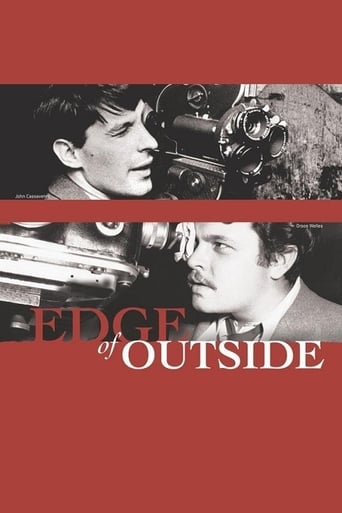
5.8An hour-long documentary designed to celebrate the spirit of the independent filmmaker from D.W. Griffith to Quentin Tarantino. Interview footage and film clips are blended together to form a chronological approach to the subject matter.
Edge of Outside
2006
 7.2
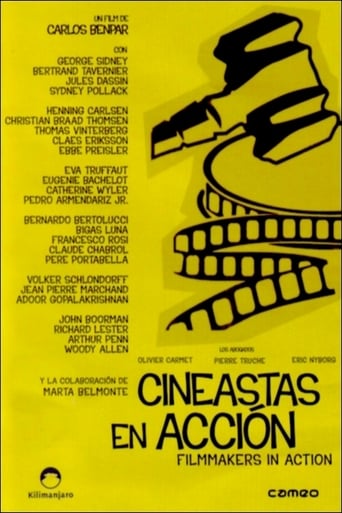
7.2What is the state of cinema and what being a filmmaker means? What are the measures taken to protect authors' copyright? What is their legal status in different countries? (Sequel to “Filmmakers vs. Tycoons.”)
Filmmakers in Action
2006
In the Shadow of Hollywood examines this assault on our senses through interviews with directors, producers, writers and other experts in the film industry.
In the Shadow of Hollywood
2000
1990s · 6 titles
 6.5
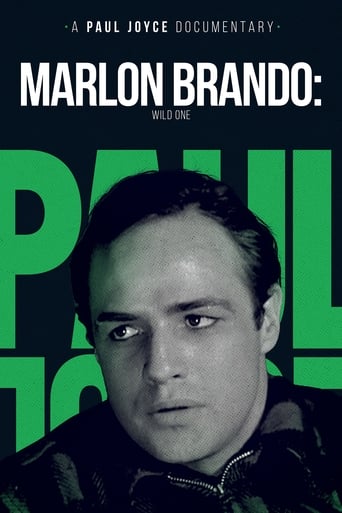
6.5An examination of the craft of Marlon Brando, narrated by professionals of the film industry. The film follows his career from the stage with "A Streetcar Named Desire", through the Actors Studio and professional relationships with Elia Kazan and Stella Adler to Hollywood. An actor who redefined the limits to which a professional may go in becoming the character not only intellectually but emotionally, Brando changed the meaning of film acting.
Marlon Brando: The Wild One
1994
 4.8
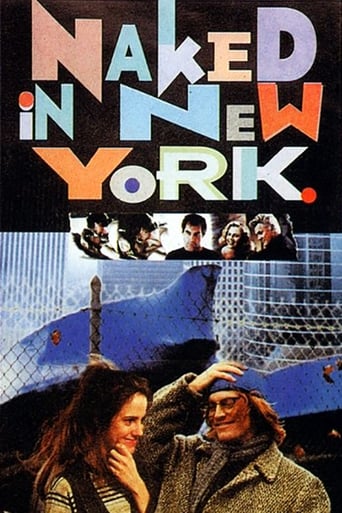
4.8Naked in New York begins in the car of grown up Jake, he is talking to us about his girlfriend, Joanne, and to whom you can turn to for help while facing life. From there it flashes back to his memories of his parents, college, house across from a squirrel infested peanut factory, best friend, writing career and Joanne.
Naked in New York
1993
 6.5
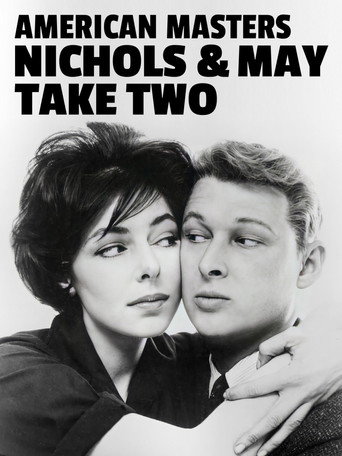
6.5A documentary made for the PBS program American Masters about the comedy team Nichols and May.
Nichols and May: Take Two
1996
Documentary on the film work of director Arthur Penn.
Arthur Penn: A Love Affair with Film
1995
An intimate window into one of the great movements in film history that brought about an evolution in the art of cinema. The documentary portrays the movement with insight on the lives and works of Jean-Luc Godard, François Truffaut and other principal players in the New Wave.
Cinéma! Cinéma! The French New Wave
1992
No synopsis available yet.
Searching for Arthur
1998
1970s · 2 titles
 7.1
7.1Eight acclaimed filmmakers bring their unique and differing perspectives to the 1972 Summer Olympic Games held in Munich. The segments include Lelouch's take on Olympic losers and their struggle to remain dignified even in the face of bitter disappointment and defeat; Zetterling's dramatic exploration of the world of weightlifting; and Pfleghar's piece on young Russian gymnast Ludmilla Tourischev's majestic performance on the uneven bars.
Visions of Eight
1973
 9.0
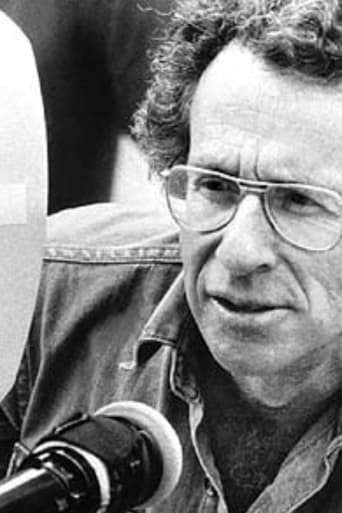
9.0A short documentary about Arthur Penn.
Arthur Penn: The Director
1970
Series credits
9.5Marcello Mastroianni, Isabelle Adjani, Alain Delon, Martin Scorsese, Woody Allen... the biggest stars in cinema were welcomed by Christian Defaye on his show Spécial cinéma. Between intimate confessions from actors and immersion in the world of the greatest filmmakers, Christian Defaye took viewers on a journey into the fascinating world of cinema for nearly thirty years.
Spécial cinéma
1974
6.8The Dick Cavett Show has been the title of several talk shows hosted by Dick Cavett on various television networks.
The Dick Cavett Show
1968
7.5Tonight Starring Jack Paar is an American talk show hosted by Jack Paar under The Tonight Show franchise from 1957 to 1962. It originally aired during late-night. During most of its run it was broadcast from Studio 6B inside the RCA Building. The same studio would also host early episodes of The Tonight Show Starring Johnny Carson, and Late Night with Jimmy Fallon. Its theme song was an instrumental version of "Everything's Coming Up Roses", and the closing theme was "So Until I See You" by Al Lerner.
Tonight Starring Jack Paar
1957
7.0American Masters is a PBS television series which produces biographies on enduring writers, musicians, visual and performing artists, dramatists, filmmakers, and others who have left an indelible impression on the cultural landscape of the United States.
American Masters
1986
6.4BeastMaster chronicles the adventures of Dar, the last surviving male of the storied Sula tribe, who is blessed with the ability to communicate telepathically with the animals of his ancient world. Also endowed with the strength, courage and fighting skills of a great warrior, he uses his gifts to defend all living creatures oppressed by the forces of evil.
BeastMaster
1999
 NR
NRJames Lipton sits down with some of the world's most accomplished actors and directors for penetrating, fascinating interviews.
Inside the Actors Studio
1994
Behind the camera
7.5In the 1930s, bored waitress Bonnie Parker falls in love with an ex-con named Clyde Barrow, and together they start a violent crime spree throughout the country, stealing cars and robbing banks.
Bonnie and Clyde
1967
 7.1
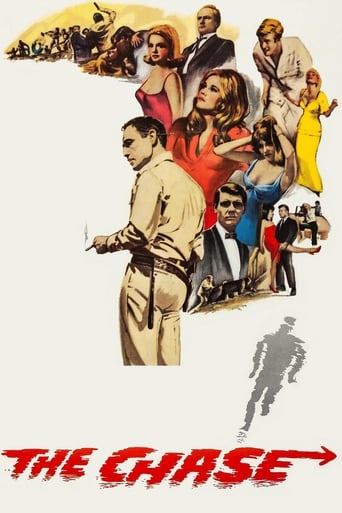
7.1The escape of Bubber Reeves from prison affects the inhabitants of a small Southern town.
The Chase
1966
 7.4
7.4Jack Crabb, looking back from extreme old age, tells of his life being raised by Indians and fighting with General Custer.
Little Big Man
1970
 6.0
6.0A fledgling actress is lured to a remote mansion for a screen-test, soon discovering she is actually a prisoner in the middle of a blackmail plot.
Dead of Winter
1987
 6.7
6.7Private detective and former football player Harry Moseby gets hired on to what seems a standard missing person case - a former Hollywood actress wants Moseby to find and return her daughter. Harry travels to Florida to find her, but he begins to see a connection between the runaway girl, the world of Hollywood stuntmen, and a suspicious mechanic when an unsolved murder comes to light.
Night Moves
1975
 7.9
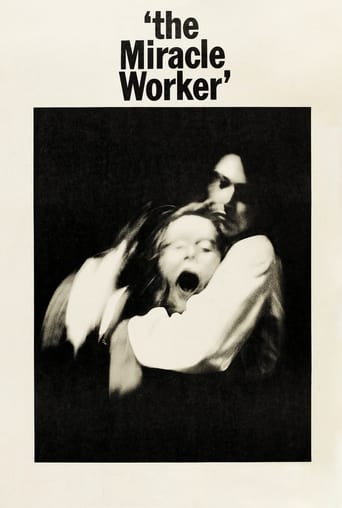
7.9The true story of the frightening, lonely world of silence and darkness of 7-year-old Helen Keller who, since infancy, has never seen the sky, heard her mother's voice or expressed her innermost feelings. Then Annie Sullivan, a 20-year-old teacher from Boston, arrives. Having just recently regained her own sight, the no-nonsense Annie reaches out to Helen through the power of touch, the only tool they have in common, and leads her bold pupil on a miraculous journey from fear and isolation to happiness and light.
The Miracle Worker
1962
 6.5
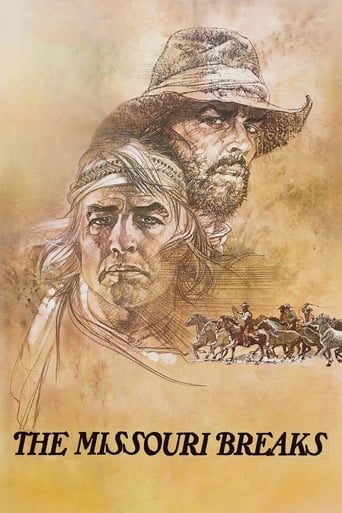
6.5When vigilante land baron David Braxton hangs one of the best friends of cattle rustler Tom Logan, Logan's gang decides to get even by purchasing a small farm next to Braxton's ranch. From there the rustlers begin stealing horses, using the farm as a front for their operation. Determined to stop the thefts at any cost, Braxton retains the services of eccentric sharpshooter Robert E. Lee Clayton, who begins ruthlessly taking down Logan's gang.
The Missouri Breaks
1976
 6.0
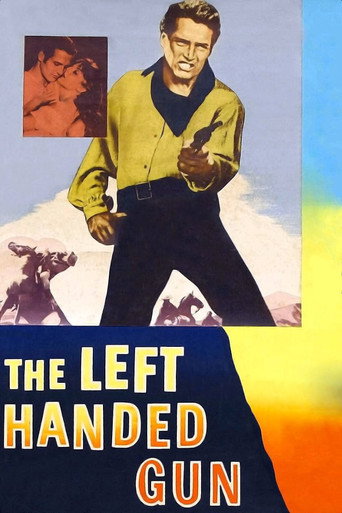
6.0When a crooked sheriff murders his employer, William "Billy the Kid" Bonney decides to avenge the death by killing the man responsible, throwing the lives of everyone around him into turmoil, and endangering the General Amnesty set up by Governor Wallace to bring peace to the New Mexico Territory.
The Left Handed Gun
1958
 6.4
6.440 international directors were asked to make a short film using the original Cinematographe invented by the Lumière Brothers, working under conditions similar to those of 1895. There were three rules: (1) The film could be no longer than 52 seconds, (2) no synchronized sound was permitted, and (3) no more than three takes.
Lumière & Company
1995
 6.8
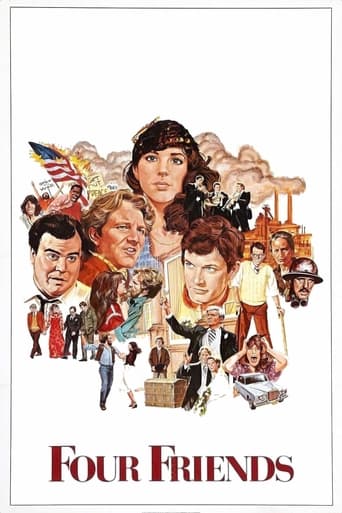
6.8A young immigrant comes to America in the 60s and is caught up in the counterculture movement which tests his bonds of friendship and love.
Four Friends
1981
6.8A young immigrant comes to America in the 60s and is caught up in the counterculture movement which tests his bonds of friendship and love.
Four Friends
1981
 5.9
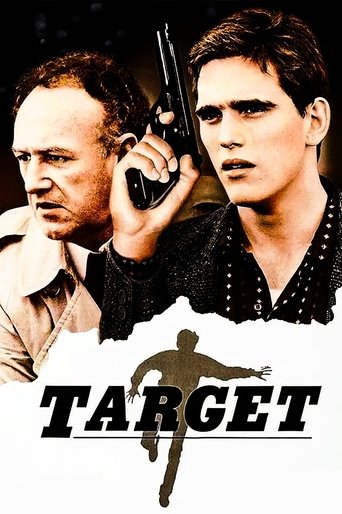
5.9A Texan with a secret past searches Europe with his son after the KGB kidnaps his wife.
Target
1985
 5.8
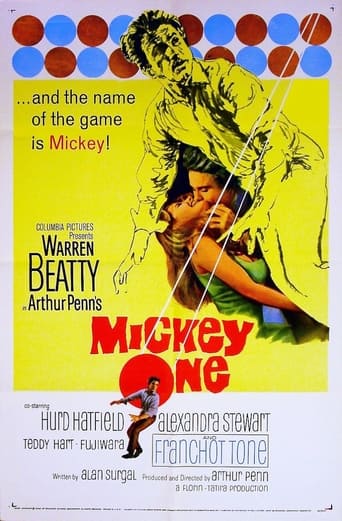
5.8A former comic is on the run from the mob.
Mickey One
1965
5.8A former comic is on the run from the mob.
Mickey One
1965
 6.2
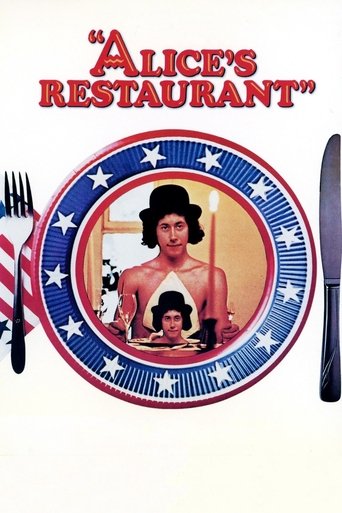
6.2After getting kicked out of college, Arlo decides to visit his friend Alice for Thanksgiving dinner. After dinner is over, Arlo volunteers to take the trash to the dump but finds it closed for the holiday, so he dumps the trash in the bottom of a ravine. This act of littering gets him arrested and sends him on a bizarre journey.
Alice's Restaurant
1969
6.2After getting kicked out of college, Arlo decides to visit his friend Alice for Thanksgiving dinner. After dinner is over, Arlo volunteers to take the trash to the dump but finds it closed for the holiday, so he dumps the trash in the bottom of a ravine. This act of littering gets him arrested and sends him on a bizarre journey.
Alice's Restaurant
1969
7.1Eight acclaimed filmmakers bring their unique and differing perspectives to the 1972 Summer Olympic Games held in Munich. The segments include Lelouch's take on Olympic losers and their struggle to remain dignified even in the face of bitter disappointment and defeat; Zetterling's dramatic exploration of the world of weightlifting; and Pfleghar's piece on young Russian gymnast Ludmilla Tourischev's majestic performance on the uneven bars.
Visions of Eight
1973
 9.0
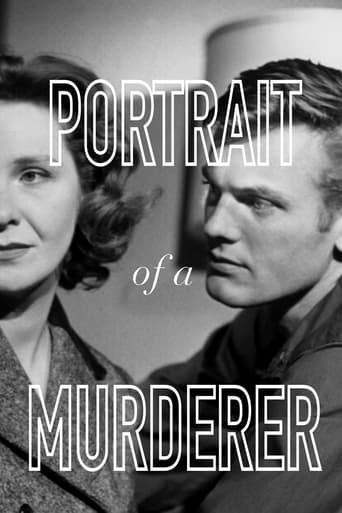
9.0Based on a true story, Donald Bashor robs and bludgeons two women to their deaths. While committing the crimes he maintans a normal existence with his girlfriend Florry.
Portrait of a Murderer
1958
 NR
NRA gunfighter is terrorizing a small western town. The townspeople finally pool their money to a hire another gunfighter to drive him out of town. The townsfolk thought they had it bad until they handed the reigns over to the new terror. Pooling their money again, this time to hire Jeffers to get rid of Dancer.
Invitation to a Gunfighter
1957
 5.6
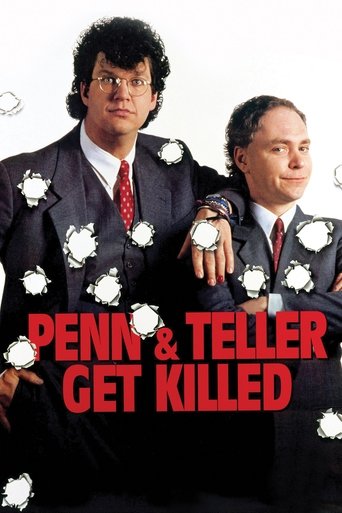
5.6The "bad boys of magic" go over the edge in this mind-blowing, role-switching comedy murder mystery set in the dizzying world of Atlantic City casinos. In a TV interview, Penn mentions his idea of a fun practical joke: "I wish someone were trying to kill me. It would give focus to my life, excitement. I'd be like James Bond." Twenty million people hear him. One decides to deliver a punchline he'll never forget. Made by people who thought Psycho was a comedy, Penn & Teller Get Killed (they also wrote the piece) features Caitlin Clarke as the femme fatale and David Patrick Kelly as the Edgar Allan Poe-esque nutcase with a new mission. Arthur Penn, known for hip masterpieces like Bonnie and Clyde, Alice's Restaurant and Little Big Man, directs with roller-coaster pacing and subversive intelligence.
Penn & Teller Get Killed
1989
5.6The "bad boys of magic" go over the edge in this mind-blowing, role-switching comedy murder mystery set in the dizzying world of Atlantic City casinos. In a TV interview, Penn mentions his idea of a fun practical joke: "I wish someone were trying to kill me. It would give focus to my life, excitement. I'd be like James Bond." Twenty million people hear him. One decides to deliver a punchline he'll never forget. Made by people who thought Psycho was a comedy, Penn & Teller Get Killed (they also wrote the piece) features Caitlin Clarke as the femme fatale and David Patrick Kelly as the Edgar Allan Poe-esque nutcase with a new mission. Arthur Penn, known for hip masterpieces like Bonnie and Clyde, Alice's Restaurant and Little Big Man, directs with roller-coaster pacing and subversive intelligence.
Penn & Teller Get Killed
1989
 NR
NRLord Fancourt Babberley is forced to disguise himself as a woman - his aunt from Brazil, "where the nuts come from".
Where's Charley?
1957
 NR
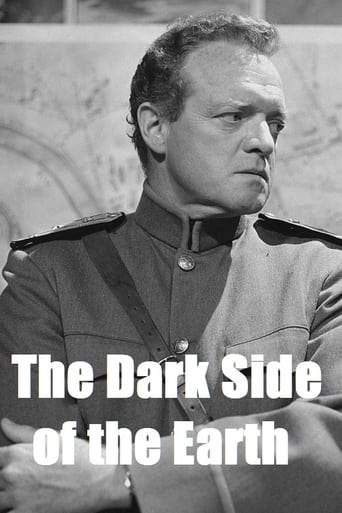
NRA drama set in 1956, during the unsuccessful Hungarian uprising against the Russians.
The Dark Side of the Earth
1957
 6.0
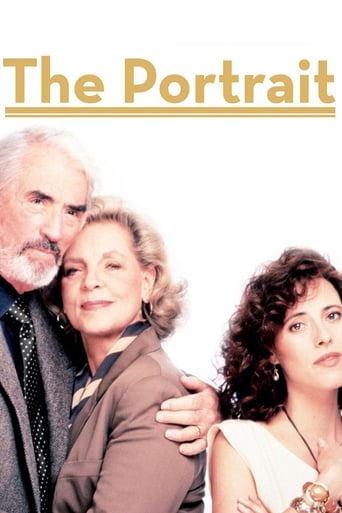
6.0After a long absence, artist Margaret Church returns to her aging parent's home to finish a portrait of them, only to to discover that her parents have decided to sell their home.
The Portrait
1993
NRThe story of Anne Sullivan's struggle to teach the blind and deaf Helen Keller how to communicate.
The Miracle Worker
1957
 4.8
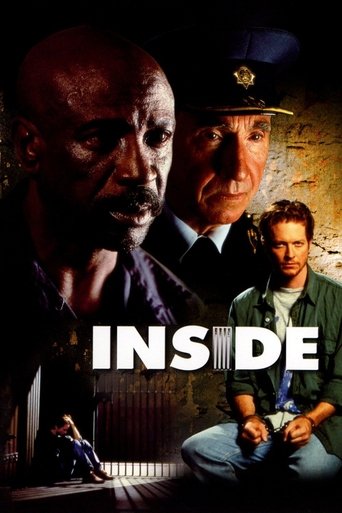
4.8A South African political prisoner is tortured to obtain information on apartheid conspirators. Ten years later, the head officer in charge of the questioning is similarly held as prisoner and questioned about his past offenses.
Inside
1996
 6.0
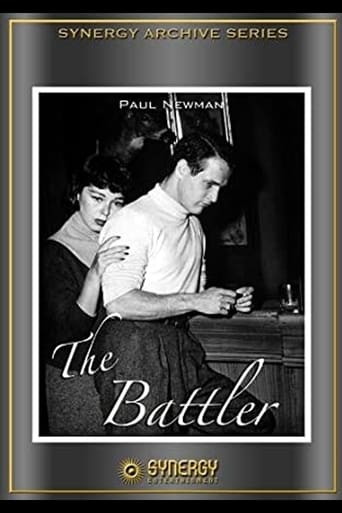
6.0Wandering around America, young Nick Adams encounters a washed-up punch-drunk boxer known as "The Battler".
The Battler
1955