
Directing
Aline Juárez
Place of birth
Mexico City, Mexico
Known for
Directing
Credits
2 titles
Aline Juárez, born in Mexico City and based in Berlin for over a decade, is a filmmaker and cinematographer whose work centers on migrant and diasporic communities, weaving stories across Latin America and Europe. She has directed and collaborated on projects in Germany, Spain, Portugal, Serbia, Brazil, Chile, and Mexico, often exploring socio-environmental struggles through a feminist and decolonial lens. Selected works include Hybrid Zone (Director, 2024, Babelsberg Konrad Wolf), Frutos de Resistencia (Director & Cinematographer, 2023, Interbrigadas e.V.), and Wären Sie mal besser zu Hause geblieben (Director, 2020).
Known for
Behind the camera
 10.0
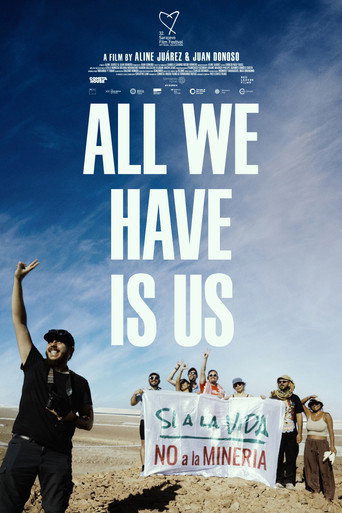
Filmed over five years across the salt flats of Chile’s Atacama Desert and the fertile valleys of Serbia’s Jadar, ALL WE HAVE IS US chronicles the interconnected resistance against multinational mining giant Rio Tinto. Co-directors Aline Juárez and Juan Donoso follow Aymara journalist and land defender Leyla Noriega, actor Bojana Novaković, socio-environmental researcher and photgrapher Ramón Balcázar, and rural beekeeper Vladan Jakovljević. Refusing the tropes of passive victimhood, the film captures an intimate, choral portrait of agency and dignity—where community radio, ancestral memory, street protests, and cross-continental solidarity expose the hidden ecological and democratic costs powering Europe’s green energy transition and militarization.
All We Have Is Us
2026
10.0Filmed over five years across the salt flats of Chile’s Atacama Desert and the fertile valleys of Serbia’s Jadar, ALL WE HAVE IS US chronicles the interconnected resistance against multinational mining giant Rio Tinto. Co-directors Aline Juárez and Juan Donoso follow Aymara journalist and land defender Leyla Noriega, actor Bojana Novaković, socio-environmental researcher and photgrapher Ramón Balcázar, and rural beekeeper Vladan Jakovljević. Refusing the tropes of passive victimhood, the film captures an intimate, choral portrait of agency and dignity—where community radio, ancestral memory, street protests, and cross-continental solidarity expose the hidden ecological and democratic costs powering Europe’s green energy transition and militarization.
All We Have Is Us
2026