
Directing
Zelito Viana
Born
1938-05-05 (88)
Place of birth
Fortaleza, Ceará, Brazil
Known for
Directing
Credits
55 titles
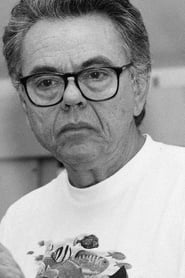
José Viana de Oliveira Paula (Fortaleza, May 5, 1938), better known as Zelito Viana, is a Brazilian filmmaker.
Known for
 8.0
8.0No synopsis available yet.
Chico Anysio: Um Homem à Procura de Um Personagem
2025
 NR
NRThe historical, political, and social context of Brazil in the 1960s, 1970s, and 1980s, and the impact of each decade on the life and work of the acclaimed actress Marília Pêra.
Viva Marília
2026
 6.1
6.1Four love stories which portray a wide gamut of emotions and desires against the backdrop of Rio de Janeiro. "Elephant's Stomp" : the story of a highway patrol officer who is infatuated with a mulatto dancer at a local nightclub. "Drao" : a publicity man and a boutique owner who face a crises in their marriage. "You Are Beautiful" : two homeless teenagers seek love amidst their personal misery. "Samba of the Great Passion" : a book maker who is charmed and captivated by the voice of a female singer coming from a building across the street. Characters in search of love in order to escape from the boredom, loneliness and helplessness of their lives.
Rio's Love Song
1994
 7.5
7.5João Goulart (known as Jango) had been democratically elected president of Brazil, but was expelled from office after the coup of April 1, 1964. After that, Jango lived in exile in Argentina, where he died in 1976. The circumstances of his death in the neighboring country were not well explained today. His body was buried immediately after his death, raising the suspicions of premeditated murder. This documentary brings the issue back to the fore and tries to publicly clarify some obscure facts of the history of Brazil.
Dossiê Jango
2013
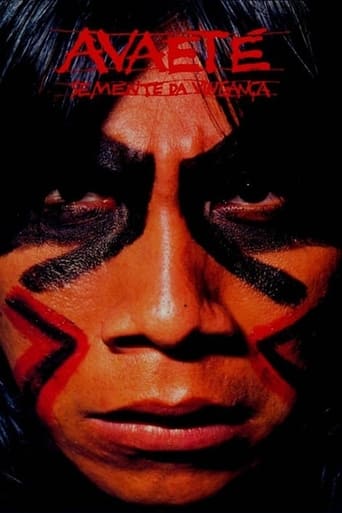 5.2
5.2Little Indian boy survives his tribe massacre, growing up together with his wish for revenge and his quest for his own identity. Based on a true story.
Avaete, Seed of Revenge
1985
 5.0
5.0No synopsis available yet.
Choque Cultural
1977
Film credits
2020s · 2 titles
 NR
NRArmando Costa was one of Brazil's most successful authors, both in terms of audience and critical acclaim, responsible for shows like "A Grande Família" and "Malu Mulher." Despite this, he didn't care about fame or signing his works.
Armando Costa: “Televisão pra Mim Não é Bico”
2024
 7.0
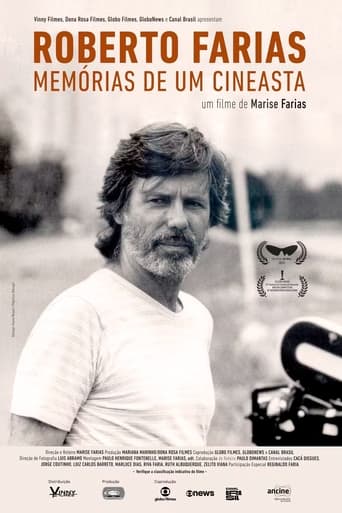
7.0Filmmaker Roberto Farias' passion for cinema is revealed by his daughter Marise Farias through an intimate look, from childhood to his political, economic and cultural role in Brazilian Cinema. Through Roberto Farias himself and friends such as Luís Carlos Barreto, Cacá Diegues and Zelito Viana, the film tells the stories of the director who achieved a direct dialogue with the public through successes such as O Assalto ao Trem Pagador (1962), the trilogy with singer Roberto Carlos (1968 to 1971) and Pra Frente Brasil (1982). Texts from an unpublished book of memories are interpreted by his brother, actor Reginaldo Faria.
Roberto Farias - Memórias de um Cineasta
2023
2010s · 4 titles
7.5João Goulart (known as Jango) had been democratically elected president of Brazil, but was expelled from office after the coup of April 1, 1964. After that, Jango lived in exile in Argentina, where he died in 1976. The circumstances of his death in the neighboring country were not well explained today. His body was buried immediately after his death, raising the suspicions of premeditated murder. This documentary brings the issue back to the fore and tries to publicly clarify some obscure facts of the history of Brazil.
Dossiê Jango
2013
 5.0
5.0Cacaso, a Brazilian poet, lived in Rio de Janeiro. Born Antonio Carlos de Brito (1944-1987) he was one of the leaders of the marginal poetry movement. Cacaso filled notebooks not only with poems but reflections, drawings and collages. He also became a lyricist and partner of celebrated songwriters such as Tom Jobim, Edu Lobo, Toninho Horta, João Donato and Sivuca.
Cacaso
2016
 7.0
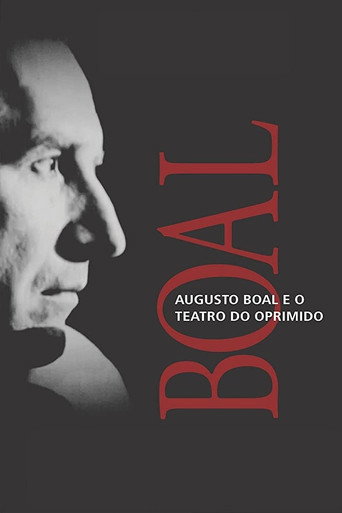
7.0The movie "Augusto Boal and the Theatre of the Oppressed" shows the path of the dramaturgo Augusto Boal at the creation of a theatre that has as objective to transform those who participate it in a spiral of changes, in an oppressing society. Along the trajectory we see Boal's intellectual search and the transformations of the Brazilian society, from the 60s to nowadays. The spectator will meet the numerous uses of the Theatre of the Oppressed around the world (there are groups in 77 countries) and how they manifest in different situations, characterized by the relation between the oppressor and the oppressed, from the biggest to the smallest powers.
Augusto Boal and the Theatre of the Oppressed
2010
 6.7
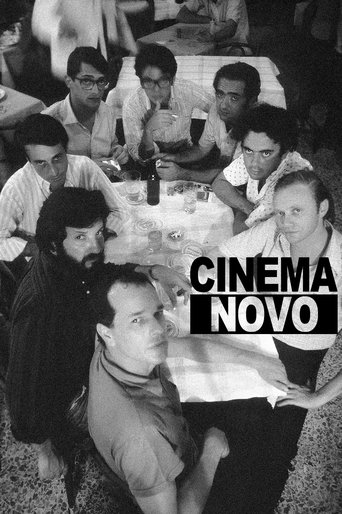
6.7A deep investigation, in the way of a poetic essay, on one of the main Latin American movements in cinema, analyzed via the thoughts of its main authors, who invented, in the early 1960s, a new way of making movies in Brazil, with a political attitude, always near to people's problems, that combined art and revolution.
Cinema Novo
2016
2000s · 4 titles
 6.3
6.3Documentary about Brazilian filmmaker Glauber Rocha, one of the most important names in the Cinema Novo, with interviews with some of his friends and colleagues.
Glauber Rocha - The Movie, Brazil's Labyrinth
2003
 2.0
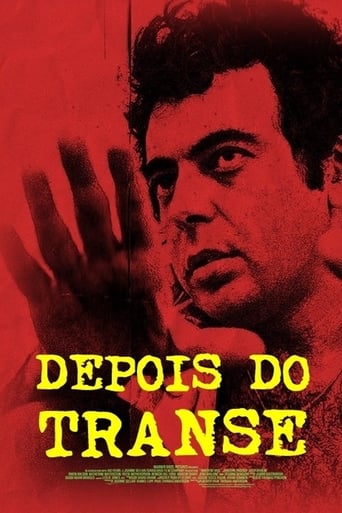
2.0The documentary "Depois do Transe" covers the entire process of creating the masterpiece "Entranced Earth", which was released and awarded at the Cannes Film Festival in 1967. "Entranced Earth" charmed the world and won great admirers such as filmmaker Martin Scorsese and the writer Marguerite Duras, who at the time considered a "fabulous filmic opera."
Depois do Transe
2006
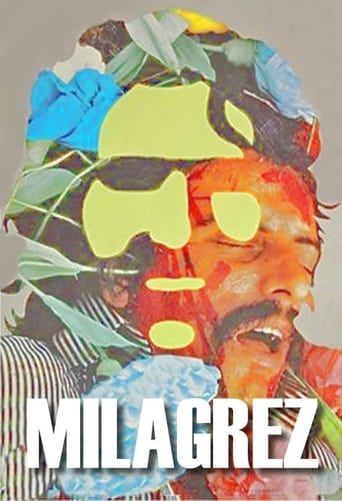 NR
NRDocumentary on "Antonio das Mortes", Glauber Rocha's 1969 film.
Milagrez
2008
 NR
NRNo synopsis available yet.
Chico Anysio É
2006
1990s · 2 titles


Series credits
Behind the camera
NRThe historical, political, and social context of Brazil in the 1960s, 1970s, and 1980s, and the impact of each decade on the life and work of the acclaimed actress Marília Pêra.
Viva Marília
2026
6.1Four love stories which portray a wide gamut of emotions and desires against the backdrop of Rio de Janeiro. "Elephant's Stomp" : the story of a highway patrol officer who is infatuated with a mulatto dancer at a local nightclub. "Drao" : a publicity man and a boutique owner who face a crises in their marriage. "You Are Beautiful" : two homeless teenagers seek love amidst their personal misery. "Samba of the Great Passion" : a book maker who is charmed and captivated by the voice of a female singer coming from a building across the street. Characters in search of love in order to escape from the boredom, loneliness and helplessness of their lives.
Rio's Love Song
1994
5.2Little Indian boy survives his tribe massacre, growing up together with his wish for revenge and his quest for his own identity. Based on a true story.
Avaete, Seed of Revenge
1985
5.2Little Indian boy survives his tribe massacre, growing up together with his wish for revenge and his quest for his own identity. Based on a true story.
Avaete, Seed of Revenge
1985
5.0No synopsis available yet.
Choque Cultural
1977
5.0No synopsis available yet.
Choque Cultural
1977
 8.4
8.4Eduardo Coutinho was filming a movie with the same name in the Northeast of Brazil, in 1964, when there came the military coup. He had to interrupt the project, and came back to it in 1981, looking for the same places and people, showing what had ocurred since then, and trying to gather a family whose patriarch, a political leader fighting for rights of country people, had been murdered.
Twenty Years Later
1984
 6.0
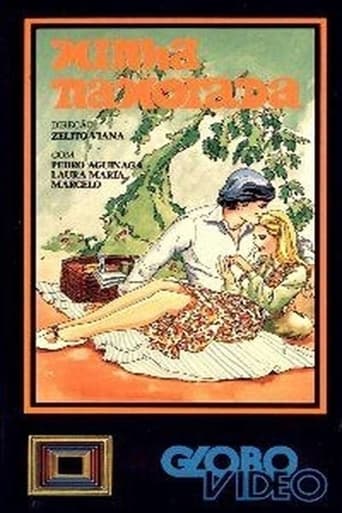
6.0Middle-class teenage girl has a serious boyfriend that her parents approve of. Suddenly, she meets another boy with whom she is shown to have a greater identification.
Minha Namorada
1970
6.0Middle-class teenage girl has a serious boyfriend that her parents approve of. Suddenly, she meets another boy with whom she is shown to have a greater identification.
Minha Namorada
1970
6.0Middle-class teenage girl has a serious boyfriend that her parents approve of. Suddenly, she meets another boy with whom she is shown to have a greater identification.
Minha Namorada
1970
 NR
NRNo synopsis available yet.
A Arte existe porque a vida não basta
2016
 NR
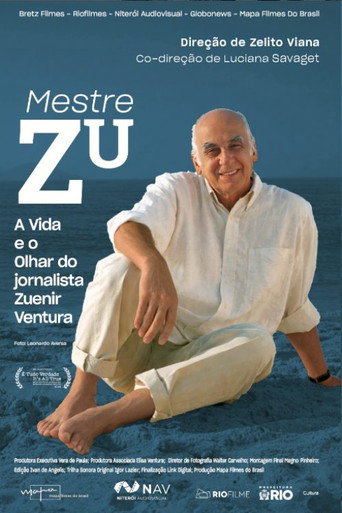
NRNo synopsis available yet.
Mestre Zu
2026
 7.9
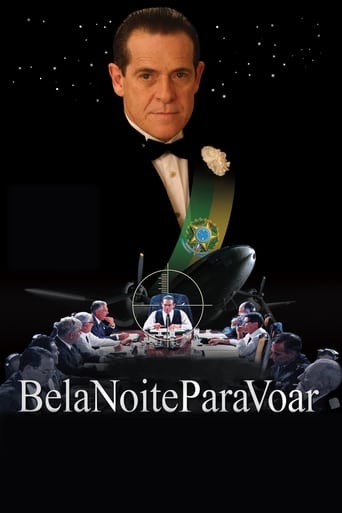
7.9A day in the life of Brazilian president Juscelino Kubitschek, in a troubled period of his term, while he maintains a secret love affair.
Bela Noite Para Voar
2009
7.9A day in the life of Brazilian president Juscelino Kubitschek, in a troubled period of his term, while he maintains a secret love affair.
Bela Noite Para Voar
2009
 NR
NRPaulo Martins, a soap opera actor at the peak of his career, believes he has achieved everything he ever wanted: fame, recognition, and money. While filming, he receives news of the death of his father, whom he hasn't seen in 30 years. This event forces him to return to the Amazon rainforest, to the banks of the Tapajós River, where he embarks on a deeply personal journey through memories, reunions, and old wounds that could forever transform his relationship with the past.
Seduction
2026
NRPaulo Martins, a soap opera actor at the peak of his career, believes he has achieved everything he ever wanted: fame, recognition, and money. While filming, he receives news of the death of his father, whom he hasn't seen in 30 years. This event forces him to return to the Amazon rainforest, to the banks of the Tapajós River, where he embarks on a deeply personal journey through memories, reunions, and old wounds that could forever transform his relationship with the past.
Seduction
2026
 5.8
5.8In a fictitious country, a civil servant receives the greatest inheritance in history (ten trillion dollars) and is confined by authorities to prevent a collapse of the world economy. But he manages to escape.
The Man Who Bought the World
1968
 6.0
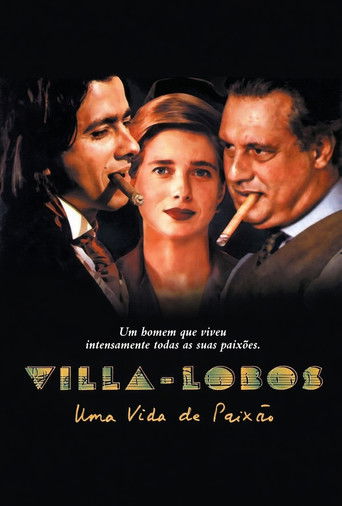
6.0The film tells the story of an intuitive, adventurous man who loved his country and being Brazilian. This man fought to be loyal to himself. His music is a transparent portrait of his genius, intuition, freedom, adventure and passion for Brazil.
Villa-Lobos: A Life of Passion
2000
6.0The film tells the story of an intuitive, adventurous man who loved his country and being Brazilian. This man fought to be loyal to himself. His music is a transparent portrait of his genius, intuition, freedom, adventure and passion for Brazil.
Villa-Lobos: A Life of Passion
2000
 6.4
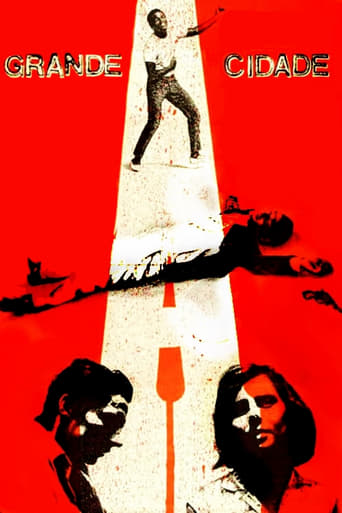
6.4In search of a better life, Luzia leaves the Northeast of Brazil and goes to Rio de Janeiro, looking for her fiance who went first to pave their way. Alone in the Marvelous City, she is forced to accept the friendship and protection of Calunga and, later, the company of Inácio.
The Big City
1966
 7.0
7.0Erotic comedy in five segments, starring the same actor, Chico Anysio: O Torneio (The Tournament), A Boca (The Mouth), O Filminho (The Short Film), A Suspeita (The Suspicion) and O Apartamento (The Apartment).
O Doce Esporte do Sexo
1971
7.0Erotic comedy in five segments, starring the same actor, Chico Anysio: O Torneio (The Tournament), A Boca (The Mouth), O Filminho (The Short Film), A Suspeita (The Suspicion) and O Apartamento (The Apartment).
O Doce Esporte do Sexo
1971
 6.0
6.0In São Paulo, during the 1920s, a woman who is loved by a telegraphist and seduced by a slacker ends up in prostitution.
Os Condenados
1974
6.0In São Paulo, during the 1920s, a woman who is loved by a telegraphist and seduced by a slacker ends up in prostitution.
Os Condenados
1974
No synopsis available yet.
Fantasia para Ator e TV
1968
 10.0
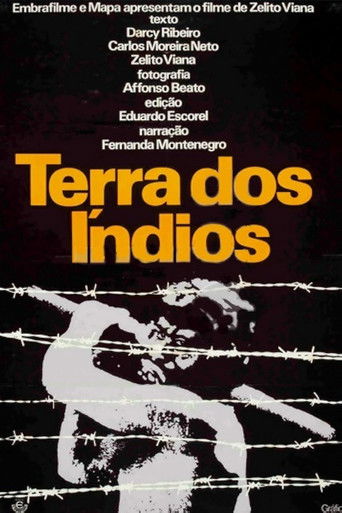
10.0A collection of testimonies from Brazilian indigenous people about the interests of FUNAI (National Foundation for Indigenous Peoples), multinational corporations, and large landowners behind the disastrous policy of indigenous emancipation in Brazil. Narrated by Fernanda Montenegro.
Terra dos Índios
1979
10.0A collection of testimonies from Brazilian indigenous people about the interests of FUNAI (National Foundation for Indigenous Peoples), multinational corporations, and large landowners behind the disastrous policy of indigenous emancipation in Brazil. Narrated by Fernanda Montenegro.
Terra dos Índios
1979
10.0A collection of testimonies from Brazilian indigenous people about the interests of FUNAI (National Foundation for Indigenous Peoples), multinational corporations, and large landowners behind the disastrous policy of indigenous emancipation in Brazil. Narrated by Fernanda Montenegro.
Terra dos Índios
1979
7.0The movie "Augusto Boal and the Theatre of the Oppressed" shows the path of the dramaturgo Augusto Boal at the creation of a theatre that has as objective to transform those who participate it in a spiral of changes, in an oppressing society. Along the trajectory we see Boal's intellectual search and the transformations of the Brazilian society, from the 60s to nowadays. The spectator will meet the numerous uses of the Theatre of the Oppressed around the world (there are groups in 77 countries) and how they manifest in different situations, characterized by the relation between the oppressor and the oppressed, from the biggest to the smallest powers.
Augusto Boal and the Theatre of the Oppressed
2010
 5.0
5.0An essay around the streets, as an homage to Fernando Pessoa
Drumming Beat of the Stars
2012
 6.5
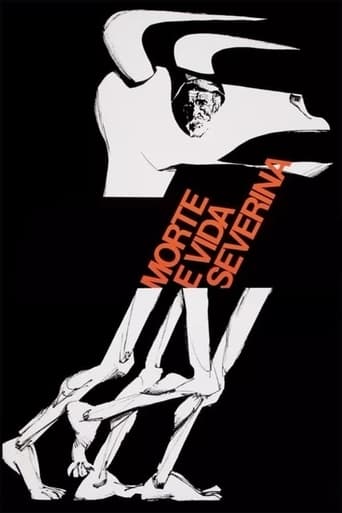
6.5The story of Severino, a man who tries to escape the misery and the drought prevailing in the rural backcountry of the Northeast of Brazil. He heads for Recife, passing through desert and forest regions, expecting to find a better life.
Morte e Vida Severina
1977
6.5The story of Severino, a man who tries to escape the misery and the drought prevailing in the rural backcountry of the Northeast of Brazil. He heads for Recife, passing through desert and forest regions, expecting to find a better life.
Morte e Vida Severina
1977
 NR
NRNo synopsis available yet.
Por Trás das Câmeras (II)
1978
 NR
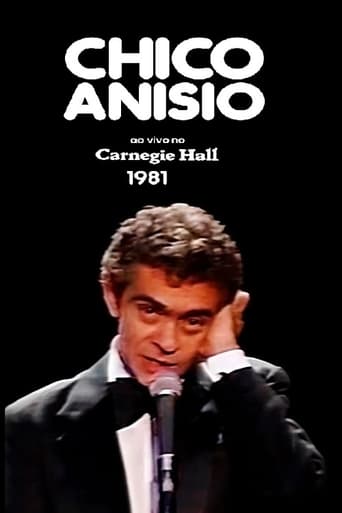
NRNo synopsis available yet.
Chico Anísio Ao Vivo no Carnegie Hall
1981
 6.8
6.8A report on Sarney's inauguration as the governor of the Maranhão state. His promises are heard alongside images of the grim reality.
Maranhão 66
1966
NRNo synopsis available yet.
Chico Anysio É
2006
 NR
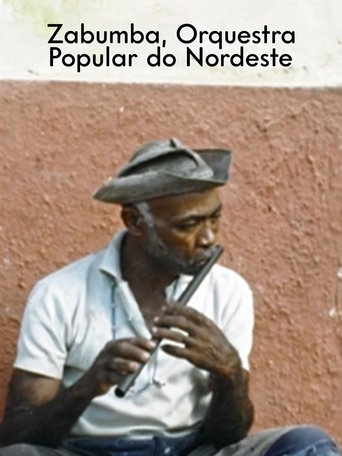
NRPopular manifestation in extinction, presented with its local musicians and their handmade instruments.
Zabumba, Orquestra Popular do Nordeste
1974
 7.5
7.5Documents the arrival of progress with the construction of the Belém-Brasília highway, to improve the living conditions of the people in the cities in the interior of the country. It also presents interviews with people from the region, who express their opinion about the benefits brought by the highway.
Rodovia Belém - Brasília
1973
 NR
NRDocumentary about the historic interview conducted by director Zelito Viana with Darcy Ribeiro about the Brazilian indigenous people in 1977. Actor Marcos Palmeira reproduces the anthropologist's lines.
Da Terra dos Índios aos Índios Sem Terra
2022
 NR
NRNo synopsis available yet.
Aparecida Azedo: Uma Vida em 24 Quadros
2005