
Directing
Pier Paolo Pasolini
Born — Died
1922-03-05 — 1975-11-02
Place of birth
Bologna, Emilia-Romagna, Italy
Known for
Directing
Credits
101 titles
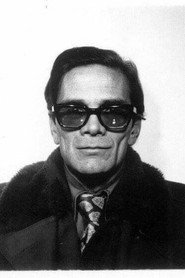
Pier Paolo Pasolini (March 5, 1922 – November 2, 1975) was an Italian film director, poet, writer, and intellectual. Pasolini distinguished himself as a poet, journalist, philosopher, linguist, novelist, playwright, filmmaker, newspaper and magazine columnist, actor, painter and political figure. He demonstrated a unique and extraordinary cultural versatility, becoming a highly controversial figure in the process.
Known for
 8.0
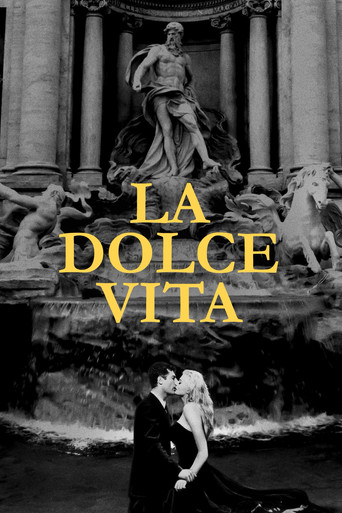
8.0Episodic journey of journalist Marcello who struggles to find his place in the world, torn between the allure of Rome's elite social scene and the stifling domesticity offered by his girlfriend, all the while searching for a way to become a serious writer.
La Dolce Vita
1960
 7.4
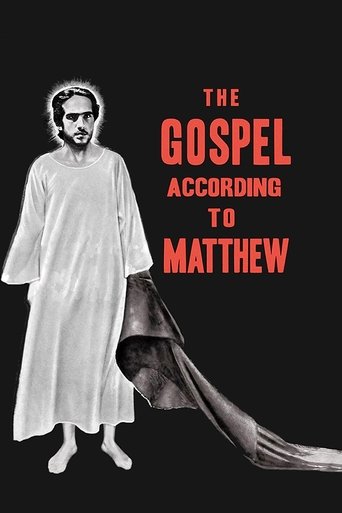
7.4Along a rocky, barren coastline, Jesus begins teaching, primarily using parables. He attracts disciples; he's stern, brusque, and demanding. His parables often take on the powers that be, so he and his teachings come to the attention of the Pharisees, the chief priests, and elders. They conspire to have him arrested, beaten, tried, and crucified, just as he prophesied to his followers.
The Gospel According to St. Matthew
1965
 6.3
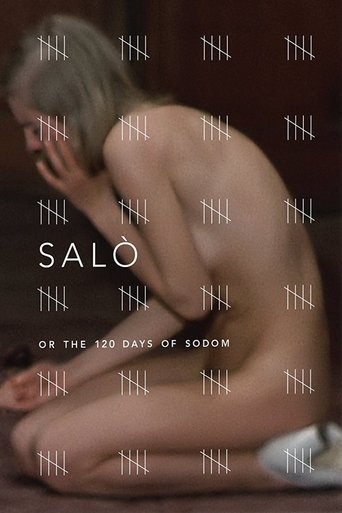
6.3Four corrupted fascist libertines round up 9 teenage boys and girls and subject them to 120 days of sadistic physical, mental and sexual torture.
Salò, or the 120 Days of Sodom
1976
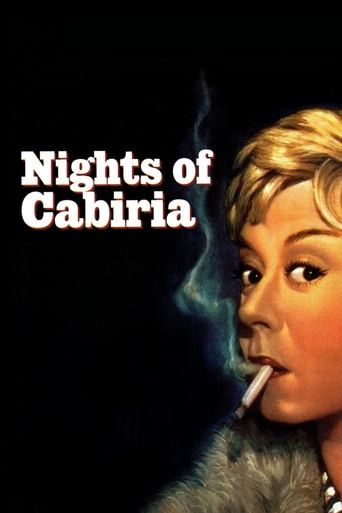 8.0
8.0Rome, 1957. A woman, Cabiria, is robbed and left to drown by her boyfriend, Giorgio. Rescued, she resumes her life and tries her best to find happiness in a cynical world. Even when she thinks her struggles are over and she has found happiness and contentment, things may not be what they seem.
Nights of Cabiria
1957
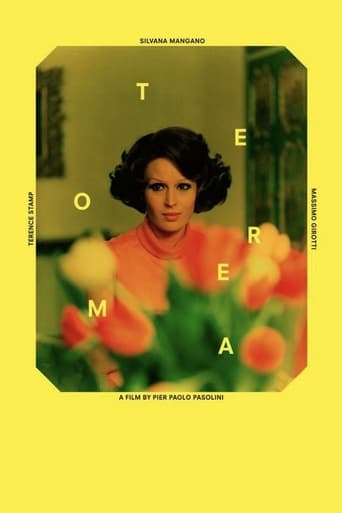 7.0
7.0A wealthy Italian household is turned upside down when a handsome stranger arrives, seduces every family member and then disappears. Each has an epiphany of sorts, but none can figure out who the seductive visitor was or why he came.
Theorem
1968
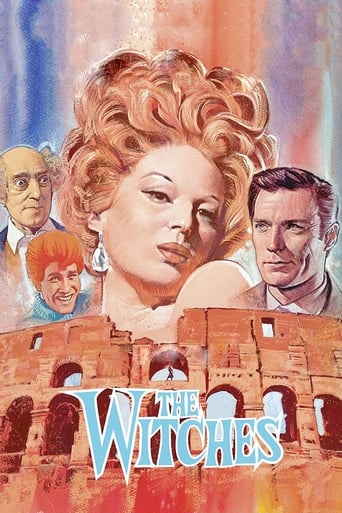 6.0
6.0Five short stories loosely dealing with the roles of women in society. A superstar actress travels to a mountain resort, only to evoke jealousy from women and lust from men. A woman offers to take an injured man to the hospital. A widowed father and his son seek for a new wife/mother. A man seeks revenge for a woman's honor. A bored housewife tries to explain to her husband that he's not as romantic as he used to be.
The Witches
1967
Film credits
2020s · 9 titles
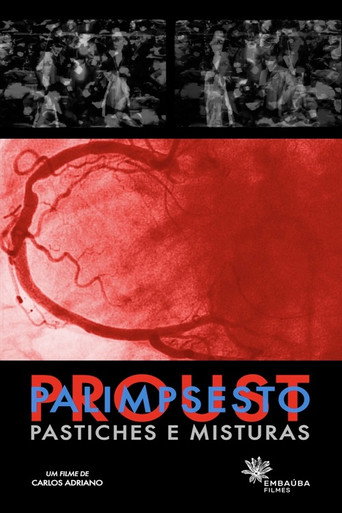 NR
NR"Proust Palimpsesto: Pastiches e Misturas" (2026) is a Brazilian film essay directed by Carlos Adriano. The film, which explores the impossibility of filming Marcel Proust's "In Search of Time That Flew", is presented as a collage of archival images and theories.
Proust Palimpsesto: Pastiches e Misturas
2026
 2.0
2.0We thought we'd seen, read, and heard everything there was to see about the Cannes Film Festival, from the glitz and gossip to the scandals and censorship. And yet, Emmanuel Barnault's "Morceaux de Cannes" (Pieces of Cannes), by this leading expert on Italian and French cinema, convinces us otherwise. The third largest event in the world (after the Olympic Games and the FIFA World Cup) reveals its secrets only sparingly, as this film attests. The result of passionate research in the INA archives, these 52 minutes, without interviews or voice-over narration, string together rare and sometimes previously unseen footage. Taken together, they tell a surprising, original, and heartwarming story of the Festival. On the beach, on a street corner, in a restaurant, or in the privacy of a hotel room, these forgotten archives summon the greatest filmmakers, actors, and actresses of the last seventy years, from Jean Cocteau to David Lynch, for an anthology of the Festival's history.
Morceaux de Cannes
2021
 7.5
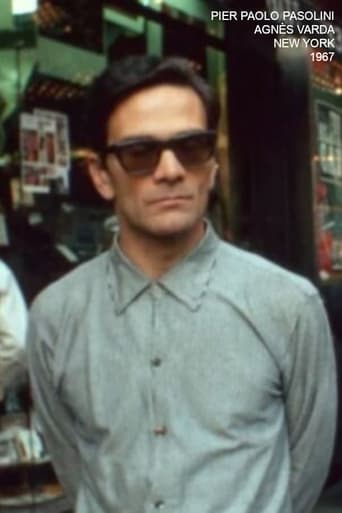
7.5Holding her 16mm camera, an optical prosthesis for a 20th-century stroller, Agnès Varda filmed 42nd Street in NYC in 1967, filming crowds of passers-by to the beat of the Doors. Recovered from the French director's boxes, with images of Varda, Pasolini and New York. Pasolini is shown walking in the Big Apple (where he went to present 'Hawks and Sparrows').
Pier Paolo Pasolini - Agnès Varda - New York - 1967
2022
 NR
NRThe confrontation of reality and dream.
imagenaction
2024
 6.0
6.0The life of the legendary Italian photojournalist Paolo Di Paolo through his photographs, which capture the essence of a fascinating and turbulent Italy, the one inhabited by Anna Magnani and Pier Paolo Pasolini, a country that no longer exists.
The Treasure of His Youth: The Photographs of Paolo Di Paolo
2021
 3.2
3.2A unique chance to explore Pier Paolo Pasolini's youth through the voice and the body of his direct cousin, writer and poet Nico Naldini.
In a Future April: The Young Pasolini
2020
 7.5
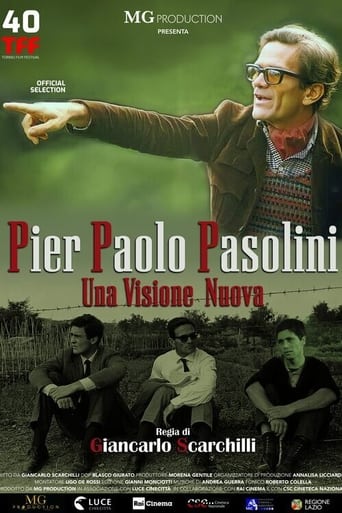
7.5The documentary focuses on some decisive encounters for Pasolini's intellectual parable with the great Oscars of Italian cinema: from Bernardo Bertolucci to Dante Ferretti, from Ennio Morricone to Danilo Donati.
Pier Paolo Pasolini - Una visione nuova
2023
 NR
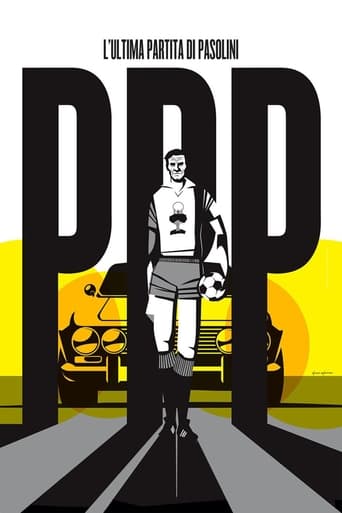
NROn September 14, 1975, Pier Paolo Pasolini played his last game of football, before his death, in San Benedetto del Tronto. “The last match of Pasolini” starts from a pretext of a football game, to tell a historical period that was fundamental for the whole of Italy, with its contradictions and tragedies, through an apparently playful vision of Pasolini, but that allows us to understand better the importance of the Italian poet and director.
L’Ultima Partita di Pasolini
2020
 7.7
7.73,700 km of coastline, a Fiat 1100, and an old travel diary, those are the ingredients for Pepe Danquart’s documentary. Following the footsteps of the great Italian thinker Pier Paolo Pasolini, the filmmaker gains a deep insight into the social reality of present-day Italy. The country is massively affected by globalization, migration and the phenomenon of mass tourism, which, more than ever, is characterised by the same hedonistic conformity that Pasolini lamented more than fifty years ago. Ahead of me the South is a poetic contemporary document, a kaleidoscopic picture of the Italy of today.
Vor mir der Süden
2021
2010s · 6 titles
 4.8
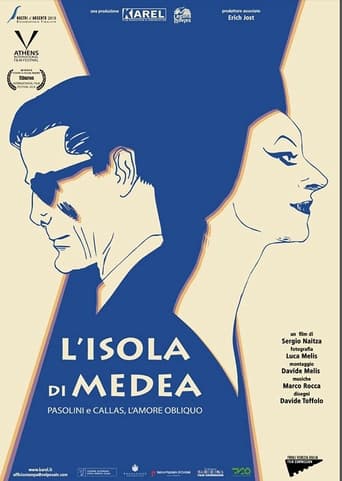
4.8On the 40th anniversary of the death of Maria Callas (September 16, 1977), with footage never seen before from Pier Paolo Pasolini's film MEDEA, this film celebrates the genius and sensibility of two icons of the XX century.
The Isle of Medea
2016
 7.0
7.0In the summer of 1959, as a magazine correspondent, writer and filmmaker Pier Paolo Pasolini (1922-75) traveled along the Italian coast. In 1963, he documented the sexual behavior of the Italians. In the winter of 1970-71, he witnessed the hardships of the most impoverished Italian population suffering from the boot of state power. After these three trips, he came to the conclusion that Italian society had changed drastically for the worse over the years.
Pier Paolo Pasolini: An Italian Journey
2018
 4.2
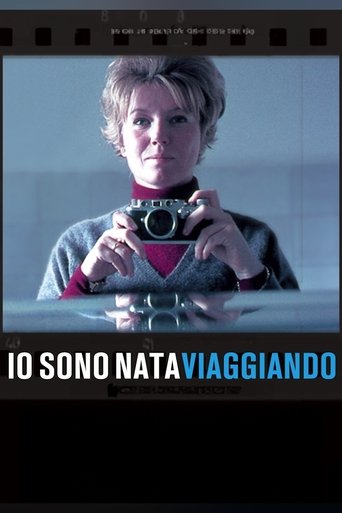
4.2A journey back through Dacia Maraini's and her trips around the world with her close friends cinema director Pier Paolo Pasolini and opera singer Maria Callas. An in-depth story of this fascinating woman's life. Maraini's memories come alive through personal photographs taken on the road as well as her own Super 8 films shot almost thirty years ago.
Io sono nata viaggiando
2013
 NR
NRFor Pasolini, Rome is neither just a simple setting or a place to live. Rome had a physical, carnal and passionate existence for the man and the poet.
Pasolini, la passion de Rome
2014
 10.0
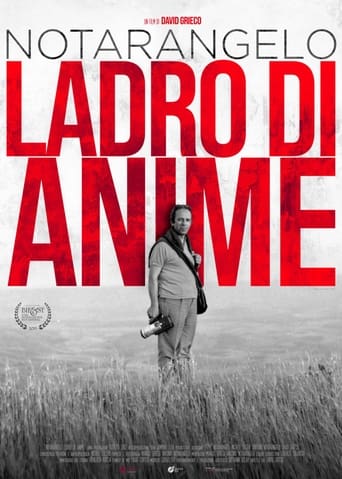
10.0David Griecos documentary showcases the underappreciated photography of Domenico Notarangelo, and through it, tells the story of Matera, it's people and it's history.
Notarangelo the Soul Hunter
2019
 NR
NRA documentary about Tonino Delli Colli, a man of cinema and cinematography, and one of the greatest performers of the Arte della Luce and of photography in movement.
Once Upon a Time: Tonino Delli Colli, Cinematographer
2019
2000s · 16 titles
 6.8
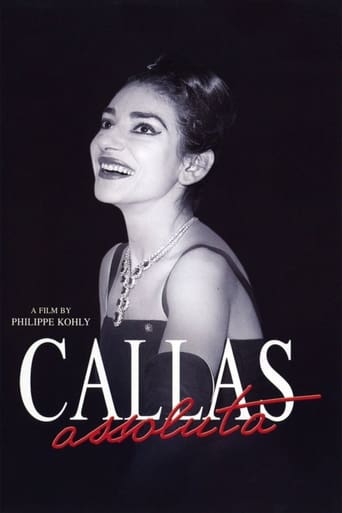
6.8This revealing documentary from director Philippe Kohly examines the storied life of renowned soprano Maria Callas, from her troubled childhood in New York City to her scandal-laden but triumphant international career in opera. Featuring archival interviews with Callas herself and footage of contemporaries such as her lover Aristotle Onassis, this celebration of "La Divina" pays tribute to her enduring legacy some three decades after her death.
Callas Assoluta
2007
 4.0
4.0In relation to some of Pasolini's visits to Palermo for this last film, in 2000 Ciprì and Maresco shot Arruso, which begins with a phrase by Pasolini ("I banished the word hope from my vocabulary") and consists of imaginary interviews with some local characters who are presumed to have had homosexual relationships with the director. The two record the testimonies, sometimes affectionate others less, of those who had the opportunity to meet him and know the trends on the occasion of that trip.
Arruso
2000
 5.0
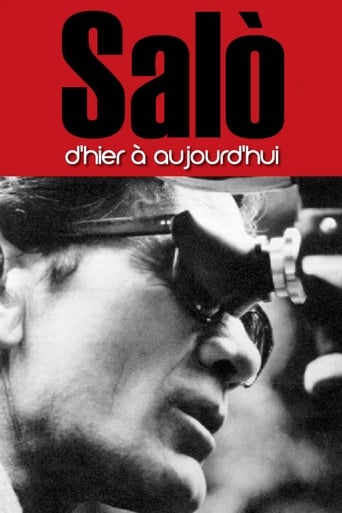
5.0A thirty-three-minute documentary featuring interviews with director Pier Paolo Pasolini, actor-filmmaker Jean-Claude Biette, and Pasolini friend Ninetto Davoli.
Salò: Yesterday and Today
2002
 6.5
6.5Part 5 of Godard's 8 part examination of the history of the concept of cinema and how it relates to the 20th century.
Histoire(s) du Cinéma 3a: The Coin of the Absolute
2006
 6.4
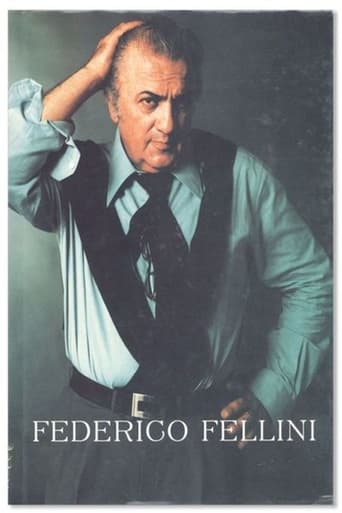
6.4Federico Fellini was one of the most individual and thought provoking directors who based most of his films upon his own reflections, dreams, life events and fantasies, who did not convey any special message for humanity but regarded cinema simply as entertainment. Is there an answer to everything? Can it possibly be? If yes, then life can no longer be so curious, so dynamic, so creative...
Federico Fellini's Autobiography
2000
 6.0
6.0Documentary about the making of Pier Paolo Pasolini's The Canterbury Tales (1972), and particularly focusing on the many edits and cut scenes that were made before the film's release.
Pasolini and the Secret Humiliation of Chaucer
2006
 NR
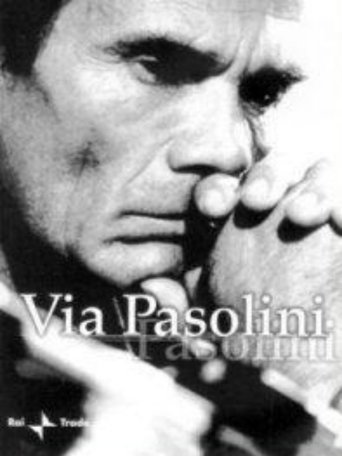
NRA documentary featuring archival footage of Pasolini discussing his views on language, film, and modern society.
Via Pasolini
2005
 NR
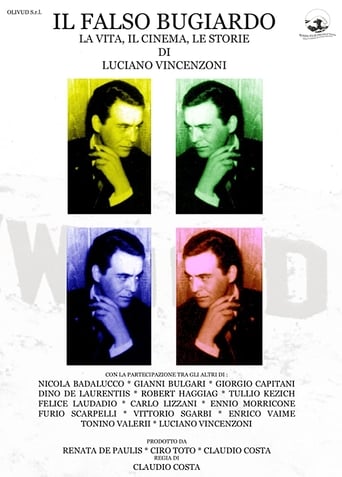
NRBased upon Vincenzoni's biography, "Pane e cinema", the documentary traces the story of the screen play writer who invented many stories that became blockbusters throughout the world.
Il falso bugiardo
2008
 6.5
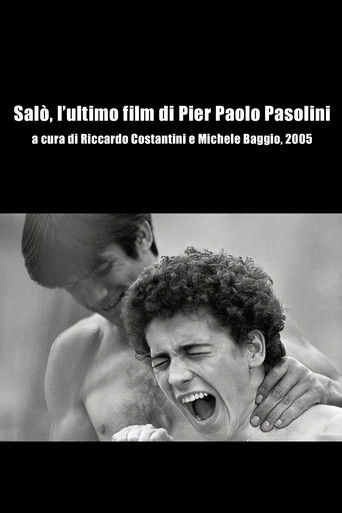
6.5A sequence of unpublished photographs by Deborah Beer taken during the filming of the torture scenes on the set of "Salo, or the 120 Days of Sodom" is accompanied by the voice - recorded by Gideon Bachmann - of Pier Paolo Pasolini who directs the actors: a portrait of the director and his way of working that testifies its determined and passionate “filmmaking"
Salò, l’ultimo film di Pier Paolo Pasolini
2005
No synopsis available yet.
Pasolini, el poeta en la playa
2000
 6.9
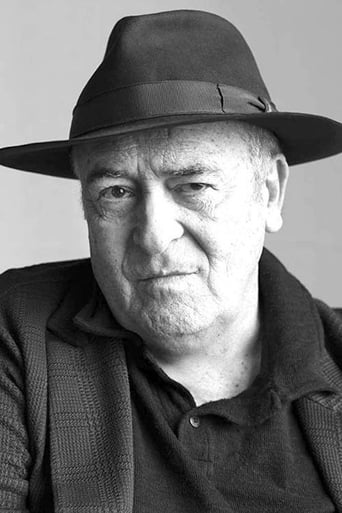
6.9It is a chronological compilation of film clips, awards ceremonies and brief period interviews gathered by journalist Sandro Lai.
Bernardo Bertolucci: What Is the Purpose of Cinema?
2002
 NR
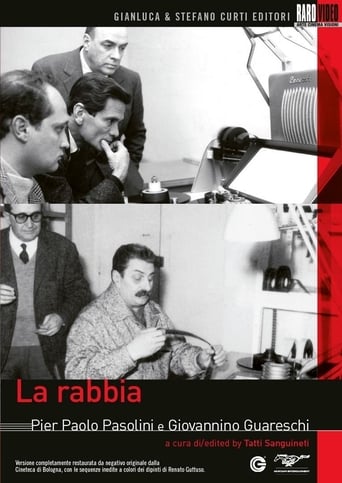
NRThe story of La Rabbia by Pier Paolo Pasolini and Giovanni Guareschi, a movie lost in the archives of a laboratory in Rome, and recently re-discovered.
La rabbia 1, la rabbia 2, la rabbia 3... l'Arabia
2008
 NR
NRNo synopsis available yet.
Der Sanfte Radikale
2005
 5.1
5.1We are on the set of "Salò or the 120 days of Sodom". Pasolini lets a small camera team led by the journalist Gideon Bachmann follow him around engaging him in a long and extraordinary interview/conversation. The interview turns into a long, clear-sighted and violent attack on society that accompanies photos of the set in a surprising juxtaposition of film and reality, revealing Pasolini's metaphorical portrait of modernity.
Pasolini prossimo nostro
2006
 NR
NRSome of the scenes cut from the final editing of Medea by Pier Paolo Pasolini, fortunately found by L’Officina - a historic Roman film club born in the 1970s - on the initiative of Cinemazero in Pordenone have been preserved and digitized at the Cineteca del Friuli. These materials, with the care of the Pasolini scholar Luciano De Giusti, have been reassembled, accompanied by texts / readings and original music by Paolo Corberi: here are the "Visions of the Medea (traces of a dreamed film)", now a very important document to reconstruct the creative process of production and reliving the poetic / lyrical aura of the film's protagonists and places, including the lagoon of Grado (GO).
Visioni della Medea (tracce di un film sognato)
2004
Created in 2009 by Alfredo Jaar, The Ashes of Pasolini is a short film commemorating the life of the famous Italian filmmaker, writer and thinker Pier Paolo Pasolini (1922-1975) who was assassinated under mysterious circumstances.
The Ashes of Pasolini
2009
1990s · 3 titles
1980s · 3 titles
 5.7
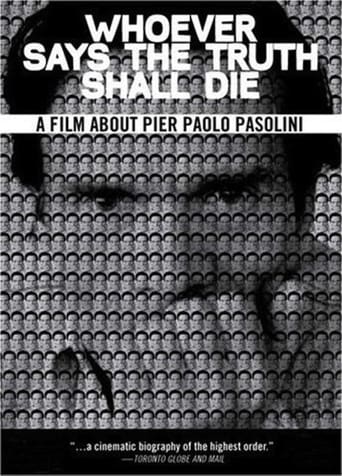
5.7Philo Bregstein tells us this film looks at Pasolini's life and art to explain why he died. The film traces Pasolini's life chronologically - family roots, hiding during World War II, teaching, moving to Rome, being arrested and acquitted many times, publishing poems, getting into film, being provocative, and being murdered. Interviews with Alberto Moravia, Laura Betti, Maria Antonietta Macciocch, and Bernard Bertolucci are inter-cut with readings of Pasolini's poems and with clips from four films - primarily the Gospel According to St. Matthew - to illustrate his changing ideas and points of view. Bregstein makes a case for Pasolini's being lynched.
Whoever Says the Truth Shall Die
1981
 9.0
9.0A documentary about the Italian cinema as art form and industry.
Bellissimo: Images of the Italian Cinema
1985
 8.7
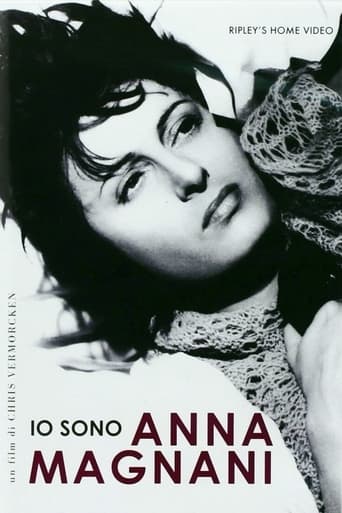
8.7Traces the life of Anna Magnani, her creations, her successes, her triumphs, her boycotted career, her nonconformism, her anxieties, her generosity ... Punctuated with photos that tell her career in theater and cinema, Extracts of films, this documentary portrait also gives the floor to his friends and relatives, from Roberto Rossellini to Marcello Mastroianni, through Federico Fellini.
My Name Is Anna Magnani
1980
1970s · 9 titles
 6.1
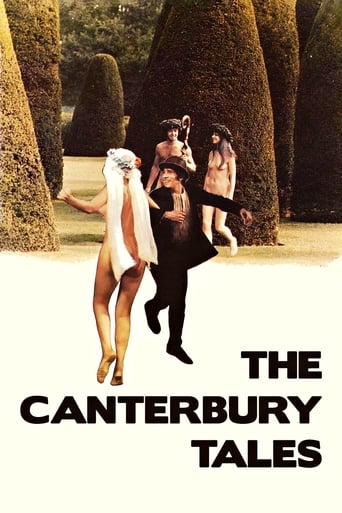
6.1Glimpses of Chaucer penning his famous work are sprinkled through this re-enactment of several of his stories.
The Canterbury Tales
1972
 6.9
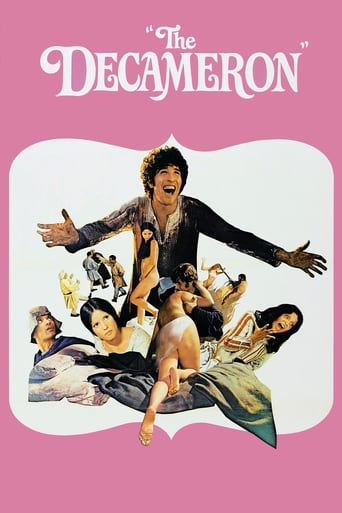
6.9A young Sicilian is swindled twice, but ends up rich; a man poses as a deaf-mute in a convent of curious nuns; a woman must hide her lover when her husband comes home early; a scoundrel fools a priest on his deathbed; three brothers take revenge on their sister's lover; a young girl sleeps on the roof to meet her boyfriend at night; a group of painters wait for inspiration; a crafty priest attempts to seduce his friend's wife; and two friends make a pact to find out what happens after death.
The Decameron
1971
 5.7
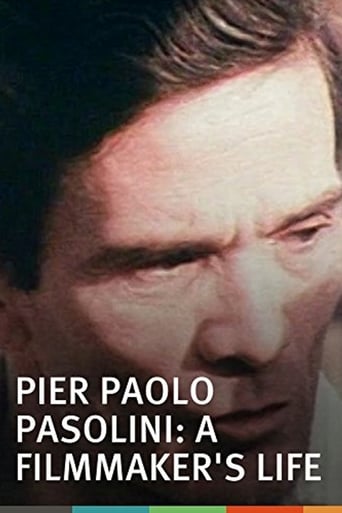
5.7Documentary about Italian movie director Pier Paolo Pasolini, with interviews with some of his actors and friends.
Pier Paolo Pasolini: A Film Maker's Life
1971
 7.5
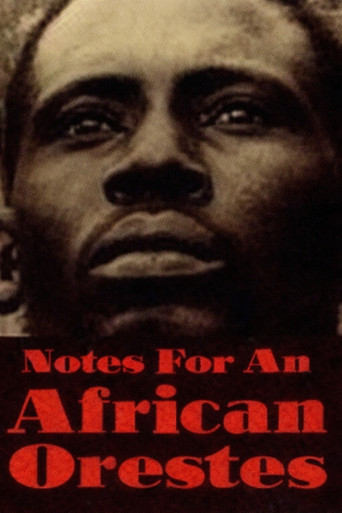
7.5The director presents takes and scenes filmed on location in Africa for a film-that-never-was, a black Oresteia.
Notes Towards an African Orestes
1975
 6.2
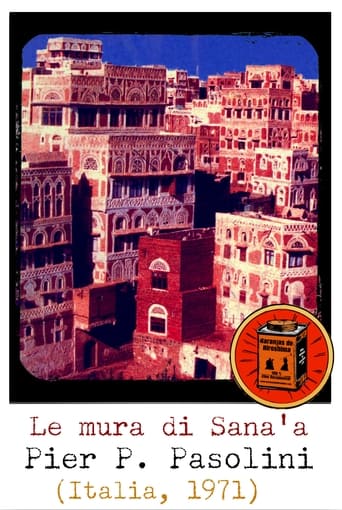
6.2The capital of Yemen, the city of Sana'a, holds an important part of history within its walls filled with medieval architecture and culture. But that same culture was about to disappear with the country's modernization which came after the civil war in the 1960's. To impeach such modern invasion, director Pasolini pledges to UNESCO for the recognition of Sana'a as a World Heritage Site.
The Walls of Sana'a
1974
 9.0
9.0In this movie, director Volker Koch wants to reveal "petty-bourgeois fixations of consciousness and late capitalist myths of happiness". The protagonists: an American hustler, a drama student, a Munich waitress and her boyfriend who hope for money, a career and luck from a trip to Rome together.
S.P.Q.R.
1972
 NR
NRA journey behind the shooting on the set of Salò, a backstage by Gideon Bachman, recorded during the realization of the torture scenes, enriched by long interviews with actors.
Backstage on the Set of Salò, or the 120 Days of Sodom
1975
 NR
NRPortrait of the most rebellious of directors, Pier Paolo Pasolini. The artist marked his time by creating provocative and polemical works. The Italian filmmaker reminds us of the importance of maintaining a critical point of view towards the system before evoking his childhood in Italy and his first literary and cinematographic works.
Pier Paolo Pasolini : vivre et encore plus
1976
6.5During the filming of Arabian Nights (1974), Pier Paolo Pasolini talks about his passion for protecting the complete form of ancient cities and shows us Orte and Sabaudia. Part of a TV Series documentary in 8 episodes.
Pasolini and the Form of the City
1974
1960s · 13 titles
 6.8
6.8In pre-war Italy, a young couple have a baby boy. The father, however, is jealous of his son - and the scene moves to antiquity, where the baby is taken into the desert to be killed. He is rescued, given the name Oedipus, and brought up by the King and Queen of Corinth as their son. One day an oracle informs Oedipus that he is destined to kill his father and marry his mother. Horrified, he flees Corinth and his supposed parents - only to get into a fight and kill an older man on the road…
Oedipus Rex
1967
 8.2
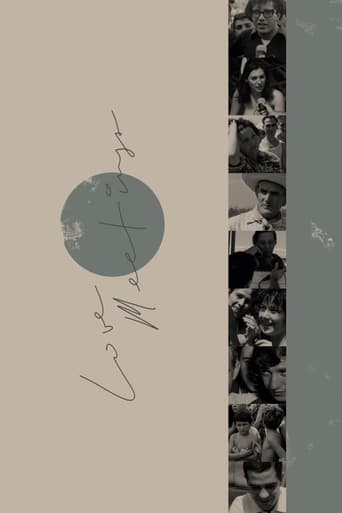
8.2Pier Paolo Pasolini sets out to interview Italians about sex, apparently their least favorite thing to talk about in public: he asks children if they know where babies come from; asks old and young women if they support gender equality; asks both sexes if a woman's virginity still matters, what do they think of homosexuality, if divorce should be legal, or if they support the recent abolition of brothels. He interviews blue-collar workers, intellectuals, college students, rural farmers, the bourgeoisie, and every other kind of people, painting a vivid portrait of a rapidly-industrializing Italy, hanging between modernity and tradition — toward both of which Pasolini shows equal distrust.
Love Meetings
1965
 6.4
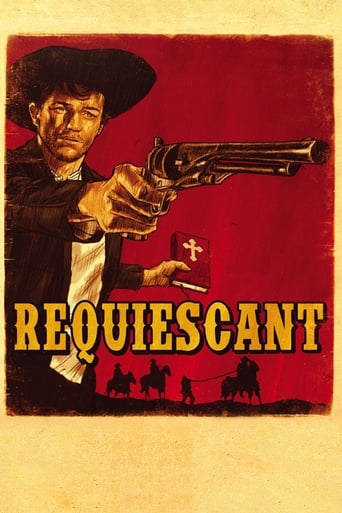
6.4A Mexican community is slaughtered by Confederate troops; the lone survivor, a boy, is taken in by a preacher. Years later, the boy is now a soft-spoken, devout young man with perfect shooting skills (despite being a pacifist). On his journey to help his half-sister out of a complicated situation, he crosses paths with the men who killed his family, unbeknownst to him.
Kill and Pray
1967
 6.5
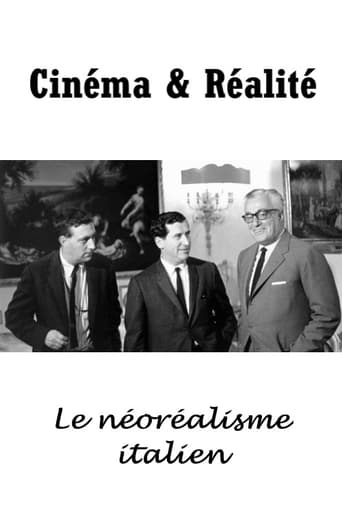
6.5In this documentary, giants of italian cinema such as Rossellini, De Sica, Fellini and Zavattini talk about the importance of cinema after WW2, and about huge moments of social rebellion. This movie gives the floor to the creators of italian neorealism.
Cinéma et Réalité
1967
 NR
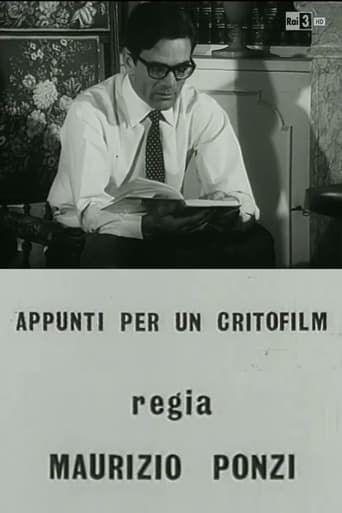
NRReflections on the first films of Pier Paolo Pasolini with his considerations on the real language of cinema.
Notes from a Critofilm
1966
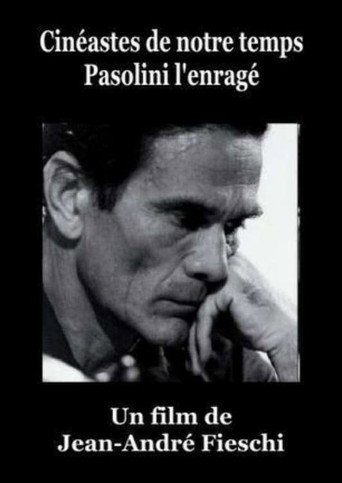 NR
NRwide-ranging conversations with the irector as well as interviews with the actors and collaborators who helpe shape his cinemtic universe over the course of the sixties.
Cinéastes de notre temps : Pier Paolo Pasolini
1966
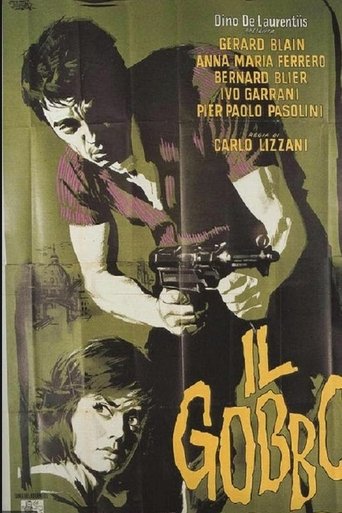 6.6
6.6Alvaro Cosenza, also known as the Hunchback from Quarticciolo, during Rome's occupation by Nazis in 1943, decides to revolt.
The Hunchback
1960
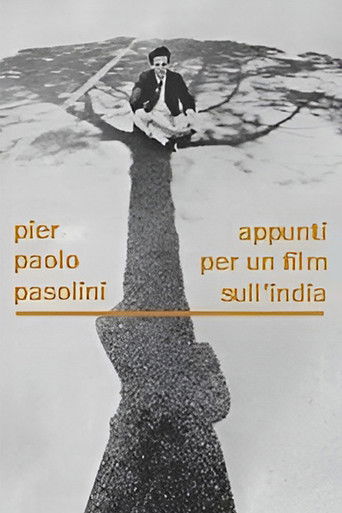 6.2
6.2A 1968 short documentary film by Pier Paolo Pasolini where he visits India in the search of a king who could give up his body to feed a starving tiger.
Notes for a Film in India
1968
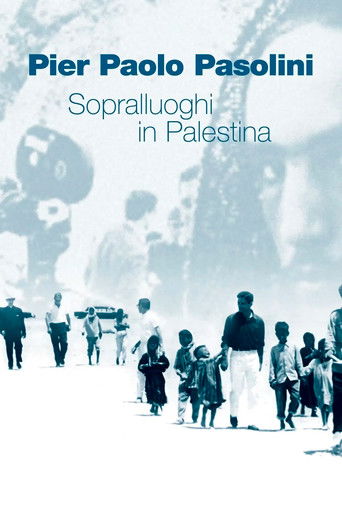 6.8
6.8In 1963, accompanied by a newsreel photographer and a Catholic priest, Piero Paolo Pasolini traveled to Palestine to investigate the possibility of filming his biblical epic The Gospel According to Matthew in its approximate historical locations. Edited by The Gospel‘s producer for potential funders and distributors, Seeking Locations in Palestine features semi-improvised commentary from Pasolini as its only soundtrack. As we travel from village to village, we listen to Pasolini’s idiosyncratic musings on the teachings of Christ and witness his increasing disappointment with the people and landscapes he sees before him. Israel, he laments, is much too modern. The Palestinians, much too wretched; it would be impossible to believe the teachings of Jesus had reached these faces. The Gospel According to Matthew was ultimately filmed in Southern Italy. Mel Gibson would use some of the same locations forty years later for The Passion of the Christ.
Scouting in Palestine
1965
 4.0
4.0Ezra Pound, an acclaimed modern American poet living in Rapallo, was tried for treason because of his radio broadcasts extolling Mussolini. This is Pasolini's interview with him.
Pasolini Interviews: Ezra Pound
1967
Portrait of Pier Paolo Pasolini and his literary and cinematographic activity in the proletarian Rome.
Pier Paolo Pasolini: Primo piano. Personaggi e problemi dell'Italia d'oggi
1967
 9.0
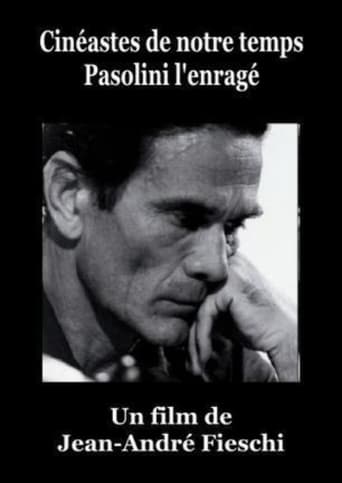
9.0The first "filmed portrait" of Pasolini was created by French television in July 1966 as part of the prestigious series Cinéastes de notre temps, directed by Janine Bazin and André S. Labarthe. Interviewed on the streets of the Roman suburbs and in his studio, Pasolini analyzes his dramatic relationship with Italian society and retraces the trajectory of his works up to Hawks and Sparrows.
Pasolini l'Enragé
1966
 8.0
8.0Pier Paolo Pasolini talks about making his film 'Porcile', and about casting Pierre Clémenti and Jean-Pierre Léaud as the film’s lead actors.
Pasolini on 'Porcile'
1969
Series credits
Behind the camera
8.0Episodic journey of journalist Marcello who struggles to find his place in the world, torn between the allure of Rome's elite social scene and the stifling domesticity offered by his girlfriend, all the while searching for a way to become a serious writer.
La Dolce Vita
1960
7.4Along a rocky, barren coastline, Jesus begins teaching, primarily using parables. He attracts disciples; he's stern, brusque, and demanding. His parables often take on the powers that be, so he and his teachings come to the attention of the Pharisees, the chief priests, and elders. They conspire to have him arrested, beaten, tried, and crucified, just as he prophesied to his followers.
The Gospel According to St. Matthew
1965
7.4Along a rocky, barren coastline, Jesus begins teaching, primarily using parables. He attracts disciples; he's stern, brusque, and demanding. His parables often take on the powers that be, so he and his teachings come to the attention of the Pharisees, the chief priests, and elders. They conspire to have him arrested, beaten, tried, and crucified, just as he prophesied to his followers.
The Gospel According to St. Matthew
1965
6.3Four corrupted fascist libertines round up 9 teenage boys and girls and subject them to 120 days of sadistic physical, mental and sexual torture.
Salò, or the 120 Days of Sodom
1976
6.3Four corrupted fascist libertines round up 9 teenage boys and girls and subject them to 120 days of sadistic physical, mental and sexual torture.
Salò, or the 120 Days of Sodom
1976
8.0Rome, 1957. A woman, Cabiria, is robbed and left to drown by her boyfriend, Giorgio. Rescued, she resumes her life and tries her best to find happiness in a cynical world. Even when she thinks her struggles are over and she has found happiness and contentment, things may not be what they seem.
Nights of Cabiria
1957
7.0A wealthy Italian household is turned upside down when a handsome stranger arrives, seduces every family member and then disappears. Each has an epiphany of sorts, but none can figure out who the seductive visitor was or why he came.
Theorem
1968
7.0A wealthy Italian household is turned upside down when a handsome stranger arrives, seduces every family member and then disappears. Each has an epiphany of sorts, but none can figure out who the seductive visitor was or why he came.
Theorem
1968
6.0Five short stories loosely dealing with the roles of women in society. A superstar actress travels to a mountain resort, only to evoke jealousy from women and lust from men. A woman offers to take an injured man to the hospital. A widowed father and his son seek for a new wife/mother. A man seeks revenge for a woman's honor. A bored housewife tries to explain to her husband that he's not as romantic as he used to be.
The Witches
1967
6.0Five short stories loosely dealing with the roles of women in society. A superstar actress travels to a mountain resort, only to evoke jealousy from women and lust from men. A woman offers to take an injured man to the hospital. A widowed father and his son seek for a new wife/mother. A man seeks revenge for a woman's honor. A bored housewife tries to explain to her husband that he's not as romantic as he used to be.
The Witches
1967
 7.0
7.0Two dramatic stories. In an undetermined past, a young cannibal (who killed his own father) is condemned to be torn to pieces by some wild beasts. In the second story, Julian, the young son of a post-war German industrialist, is on the way to lie down with his farm's pigs, because he doesn't like human relationships.
Pigsty
1969
7.0Two dramatic stories. In an undetermined past, a young cannibal (who killed his own father) is condemned to be torn to pieces by some wild beasts. In the second story, Julian, the young son of a post-war German industrialist, is on the way to lie down with his farm's pigs, because he doesn't like human relationships.
Pigsty
1969
6.8In pre-war Italy, a young couple have a baby boy. The father, however, is jealous of his son - and the scene moves to antiquity, where the baby is taken into the desert to be killed. He is rescued, given the name Oedipus, and brought up by the King and Queen of Corinth as their son. One day an oracle informs Oedipus that he is destined to kill his father and marry his mother. Horrified, he flees Corinth and his supposed parents - only to get into a fight and kill an older man on the road…
Oedipus Rex
1967
6.8In pre-war Italy, a young couple have a baby boy. The father, however, is jealous of his son - and the scene moves to antiquity, where the baby is taken into the desert to be killed. He is rescued, given the name Oedipus, and brought up by the King and Queen of Corinth as their son. One day an oracle informs Oedipus that he is destined to kill his father and marry his mother. Horrified, he flees Corinth and his supposed parents - only to get into a fight and kill an older man on the road…
Oedipus Rex
1967
 6.5
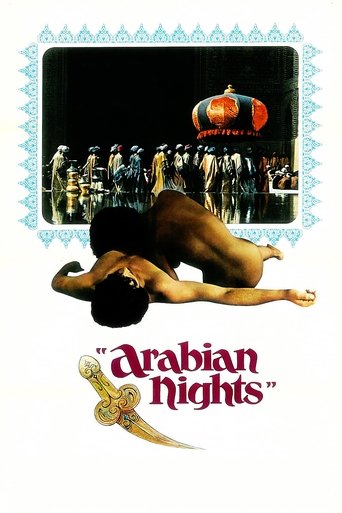
6.5The final part of Pasolini's Trilogy of Life series is rich with exotic tales of slaves and kings, potions, betrayals, demons and, most of all, love and lovemaking in all its myriad forms. Mysterious and liberating, this is an exquisitely dreamlike and adult interpretation of the original folk tales.
Arabian Nights
1974
6.5The final part of Pasolini's Trilogy of Life series is rich with exotic tales of slaves and kings, potions, betrayals, demons and, most of all, love and lovemaking in all its myriad forms. Mysterious and liberating, this is an exquisitely dreamlike and adult interpretation of the original folk tales.
Arabian Nights
1974
6.1Glimpses of Chaucer penning his famous work are sprinkled through this re-enactment of several of his stories.
The Canterbury Tales
1972
6.1Glimpses of Chaucer penning his famous work are sprinkled through this re-enactment of several of his stories.
The Canterbury Tales
1972
 6.7
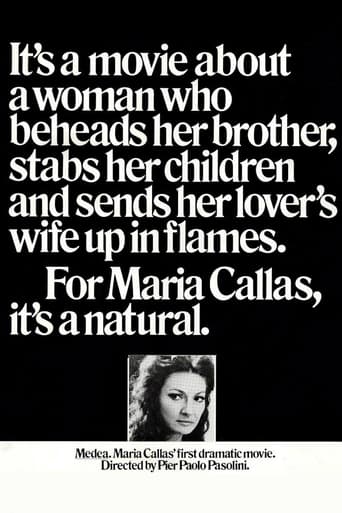
6.7Based on the plot of Euripides' Medea. Medea centers on the barbarian protagonist as she finds her position in the Greek world threatened, and the revenge she takes against her husband Jason who has betrayed her for another woman.
Medea
1969
6.7Based on the plot of Euripides' Medea. Medea centers on the barbarian protagonist as she finds her position in the Greek world threatened, and the revenge she takes against her husband Jason who has betrayed her for another woman.
Medea
1969
6.9A young Sicilian is swindled twice, but ends up rich; a man poses as a deaf-mute in a convent of curious nuns; a woman must hide her lover when her husband comes home early; a scoundrel fools a priest on his deathbed; three brothers take revenge on their sister's lover; a young girl sleeps on the roof to meet her boyfriend at night; a group of painters wait for inspiration; a crafty priest attempts to seduce his friend's wife; and two friends make a pact to find out what happens after death.
The Decameron
1971
6.9A young Sicilian is swindled twice, but ends up rich; a man poses as a deaf-mute in a convent of curious nuns; a woman must hide her lover when her husband comes home early; a scoundrel fools a priest on his deathbed; three brothers take revenge on their sister's lover; a young girl sleeps on the roof to meet her boyfriend at night; a group of painters wait for inspiration; a crafty priest attempts to seduce his friend's wife; and two friends make a pact to find out what happens after death.
The Decameron
1971
 7.1
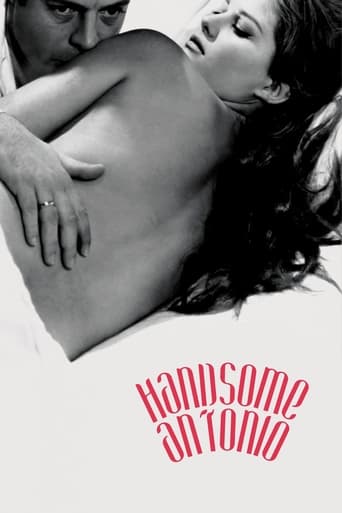
7.1Problems arise for Antonio Magnano when he is unable to consummate his marriage to the beautiful Barbara Puglisi and his virility is called into question. Despite the fact that he loves his beautiful wife and they have otherwise been happily married for a year, his problem becomes a source of contention for all concerned.
Il bell'Antonio
1960
 7.2
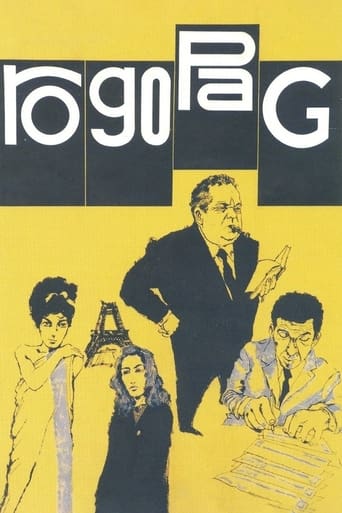
7.2Four short films by four different directors dealing with the principles of modern life. "Illibatezza" (Rossellini): The hostess Anna Maria, to dissuade an aggressive suitor who prefers maternal tendencies, assumes an unscrupulous attitude, obeying the suggestions of her distant boyfriend. "The New World" (Godard): The deflagration of an atomic bomb causes strange effects on the inhabitants of a city. "La ricotta" (Pasolini): During the filming of a film about a religious subject, the extra Stracci dies hanging on the cross due to an indigestion of ricotta. "Il pollo spante" (Gregoretti): While an expert illustrates to a board of merchants the most modern techniques to increase sales through the discovery of the secret self of the average consumer, the human story of a bourgeois who, following these suggestions, focuses on the purchase of a plot of land in the countryside.
Ro.Go.Pa.G.
1963
7.2Four short films by four different directors dealing with the principles of modern life. "Illibatezza" (Rossellini): The hostess Anna Maria, to dissuade an aggressive suitor who prefers maternal tendencies, assumes an unscrupulous attitude, obeying the suggestions of her distant boyfriend. "The New World" (Godard): The deflagration of an atomic bomb causes strange effects on the inhabitants of a city. "La ricotta" (Pasolini): During the filming of a film about a religious subject, the extra Stracci dies hanging on the cross due to an indigestion of ricotta. "Il pollo spante" (Gregoretti): While an expert illustrates to a board of merchants the most modern techniques to increase sales through the discovery of the secret self of the average consumer, the human story of a bourgeois who, following these suggestions, focuses on the purchase of a plot of land in the countryside.
Ro.Go.Pa.G.
1963
 7.5
7.5A group of young thugs decides to spend New Year on the streets of Milan.
Milano nera
1961
 5.6
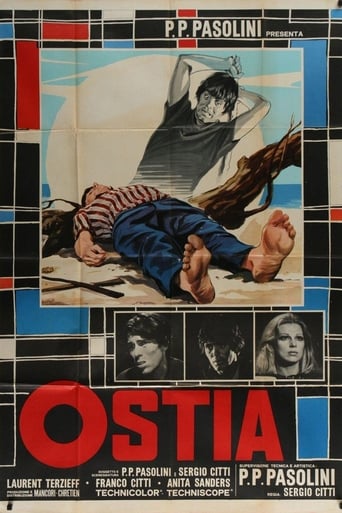
5.6Two anarchistic brothers live by petty thievery and try to recover from their Catholic upbringing. Bandiera and Rabbino were children when they pushed their drunk of a father out of a window for killing their pet sheep. When a girl is raped by her father, she is brought by young "rescuers" to the home of the two brothers who then watch their friends take advantage of her sexually. The brothers take her in, and the three live happy and celibate if not uneventful lives until the brother's are sent to jail for stealing.
Ostia
1970
 7.9
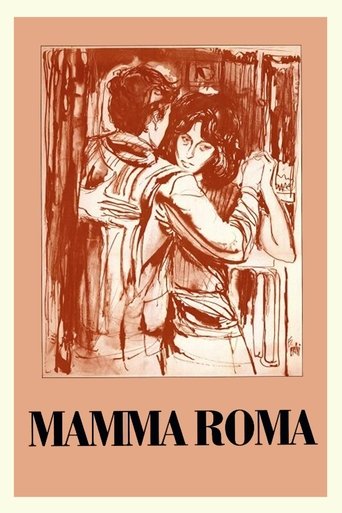
7.9After years spent working as a prostitute in her Italian village, middle-aged Mamma Roma has saved enough money to buy herself a fruit stand so that she can have a respectable middle-class life and reestablish contact with the 16-year-old son she abandoned when he was an infant. But her former pimp threatens to expose her sordid past, and her troubled son seems destined to fall into a life of crime and violence.
Mamma Roma
1962
7.9After years spent working as a prostitute in her Italian village, middle-aged Mamma Roma has saved enough money to buy herself a fruit stand so that she can have a respectable middle-class life and reestablish contact with the 16-year-old son she abandoned when he was an infant. But her former pimp threatens to expose her sordid past, and her troubled son seems destined to fall into a life of crime and violence.
Mamma Roma
1962
 7.7
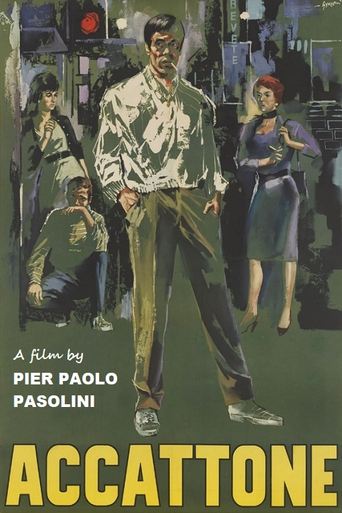
7.7A pimp with no other means to provide for himself finds his life spiralling out of control when his prostitute is sent to prison.
Accattone
1961
7.7A pimp with no other means to provide for himself finds his life spiralling out of control when his prostitute is sent to prison.
Accattone
1961
 5.9
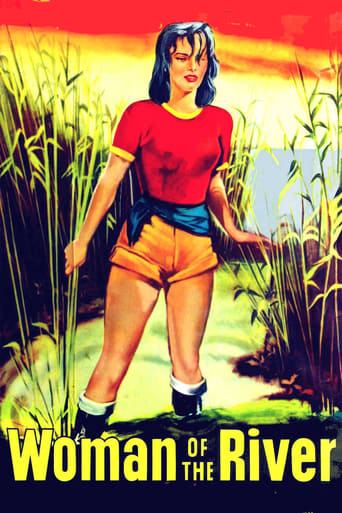
5.9When peasant girl Nives is deserted by smuggler Gino Lodi, she betrays him to the police. Police officer Enzo Cinti, who loves Nives, traces her to the Po River cane-fields, where she is working as a cutter to support herself and an infant son, and warns her that Gino has escaped from prison and is seeking revenge. She rejects his offer to protect her. Gino finds Nives, mourning the drowning death of their son. He surrenders himself to the police and then walks at Nives' side in the funeral procession.
Woman of the River
1954
8.2Pier Paolo Pasolini sets out to interview Italians about sex, apparently their least favorite thing to talk about in public: he asks children if they know where babies come from; asks old and young women if they support gender equality; asks both sexes if a woman's virginity still matters, what do they think of homosexuality, if divorce should be legal, or if they support the recent abolition of brothels. He interviews blue-collar workers, intellectuals, college students, rural farmers, the bourgeoisie, and every other kind of people, painting a vivid portrait of a rapidly-industrializing Italy, hanging between modernity and tradition — toward both of which Pasolini shows equal distrust.
Love Meetings
1965
 7.1
7.11943. The affair between Anna, unhappily married to wheelchair-bound Pino, and deserter Franco unfolds in foggy Ferrara, intertwining with the power struggle taking place within local Fascist ranks that culminates in a massacre of civilians, including Franco's father – Pino sees it all from his window, but will he tell anyone?
Long Night in '43
1960
 6.6
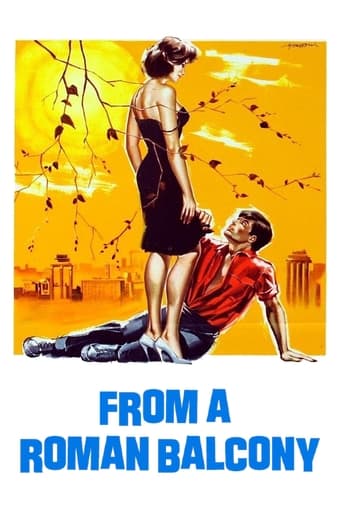
6.6The ironic study of a young man's poignant adventures and sensual adventures...based on "Roman Tales" by Alberto Moravia.
From a Roman Balcony
1960
 7.2
7.2A man and his son take an allegorical stroll through life with a talking bird that spouts social and political philosophy.
The Hawks and the Sparrows
1966
7.2A man and his son take an allegorical stroll through life with a talking bird that spouts social and political philosophy.
The Hawks and the Sparrows
1966
 6.1
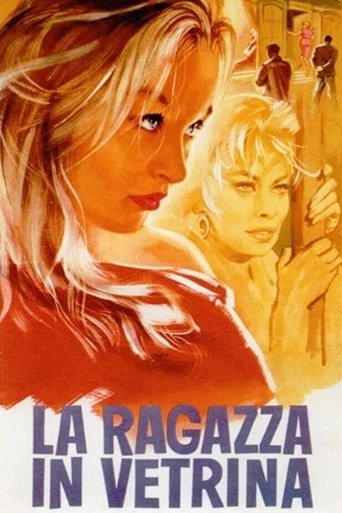
6.1Two miners, Italians Federico and Vincenzo take off together for the city's red-light district, where the women pose in windows for prospective customers.
Girl in the Window
1961
 6.1
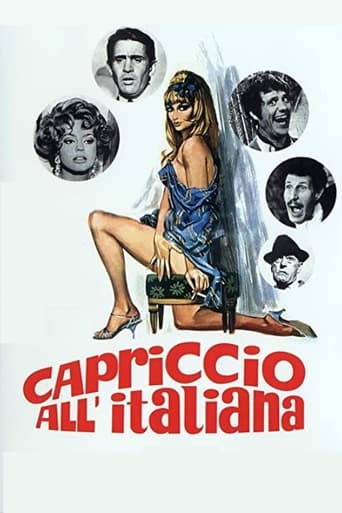
6.1The film consists of six short stories created by different directors, but all the stories share one thing: a warm irony to current events.
Caprice Italian Style
1968
6.1The film consists of six short stories created by different directors, but all the stories share one thing: a warm irony to current events.
Caprice Italian Style
1968