

Directing
Jerry Zaks
Born
1946-09-07 (80)
Place of birth
Stuttgart, Germany
Known for
Directing
Credits
16 titles
Jerry Zaks (born September 7, 1946) is a German-born American stage and television director, and actor. He won the Tony Award for Best Direction of a Play and Drama Desk Award for directing The House of Blue Leaves, Lend Me A Tenor, and Six Degrees of Separation and the Tony Award for Best Direction of a Musical and Drama Desk Award for Guys and Dolls.
Known for
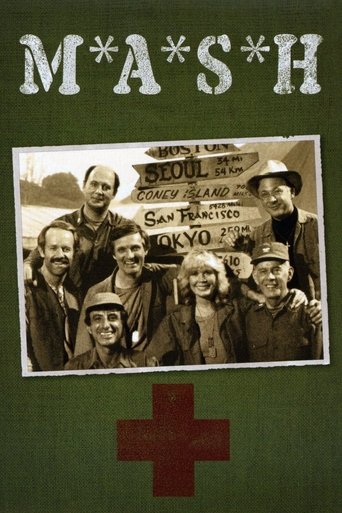 7.9
7.9The 4077th Mobile Army Surgical Hospital is stuck in the middle of the Korean war. With little help from the circumstances they find themselves in, they are forced to make their own fun. Fond of practical jokes and revenge, the doctors, nurses, administrators, and soldiers often find ways of making wartime life bearable.
M*A*S*H
1972
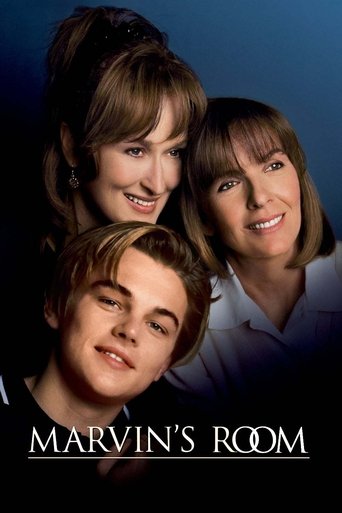 6.7
6.7A leukemia patient attempts to end a 20-year feud with her sister to get her bone marrow.
Marvin's Room
1996
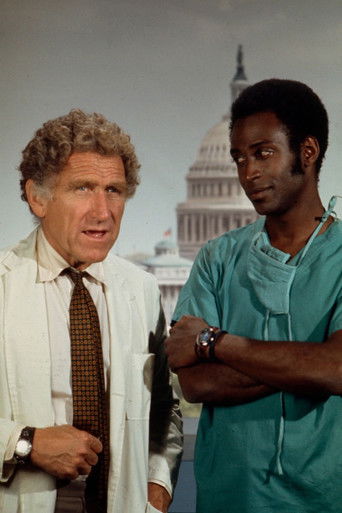 7.5
7.5Temperatures Rising is an American television sitcom that ran from September 12, 1972 to August 29, 1974 on the ABC network. The network had a good deal of faith in the low-rated series, which went through three cast changes, two different formats, and two time slots during its run.
Temperatures Rising
1972
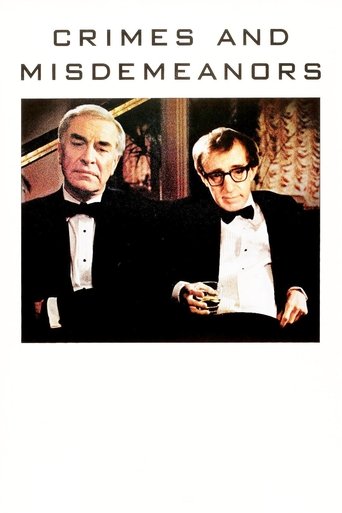 7.4
7.4A renowned ophthalmologist is desperate to cut off an adulterous relationship…which ends up in murder; and a frustrated documentary filmmaker woos an attractive television producer while making a film about her insufferably self-centered boss.
Crimes and Misdemeanors
1989
 4.0
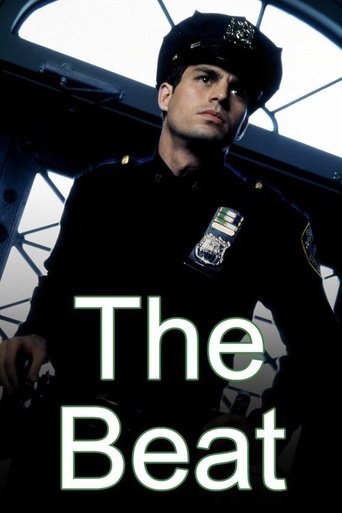
4.0The Beat delves into the personal and professional lives of two young police recruits who patrol New York's streets. The city's daily machinations are seen through the often bloodshot eyes of Officers Mike Dorigan and Zane Marinelli, two youthful, irreverent partners who are truly products of their generation and unique urban environment. Issues of race, excessive police force – and the unpredictable quirkiness of New York's outspoken locals – compel both men to rely on their sense of humor just to make it to the end of their shift.
The Beat
2000
 6.6
6.6The Edge of Night was an American television mystery series/soap opera produced by Procter & Gamble. It debuted on CBS on April 2, 1956, and ran as a live broadcast on that network until November 28, 1975; the series then moved to ABC, where it aired from December 1, 1975, until December 28, 1984. There were 7,420 episodes, with some 1,800 available for syndication.
The Edge of Night
1956
Film credits

1980s · 5 titles
7.4A renowned ophthalmologist is desperate to cut off an adulterous relationship…which ends up in murder; and a frustrated documentary filmmaker woos an attractive television producer while making a film about her insufferably self-centered boss.
Crimes and Misdemeanors
1989
 6.0
6.0Refined actress Lauren Ames finally has a chance to study with the great theatre professor Stanislav Korzenowski. Sandy Brozinsky, a brash, loud actress, decides through happenstance to also study with Korzenowski. The two women end up dating the same man (who turns out to be a double agent) and follow him across the country to force him to choose between them.
Outrageous Fortune
1987
 NR
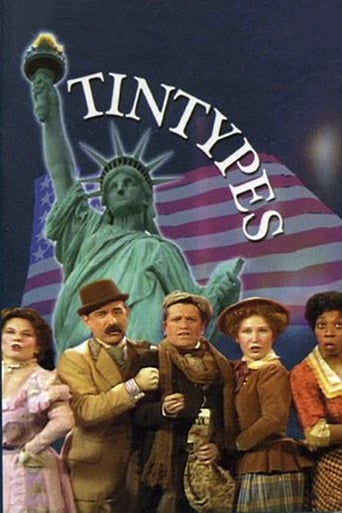
NRDebuting on Broadway in 1980, Tintypes is a musical review featuring songs from the early twentieth century providing the audience with a look into that turbulent time in American history. Nominated for three Tony Awards, and winner of several Obie Awards, this production stars Carolyn Mignini, Lynne Thigpen, Trey Wilson, Mary Catherine Wright, and Jerry Zaks.
Tintypes
1981
 5.7
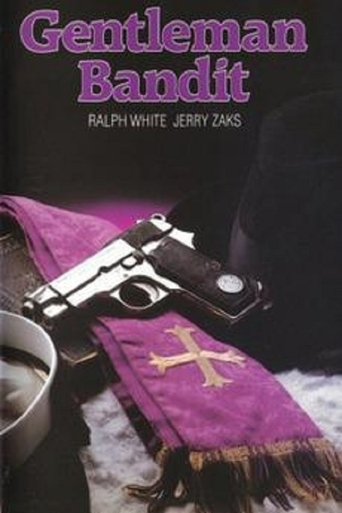
5.7Based on the real-life ordeal of Baltimore priest Bernard Pagano, who was accused of several armed robberies in the late Seventies.
The Gentleman Bandit
1981
 5.7
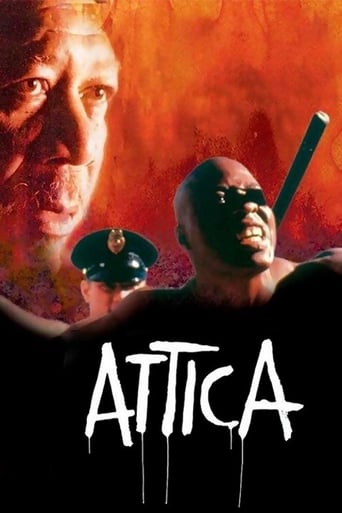
5.7Acclaimed dramatization recreating the incidents surrounding the 1971 revolt in New York's Attica State Prison that lasted for 23 days and resulted in the greatest casualty toll between Americans since the Civil War.
Attica
1980
Series credits
7.9The 4077th Mobile Army Surgical Hospital is stuck in the middle of the Korean war. With little help from the circumstances they find themselves in, they are forced to make their own fun. Fond of practical jokes and revenge, the doctors, nurses, administrators, and soldiers often find ways of making wartime life bearable.
M*A*S*H
1972
7.5Temperatures Rising is an American television sitcom that ran from September 12, 1972 to August 29, 1974 on the ABC network. The network had a good deal of faith in the low-rated series, which went through three cast changes, two different formats, and two time slots during its run.
Temperatures Rising
1972
4.0The Beat delves into the personal and professional lives of two young police recruits who patrol New York's streets. The city's daily machinations are seen through the often bloodshot eyes of Officers Mike Dorigan and Zane Marinelli, two youthful, irreverent partners who are truly products of their generation and unique urban environment. Issues of race, excessive police force – and the unpredictable quirkiness of New York's outspoken locals – compel both men to rely on their sense of humor just to make it to the end of their shift.
The Beat
2000
6.6The Edge of Night was an American television mystery series/soap opera produced by Procter & Gamble. It debuted on CBS on April 2, 1956, and ran as a live broadcast on that network until November 28, 1975; the series then moved to ABC, where it aired from December 1, 1975, until December 28, 1984. There were 7,420 episodes, with some 1,800 available for syndication.
The Edge of Night
1956
Behind the camera
6.7A leukemia patient attempts to end a 20-year feud with her sister to get her bone marrow.
Marvin's Room
1996
 5.0
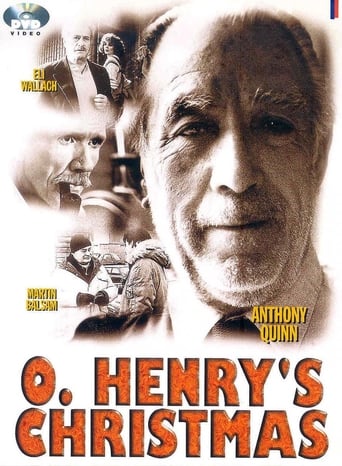
5.0Three episodes based on O. Henry's texts. The first deals with the friendship between a painter and two young women. The second, a young man who receives an insignificant amount of his uncle, as an inheritance. The third concerns two people who make it all possible when they give themselves love as Christmas presents.
O. Henry's Christmas
1996
 NR
NRThis darkly satirical musical reframes American history through the eyes of those who attempted – successfully or not – to kill US presidents. Structured as a surreal carnival sideshow, the piece weaponises American musical traditions – vaudeville, folk ballads, barbershop quartets, patriotic Sousa-style marches and Bacharach pop – to undercut the myth of the “American Dream,” exposing how frustration, alienation and entitlement can curdle into violence. By giving voice to figures from John Wilkes Booth to Lee Harvey Oswald, Assassins invites audiences not to condone their acts but to confront the unsettling continuity between personal disillusionment and national mythology, turning the musical stage into a mirror for America’s darkest obsessions.
Assassins
1990
 7.4
7.4Broadcast of a live performance of the Roundabout Theater Company's 2000 New York revival of the classic Kaufman-Hart comedy, about a famous (and famously acid-tongued) theater critic who is forced to stay in a Midwestern couple's home and the havoc that ensues.
The Man Who Came to Dinner
2000
 NR
NRAndrew Makepeace Ladd III wrote his first letter to Melissa Gardner to tell her she looked like a lost princess. They were both seven years old. For the next fifty years, through personal triumphs and despair, through wars and marriages and children and careers, they poured out the secrets of their hearts to each other. They defied a fate that schemed to keep them apart and lived—through letters—or the one most meaningful thing, their undying love for each other.
Love Letters
2020
 1.0
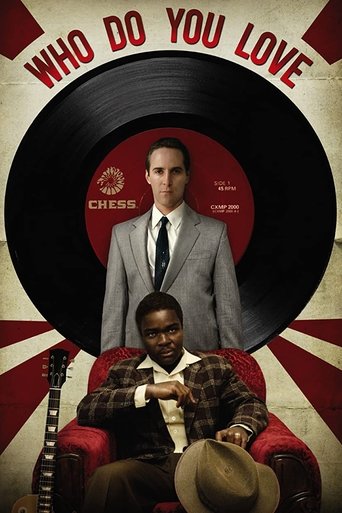
1.0Who Do You Love is the life story of legendary record producer Leonard Chess, founder of Chess Records in Chicago, IL, the label that helped popularize blues music during the 1950s and ’60s.
Who Do You Love
2008