
Acting
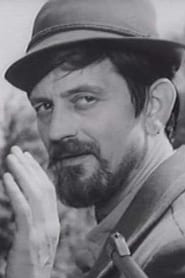
František Velecký
Born — Died
1934-03-08 — 2003-10-05
Place of birth
Zvolen, Slovakia
Known for
Acting
Credits
55 titles
Velecký was a very particular figure of Slovak acting, being antipode to venerated mainstream showbiz celebrities. Although he had never received any formal training in acting, he managed to earn great respect of both filmmakers and audience members. He performed in some 50 Slovak, Czech, German, Hungarian and UK/US movies, but he will be most remembered for portraying the lead character of Mikoláš in the Czech movie Marketa Lazarová. Velecký was born 8 March 1934 in Zvolen. He originally studied civil engineering and worked as a designer for few years. However, since his early age he was attracted by the world of cinema and finally in his 30s managed to get his first major roles. Pract…
Known for
 5.9
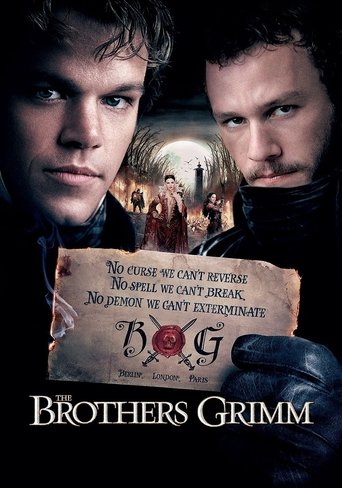
5.9Folklore collectors and con artists, Jake and Will Grimm, travel from village to village pretending to protect townsfolk from enchanted creatures and performing exorcisms. However, they are put to the test when they encounter a real magical curse in a haunted forest with real magical beings, requiring genuine courage.
The Brothers Grimm
2005
 7.0
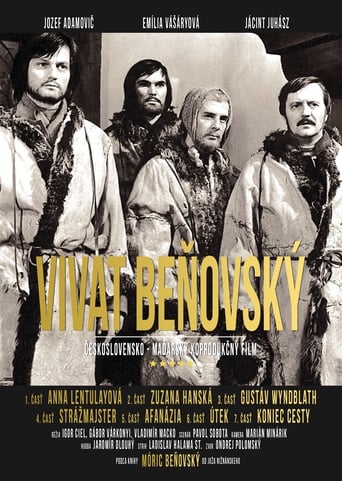
7.0No synopsis available yet.
Vivat Beňovský!
1975
 7.8
7.8Mikolás and his brother Adam end up with a young German hostage of noble blood during a robbery. While their clan prepares for the wrath of the German king, Mikolás is sent to pressure his neighbor Lazar into a defense pact. Persuasion fails and he abducts Lazar's daughter Marketa on the eve of her initiation as a nun in an act of vengeance.
Marketa Lazarová
1967
No synopsis available yet.
V službách zákona
1983
 7.0
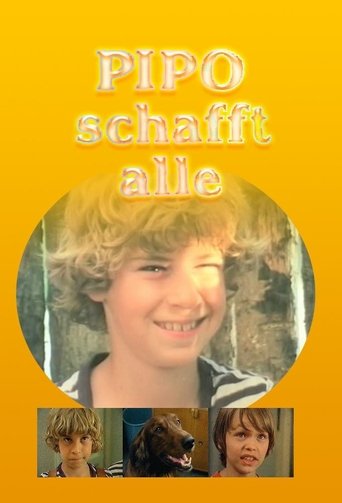
7.0A funny story about a little boy everybody call Pipo and his summer vacations in the village.
Birthmark
1985
No synopsis available yet.
Naši synovia
1975
Film credits
2000s · 4 titles
5.9Folklore collectors and con artists, Jake and Will Grimm, travel from village to village pretending to protect townsfolk from enchanted creatures and performing exorcisms. However, they are put to the test when they encounter a real magical curse in a haunted forest with real magical beings, requiring genuine courage.
The Brothers Grimm
2005
 6.3
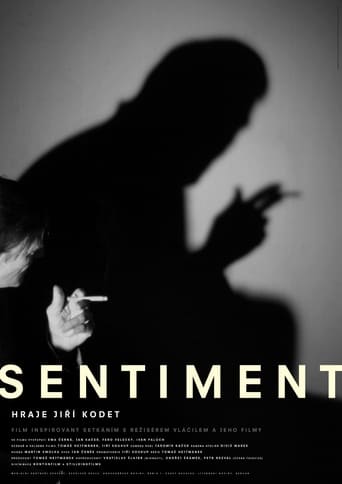
6.3Sentiment is Tomáš Hejtmánek's intimate documentary portrait of the great Czech director František Vláčil. The film was inspired by encounters with the filmmaker and told through taped interviews, reconstructions of meetings with Vláčil, visits to actual film locations (of Marketa Lazarova, The Valley of the Bees and Adelheid) and Vláčil-inspired film sequences. The result is one of the most unique and personal portraits of any artist – a collage of voices, sounds and images that evoke and celebrate Vláčil’s life and work.
Sentiment
2003
Television adaptation of the classic novel by American author N. West.
Slečna Dušehojivá
2000
Poetic film from summertime Bratislava, reminiscent of Slovak films of the 1960s or the work of Dušan Hanák.
Rojkovia
2000
1990s · 3 titles
 5.4
5.4A satiric tragi-comedy about two women and their lover Robert who is an emigrant that keeps coming back. This film shows chaotic post-communist Europe after the fall of totalitarianism. Two opposite characters, women, meet during the Velvet Revolution in November 1989. Intellectual dissident Nona and a Communist secret police boss’ mistress Ester. They meet at an anti-regime demonstration and become friends. They don’t want anything to do with politics, both want to get married and have kids, but also get rich. Crazy plans and risky attempts to realize their shared dreams land them in many sticky situations in the post-revolution chaos. Too much money gets in the way of the power of friendship.
It's Better to Be Healthy and Wealthy than Poor and Sick
1992
The tragicomedy of a man who, by inappropriately attending the wedding of his subordinate, wants to demonstrate humanistic thinking in a society that is not ripe for such ideas. However, it turns out that even for him humanism is just a declared empty concept, serving to gain popularity. His whole democratization "mission" results in a farce, for which, out of offended vanity, he takes merciless revenge on his subordinates and on the whole environment...
Zlý žart
1993
Dedicated to the living and the dead. Video film about the self-destruction of a young person subject to drug addiction. A dramatic story from the environment of drug addicts. Released in 1990, directed by Samuel Ivaška, based on the 1986 book by te same name written by Radek John
Memento
1991
1980s · 10 titles
No synopsis available yet.
Crainquebille
1982
A dramatic love story in the front line.
Na druhom brehu sloboda
1984
No synopsis available yet.
Kto ste, Jozef Gabčík
1987
No synopsis available yet.
Ako listy jedného stromu
1980
The beautiful, bright and intelligent, but perfectly mischievous Marquise de Mertuil and her charming and equally depraved and ruthless friend, the master of seduction Vicomte de Valmont play a cynical game full of intrigue. The marquise is willing to devote one night full of passion to the viscount. However, on the condition that the viscount first deflowers the innocent Cecile de Volanges, who is to marry her former lover. In the end, they themselves become victims of their own dangerous game.
Nebezpečné známosti
1980
No synopsis available yet.
Na konci diaľnice
1983
 8.0
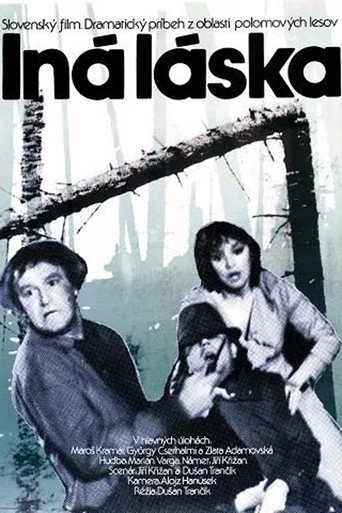
8.0Expelled from medical school for performing an illegal abortion, a young Slovak man takes a job at a remote mountain sawmill to escape his past. Seeking redemption, he instead finds himself trapped in a rural community driven by corruption, greed, and moral compromise.
Another Love
1986
No synopsis available yet.
Právom lásky
1984
 5.5
5.5A king was dying. An old man told his sons that only the water of life would save him.
The Water of Life
1987
No synopsis available yet.
Magma
1984
1970s · 21 titles
 6.2
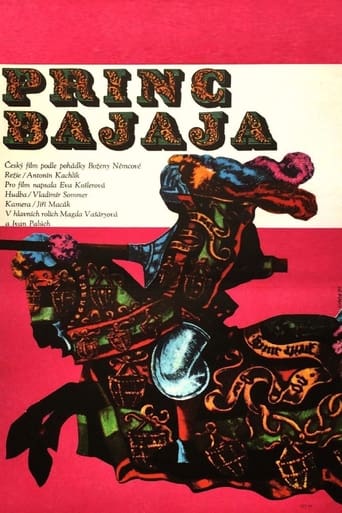
6.2The hero of this popular fairy tale is a young prince who, after the death of his parents, goes out into the world. During his travels he meets a magical talking horse and falls in love with the beautiful princess Slavna. On the advice of his horse, he binds one eye and pretends to be dumb and enters into service as the castle gardener.
Prince Bajaja
1971
 6.3
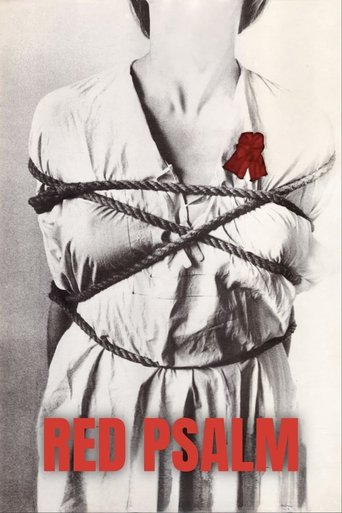
6.3Set in the 1890s on the Hungarian plains, a group of farm workers go on strike in which they face harsh reprisals and the reality of revolt, oppression, morality and violence.
Red Psalm
1972
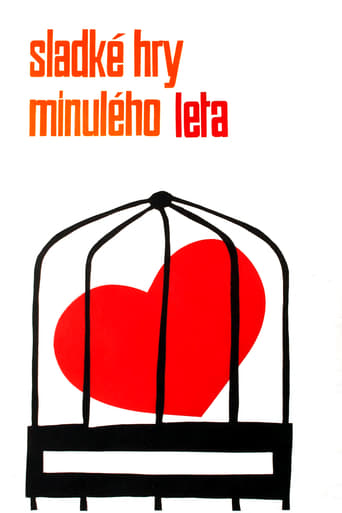 6.3
6.3Impressionistic film based on a Maupassant story about five friends who fall in love with the same beautiful girl one summer.
Sweet Games of Late Summer
1970
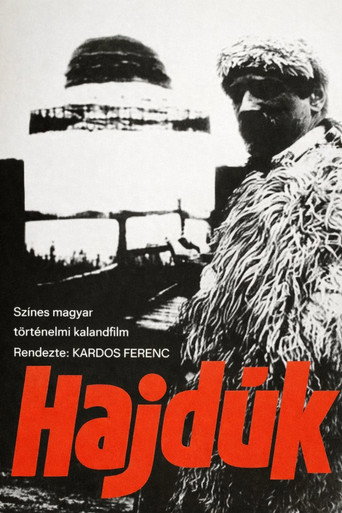 4.6
4.6This film, set at the beginning of the 17th century, is the first East-European "Eastern". Bocskai István orders the free Heyducks to shepherd a huge herd of cattle through the country torn to three parts, to the Dalmatian coast, where he can get weapons in exchange, for fighting the Austrians.
Unruly Heyducks
1974
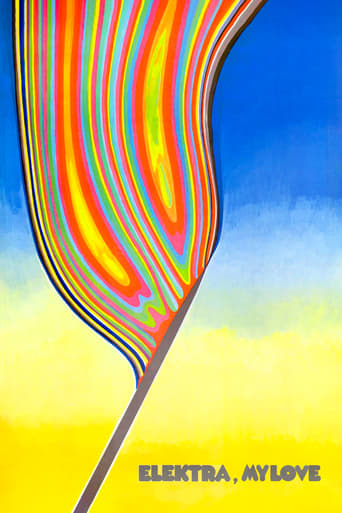 6.1
6.1It has been fifteen years since the death of her father, Agamemnon, and Elektra still burns with hatred for Aegisztosz, who conspired with Elektra's mother to kill him.
Electra, My Love
1974
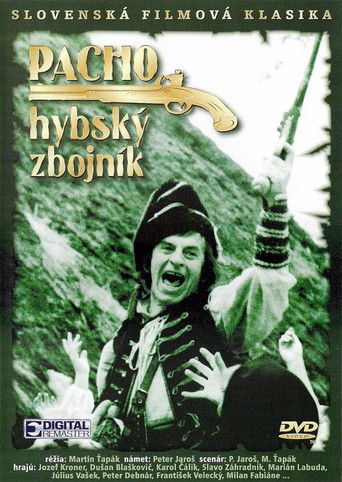 7.4
7.4A funny outlaw tale inspired by traditional folk humour. Pacho is no ordinary outlaw. He detests injustice and feudal oppression and he copes with each troublesome situation with the help of his cleverness and wit.
Pacho, the Brigand of Hybe
1976
A television film, an adaptation of Vladimír Mináč's first novel. The dramatic story of two brothers during the Slovak National Uprising provides artistic testimony to authentic events from the Slovak mountains in 1944.
Smrť chodí po horách
1979
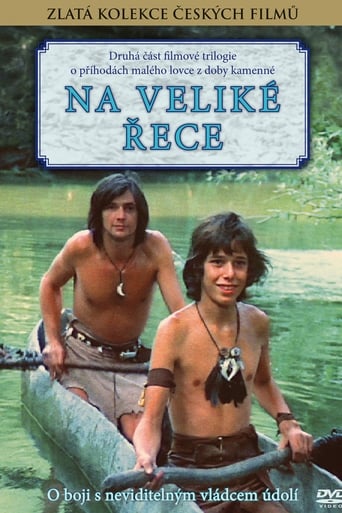 8.0
8.0Second movie of the famous Czech adventure trilogy: Osada Havranů Na veliké rece Volání rodu
On the Great River
1978
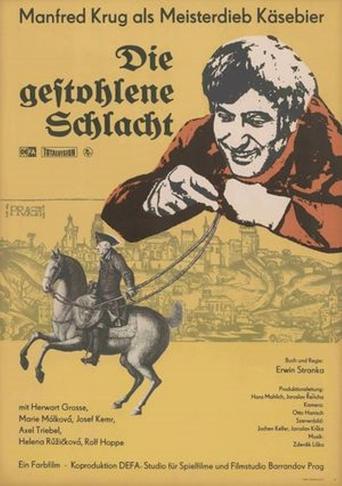 6.6
6.6In 1757, the second year of the Seven Years' War, Frederick II the Great stands at the gates of Prague. He has been trying to take the city for weeks, as the enemy commander Duke Charles of Lorraine is inside. Frederick has just defeated him, but the tide could soon turn against the Prussians, as new Austrian troops are approaching. None other than the famous master thief Andreas Christian Käsebier is to sneak into Prague to open the gates from the inside. As a reward, the king promises him freedom. Käsebier accepts the offer because he is tempted to steal an entire city. But by chance, Käsebier learns that the king wants to betray him. After a successful battle, he is put back behind bars for life. This doesn't suit the master thief at all, especially as he has just fallen in love with Katka in Prague.
The Stolen Battle
1972
 7.0
7.0Comedy about the "Husarenstreich", the 1757 Berlin raid during the Seven Years' War.
Husaren in Berlin
1971
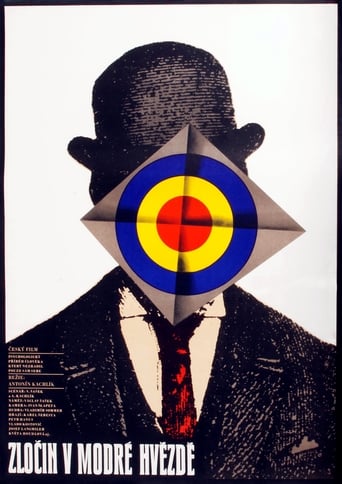 8.5
8.5It is 1920, political unrest is growing in Prague and the Social Democrats are about to betray their historic mission by prioritising their own selfish interests instead of those of the working class. An extortionist scandal falls on the Social Democratic deputy Jandák, forcing him to renounce his convictions. Under these circumstances, the seriously ill Hungarian revolutionary Kerekes, who had to flee his homeland, is hiding in Prague...
Zločin v Modré hvězdě
1974
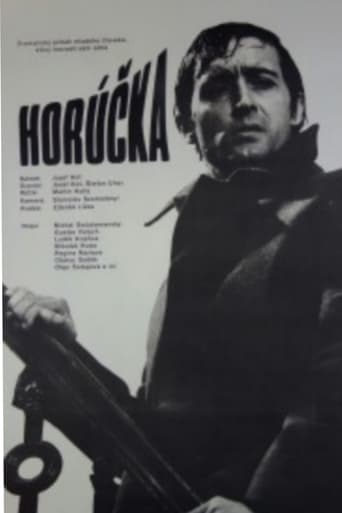 NR
NRA psychological story of a young printing house leader and his subordinates and a "dangerous contract from the West".
Horúčka
1975
No synopsis available yet.
Noc labutí
1972
No synopsis available yet.
Noc s mačkou
1970
No synopsis available yet.
Čierny gróf
1972
No synopsis available yet.
Bludička
1977
No synopsis available yet.
Pätnásť životov
1974
No synopsis available yet.
Rajský plyn
1970
 6.1
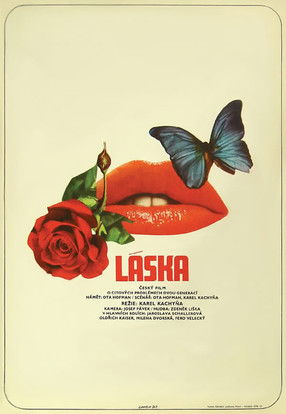
6.1Sixteen-year-old students of a grammar school are supposed to write essays on "Love". The class best student Andrea (Jaroslava Schallerová) writes about a patriotic love to a country as she has no experience with a partner love. She has been living alone with her divorced pretty mother Eva (Milena Dvorská), a dentist, for many years. Recently, however, Eva met her former school-days love at a graduates' party, nowadays a famous hockey goalkeeper Brukner (Frantisek Velecký). Also his marriage fell apart; he leaves the national team and decides to leave Prague for his home town and to share flat with Eva. He takes with him his son Petr (Oldrich Kaiser), in Andrea's age, who gets his last chance to finish a grammar school in the town.
Love
1973
 3.7
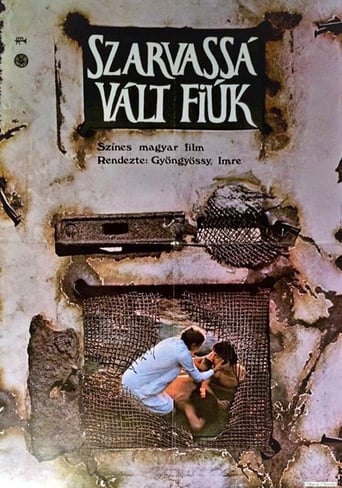
3.7This poetic film presents the ballad of the boys who turned into stags, by the associative means of music, painting and folk art. At the same time it is a memorial to the martyrs of the 1944 Sátoraljaújhely prison revolt and shows its butchery reflected through the fate of three brothers.
Sons of Fire
1973
Two 14-year-old girls Radka and Jožka are going through adolescent difficulties. One of them wants to buy a new dress, which her parents, who are building a house, cannot give her money for. In loosely connected episodes, both girls eventually achieve their goal, even though they almost sell the dress from the window. In the end, they get lucky.
Šaty
1972
1960s · 8 titles
7.8Mikolás and his brother Adam end up with a young German hostage of noble blood during a robbery. While their clan prepares for the wrath of the German king, Mikolás is sent to pressure his neighbor Lazar into a defense pact. Persuasion fails and he abducts Lazar's daughter Marketa on the eve of her initiation as a nun in an act of vengeance.
Marketa Lazarová
1967
 9.0
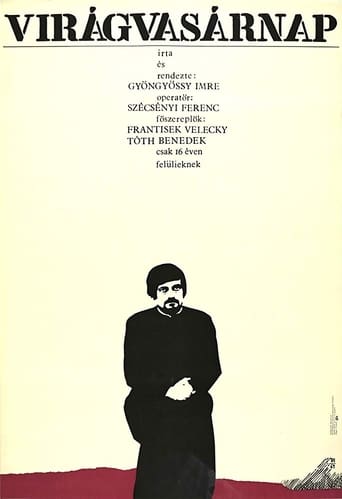
9.0Set during the 1919 Republic of Councils in Hungary, the film follows a pacifist priest advocating for peaceful land reform and his brother, a teacher fighting for the revolution with arms. As political tensions mount in their village, the brothers must navigate the clashing ideals of faith, violence, and social upheaval.
Palm Sunday
1969
 10.0
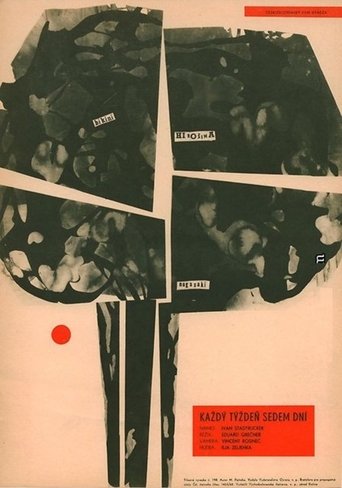
10.0Set in Bratislava, university friends Turo and Andrey are paralyzed by existential dread under the shadow of the Cold War and the threat of nuclear war. Rejecting long-term goals, Turo is an astronomy student that adopts a hedonistic lifestyle, while Andrey channels his anxiety into a sculpture for Hiroshima. This shared trauma ultimately tests their friendship and undermines their relationships.
Every Week Seven Days
1964
 7.0
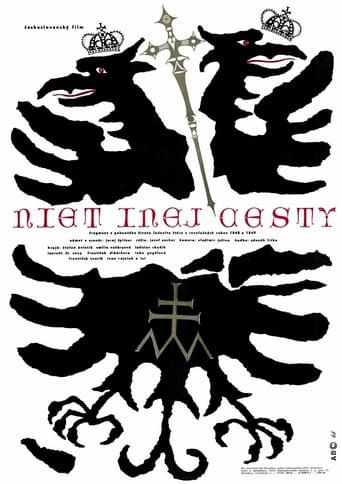
7.0A biographical film about the Slovak nationalist Ľudovít Štúr. It captures the revolutionary events of 1848 in Austria-Hungary, when Štúr, as a member of the Diet, led the fight for the national rights of the Slovak people.
Niet inej cesty
1968
 8.5
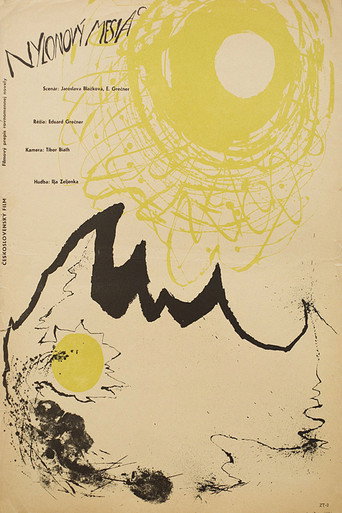
8.5Set in 1960s Bratislava, the film follows a cynical, thirty-year-old architect named Andrej who unexpectedly falls deeply in love with Vanda, a free-spirited and spontaneous young woman. However, their burgeoning relationship is quickly strained by his growing possessiveness and desire for a traditional marriage.
Nylon Moon
1966
 8.0
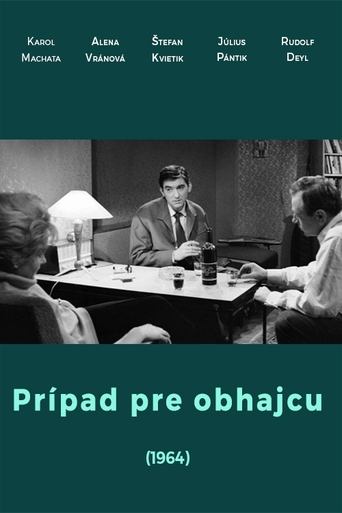
8.0A psychological drama from the judiciary. Lawyer Kolár handles the case of the rape and murder of a fourteen-year-old girl and tries to remove the fifteen-year-old boy from suspicion and subsequent conviction based on discrepancies in the case file.
Prípad pre obhajcu
1964
 5.8
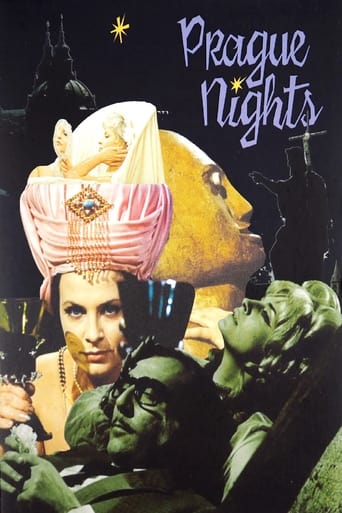
5.8A stuffy middle-aged foreigner, a businessman named Fabricius, lonely and looking for a night's diversion, finds it in the form of a mysterious blonde. In an abandoned cemetery, she tells him three tales involving black magic and erotic obsession. In "The Last Golem," a young rabbi struggles to fashion a massive, silent giant out of living clay — until he's distracted by a mute servant girl. In the second episode, "Bread Slippers," an 18th-century countess indulges her passion for sweet cakes, adulterous affairs, and secret kisses with pretty maids until a mysterious visitor whisks her away to an abandoned mansion, where Fate has a different kind of dance in store for her. And in the final story, "Poisoned Poisoner," a ravishing murderess in the Middle Ages dispatches lecherous merchants to the tune of upbeat '60s Czech pop songs.
Prague Nights
1969
Slovak partisans, bravely fighting against Nazi superiority, would never have succeeded to such an extent if they had not been supported by the villagers. Despite the threat of repression, it is the villagers who care for the wounded, hide them, and behave conscientiously. Although the film was made in the late 1960s, it fully adopts the patterns of partisan stories, perhaps the only thing it can be credited with is a more developed sense of authenticity in the story, characters, and setting.
Stopy na Sitne
1969
Series credits
7.0No synopsis available yet.
Vivat Beňovský!
1975
No synopsis available yet.
V službách zákona
1983
7.0A funny story about a little boy everybody call Pipo and his summer vacations in the village.
Birthmark
1985
No synopsis available yet.
Naši synovia
1975
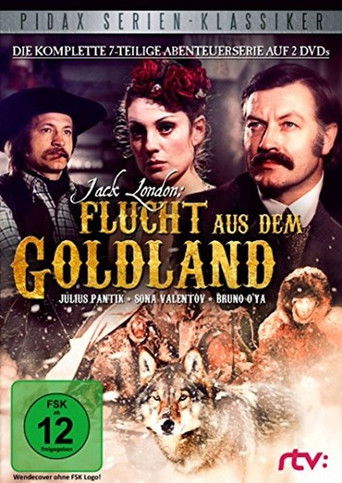 7.0
7.0No synopsis available yet.
Útek zo zlatej krajiny
1979
No synopsis available yet.
Na baňu klopajú
1981
No synopsis available yet.
Louis Pasteur
1979
No synopsis available yet.
Bocianie hniezdo
1981
No synopsis available yet.
Brána k domovu
1975