
Camera
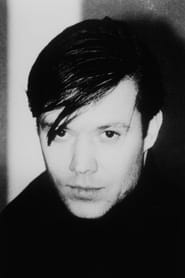
Fred Kelemen
Born
1964-01-06 (62)
Place of birth
Berlin, Germany
Known for
Camera
Credits
19 titles
Fred Kelemen was born in West Berlin/Germany. He studied painting, music, philosophy, religious science and drama studies and worked in various theatres as a director’s assistant before beginning his studies in directing and cinematography at the German Film & TV Academy Berlin (dffb) from 1989 to 1994. He graduated from the dffb with a diploma as a director and as a cinematographer. For his diploma film “Fate” he received the German National Film Award in 1995. Since then, he has made a number of films and videos as director and collaborated as cinematographer with several film directors like Joseph Pitchhadze (“Sweets”, Israel 2013), Béla Tarr (“Journey to the Plain”, Hungary 1995, “The…
Known for
No synopsis available yet.
German Film Award
1951
 6.9
6.9A darkness swirls at the center of a world-renowned dance company, one that will engulf the artistic director, an ambitious young dancer, and a grieving psychotherapist. Some will succumb to the nightmare. Others will finally wake up.
Suspiria
2018
 5.8
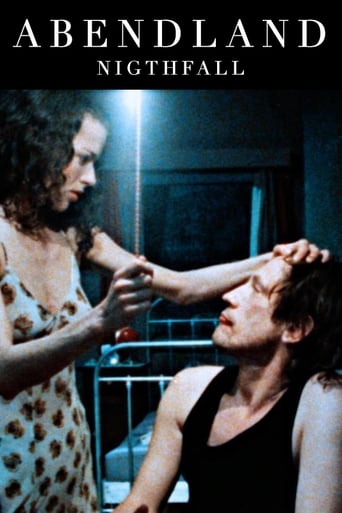
5.8A largely plotless, fado-scored journey through the gloomy cobblestone streets, zombie bars, and fetid basements of a sordid harbor town populated by German-speaking sots and Portuguese guest workers. An unhappy young couple, Leni and Anton, quarrel and split separately into the rat’s ass of the evening. Everyone is looking for love, but no one finds any—although Leni does pick up a trick.
Nightfall
1999
 6.6
6.6A documentary about the making of The Turin Horse, the last film directed by Hungarian master Béla Tarr.
Tarr Béla: I Used to Be a Filmmaker
2014
 5.9
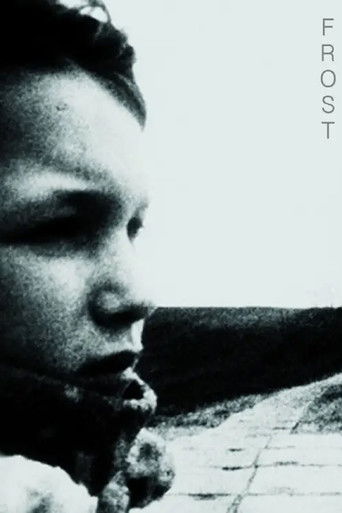
5.9Time of darkness. Time of fire kindled against cold and fear. During the Holy Night, the seven year old Micha has to escape with his young mother Marianne from the violence of his drunken father... During their one week odyssey through frozen Germany, mother and son meet people to offer them shelter... Crushed by their own poverty, or dominated by their feelings of being lost, these people just hurt them deeper and they can be nothing other than stations of their continuous escape
Frost
1997
 NR
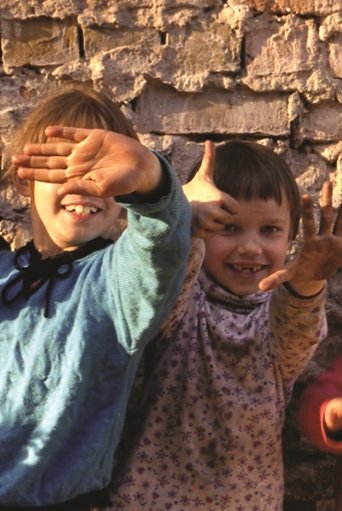
NROnce you stand still, things will come up to you. (Gottfried Benn) Using tableau-like takes of different places of the Muscovite suburb (Moskatchka), a poor quarter of the Latvian capital Riga, the film shows fragments of the choreography of life and combines them to form a picture of reality. Without making any comments, the camera observes the people’s behaviour, which reminds you of the early Flaherty and how his camera “stuck to” his film heroes . It also reminds you of the beginning of film art when the recording of reality on a strip of film was an event, in spite of its accidental character.
Moskatchka
2004
Film credits
2010s · 2 titles
6.9A darkness swirls at the center of a world-renowned dance company, one that will engulf the artistic director, an ambitious young dancer, and a grieving psychotherapist. Some will succumb to the nightmare. Others will finally wake up.
Suspiria
2018
6.6A documentary about the making of The Turin Horse, the last film directed by Hungarian master Béla Tarr.
Tarr Béla: I Used to Be a Filmmaker
2014
Series credits
Behind the camera
5.8A largely plotless, fado-scored journey through the gloomy cobblestone streets, zombie bars, and fetid basements of a sordid harbor town populated by German-speaking sots and Portuguese guest workers. An unhappy young couple, Leni and Anton, quarrel and split separately into the rat’s ass of the evening. Everyone is looking for love, but no one finds any—although Leni does pick up a trick.
Nightfall
1999
5.8A largely plotless, fado-scored journey through the gloomy cobblestone streets, zombie bars, and fetid basements of a sordid harbor town populated by German-speaking sots and Portuguese guest workers. An unhappy young couple, Leni and Anton, quarrel and split separately into the rat’s ass of the evening. Everyone is looking for love, but no one finds any—although Leni does pick up a trick.
Nightfall
1999
5.9Time of darkness. Time of fire kindled against cold and fear. During the Holy Night, the seven year old Micha has to escape with his young mother Marianne from the violence of his drunken father... During their one week odyssey through frozen Germany, mother and son meet people to offer them shelter... Crushed by their own poverty, or dominated by their feelings of being lost, these people just hurt them deeper and they can be nothing other than stations of their continuous escape
Frost
1997
5.9Time of darkness. Time of fire kindled against cold and fear. During the Holy Night, the seven year old Micha has to escape with his young mother Marianne from the violence of his drunken father... During their one week odyssey through frozen Germany, mother and son meet people to offer them shelter... Crushed by their own poverty, or dominated by their feelings of being lost, these people just hurt them deeper and they can be nothing other than stations of their continuous escape
Frost
1997
NROnce you stand still, things will come up to you. (Gottfried Benn) Using tableau-like takes of different places of the Muscovite suburb (Moskatchka), a poor quarter of the Latvian capital Riga, the film shows fragments of the choreography of life and combines them to form a picture of reality. Without making any comments, the camera observes the people’s behaviour, which reminds you of the early Flaherty and how his camera “stuck to” his film heroes . It also reminds you of the beginning of film art when the recording of reality on a strip of film was an event, in spite of its accidental character.
Moskatchka
2004
 6.2
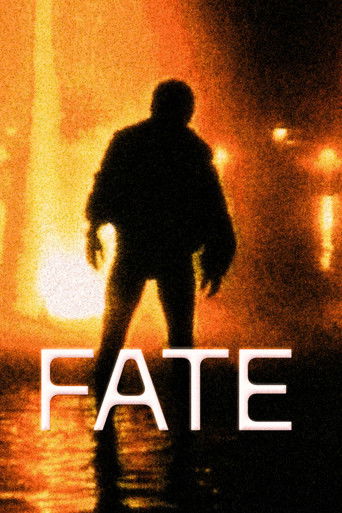
6.2The paths of people from various countries cross during the course of one night. They speak different languages, but they are fatefully bound together by the solitary quest for happiness and deliverance. Sloping paths are all that's left for them in an age of lost perspectives, lost refuges and lost homelands. They sink deeper with every movement that should be liberating them. Every gesture of love becomes a gesture of humiliation. The desperate dance of their life has become a passionate dance of death. In the centre of this centrifuge at the end of the millennium the Russian emigrant Valery and his lover Ljuba are turning around each other in a nocturnal round dance of desire and pain, hope and violence and the indestructible will to survive
Fate
1994
6.2The paths of people from various countries cross during the course of one night. They speak different languages, but they are fatefully bound together by the solitary quest for happiness and deliverance. Sloping paths are all that's left for them in an age of lost perspectives, lost refuges and lost homelands. They sink deeper with every movement that should be liberating them. Every gesture of love becomes a gesture of humiliation. The desperate dance of their life has become a passionate dance of death. In the centre of this centrifuge at the end of the millennium the Russian emigrant Valery and his lover Ljuba are turning around each other in a nocturnal round dance of desire and pain, hope and violence and the indestructible will to survive
Fate
1994
 4.7
4.7Dark, deserted streets in a devastated European town at the end of the 20th Century. People are on the run. Explosions. A woman and a man meet. And they lose sight of each other again after spending a night in a hotel room. Surrounded by a desolate and polluted universe where night never seems to end, these lonely souls are on their cynical quest for a lost world. But in the longed-for, world there cannot be any reality. In the other one, which is existing, life has ended. It needs to cross the wasteland and go beyond the horizon to find the starting point of something new.
Kalyi: Age of Darkness
1993
4.7Dark, deserted streets in a devastated European town at the end of the 20th Century. People are on the run. Explosions. A woman and a man meet. And they lose sight of each other again after spending a night in a hotel room. Surrounded by a desolate and polluted universe where night never seems to end, these lonely souls are on their cynical quest for a lost world. But in the longed-for, world there cannot be any reality. In the other one, which is existing, life has ended. It needs to cross the wasteland and go beyond the horizon to find the starting point of something new.
Kalyi: Age of Darkness
1993
 6.6
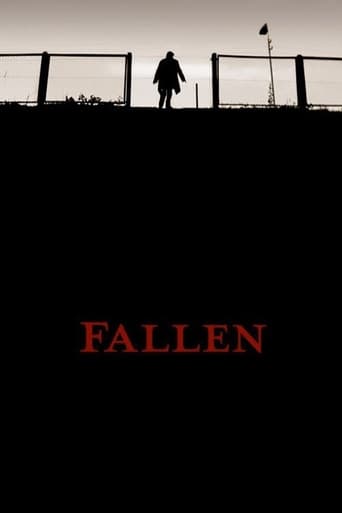
6.6One night, Matiss Zelcs, an employee of the Latvian national archive in Riga, notices a woman on a bridge. After passing by her without preventing her suicidal fall into the depths, a sensation of failure and guilt changes his life. He cannot forget her. Driven by a feeling of remorse and the fever of illusion, he roams through the city night and day looking for traces of her existence. This journey through the tumult of his conscience leads him deeper into his own loneliness and the depths of his soul, as he gets more and more entangled in the destinies of the woman and of the people who were attached to her. He finds himself confronted with the pain of yearning and guilt, the cruelty of love and desire, and the search for forgiveness, release and salvation.
Fallen
2005
6.6One night, Matiss Zelcs, an employee of the Latvian national archive in Riga, notices a woman on a bridge. After passing by her without preventing her suicidal fall into the depths, a sensation of failure and guilt changes his life. He cannot forget her. Driven by a feeling of remorse and the fever of illusion, he roams through the city night and day looking for traces of her existence. This journey through the tumult of his conscience leads him deeper into his own loneliness and the depths of his soul, as he gets more and more entangled in the destinies of the woman and of the people who were attached to her. He finds himself confronted with the pain of yearning and guilt, the cruelty of love and desire, and the search for forgiveness, release and salvation.
Fallen
2005
6.6One night, Matiss Zelcs, an employee of the Latvian national archive in Riga, notices a woman on a bridge. After passing by her without preventing her suicidal fall into the depths, a sensation of failure and guilt changes his life. He cannot forget her. Driven by a feeling of remorse and the fever of illusion, he roams through the city night and day looking for traces of her existence. This journey through the tumult of his conscience leads him deeper into his own loneliness and the depths of his soul, as he gets more and more entangled in the destinies of the woman and of the people who were attached to her. He finds himself confronted with the pain of yearning and guilt, the cruelty of love and desire, and the search for forgiveness, release and salvation.
Fallen
2005
Sarajevo Songs of Woe is a filmic triptych containing of the two tales (“Blue Ballad for Lovers” / “Blue Rondo for Survivors”) and the connecting middle part “Blue Psalm for Wolves” flowing into each other and so being united and building up one universal mosaic of life situated in Sarajevo.
Sarajevo Songs of Woe
2016
Sarajevo Songs of Woe is a filmic triptych containing of the two tales (“Blue Ballad for Lovers” / “Blue Rondo for Survivors”) and the connecting middle part “Blue Psalm for Wolves” flowing into each other and so being united and building up one universal mosaic of life situated in Sarajevo.
Sarajevo Songs of Woe
2016
Sarajevo Songs of Woe is a filmic triptych containing of the two tales (“Blue Ballad for Lovers” / “Blue Rondo for Survivors”) and the connecting middle part “Blue Psalm for Wolves” flowing into each other and so being united and building up one universal mosaic of life situated in Sarajevo.
Sarajevo Songs of Woe
2016