

Known for
 8.1
8.1La que se avecina is a Spanish television comedy created by Alberto Caballero, Laura Caballero and Daniel Deorador. The TV-series focusing around the inhabitants of Mirador de Montepinar, a fictional building located on the outskirts of a big city. Both its storylines and cast are heavily based on Aquí no hay quien viva, which ended when Telecinco bought Miramón Mendi, the series production company. The episodes debuted on the Telecinco network, and were later rerun by the same network as well as cable/satellite channels FactoríaDeFicción and Paramount Comedy. The series debuted in 22 April 2007 and became popular thanks to its funny characters, witty script, use of catchphrases and capacity to integrate and poke fun at contemporary issues; the program presents a caustic satire of many of the 'types' found in Spanish society. The name of the show involves wordplay, as "vecina" is the Spanish word for neighbour.
La que se avecina
2007
 7.6
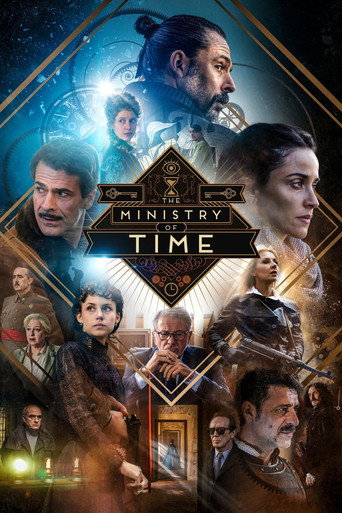
7.6A soldier from the 15th century, a university student from the 19th century and a nurse from the present join the secret 'Department of Time', a secret department within the Spanish government with the ability to travel through time. Their mission is prevent changes in history.
The Ministry of Time
2015
 6.9
6.9As the life of Charles of Habsburg is told since his arrival to Spain, it can be seen how the heir to the crowns of Germany, Burgundy, the Netherlands, the Free County, Artois, Nevers and Rethel, of the territories of the Crown of Aragon and its related Italian territories, and of the territories of the Catholic Monarchs in Castile, North Africa and the Americas, matures as a statesman and gets stronger in face of menaces around him and good and bad advice from his counselors.
Carlos, rey emperador
2015
 5.0
5.0No synopsis available yet.
Mi casa es la tuya
2016
 6.3
6.3Julián, a divorced man with financial problems, uses a cell phone application to share his car with strangers.
Four's a Crowd
2022
 4.0
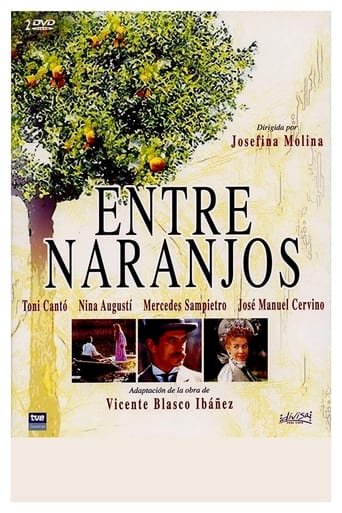
4.0Rafael Brull is the only son of a powerful landowning family in a small Mediterranean town. When he meets Leonora, a mysterious opera singer, his family try to stop their courtship.
Entre naranjos
1998
Film credits
2020s · 1 titles
2000s · 3 titles
 6.2
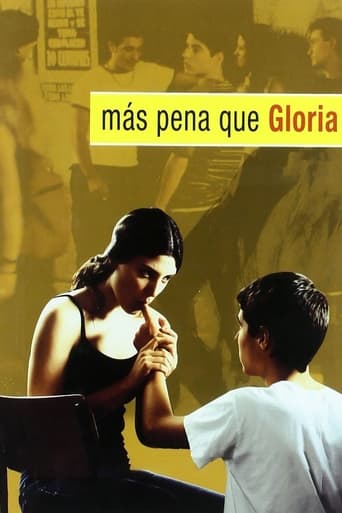
6.2David is a teenager who feels he doesn't belong to a life where his family, friends and the girl he loves seem not to understand him.
No Pain, No Gain
2001
 NR
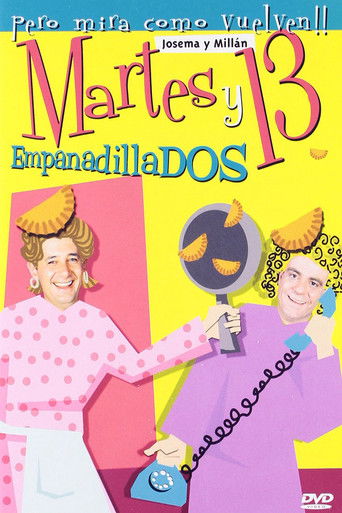
NRNo synopsis available yet.
Martes y 13: Empanadillados
2003
 7.1
7.1Impelled by a spirit which still preserves a patina of idealism, Alfredo arrives to Madrid with the intention to create "a performance that is free, straight from the heart, capable of making people feel alive". His concept of what acting should be begins beyond the stage, out in the streets face to face with the public. Outdoors, in any town square, in a park or in the city's most commercial street, Alfredo and his troupe November start the show; demons to provoke passers-by, displays of social conscience, actions taken to the extreme to put the forces of law and order on full alert. There are no limits, no censorship; only ideas which are always valid so long as the public ceases to be the public and becomes part of the show swept by surprise, fear, tears or laughter. Theater as life, life as theater… there is no longer any difference.
November
2003
1990s · 1 titles
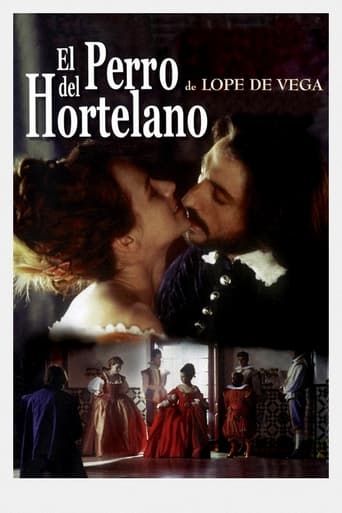
1980s · 5 titles
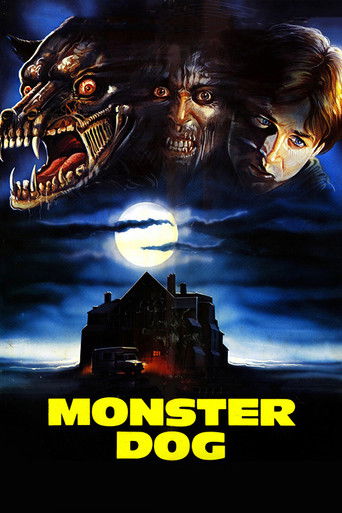 5.0
5.0Victor Raven, a famous rock star, returns to his childhood home to shoot a music video. Believing his presence is responsible for the return of a monstrous hound that killed folks when he was kid, the locals decide to do something violent about it.
Monster Dog
1988
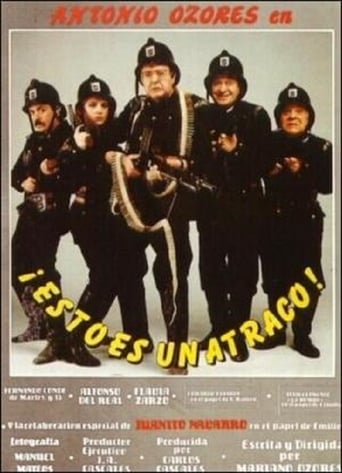 6.4
6.4A group of people are recruited by the brain of a band of robbers to commit the theft of some gold bars. Each character has a particular problem why he needs the money, but all are pretty sloppy.
¡Esto es un atraco!
1987
 7.5
7.5No synopsis available yet.
De hombre a hombre
1985
 4.9
4.9No synopsis available yet.
Ni te cases ni te embarques
1982
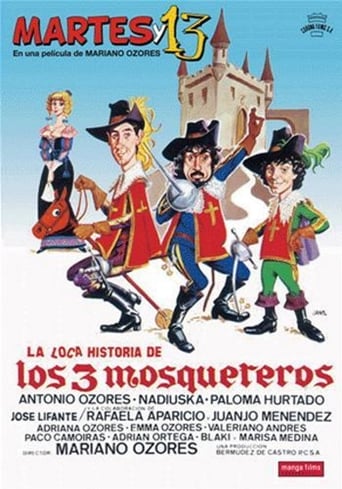 6.0
6.0No synopsis available yet.
La loca historia de los tres mosqueteros
1983
Series credits
8.1La que se avecina is a Spanish television comedy created by Alberto Caballero, Laura Caballero and Daniel Deorador. The TV-series focusing around the inhabitants of Mirador de Montepinar, a fictional building located on the outskirts of a big city. Both its storylines and cast are heavily based on Aquí no hay quien viva, which ended when Telecinco bought Miramón Mendi, the series production company. The episodes debuted on the Telecinco network, and were later rerun by the same network as well as cable/satellite channels FactoríaDeFicción and Paramount Comedy. The series debuted in 22 April 2007 and became popular thanks to its funny characters, witty script, use of catchphrases and capacity to integrate and poke fun at contemporary issues; the program presents a caustic satire of many of the 'types' found in Spanish society. The name of the show involves wordplay, as "vecina" is the Spanish word for neighbour.
La que se avecina
2007
7.6A soldier from the 15th century, a university student from the 19th century and a nurse from the present join the secret 'Department of Time', a secret department within the Spanish government with the ability to travel through time. Their mission is prevent changes in history.
The Ministry of Time
2015
6.9As the life of Charles of Habsburg is told since his arrival to Spain, it can be seen how the heir to the crowns of Germany, Burgundy, the Netherlands, the Free County, Artois, Nevers and Rethel, of the territories of the Crown of Aragon and its related Italian territories, and of the territories of the Catholic Monarchs in Castile, North Africa and the Americas, matures as a statesman and gets stronger in face of menaces around him and good and bad advice from his counselors.
Carlos, rey emperador
2015
5.0No synopsis available yet.
Mi casa es la tuya
2016
4.0Rafael Brull is the only son of a powerful landowning family in a small Mediterranean town. When he meets Leonora, a mysterious opera singer, his family try to stop their courtship.
Entre naranjos
1998
 NR
NRNo synopsis available yet.
Especiales de Nochevieja de Martes y Trece
1988