
Acting
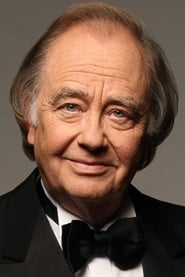
René Kollo
Born
1937-11-20 (88)
Place of birth
Berlin, Germany
Known for
Acting
Credits
64 titles
Known for
 4.7
4.7Every evening at 6:45 p.m. sharp, a prominent guest takes a seat on the red sofa—and DAS! provides daily updates on what's hot in the north.
DAS!
1991
No synopsis available yet.
Volle Kanne
1999
No synopsis available yet.
ZIBB
2003
 5.2
5.2No synopsis available yet.
Leute heute
1997
 5.0
5.0No synopsis available yet.
MDR um 4
2014
 6.6
6.6No synopsis available yet.
NDR Talk Show
1979
Film credits
2000s · 3 titles
 9.0
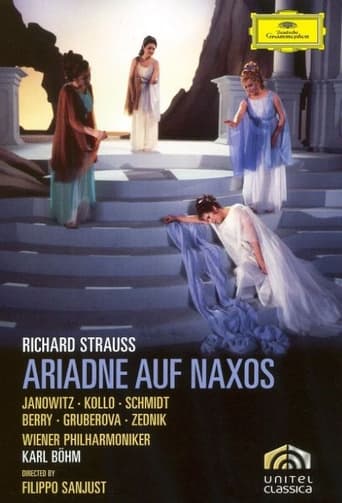
9.0Opera in one act with prologue. Based on the production of the Vienna State Opera by Filippo Sanjust. Libretto by Hugo von Hofmannsthal
Strauss: Ariadne Auf Naxos
2007
 NR
NRThe singer Max Lorenz was Hitler's favourite tenor: married to a Jewess, he was also homosexual. The biography of this outstanding Wagner singer is also closely bound up with the story of Haus Wahnfried in Bayreuth.
Wagner's Master Singer, Hitler's Siegfried - The Life and Times of Max
2008
 9.0
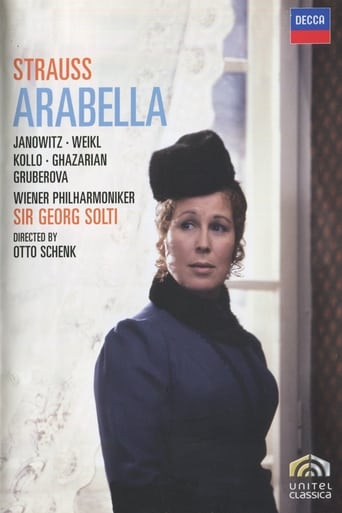
9.0Sir Georg Solti leads the Wiener Philharmoniker in this intimate film of Strauss's comedy of manners. Using traditional sets and costumes, this is the only film version available of this opera. A talented cast includes Gundula Janowitz, Edita Gruberova, Bernd Weikl and Rene Kollo.
Arabella: Wiener Philharmoniker
2008
1990s · 2 titles
 8.0
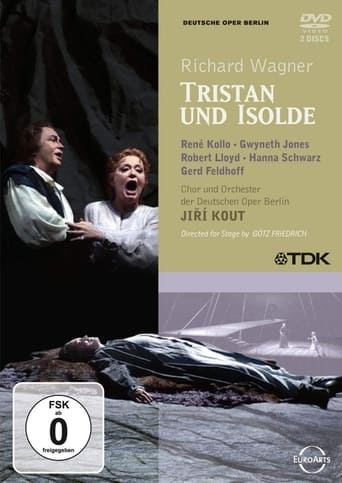
8.0Wagner's erotic opera in a production by the German Opera of Berlin under the direction of Gotz Friedrich, with music conducted by Jiri Kout. Recorded at the Deutsche Oper Berlin.
Tristan und Isolde
1993
 9.0
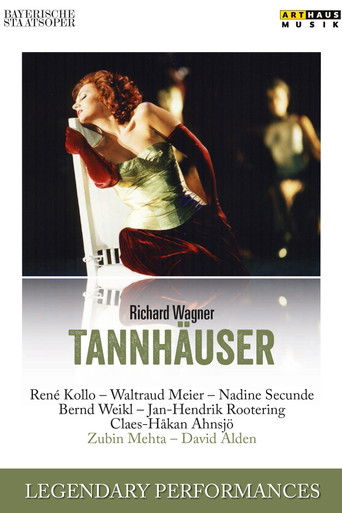
9.0David Alden's production of Wagner's grand romantic opera was recorded at the National Theatre in Munich, with Bayerische Staatsoper, in September 1994. Shot over three days by leading opera director Brian Large, this recording benefits from the ideal technical conditions made possible by a closed session. Alden, one of the most iconoclastic interpreters of classical opera, stirs up the visionary, erotic, and archetypal elements in Wagner's work. The cold, forbidding aspect of the stylized and predominantly monochrome sets and costumes by Roni Toren and Buki Shiff manifests the strait-jacket of tradition from which Tannhäuser seeks to free himself in this powerful opera.
Wagner: Tannhäuser
1994
1980s · 2 titles
 7.3
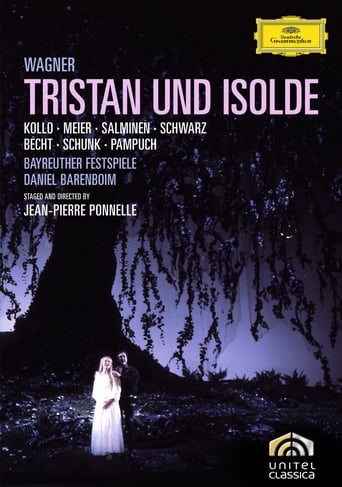
7.3Take a perfect cast, a great conductor and a groundbreaking staging in-out makes a 'Tristan' for eternity. The 1983 performance in Bayreuth was a great moment for the world of opera. The ensemble performance of René Kollo, Johanna Meier and Matti Salminen with, then as now the Wagner admirer, Daniel Barenboim conducting the Bayreuth orchestra inspired singers and instrumentalists to peak performance. Jean-Pierre Ponnelle created a dream-beautiful stage.
Tristan und Isolde
1983
 NR
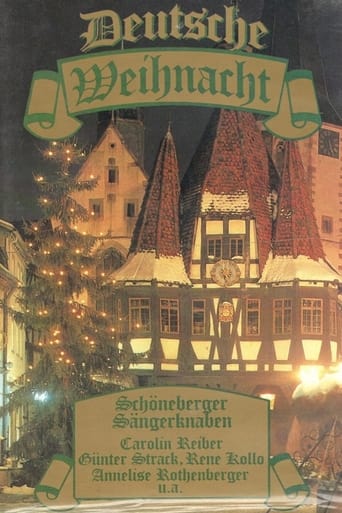
NRA german christmas video tape, accompanied by music and christmas poems.
Deutsche Weihnacht
1989
1970s · 12 titles
 NR
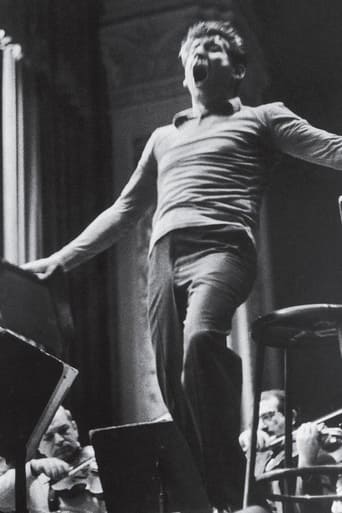
NRDuring a break in rehearsals with the Israel Philharmonic, Leonard Bernstein sat down at the piano to film an introduction to the poetry and music of Gustav Mahler's Das Lied von der Erde.
Das Lied von der Erde: A Personal Introduction
1972
 8.0
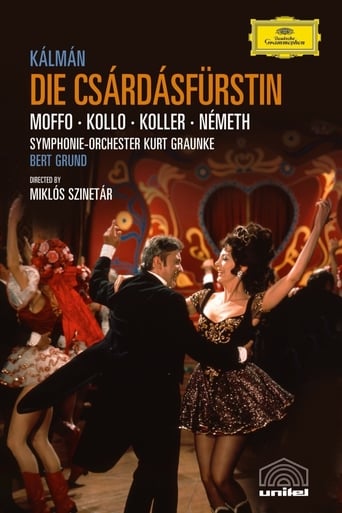
8.0Kálmán Imre's beloved operetta comes to the screen in this comedy of music, marriage and class set in Budapest and Vienna before the outbreak of the First World War, recorded at the Budapest Opera in 1963.
Gypsy Princess
1971
 NR
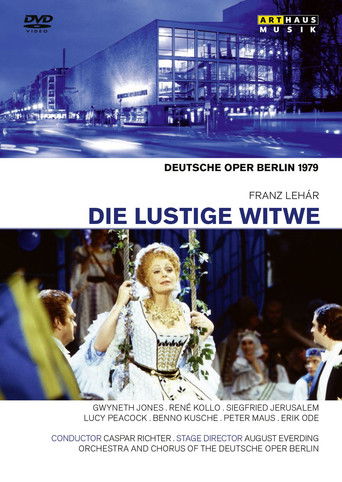
NRFranz Léhar's operetta The Merry Widow has enjoyed extraordinary international success since its premiere in Vienna in 1905 and has been performed and performed again and again. With the 1979 revival at the Deutsche Oper Berlin, August Everding revives a forgotten piece of German-Jewish cultural history. When the Deutsche Oper Berlin staged this great work in 1979, the opera house initially came in for fierce criticism. However, this was not due to the performance itself, but to the fact that the Deutsche Oper Berlin was including operettas in its program for the first time. After 40 years, we have now succeeded in publishing this wonderful performance. This is also thanks to the approval of Dame Gwyneth Jones.
The Merry Widow
1979
No synopsis available yet.
Ein Walzer zu zweien
1975
 9.5
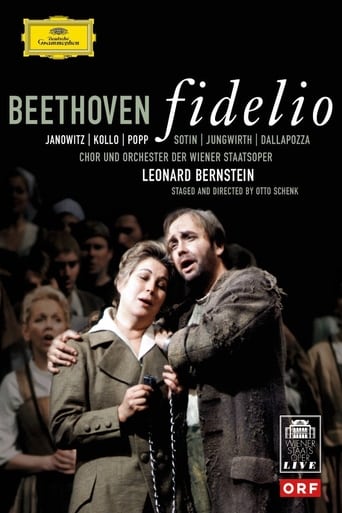
9.5This production is a gala affair; the sets are traditional (evocative of 18th-19th century Spain); the lighting is bright, so colors are good and one can see all of the action. Singers are generally well chosen and perform admirably. However, at this point, slight reservations creep in; although Janowitz (Fidelio/Leonore) and Kollo (Florestan) look "good" and act well, the singing parts tax them a bit when pushed to the limit. Most of the time that doesn't matter, and an argument can be made that a little vocal strain is in character with their dire plight. Ideally, for me, Vickers as Florestan would have added extra vocal heft and more sensitive acting than Kollo.
Beethoven Fidelio
1978
 7.0
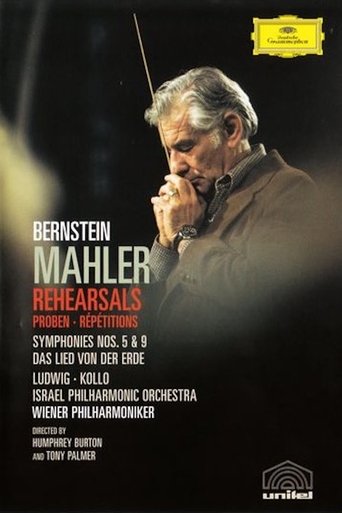
7.0"Four Ways to Say Farewell" is a personal introduction to Mahler and his Ninth Symphony, during which Leonard Bernstein is seen and heard rehearsing the Vienna Philharmonic Orchestra. Filmed in 1971, this rehearsal was directed by Humphrey Burton,
Bernstein Mahler Rehearsal
1976
 8.3
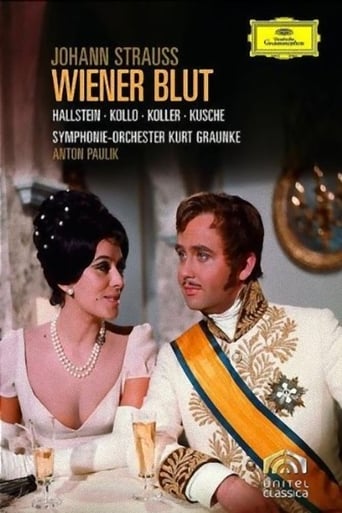
8.3An operetta with music by Johann Strauss II. However, he did not see the premiere. Wiener Blut is set at the time of the Congress of Vienna, 1814-1815, an international conference that sought to settle Europe after the upheavals of the Napoleonic Wars, and follows a traditional operetta plot full of mistaken identities. Count Balduin Zedlau, ambassador of the tiny court of Reuss-Schleiz-Greiz, is posted to Vienna. Count Zedlau is married but a real Don Juan always looking for a new encounter. Many of Strauss' compositions are used in the operetta although he did not specifically composed them for the operetta.
Wiener Blut
1972
 7.0
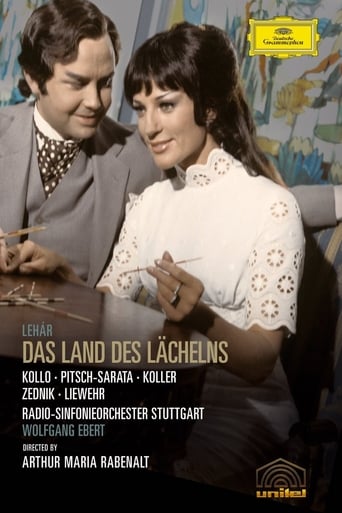
7.0Lehar's The Land of Smiles touches the heart as it provides unforgetable melodies from start to finish. There are no weak links in the cast. Too often, we think of operetta as musical fluff, tired cliches, and obligatory dance scenes when things start slowing down. Not so in this classic operetta. We feel the pain of loss suffered by the two main characters, who make their roles natural and believable. There is more to this work than "Yours Is My Heart Alone." There is dramatic consistency and people you find yourself caring about as much as the music, the costumes, and the colorful sets.
The Land of Smiles
1974
 NR
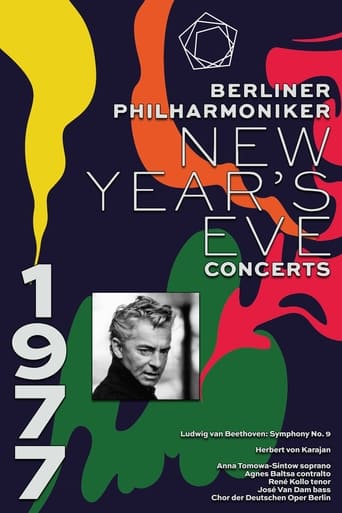
NRThe annual New Year’s Eve Concert is one of the highlights in the calendar of every classical music fan in Berlin and beyond. On New Year‘s Eve, the Berliner Philharmoniker invite an exceptional soloist for a festive gala. Together, the musicians bid farewell to the old year and welcome the new. The 1977 concert was conducted by Herbert von Karajan and featured Ludwig van Beethoven's Symphony No. 9 and the Chor der Deutschen Oper Berlin.
The Berliner Philharmoniker’s New Year’s Eve Concert: 1977
1977
 9.0
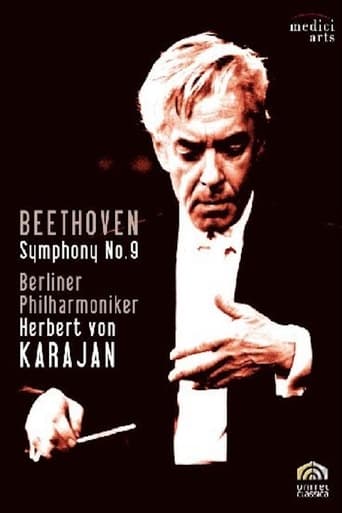
9.0Karajan's very best video Beethoven 9th Symphony, recorded December 31, 1977. The Quartet of vocal soloists and Chorus in IV are superb. This is much better than Karajan's 1968 Berlin Philharmonic Beethoven 9 video (DG), filmed in the Philharmonie with no live audience present.
Beethoven Symphony No. 9
1977
No synopsis available yet.
Die schöne Helena
1975
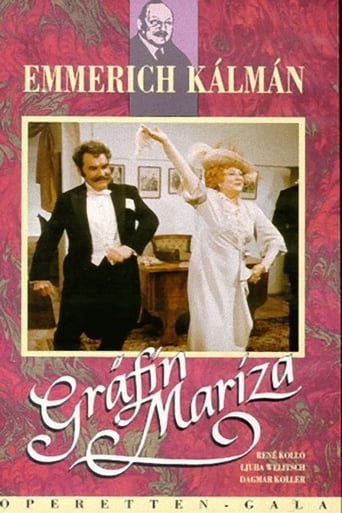 7.5
7.5A countess, paying a rare visit to her estate, clashes with the man she has hired to manage it.
Gräfin Mariza
1974
1960s · 2 titles


Series credits
4.7Every evening at 6:45 p.m. sharp, a prominent guest takes a seat on the red sofa—and DAS! provides daily updates on what's hot in the north.
DAS!
1991
No synopsis available yet.
Volle Kanne
1999
No synopsis available yet.
ZIBB
2003
5.2No synopsis available yet.
Leute heute
1997
5.0No synopsis available yet.
MDR um 4
2014
6.6No synopsis available yet.
NDR Talk Show
1979
 6.8
6.8No synopsis available yet.
Kölner Treff
1976
 5.9
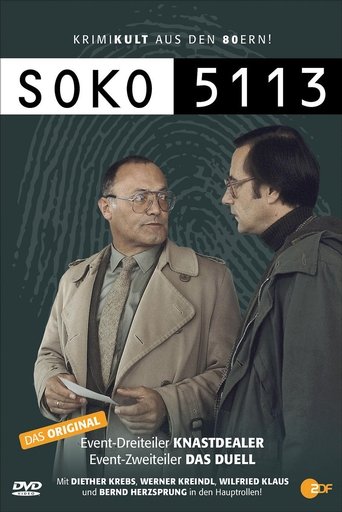
5.9SOKO 5113 is a long-running German police procedural television series. It was first aired in 1978 on 2 January. SOKO is an abbreviation of the term "Sonderkommission" in German.
SOKO München
1978
No synopsis available yet.
The Johannes B. Kerner Show
1998
 7.4
7.4No synopsis available yet.
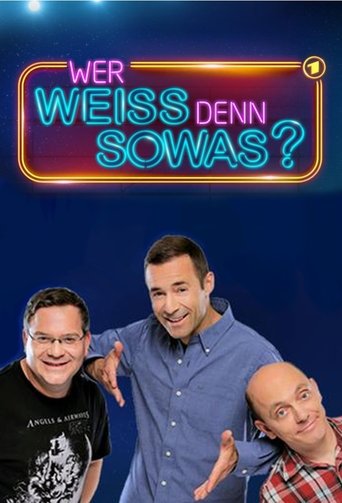
Wer weiß denn sowas?
2015
No synopsis available yet.
Die Drehscheibe
1964
 2.8
2.8No synopsis available yet.
ZDF-Fernsehgarten
1986
No synopsis available yet.
3 nach 9
1974
 4.7
4.7No synopsis available yet.
Nachtcafé
1987
 6.0
6.0No synopsis available yet.
alfredissimo! Kochen mit Bio
1994
No synopsis available yet.
Menschen der Woche
2000
 5.6
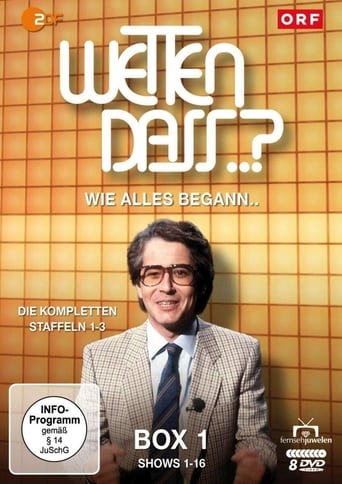
5.6A long-running German-language entertainment television show based on the format of the British show You Bet! and the American show Wanna Bet?.
Wetten, dass..?
1981
No synopsis available yet.
Zum blauen Bock
1957
 9.3
9.3No synopsis available yet.
Dalli Dalli
1971
9.3No synopsis available yet.
Dalli Dalli
1971
 NR
NRNo synopsis available yet.
Die Feste mit Florian Silbereisen
1994
No synopsis available yet.
Goldene Kamera
1984
No synopsis available yet.
Was bin ich?
1955
No synopsis available yet.
Die Pyramide
1979
 7.0
7.0No synopsis available yet.
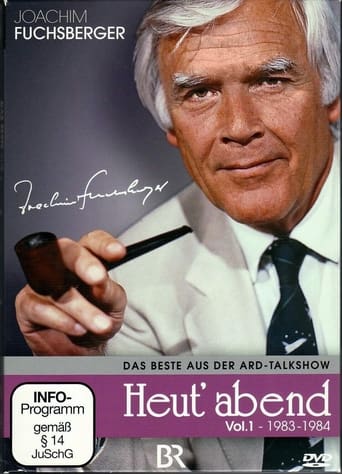
Heut' abend
1980
No synopsis available yet.
Thadeusz
2005
No synopsis available yet.
Einer wird gewinnen
1964
No synopsis available yet.
Wortwechsel
1982
No synopsis available yet.
Der große Preis
1974
No synopsis available yet.
Willkommen bei Carmen Nebel
2004
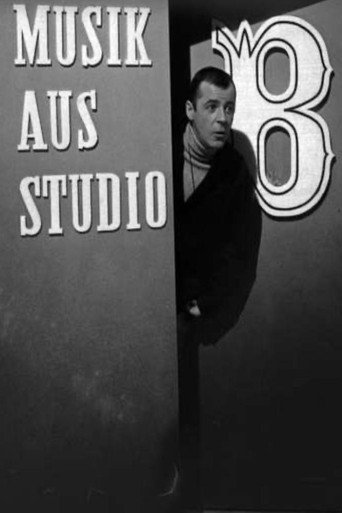 7.0
7.0No synopsis available yet.
Musik aus Studio B
1961
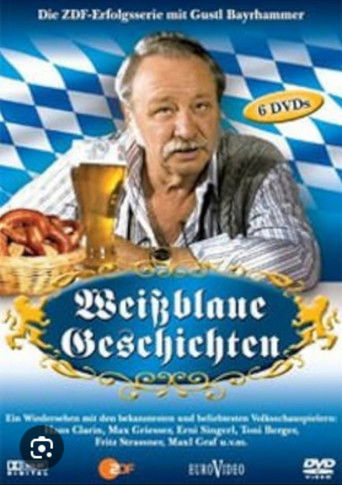 9.5
9.5No synopsis available yet.
Weißblaue Geschichten
1984
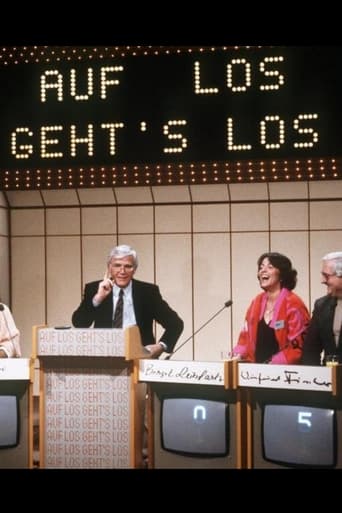 8.0
8.0No synopsis available yet.
Auf los geht's los
1977
No synopsis available yet.
Unsere kleine Show - Musik zur blauen Stunde
1969
No synopsis available yet.
Alles Liebe V.I.P.
2000
No synopsis available yet.
West.art am Sonntag
2003
No synopsis available yet.
Schlager-Spaß
2018
No synopsis available yet.
Musik liegt in der Luft
1991
No synopsis available yet.
Flitterabend
1988
No synopsis available yet.
Das Sonntagskonzert
1969