

Directing
Abdul Salam Al Azmy
Born — Died
1941-02-22 — 2007-04-30
Place of birth
Baghdad, Iraq
Known for
Directing
Credits
6 titles
An Iraqi film director, born in Baghdad. He worked at the beginning of his career as an artistic supervisor in school activities in the cities of Najaf and Kufa after graduating from the Institute of Fine Arts in 1963. At the end of 1966, he obtained a study fellowship at the Film Institute of the German Democratic Republic, and returned to Baghdad in 1970, holding a certificate of specialization in cinematography, and at that time he finished his first documentary film Enemies and Friends. Before coming to the General Organization for Cinema and Theater, he worked in the cinema department of the General Organization for Radio and Television, during which he directed his film The New Road. …
Known for
 NR
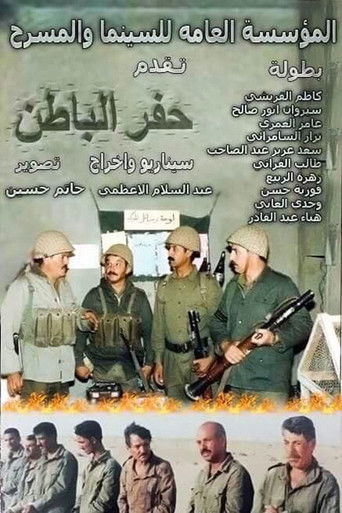
The story revolves around Iraqi army men who, following a historic struggle with the occupying forces, were buried alive in their shelters in the Hafar al-Batin border area by huge bulldozers. Filming began in the spring of 2000, with the city of Habbaniyah selected as the primary shooting location. The film is considered the first Iraqi feature to address the Second Gulf War and involved Iraqi actors alongside Iraqi military units. Approximately 50 actors and 200 military personnel participated in the production. It is believed that the film’s original title was The Longest Day in History before settling on its final name. The film was not permitted to be screened, similar to another Iraqi film, The Countdown. It was reportedly banned because it did not meet the approval of Iraqi President Saddam Hussein.
Hafar Al-Batin
1999
 NR
The tale of the legendary hero Antarah Ibn Shaddad, covering the events of his boyhood and how he grew to be a valiant fighter known for his horsemanship, a figure worthy of inspiring young boys to follow in his footsteps.
Desert Boy
1991
 NR
The young man Essam is studying engineering and is in love with his sweetheart as they dream of tomorrow. But things take a turn when Essam joins the army as he is sent on a military mission in Iran during the war, and his squad suffers severe difficulties due to the harsh terrain.
Our Sun Won't Go Down
1987
Film credits
Behind the camera
NRThe story revolves around Iraqi army men who, following a historic struggle with the occupying forces, were buried alive in their shelters in the Hafar al-Batin border area by huge bulldozers. Filming began in the spring of 2000, with the city of Habbaniyah selected as the primary shooting location. The film is considered the first Iraqi feature to address the Second Gulf War and involved Iraqi actors alongside Iraqi military units. Approximately 50 actors and 200 military personnel participated in the production. It is believed that the film’s original title was The Longest Day in History before settling on its final name. The film was not permitted to be screened, similar to another Iraqi film, The Countdown. It was reportedly banned because it did not meet the approval of Iraqi President Saddam Hussein.
Hafar Al-Batin
1999
NRThe tale of the legendary hero Antarah Ibn Shaddad, covering the events of his boyhood and how he grew to be a valiant fighter known for his horsemanship, a figure worthy of inspiring young boys to follow in his footsteps.
Desert Boy
1991
NRThe young man Essam is studying engineering and is in love with his sweetheart as they dream of tomorrow. But things take a turn when Essam joins the army as he is sent on a military mission in Iran during the war, and his squad suffers severe difficulties due to the harsh terrain.
Our Sun Won't Go Down
1987