
Acting
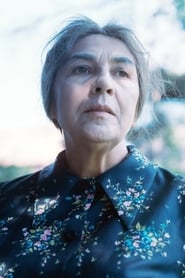
Zofia Rysiówna
Born — Died
1920-05-17 — 2003-11-17
Place of birth
Rozwadów, Stalowa Wola, Podkarpackie, Poland
Known for
Acting
Credits
17 titles
Known for
 7.3
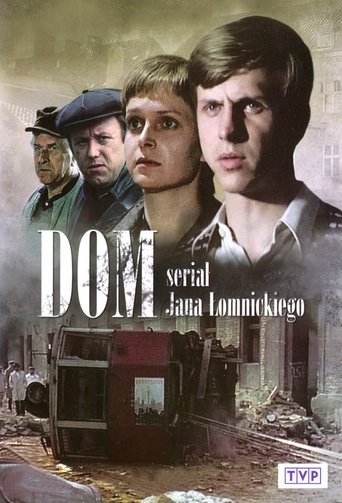
7.3The story of the residents of a tenement house on Złota Street in Warsaw from 1945 to 1980.
Dom
1980
 6.5
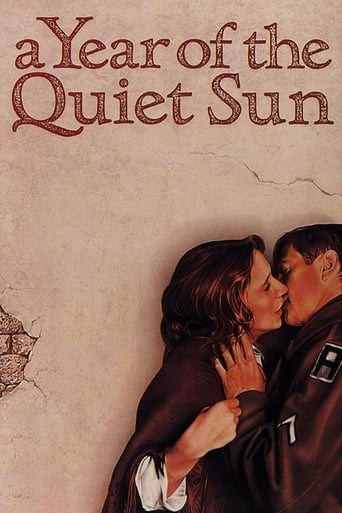
6.5Shortly after World War II an American soldier (Norman) and a Polish refugee (Emilia) fall in love. Eventually he will return to the U.S. and both expect that she will soon follow him with her mother. Emilia's mother is sick, but will recover with the right medicine. But the mother, and not Emilia, knows that there will only be one ticket...
A Year of the Quiet Sun
1984
 10.0
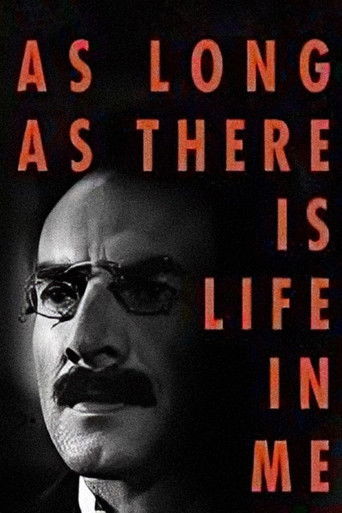
10.0This is part one of a two-part biopic about Karl Liebknecht. In 1914, Germany is arming itself for war. Karl Liebknecht, left-wing revolutionary Social Democrat, workers’ leader and a virulent antimilitarist, is one among 110 SPD members of Parliament who vote against approving war loans. From then on, he is considered un-German and a traitor to the fatherland, and his own party’s leadership turns against him. Despite threats, Liebknecht speaks up against the war and writes the manifesto “The Main Enemy Is at Home.” Even when he is arrested and charged with treason, he does not surrender.
As Long as There’s Life in Me
1965
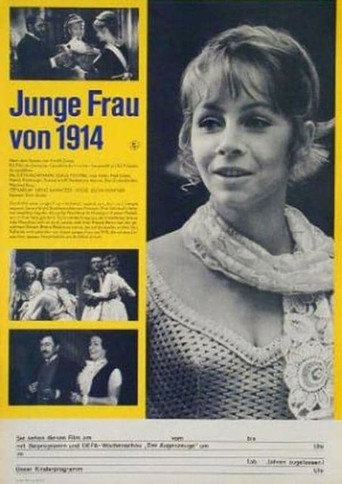 NR
NRIn 1914 Berlin, bank heiress Leonore Wahl and struggling Munich student Werner Bertin fall passionately in love, defying class and her parents’ expectations. Their idyll is shattered by the outbreak of WWI: Werner, swept up in patriotic fervor, is conscripted to the Western Front, while Leonore, pregnant and abandoned, faces her family’s condemnation and a clandestine abortion. Set against the tumult of war, the film explores idealism, social divides, and the personal costs of duty and desire.
Junge Frau von 1914
1970
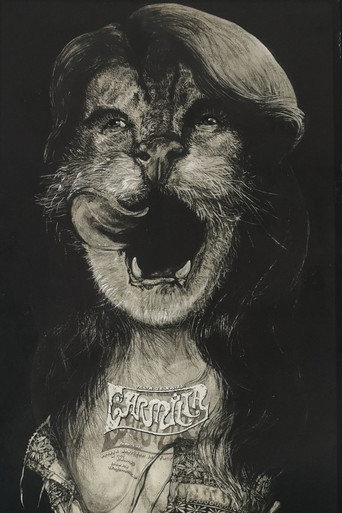 6.5
6.5In 19th-century Styria, isolated Laura's quiet life is upended by the arrival of mysterious, beautiful Carmilla, a female vampire with whom she develops an intense, homoerotic bond. As Laura's life slowly drains, themes of forbidden desire, identity, and the supernatural are explored, culminating in Laura's discovery of Carmilla's vampiric nature and a confrontation with her ancient lineage.
Carmilla
1980
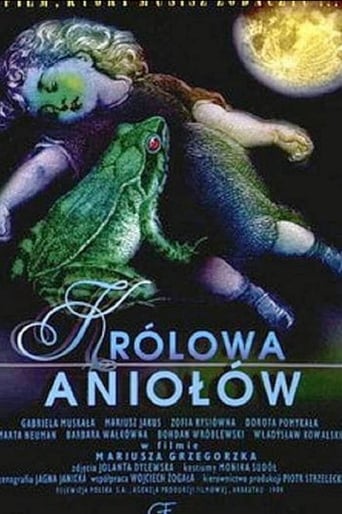 5.7
5.7The film takes place in two spaces of time. Modern history tells the story of a passing relationship crisis doctor James with her teacher Maria. During the night shift, Jacob is trying to calm the boy. Experiencing a shock that pushes him into the inner journey in time past, in the regions of childhood, to the genesis of his fears and frustrations. The second story waged simultaneously with the first takes place in the nineteenth century, in a nobleman's manor where Maria takes care of the ailing heiress Elizabeth. Elizabeth's daughter, Zofia, is expecting a baby. — Polish Wikipedia
Queen of the Angels
1999
Film credits
1990s · 3 titles
5.7The film takes place in two spaces of time. Modern history tells the story of a passing relationship crisis doctor James with her teacher Maria. During the night shift, Jacob is trying to calm the boy. Experiencing a shock that pushes him into the inner journey in time past, in the regions of childhood, to the genesis of his fears and frustrations. The second story waged simultaneously with the first takes place in the nineteenth century, in a nobleman's manor where Maria takes care of the ailing heiress Elizabeth. Elizabeth's daughter, Zofia, is expecting a baby. — Polish Wikipedia
Queen of the Angels
1999
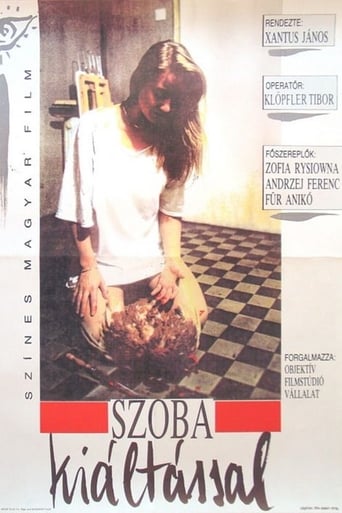 8.0
8.0Helén and Jenö are waiting for a child and are desperately searching for an accomodation. They eventually sign a contract with an old lady, Szeréna, who lives in a two-family house. According to the contract, they are to pay a moderate rent and they have to take care of her until her death. After the first weeks, Szeréna accuses the couple of trying to poison her and builds a chicken coop on the balcony with the aim of living off the eggs she herself gathers.
Cruel Estate
1990
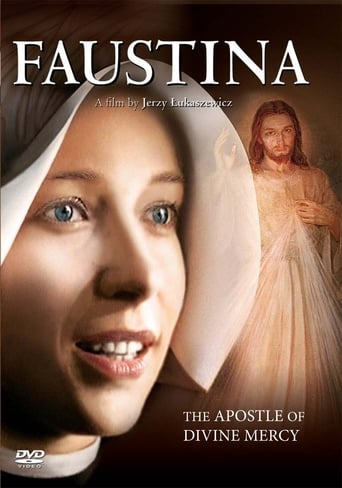 6.4
6.4Faustina is a 1995 Polish film directed by Jerzy Łukaszewicz about Blessed Sister Faustina Kowalska, a saint of the Roman Catholic Church who was canonized by Pope John Paul II in 2000. It is the first feature film of its kind in Poland, and far from the path of modern cinema.
Faustina
1995
1980s · 5 titles
6.5Shortly after World War II an American soldier (Norman) and a Polish refugee (Emilia) fall in love. Eventually he will return to the U.S. and both expect that she will soon follow him with her mother. Emilia's mother is sick, but will recover with the right medicine. But the mother, and not Emilia, knows that there will only be one ticket...
A Year of the Quiet Sun
1984
6.5In 19th-century Styria, isolated Laura's quiet life is upended by the arrival of mysterious, beautiful Carmilla, a female vampire with whom she develops an intense, homoerotic bond. As Laura's life slowly drains, themes of forbidden desire, identity, and the supernatural are explored, culminating in Laura's discovery of Carmilla's vampiric nature and a confrontation with her ancient lineage.
Carmilla
1980
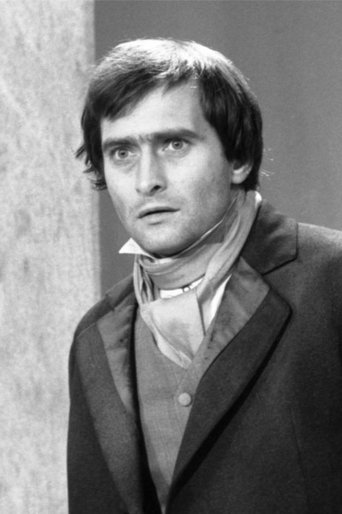 NR
NRAn adaptation of the 1869 novel ‘The Idiot’ by Fyodor Dostoevsky.
Myshkin
1986
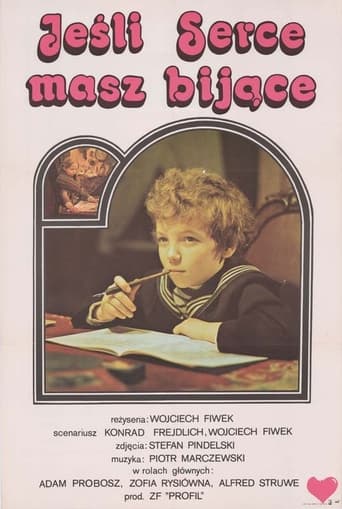 7.0
7.0A group of Polish boys is opposed to a German teacher who aims to Germanise the young men.
Jeśli serce masz bijące
1981
The final stage of the great artist's life, a stage in which Witkacy decides to destroy himself. A growing sense of danger, the futility of all actions, and fear of what is to come accompany him constantly during his escape from Warsaw to the East at the outbreak of World War II. Everyday facts and events are intertwined in the film with reminiscences and images from his life, supported by the artist's inner monologue. The style of narration and the way of filming make the film a poignant study of the writer's inner disintegration. By emphasizing the painterly quality of the image and introducing dreamlike themes, Kluba captures on screen the characteristics of both Witkacy's playwriting and painting.
Gwiazda Piołun
1988
1970s · 3 titles
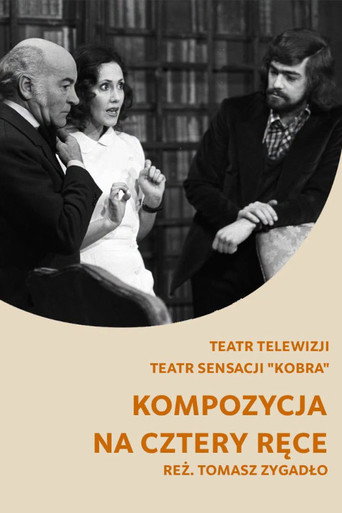 NR
NRNora Hansen witnessed a crime. However, she cannot reveal the truth, as an accident left her completely paralyzed.
Composition for Four Hands
1975
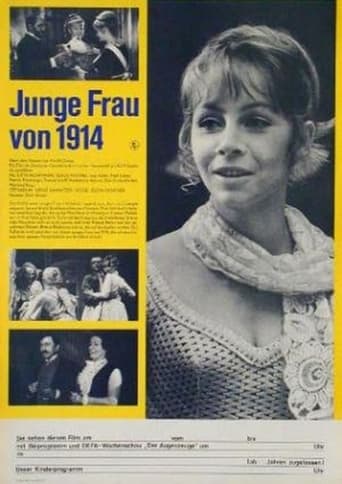 7.0
7.0In 1914 Berlin, bank heiress Leonore Wahl and struggling Munich student Werner Bertin fall passionately in love, defying class and her parents’ expectations. Their idyll is shattered by the outbreak of WWI: Werner, swept up in patriotic fervor, is conscripted to the Western Front, while Leonore, pregnant and abandoned, faces her family’s condemnation and a clandestine abortion. Set against the tumult of war, the film explores idealism, social divides, and the personal costs of duty and desire.
Junge Frau von 1914
1970
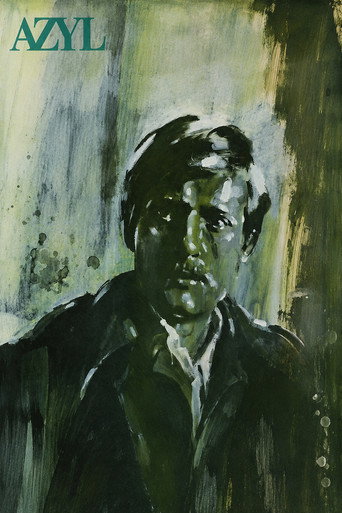 7.5
7.5In 1946, a former resistance fighter starts working as a forester in a small town in Masuria. The local people don't trust him, robberies are common and his old flame is married to another man.
The Refuge
1978
1960s · 4 titles
10.0This is part one of a two-part biopic about Karl Liebknecht. In 1914, Germany is arming itself for war. Karl Liebknecht, left-wing revolutionary Social Democrat, workers’ leader and a virulent antimilitarist, is one among 110 SPD members of Parliament who vote against approving war loans. From then on, he is considered un-German and a traitor to the fatherland, and his own party’s leadership turns against him. Despite threats, Liebknecht speaks up against the war and writes the manifesto “The Main Enemy Is at Home.” Even when he is arrested and charged with treason, he does not surrender.
As Long as There’s Life in Me
1965
A grief-stricken middle-aged woman finds solace after meeting a younger man.
Tatarak
1965
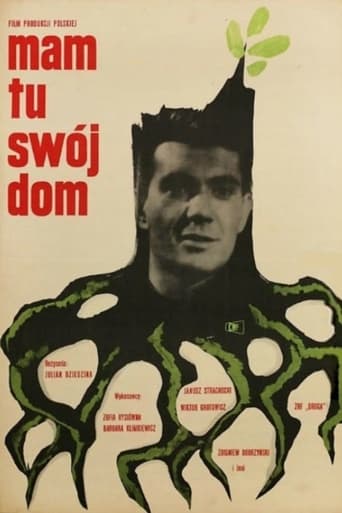 9.0
9.0A young man, Kuba, is returning from the army. At home, an image of misery and despair remains: the father is seriously ill, and the mother has become emotionally attached to the man who exploits her and intends to take over the farm. After the death of his father, the young man guards the farm, but his girlfriend leaves him. Unable to bear the atmosphere of envy and resentment, Kuba leaves for the city.
Here Is My Home
1963
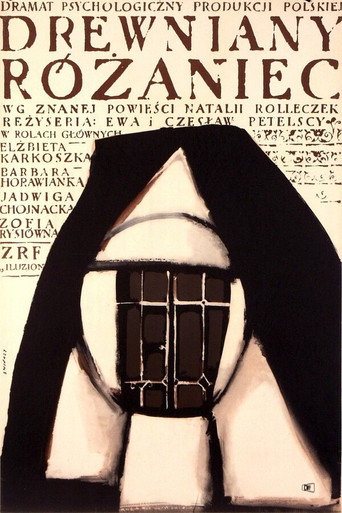 6.0
6.0A young girl sent to an orphanage run by nuns gets confronted with the cruel and outdated methods used by the staff.
The Wooden Rosary
1965
Series credits
7.3The story of the residents of a tenement house on Złota Street in Warsaw from 1945 to 1980.
Dom
1980
NRIn 1914 Berlin, bank heiress Leonore Wahl and struggling Munich student Werner Bertin fall passionately in love, defying class and her parents’ expectations. Their idyll is shattered by the outbreak of WWI: Werner, swept up in patriotic fervor, is conscripted to the Western Front, while Leonore, pregnant and abandoned, faces her family’s condemnation and a clandestine abortion. Set against the tumult of war, the film explores idealism, social divides, and the personal costs of duty and desire.
Junge Frau von 1914
1970