
Directing
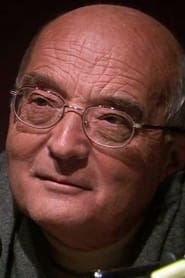
Bruno Monsaingeon
Born
1943-12-05 (82)
Place of birth
Paris, France
Known for
Directing
Credits
37 titles
Bruno Monsaingeon (born 5 December 1943) is a French filmmaker, writer, and violinist. He has made a number of documentary films about famous twentieth-century musicians, including Glenn Gould, Sviatoslav Richter, David Oistrakh, Piotr Anderszewski, Yehudi Menuhin, Francesco Libetta, Grigory Sokolov and David Fray. His interviews with Richter and with Nadia Boulanger have also been published as books. Source: Article "Bruno Monsaingeon" from Wikipedia in English, licensed under CC-BY-SA 3.0.
Known for
 7.0
7.0A collection of vignettes highlighting different aspects of the life, work, and character of the acclaimed Canadian classical pianist.
Thirty Two Short Films About Glenn Gould
1993
 9.0
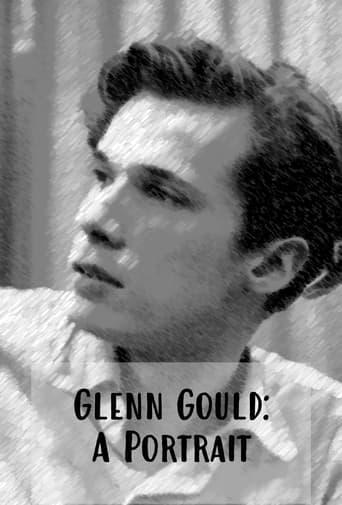
9.0Glenn Gould: A Portrait is a biography of pianist and "explorer of sounds" Glenn Gould. The 105-minute program -- a montage of interviews, photographs, recording sessions, and concerts -- depicts the life and times of this late musician. Highlights of the film include pictures and scenes from Gould's life in Canada, as well as interviews with Geoffrey Payzant, broadcaster Margaret Pacsu, musician John Peter Lee Roberts, and music critic Paul Hume. Gould's personal views on animals (especially his affinity for skunks), his psychiatry, pacifism, and solitude are reflected on by family and friends.
Glenn Gould: a Portrait
1985
 5.9
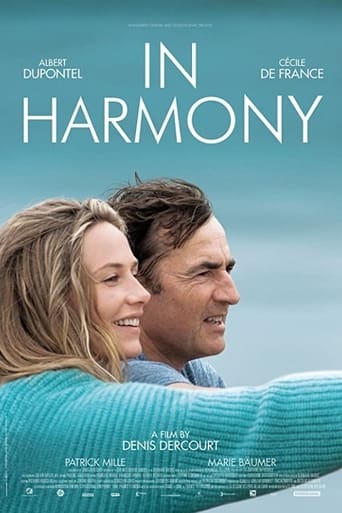
5.9After a serious accident on a film shoot, Marc, an equestrian, loses all hope to mount back on. His insurance company instructs Florence to handle his case. This film is the story of their meeting.
In Harmony
2015
 8.0
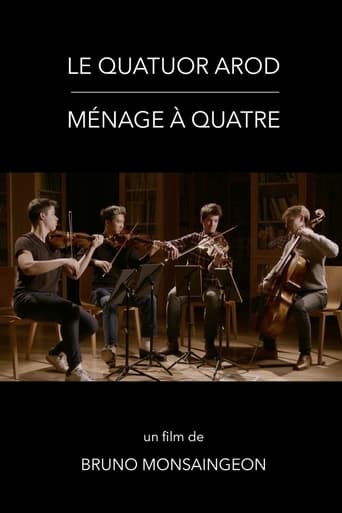
8.0Ten years of hard work have made the young Arod Quartet one of the most brilliant of its generation. For it takes years to blend together 4 individual talents into one. Their repertoire is ranging from Mozart to Bartok, Debussy to Kurtág.
The Arod Quartet: Ménage à 4
2023
 7.0
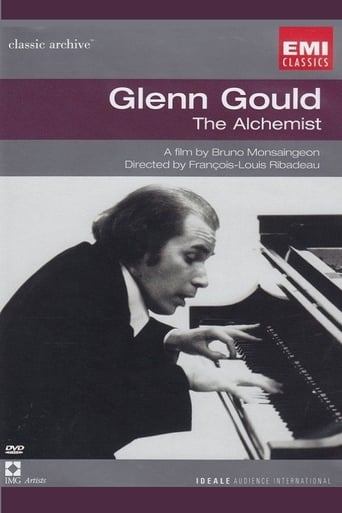
7.0Filmmaker Bruno Monsaingeon visits piano virtuoso Glenn Gould more than ten years after his self-imposed exile from the stage, which results in a mixture of interview and performance.
Glenn Gould: The Alchemist
1974
 8.7
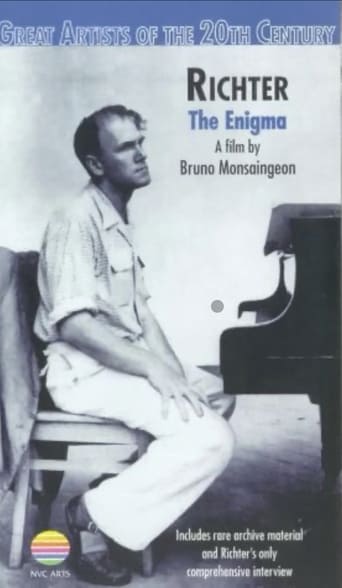
8.7This biography of Sviatoslav Richter, the great Russian pianist who dedicated his life to music and had little regard for fame in the West, shines a light on his formative years and places him against the setting of a chaotic USSR culture.
Richter: The Enigma
1998
Film credits
2000s · 1 titles

1980s · 3 titles
9.0Glenn Gould: A Portrait is a biography of pianist and "explorer of sounds" Glenn Gould. The 105-minute program -- a montage of interviews, photographs, recording sessions, and concerts -- depicts the life and times of this late musician. Highlights of the film include pictures and scenes from Gould's life in Canada, as well as interviews with Geoffrey Payzant, broadcaster Margaret Pacsu, musician John Peter Lee Roberts, and music critic Paul Hume. Gould's personal views on animals (especially his affinity for skunks), his psychiatry, pacifism, and solitude are reflected on by family and friends.
Glenn Gould: a Portrait
1985
 NR
NRIn Part II of the series "Glenn Gould Plays Bach", Gould concentrates on the fugal form in Bach's works, showing us how Bach uses keys like stops on an organ, and how they give him ideas and colours. He performs various fugues from the Well-Tempered Clavier and reveals why he feels the "Art of Fugue" is the work that summed up Bach's life.
An Art of the Fugue
1983
 NR
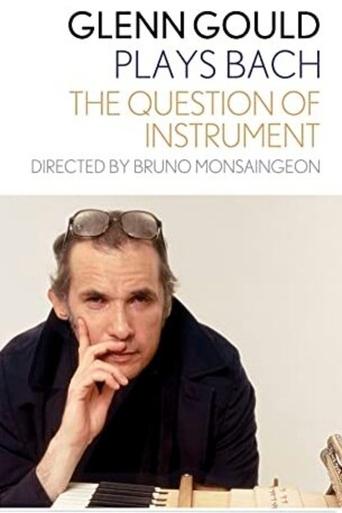
NRPart I of the series "Glenn Gould Plays Bach" is devoted to Bach's "Art of Fugue." Gould's performance is followed by a lively repartee with Monsaingeon, in which the pianist provides dazzling insights illustrated by music examples. He explains, for example, why he plays some pieces extremely slowly, and bemoans the "musicological overkill" of scholars who insist that Bach's keyboard music should only be played on a harpsichord.
The Question of Instrument
1983
Behind the camera
8.0Ten years of hard work have made the young Arod Quartet one of the most brilliant of its generation. For it takes years to blend together 4 individual talents into one. Their repertoire is ranging from Mozart to Bartok, Debussy to Kurtág.
The Arod Quartet: Ménage à 4
2023
8.0Ten years of hard work have made the young Arod Quartet one of the most brilliant of its generation. For it takes years to blend together 4 individual talents into one. Their repertoire is ranging from Mozart to Bartok, Debussy to Kurtág.
The Arod Quartet: Ménage à 4
2023
7.0Filmmaker Bruno Monsaingeon visits piano virtuoso Glenn Gould more than ten years after his self-imposed exile from the stage, which results in a mixture of interview and performance.
Glenn Gould: The Alchemist
1974
8.7This biography of Sviatoslav Richter, the great Russian pianist who dedicated his life to music and had little regard for fame in the West, shines a light on his formative years and places him against the setting of a chaotic USSR culture.
Richter: The Enigma
1998
8.7This biography of Sviatoslav Richter, the great Russian pianist who dedicated his life to music and had little regard for fame in the West, shines a light on his formative years and places him against the setting of a chaotic USSR culture.
Richter: The Enigma
1998
NRIn Part II of the series "Glenn Gould Plays Bach", Gould concentrates on the fugal form in Bach's works, showing us how Bach uses keys like stops on an organ, and how they give him ideas and colours. He performs various fugues from the Well-Tempered Clavier and reveals why he feels the "Art of Fugue" is the work that summed up Bach's life.
An Art of the Fugue
1983
NRPart I of the series "Glenn Gould Plays Bach" is devoted to Bach's "Art of Fugue." Gould's performance is followed by a lively repartee with Monsaingeon, in which the pianist provides dazzling insights illustrated by music examples. He explains, for example, why he plays some pieces extremely slowly, and bemoans the "musicological overkill" of scholars who insist that Bach's keyboard music should only be played on a harpsichord.
The Question of Instrument
1983
This documentary introduces the unbelievable talents of Valeriy Sokolov. A short introduction gives way to concert footage guaranteed to amaze. The repertoire includes Beethoven's 7th Violin sonata, Prokofiev's 2nd sonata, Saint-Saens' Introduction and Rondo Capriccioso, and Miroslav Skorikh's Spanish Danse.
Valeriy Sokolov: Natural Born Fiddler
2006
 NR
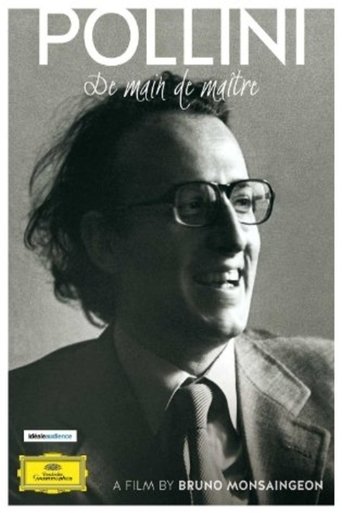
NRA unique film portrait of the famous Italian pianist. Maurizio Pollini felt himself that the time had come to submit to the probing of the camera, an exercise made all the more necessary because of his usual avoidance of the public eye.
Maurizio Pollini: De main de maître
2014
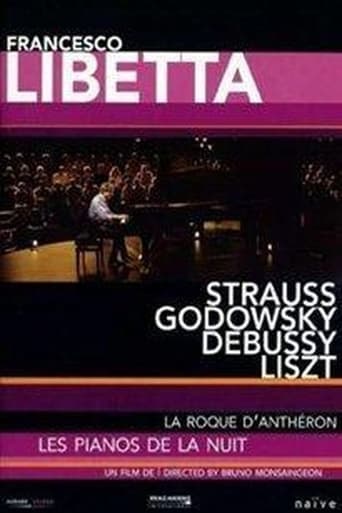 NR
NR"Les Pianos De La Nuit" is a collection of piano recitals performed live in the heart of Provence during the International Piano Festival of La Roque D'Antheron in July and August 2002. Conceived specifically for DVD release, these virtuoso performances by contemporary artists can claim authoritative status as classic 21st-century archival footage. R. Strauss Ständchen, Op. 17 No. 2 Serenade Till Eulenspiegel, Op. 28 Godowsky Studies after Chopin’s Studies No. 47 Badinage No. 28 Study in Octaves No. 22 Study for the Left Hand Debussy L’Isle joyeuse Hummel Rondo in E-flat major, Op. 11 Liszt Totentanz, S 525 Ligeti L’Escalier du diable (No. 13 from: Études pour piano II) Saint-Saëns Study in the Form of a Waltz, Op. 52 No. 6 Tchaikovsky Pas de deux from “The Sleeping Beauty” Adagio Variation I : Désiré Variation II : Aurore Coda Alkan “20 Years” from the Grand Sonata, Op. 33 “The Four Ages” Delibes Pizzicato Polka from “Sylvia”
La Roque d'Anthéron - The Pianos of the Night: Francesco Libetta
2003
 NR
NRMeet conductor and cellist Klaus Mäkelä through the eyes of Bruno Monsaingeon. The legendary director discovered the young maestro's genius for the first time in 2021 at a concert by the Orchester de Paris, when he was just 25 years old. Through his traveling and musical collaborations, the director reveals himself as a conductor who is to leave his mark on the 21st century
Klaus Mäkelä, Towards the Flame
2024
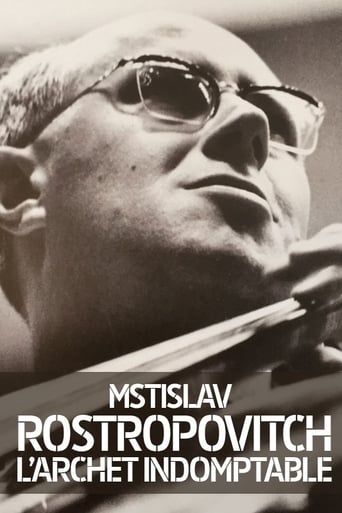 10.0
10.0The Indomitable Bow is a unique portrait of Mstislav Rostropovich, a formidable personality as well as a complex, deeply political musician constantly engaged in a whirlwind of activities. Including unreleased documents, archive films, interviews and concert performances from this key figure of the 20th century, The Indomitable Bow is a remarkable testimony of the life and work of the legendary Slava
Rostropovich: L'archet Indomptable
2019
10.0The Indomitable Bow is a unique portrait of Mstislav Rostropovich, a formidable personality as well as a complex, deeply political musician constantly engaged in a whirlwind of activities. Including unreleased documents, archive films, interviews and concert performances from this key figure of the 20th century, The Indomitable Bow is a remarkable testimony of the life and work of the legendary Slava
Rostropovich: L'archet Indomptable
2019
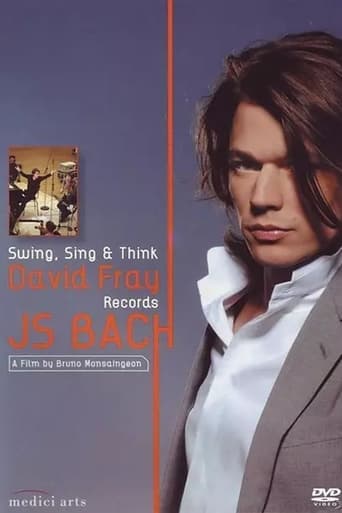 5.2
5.2Swing, Sing and Think is a chronicle of the young French pianist David Fray's recording sessions of three of Bach's famous clavier concertos. Each chapter features a few minutes of Fray at home in Paris explicating his interpretation of the score at his piano, followed by rehearsal and recording sessions he conducts with the Deutsche Kammerphilharmonie Bremen, one of the finest chamber orchestras in Europe.
Swing, Sing and Think
2008
5.2Swing, Sing and Think is a chronicle of the young French pianist David Fray's recording sessions of three of Bach's famous clavier concertos. Each chapter features a few minutes of Fray at home in Paris explicating his interpretation of the score at his piano, followed by rehearsal and recording sessions he conducts with the Deutsche Kammerphilharmonie Bremen, one of the finest chamber orchestras in Europe.
Swing, Sing and Think
2008
 8.0
8.0A retrospective of the life and work of Glenn Gould, Hereafter synthesizes an incredible wealth of archival material from various sources.
Glenn Gould: Hereafter
2006
8.0A retrospective of the life and work of Glenn Gould, Hereafter synthesizes an incredible wealth of archival material from various sources.
Glenn Gould: Hereafter
2006
 NR
NRNo synopsis available yet.
Glenn Gould - Partita no. 6 in E minor, J.S. Bach
2004
 10.0
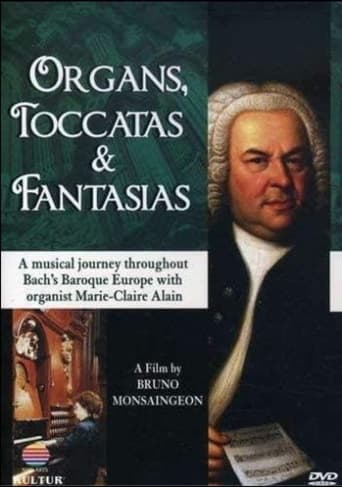
10.0Director Bruno Monsaingeon stages this live musical journey into the works of Johann Sebastian Bach, featuring virtuoso Marie-Claire Alain playing organs hand-selected to best represent Bach's Baroque style. The tour incorporates venues at which the maestro himself would have performed, such as Haarlem, Rötha, Groningen and Dresden, and includes masterpieces such as Toccata in F Major, Trio Sonata no. 1, Fantasia and Fugue in G Minor, and more.
Orgues, Toccatas, et Fantaisies
1990
 7.0
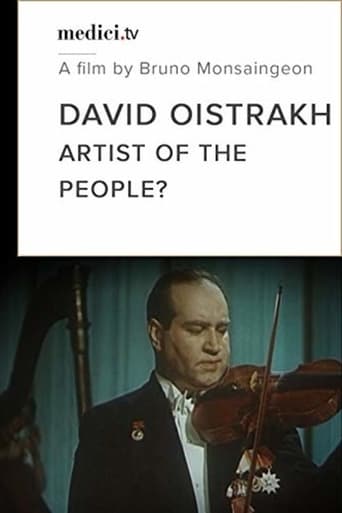
7.0The life and virtuosic work of Russian violinist David Oistrakh, once known as King David in the Soviet Union, is chronicled with depth and detail by filmmaker Bruno Monsaingeon in this intriguing portrait of an artist. Highlights include a range of performance footage throughout Oistrakh's legendary career, as well as interviews with his son, Igor, conductor Gennadi Rozhdestvensky, cellist Mstislav Rostropovich and violinist Yehudi Menuhin.
David Oistrakh: Artist of the People?
1996
 NR
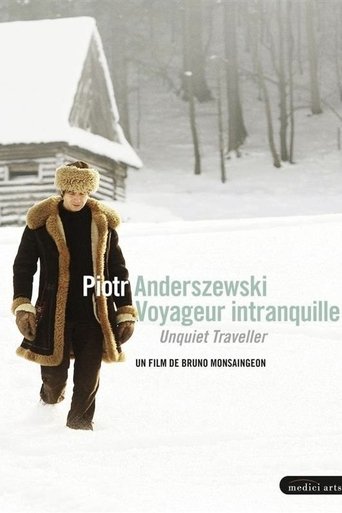
NRFamous for having fled the stage of the 1990 Leeds Competition because he felt he didn't deserve to be there, pianist Piotr Anderszewski provides an eccentric subject for an eccentric filmmaker, Bruno Monsaingeon, in this absorbing documentary. Following Anderszewski as he travels from Poland to Hungary by train with his grand piano in tow, the film reveals much about the musical musings of a brilliant performer and artist.
Piotr Anderszewski: Unquiet Traveller
2009
 4.2
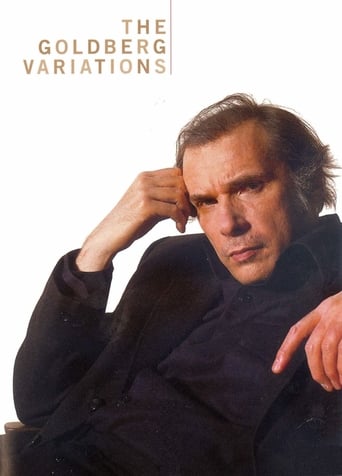
4.2Part III in the series "Glenn Gould Plays Bach" spotlights Gould recording Bach's "Goldberg Variations" in a sound studio. In a brief introduction, he reminisces about his first recording of the pieces and explains why he wanted to record them again now, a quarter of a century later. It was to be his last recording of the "Goldberg Variations" and perhaps the last time he played the work: Glenn Gould died the year after the recording was made.
The Goldberg Variations
2007
No synopsis available yet.
Guennadi Rojdestvenski : Profession chef d'orchestre
2003
No synopsis available yet.
Scènes de la Vie musicale en Russie soviétique
2004
 9.0
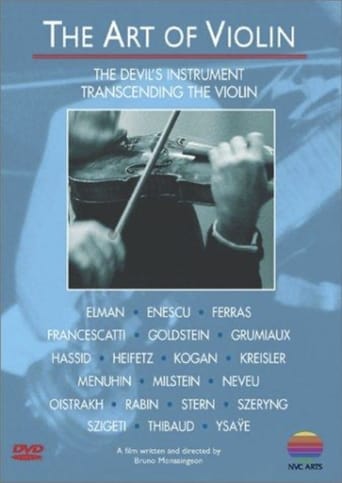
9.0A film written and directed by Bruno Monsaingeon. Drawing on archival performance footage and interviews, The Art of Violin evokes the vast panorama of the world of the violin in the 20th century and its most outstanding performers. It is hard to express the explosions of joy occasioned by the discovery of long sought-out but undreamed-of archives, such as some silent - and later resynchronised - film footage, or the few brief moments of Chausson's Poeme played by Ginette Neveu, the silent yet moving (in every sense of the word)images of Kreisler and Ysaye, the awe of a young Menuhin, the superb single camera shot of David Oistrakh performing the cadenza from Shostakovich's First Concerto. Contributions from Ivry Gitlis, Ida Haendel, Hilary Hahn, Laurent Korcia, Yehudi Menuhin, Itzhak Perlman, and Mstislav Rostropovich, Produced by Pierre-Olivier Bardet & Stephen Wright.
The Art of Violin
2000
Dietrich Fischer-Dieskau has left his mark on the musical scene since his debuts in 1947, with the recording of Schubert's Schwanengesang and Winterreise for the American Sector Radio in Berlin. He played on every stage, with the greatest performers, under the baton of the greatest directors. Through interviews given in front of Bruno Monsaingeon's camera, the German tenor recounts his career.
Dietrich Fischer-Dieskau: Last Words
2013
 6.0
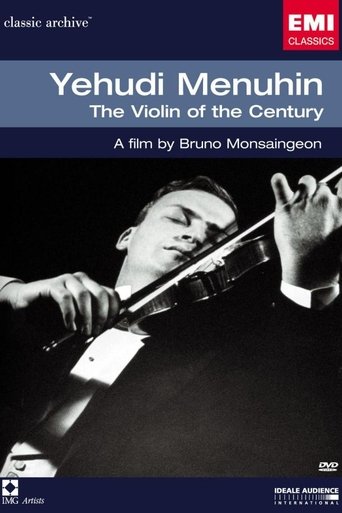
6.0This film is devoted to the artistic heritage of a personality who ranked among the most extraordinary musicians of his time, even as a child. Menuhin was not a mere musician: he was a cosmopolitan, a peacemaker and a true humanist. French filmmaker Bruno Monsaingeon, who filmed this great retrospective, describes his work with Menuhin as follows: “He threw himself into it whole-heartedly, with great sense of humour and overwhelming humanity. This film also shows my heartfelt gratitude for a man who gave such decisive sense to my own existence.”
Yehudi Menuhin: The Violin of the Century
1996
6.0This film is devoted to the artistic heritage of a personality who ranked among the most extraordinary musicians of his time, even as a child. Menuhin was not a mere musician: he was a cosmopolitan, a peacemaker and a true humanist. French filmmaker Bruno Monsaingeon, who filmed this great retrospective, describes his work with Menuhin as follows: “He threw himself into it whole-heartedly, with great sense of humour and overwhelming humanity. This film also shows my heartfelt gratitude for a man who gave such decisive sense to my own existence.”
Yehudi Menuhin: The Violin of the Century
1996
 NR
NRThis documentary is the first film ever made by Bruno Monsaingeon. It was shot in the 1960s and early 1970s in grainy black and white and only average sound, when Boulanger was in her late 80s and still fearsomely in command of her abilities. Monsaingeon re-cut the film in 1977. This film remains one of the most important documents concerning this fabled teacher. She is seen at one of her fabled 'Wednesdays', a composition lesson held weekly in her apartment for almost six decades and attended by anyone who would come. In this particular session she talks illuminatingly with students about a small portion of Schumann's 'Davidsbündertanze'.
Nadia Boulanger: Mademoiselle
1977