
Directing
Olga Preobrazhenskaya
Born — Died
1881-07-24 — 1971-10-30
Place of birth
Moscow, Russian Empire [now Russia]
Known for
Directing
Credits
26 titles
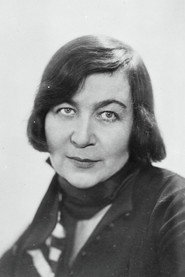
Russian film director, screenwriter, and actress. Olga Ivanovna Preobrazhenskaya (24.07.1881, Moscow – 30.10.1971, ibid.) was a Russian and Soviet stage and film actress, film director, screenwriter and pedagogue; she was one of the first female film directors in the world, and the first female film director in Russia. Honoured Artist of the RSFSR (1935). Between 1901 and 1906, Preobrazhenskaya attended the Moscow Art Theatre Studio, after which she worked in provincial theatres. In 1913, she made her film debut in The Keys to Happiness, as Mania Yeltsova. One of her first works as a director was The Peasant Girl (1916); Preobrazhenskaya worked on this film alongside her husband, the dire…
Known for
 6.7
6.7About the labor exploits of gold miners, the old partisan Fedor Potanin and his son, the leader Stepan.
Prairie Station
1941
 6.5
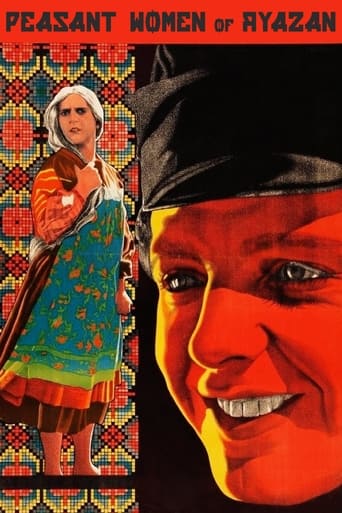
6.5The picture compares the fate of two heroines Anna and her lively and energetic sister-in-law Vasilisa, who openly defies the old way of life.
The Peasant Women of Ryazan
1927
 7.0
7.0In a Kazakh village at the beginning of Soviet power, a wealthy kulak (landowner) voluntarily denounces his opposition to the new regime and hands over his large home to be a new school for the children of the villagers. But three people in the village have difficulty believing that their class enemy is now their friend.
Paths of Enemies
1935
 6.5
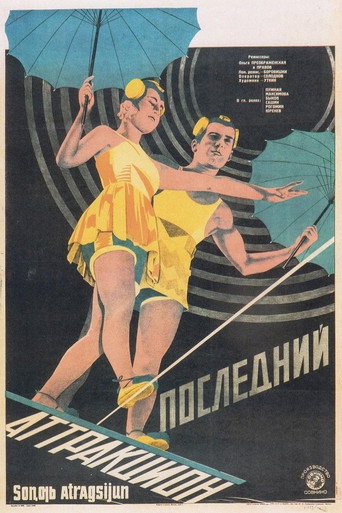
6.5A travelling circus troupe during the Civil War. A kommissar tries to transfer the wagon into an agit-prop van. The Whites conquer the town. The kommissar hides among the artists.
The Last Attraction
1929
 NR
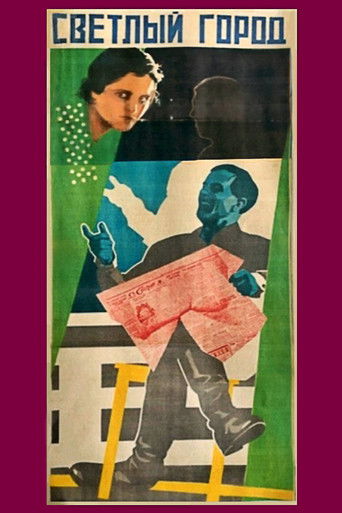
NRPartially lost movie. Based on the novella ‘The Red Scarf’ by Mikhail Pavlovich Rogi. The story of a peasant woman who comes to the city to join her husband, a factory worker, and finds it difficult to adjust to her new life. Only the fourth part of the film has survived.
A Bright City
1928
 4.5
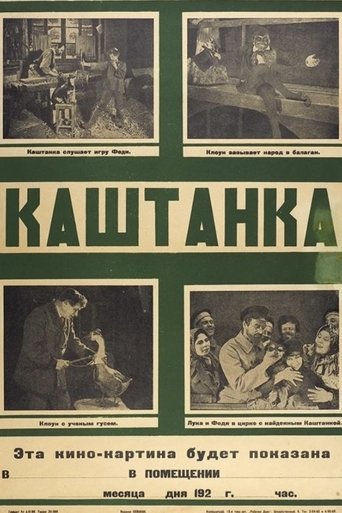
4.5Little dog Kashtanka is stolen, sold, tossed out into the street and saved by a clown. Young Fedyushka gets lost looking for the dog and ends up a prisoner of the sinister Mazamet who compels him to rove from house to house to make money, while Fedyushka’s father wanders through the streets in search of his lost child.
Kashtanka
1926
Film credits

1910s · 7 titles
Based on the play Miss Julie by August Strindberg.
Plebeian
1915
A screen adaptation of excerpts from Jack London's dystopian novel of the same name describing the rise of the Oligarchy (the "Iron Heel") in the United States. The film was meant to be screened during theatre performances performed by the same actors.
The Iron Heel
1919
 NR
NRFive-episode adaptation of the eponymous Russian novel, directed by Pyotr Chardynin et al.
Petersburg Slums
1915
 NR
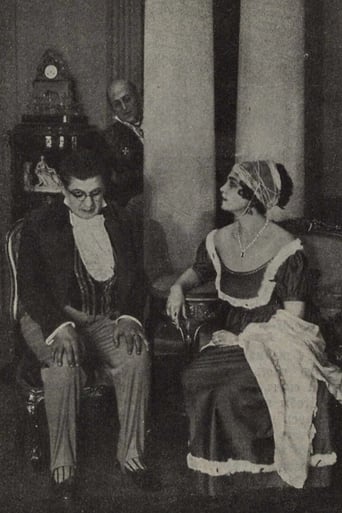
NRThe love story of young Countess Natasha Rostova and Count Pierre Bezukhov is interwoven with the Great Patriotic War of 1812 against Napoleon's invading army.
War and Peace
1915
 NR
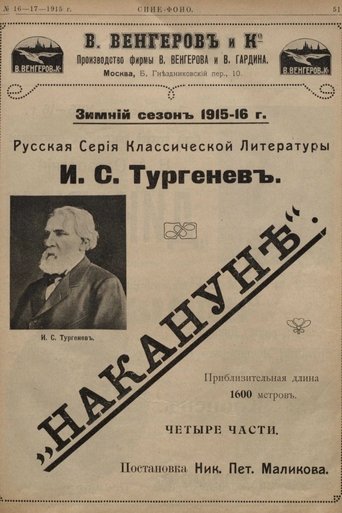
NRNo synopsis available yet.
The Day Before
1915
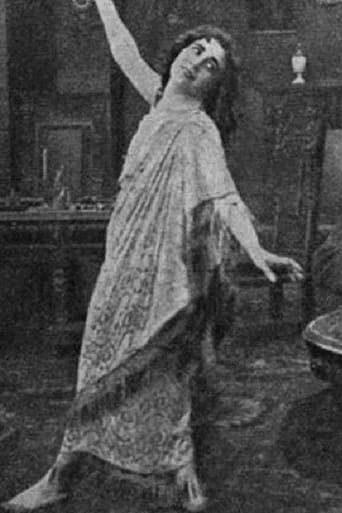 NR
NRDirected by Vladimir Gardin and Yakov Protazanov, this two-part epic was the most expensive Russian film at the time and smashed box office records. It is now considered lost, with only a 4 minute clip surviving.
The Keys to Happiness
1913
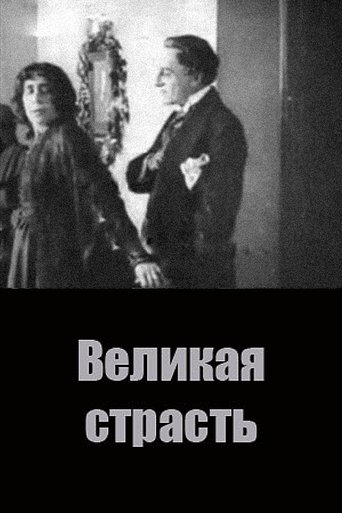 NR
NRBased on the famous novel "Michael" by Heinrich Bang.
The Great Passion
1916
Behind the camera
6.7About the labor exploits of gold miners, the old partisan Fedor Potanin and his son, the leader Stepan.
Prairie Station
1941
6.5The picture compares the fate of two heroines Anna and her lively and energetic sister-in-law Vasilisa, who openly defies the old way of life.
The Peasant Women of Ryazan
1927
7.0In a Kazakh village at the beginning of Soviet power, a wealthy kulak (landowner) voluntarily denounces his opposition to the new regime and hands over his large home to be a new school for the children of the villagers. But three people in the village have difficulty believing that their class enemy is now their friend.
Paths of Enemies
1935
6.5A travelling circus troupe during the Civil War. A kommissar tries to transfer the wagon into an agit-prop van. The Whites conquer the town. The kommissar hides among the artists.
The Last Attraction
1929
NRPartially lost movie. Based on the novella ‘The Red Scarf’ by Mikhail Pavlovich Rogi. The story of a peasant woman who comes to the city to join her husband, a factory worker, and finds it difficult to adjust to her new life. Only the fourth part of the film has survived.
A Bright City
1928
NRPartially lost movie. Based on the novella ‘The Red Scarf’ by Mikhail Pavlovich Rogi. The story of a peasant woman who comes to the city to join her husband, a factory worker, and finds it difficult to adjust to her new life. Only the fourth part of the film has survived.
A Bright City
1928
4.5Little dog Kashtanka is stolen, sold, tossed out into the street and saved by a clown. Young Fedyushka gets lost looking for the dog and ends up a prisoner of the sinister Mazamet who compels him to rove from house to house to make money, while Fedyushka’s father wanders through the streets in search of his lost child.
Kashtanka
1926
4.5Little dog Kashtanka is stolen, sold, tossed out into the street and saved by a clown. Young Fedyushka gets lost looking for the dog and ends up a prisoner of the sinister Mazamet who compels him to rove from house to house to make money, while Fedyushka’s father wanders through the streets in search of his lost child.
Kashtanka
1926
A screen adaptation of excerpts from Jack London's dystopian novel of the same name describing the rise of the Oligarchy (the "Iron Heel") in the United States. The film was meant to be screened during theatre performances performed by the same actors.
The Iron Heel
1919
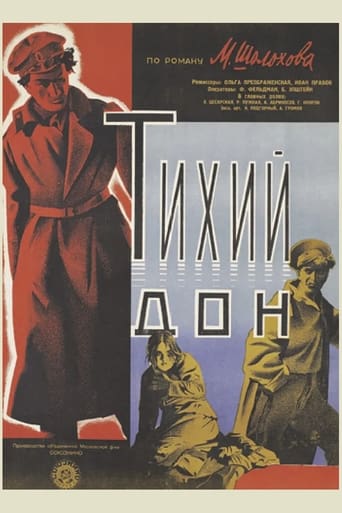 5.1
5.1The first screen adaptation of an epic Russian novel about a village of Cossacks on the Don River, covering the last days of peace on the riverside before the beginning of the First World War.
And Quiet Flows the Don
1931
5.1The first screen adaptation of an epic Russian novel about a village of Cossacks on the Don River, covering the last days of peace on the riverside before the beginning of the First World War.
And Quiet Flows the Don
1931
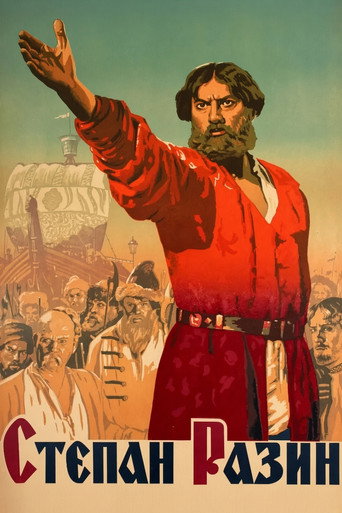 4.5
4.5Don Cossack Stepan Razin vowed to take revenge on the boyars for his tortured friends. Having led the rebellious peasants, he becomes the leader of an entire army. Humiliated and insulted people flock to him from all over the Russian land.
Stepan Razin
1939
4.5Don Cossack Stepan Razin vowed to take revenge on the boyars for his tortured friends. Having led the rebellious peasants, he becomes the leader of an entire army. Humiliated and insulted people flock to him from all over the Russian land.
Stepan Razin
1939
 NR
NRSilent feature film by Olga Preobrazhenskaya and Vladimir Gardin based on Pushkin’s story of the same name. Considered lost. Directorial debut of Olga Preobrazhenskaya.
Miss Peasant
1917
NRSilent feature film by Olga Preobrazhenskaya and Vladimir Gardin based on Pushkin’s story of the same name. Considered lost. Directorial debut of Olga Preobrazhenskaya.
Miss Peasant
1917
 NR
NRPartially lost adventure film for children based on popular short stories by Sergey Grigoryev.
Anya
1927
NRPartially lost adventure film for children based on popular short stories by Sergey Grigoryev.
Anya
1927
 NR
NRMid-19th century. An elderly landowner, bored with life, organizes balls, hunts, fistfights, and banquets. Among other things, he offers his serfs and serf women to his guests for sale or entertainment. One of them, Vanka Krasnov, dreams of marrying the noblewoman Aksyusha. To do so, he must defeat the village strongman Mitka in a fistfight. But even after a fair victory, the landowner himself tries to take possession of Aksyusha. Vanka must challenge the master himself. Considered lost.
The Landowner
1924