
Directing
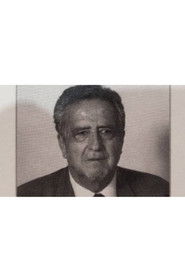
Mohamed Ben Abdelouahed Tazi
Born
1936-01-15 (90)
Place of birth
Fez, Morocco
Known for
Directing
Credits
12 titles
Born on January 15, 1936, in Fez, Morocco, he studied cinema at IDHEC in Paris and screenwriting in Bordeaux. He earned a PhD in Information and Communication Sciences from Stendhal University (Grenoble III). Upon returning to Morocco, he first joined RTM, then the CCM, and later the Higher Institute of Journalism in Rabat, where he worked as a teacher and researcher.
Known for
 8.0
Karim decides one day to leave his village in the Rif and to venture into the big city of Casablanca where he must conquer, first to live, then to express himself.
Conquer to Live
1968
A small village in the vicinity of Souk El Arba du Gharb.
Lalla Minouna
1964
Fatima, Mbarka, Hadda, and many others live in the countryside, enduring family oppression, rigid customs, and living conditions that belong to another century. But Fatima refuses this fate. She rejects the values upheld by her resigned mother and can no longer bear village life, even after her marriage. Widowed and pregnant, she decides to leave the village and face the uncertainties of a new life in the city.
Lalla Chafia
—
The life of a student who becomes pregnant out of wedlock. Rejected by her family, she refuses marriage. A crisis erupts as two opposing mindsets clash.
Amina
1980
The theory and practice of this reform.
Réforme agraire
1966
The Casablanca International Fair and its importance for Africa.
Rendez-vous à Casa
1964
Behind the camera
8.0Karim decides one day to leave his village in the Rif and to venture into the big city of Casablanca where he must conquer, first to live, then to express himself.
Conquer to Live
1968
8.0Karim decides one day to leave his village in the Rif and to venture into the big city of Casablanca where he must conquer, first to live, then to express himself.
Conquer to Live
1968
A small village in the vicinity of Souk El Arba du Gharb.
Lalla Minouna
1964
Fatima, Mbarka, Hadda, and many others live in the countryside, enduring family oppression, rigid customs, and living conditions that belong to another century. But Fatima refuses this fate. She rejects the values upheld by her resigned mother and can no longer bear village life, even after her marriage. Widowed and pregnant, she decides to leave the village and face the uncertainties of a new life in the city.
Lalla Chafia
—
The life of a student who becomes pregnant out of wedlock. Rejected by her family, she refuses marriage. A crisis erupts as two opposing mindsets clash.
Amina
1980
The theory and practice of this reform.
Réforme agraire
1966
The Casablanca International Fair and its importance for Africa.
Rendez-vous à Casa
1964
The relentless fight waged by public authorities against drug trafficking… Moroccan gendarmes pursue kif (cannabis) traffickers in northern Morocco.
Route du Kif (La)
1966
 NR
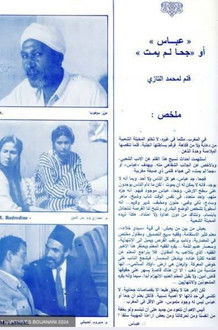
Set in contemporary Morocco, the film follows Abbès, a marginal yet perceptive figure who embodies a modern incarnation of Joha, the legendary folk character known for his wit and subversive wisdom. Through his wanderings, ironic remarks, and seemingly absurd situations, Abbès exposes the contradictions and failures of society social injustice, hypocrisy, abuse of power, and collective disillusionment.
Abbès ou Joha n'est pas mort
1986
A view of the city through the eyes of a visiting foreign student.
Escale à Rabat
1964
Between Marrakech and Taroudant, in the Atlas Mountains, stands the mosque, an architectural masterpiece.
Mosquée de Tinmel
1966
 10.0
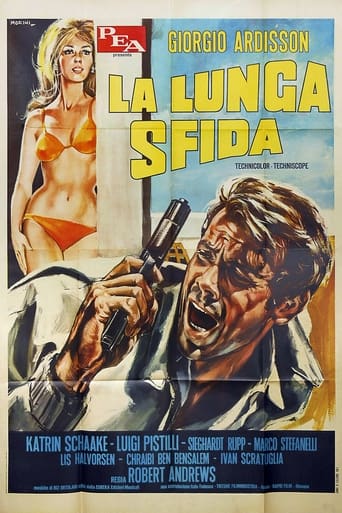
A child is kidnapped by a secret organization to force his father to be part of a drug-smuggling ring.
La lunga sfida
1967