
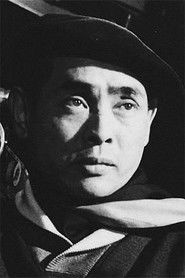
Directing
Keisuke Kinoshita
Born — Died
1912-12-05 — 1998-12-30
Place of birth
Shizuoka, Japan
Known for
Directing
Credits
42 titles
Keisuke Kinoshita (木下 惠介, Kinoshita Keisuke, December 5, 1912 – December 30, 1998) was a Japanese film director. Hugely popular in his home country of Japan, Keisuke Kinoshita worked tirelessly as a director for nearly half a century, making lyrical, sentimental films that often center on the inherent goodness of people, especially in times of distress. He began his directing career during a most challenging time for Japanese cinema: World War II, when the industry’s output was closely monitored by the state and often had to be purely propagandistic. He refused to be bound by genre, technique, or dogma. Kinoshita excelled in almost every genre: comedy, tragedy, social dramas, period films. …
Known for
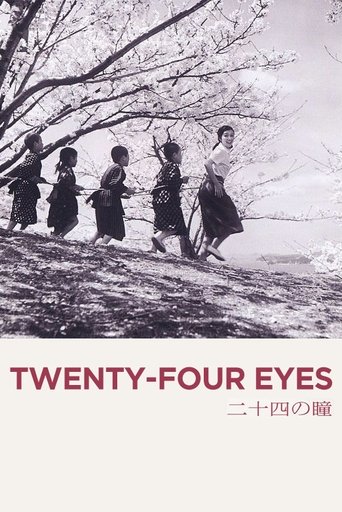 7.7
7.7From 1928 to 1946, the lives of 12 young people and their school teacher in a poor Japanese village are profoundly affected by historical events and personal circumstances.
Twenty-Four Eyes
1954
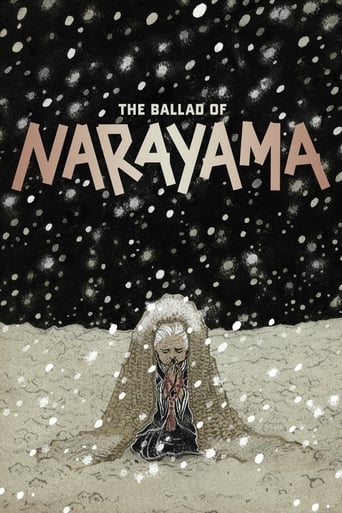 7.6
7.6In a remote village where food is scarce, elders who reach the age of 70 are carried by their children to the top of a nearby mountain to die in solitude. Orin, a vibrant 69-year-old grandmother, has accepted her fate — but struggles to prepare the rest of her family for the ritual.
The Ballad of Narayama
1958
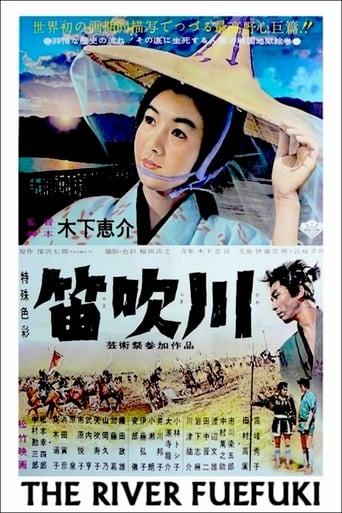 7.7
7.7In a time of continuous civil wars ravaging the fields of feudal Japan, the eldest son of a very poor peasant family, living alongside the bridge over the Fuefuki river, decides to serve a warlord to escape his miserable condition, being soon followed by his younger brothers. Although not all the men of the family take this tragic path of death, women of the family will be doomed to endure the pain of loss during the next five generations.
The River Fuefuki
1960
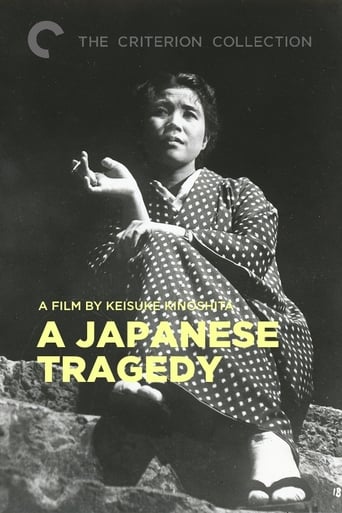 5.8
5.8At the close of the war in Japan, a widowed mother makes every possible sacrifice to bring up her ungrateful son and daughter who are unimpressed with their poor standard of living at home. They gradually reject her in search of the material comforts that working as a maid cannot provide. The mother's despair becomes interminable.
A Japanese Tragedy
1953
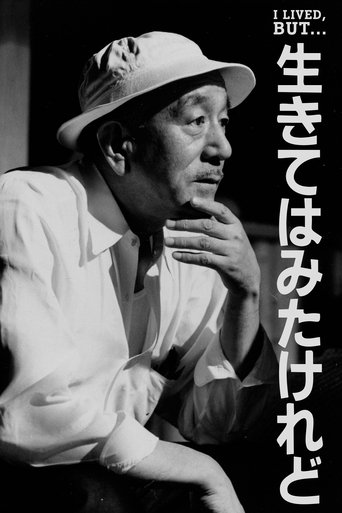 6.8
6.8An extremely lovely tribute to Ozu, on the 20th anniversary of his death. It uses a combination of footage from vintage films and new material (both interviews and Ozu-related locations) shot by Ozu's long-time camera-man (who came out of retirement to work on this). Surprisingly (or perhaps not), it focuses less on Ozu's accomplishments as a film-maker than on his impact on the lives of the people he worked with..
I Lived, But...
1983
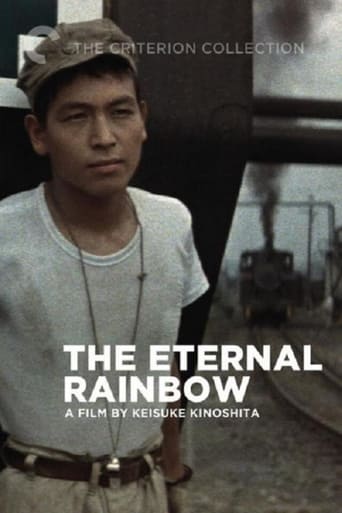 7.2
7.2Two men at an ironworks encounter roadblocks: the first does not have the grades to get a job, while the other finds himself falling for a co-worker.
The Eternal Rainbow
1958
Film credits
Behind the camera
7.7From 1928 to 1946, the lives of 12 young people and their school teacher in a poor Japanese village are profoundly affected by historical events and personal circumstances.
Twenty-Four Eyes
1954
7.7From 1928 to 1946, the lives of 12 young people and their school teacher in a poor Japanese village are profoundly affected by historical events and personal circumstances.
Twenty-Four Eyes
1954
7.6In a remote village where food is scarce, elders who reach the age of 70 are carried by their children to the top of a nearby mountain to die in solitude. Orin, a vibrant 69-year-old grandmother, has accepted her fate — but struggles to prepare the rest of her family for the ritual.
The Ballad of Narayama
1958
7.6In a remote village where food is scarce, elders who reach the age of 70 are carried by their children to the top of a nearby mountain to die in solitude. Orin, a vibrant 69-year-old grandmother, has accepted her fate — but struggles to prepare the rest of her family for the ritual.
The Ballad of Narayama
1958
7.7In a time of continuous civil wars ravaging the fields of feudal Japan, the eldest son of a very poor peasant family, living alongside the bridge over the Fuefuki river, decides to serve a warlord to escape his miserable condition, being soon followed by his younger brothers. Although not all the men of the family take this tragic path of death, women of the family will be doomed to endure the pain of loss during the next five generations.
The River Fuefuki
1960
7.7In a time of continuous civil wars ravaging the fields of feudal Japan, the eldest son of a very poor peasant family, living alongside the bridge over the Fuefuki river, decides to serve a warlord to escape his miserable condition, being soon followed by his younger brothers. Although not all the men of the family take this tragic path of death, women of the family will be doomed to endure the pain of loss during the next five generations.
The River Fuefuki
1960
7.7In a time of continuous civil wars ravaging the fields of feudal Japan, the eldest son of a very poor peasant family, living alongside the bridge over the Fuefuki river, decides to serve a warlord to escape his miserable condition, being soon followed by his younger brothers. Although not all the men of the family take this tragic path of death, women of the family will be doomed to endure the pain of loss during the next five generations.
The River Fuefuki
1960
5.8At the close of the war in Japan, a widowed mother makes every possible sacrifice to bring up her ungrateful son and daughter who are unimpressed with their poor standard of living at home. They gradually reject her in search of the material comforts that working as a maid cannot provide. The mother's despair becomes interminable.
A Japanese Tragedy
1953
5.8At the close of the war in Japan, a widowed mother makes every possible sacrifice to bring up her ungrateful son and daughter who are unimpressed with their poor standard of living at home. They gradually reject her in search of the material comforts that working as a maid cannot provide. The mother's despair becomes interminable.
A Japanese Tragedy
1953
7.2Two men at an ironworks encounter roadblocks: the first does not have the grades to get a job, while the other finds himself falling for a co-worker.
The Eternal Rainbow
1958
7.2Two men at an ironworks encounter roadblocks: the first does not have the grades to get a job, while the other finds himself falling for a co-worker.
The Eternal Rainbow
1958
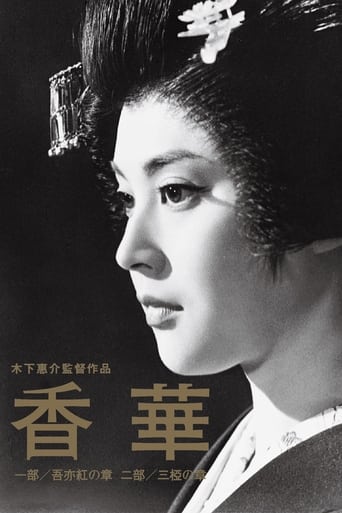 7.2
7.2After her mother runs away from home, Tomoko is raised to be a geisha. One day Tomoko meets her mother in a red-light district in Tokyo and her life deeply gets in trouble.
The Scent of Incense
1964
7.2After her mother runs away from home, Tomoko is raised to be a geisha. One day Tomoko meets her mother in a red-light district in Tokyo and her life deeply gets in trouble.
The Scent of Incense
1964
7.2After her mother runs away from home, Tomoko is raised to be a geisha. One day Tomoko meets her mother in a red-light district in Tokyo and her life deeply gets in trouble.
The Scent of Incense
1964
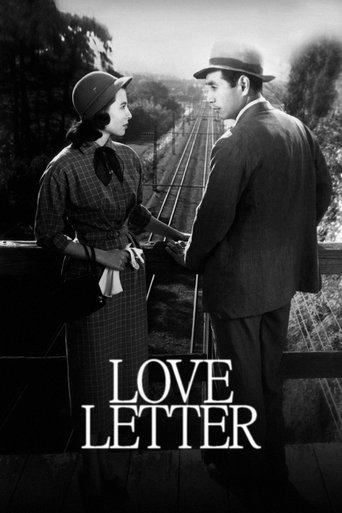 6.9
6.9Five years after the end of the Second World War, Reikichi, a repatriated veteran, translates love letters for Japanese women to American GIs, while searching for his lost love, Michiko.
Love Letter
1953
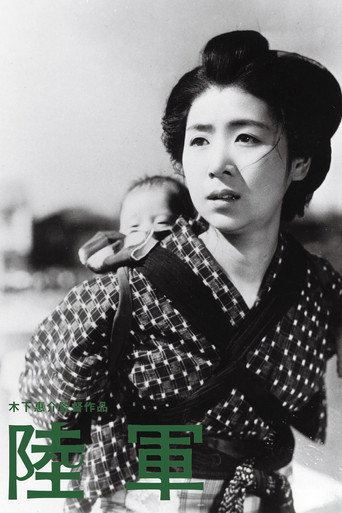 6.8
6.8Though plagued by ill health all his life, a young Japanese man is obligated to fulfill his family's longstanding military tradition.
Army
1944
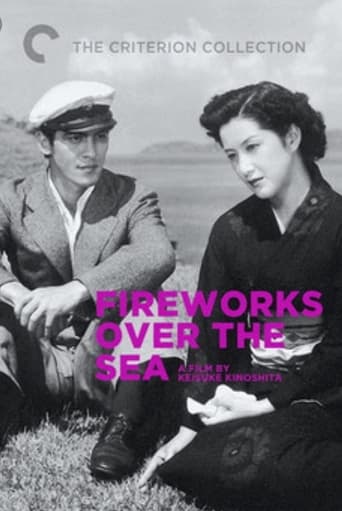 5.4
5.4A fishing union depends on two brothers to make up the losses caused by the dishonest captains they replaced.
Fireworks Over the Sea
1951
5.4A fishing union depends on two brothers to make up the losses caused by the dishonest captains they replaced.
Fireworks Over the Sea
1951
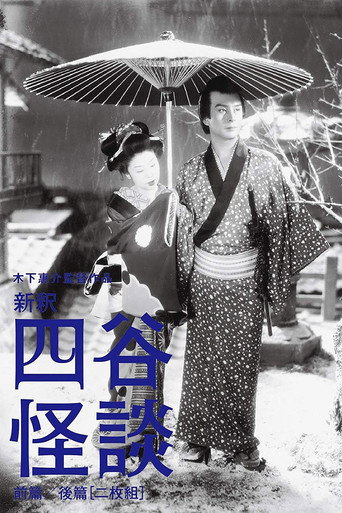 6.6
6.6Iemon Tamiya is an impoverished masterless samurai who craves a better life, which he cannot have because of his marriage to Oiwa, who is completely devoted to her husband.
Yotsuya Ghost Story Part 1
1949
 6.1
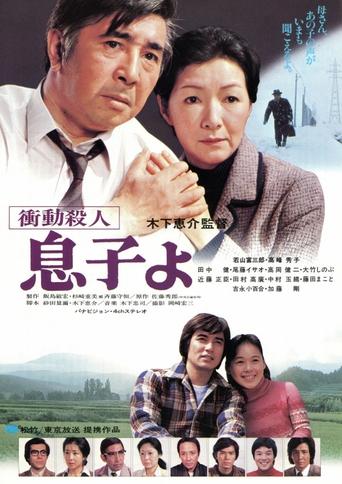
6.1A man whose son has been murdered pushes to create laws to financially protect victims' families.
Oh, My Son!
1979
6.1A man whose son has been murdered pushes to create laws to financially protect victims' families.
Oh, My Son!
1979
 6.8
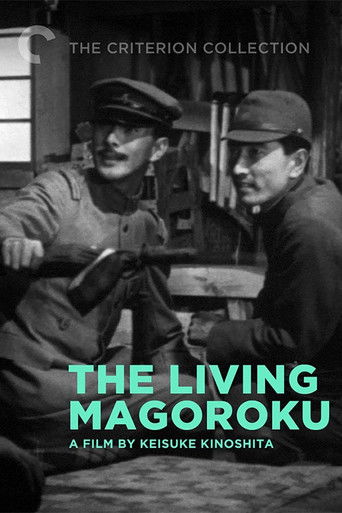
6.8A wealthy family will not allow the military to grow crops on their fields due to their superstitious beliefs about their son's illness.
The Living Magoroku
1943
6.8A wealthy family will not allow the military to grow crops on their fields due to their superstitious beliefs about their son's illness.
The Living Magoroku
1943
 6.3
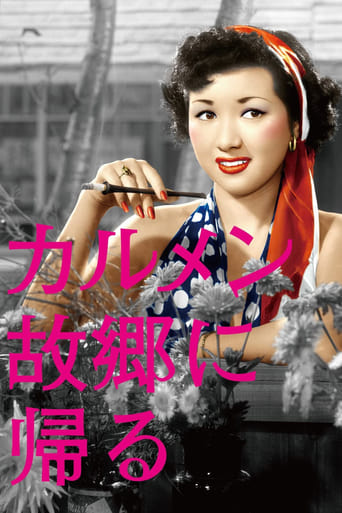
6.3A rural village elder plans an event on the return of a farmer's daughter from the city, unaware that she has become a Westernized burlesque artist.
Carmen Comes Home
1951
6.3A rural village elder plans an event on the return of a farmer's daughter from the city, unaware that she has become a Westernized burlesque artist.
Carmen Comes Home
1951
 7.0
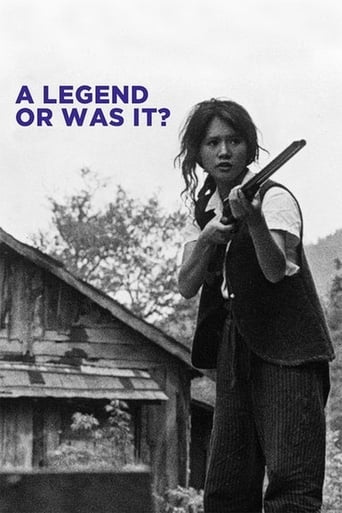
7.0A Tokyo family escaping the war relocates to a Hokkaido village; their daughter is set to marry the local leader's son, but her siblings disapprove.
A Legend or Was It?
1963
7.0A Tokyo family escaping the war relocates to a Hokkaido village; their daughter is set to marry the local leader's son, but her siblings disapprove.
A Legend or Was It?
1963
7.0A Tokyo family escaping the war relocates to a Hokkaido village; their daughter is set to marry the local leader's son, but her siblings disapprove.
A Legend or Was It?
1963
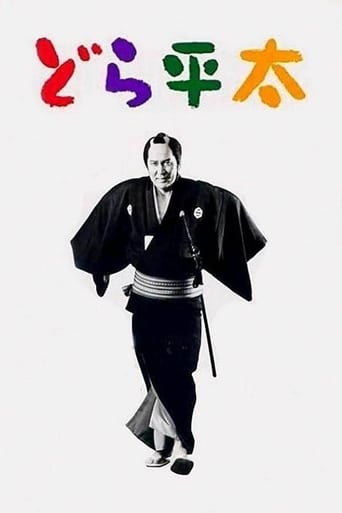 5.4
5.4A new magistrate in the town of Horisoto—widely reputed to be the most lawless township in Japan, uses guile and his opponents' own misperceptions and prejudices to defeat his enemies and uproot corruption.
Dora-heita
2000
 6.1
6.1Like many women after the war, Toshiko works as a chorus girl; her boyfriend Tadashi wishes she'd join him more frequently, but she detests his criminal involvement.
Woman
1948
6.1Like many women after the war, Toshiko works as a chorus girl; her boyfriend Tadashi wishes she'd join him more frequently, but she detests his criminal involvement.
Woman
1948
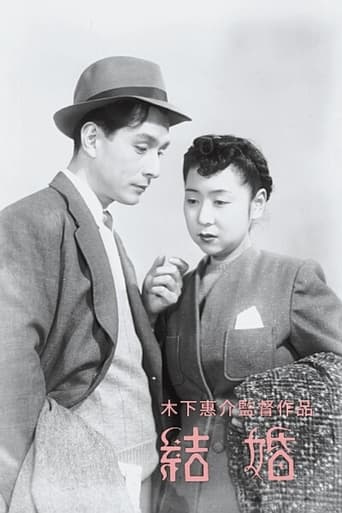 7.7
7.7In postwar Japan a young woman is unable to marry her sweetheart because her family's in difficult circumstances and needs her income to keep afloat.
Marriage
1947
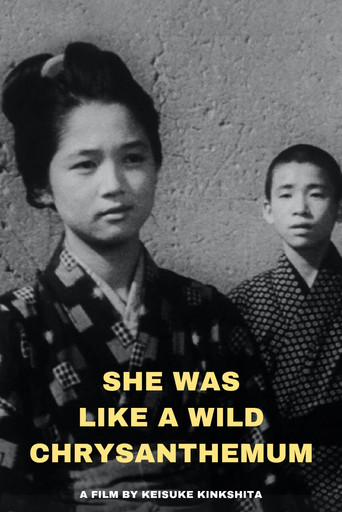 7.0
7.0On the way back to his childhood home, a septuagenarian man recalls his childhood and adolescence, in particular his love for a young woman.
She Was Like a Wild Chrysanthemum
1955
7.0On the way back to his childhood home, a septuagenarian man recalls his childhood and adolescence, in particular his love for a young woman.
She Was Like a Wild Chrysanthemum
1955
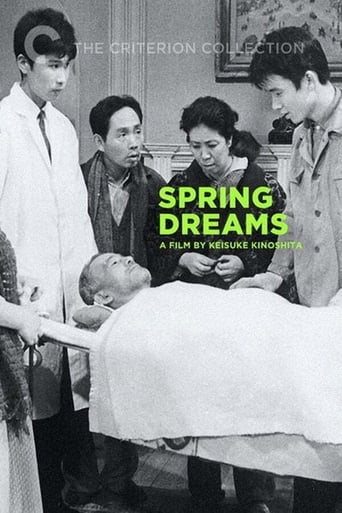 6.0
6.0When a wealthy, selfish family decides to take care of an elderly hobo who collapsed near their home, they are beset by visits from his numerous friends.
Spring Dreams
1960
6.0When a wealthy, selfish family decides to take care of an elderly hobo who collapsed near their home, they are beset by visits from his numerous friends.
Spring Dreams
1960
 6.6
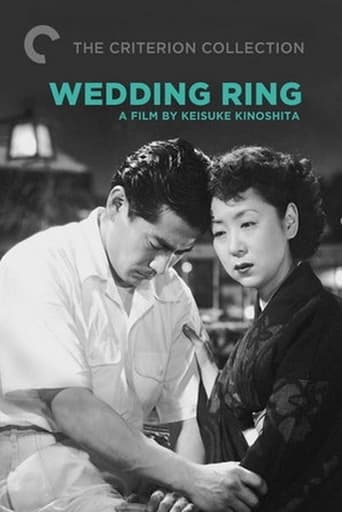
6.6A jewelry store president begins to fall for the doctor treating her husband's illness.
Wedding Ring
1950
6.6A jewelry store president begins to fall for the doctor treating her husband's illness.
Wedding Ring
1950
6.6A jewelry store president begins to fall for the doctor treating her husband's illness.
Wedding Ring
1950
 9.0
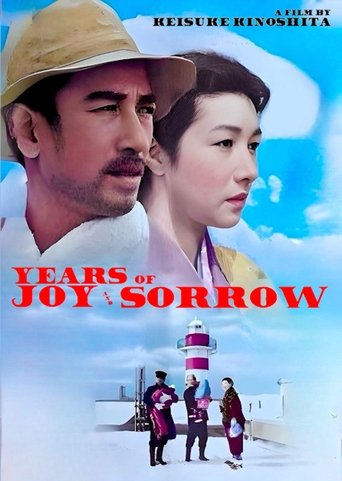
9.0The story of the trials and tribulations of a lighthouse keeper and his wife.
Times of Joy and Sorrow
1957