

Directing
Jiří Trnka
Born — Died
1912-02-24 — 1969-12-30
Place of birth
Plzeň, Rakousko-Uhersko
Known for
Directing
Credits
46 titles
A graduate of Prague's School of Arts and Crafts, in 1936 he created a puppet theater, which was disbanded after the outbreak of WWII. During the war he designed stage sets and illustrated children's books. In 1945 he set up an animation unit with several collaborators at the Prague film studio; they called the unit "Trick Brothers." Trnka specialized in puppet animation, a traditional Czech art form, of which he became the undisputed master. He also created animated cartoons, but it was his puppet animation that made him an internationally recognized artist and the winner of film festival awards at Venice and elsewhere. He wrote the scripts for most of his own films.
Known for
 7.4
A happy little potter is approached by a huge hand which wants him to sculpt its statue. The potter refuses, wanting nothing more than to be left alone with his only friend, a potted plant. As the hand's request gives way to bribery, demands, and threats, the potter becomes more desperate to escape its clutch, leading to tragedy.
The Hand
1965
Children play in a park.
Whale, Elahw
1977
 6.2
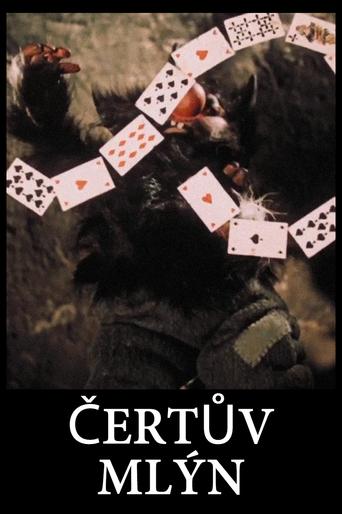
A barrel organ grinder meets the devil on a mysterious moonlit night in this haunted-house fable, which showcases Trnka’s atmospheric use of sound to conjure a macabre mood.
The Devil's Mill
1949
Trnka reached new heights of modernist abstraction with this innovative, surrealist mini-masterwork, which critic Jean-Pierre Coursodon praised as the Citizen Kane of animation.
The Gift
1947
 6.2
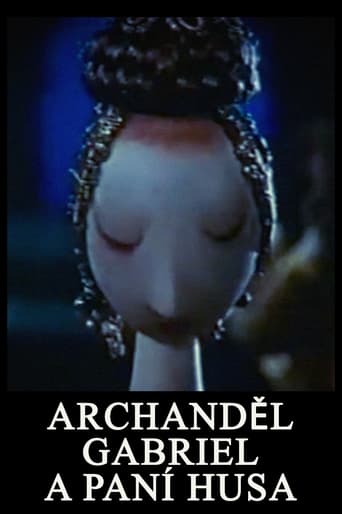
Taken from Boccaccio's Decameron, this lovely puppet film tells the bawdy story of the beautiful young Venetian lady who confesses her sinful passion for the Archangel Gabriel to a lustful monk, who promptly impersonates him in her bedroom with predictable results. Amidst the film's ribaldry, the hypocrisy and false piety of the monk are mercilessly mocked.
Archangel Gabriel and Mistress Goose
1965
 5.8
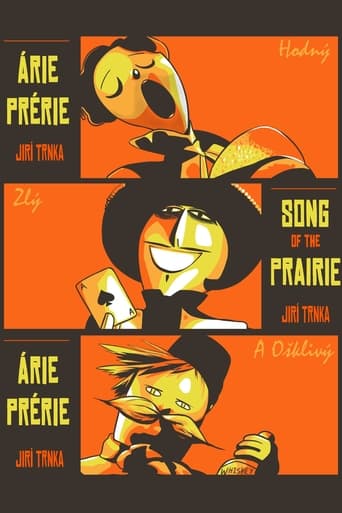
An animated singing western short in which a cowboy takes on the villain to save his beloved.
Song of the Prairie
1949
Film credits
1990s · 1 titles

Behind the camera
7.4A happy little potter is approached by a huge hand which wants him to sculpt its statue. The potter refuses, wanting nothing more than to be left alone with his only friend, a potted plant. As the hand's request gives way to bribery, demands, and threats, the potter becomes more desperate to escape its clutch, leading to tragedy.
The Hand
1965
Children play in a park.
Whale, Elahw
1977
6.2A barrel organ grinder meets the devil on a mysterious moonlit night in this haunted-house fable, which showcases Trnka’s atmospheric use of sound to conjure a macabre mood.
The Devil's Mill
1949
6.2A barrel organ grinder meets the devil on a mysterious moonlit night in this haunted-house fable, which showcases Trnka’s atmospheric use of sound to conjure a macabre mood.
The Devil's Mill
1949
Trnka reached new heights of modernist abstraction with this innovative, surrealist mini-masterwork, which critic Jean-Pierre Coursodon praised as the Citizen Kane of animation.
The Gift
1947
Trnka reached new heights of modernist abstraction with this innovative, surrealist mini-masterwork, which critic Jean-Pierre Coursodon praised as the Citizen Kane of animation.
The Gift
1947
6.2Taken from Boccaccio's Decameron, this lovely puppet film tells the bawdy story of the beautiful young Venetian lady who confesses her sinful passion for the Archangel Gabriel to a lustful monk, who promptly impersonates him in her bedroom with predictable results. Amidst the film's ribaldry, the hypocrisy and false piety of the monk are mercilessly mocked.
Archangel Gabriel and Mistress Goose
1965
5.8An animated singing western short in which a cowboy takes on the villain to save his beloved.
Song of the Prairie
1949
5.8An animated singing western short in which a cowboy takes on the villain to save his beloved.
Song of the Prairie
1949
 6.0
Hurvinek cannot go to a circus because he injured himself when sliding down the stair rail. He daydreams that he is an acrobat riding a scooter and an animal-trainer taming beasts. (MUBI)
The Hurvinek Circus
1955
6.0Hurvinek cannot go to a circus because he injured himself when sliding down the stair rail. He daydreams that he is an acrobat riding a scooter and an animal-trainer taming beasts. (MUBI)
The Hurvinek Circus
1955
 5.8
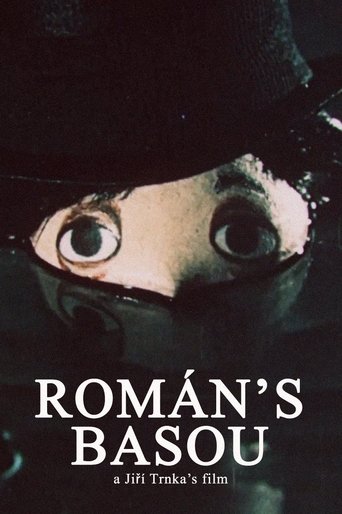
"Román s basou" is another short by master a stop-motion puppet-animator Jiri Trnka. The story is based on Anton Chekhovs story "Roman s Kontrabasom". Princess Bibulova decides to go fishing along the river while not far away a bass player leaves his two companions to go for a swim.
Story of the Bass Cello
1949
5.8"Román s basou" is another short by master a stop-motion puppet-animator Jiri Trnka. The story is based on Anton Chekhovs story "Roman s Kontrabasom". Princess Bibulova decides to go fishing along the river while not far away a bass player leaves his two companions to go for a swim.
Story of the Bass Cello
1949
 6.6
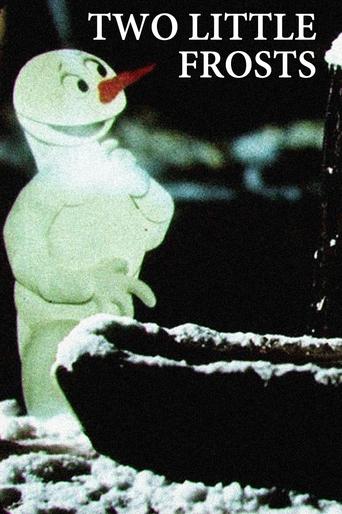
Two mischievous frost spirits make things chilly for a pair of travelers in this wintry comic folktale.
Two Little Frosts
1955
6.6Two mischievous frost spirits make things chilly for a pair of travelers in this wintry comic folktale.
Two Little Frosts
1955
 7.2
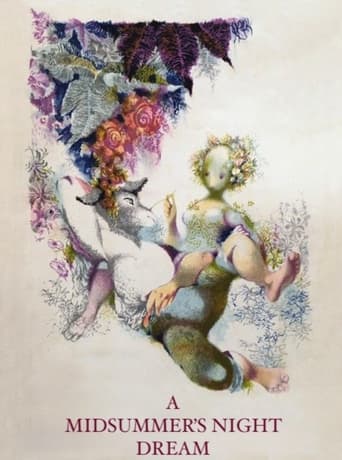
The first puppet film shot in CinemaScope. It is based on the famous poetic comedy by William Shakespeare. Three worlds meet in this story: the noble world of three Athens couples, a common popular world of tradesmen amateur theatre and a fairy-tale happiness of magic creatures as elves and nymphs. The film is considered the most remarkable Jiří Trnka's work and a milestone in the history of the world animation.
A Midsummer's Night Dream
1959
7.2The first puppet film shot in CinemaScope. It is based on the famous poetic comedy by William Shakespeare. Three worlds meet in this story: the noble world of three Athens couples, a common popular world of tradesmen amateur theatre and a fairy-tale happiness of magic creatures as elves and nymphs. The film is considered the most remarkable Jiří Trnka's work and a milestone in the history of the world animation.
A Midsummer's Night Dream
1959
 7.3
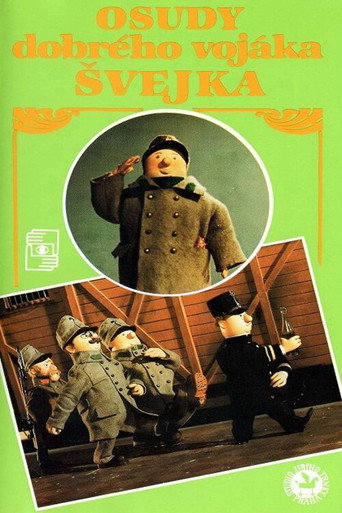
Adapting Jaroslav Hasek's raucous satirical novel, and also bringing Josef Lada's equally famous illustrations to garrulous puppet life, posed Trnka one of his biggest creative challenges. Trnka himself felt that the final episode was the most artistically successful, but there's much to enjoy in all three, not least the way that the lackadaisical layabout Svejk's own self-serving anecdotes are realized through cut-out animation.
The Good Soldier Svejk
1956
7.3Adapting Jaroslav Hasek's raucous satirical novel, and also bringing Josef Lada's equally famous illustrations to garrulous puppet life, posed Trnka one of his biggest creative challenges. Trnka himself felt that the final episode was the most artistically successful, but there's much to enjoy in all three, not least the way that the lackadaisical layabout Svejk's own self-serving anecdotes are realized through cut-out animation.
The Good Soldier Svejk
1956
No synopsis available yet.
Osudy dobrého vojáka Švejka – Švejkova budějovická anabase
1956
No synopsis available yet.
Osudy dobrého vojáka Švejka – Švejkova budějovická anabase
1956
 6.2
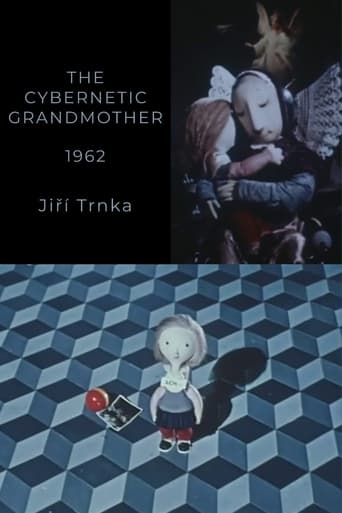
Trnka’s sci-fi vision of the future in which machines and robots try to substitute themselves into the most beautiful human relationships. A cybernetic robot is supposed to substitute for the loving grandmother of a little girl. The wise grandmother, however, comes back and the girl finds the warmth of her grandmother’s loving arms again. Trnka’s artistic ideas in this film can be described as both poetically fragile and dramatically cautionary.
Cybernetic Grandma
1963
6.2Trnka’s sci-fi vision of the future in which machines and robots try to substitute themselves into the most beautiful human relationships. A cybernetic robot is supposed to substitute for the loving grandmother of a little girl. The wise grandmother, however, comes back and the girl finds the warmth of her grandmother’s loving arms again. Trnka’s artistic ideas in this film can be described as both poetically fragile and dramatically cautionary.
Cybernetic Grandma
1963
 NR
The cartoon film sets out to justify the existence of UNESCO as an instrument for world peace.
Why UNESCO?
1959
NRThe cartoon film sets out to justify the existence of UNESCO as an instrument for world peace.
Why UNESCO?
1959
No synopsis available yet.
Osudy dobrého vojáka Švejka – Z Hatvanu na hranice Haliče
1954
No synopsis available yet.
Osudy dobrého vojáka Švejka – Z Hatvanu na hranice Haliče
1954
 6.5
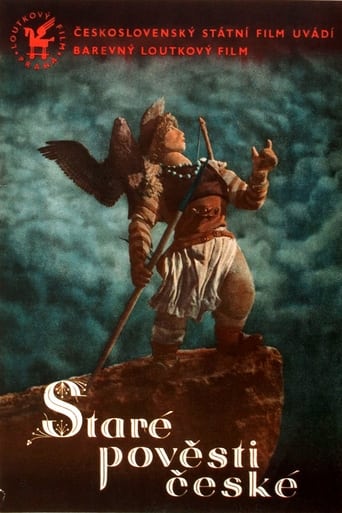
A monumental piece of art bringing the heroes of the ancient Czech myths back to life. The picture consists of seven parts: Cech the Forefather, Bivoj, Libuse, Premysl, Girls War, Horymir, Lucka War.
Old Czech Legends
1953
6.5A monumental piece of art bringing the heroes of the ancient Czech myths back to life. The picture consists of seven parts: Cech the Forefather, Bivoj, Libuse, Premysl, Girls War, Horymir, Lucka War.
Old Czech Legends
1953
How do you wake up a sleeping puppet? Made by Trnka in collaboration with actor and puppeteer Josef Pehr, this winsome mix of live action and puppet play is enchanting entertainment for the youngest of viewers.
Kutasek and Kutilka
1954
How do you wake up a sleeping puppet? Made by Trnka in collaboration with actor and puppeteer Josef Pehr, this winsome mix of live action and puppet play is enchanting entertainment for the youngest of viewers.
Kutasek and Kutilka
1954
 5.8
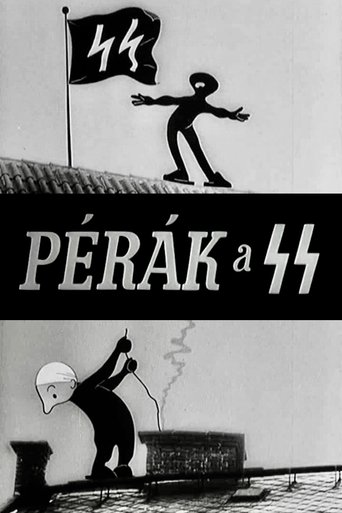
The first animated picture made by Jiří Trnka for adults. It is a comic story of a legendary chimney-cleaner who, with the help of a spring from an old lounge-chair, became the terror of the Prague-occupying SS troops in World War II.
Springman and the SS
1946
5.8The first animated picture made by Jiří Trnka for adults. It is a comic story of a legendary chimney-cleaner who, with the help of a spring from an old lounge-chair, became the terror of the Prague-occupying SS troops in World War II.
Springman and the SS
1946
Folk art–like hand-drawn stills illustrate this sweetly simple pastoral fable, in which a peasant comes into possession of a small fortune—but realizes there are treasures greater than gold.
How the Old Man Traded It All Away
1954
Folk art–like hand-drawn stills illustrate this sweetly simple pastoral fable, in which a peasant comes into possession of a small fortune—but realizes there are treasures greater than gold.
How the Old Man Traded It All Away
1954
 NR
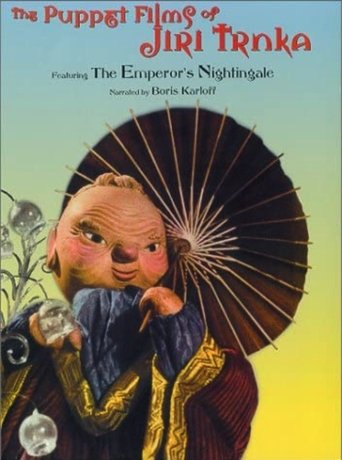
The Czech stop-motion puppet animation master Jiri Trnka directed some of the most acclaimed animated films ever made. In 1966, four years before his death, Newsday lauded him as "second to Chaplin as a film artist because his work inaugurated a new stage in a medium long dominated by Disney." Trnka continues to astound audiences to this day, particularly those discovering this amazing animation for the first time. This collection includes five of the master's shorts and his feature-length classic "The Emperor's Nightingale" based on Hans Christian Andersen's fairy tale and narrated by Boris Karloff. Includes: The Emperor's Nightingale (1951, 67 min.), The Hand (18 min.), The Story of the Bass Cello (13 min.), A Merry Circus (11 min.), A Drop Too Much (14 min.), The Song of the Prairie (21 min.), Jiri Trnka: Puppet Animation Master documentary (12 min.).
The Puppet Films of Jiri Trnka
2000
NRThe Czech stop-motion puppet animation master Jiri Trnka directed some of the most acclaimed animated films ever made. In 1966, four years before his death, Newsday lauded him as "second to Chaplin as a film artist because his work inaugurated a new stage in a medium long dominated by Disney." Trnka continues to astound audiences to this day, particularly those discovering this amazing animation for the first time. This collection includes five of the master's shorts and his feature-length classic "The Emperor's Nightingale" based on Hans Christian Andersen's fairy tale and narrated by Boris Karloff. Includes: The Emperor's Nightingale (1951, 67 min.), The Hand (18 min.), The Story of the Bass Cello (13 min.), A Merry Circus (11 min.), A Drop Too Much (14 min.), The Song of the Prairie (21 min.), Jiri Trnka: Puppet Animation Master documentary (12 min.).
The Puppet Films of Jiri Trnka
2000