

Acting
Milan Kiš
Born — Died
1934-08-03 — 2007-03-05
Place of birth
Bratislava, Slovak Republic
Known for
Acting
Credits
86 titles
Known for
 7.0
7.0No synopsis available yet.
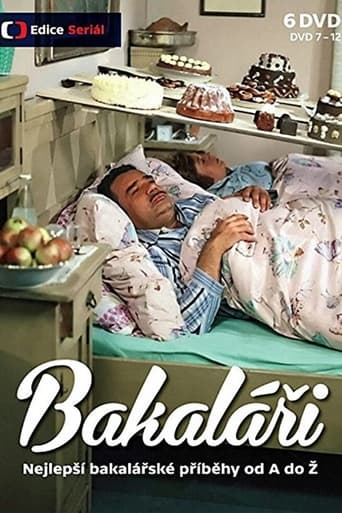
Bakaláři
1972
 7.0
7.0No synopsis available yet.
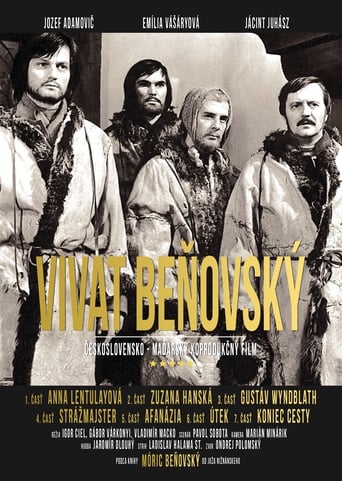
Vivat Beňovský!
1975
 8.0
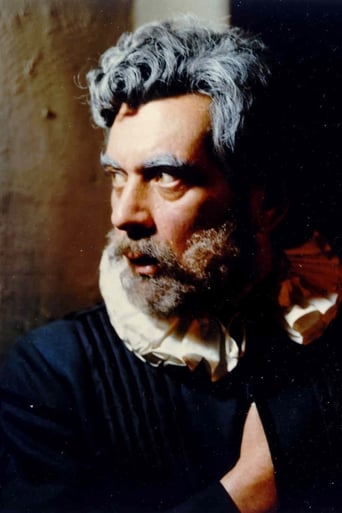
8.0Series about the life of Renaissance anatomist, scholar and politic Johannes Jessenius. Already legendary series today, was produced by Czechoslovak Television Bratislava, directed by Slovak director Miroslav Luther in the first half of 80's in Barrandov Studios in Prague. The story and screenplay of the series wrote Czech writer Vladimír Körner. Five-episodes epic historical narration is a biographical story of distinguished Renaissance scholar, anatomist and politic of Slovak origin, Johannes Jessenius (Ján Jesenský, 1566–1621). It displays his life from the first studies and successes. In 1594 he became professor of surgery and anatomy on Wittenberg University, which he had attended years before. From that moment, his life went through social and personal wins and losses, to the sad end on the Prague Old Town Square gallows, among 27 noblemen, knights and burgenses, after lose Bohemian Revolt in 1621. His destiny was coupled with key events of Czech history in the break of 16th and 17th century, when Renaissance and European humanism slowly fade out.
The Physician of a Dying Time
1984
No synopsis available yet.
V službách zákona
1983
 8.2
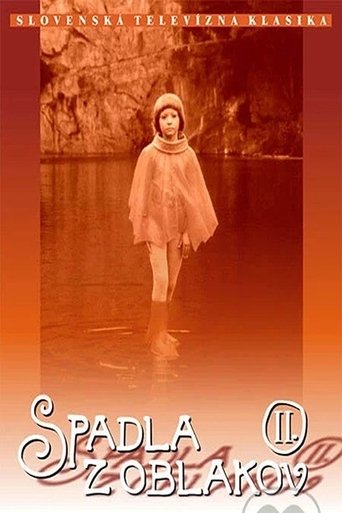
8.2Spadla z oblakov is a Slovak language sci-fi TV series for children created in year 1978. The series became very popular in Czechoslovakia and several other countries. The series was based on 1967 child book Spadla z nebe by Václav Pavel Borovička, a Czech writer and screenwriter. The first, very successful edition was followed by several reprints, the last in year 2000. The TV series follows the book quite closely.
She Came Out of the Blue Sky
1979
The series depicts the history of Slovak society in the first decades of our century and leaves a deep faith in humanity and the nation. It tells the life story of Pavlínka, the daughter of a laborer and innkeeper, whose fate is filled with love, social ambitions, and unfulfilled dreams, and who ultimately returns to the basics of life, to naturalness and wisdom.
Život bez konca
1983
Film credits
2000s · 1 titles
1990s · 7 titles
No synopsis available yet.
Diabol vo Francúzsku
1991
No synopsis available yet.
Živé svetlo
1990
No synopsis available yet.
Čerti nespia
1991
No synopsis available yet.
Jánošíkov dar
1990
No synopsis available yet.
Zlatňanka
1990
No synopsis available yet.
Rozprávka o tichej krajine
1990
No synopsis available yet.
Núraddín Ali a Anísaldžalísa
1990
1980s · 32 titles
 9.0
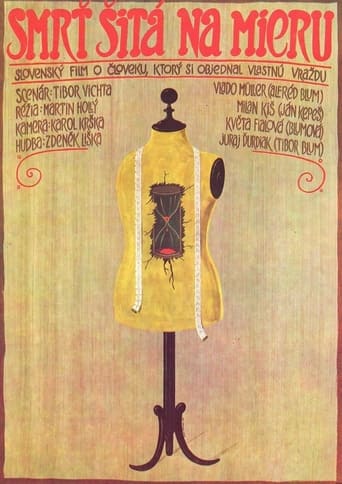
9.0Bratislava, 1930s. The owner of a luxury tailoring salon, Alfréd Blum, has always relied on a classy clientele, thanks to which he rose to the top of society. But times change, the world is in an economic crisis, and Blum discovers that in reality he only has debts. He has completely lost his assets in shares, and his clients have to deny themselves luxury goods. The only hope to save his family from poverty is Blum's life insurance policy for 300,000 crowns. Therefore, the businessman turns to his old acquaintance, unemployed tailor Ján Kepeš, with an unusual offer. He gives him five thousand crowns and arranges a job for him in a Viennese salon. The condition is that Kepeš kills Blum...
Smrť šitá na mieru
1980
 6.0
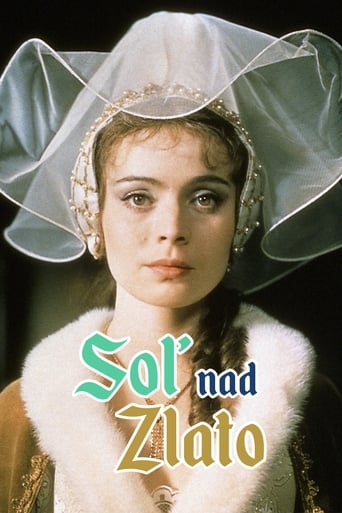
6.0A fairy-tale about the power of love. The old king Pravoslav feels it is time to entrust the rule over his kingdom to one of his three daughters - the one that loves him the most. The youngest, Maruška, fails her father's expectations about proving how deep her love him is. He misunderstands her and she is made to leave the castle. She faces many dangers on the way to her loved one, the Salt Prince.
Salt & Gold
1983
No synopsis available yet.
Skleníková Venuša
1986
 10.0
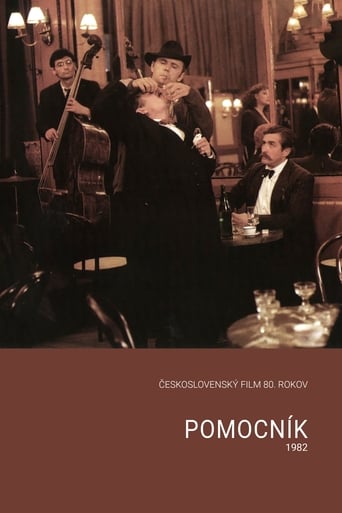
10.0A story of a family that after WWII moved to the south of Slovakia and acquired a prosperous butcher business left behind by a Hungarian emigrant. From the previous owner, the family also inherited a self-assured, greedy assistant who does not like to observe any firm moral principles. He assists the family in gaining wealth but in the long run, he causes the family's moral dissolution. In his most successful feature film, director Zoro Záhon combined a complex drama with excellent acting performances, especially that of Hungarian actor Gábor Koncz in the lead role.
The Assistant
1982
 6.3
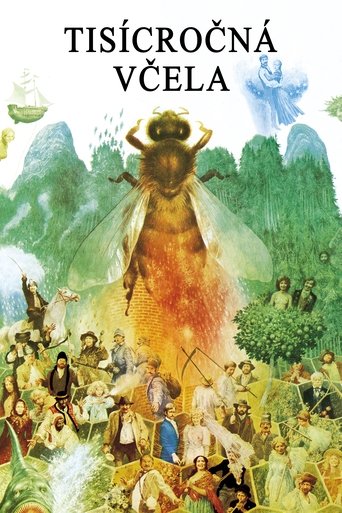
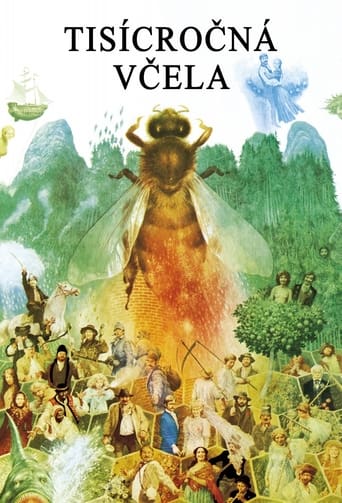
6.3A family saga taking place mostly in a small Slovak village over a period of thirty years (1887–1917). The first part captures the life of Martin Pichandu in the development of his craft, masonry; in the second part, his son is center stage living in a period of socio-political crisis, which ultimately results in the first World War. After originally airing on Czechoslovakian television in 1983 as a four-part 226-minute mini-series, this production received a 163-minute theatrical release in 1984.
The Millennial Bee
1983
Television adaptation of F. Kárinthyho's story about how important it is to have a sense of home. The apricot jam symbolizes the home, family well-being, which the little boy Ferko, living with his parents in a Hungarian town of the 30's of the 20th century, desperately hopes for. A mother with an unfulfilled desire to become a famous pianist and a father with an even more distant dream to be a world-famous and wealthy writer to a son have no time or even a loving word. His loving companion is only Manci, who, however, leaves for misunderstanding with his lords. Ferko remains alone, disappointed and reluctant to accept the friendship of a new maid of Rózy. But he also has his great dream, and Róza will help him meet him.
The Apricot Jam
1988
No synopsis available yet.
Dobríčko
1986
No synopsis available yet.
Ako som nedostal Nobelovu cenu
1987
No synopsis available yet.
Kobyla na bielej čiare
1988
No synopsis available yet.
Semafórová rozprávka
1989
No synopsis available yet.
Pytačky
1986
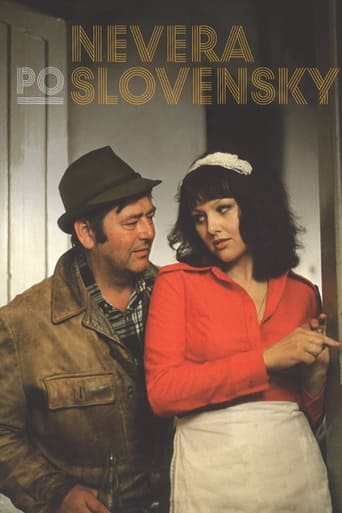 10.0
10.0Jakubisko’s comedy about infidelity inside the community of lumberjacks in three chapters. First, a group of men gets to know that there comes a group of female brigadiers to a near village and tries to seduce them, which won’t come out as precisely as they wanted. In the next chapter, one girl got pregnant and lumberjacks tries to solve this by a wedding to a man called Domino. In the final phase, they’re struggling for the successful wedding and are afraid of possible punishment from their wives.
Infidelity the Slovak Way
1981
No synopsis available yet.
Crainquebille
1982
No synopsis available yet.
Múdry Maťko a blázni
1984
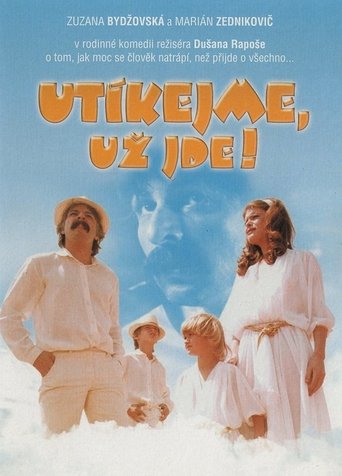 5.2
5.2A comedy about happiness, Indian magic and adultery. One day Mr and Mrs Sysel happen to solve the problem of lacking enough room in their tiny flat. They break through the wall into their neighbour's comfortable flat, from which they borrow not only additional square feets of space, but things of his personal property as well.
Run, He Is Coming!
1987
No synopsis available yet.
Muž, ktorý miloval symfóniu čísel
1980
No synopsis available yet.
Kráľ a rozprávkar
1986
No synopsis available yet.
Chuť vody
1983
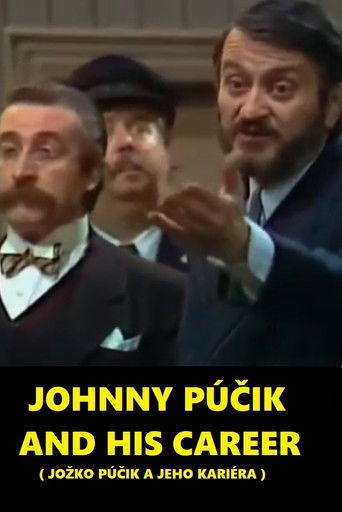 6.0
6.0The TV adaptation of Ivan Stodola's satirical theatre comedy tells the story of a shy charity official who is looking forward to a definitive life with a charming colleague. One day, however, in return for a promised favor, he confesses to the embezzlement of three thousand crowns, which his womanizing boss "borrowed" from the treasury. When forty thousand disappears from his table, Jožko Púčik is automatically considered a thief and ends up in custody. The man passively accepts his fate because he believes in justice. Moreover, charitable associations begin to get ahead of themselves in paying support for him and his poor sister. However, the existing accusations are also added to the accusation of murdering the janitor. Jožko has a lot to do to convince the investigating judge that he is an honest man. However, as it turns out, this is the worst thing Púčik could have done...
Johnny Púčik and His Career
1983
A lyrical picture of student life. A romantic story of first student love seen through the eyes of an aging writer's memories. In the last years of his life, National Artist Štefan Králík, in addition to his theatrical work, also worked for television. A Trip to Youth takes place in the environment of a current class of high school graduates who have invited a famous writer to a discussion. Shortly before his arrival, however, something happens that contradicts the majority's opinion about morality. And so the planned official discussion suddenly becomes a sincere, open exchange of views, in which the writer becomes one of the actors in the story. A story that happened to him fifty years ago.
Výlet do mladosti
1984
No synopsis available yet.
Najstarší škorec Svätopluk
1982
No synopsis available yet.
Noc pred Kračúnom
1987
No synopsis available yet.
Ďuro-Truľo
1981
No synopsis available yet.
Turandot
1989
No synopsis available yet.
O smelom krajčírikovi
1982
No synopsis available yet.
Ono a onô
1987
No synopsis available yet.
Ako dve hrdličky
1985
No synopsis available yet.
Saša
1983
No synopsis available yet.
Neodchádzaj nocou letnou
1984
No synopsis available yet.
Princezná a mesiac
1983
No synopsis available yet.
Hodinky
1985
No synopsis available yet.
Paradajka za rohom
1981
1970s · 16 titles
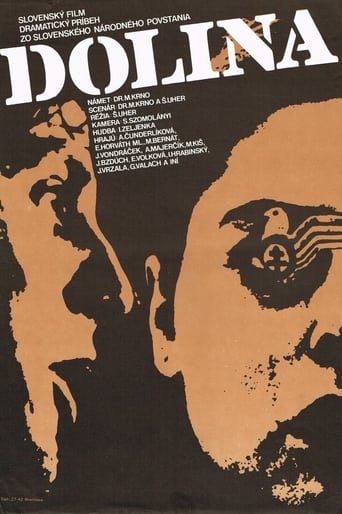 7.0
7.0A dramatic story of the emotional, moral and political maturation of two young people during the Slovak National Uprising.
Dolina
1973
No synopsis available yet.
Tetované časom
1976
 6.4
6.4Jakub, a dreamer and budding magician, juggles between parcels and services rendered to the villagers. His eyes cross that of the beautiful gypsy Jolanka. Together, they will try to live a first and big love, despite the pressure of their respective communities.
Rose Tinted Dreams
1977
In Gack's house, someone is constantly robbing him of bread and pastries. The main suspect, according to Lopušný, is his companion Belák. The farce ends with Gacek being punished, Lopušný and Belák being compensated and reconciled with the rich thief. The main storyline of the farce Pytač consists of the fourfold transformation of the landowner Dobši, his wife Pľuta and his daughter Matilda, who is about to be married off.
Dve frašky
1979
An unconventionally seen story from the period of the Slovak National Uprising will especially interest you with the character of the village lad and brawler Vince Kucek, played by Ivan Romančík. Hours and hours spent in the pub, riots with friends, scenes of jealousy towards his old rival Petr Chuťek, now a partisan commander, hostile memories of the strict teacher Machoň – all this fills the seemingly carefree days of the self-confident farmer, father of two small children, husband of the faithful, devoted Eva. However, the situation in the village is getting worse. Some of the men go to fight in the mountains, but the stubborn Kucek refuses to go with them.
Ako sa Vinco zaťal
1977
No synopsis available yet.
Štyri kolesá
1978
No synopsis available yet.
Jurát
1975
No synopsis available yet.
Sezam, otvor sa!
1974
No synopsis available yet.
Tlstibáb
1977
No synopsis available yet.
Bitka o van Gogha
1979
No synopsis available yet.
Smrť v kufri
1974
No synopsis available yet.
Doktor Jorge
1978
 8.0
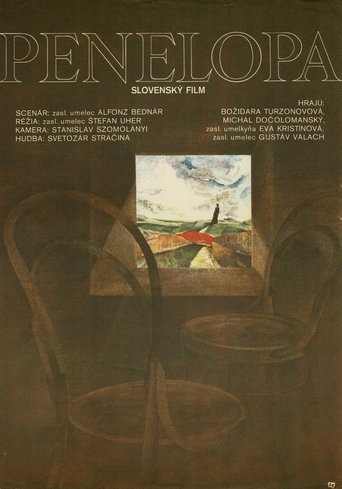
8.0An emancipated restorer restores rare castle frescoes in an ancient village with figures of ancient heroines - and one of them, Penelope, resembles an old woman who has been waiting for the return of her husband and son for forty years, who have supposedly gone to work in America.
Penelopa
1978
No synopsis available yet.
Pericola
1979
No synopsis available yet.
Túžba letného poludnia
1974
 NR
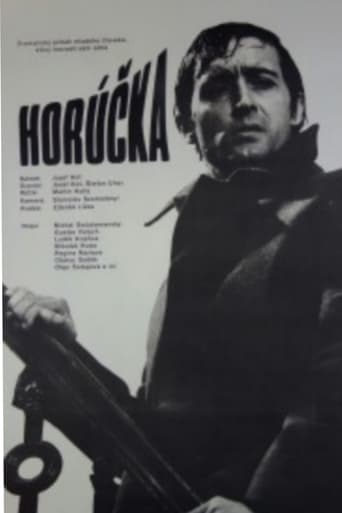
NRA psychological story of a young printing house leader and his subordinates and a "dangerous contract from the West".
Horúčka
1975
1960s · 4 titles
No synopsis available yet.
Čaj u pána senátora
1967
No synopsis available yet.
Nevesta
1969
Seven people waiting for their death. A group of assasins - three men and two women - and Gypsy thief spend their time in prison to be tucked up.
The Ballad of Seven Hanged Men
1968
No synopsis available yet.
Pomsta starej dámy alebo Na každého raz dôjde
1968
Series credits
7.0No synopsis available yet.
Bakaláři
1972
7.0No synopsis available yet.
Bakaláři
1972
7.0No synopsis available yet.
Vivat Beňovský!
1975
8.0Series about the life of Renaissance anatomist, scholar and politic Johannes Jessenius. Already legendary series today, was produced by Czechoslovak Television Bratislava, directed by Slovak director Miroslav Luther in the first half of 80's in Barrandov Studios in Prague. The story and screenplay of the series wrote Czech writer Vladimír Körner. Five-episodes epic historical narration is a biographical story of distinguished Renaissance scholar, anatomist and politic of Slovak origin, Johannes Jessenius (Ján Jesenský, 1566–1621). It displays his life from the first studies and successes. In 1594 he became professor of surgery and anatomy on Wittenberg University, which he had attended years before. From that moment, his life went through social and personal wins and losses, to the sad end on the Prague Old Town Square gallows, among 27 noblemen, knights and burgenses, after lose Bohemian Revolt in 1621. His destiny was coupled with key events of Czech history in the break of 16th and 17th century, when Renaissance and European humanism slowly fade out.
The Physician of a Dying Time
1984
No synopsis available yet.
V službách zákona
1983
8.2Spadla z oblakov is a Slovak language sci-fi TV series for children created in year 1978. The series became very popular in Czechoslovakia and several other countries. The series was based on 1967 child book Spadla z nebe by Václav Pavel Borovička, a Czech writer and screenwriter. The first, very successful edition was followed by several reprints, the last in year 2000. The TV series follows the book quite closely.
She Came Out of the Blue Sky
1979
The series depicts the history of Slovak society in the first decades of our century and leaves a deep faith in humanity and the nation. It tells the life story of Pavlínka, the daughter of a laborer and innkeeper, whose fate is filled with love, social ambitions, and unfulfilled dreams, and who ultimately returns to the basics of life, to naturalness and wisdom.
Život bez konca
1983
No synopsis available yet.
Zbojnícke fašiangy
1987
No synopsis available yet.
Americká tragédia
1977
 NR
NRNo synopsis available yet.
Tisícročná včela
1984
8.5A comedy about three flirtatious woodcutters realistically capturing Slovak village life and criticizing insincerity, hypocrisy and male pride.
Infidelity, Slovak Style
1981
8.5A comedy about three flirtatious woodcutters realistically capturing Slovak village life and criticizing insincerity, hypocrisy and male pride.
Infidelity, Slovak Style
1981
No synopsis available yet.
Parížski mohykáni
1972
No synopsis available yet.
Kamarátka pre nás dvoch
1975
No synopsis available yet.
Zrkadlo občana Pokorného
1967
No synopsis available yet.
Vrabce z Tŕnia
1984
No synopsis available yet.
Výmysly uja Elektróna
1978
No synopsis available yet.
Ľudia z kanálovej štvrte
1975
No synopsis available yet.
To je váš prípad, Šetaffy.
1986
No synopsis available yet.
V tieni vlkov
1972
No synopsis available yet.
Štipku soli
1977
A story about a young Slovak peasant boy from the 17th century. After the death of his father, who was hanged for poaching, Adam Šangala decides to leave home and become a gentleman. However, he gets involved in a dispute with Count Markoč, who abuses a peasant girl, beats him up, and forces him to flee from his police officers. On the run, he meets the charming Betka, the daughter of a craftsman from Trnava, with whom he falls in love, but with Markoč's police still hot on his heels, there is no time for love. In his desperate situation, Adam enlists as a soldier for Count Pálfy...
Adam Šangala
1974
No synopsis available yet.
Vzbúrené mesto
1984
No synopsis available yet.
Keď radí strach
1984
No synopsis available yet.
Tam je hviezda Sírius
1983
No synopsis available yet.
Vynálezy hodinára Aurela
1984