
Acting
Douta Seck
Born — Died
1919-08-04 — 1991-11-05
Place of birth
Saint-Louis, Senegal
Known for
Acting
Credits
13 titles
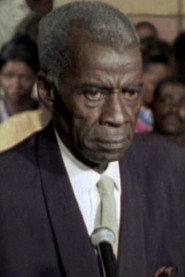
Douta Seck (1919–1991) was a Senegalese stage and film actor, theatre director, singer, and trained architect. After studying architecture at the École des Beaux-Arts in Paris, he turned to the performing arts, becoming one of the leading figures of modern Senegalese theatre. He created the title role in Aimé Césaire's The Tragedy of King Christophe and appeared in numerous international and African productions, including Tamango (1958), The Comedians (1967), Xala (1975), and Sugar Cane Alley (1983). Widely regarded as a pioneer of Senegalese theatre and cinema, Seck remains an influential cultural figure in his country.
Known for
 6.8
6.8A rich businessman in Senegal is cursed with crippling erectile dysfunction upon the day of his marriage to his third wife; the only cure is brutal public humiliation.
Xala
1975
 NR
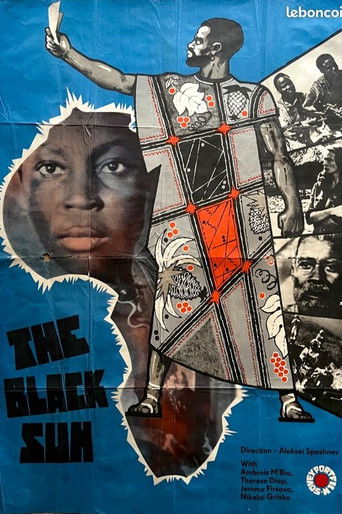
NRThe life and death of Robert Moussombe, the leader of an unnamed African state. Moussombe is a fictionalized portrait of assassinated Congolese leader Patrice Lumumba, and the film's events are a pastiche of the Congo Crisis in 1960s.
Black Sun
1971
 NR
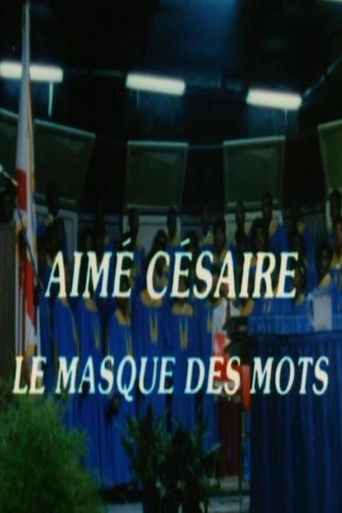
NRAimé Césaire - Le Masque des mots is a portrait of the Martinican writer who calls himself a rebellious negro and for whom the poetic act represents an act of freedom.
Aimé Césaire: The Mask of Words
1987
 6.1
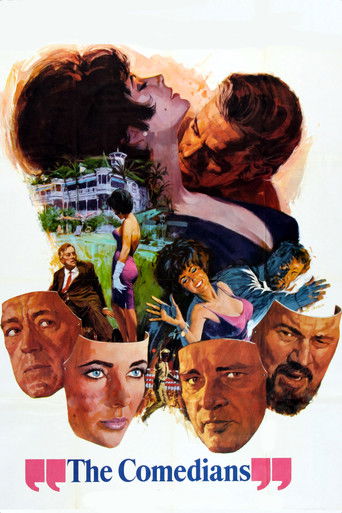
6.1American and British tourists get caught up in political unrest in Haiti.
The Comedians
1967
 6.8
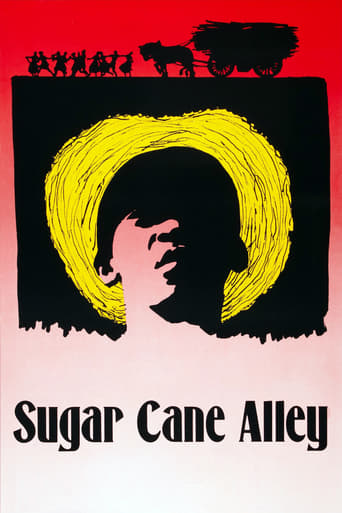
6.8Martinique, in the early 1930s. Young José and his grandmother live in a small village. Nearly everyone works cutting cane and barely earning a living. The overseer can fine a worker for the smallest infraction. The way to advance is to do well in school. José studies hard and succeeds in an exam allowing him to attend school in the capital. With only a partial scholarship, the tuition is very costly. José and his grandmother move to Fort-de-France to make José's studies easier...
Sugar Cane Alley
1983
 10.0
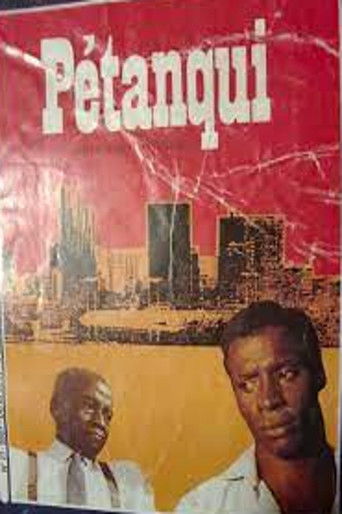
10.0In the middle of a drought, Pétanqui - who is responsible for the distribution of food to the population - enjoys a good life, a nice house, lovers and an official car. His son returns from France with a Law degree, and although he does not approve of his father’s lifestyle, he decides to defend him in court when he is accused of embezzlement. His defence becomes a strong attack on civil servants and members of government who take advantage of their situation. After all, his father is the lesser evil of a state of generalized corruption.
Pétanqui
1983
Film credits
1980s · 5 titles
NRAimé Césaire - Le Masque des mots is a portrait of the Martinican writer who calls himself a rebellious negro and for whom the poetic act represents an act of freedom.
Aimé Césaire: The Mask of Words
1987
6.8Martinique, in the early 1930s. Young José and his grandmother live in a small village. Nearly everyone works cutting cane and barely earning a living. The overseer can fine a worker for the smallest infraction. The way to advance is to do well in school. José studies hard and succeeds in an exam allowing him to attend school in the capital. With only a partial scholarship, the tuition is very costly. José and his grandmother move to Fort-de-France to make José's studies easier...
Sugar Cane Alley
1983
10.0In the middle of a drought, Pétanqui - who is responsible for the distribution of food to the population - enjoys a good life, a nice house, lovers and an official car. His son returns from France with a Law degree, and although he does not approve of his father’s lifestyle, he decides to defend him in court when he is accused of embezzlement. His defence becomes a strong attack on civil servants and members of government who take advantage of their situation. After all, his father is the lesser evil of a state of generalized corruption.
Pétanqui
1983
 9.0
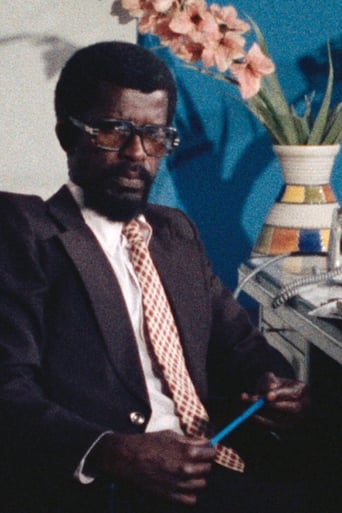
9.0The president of an African country is closely allied with European entrepreneurs for his own benefit and theirs. The sky falls on their heads when a political essay on "The Political Structures of Traditional Power" is published. To make matters worse, the military gets involved. The president, whose party ruled unchallenged (single-party system), finds himself under house arrest.
Under House Arrest
1981
 8.0
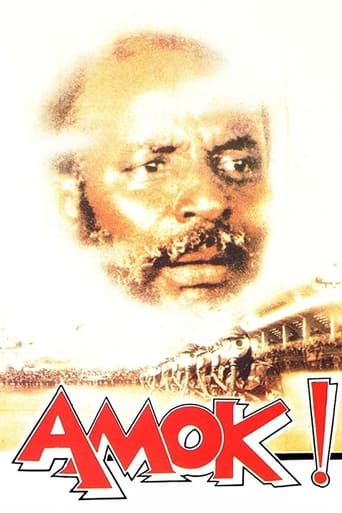
8.0A rural teacher discovers the harsh realities of his South Africa.
Amok
1983
1970s · 3 titles
6.8A rich businessman in Senegal is cursed with crippling erectile dysfunction upon the day of his marriage to his third wife; the only cure is brutal public humiliation.
Xala
1975
NRThe life and death of Robert Moussombe, the leader of an unnamed African state. Moussombe is a fictionalized portrait of assassinated Congolese leader Patrice Lumumba, and the film's events are a pastiche of the Congo Crisis in 1960s.
Black Sun
1971
 10.0
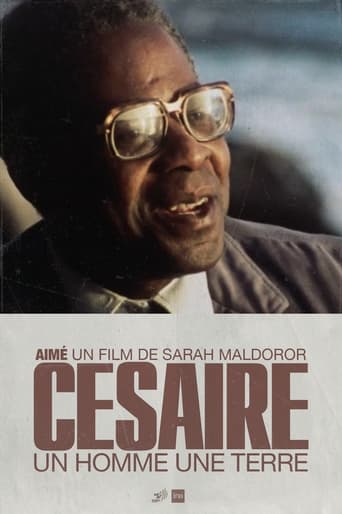
10.0Alternating interview segments, shots of Martinique landscapes and scenes from Aimé Césaire's play La Tragédie du roi Christophe (1963), Sarah Maldoror portrays her friend as a politician, a poet, and a founder of the Négritude movement.
Aimé Césaire, Un homme une terre
1976
1960s · 2 titles
1950s · 3 titles
 7.0
7.0A Dutch slave captain, on a voyage to Cuba, faces a revolt fomented by a newly captured African slave, Tamango. The slaves capture the captain's mistress, forcing a showdown.
Tamango
1958
 7.0
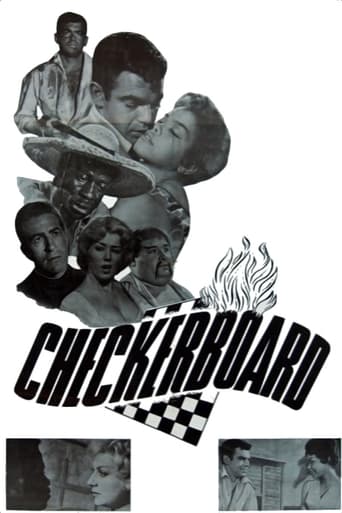
7.0In a small Gallic village, tourists are regaled by street entertainers and brash prostitutes. One of the tourists, a black girl named Bessie, falls in love with local villager Bob, and he with her. Soon racial tensions erupt volcanically among tourists and townsfolk alike. All is forgiven when the respective parents of the hero and heroine save the village's water supply.
Checkerboard
1959
 9.0
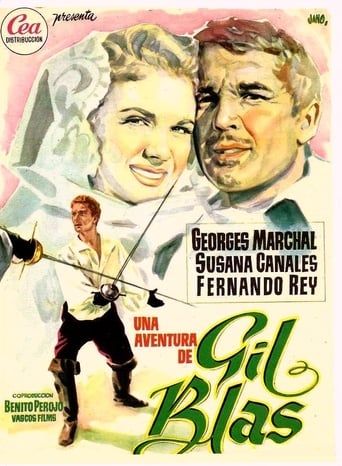
9.0No synopsis available yet.
The Adventures of Gil Blas
1956