
Known for
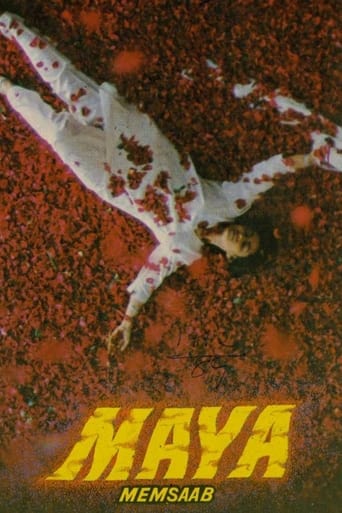 5.7
5.7A frustrated housewife whose marriage to an average man does not meet her expectations enters into an affair with a younger man. Of course, there are no easy escapes from reality.
Maya Memsaab
1993
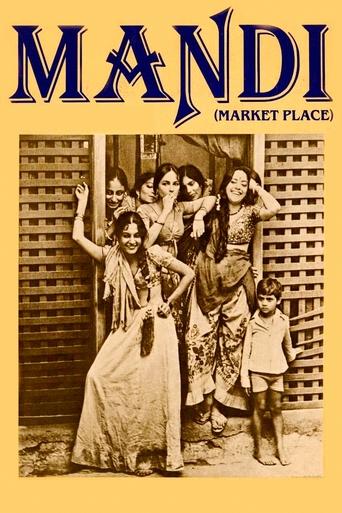 7.0
7.0The denizens of a brothel deal with internal drama, as well as greedy land developers and an anti-prostitution politician who are pressuring them to leave town.
Mandi
1983
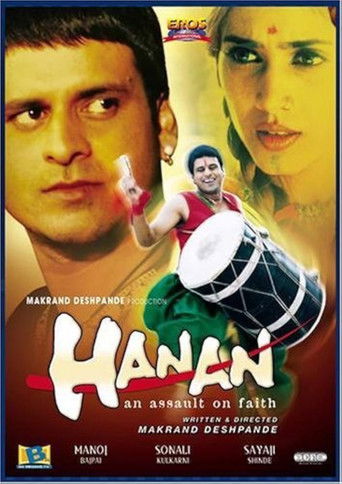 8.0
8.0The Indian belief that birth, death and marriage are decided in the heaven is challenged one night in Rampur, when a woman abused by her husband curses the Goddess Bhagwati for not creating a true husband and commits suicide in Goddess's divine river...
Hanan: An Assault on Faith
2004
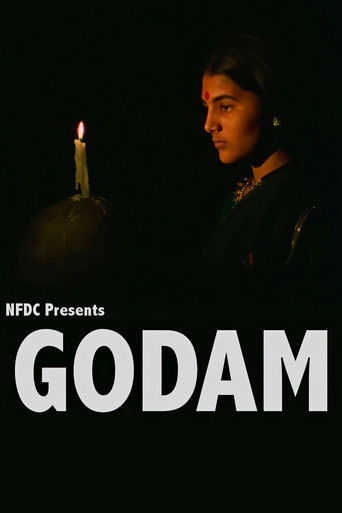 7.8
7.8A teenaged girl is given to a halfwit in an arranged marriage. Her father-in-law tries to rape her on her wedding night. He's killed in the struggle and she flees.
Godam
1983
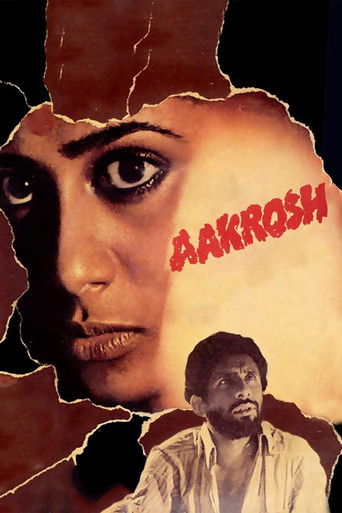 7.4
7.4In the 1980s, a lawyer defends a tribal man who is under arrest for killing his own wife. As he proceeds with the case, he learns about the harsh life of scheduled tribes in India.
Aakrosh
1980
 NR
NR"Andha Yug"—literally 'Age of Blindness'—is an allegorical play written in the aftermath of the Partition of India by Shri Dharamvir Bharti. Rooted in the epic Mahabharata, this landmark 1989 Delhi performance was staged for the Nehru Shatabdi Samaroh Festival and has since been preserved by the Natya Shodh Sansthan, Kolkata (NSS). Set on the final day of the Kurukshetra war, the narrative chronicles the end of the Dvapara Yuga and the immediate descent into the dark Kali Yuga, triggered by Lord Krishna's demise. This five-act masterpiece explores the moral collapse, cycles of revenge, and psychological trauma of war. It depicts the pyrrhic reality of the Kali Yuga—the worst, shortest, and darkest of the four cosmic ages—in which recursive violence degrades the fabric of civilization, blinding individuals to reason as they are forced to reckon with the devastation's fallout.
Andha Yug
1989
Film credits
1990s · 2 titles
5.7A frustrated housewife whose marriage to an average man does not meet her expectations enters into an affair with a younger man. Of course, there are no easy escapes from reality.
Maya Memsaab
1993
 10.0
10.0The story depicts the vulnerability of a man who is victimized by his wife who plots to prove his husband mentally insane. She is in disagreement with his husband on how her daughter should be raised and what she should become. She thinks that if she declares his husband insane she would be able to decide for her daughters future. She knowingly creates confusion and tells his husband that he cannot be sure that he is the father of their daughter. Captian starts to believe that the daughter who was everything for him may not be his daughter and becomes insane and his wife gets the custody of her daughter as she wished.
Pita
1991
1980s · 2 titles
7.8A teenaged girl is given to a halfwit in an arranged marriage. Her father-in-law tries to rape her on her wedding night. He's killed in the struggle and she flees.
Godam
1983
NR"Andha Yug"—literally 'Age of Blindness'—is an allegorical play written in the aftermath of the Partition of India by Shri Dharamvir Bharti. Rooted in the epic Mahabharata, this landmark 1989 Delhi performance was staged for the Nehru Shatabdi Samaroh Festival and has since been preserved by the Natya Shodh Sansthan, Kolkata (NSS). Set on the final day of the Kurukshetra war, the narrative chronicles the end of the Dvapara Yuga and the immediate descent into the dark Kali Yuga, triggered by Lord Krishna's demise. This five-act masterpiece explores the moral collapse, cycles of revenge, and psychological trauma of war. It depicts the pyrrhic reality of the Kali Yuga—the worst, shortest, and darkest of the four cosmic ages—in which recursive violence degrades the fabric of civilization, blinding individuals to reason as they are forced to reckon with the devastation's fallout.
Andha Yug
1989
1970s · 2 titles
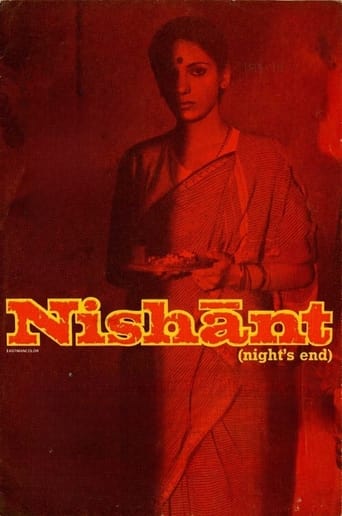 7.1
7.1A man whose wife is abducted seeks to have the culprits prosecuted for their crime, but no one will help him. Meanwhile, the wife—abused and berated by her abductors—cannot bring herself to face her husband.
Nishant
1975
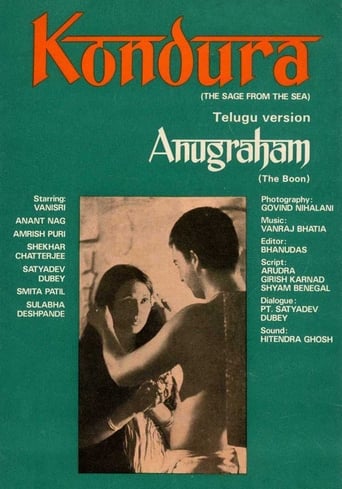 9.1
9.1The film involves the life of a young man who comes to believe that he has been bestowed supernatural powers. As the story unfolds, this boon eventually leads to a tragedy.
The Sage from the Sea
1978
Behind the camera
7.0The denizens of a brothel deal with internal drama, as well as greedy land developers and an anti-prostitution politician who are pressuring them to leave town.
Mandi
1983
7.4In the 1980s, a lawyer defends a tribal man who is under arrest for killing his own wife. As he proceeds with the case, he learns about the harsh life of scheduled tribes in India.
Aakrosh
1980
NR"Andha Yug"—literally 'Age of Blindness'—is an allegorical play written in the aftermath of the Partition of India by Shri Dharamvir Bharti. Rooted in the epic Mahabharata, this landmark 1989 Delhi performance was staged for the Nehru Shatabdi Samaroh Festival and has since been preserved by the Natya Shodh Sansthan, Kolkata (NSS). Set on the final day of the Kurukshetra war, the narrative chronicles the end of the Dvapara Yuga and the immediate descent into the dark Kali Yuga, triggered by Lord Krishna's demise. This five-act masterpiece explores the moral collapse, cycles of revenge, and psychological trauma of war. It depicts the pyrrhic reality of the Kali Yuga—the worst, shortest, and darkest of the four cosmic ages—in which recursive violence degrades the fabric of civilization, blinding individuals to reason as they are forced to reckon with the devastation's fallout.
Andha Yug
1989
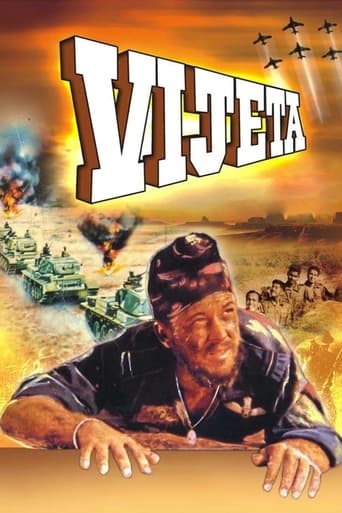 9.2
9.2Vijeta (The Victor) is the coming of age story of Angad (Kunal Kapoor). Confused like any other teenager trying to find himself and caught in between the marital problems of his mother Neelima (Rekha) and father Nihal (Shashi Kapoor). It is time for him to decide what he wants to do with his life. To select a profession and be someone, Angad chooses to become a fighter pilot with the Indian Air Force. What follows is his struggle to become a victor both with his self and the outer world.
Vijeta
1982
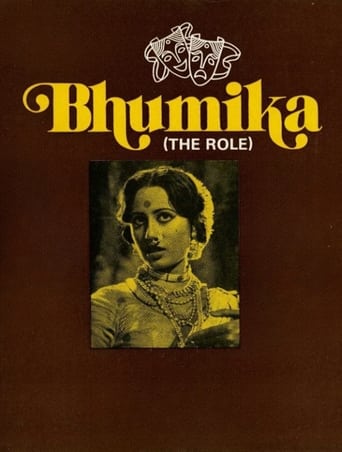 6.6
6.6In a world that both glamorizes and patronizes her, a successful film star begins to unravel under the weight of the roles imposed upon her, drifting between studios and her personal life as she spirals into an identity crisis.
Bhumika
1977
 9.2
9.2A political and social satire on middle-class society's hypocrisy. A group of teachers plan to stage a play in a village. When a cast-member does not show up, a local stagehand is asked to replace him. An improvised, free-flowing 'rehearsal' is arranged and a mock trial is staged to help the novice understand court procedures. A (mock) charge of infanticide is levelled against Miss Benare, another cast-member. Suddenly the pretend-play turns into an accusatory game when it emerges from the trial that Miss Benare is carrying an out-of-wedlock child from her failed illicit relationship with Professor Damle, the missing cast-member.
Silence! The Court Is in Session
1971
The original title in Hindi, taken from a poem, literally means "Mountains of Non-Communication" that separate individuals. Hence the shortened English title, "Barriers." –S. D. D.
Aparichay ke Vindhachal: Barriers
1965
 8.0
8.0Mahesh returns to India after a long time abroad, and makes the disillusioning discovery that his father makes his fortune in illegal goods. Righteously disavowing his family wealth, Mahesh marries Seema and begins a life of simplicity, but when his father's attempt at atonement results in tragedy, Mahesh must ultimately take up arms to defend his family.
Vishwasghaat
1977