
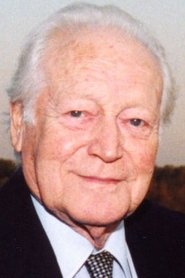
Writing
Maurice Druon
Born — Died
1918-04-23 — 2009-04-14
Place of birth
Paris, France
Known for
Writing
Credits
7 titles
Maurice Druon (23 April 1918 – 14 April 2009) was a French novelist and a member of the Académie française, of which he served as "Perpetual Secretary" (chairman) between 1985 and 1999. Born in Paris, France, Druon was the son of Russian-Jewish immigrant Lazare Kessel (1899–1920) and was brought up at La Croix-Saint-Leufroy in Normandy and educated at the lycée Michelet de Vanves. His father committed suicide in 1920 and his mother remarried in 1926; Maurice subsequently took the name of his adoptive father, the lawyer René Druon (1874–1961). He was the nephew of the writer Joseph Kessel, with whom he translated the Chant des Partisans, a French Resistance anthem of World War II, with musi…
Known for
 6.2
6.2No synopsis available yet.
30 millions d'amis
1976
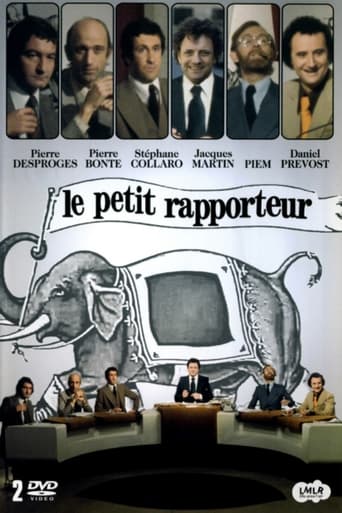 6.2
6.2No synopsis available yet.
Le Petit Rapporteur
1975
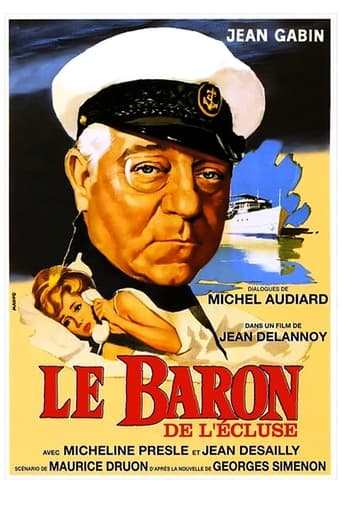 6.5
6.5Lucky Baron Jérôme Napoléon Antoine wins a boat in a card game and takes off with his former lover in search of new adventures. Adverse circumstances land them in a small town, where the Baron's seafaring companion departs for more attractive scenery offered by a wealthy local. Meanwhile, there's a certain charming café owner that the Baron finds irresistible – at least for awhile.
The Baron of the Locks
1960
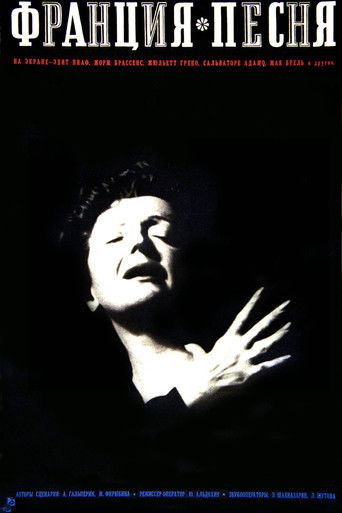 NR
NRSong chronicle of France in the 60s. The film introduces the work of famous French chansonnier singers.
France, Song
1969
 7.0
7.0Italian movie inspired by "Le pain des pauvres".
Vertigine d'amore
1948
 8.0
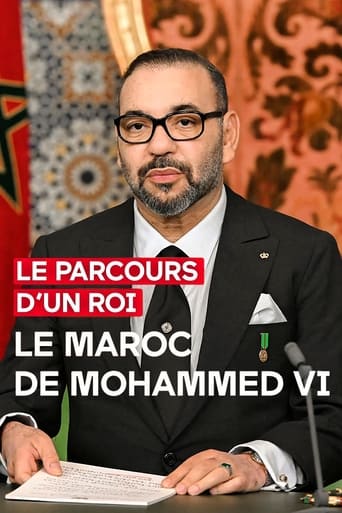
8.0On July 30, 2024, Mohamed VI celebrates the 25th anniversary of his reign in style. Who is this so-called secret monarch? How did he gradually impose his vision and projects?
Le parcours d'un roi - Le Maroc de Mohammed VI
2024
Film credits
Series credits
Behind the camera
6.5Lucky Baron Jérôme Napoléon Antoine wins a boat in a card game and takes off with his former lover in search of new adventures. Adverse circumstances land them in a small town, where the Baron's seafaring companion departs for more attractive scenery offered by a wealthy local. Meanwhile, there's a certain charming café owner that the Baron finds irresistible – at least for awhile.
The Baron of the Locks
1960
7.0Italian movie inspired by "Le pain des pauvres".
Vertigine d'amore
1948
 6.5
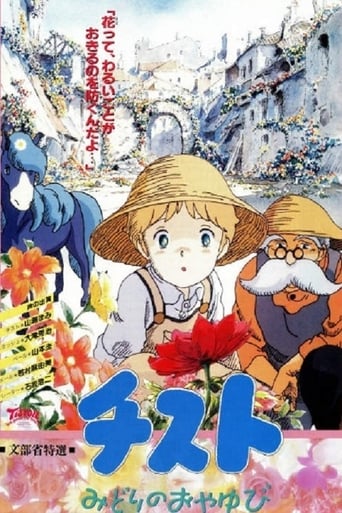
6.5When eight-year-old Tistou is sent home from school after being unable to stop falling asleep at lessons, his father decides that he will continue his education by learning from observation of real life, and where better to start than in the garden! With the gardener Mr. Moustache, Tistou discovers he has a remarkable gift—the green thumbs: everything he touches grows into beautiful plants. His next lesson is with the stern Mr. Turnbull, manager of his father's armament factory who takes Tistou to visit the town to learn about "order." Over the course of the next few days Tistou learns many new things as he visits the town prison, the slums, and the hospital, and everywhere he tries to change the world into a better place with his new extraordinary power. Finally, he learns about war, and upon visiting his father's factory, he finds out that they supply the two countries at war with their weapons...
Tistou the Green Thumb
1990