
Directing
Mitsuyo Seo
Born — Died
1911-09-26 — 2010-08-24
Place of birth
Himeji, Hyōgo Prefecture, Japan
Known for
Directing
Credits
15 titles
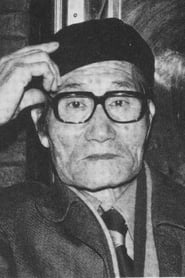
Mitsuyo Seo (瀬尾 光世, Seo Mitsuyo, 26 September 1911 – 24 August 2010) was a Japanese animator, screenwriter, and director of animated films who played a central role in the development of Japanese anime. He was born in Himeji, Hyōgo Prefecture. Initially working as a sign painter, Seo began dabbling in drawing animation by working at a toy film company that made short movies for home entertainment. Although his most famous films were propaganda for Japan during World War II, Seo's political sympathies were leftist, and early on, he was actually a member of the Proletarian Film League of Japan, where he helped out on such animated films as Sankichi no Kūchū Ryokō. In 1931, he was arrested for…
Known for
 NR
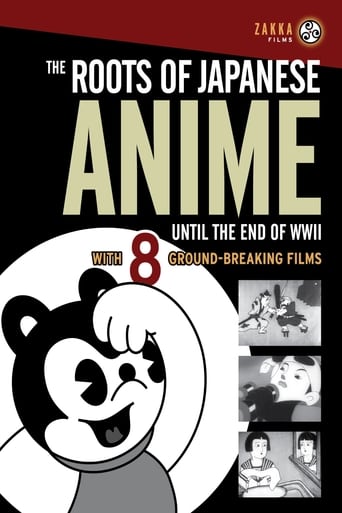
A rare glimpse of early Japanese sound anime and prewar Japanese culture, The Roots of Japanese Anime features the masterworks of such pioneers of Japanese animation as Noburo Ofuji, Yasuji Murata, and Kenzo Masaoka, in addition to Mitsuyo Seo’s Momotaro’s Sea Eagle, the notorious war cartoon billed as Japan’s first feature anime. These movies represent the brilliance and variety of anime, ranging from beautiful Japanese paper animation to powerful multiplane cel cartoons. They also evoke the fascinating complexity of Japan, a nation that is then both marching towards war, enlisting kids in militarist nationalism, yet also delighting in a mixture of modern popular culture, ancient folk tales, irreverent comedy, and the everyday life of prewar Japanese children.
The Roots of Japanese Anime Until the End of WWII: 1930-1942
2008
 6.5
Arichan the Ant finds a violin in a sandbox and keeps it. However, realizing how important it is to its owner, he returns it to her.
Arichan the Ant
1941
 5.3
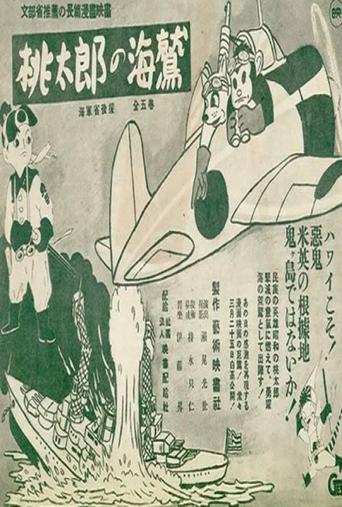
Considered the first animated feature film from Japan. Although it's short, it was billed as a main attraction. This government funded propaganda film features the classic folklore character Momotaro and his animal friends as they attack Pearl Harbor which is defended by characters strikingly similar to Bluto and Olive Oil from the Popeye cartoons. The animation is mixed with real video footage from the attack on Pearl Harbor supplied by the military.
Momotaro's Sea Eagles
1943
The conflict between ducklings and frogs escalates into war. However, a lightning strike makes the fighters realize the trivial nature of their battle.
The Quack Infantry Troop
1940
Short movie from 1934 about a war between monkeys and bears.
Sankichi the Monkey: The Storm Troopers
1934
 4.6
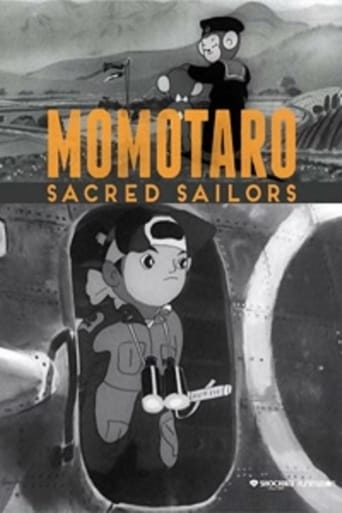
The first Japanese feature-length animated film. It was directed by Mitsuyo Seo, who was ordered to make a propaganda film for the war by the Japanese Naval Ministry. Shochiku Moving Picture Laboratory shot the 74-minute film in 1944 and screened it on April 12, 1945. It is a sequel to Momotarō no Umiwashi, a 37-minute film released in 1943 by the same director. It is black and white. The whole movie also depicts the Japanese "liberation of Asia", as proclaimed by the Government at the time. Seo tried to give dreams to children, as well as to instill the hope for peace, with hidden movie's hints of dreams and hopes, under the appearance of war propaganda.
Momotaro, Sacred Sailors
1945
Behind the camera
NRA rare glimpse of early Japanese sound anime and prewar Japanese culture, The Roots of Japanese Anime features the masterworks of such pioneers of Japanese animation as Noburo Ofuji, Yasuji Murata, and Kenzo Masaoka, in addition to Mitsuyo Seo’s Momotaro’s Sea Eagle, the notorious war cartoon billed as Japan’s first feature anime. These movies represent the brilliance and variety of anime, ranging from beautiful Japanese paper animation to powerful multiplane cel cartoons. They also evoke the fascinating complexity of Japan, a nation that is then both marching towards war, enlisting kids in militarist nationalism, yet also delighting in a mixture of modern popular culture, ancient folk tales, irreverent comedy, and the everyday life of prewar Japanese children.
The Roots of Japanese Anime Until the End of WWII: 1930-1942
2008
6.5Arichan the Ant finds a violin in a sandbox and keeps it. However, realizing how important it is to its owner, he returns it to her.
Arichan the Ant
1941
5.3Considered the first animated feature film from Japan. Although it's short, it was billed as a main attraction. This government funded propaganda film features the classic folklore character Momotaro and his animal friends as they attack Pearl Harbor which is defended by characters strikingly similar to Bluto and Olive Oil from the Popeye cartoons. The animation is mixed with real video footage from the attack on Pearl Harbor supplied by the military.
Momotaro's Sea Eagles
1943
The conflict between ducklings and frogs escalates into war. However, a lightning strike makes the fighters realize the trivial nature of their battle.
The Quack Infantry Troop
1940
Short movie from 1934 about a war between monkeys and bears.
Sankichi the Monkey: The Storm Troopers
1934
4.6The first Japanese feature-length animated film. It was directed by Mitsuyo Seo, who was ordered to make a propaganda film for the war by the Japanese Naval Ministry. Shochiku Moving Picture Laboratory shot the 74-minute film in 1944 and screened it on April 12, 1945. It is a sequel to Momotarō no Umiwashi, a 37-minute film released in 1943 by the same director. It is black and white. The whole movie also depicts the Japanese "liberation of Asia", as proclaimed by the Government at the time. Seo tried to give dreams to children, as well as to instill the hope for peace, with hidden movie's hints of dreams and hopes, under the appearance of war propaganda.
Momotaro, Sacred Sailors
1945
When a samurai witnesses a dancing maiden being kidnapped by ruffians, he rescues the poor damsel and takes her to the spring flower dance.
Love Story from the Age of Genroku: Sankichi and Osayo
1934
Usagi-san was washed away by some large waves. He cheats a crocodiles to get home. When he does, he was so dirty that his friends abandoned him because he was unrecognizable.
The Hare in Inaba
1935
A military troop of dogs go out to hunt a local tiger, while one of their members, Norakuro, causes a ruckus.
Norakuro's Tiger Hunt
1938
Short animated film by Mitsuyo Seo
Tekusuke Monogatari
1938
Dreaming of rising up in the world, Chibisuke the little bonze travels to the city, where he becomes a retainer to a Cabinet minister, who takes a liking to Chibisuke who dances for him in his palm. One day, Chibisuke is accompanying a princess to Shimizu when a mountain devil attacks her. Chibisuke makes numerous surprise attacks on the devil before finally overcoming him, and using a horn of plenty left behind by the devil, he ends up a strapping young man.
Tiny Chibisuke's Big Adventure
1935
A black-and-white short by Mitsuyo Seo.
Norakuro, Private Second Class
1935
A brave samurai rescues a beautiful maiden.
Genroku Koimoyo Sankichi to Osayo
1934
A black-and-white short by Mitsuyo Seo.
Norakuro, Private 1st Class
1935