

Writing
Osamu Tezuka
Born — Died
1928-11-03 — 1989-02-09
Place of birth
Toyonaka, Osaka, Japan
Known for
Writing
Credits
48 titles
Osamu Tezuka (手塚 治虫, Tezuka Osamu) is a Japanese cartoonist, manga artist, and animator, often dubbed as the "Godfather of Anime". He was the originator of anime's trademark "large eyes" style of character drawing. Five years after his death, the Osamu Tezuka Manga Museum opened.
Known for
 5.4
5.4Bander is a 17-year-old boy from Earth who lives on a distant planet, which is populated by human shape-shifters who feed off of vegetables and animal tails. Violence soon breaks out, as invaders launch an attack on Bander's new planet. This was Japan's first 2-hour animated film for television. The program received high ratings when broadcast as part of a set of 24-hour TV programs called "Ai wa Chikyu wo Sukuu" on Nippon Television. After a long gap since his last animated film for television, this work fully reflects Osamu Tezuka's desire to achieve theatrical quality with this production.
One Million-Year Trip: Bander Book
1978
 6.7
6.7Aldin, a vagabond water vendor, embarks of a series of fantastical and tragic misadventures through the Middle East in search of love, fortune, and power.
A Thousand and One Nights
1969
 8.5
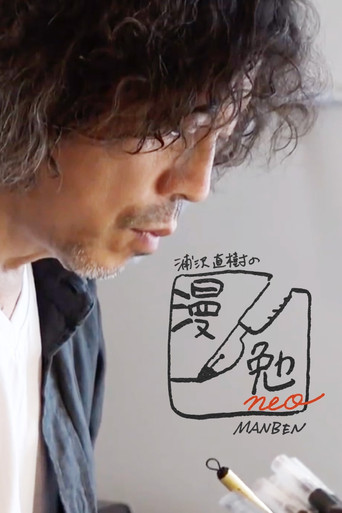
8.5Reboot of the original Manben series from 2014-2017. Naoki Urasawa is returning to visit eight different manga authors, observe them in their daily work and discuss the creation of manga.
Naoki Urasawa's Manben neo
2020
 5.9
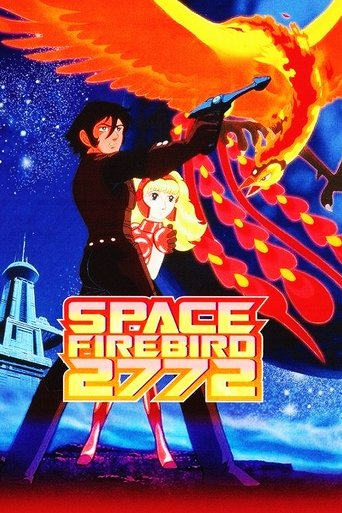
5.9In the distant future, a young cadet is sent to find and capture "Cosmozone 2772", a mystical universal Phoenix which possesses the power to rejuvenate the drained Earth.
Phoenix 2772
1980
 5.8
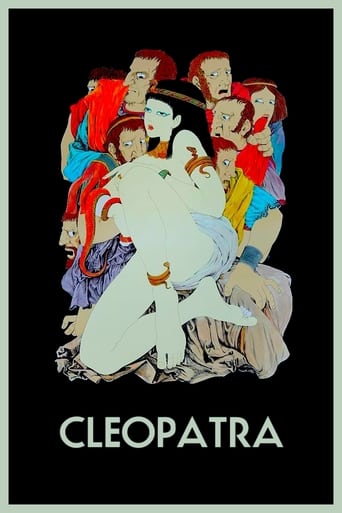
5.8Three people from the future, who travel spiritually to the era of the Egyptian queen Cleopatra VII Philopator and her Roman lovers Julius Caesar and Mark Antony, become their closest friends as they try to unravel the nature of the plan developed in their own time by a sinister enemy.
Cleopatra: Queen of Sex
1970
 NR
NRBased on the Osamu Tezuka manga
Vampires
1968
Film credits
1980s · 3 titles
 7.0
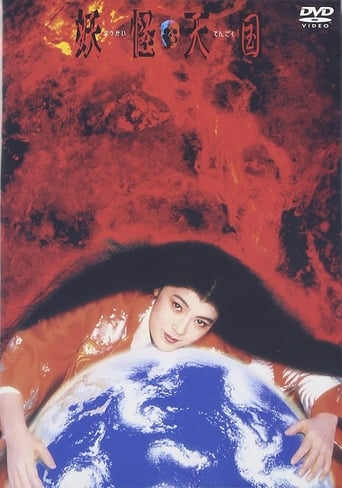
7.0An anthology of strange horror tales featuring yokai. It begins with astronauts finding a katana on the moon.
Monster Heaven
1986
 7.0
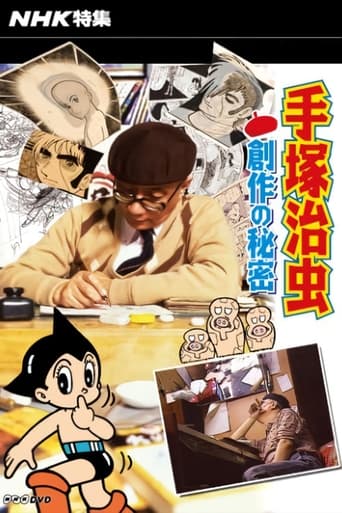
7.0A Japanese TV documentary, NHK Tokushu Tezuka Osamu: Sosaku no Himitsu (Secrets of Creation.), was originally released as a book-mounted DVD, with cooperation from Tezuka Productions. Screened in Japan in 1986, it was filmed as Tezuka prepared for the Hiroshima International Animation Festival in 1985. It shows him working in his private studio and with his team, and gives glimpses of his wife, colleagues and old friends.
Osamu Tezuka: Secrets of Creation
1985
 NR
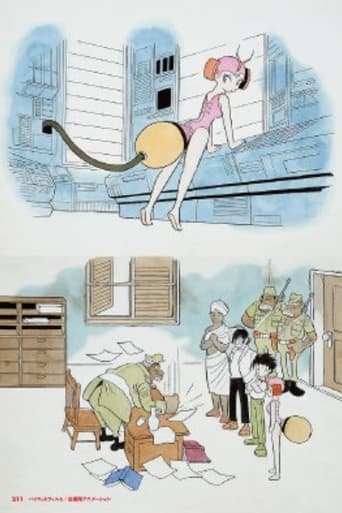
NRThis work was submitted in a special animation competition as part of a PR project for a power company, but was unfortunately not adopted. The reason is very clear: the setting of the story is the exhausted earth. There couldn't be a more instructive setting for a power company that uses enormous amounts of the earth's resources. Additionally, a girl robot discovered by the main character can store sunlight and convert it into energy; in other words, the robot does not require a power-generating company. In addition to this, the robot destroys herself to protect the established solar power generation system in space. The unsuccessful outcome of the competition for Tezuka Osamu was only natural, and it is clear that he created this piece, as it was intentionally, as he managed everything from the original story to the screenplay, animation, narration, etc., all the while knowing that the competition was sponsored by a power company.
Brave Fire S09
1987
Series credits
Behind the camera
5.4Bander is a 17-year-old boy from Earth who lives on a distant planet, which is populated by human shape-shifters who feed off of vegetables and animal tails. Violence soon breaks out, as invaders launch an attack on Bander's new planet. This was Japan's first 2-hour animated film for television. The program received high ratings when broadcast as part of a set of 24-hour TV programs called "Ai wa Chikyu wo Sukuu" on Nippon Television. After a long gap since his last animated film for television, this work fully reflects Osamu Tezuka's desire to achieve theatrical quality with this production.
One Million-Year Trip: Bander Book
1978
5.4Bander is a 17-year-old boy from Earth who lives on a distant planet, which is populated by human shape-shifters who feed off of vegetables and animal tails. Violence soon breaks out, as invaders launch an attack on Bander's new planet. This was Japan's first 2-hour animated film for television. The program received high ratings when broadcast as part of a set of 24-hour TV programs called "Ai wa Chikyu wo Sukuu" on Nippon Television. After a long gap since his last animated film for television, this work fully reflects Osamu Tezuka's desire to achieve theatrical quality with this production.
One Million-Year Trip: Bander Book
1978
6.7Aldin, a vagabond water vendor, embarks of a series of fantastical and tragic misadventures through the Middle East in search of love, fortune, and power.
A Thousand and One Nights
1969
5.9In the distant future, a young cadet is sent to find and capture "Cosmozone 2772", a mystical universal Phoenix which possesses the power to rejuvenate the drained Earth.
Phoenix 2772
1980
5.9In the distant future, a young cadet is sent to find and capture "Cosmozone 2772", a mystical universal Phoenix which possesses the power to rejuvenate the drained Earth.
Phoenix 2772
1980
5.8Three people from the future, who travel spiritually to the era of the Egyptian queen Cleopatra VII Philopator and her Roman lovers Julius Caesar and Mark Antony, become their closest friends as they try to unravel the nature of the plan developed in their own time by a sinister enemy.
Cleopatra: Queen of Sex
1970
 6.8
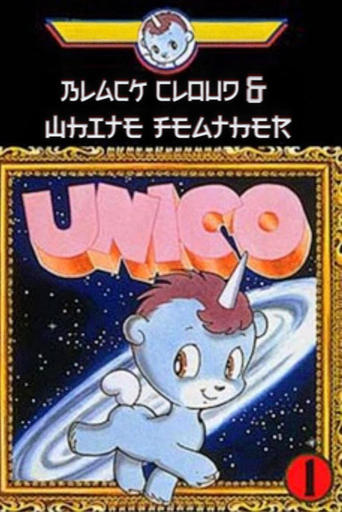
6.8The Goddess Venus is jealous of the beautiful human girl Psyche and blames her pet unicorn, Unico, as Psyche's source of good luck that keeps her from the harm of the goddess' cruel intentions. Unico has the amazing power to make anyone he meets happy. Whether it's because of his personality or the powers of his horn, no one knows. Venus has Unico banished, and the West Wind now takes Unico from one place and time to the next. Taken to a heavily polluted city, Unico meets a sickly girl named Chiko who is suffering because of the pollution of a nearby factory that darkens the entire sky. Unico then is determined to cheer her up, cure her, and destroy the nearby factory.
Unico: Black Cloud and White Feathers
1979
 5.2
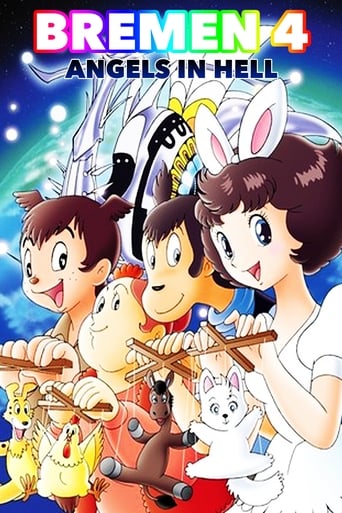
5.2Cat Coda, donkey Largo, dog Allegro, and hen Minuet are transformed from animals to people with alien technology to form a musical group, the Bremen 4. But when invading forces led by Colonel Presto are slaughtering their peaceful village, the musicians must band together and spread a message of peace with music, might, and a little bit of underground anti-fascist guerrilla warfare.
Bremen 4: Angels in Hell
1981
5.2Cat Coda, donkey Largo, dog Allegro, and hen Minuet are transformed from animals to people with alien technology to form a musical group, the Bremen 4. But when invading forces led by Colonel Presto are slaughtering their peaceful village, the musicians must band together and spread a message of peace with music, might, and a little bit of underground anti-fascist guerrilla warfare.
Bremen 4: Angels in Hell
1981
 5.3
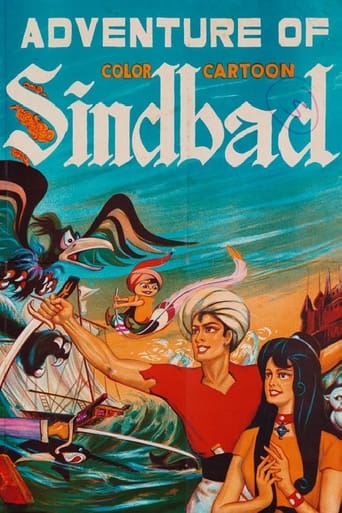
5.3Two young aspiring adventurers, Sindbad and Ali, find an old sailor who has washed up on the shore. With his final breath, the sailor tells them a tale of a hidden treasure and hands over the map he had held on to through his trials. And so, the two would-be heroes are off for adventure. But the road to riches is paved with hardships: their travels lead from stowing away on a ship to the sultan's dungeons -- only to escape with the sultan's daughter in tow!
Arabian Nights: The Adventures of Sinbad
1962
 6.3
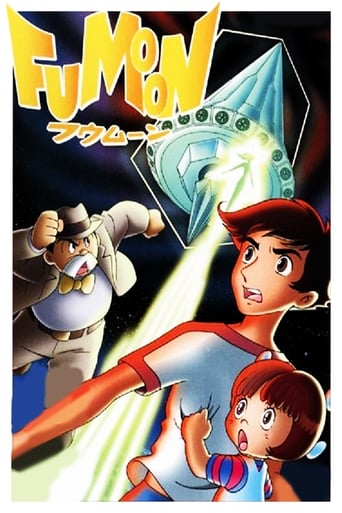
6.3Nuclear testing has resulted in the abrupt evolution of the Fumoon, a tiny but highly intelligent humanoid race on a small island, who are detected by Dr. Yamadano. The Fumoon are kidnapping animals from around the world to bring with them as they use their space ships to evacuate the earth, because they know Earth is shortly to be destroyed by an enveloping cloud of black gas created by a stellar explosion.
Fumoon
1980
6.3Nuclear testing has resulted in the abrupt evolution of the Fumoon, a tiny but highly intelligent humanoid race on a small island, who are detected by Dr. Yamadano. The Fumoon are kidnapping animals from around the world to bring with them as they use their space ships to evacuate the earth, because they know Earth is shortly to be destroyed by an enveloping cloud of black gas created by a stellar explosion.
Fumoon
1980
 5.2
5.2In 1984 the Japanese government approved gene recombination experiments. Baggy is Tezuka’s response. A cute kitten escapes a lab, and is befriended by lonely child Ryosuke. Years later, he joins her in a quest that’s part spaghetti Western, part contemporary adventure.
Bagi, the Monster of Mighty Nature
1984
5.2In 1984 the Japanese government approved gene recombination experiments. Baggy is Tezuka’s response. A cute kitten escapes a lab, and is befriended by lonely child Ryosuke. Years later, he joins her in a quest that’s part spaghetti Western, part contemporary adventure.
Bagi, the Monster of Mighty Nature
1984
 6.5
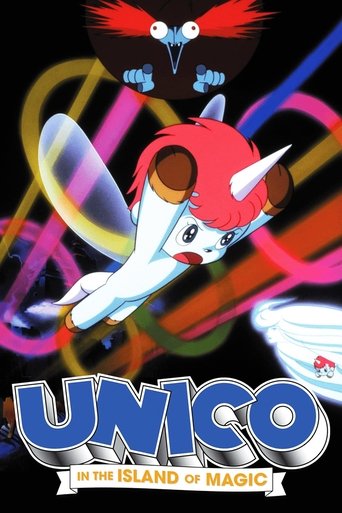
6.5A young unicorn named Unico must fight an evil magician and save everyone who's trapped under his spell.
Unico in the Island of Magic
1983
 6.0
6.0As a child, Sanbo was adopted by a mysterious green cat once owned by his father’s murderer. The cat grants his every wish, leading Sanbo to a lucrative life of crime, but the gift comes at a high cost. Ban, a family friend turned private detective, sets out to stop the cat’s influence before it can claim the young boy’s soul.
The Green Cat
1983
 7.0
7.0When Unico, a young unicorn, is banished from his family by a pantheon of manipulative gods, his powers of joy and happiness are tested as he explores the lands with his friends Beezle and Katy.
The Fantastic Adventures of Unico
1981
 7.0
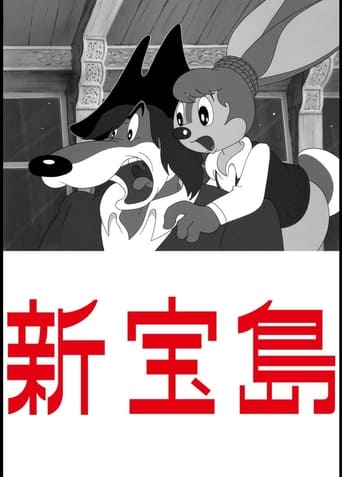
7.0This was the first episode of Mushi Pro Land, a unique series of 60-minute animated programs. It was also Japan's first 60-minute animated TV program. However, the series never materialized and only this episode was actually aired. The story follows Stevenson's "Treasure Island," featuring characters in the form of animals. For example, the pirate Silver is illustrated as a wolf, where the main character Jim is changed into a rabbit. This has, therefore, nothing to do with the "New Treasure Island," Tezuka's masterpiece Manga.
New Treasure Island
1965
7.0This was the first episode of Mushi Pro Land, a unique series of 60-minute animated programs. It was also Japan's first 60-minute animated TV program. However, the series never materialized and only this episode was actually aired. The story follows Stevenson's "Treasure Island," featuring characters in the form of animals. For example, the pirate Silver is illustrated as a wolf, where the main character Jim is changed into a rabbit. This has, therefore, nothing to do with the "New Treasure Island," Tezuka's masterpiece Manga.
New Treasure Island
1965
 7.2
7.2A lonely kid who lives in the countryside meets a strange boy who has a ragged umbrella over his head and there is always rain pouring over him. The rain boy is dazzled by the other kid's boots and offers three wishes in exchange for them.
Rain Boy
1983
 4.3
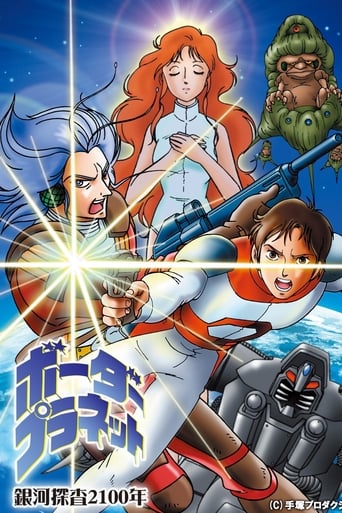
4.3Tezuka Osamu crafts a love story in the time when humans are expanding into space at the end of the 21st century, employing an omnibus form similar to Bradbury's "Martian Chronicle." Leaving the earth after marriage, a woman is left behind in space when her husband suddenly dies of a cosmic disease. Her friends on the Earth head for space to save the woman who was once everyone's ideal lady. Tezuka Osamu emphasizes his concepts that "love can save the earth" and "only love can save humans."
Galaxy Investigation 2100: Border Planet
1986
4.3Tezuka Osamu crafts a love story in the time when humans are expanding into space at the end of the 21st century, employing an omnibus form similar to Bradbury's "Martian Chronicle." Leaving the earth after marriage, a woman is left behind in space when her husband suddenly dies of a cosmic disease. Her friends on the Earth head for space to save the woman who was once everyone's ideal lady. Tezuka Osamu emphasizes his concepts that "love can save the earth" and "only love can save humans."
Galaxy Investigation 2100: Border Planet
1986
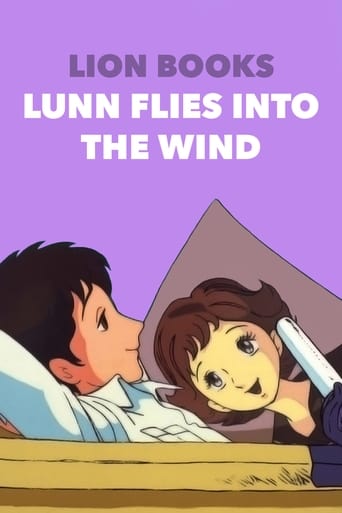 6.7
6.7Akira is a lonely middle school boy, ignored by his classmates and bullied by his teacher. He falls in love with the image of a girl on a coffee advertising poster and names her Lunn. Through his "friendship" with Lunn, he gradually finds the strength to pursue his own dreams.
Lunn Flies into the Wind
1985
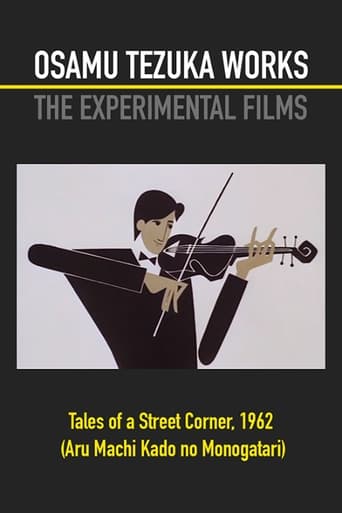 6.0
6.0The sad and happy times of a young girl and her bear doll, a young mouse and his family, a sycamore tree, an old lamp post, a hoodlum moth and an alleyway full of posters coming to life.
Tales of a Street Corner
1962
6.0The sad and happy times of a young girl and her bear doll, a young mouse and his family, a sycamore tree, an old lamp post, a hoodlum moth and an alleyway full of posters coming to life.
Tales of a Street Corner
1962
 5.0
5.0After losing his parents, a young bear named Yamataro is chained as an attraction of a small kiosk near a train station. There he is encouraged by a C-62 train to runaway from the humans and become free.
Yamataro Comes Back
1986
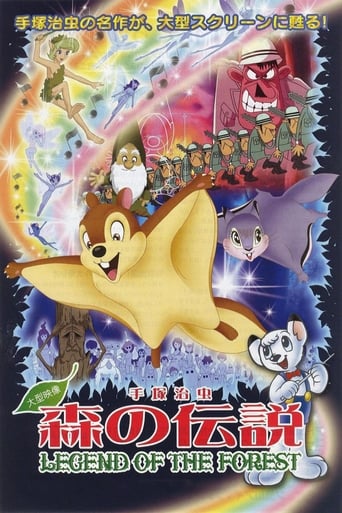 6.7
6.7A tranquil forest and all of its residents must face the destruction of man. A squirrel, born and raised in the forest, fights to defend his home and faces trials and adversities along the way.
Legend of the Forest
1987
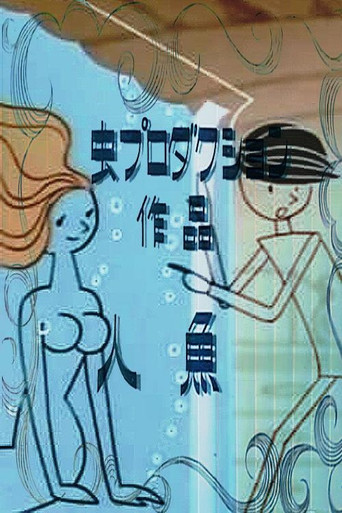 6.2
6.2A dreamy boy in a distant country saves a fish beached on the shore. When he lets it loose in a pool of water, the fish turns into a beautiful mermaid.
Mermaid
1964
6.2A dreamy boy in a distant country saves a fish beached on the shore. When he lets it loose in a pool of water, the fish turns into a beautiful mermaid.
Mermaid
1964
 7.0
7.0No synopsis available yet.
手塚治虫の戦争
2026
 5.5
5.5The story surrounds a boy and a cow who have always lived their lives together. One winter, a famine strikes their village. The villagers resolve to the cow, but the boy secretly helped the cow escape. A few years ago, the boy (now grown-up) and the cow meet again...
Tenguri, Boy of the Plains
1977
 5.9
5.9The story of a white lion cub growing to become the king of the jungle.
Jungle Emperor
1966
 6.6
6.6A boy walks down the street and as he goes along his strides increase. Eventually he leaps over towns, forests, and oceans, seeing many things and surprising many people along the way.
Jumping
1984
6.6A boy walks down the street and as he goes along his strides increase. Eventually he leaps over towns, forests, and oceans, seeing many things and surprising many people along the way.
Jumping
1984
 6.8
6.8A series of short animated segments, without dialog, explore major characters of modern society, such as the plastic surgeon, the fashion-obsessed woman, the rumor-monger, and others, leading to a concluding comment on the progress of civilization.
Pictures at an Exhibition
1966
 6.7
6.7A wandering samurai finds a straw dummy with a magical sword, which makes him overwhelmingly powerful but begins to drive him mad.
Muramasa
1987
 4.0
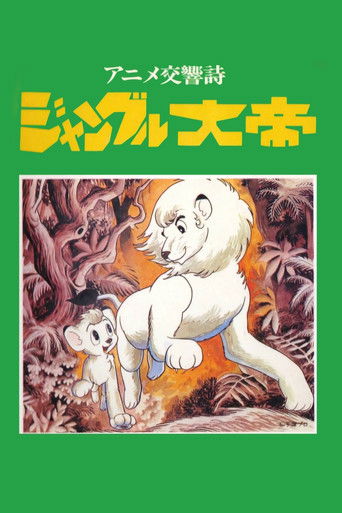
4.0After a spoken introduction describing the various musical instruments used, the film tells the story of Kimba the White Lion, from his birth, to his escape from a ship intended to take him far from home. The story is told entirely without dialogue, and showcases a symphonic tome poem composed by Isao Tomita, based in incidental music he composed for the original television series "Jangaru taitei" (1965)
Kimba the White Lion: Symphonic Poem
1991
 5.8
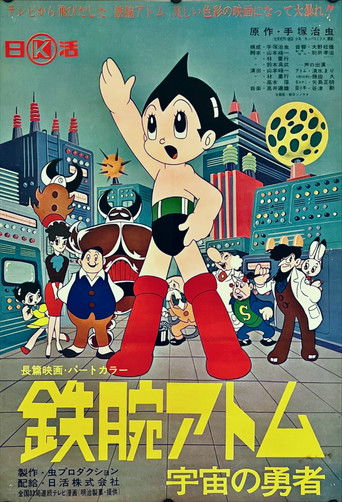
5.8Compilation of Episodes 1,2 46, 56 and 71 from the 1963 Astro Boy series that were reproduced in color for this theater version.
Astro Boy: The Brave In Space
1964
 4.0
4.0This is the story of a friendship between a boy named Taro and the mysterious Wonder-kun, using "the first dream of the New Year" as a motif. Guided by Wonder-kun, Taro departs on a space trip searching for adventure...
Space Journey: The First Dream of Wonder-kun
1969
 5.9
5.9This is a short, privately produced animated film. While elucidating the mystery and fuzziness as well as merits and demerits of memory in idealizing reality, the story develops into a tale of destruction of human beings, turning the existence of the earth into a memory of the universe. The production, only 5 minutes long, greatly helps expand the viewer's imagination, embodying the enchantment of animation.
Memory
1964