
Writing
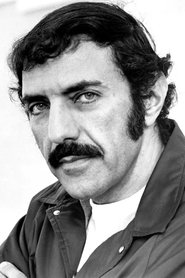
William Peter Blatty
Born — Died
1928-01-07 — 2017-01-12
Place of birth
New York, New York, USA
Known for
Writing
Credits
31 titles
William Peter Blatty (January 7, 1928 – January 12, 2017) was an American writer, director and producer. He is best known for his 1971 novel The Exorcist and for his screenplay for the 1973 film adaptation. Blatty won an Academy Award for Best Adapted Screenplay for The Exorcist, and was nominated for Best Picture as its producer. The film also earned Blatty a Golden Globe Award for Best Motion Picture – Drama as producer. Born and raised in New York City, Blatty received his bachelor's degree in English from Georgetown University in 1950, and his master's degree in English literature from the George Washington University. Following completion of his master's degree in 1954, he joined the U…
Known for
 6.8
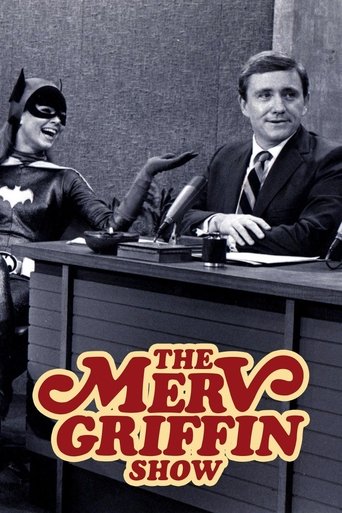
6.8No synopsis available yet.
The Merv Griffin Show
1962
 7.5
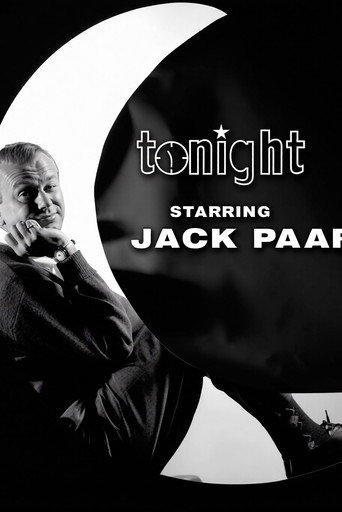
7.5Tonight Starring Jack Paar is an American talk show hosted by Jack Paar under The Tonight Show franchise from 1957 to 1962. It originally aired during late-night. During most of its run it was broadcast from Studio 6B inside the RCA Building. The same studio would also host early episodes of The Tonight Show Starring Johnny Carson, and Late Night with Jimmy Fallon. Its theme song was an instrumental version of "Everything's Coming Up Roses", and the closing theme was "So Until I See You" by Al Lerner.
Tonight Starring Jack Paar
1957
 7.7
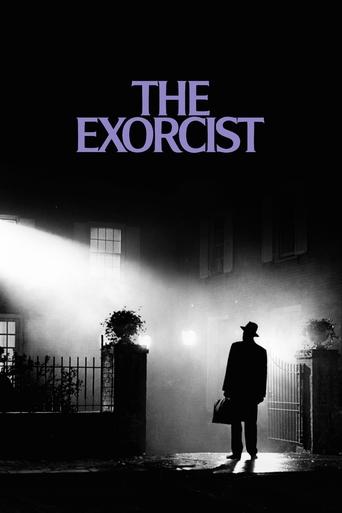
7.7When a mysterious entity possesses a young girl, her mother seeks the help of two Catholic priests to save her life.
The Exorcist
1973
 6.3
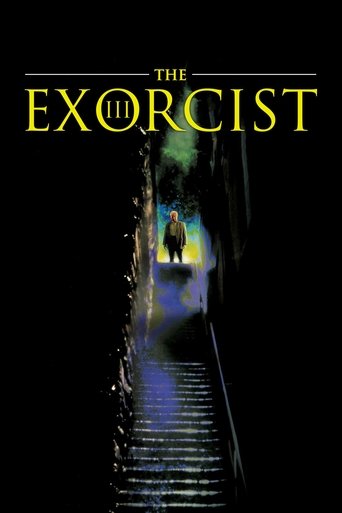
6.3On the fifteenth anniversary of the exorcism that claimed Father Damien Karras' life, Police Lieutenant Kinderman's world is once again shattered when a boy is found decapitated and savagely crucified.
The Exorcist III
1990
 7.2
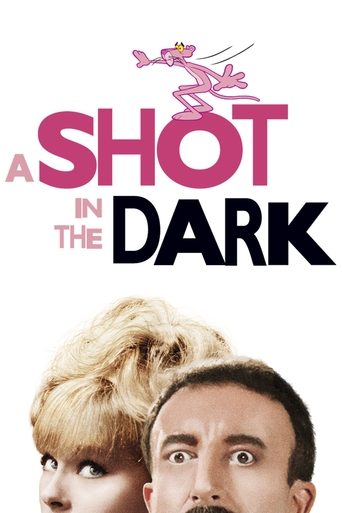
7.2Inspector Jacques Clouseau, smitten with the accused maid Maria Gambrelli, unwittingly turns a straightforward murder investigation into a comedic series of mishaps, testing the patience of his irritable boss Charles Dreyfus as casualties mount.
A Shot in the Dark
1964
 6.4
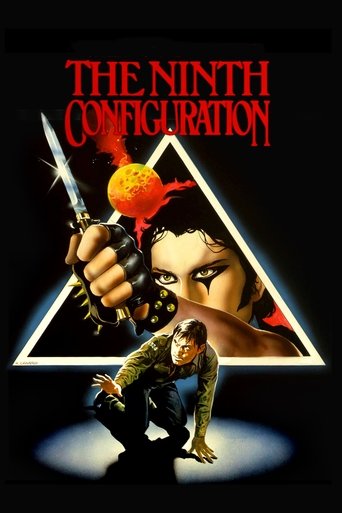
6.4Army psychiatrist Colonel Kane is posted to a secluded gothic castle housing a military asylum. With a reserved calm, he indulges the inmates' delusions, allowing them free rein to express their fantasies.
The Ninth Configuration
1980
Film credits
2010s · 4 titles
 6.7
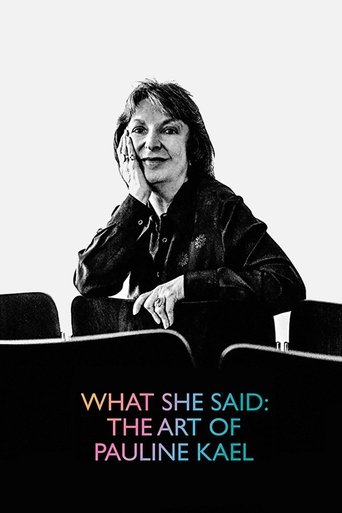
6.7Pauline Kael (1919–2001) was undoubtedly one of the greatest names in film criticism. A Californian native, she wrote her first review in 1953 and joined ‘The New Yorker’ in 1968. Praised for her highly opinionated and feisty writing style and criticised for her subjective and sometimes ruthless reviews, Kael’s writing was refreshingly and intensely rooted in her experience of watching a film as a member of the audience. Loved and hated in equal measure – loved by other critics for whom she was immensely influential, and hated by filmmakers whose films she trashed - Kael destroyed films that have since become classics such as The Sound of Music and raved about others such as Bonnie and Clyde. She was also aware of the perennial difficulties for women working in the movies and in film criticism, and fiercely fought sexism, both in her reviews and in her media appearances.
What She Said: The Art of Pauline Kael
2019
 5.0
5.0Forty years after his novel was published, The Exorcist's author, screenwriter and producer return to where it all began.
Beyond Comprehension: William Peter Blatty’s The Exorcist
2013
 NR
NRFriedkin and Roizman talk about the film's Georgetown locales, and side-by-side comparisons between the 1973 locations and their modern 2010 counterparts are examined.
The Exorcist Locations: Georgetown Then and Now
2010
 6.0
6.02010 documentary on William Friedkin's 1973 horror classic, featuring the never before seen on set footage of cinematographer Owen Roizman.
Raising Hell: Filming the Exorcist
2010
2000s · 2 titles
 8.0
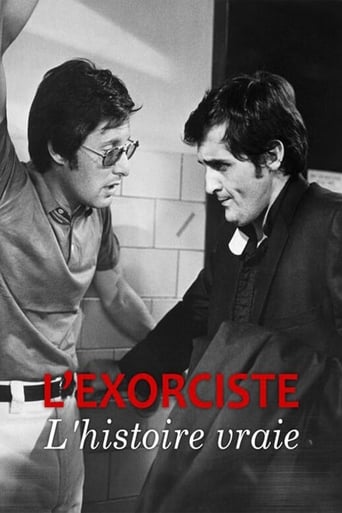
8.0This documentary explores the 1949 possession and subsequent exorcism of a boy known as Ronald Doe.
Exorcists: The True Story
2004
 7.0
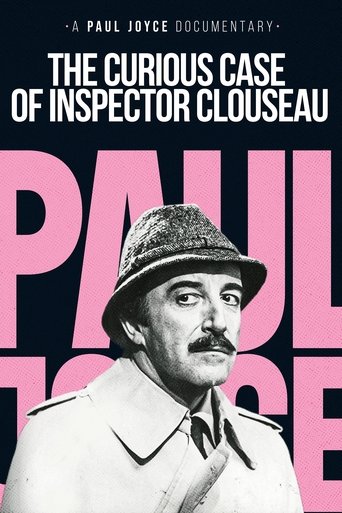
7.0DA-DUN DA-DUN DA-DUN-DA-DUN-DA-DUN-DA-DUN-DA-DUUUUN Henry Mancini’s iconic score, Peter Sellers’ bumbling Inspector Clouseau, and those unforgettable animated opening sequences - delve into the history of the Pink Panther films, the pink diamond hunting comedy-mystery franchise that was a smash hit, made a megastar of Peter Sellers and spawned an empire. Paul Joyce’s typically thorough and entertaining documentary focuses on star Peter Sellers’ creation of a comedy icon and his relationship with director Blake Edwards. Hosted by Burt Kwouk, who played Clousea’s manservant and martial arts sparring partner Cato, and featuring interviews with Mark Kermode, Herbert Lom (Chief Inspector Dreyfus), Graham Stark (Pepi) and more, THE CURIOUS CASE OF INSPECTOR CLOUSEAU is a must-see... if you can catch it!
The Curious Case of Inspector Clouseau
2002
1990s · 2 titles
 7.4
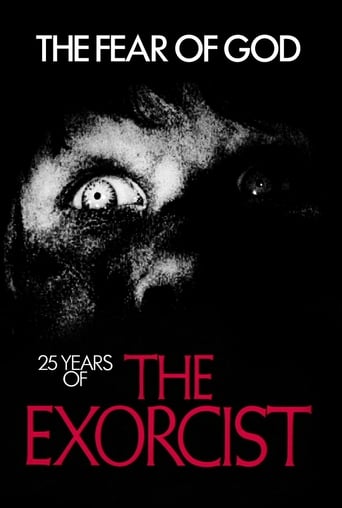
7.4A behind-the-scenes retrospective made for the twenty-fifth anniversary of the classic horror film, The Exorcist. Includes interviews with Linda Blair and the other stars of the film, along with commentary from the director and writer on some of the deeper meanings behind the elements they used to terrify their audiences, and previously unreleased footage including make-up tests and deleted scenes.
The Fear of God: 25 Years of The Exorcist
1998
 NR
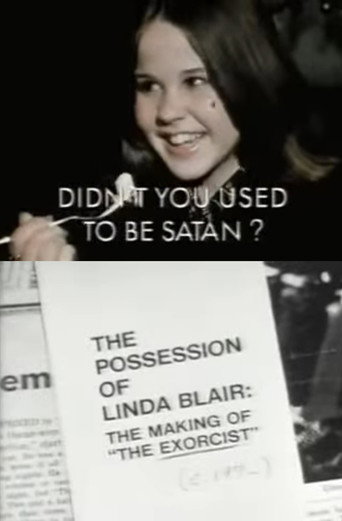
NRA short documentary on Linda Blair's controversial role in The Exorcist and the problems she encountered when the public seemed unable to separate fact from fiction. Originally aired 19 October, 1996, as part of Channel 4's Fame Factor series.
Didn't You Used to Be Satan?
1996
1980s · 2 titles
6.4Army psychiatrist Colonel Kane is posted to a secluded gothic castle housing a military asylum. With a reserved calm, he indulges the inmates' delusions, allowing them free rein to express their fantasies.
The Ninth Configuration
1980
An investigation into the reports of houses in Hollywood that are supposedly haunted by the ghosts of dead movie stars.
Hollywood Ghost Stories
1986
1970s · 2 titles
7.7When a mysterious entity possesses a young girl, her mother seeks the help of two Catholic priests to save her life.
The Exorcist
1973
An Oscars special featuring interviews with a few of the nominees and the writer and director the year's breakout hit, The Exorcist (1973).
Oscars, Actors and The Exorcist
1974
Series credits
6.8No synopsis available yet.
The Merv Griffin Show
1962
7.5Tonight Starring Jack Paar is an American talk show hosted by Jack Paar under The Tonight Show franchise from 1957 to 1962. It originally aired during late-night. During most of its run it was broadcast from Studio 6B inside the RCA Building. The same studio would also host early episodes of The Tonight Show Starring Johnny Carson, and Late Night with Jimmy Fallon. Its theme song was an instrumental version of "Everything's Coming Up Roses", and the closing theme was "So Until I See You" by Al Lerner.
Tonight Starring Jack Paar
1957
Behind the camera
7.7When a mysterious entity possesses a young girl, her mother seeks the help of two Catholic priests to save her life.
The Exorcist
1973
7.7When a mysterious entity possesses a young girl, her mother seeks the help of two Catholic priests to save her life.
The Exorcist
1973
6.3On the fifteenth anniversary of the exorcism that claimed Father Damien Karras' life, Police Lieutenant Kinderman's world is once again shattered when a boy is found decapitated and savagely crucified.
The Exorcist III
1990
6.3On the fifteenth anniversary of the exorcism that claimed Father Damien Karras' life, Police Lieutenant Kinderman's world is once again shattered when a boy is found decapitated and savagely crucified.
The Exorcist III
1990
7.2Inspector Jacques Clouseau, smitten with the accused maid Maria Gambrelli, unwittingly turns a straightforward murder investigation into a comedic series of mishaps, testing the patience of his irritable boss Charles Dreyfus as casualties mount.
A Shot in the Dark
1964
6.4Army psychiatrist Colonel Kane is posted to a secluded gothic castle housing a military asylum. With a reserved calm, he indulges the inmates' delusions, allowing them free rein to express their fantasies.
The Ninth Configuration
1980
6.4Army psychiatrist Colonel Kane is posted to a secluded gothic castle housing a military asylum. With a reserved calm, he indulges the inmates' delusions, allowing them free rein to express their fantasies.
The Ninth Configuration
1980
6.4Army psychiatrist Colonel Kane is posted to a secluded gothic castle housing a military asylum. With a reserved calm, he indulges the inmates' delusions, allowing them free rein to express their fantasies.
The Ninth Configuration
1980
 5.6
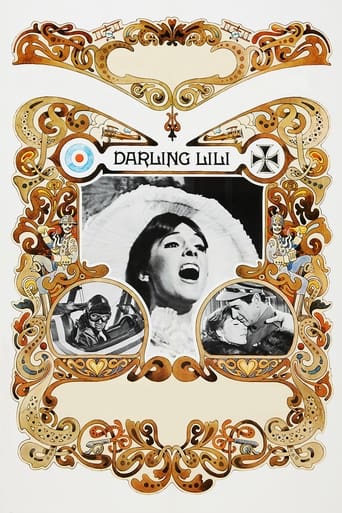
5.6World War I. Lili Smith is a beloved British music hall singer, often providing inspiration for the British and French troops and general populace singing rallying patriotic songs. She is also half German and is an undercover German spy, using her feminine wiles to gather information from the high ranking and generally older military officers and diplomats she seduces.
Darling Lili
1970
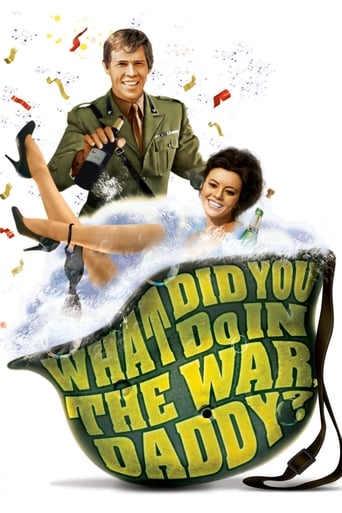 5.9
5.9A by-the-book Captain is ordered to capture a strategic village in Italy. The Italian soldiers are willing to surrender, if they can have a festival first. The lieutenant convinces the Captain this is the only way. Because of aerial reconnaissance, they must look like they are fighting. To sort this out an intelligence officer is sent in. Meanwhile the festival gets complicated with the Mayors daughter.
What Did You Do in the War, Daddy?
1966
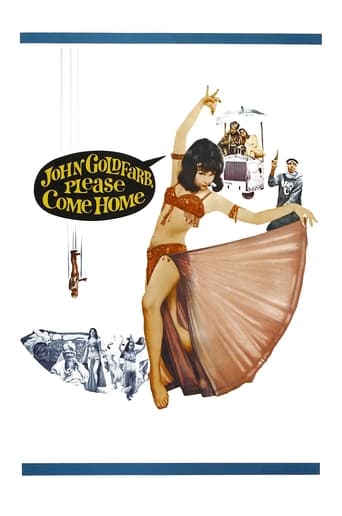 3.8
3.8During the Cold War, John Goldfarb crashes his spy plane in the Middle East and is taken prisoner by the local government. His captor, King Fawz, soon discovers that Goldfarb used to be a college football star. So he issues him an ultimatum: coach his country's football team, or Fawz will surrender him to the Russians. Goldfarb teams up with undercover reporter Jenny Ericson, and together they plot to escape their dangerous situation.
John Goldfarb, Please Come Home!
1965
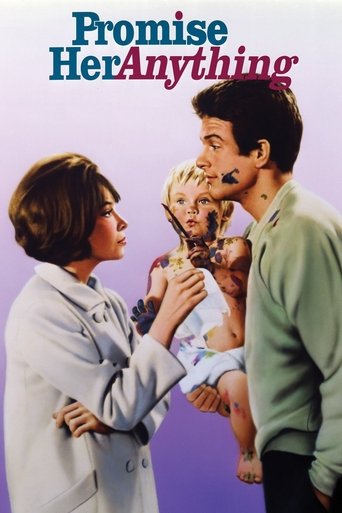 4.1
4.1A widowed mother decides to go after the child psychologist she works for because she thinks he'll be able to provide for her toddler, the catch is her employer doesn't know about her son and he doesn't particularly care for children despite his profession.
Promise Her Anything
1966
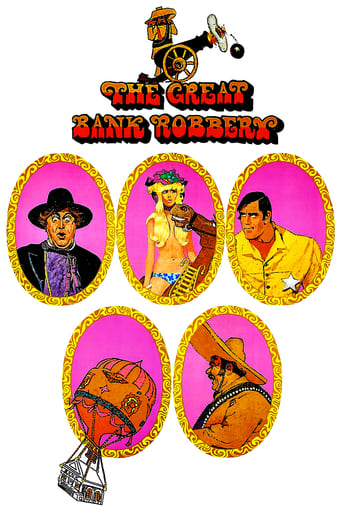 6.6
6.6A motley group of phony church leaders attempts to rob a bank controlled by brothers in 1880's Texas.
The Great Bank Robbery
1969
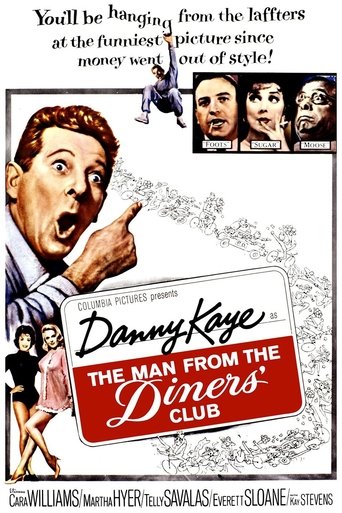 5.8
5.8Meek credit card company clerk Ernest Klenk is feeling the pressure of demanding coworkers, new computers, and an upcoming wedding. This stress leads to a big mistake -- the accidental approval of a credit card for mobster Foots Pulardos, who is planning to flee to Mexico with his girlfriend, Sugar Pye, to avoid criminal charges. When Klenk tries to fix his mix-up, he gets dangerously involved in Foots' scheme.
The Man from the Diners' Club
1963
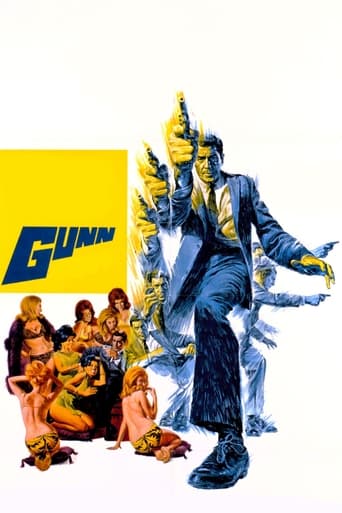 5.6
5.6The madam of a floating bordello hires private eye Peter Gunn to prove a gangster killed a crime boss.
Gunn
1967
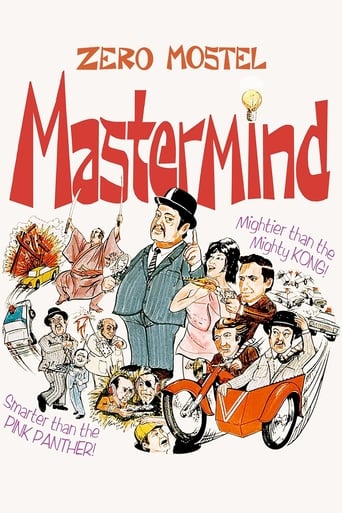 4.8
4.8Zero Mostel plays an inspector on the trail of criminals who have captured a robot called Chatze(sp?) played by Felix Silas. The inspector has delusions that he is a great Samurai warrior and the movie flashes back and forth between present day and ancient times.
Mastermind
1976