
Acting
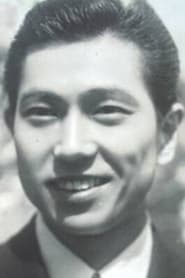
Yasumi Hara
Born — Died
1915-01-28 — 1997-11-19
Place of birth
Tokyo, Japan
Known for
Acting
Credits
54 titles
Known for
 NR
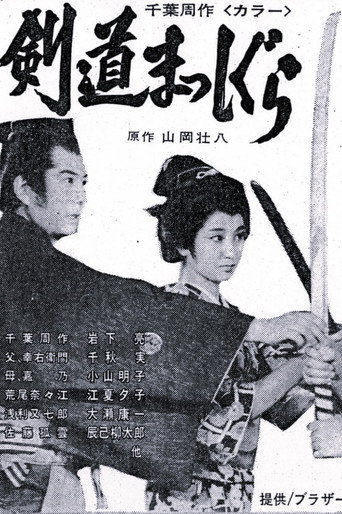
NRChiba Shusaku: Kendo Masshigura is a Japanese period drama that aired on the TBS network from November 2, 1970 to August 30, 1971 in the "Brother Gekijo" slot. It ran for 44 colour episodes of 30 minutes each. Based on Sohachi Yamaoka's novel "Chiba Shusaku", it depicts the youth of Chiba Shusaku, founder of the Hokushin Itto-ryu school of swordsmanship. A hot-blooded young man who calls himself Shusaku enters the dojo of Asari Matashichiro and, through encounters with all kinds of people, grows rapidly both in swordsmanship and in character. Produced by TBS and Shochiku. Rerun on the Japanese CS channel Jidaigeki Senmon Channel from March 17, 2025.
Chiba Shusaku: Kendo Masshigura
1970
 7.7
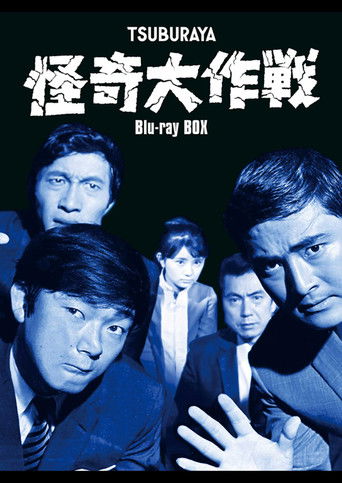
7.7Advancements in science and the unchanging human psyche have given rise to new forms of terrifying crimes as the Science Research Institute (SRI) investigates various strange phenomena in Japan.
Operation: Mystery
1968
 6.5
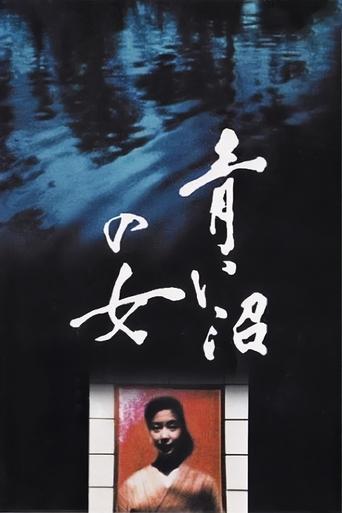
6.5Nagare, a painter who wanted to commit a lover’s suicide with Mizue, the wife of his friend and patron Takigawa. Growing afraid at the last moment, he doesn’t go through with it – but Mizue sinks to the bottom of Blue Lake. Some time later, Nagare follows an invitation by Takigawa, who claims to have forgiven everything. To Nagare’s shock, Takigawa’s new wife, Ameko, looks exactly like Mizue. While staying as Takigawa’s guest, Nagare becomes haunted by Mizue’s ghost, who wants to be reunited with him at the bottom of Blue Lake.
Blue Lake Girl
1986
 5.9
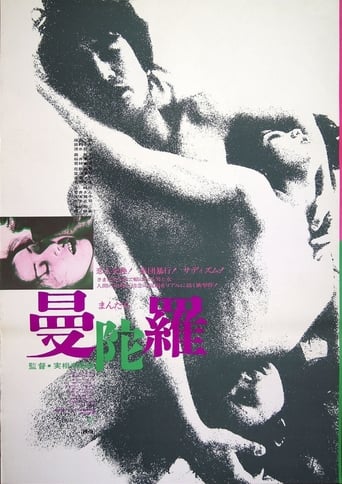
5.9Two university students from Kyoto decide to swap partners and spend the night in an isolated motel. However, one of the couples is attacked. Desperate for answers, they search for the attackers and come across a cult that promotes sexual freedom.
Mandala
1971
 10.0
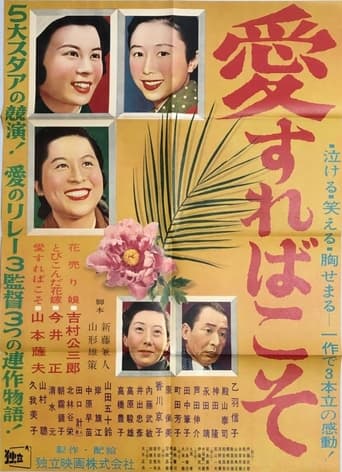
10.0The film consists of three short stories. Tomiko, the heroine of the first story, "The Flower Girl" (dir. Kozaburo Yoshimura), is a little girl who bears the unbearable burden of caring for her family. Tomiko's father has been unable to find work for a long time, and her older sister is terminally ill—it is unlikely that she will ever recover. To feed her family, Tomiko runs around the city from morning until late at night selling flowers... The second novella (dir. Tadashi Imai) also depicts the lives of the poor. An unfamiliar girl brings young Kavano a letter from his mother. It turns out that the girl's name is Kuniko, she is very hardworking, but her family is dying of hunger. Therefore, her mother decided to send Kuniko to her son so that he would marry her. The short story is called "The Unexpected Bride." The third short story, which gave the film its title, is particularly interesting: "When You Love" (dir. Satsuo Yamamoto). It shows the family of a young peace activist.
If Indeed One Loves
1955
 6.7
6.7A rigidly devoted young servant lives in a decaying aristocratic household as its members drift toward modernity, hedonism, and financial collapse. While the family quarrels over the fate of their estate, he clings to tradition and ritual, becoming a quiet witness to the social change and emotional unrest around him.
Poem
1972
Film credits
1980s · 3 titles
6.5Nagare, a painter who wanted to commit a lover’s suicide with Mizue, the wife of his friend and patron Takigawa. Growing afraid at the last moment, he doesn’t go through with it – but Mizue sinks to the bottom of Blue Lake. Some time later, Nagare follows an invitation by Takigawa, who claims to have forgiven everything. To Nagare’s shock, Takigawa’s new wife, Ameko, looks exactly like Mizue. While staying as Takigawa’s guest, Nagare becomes haunted by Mizue’s ghost, who wants to be reunited with him at the bottom of Blue Lake.
Blue Lake Girl
1986
 4.6
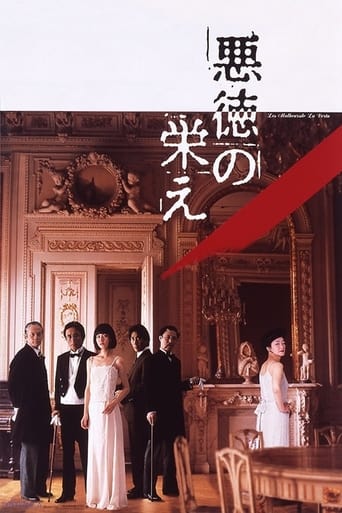
4.6A decadent count in 1920′s Japan becomes obsessed with the life and works of the Marquis de Sade. He creates a theatre to show plays adapted from the notorious writer’s novels and recruits thieves, prostitutes and low lives to act out his fantasies on stage for the delectation of his rich, jaded friends. In search of new sensations the nobleman orders one of the actors, on pain of death, to make love to the nobleman’s wife while he watches. Unfortunately, this incursion of real life into his fantasy world will have dire consequences for the count and his divinely decadent coterie.
Marquis de Sade’s Prosperities of Vice
1988
 NR
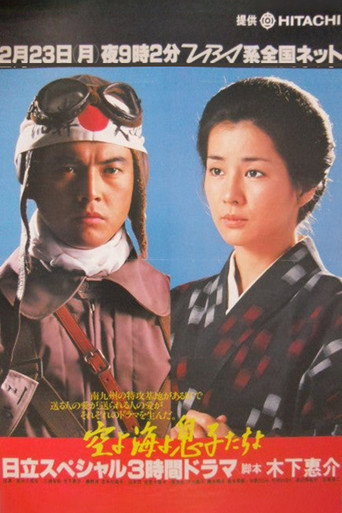
NRNo synopsis available yet.
空よ海よ息子たちよ
1981
1970s · 6 titles
5.9Two university students from Kyoto decide to swap partners and spend the night in an isolated motel. However, one of the couples is attacked. Desperate for answers, they search for the attackers and come across a cult that promotes sexual freedom.
Mandala
1971
6.7A rigidly devoted young servant lives in a decaying aristocratic household as its members drift toward modernity, hedonism, and financial collapse. While the family quarrels over the fate of their estate, he clings to tradition and ritual, becoming a quiet witness to the social change and emotional unrest around him.
Poem
1972
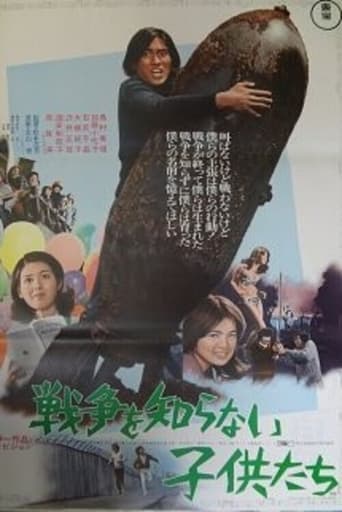 NR
NRA trio of high school students, Ichiro, Hiroshi, and Reiko, try to give a demonstration against the suspension , but they are ignored by the students and embark on an unreliable journey.
Children Who Don't Know War
1973
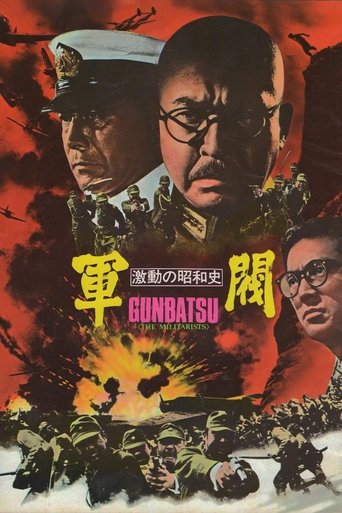 7.5
7.5The second film in Toho's series on the military history of the Showa era, Hiromichi Horikawa's war drama offers a look at the career of controversial politician Hideki Tojo and the strained relationships between Japan's government, military, and the media.
The Militarists
1970
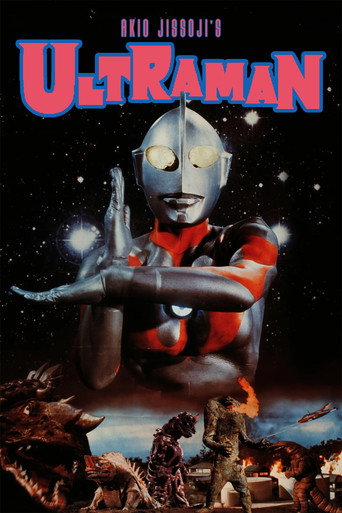 8.0
8.0Akio Jissoji's Ultraman is a 1979 Japanese tokusatsu kaiju film directed by Akio Jissoji. It is a compilation film made up of scenes from Jissoji's episodes of the original Ultraman TV series.
Akio Jissoji's Ultraman
1979
 NR
NRNo synopsis available yet.
The Cat Knew
1973
1960s · 3 titles
1950s · 25 titles
10.0The film consists of three short stories. Tomiko, the heroine of the first story, "The Flower Girl" (dir. Kozaburo Yoshimura), is a little girl who bears the unbearable burden of caring for her family. Tomiko's father has been unable to find work for a long time, and her older sister is terminally ill—it is unlikely that she will ever recover. To feed her family, Tomiko runs around the city from morning until late at night selling flowers... The second novella (dir. Tadashi Imai) also depicts the lives of the poor. An unfamiliar girl brings young Kavano a letter from his mother. It turns out that the girl's name is Kuniko, she is very hardworking, but her family is dying of hunger. Therefore, her mother decided to send Kuniko to her son so that he would marry her. The short story is called "The Unexpected Bride." The third short story, which gave the film its title, is particularly interesting: "When You Love" (dir. Satsuo Yamamoto). It shows the family of a young peace activist.
If Indeed One Loves
1955
 7.4
7.4Historical fiction about the aftermath of the atomic bombing of Hiroshima, Japan, on 6 August 1945, and its effects on various civilians, especially children, of that city.
Hiroshima
1953
 6.8
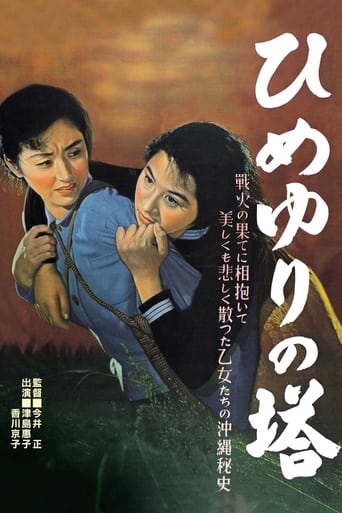
6.8A group of Okinawan high school girls are drafted as nurses during the American invasion of the island. As the enemy army advances further, the situation for the girls becomes increasingly desperate as food and shelter run out and the number of injured climbs, leading to the film's tragic finale.
Tower of Lilies
1953
 6.5
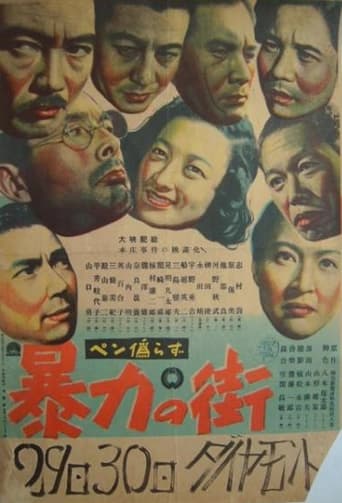
6.5An attempt is made to suppress a journalist's investigation of collusion between a rural police chief and the local gangster bosses.
Town of Violence
1950
 8.2
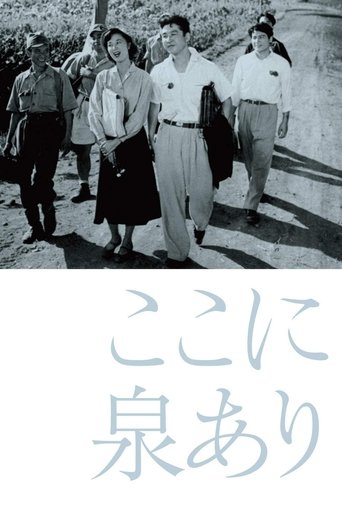
8.2The story of a group of young people who organise their own travelling symphony orchestra to provide music for people living in remote villages shortly after the war.
Here Is a Spring
1955
 6.7
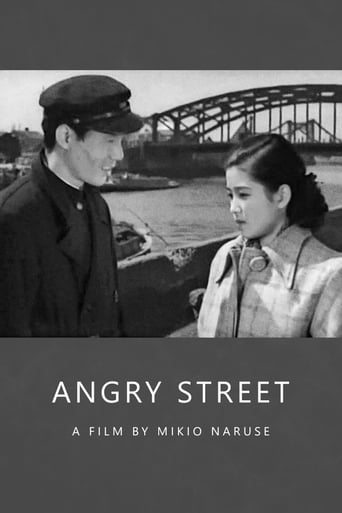
6.7University students Sudo and Mori make money by picking up rich girls in dance clubs and conning them into giving them cash. Mori is the brains of the operation, and Sudo is the suave dancer who picks up the girls. Sudo becomes gradually involved with three different girls and is drawn into the gangster milieu, which he seems unable to resist even though he is responsible for his mother, grandmother, and sister Masako. In this world of bad boys and girls, Masako is the pillar of strength and moral virtue who finally enables Mori to straighten out.
The Angry Street
1950
 7.0
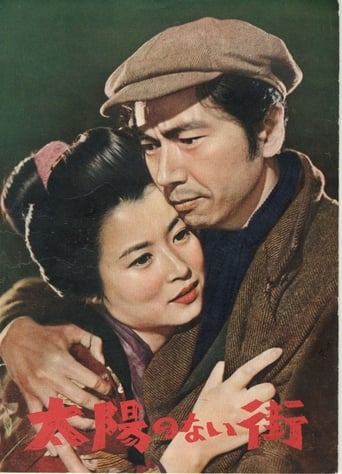
7.0Based on the novel by proletarian writer Sunao Tokunaga. The story is about a long strike by workers at a large printing house and the strikers' steadfastness, which neither hunger nor violence could break. The heroine of this story actively participates in her colleagues' struggle against layoffs, oppression, and police brutality.
The Street Without Sun
1954
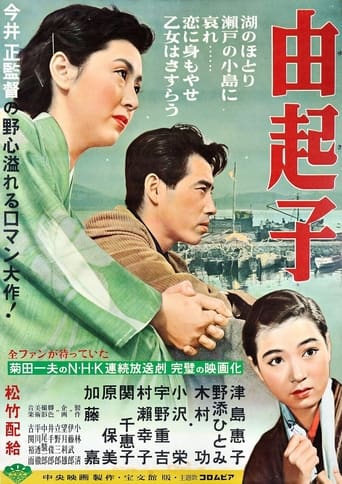 NR
NRNo synopsis available yet.
Yukiko
1955
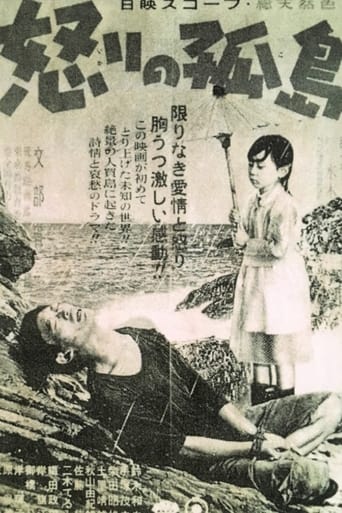 7.0
7.0Five boys escape from their life of bondage on an island 10 miles off Hiroshima, and are picked up in the Inland Sea, drifting in an open boat.
Island of Fury
1958
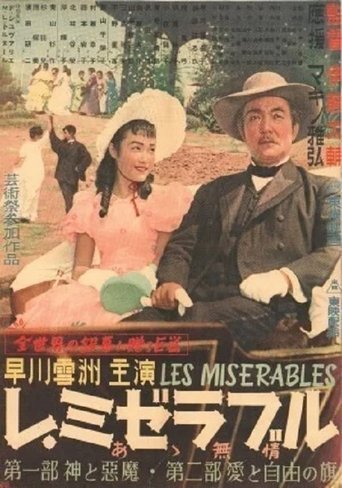 7.0
7.0No synopsis available yet.
Les Miserables II: Banner of Love and Freedom
1950
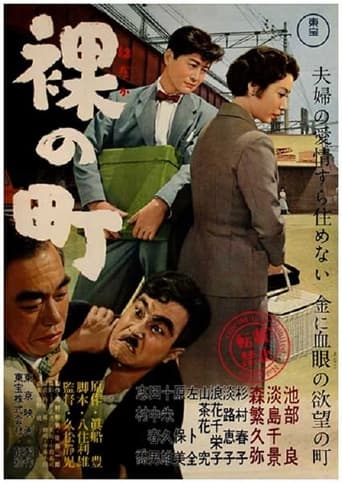 NR
NRNo synopsis available yet.
Hadaka no Machi
1957
 8.0
8.0Television production of I Want to Be a Shellfish. On a post-war peaceful day in Japan, Toyomatsu Shimizu, a barber as well as a good father and husband, is suddenly arrested by the Prefectural Police as a war criminal and sued for murder. According to the accusation by GHQ, Toyomatsu "attemped to kill a US prisoner", which was nothing but an order by his superior and failed after all with hurting the prisoner by weak Toyomatsu. Also, Toyomatsu was driven to corner at the trial by the fact that he fed the US prisoner some burdock roots to nourish him. Toyomatsu believes nothing but being not guilty, but he is sentenced to death by hanging. Prior to the execution, Toyomatsu writes a long farewell letter to his family, the wife and the only son: "If I ever incarnate, I hate to be a human being any more.... Oh yes, I would like to be...a shellfish living on the rock-bottom of the sea."
I Want to Be a Shellfish
1958
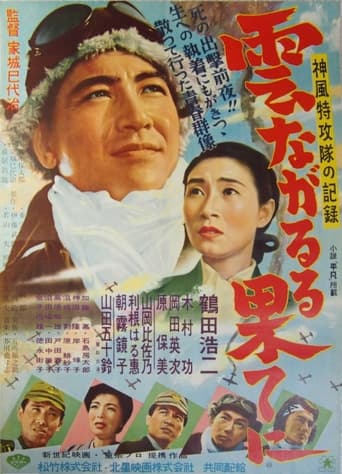 NR
NRA movie that depicts the tragic fate of many Yokaren flight-academy pilots.
At the End of the Clouds
1953
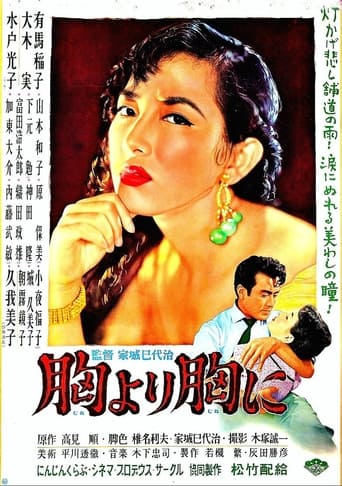 10.0
10.0Japanese drama
Mune yori mune ni
1955
9.0No synopsis available yet.
Les Miserables I: God and the Devil
1950
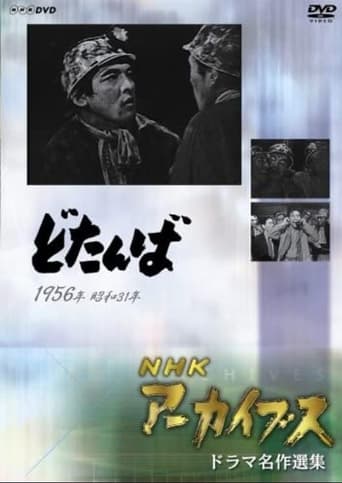 6.0
6.0Based on a 1956 television feature on Japan’s national network, NHK, this is one of Uchida’s rarest films. A socially conscious drama with a contemporary backdrop, Dotanba focuses on the attempts to rescue a group of trapped miners. The title is a figure of speech — (essentially “last minute” or “eleventh hour”) — that refers to a situation of peril. The film boasts a script co-written by Uchida and Akira Kurosawa’s frequent screenwriter, Shinobu Hashimoto, and stars Kurosawa’s frequent star Takashi Shimura.
Dotanba
1956
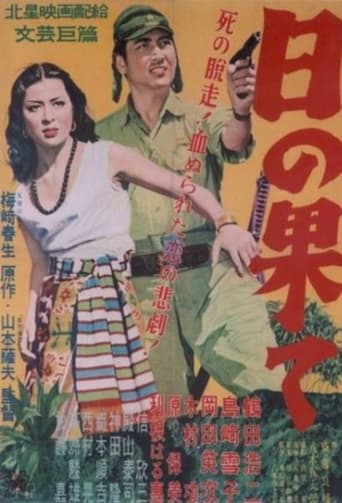 7.5
7.5Military doctor Leutenant Hanada deserts during the war in the Philippines with a local girl. The officer in command orders Lieutenant Uji to shoot Hanada. Uji takes a sharpshooter called Takagi and tracks him. At first Uji cannot forgive Hanada but as Uji is isolated from the main force he too starts to think of desertion.
The End of a Day
1954
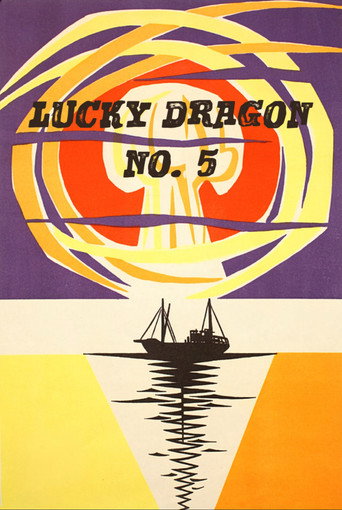 7.5
7.5An ageing fishing boat, Dai-go Fukuryu Maru ("Lucky Dragon No. 5") sets out from the port of Yaizu in Shizuoka Prefecture. It travels around the Pacific line fishing. While the ship is near Bikini Atoll, the ship's navigator sees a flash. All the crew come up to watch. They realize it is an atomic explosion, but take time to clear their fishing gear. A short time later, grey ash starts to fall on the ship. When the ship returns to port the sailors have been burned brown. They unload the fish, which are then transported away. They visit the local doctor and then go to Tokyo for an examination. It turns out they are all highly radioactive. Their symptoms become worse, and the contaminated fish causes a panic.
Lucky Dragon No. 5
1959
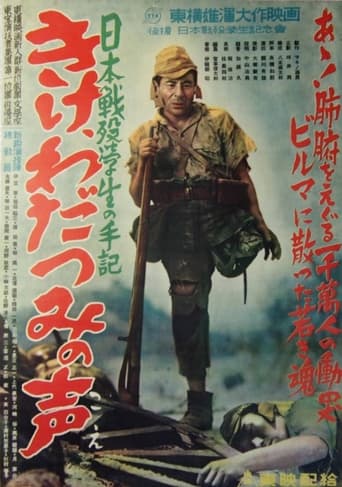 7.5
7.5This film is strongly anti-war film. The film is based on the collection of writings by Japanese student soldiers who died during World War II. The film is located to Burma. It shows the everyday problems of soldiers in contrast of their ideas and the cynicism of their commanders. Soldiers are also victims of military bullying by their commanders.
Listen to the Voices of the Sea
1950
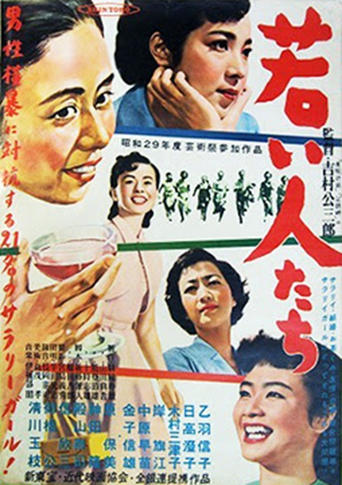 8.0
8.0No synopsis available yet.
Wakai hito-tachi
1954
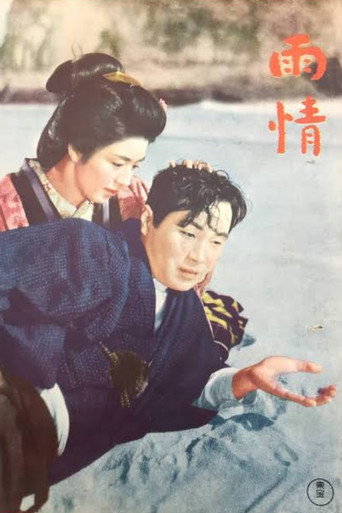 NR
NRNo synopsis available yet.
Ujō
1957
 9.0
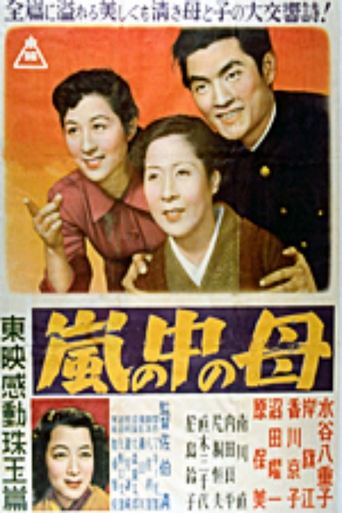
9.0Returning from wartime China, Keiichi reunites with his mother Inako and adopted sister Tomi. He becomes drawn to Tomi’s beauty, and his mother appears supportive. But Keiichi soon meets Tsuneko, a former wartime nurse who has borne his child. Faced with a summons to stand trial for wartime atrocities, he entrusts Tomi and his son to Inako, then voluntarily turns himself in—believing he must answer not just to Japan, but to the world’s conscience.
Man in the Storm
1952
 10.0
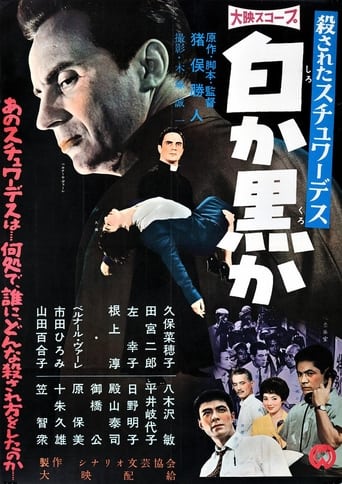
10.0No synopsis available yet.
A Killed Stewardess: White or Black
1959
 NR
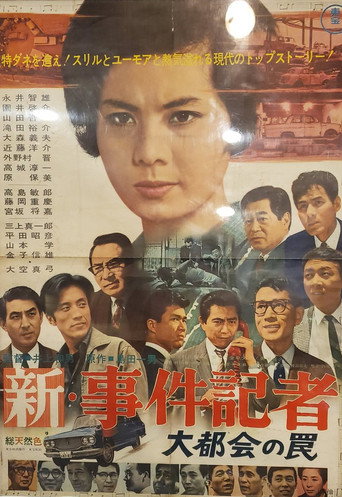
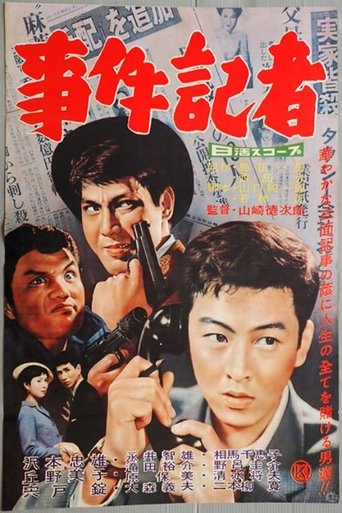
NRThe story centers on the fierce competition among newspaper reporters stationed at the Tokyo Metropolitan Police Department as they race to break major scoops. Alongside this, the film humorously depicts a rookie reporter who grows while repeatedly making mistakes. The first film in a series adapted from an NHK TV drama. Focused on those who work at the 'Sakurada Press Club', the home base of crime reporters who pursue exclusive stories in a corner of the Tokyo Metropolitan Police Department.
Crime Reporter
1959
 NR
NRDepicts the boyhood days of Dr. Noguchi, world famous bacteriologist, who was born in a poor village as a farmer's son.
The Boyhood of Dr. Noguchi
1956
1940s · 14 titles
 6.8
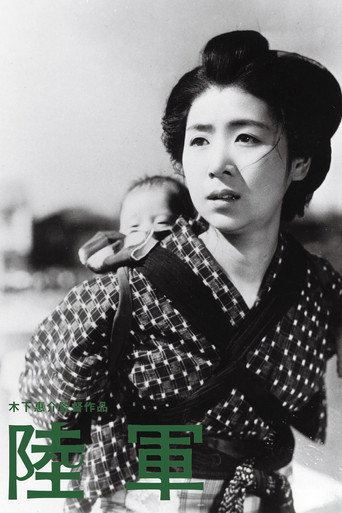
6.8Though plagued by ill health all his life, a young Japanese man is obligated to fulfill his family's longstanding military tradition.
Army
1944
 6.8
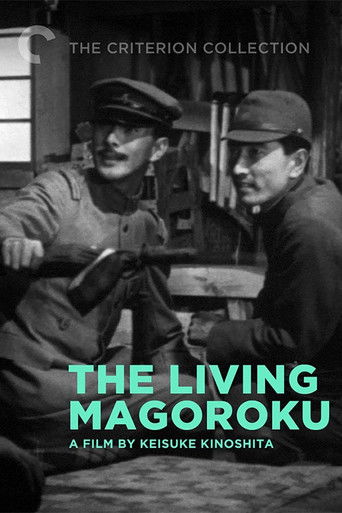
6.8A wealthy family will not allow the military to grow crops on their fields due to their superstitious beliefs about their son's illness.
The Living Magoroku
1943
 8.0
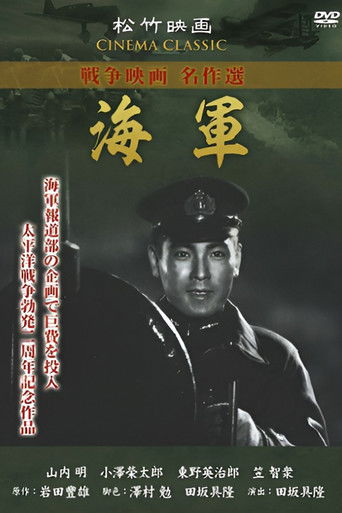
8.0Japanese war film.
Navy
1943
 NR
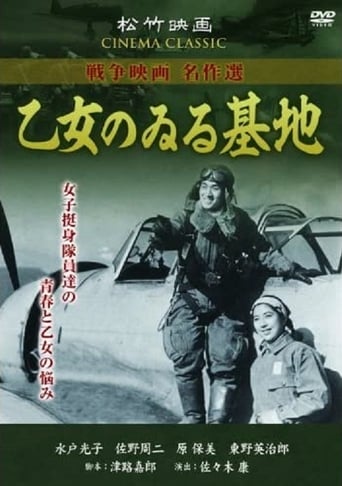
NRJapanese war movie.
Otome no iru kichi
1945
 6.3
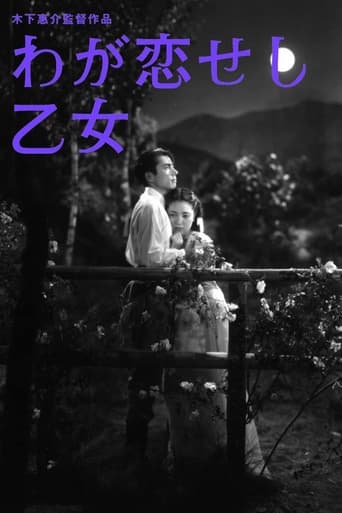
6.3A young man who is unable to tell his childhood friend how he feels makes a pledge with her to reveal all of their secrets during the upcoming festival.
The Girl I Loved
1946
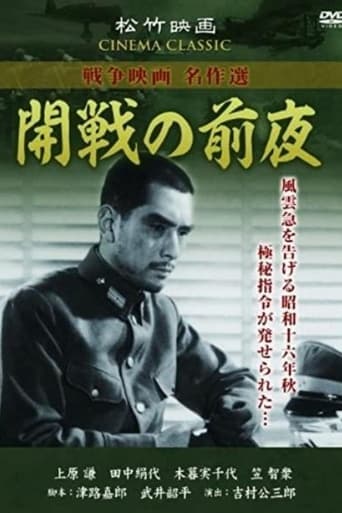 NR
NRKempeitai fights American spies in Japan
Kaisen no Zenya
1943
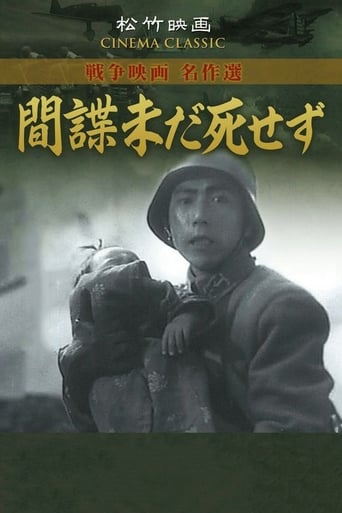 NR
NRNo synopsis available yet.
The Spy Has Not Died Yet
1942
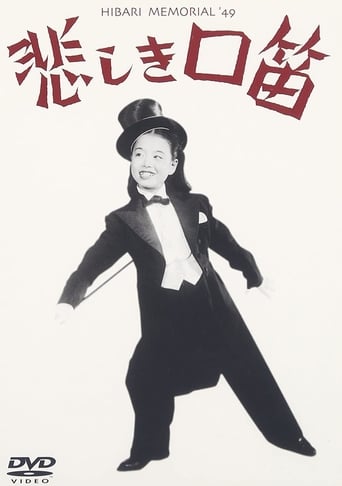 6.0
6.0A young girl searches for her long-lost brother in postwar Tokyo, clinging to hope and music amid the rubble of a broken Japan. Along the way, she touches the hearts of those around her with her resilience and song.
Sad Whistling
1949
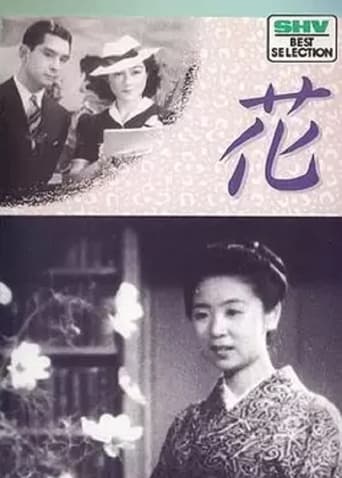 NR
NRMost of the students studying Ikebana with Kozoe Iemoto are daughters of rich Tokyo families. Kozoe meets and grows close to a doctor who proposes marriage but whose mother harbours ill feeling towards her because of an incident in the mountains where a child got into difficulties. Kozoe rejects the proposal but falls ill and when she recovers, decides to devote herself entirely to the world of flower arranging.
Flower
1941
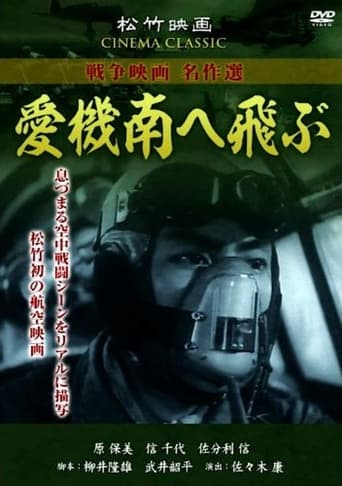 NR
NRNo synopsis available yet.
Our Planes Fly South
1943
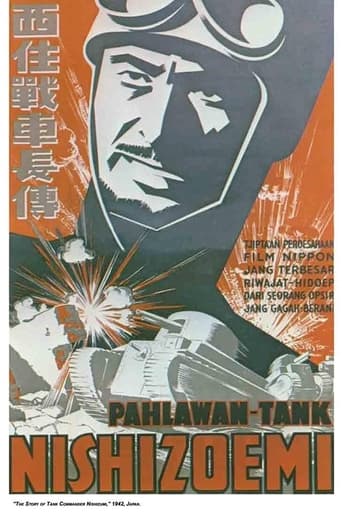 7.3
7.3Following a young man through his childhood ambition to follow his father into the military to losing his life in combat in China.
The Story of Tank Commander Nishizumi
1940
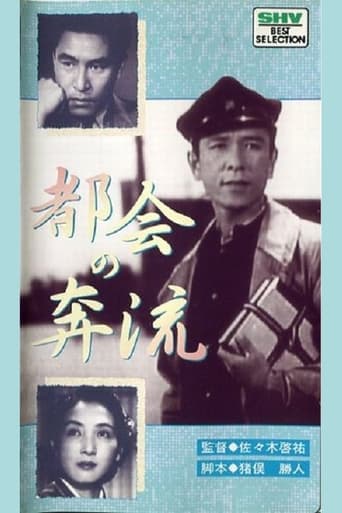 NR
NRA young yakuza student is led back to the straight and narrow path by his uncle.
Torrent of a Big City
1940
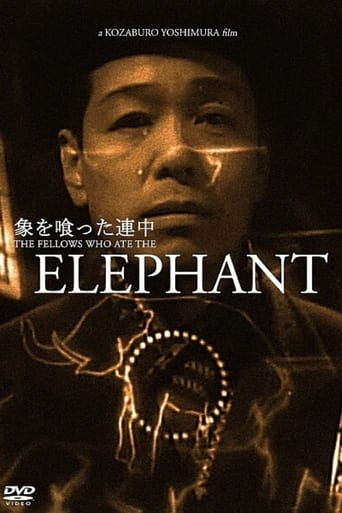 7.0
7.0The film is set during the days of the scarcity of food after World War II, during which five men ate an elephant that died in a zoo. The elephant's corpse however, was infested with deadly bacteria and the men have only 30 hours left to live...
The Fellows Who Ate the Elephant
1947
 NR
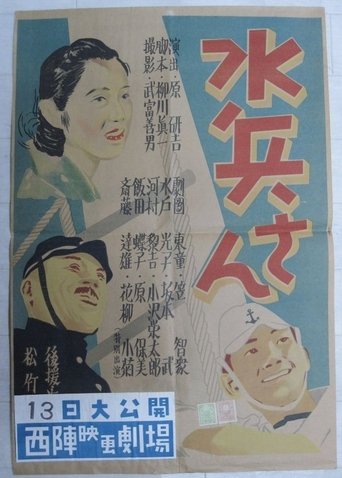
NRShinpachi Morimura, who was born in a fusuma craftsman's house, wants to join the Japanese navy. However, his father wants him to continue in the family business and refuses to accept it.
Sailor
1944
Series credits
NRChiba Shusaku: Kendo Masshigura is a Japanese period drama that aired on the TBS network from November 2, 1970 to August 30, 1971 in the "Brother Gekijo" slot. It ran for 44 colour episodes of 30 minutes each. Based on Sohachi Yamaoka's novel "Chiba Shusaku", it depicts the youth of Chiba Shusaku, founder of the Hokushin Itto-ryu school of swordsmanship. A hot-blooded young man who calls himself Shusaku enters the dojo of Asari Matashichiro and, through encounters with all kinds of people, grows rapidly both in swordsmanship and in character. Produced by TBS and Shochiku. Rerun on the Japanese CS channel Jidaigeki Senmon Channel from March 17, 2025.
Chiba Shusaku: Kendo Masshigura
1970
7.7Advancements in science and the unchanging human psyche have given rise to new forms of terrifying crimes as the Science Research Institute (SRI) investigates various strange phenomena in Japan.
Operation: Mystery
1968