

Acting
Michou
Born — Died
1931-06-18 — 2020-01-26
Place of birth
Amiens, Somme, France
Known for
Acting
Credits
7 titles
Michel Georges Alfred Catty (18 June 1931 – 26 January 2020), known as Michou, was a French singer, drag artist and owner of Chez Michou in Montmartre. He was born in Amiens. A local celebrity, he appeared in a cameo as himself in the 1973 film La bonne année directed by Claude Lelouch. In 1973 he also played the part of Beauchamp in the TV series Molière pour rire et pour pleurer, directed by Marcel Camus. He was the subject of Jean Luret's documentary L'intrigant destin d’un Transformiste. In the 1980s, he was regularly invited on French TV. He was made a chevalier de la Légion d'honneur in 2005. With no training, he moved to Paris in the early 1950s and worked in odd jobs, then he start…
Known for
 5.7
No synopsis available yet.
Sacrée soirée
1987
 6.8
No synopsis available yet.
Champs-Elysées
1982
 3.6
No synopsis available yet.
Vivement dimanche
1998
 6.5
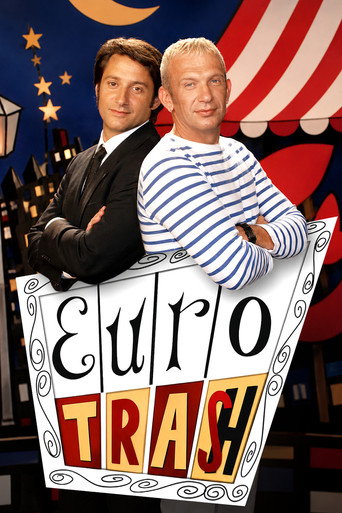
The likes of Antoine de Caunes, Jean Paul Gaultier, Davina McCall, and Lolo Ferrari are your guides to the weird and wonderful in Europe and beyond. How else would you learn about pubic hairdressers, the Penis Olympics, or the latest Japanese sex toys?
Eurotrash
1993
 9.5
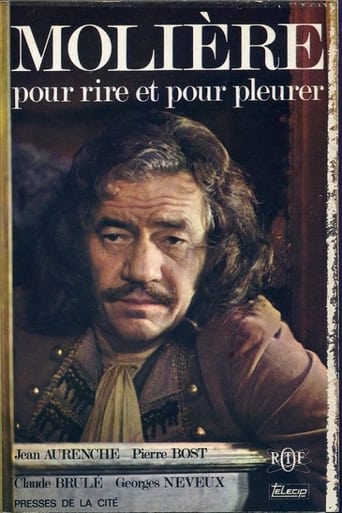
Molière pour rire et pour pleurer recounts the life of Jean‑Baptiste Poquelin, from his childhood in an artisan family to his rise as Molière, a central figure of French theatre. The series shows his difficult decision to abandon the family trade and join Madeleine Béjart to found L’Illustre Théâtre, marked by debts and repeated setbacks. While touring the provinces, he shapes his style and discovers the power of comedy. Back in Paris, he makes a name for himself with Les Précieuses ridicules, but his sharp satires provoke fierce opposition, especially during the Tartuffe scandal. Supported by Louis XIV, he continues despite attacks, literary rivalries, and tensions within his troupe, particularly with Armande Béjart. The miniseries also follows his growing exhaustion, his determination to perform at any cost, and his final breath after Le Malade imaginaire, the ultimate symbol of an artist who lived — and died — for the stage.
Molière pour rire et pour pleurer
1973
 7.2
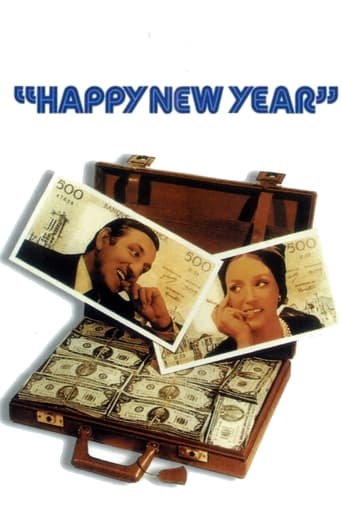
Released from prison under a New Year amnesty, a criminal tries to pick up the threads of a life changed not only by his daring plan to rob a jewelry store in out-of-season Cannes, but also by a very special someone he met there.
Happy New Year
1973
Film credits
1970s · 2 titles
7.2Released from prison under a New Year amnesty, a criminal tries to pick up the threads of a life changed not only by his daring plan to rob a jewelry store in out-of-season Cannes, but also by a very special someone he met there.
Happy New Year
1973
 3.3
In the form of an investigative report, Super Woman offers a dive into the world of transvestites and transsexuals who, in 1975, brightened up certain Parisian cabarets such as the Carrousel, the Etrier, the Alcazar or Chez Michou... The latter introduces us to two of its stars, Duduche and Fifi, who evokes his encounters with Sylvie Vartan, whom he imitates to perfection. Then an investigator goes to the Carrousel and meets Claudie, Laurence, Peggy, Albane, Griselleda, Maryline and Kristel.
Super Woman
1976
Series credits
5.7No synopsis available yet.
Sacrée soirée
1987
6.8No synopsis available yet.
Champs-Elysées
1982
3.6No synopsis available yet.
Vivement dimanche
1998
6.5The likes of Antoine de Caunes, Jean Paul Gaultier, Davina McCall, and Lolo Ferrari are your guides to the weird and wonderful in Europe and beyond. How else would you learn about pubic hairdressers, the Penis Olympics, or the latest Japanese sex toys?
Eurotrash
1993
9.5Molière pour rire et pour pleurer recounts the life of Jean‑Baptiste Poquelin, from his childhood in an artisan family to his rise as Molière, a central figure of French theatre. The series shows his difficult decision to abandon the family trade and join Madeleine Béjart to found L’Illustre Théâtre, marked by debts and repeated setbacks. While touring the provinces, he shapes his style and discovers the power of comedy. Back in Paris, he makes a name for himself with Les Précieuses ridicules, but his sharp satires provoke fierce opposition, especially during the Tartuffe scandal. Supported by Louis XIV, he continues despite attacks, literary rivalries, and tensions within his troupe, particularly with Armande Béjart. The miniseries also follows his growing exhaustion, his determination to perform at any cost, and his final breath after Le Malade imaginaire, the ultimate symbol of an artist who lived — and died — for the stage.
Molière pour rire et pour pleurer
1973