
Directing
Jacques Tati
Born — Died
1907-10-09 — 1982-11-04
Place of birth
Le Pecq, Yvelines, France
Known for
Directing
Credits
67 titles
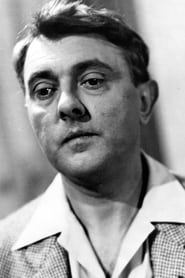
Jacques Tati (born Jacques Tatischeff; 9 October 1907 – 5 November 1982) was a French filmmaker, working both as a comedic actor and director. In a poll conducted by Entertainment Weekly of the Greatest Movie Directors Tati was voted the 46th greatest of all time. With only six feature-length films to his credit as director, he directed fewer films than any other director on this list of 50.
Known for
 9.5
9.5Marcello Mastroianni, Isabelle Adjani, Alain Delon, Martin Scorsese, Woody Allen... the biggest stars in cinema were welcomed by Christian Defaye on his show Spécial cinéma. Between intimate confessions from actors and immersion in the world of the greatest filmmakers, Christian Defaye took viewers on a journey into the fascinating world of cinema for nearly thirty years.
Spécial cinéma
1974
 8.0
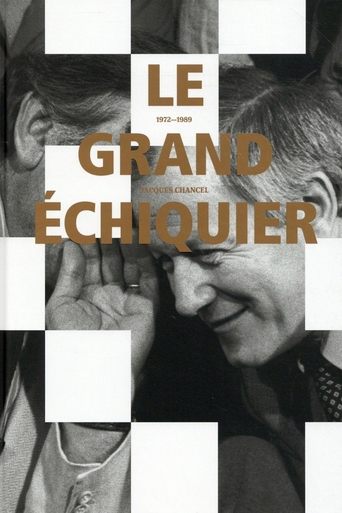
8.0Le Grand Échiquier is a French variety television program created and presented by Jacques Chancel. It aired at 8:30 pm on the first channel of the ORTF from January 12, 1972 to July 12, 1972, then on the second color channel of the ORTF from September 1972 to December 1974, and finally on Antenne 2 from January 1975 to December 21, 1989. The program returned to France 2 on December 20, 2018 and is hosted by Anne-Sophie Lapix.
Le Grand Échiquier
1972
 7.2
7.2Omnibus was an arts-based BBC television documentary series, broadcast mainly on BBC1 in the United Kingdom. The programme was the successor to the long-running arts-based series 'Monitor'. It ran from 1967 until 2003, usually being transmitted on Sunday evenings. During its 35-year history, the programme won 12 Bafta awards. Among the series' best remembered documentaries are Cracked Actor, a profile of David Bowie, and Rene Magritte, a graduate film by David Wheatley, 'Madonna: Behind the American dream', a film produced by Nadia Hagger, and a profile of the British film director Ridley Scott. For a season in 1982, the series was in a magazine format presented by Barry Norman. The series was replaced by 'Imagine' hosted by Alan Yentob.
Omnibus
1967
 6.8
6.8The Ed Sullivan Show is an American TV variety show that originally ran on CBS from Sunday June 20, 1948 to Sunday June 6, 1971, and was hosted by New York entertainment columnist Ed Sullivan. It was replaced in September 1971 by the CBS Sunday Night Movie, which ran only one season and was eventually replaced by other shows. In 2002, The Ed Sullivan Show was ranked #15 on TV Guide's 50 Greatest TV Shows of All Time.
The Ed Sullivan Show
1948
The BBC's flagship cinema review TV program featuring reviews of new releases, news items and interviews. The title of the program changes each year to incorporate the year of broadcast.
Film '72
1971
No synopsis available yet.
Samedi soir
1971
Film credits
2020s · 3 titles
 2.0
2.0We thought we'd seen, read, and heard everything there was to see about the Cannes Film Festival, from the glitz and gossip to the scandals and censorship. And yet, Emmanuel Barnault's "Morceaux de Cannes" (Pieces of Cannes), by this leading expert on Italian and French cinema, convinces us otherwise. The third largest event in the world (after the Olympic Games and the FIFA World Cup) reveals its secrets only sparingly, as this film attests. The result of passionate research in the INA archives, these 52 minutes, without interviews or voice-over narration, string together rare and sometimes previously unseen footage. Taken together, they tell a surprising, original, and heartwarming story of the Festival. On the beach, on a street corner, in a restaurant, or in the privacy of a hotel room, these forgotten archives summon the greatest filmmakers, actors, and actresses of the last seventy years, from Jean Cocteau to David Lynch, for an anthology of the Festival's history.
Morceaux de Cannes
2021
 6.3
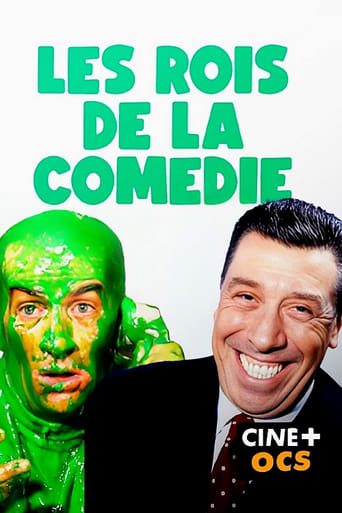
6.3At the end of the 1950s, four humor specialists simultaneously experienced recognition. Fernandel with “The Cow and the Prisoner”, Bourvil with “The Hunchback”, Jacques Tati with “My Uncle” and Louis de Funès with “Oscar” at the theater. On the big screen or on stage, each of these artists has a unique style of humor. They are the kings of French comedy. But how did they manage to become true box office champions? How did they experience their immense popularity? How do they still influence the comedy genre? And above all, are- are they funny in life? Where is the line between their character in the cinema and their real personality?
Les Rois de la comédie
2023
 7.3
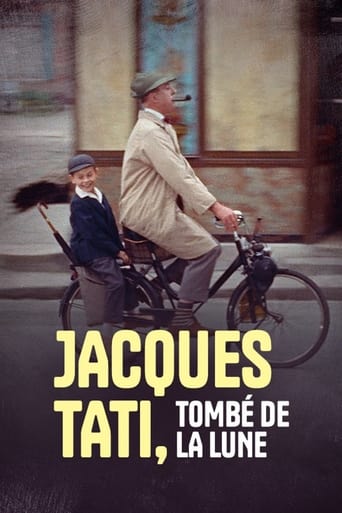
7.3The crazy rise and fall of Jacques Tati, comedy genius, actor, director and athlete of laughter. Or how the inventor of the mythical Mr. Hulot made France laugh, then the world, flying from success to success, rising higher and higher, until he came a little too close to the sun.
Jacques Tati, tombé de la lune
2021
2010s · 5 titles
 7.3
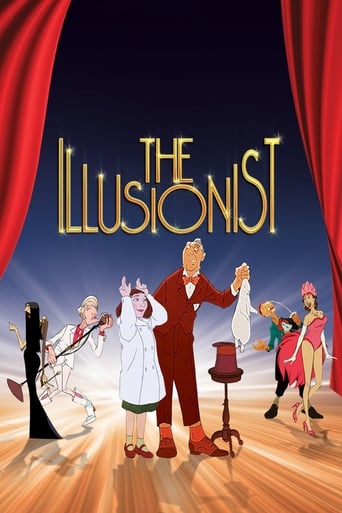
7.3A French illusionist travels to Scotland to work. He meets a young woman in a small village. Their ensuing adventure in Edinburgh changes both their lives forever.
The Illusionist
2010
 7.3
7.3Tati Express dives into Jacques Tati's films and how they look at a changing world throughout the 20th century. It shows how modernity impacts human-beings and goes through that amazing body of work at 100 mph.
Tati Express
2015
 6.0
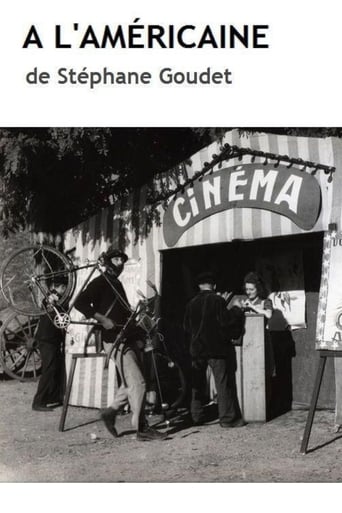
6.0Documentary analysis of French director Jacques Tati's 1949 film "Jour de fete". Goudet tracks the evolution of Tati’s comedy stylings, from their origins in the short films where he first appeared through his ambitious feature productions.
À l'américaine
2013
 NR
NRA 2013 Visual Essay on Playtime by Stéphane Goudet.
Like Home
2013
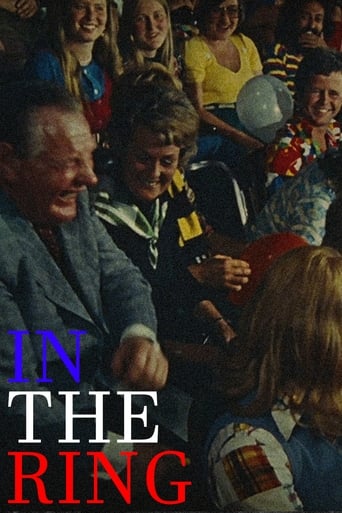 NR
NRIn this 2013 visual essay, Jacques Tati scholar Stéphane Goudet discusses how the filmmaker’s appreciation for the circus, clowns, and mime humor is reflected in PARADE, and analyzes the film’s various comedic acts.
In the Ring
2013
2000s · 6 titles
 NR
NRThis short documentary from 2002, written by Jacques Tati scholar Stéphane Goudet and featuring rare archival footage, explores the genesis of the director’s hugely ambitious 1967 film production.
Beyond 'PlayTime'
2002
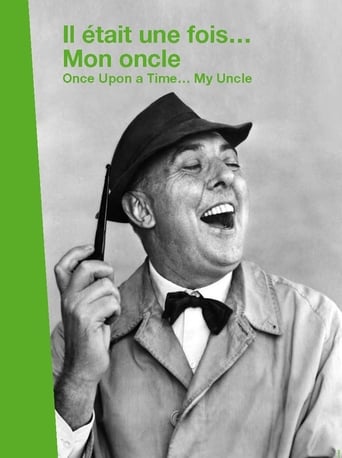 6.5
6.5Television documentary about the making of Jacques Tati's 1958 film "Mon oncle".
Il était une fois... « Mon Oncle »
2008
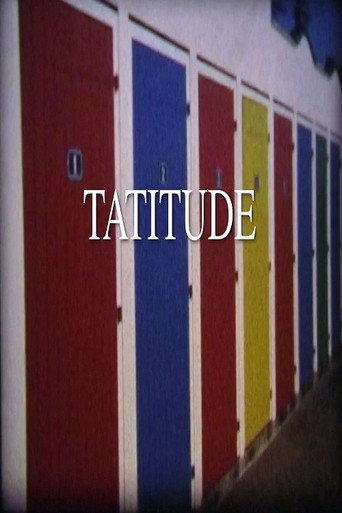 NR
NRA delightful update of Jacques Tati’s classic Les Vacances de M. Hulot (Mr. Hulot’s Holidays). Seagulls squawk, waves crash and swimmers cavort in endless summer days spent on the beach. TATITUDE suggests that sand, water and sun are the basic elements in a happy, carefree life, and maybe even the secret to eternal youth.
Tatitude
2009
 7.0
7.0This documentary traces Jacques Tati's rise from the Parisian Music-Hall stage to his Oscar winning films of the 1950s, the documentary then explains how Tati bet all he had on his fourth film 'PlayTime' and how this mammoth film ended prematurely the career of a genius while also giving the world one of the most beautiful films ever made.
The Magnificent Tati
2009
 5.6
5.6This is a brief bio of the life of Tati through his works. Begins with his silent period, then feature films, and shows many examples from the short films on this disc. For someone with such a limited output of work, his reach and genius was limitless.
Tati Story
2002
A veritable anthology of themes dear to Tati, this documentary traces the life and work of this strange character, the initiator of a poetic revolution unparalleled in French cinema. This "best of Tati" looks back at the future filmmaker's first loves for mime and music hall. While performing at the Lido and La Scala, stringing together the comic sketches that would later appear in his films, the young Tati never stopped dreaming of cinema. The son of a Russian framer, he himself became obsessed with framing—earning him the nickname "tati-llon"—and considered the cinematic image to be the equivalent of a pictorial frame. Through the most famous excerpts from his "gag" films, we discover another ambition: to explore the rarely visited territory of essays and philosophical tales...
Jacques Tati, le rire démocratique
2002
1980s · 2 titles
 NR
NREpisode of the French television series "Cinéma Cinémas" which documents the discovery of the negatives that led to the completion of the color version of Jacques Tati’s 1949 film "Jour de fête".
Jour de fête: In Search of the Lost Color
1988
 2.5
2.5Two-part documentary about French director Jacques Tati chronicles the evolution of the filmmaker's alter ego, Monsieur Hulot, through archival interviews, on-set footage, photos, and film clips.
In the Footsteps of Monsieur Hulot
1989
1970s · 4 titles
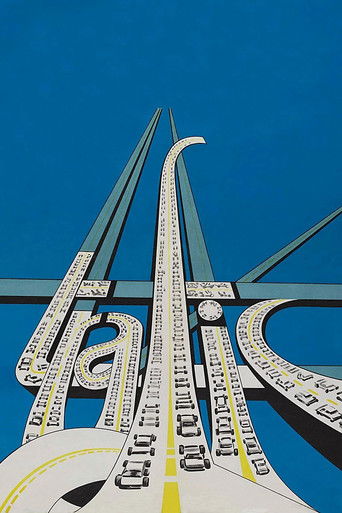 7.1
7.1Mr. Hulot is the head designer of the Altra Automotive Co. His latest invention is a newfangled camper car loaded with outrageous extra features. Along with the company's manager and publicity model, Hulot sets out from Paris with the intention of debuting the car at the annual auto show in Amsterdam. The going isn't easy, however, and the group encounters an increasingly bizarre series of hurdles and setbacks en route.
Trafic
1971
 5.8
5.8The story of a big party during which Jacques Tati brings together audience members, performers, clowns, children, and himself.
Parade
1974
 NR
NRInterview with the French film director, conducted for television in 1978.
Ciné regards: Jacques Tati
1978
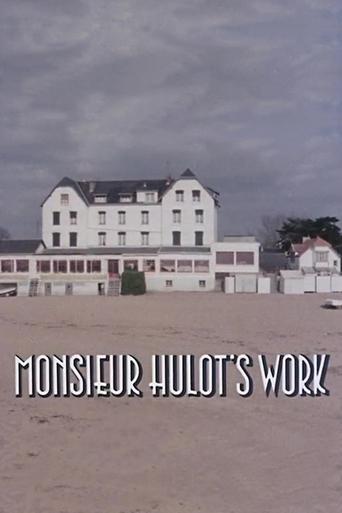 NR
NRInterview with French director Jacques Tati, focusing on his on-screen persona, Monsieur Hulot. Produced for the British television series "Omnibus".
Monsieur Hulot's Work
1976
1960s · 3 titles
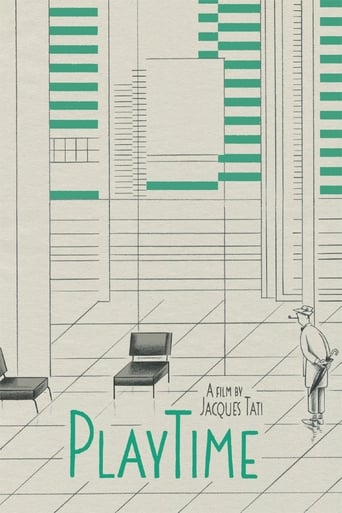 7.7
7.7Clumsy Monsieur Hulot finds himself perplexed by the intimidating complexity of a gadget-filled Paris. He attempts to meet with a business contact but soon becomes lost. His roundabout journey parallels that of an American tourist, and as they weave through the inventive urban environment, they intermittently meet, developing an interest in one another. They eventually get together at a chaotic restaurant, along with several other quirky characters.
PlayTime
1967
 6.5
6.5Tati plays a comedy teacher and explains the basic rules of comedy to some rather slow-witted students, illustrating his points with demonstrations.
Evening Classes
1967
 NR
NRInterview with Jacques Tati on the set of his 1967 film "PlayTime". Produced for the British television program "Tempo International".
Tativille
1966
1950s · 2 titles
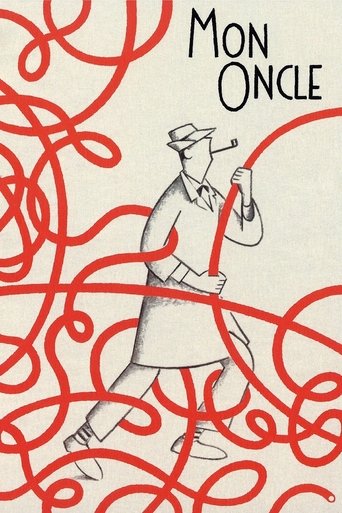 7.4
7.4Genial, bumbling Monsieur Hulot loves his top-floor apartment in a grimy corner of the city, and cannot fathom why his sister's family has moved to the suburbs. Their house is an ultra-modern nightmare, which Hulot only visits for the sake of stealing away his rambunctious young nephew. Hulot's sister, however, wants to win him over to her new way of life, and conspires to set him up with a wife and job.
Mon Oncle
1958
 6.9
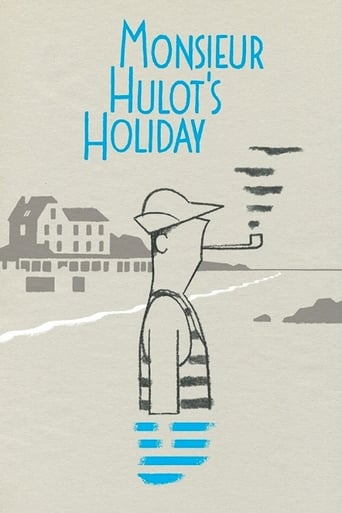
6.9Monsieur Hulot, Jacques Tati’s endearing clown, takes a holiday at a seaside resort, where his presence provokes one catastrophe after another. Tati’s masterpiece of gentle slapstick is a series of effortlessly well-choreographed sight gags involving dogs, boats, and firecrackers; it was the first entry in the Hulot series and the film that launched its maker to international stardom.
Monsieur Hulot's Holiday
1953
1940s · 4 titles
 7.1
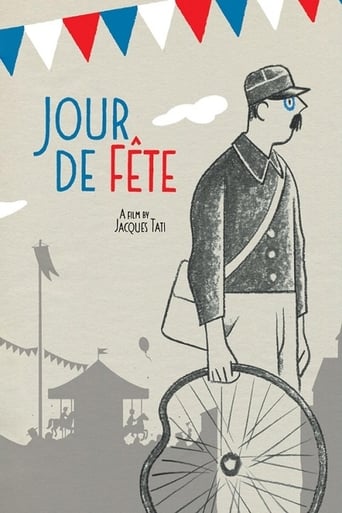
7.1Jour de Fête tells the story of an inept and easily-distracted French mailman who frequently interrupts his duties to converse with the local inhabitants, as well as inspect the traveling fair that has come to his small community. Influenced by too much wine and a newsreel account of rapid transportation methods used by the United States postal system, he goes to hilarious lengths to speed the delivery of mail while aboard his bicycle.
Jour de fête
1949
 6.2
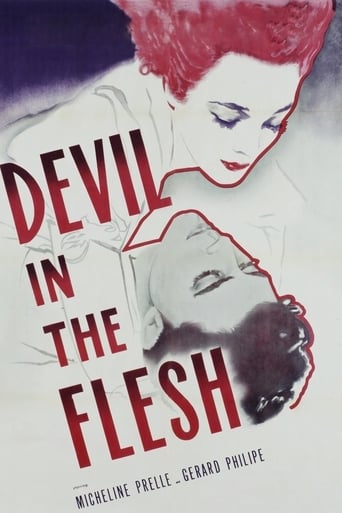
6.2In France during World War I, Marthe waits for her husband, Jacques, while he fights on the front lines. Marthe then begins a tempestuous affair with 17-year-old François, with whom she had a dalliance before marrying Jacques. Jealous François struggles with the fact that Marthe is married, while she tries to prove her devotion to her young, hotheaded lover. Things become even more complex when Marthe becomes pregnant with Jacques' baby.
Devil in the Flesh
1947
 6.9
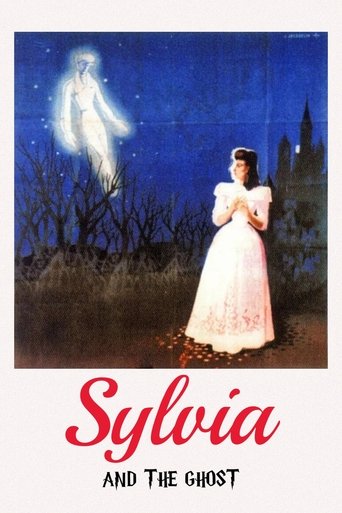
6.9A teenager becomes fixated on a painting of the handsome suitor who died in a duel for her grandmother's love. On her sixteenth birthday, her father hires three men who pretend to be the ghost of the suitor to entertain her. Little do they know, the ghost of the suitor himself is roaming the castle halls.
Sylvia and the Ghost
1946
7.1Jacques Tati plays a French postman adamant to prove he can be just as fast as American postmen at delivering mail.
School for Postmen
1946
1930s · 3 titles
 5.5
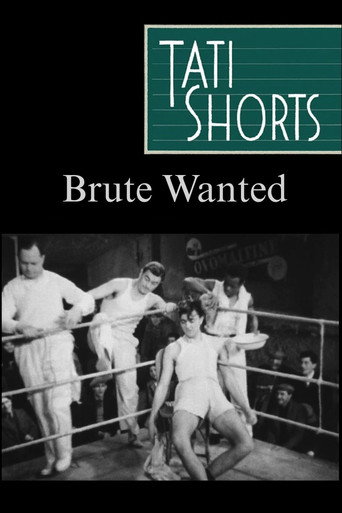
5.5A tall, shy and reserved young actor accidentally signs himself up for a wrestling match.
Brute Wanted
1934
 6.0
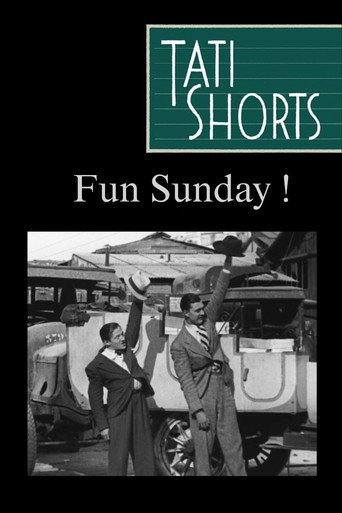
6.0Jacques Tati and his friend Rhum star as down-and-outs (very much their situation in reality at the time) who try to generate funds by providing an impromptu leisure tour in a rickety bus they wangle use of for free.
Fun Sunday
1935
 5.9
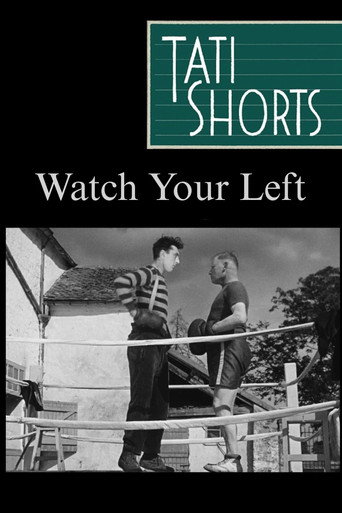
5.9Roger, son of a farmer, wants to be a boxer, and gets his chance by filling in for a boxer's sparring partner. However, Roger does not know how to box and reads a rule book while in the ring.
Watch Your Left
1936
Series credits
9.5Marcello Mastroianni, Isabelle Adjani, Alain Delon, Martin Scorsese, Woody Allen... the biggest stars in cinema were welcomed by Christian Defaye on his show Spécial cinéma. Between intimate confessions from actors and immersion in the world of the greatest filmmakers, Christian Defaye took viewers on a journey into the fascinating world of cinema for nearly thirty years.
Spécial cinéma
1974
8.0Le Grand Échiquier is a French variety television program created and presented by Jacques Chancel. It aired at 8:30 pm on the first channel of the ORTF from January 12, 1972 to July 12, 1972, then on the second color channel of the ORTF from September 1972 to December 1974, and finally on Antenne 2 from January 1975 to December 21, 1989. The program returned to France 2 on December 20, 2018 and is hosted by Anne-Sophie Lapix.
Le Grand Échiquier
1972
7.2Omnibus was an arts-based BBC television documentary series, broadcast mainly on BBC1 in the United Kingdom. The programme was the successor to the long-running arts-based series 'Monitor'. It ran from 1967 until 2003, usually being transmitted on Sunday evenings. During its 35-year history, the programme won 12 Bafta awards. Among the series' best remembered documentaries are Cracked Actor, a profile of David Bowie, and Rene Magritte, a graduate film by David Wheatley, 'Madonna: Behind the American dream', a film produced by Nadia Hagger, and a profile of the British film director Ridley Scott. For a season in 1982, the series was in a magazine format presented by Barry Norman. The series was replaced by 'Imagine' hosted by Alan Yentob.
Omnibus
1967
6.8The Ed Sullivan Show is an American TV variety show that originally ran on CBS from Sunday June 20, 1948 to Sunday June 6, 1971, and was hosted by New York entertainment columnist Ed Sullivan. It was replaced in September 1971 by the CBS Sunday Night Movie, which ran only one season and was eventually replaced by other shows. In 2002, The Ed Sullivan Show was ranked #15 on TV Guide's 50 Greatest TV Shows of All Time.
The Ed Sullivan Show
1948
The BBC's flagship cinema review TV program featuring reviews of new releases, news items and interviews. The title of the program changes each year to incorporate the year of broadcast.
Film '72
1971
No synopsis available yet.
Samedi soir
1971
 6.2
6.2No synopsis available yet.
30 millions d'amis
1976
 8.7
8.7No synopsis available yet.
Cinépanorama
1956
 5.0
5.0No synopsis available yet.
Ciné regards
1978
 5.0
5.0No synopsis available yet.
Reflets de Cannes
1954
 10.0
10.0No synopsis available yet.
Un film et son époque
2003
 7.3
7.3Funny Business is a documentary style television series about the craft of comedy consisting of six 50-minute episodes. The first episode aired in the UK 22 November 1992. The show was also shown in Germany and released on video. It was directed by David Hinton. The writers were Rowan Atkinson, Robin Driscoll, and David Hinton. It was produced by Tiger Television Productions. The show featured appearances by many comedians, including Rowan Atkinson who made an appearance both as the presenter/narrator, and as an aspiring comedy actor named Kevin. Atkinson demonstrated many of the principles of comedy in a manner which was instantly identifiable to anyone familiar with his Mr. Bean character.
Funny Business
1992
Behind the camera
7.1Jour de Fête tells the story of an inept and easily-distracted French mailman who frequently interrupts his duties to converse with the local inhabitants, as well as inspect the traveling fair that has come to his small community. Influenced by too much wine and a newsreel account of rapid transportation methods used by the United States postal system, he goes to hilarious lengths to speed the delivery of mail while aboard his bicycle.
Jour de fête
1949
7.1Jour de Fête tells the story of an inept and easily-distracted French mailman who frequently interrupts his duties to converse with the local inhabitants, as well as inspect the traveling fair that has come to his small community. Influenced by too much wine and a newsreel account of rapid transportation methods used by the United States postal system, he goes to hilarious lengths to speed the delivery of mail while aboard his bicycle.
Jour de fête
1949
7.7Clumsy Monsieur Hulot finds himself perplexed by the intimidating complexity of a gadget-filled Paris. He attempts to meet with a business contact but soon becomes lost. His roundabout journey parallels that of an American tourist, and as they weave through the inventive urban environment, they intermittently meet, developing an interest in one another. They eventually get together at a chaotic restaurant, along with several other quirky characters.
PlayTime
1967
7.7Clumsy Monsieur Hulot finds himself perplexed by the intimidating complexity of a gadget-filled Paris. He attempts to meet with a business contact but soon becomes lost. His roundabout journey parallels that of an American tourist, and as they weave through the inventive urban environment, they intermittently meet, developing an interest in one another. They eventually get together at a chaotic restaurant, along with several other quirky characters.
PlayTime
1967
7.4Genial, bumbling Monsieur Hulot loves his top-floor apartment in a grimy corner of the city, and cannot fathom why his sister's family has moved to the suburbs. Their house is an ultra-modern nightmare, which Hulot only visits for the sake of stealing away his rambunctious young nephew. Hulot's sister, however, wants to win him over to her new way of life, and conspires to set him up with a wife and job.
Mon Oncle
1958
7.4Genial, bumbling Monsieur Hulot loves his top-floor apartment in a grimy corner of the city, and cannot fathom why his sister's family has moved to the suburbs. Their house is an ultra-modern nightmare, which Hulot only visits for the sake of stealing away his rambunctious young nephew. Hulot's sister, however, wants to win him over to her new way of life, and conspires to set him up with a wife and job.
Mon Oncle
1958
7.4Genial, bumbling Monsieur Hulot loves his top-floor apartment in a grimy corner of the city, and cannot fathom why his sister's family has moved to the suburbs. Their house is an ultra-modern nightmare, which Hulot only visits for the sake of stealing away his rambunctious young nephew. Hulot's sister, however, wants to win him over to her new way of life, and conspires to set him up with a wife and job.
Mon Oncle
1958
6.9Monsieur Hulot, Jacques Tati’s endearing clown, takes a holiday at a seaside resort, where his presence provokes one catastrophe after another. Tati’s masterpiece of gentle slapstick is a series of effortlessly well-choreographed sight gags involving dogs, boats, and firecrackers; it was the first entry in the Hulot series and the film that launched its maker to international stardom.
Monsieur Hulot's Holiday
1953
6.9Monsieur Hulot, Jacques Tati’s endearing clown, takes a holiday at a seaside resort, where his presence provokes one catastrophe after another. Tati’s masterpiece of gentle slapstick is a series of effortlessly well-choreographed sight gags involving dogs, boats, and firecrackers; it was the first entry in the Hulot series and the film that launched its maker to international stardom.
Monsieur Hulot's Holiday
1953
6.9Monsieur Hulot, Jacques Tati’s endearing clown, takes a holiday at a seaside resort, where his presence provokes one catastrophe after another. Tati’s masterpiece of gentle slapstick is a series of effortlessly well-choreographed sight gags involving dogs, boats, and firecrackers; it was the first entry in the Hulot series and the film that launched its maker to international stardom.
Monsieur Hulot's Holiday
1953
7.1Mr. Hulot is the head designer of the Altra Automotive Co. His latest invention is a newfangled camper car loaded with outrageous extra features. Along with the company's manager and publicity model, Hulot sets out from Paris with the intention of debuting the car at the annual auto show in Amsterdam. The going isn't easy, however, and the group encounters an increasingly bizarre series of hurdles and setbacks en route.
Trafic
1971
7.1Mr. Hulot is the head designer of the Altra Automotive Co. His latest invention is a newfangled camper car loaded with outrageous extra features. Along with the company's manager and publicity model, Hulot sets out from Paris with the intention of debuting the car at the annual auto show in Amsterdam. The going isn't easy, however, and the group encounters an increasingly bizarre series of hurdles and setbacks en route.
Trafic
1971
5.8The story of a big party during which Jacques Tati brings together audience members, performers, clowns, children, and himself.
Parade
1974
5.8The story of a big party during which Jacques Tati brings together audience members, performers, clowns, children, and himself.
Parade
1974
5.5A tall, shy and reserved young actor accidentally signs himself up for a wrestling match.
Brute Wanted
1934
6.5Tati plays a comedy teacher and explains the basic rules of comedy to some rather slow-witted students, illustrating his points with demonstrations.
Evening Classes
1967
7.1Jacques Tati plays a French postman adamant to prove he can be just as fast as American postmen at delivering mail.
School for Postmen
1946
7.1Jacques Tati plays a French postman adamant to prove he can be just as fast as American postmen at delivering mail.
School for Postmen
1946
6.0Jacques Tati and his friend Rhum star as down-and-outs (very much their situation in reality at the time) who try to generate funds by providing an impromptu leisure tour in a rickety bus they wangle use of for free.
Fun Sunday
1935
 5.9
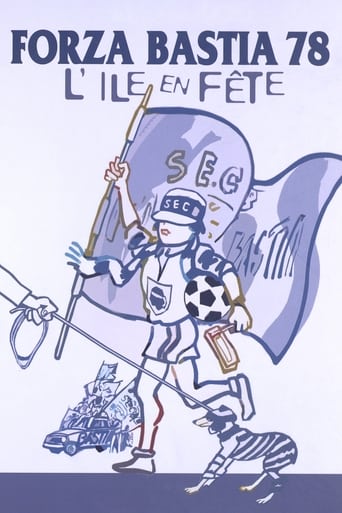
5.9A sports documentary short covering the soccer match for the UEFA cup of 1978, with the French Corsican team Bastia playing against the PSV Eindhoven club from the Netherlands.
Forza Bastia
1978
5.9A sports documentary short covering the soccer match for the UEFA cup of 1978, with the French Corsican team Bastia playing against the PSV Eindhoven club from the Netherlands.
Forza Bastia
1978
5.9Roger, son of a farmer, wants to be a boxer, and gets his chance by filling in for a boxer's sparring partner. However, Roger does not know how to box and reads a rule book while in the ring.
Watch Your Left
1936
 9.0
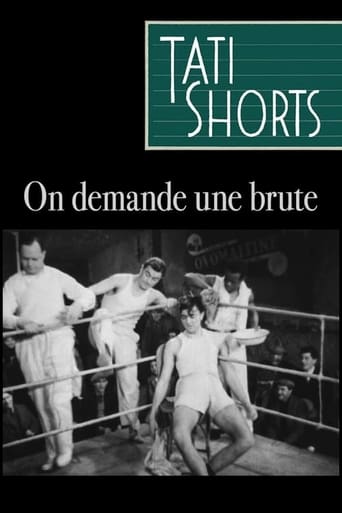
9.0Seven short films: On demande une brute (1934), Gai dimanche (1935), Soigne ton gauche (1936), L’école des facteurs (1946), Cours du soir (1967), Forza Bastia (1978), and Dégustation maison (1978) written or directed by Jacques Tati.
Tati Shorts
1967