

Acting
Roberto Carlos
Born
1941-04-19 (85)
Place of birth
Cachoeiro de Itapemirim, Espirito Santo, Brazil
Known for
Acting
Credits
48 titles
Roberto Carlos Braga Moreira (born April 19, 1941) is a Brazilian singer-songwriter, also known as King of Latin Music or simply The King. Most of his songs were written in partnership with his friend, singer and songwriter Erasmo Carlos (no relation). Roberto Carlos has sold over 140 million albums around the world. He is considered one of the most influential artists in Brazil, being cited as a source of inspiration by many artists and bands. His net worth is estimated at US$160 million. Roberto Carlos Braga was born in Cachoeiro de Itapemirim, at the southern part of the Brazilian state of Espírito Santo. He is the fourth and last son of watchmaker Robertino Braga (March 27, 1896 – Janu…
Known for
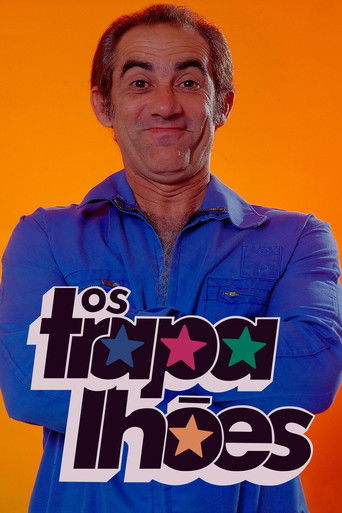 8.0
8.0Os Trapalhões was a Brazilian comedy group and also a Brazilian television series created by Wilton Franco. Its members were Dedé Santana, Zacarias, Mussum and their leader Didi Mocó, that was played by Renato Aragão. The name Trapalhões is derived from the Portuguese verb atrapalhar, which means the opposite of helping, to do something the wrong way or to Those that confuse. The name is translated "Tramps" in English DVD subtitles. It was aired by Rede Globo from 1977 to 1999. On March 18, 1990, Zacarias died due to respiratory failure, but the group and the series didn't come to an end until July 29, 1994, when Mussum died due to an unsuccessful heart transplant.
The Trapalhões
1977
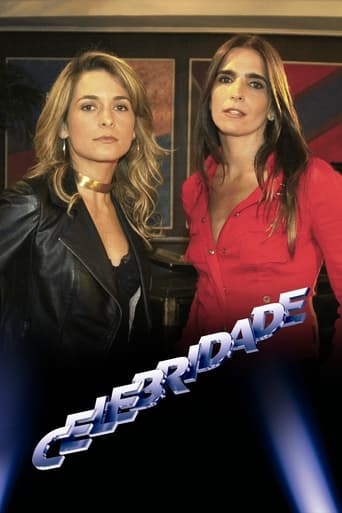 7.7
7.7A successful businesswoman in the music industry sees her life fall apart after a young and mysterious woman starts work as her secretary. The scheming girl is totally obsessed by the famous businesswoman and she tries to steal everything from her, including her career.
Celebrity
2003
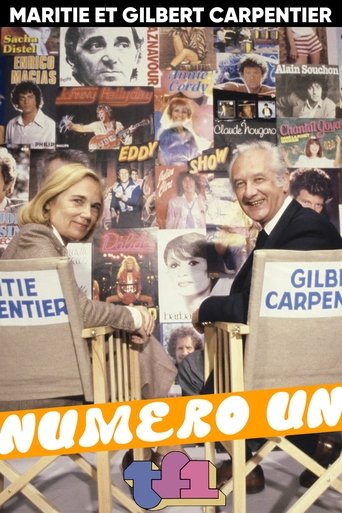 7.5
7.5A French variety show.
Numéro un
1975
 4.7
4.7A yearly musical contest organized by the municipality of Viña del Mar, Chile which takes place during the last week of February at the Quinta Vergara Amphitheater since February 21, 1960.
Viña del Mar International Song Festival
1963
 7.0
7.0No synopsis available yet.
Hebe
1966
 7.0
7.0The telenovela tells the story of Pedro, a young singer seeking recognition and success. The son of Celso and Anita leaves his parents' home when he discovers that his brother Claudio has become involved with his girlfriend Selma. The singer then goes to live in a student community, where he meets the siblings Bruno, a composer, and Nina. Pedro and Bruno begin a professional partnership. Nina ends up falling in love with the singer, but is torn between him and the former seminarian Chico.
O Amor é Nosso!
1981
Film credits
2020s · 6 titles
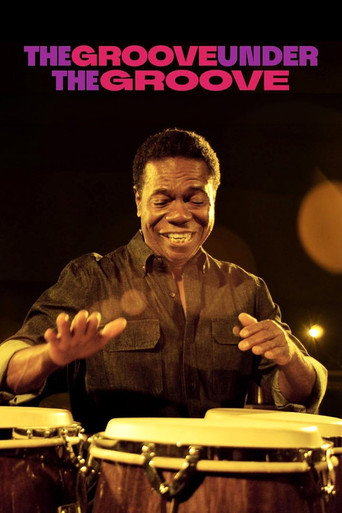 8.5
8.5An intimate look at the life and career of Paulinho da Costa, the most recorded percussionist in music history. The documentary explores his unique rhythmic language and his collaboration with legendary icons.
The Groove Under the Groove
2026
 7.8
7.8TV Globo celebrates its 60th anniversary with a mega-show.
Show 60 Anos
2025
 NR
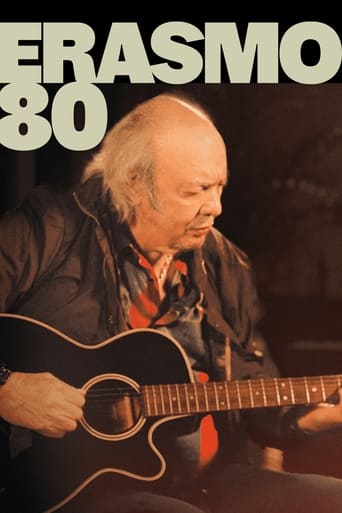
NRThe 80th birthday of Erasmo Carlos, pioneer of Brazilian rock, in never-before-seen images: the Tijuca gang, Jovem Guarda, international success, Roberto Carlos and his influence on behavior.
Erasmo 80
2021
 NR
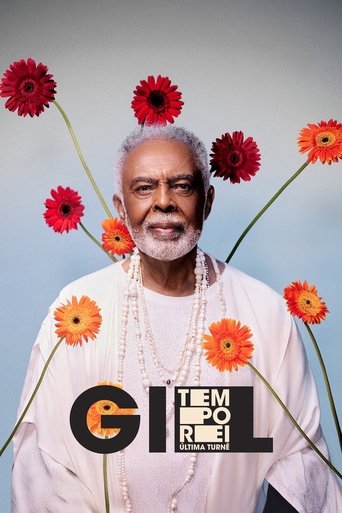
NRAfter touring across Brazil — from Rio de Janeiro to Brasília, Belo Horizonte, Curitiba, and Belém — the Tempo Rei concert series brought to life a repertoire that spans decades of musical history, winning over new audiences with every stop. Now, this cinematic concert film invites viewers to experience from home the grand finale of an unforgettable musical journey — a celebration of legacy, rhythm, and time itself.
Gilberto Gil: Tempo Rei - A Última Turnê
2025
 9.0
9.0No synopsis available yet.
Carlos Rivera: leyendas
2022
 NR
NRThe character Jonh Michael embarks on a journey to tell you everything about Tim Maia.
John Michael's Project
2024
2010s · 13 titles
 7.0
7.0No synopsis available yet.
Show Globo 50 Anos
2015
 7.5
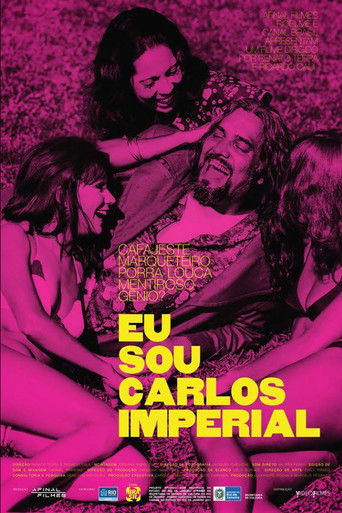
7.5The story of a legendary figure in Brazilian culture, the multifaceted Carlos Imperial. He was a convinced womanizer and cafajeste, he was a director and actor, created TV shows, composed songs like “Vem Quente que Eu Estou Fervendo” and “Mamãe Passou Açúcar em Mim”. In addition, he is responsible for launching big names in Brazilian music, such as Roberto Carlos, Elis Regina and Tim Maia.
Eu Sou Carlos Imperial
2015
 7.2
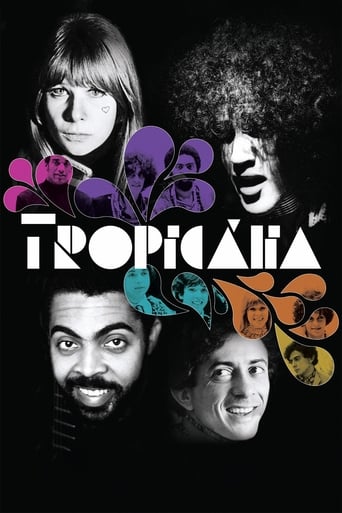
7.2Set against the turbulent atmosphere of the 1960s, Tropicália is a feature length documentary exploring the Brazilian artistic movement known as Tropicália, and the struggle its artists endured to protect their right to freely express revolutionary thought against the traditional Brazilian music of that time.
Tropicália
2012
 7.2
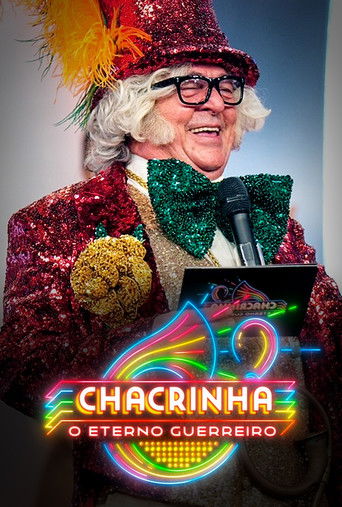
7.2"Cassino do Chacrinha" is back on a journey into the universe of the Old Warrior that celebrates the centenary of one of Brazil's greatest communicators: Abelardo Barbosa.
Chacrinha: The Eternal Warrior
2017
 NR
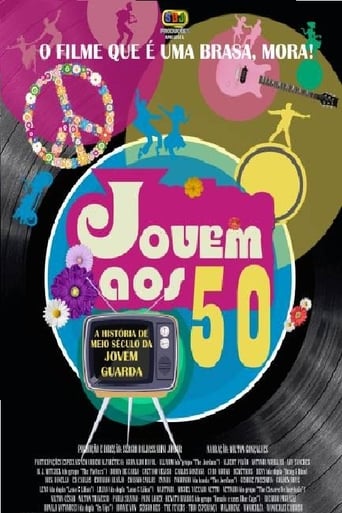
NRNo synopsis available yet.
Jovem aos 50 - A História de Meio Século da Jovem Guarda
2017
 10.0
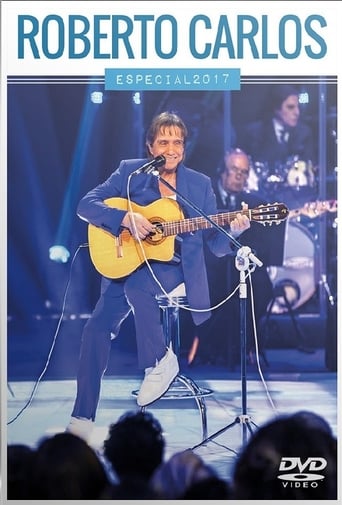
10.0No synopsis available yet.
Roberto Carlos Especial 2017 “ Esse Cara”
2017
 NR
NR"Duetos" is the sixth compilation by Brazilian musical artist Ivete Sangalo, released on May 5, 2010 by Universal Music. The collection brings together 16 duets that Ivete made throughout her career, from 1999 to 2009. It's an opportunity for fans to be close to the singer's unforgettable and memorable moments. Duets with Alejandro Sanz, Alexandre Pires, Gilberto Gil, Jorge Ben Jor, Roberto Carlos, Maria Bethânia, Sorriso Maroto, Zezé di Camargo & Luciano, among others.
Duetos
2010
 7.0
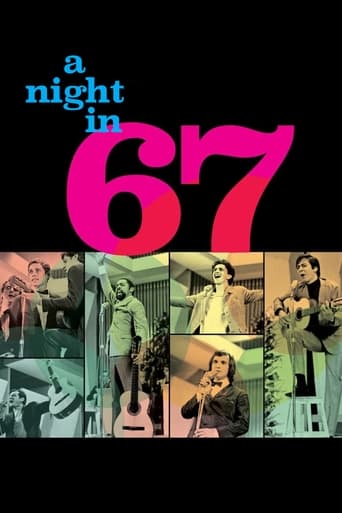
7.0In the 1970s, "festivals" were incredibly popular in Brazil, as they were recorded before a live studio audience, and usually featured a number of elimination rounds. They also formed the springboard for the career of many a big-name stars, such as Chico Buarque, Caetano Veloso, Roberto Carlos and Gilberto Gil. Appearing on such a program was no cakewalk, however: audiences could be as wild in their condemnation as in their appreciation of an artist. Extensive archive footage (including performances and behind-the-scenes interviews) from the turbulent final evening of the Festival of Brazilian Popular Music 1967 paints a fascinating picture, not only of the transformation of Brazilian music into real "festival" music, but also of a society starting to buck against the yoke of military rule.
A Night in 67
2010
Roberto Carlos, as every year, makes his Christmas' presentation for Rede Globo. In 2013 he sings classics and invites actresses and TV presenters to take the stage with him.
Roberto Carlos: 40 Anos Juntos
2013
 NR
NRThe documentary Rádio Nacional performs a precious sewing, with more than 40 testimonies, and with it weaves the rich plot of the greatest mass communication vehicle of all times, until it abruptly suffered the 1964 coup.
Rádio Nacional
2011
 5.0
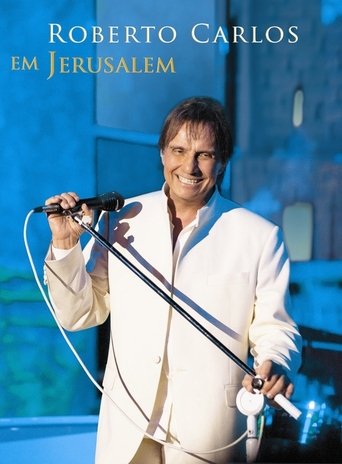
5.0No synopsis available yet.
Roberto Carlos em Jerusalém
2011
 NR
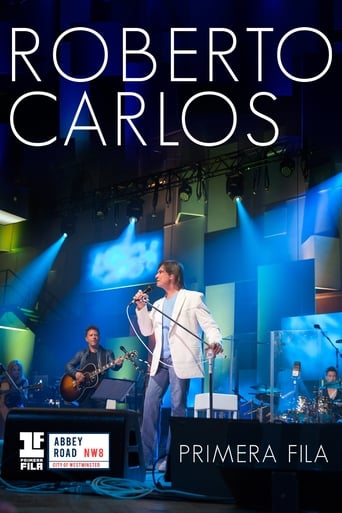
NRNo synopsis available yet.
Roberto Carlos - Primeira Fila
2015
 NR
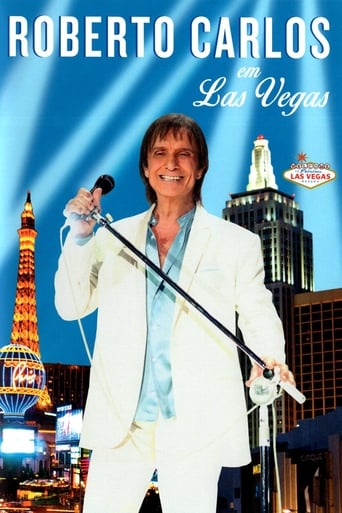
NRConcert recorded live at the MGM Grand Garden Arena in Las Vegas on September 6, 2014.
Roberto Carlos em Las Vegas
2015
2000s · 9 titles
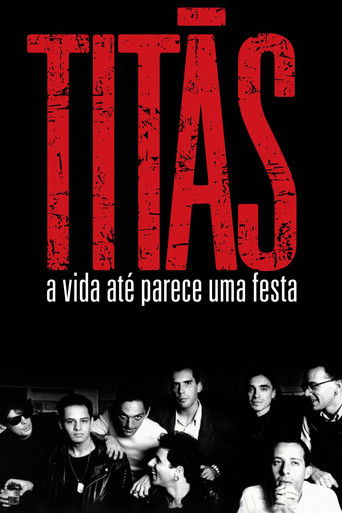 6.6
6.6Brazilian documentary that tells the story of Titãs, the most famous rock band in the country. The film was directed by one of the members, Branco Mello, using images recorded from the early 80's until the present day.
Titãs - A Vida Até Parece Uma Festa
2009
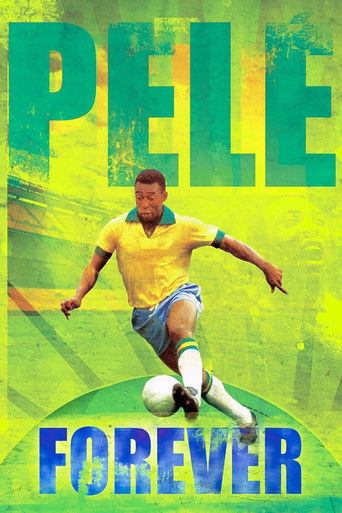 7.2
7.2The life of the "King of Football" Pelé is shown through testimonials from former players, friends and important celebrities of the time. Following a chronological order, several of his goals, key moves and facts that marked his career are displayed.
Pelé Forever
2004
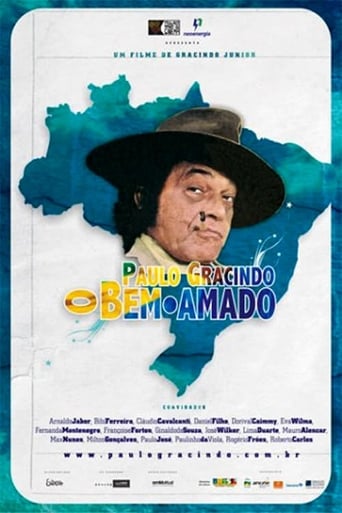 5.8
5.8The life of a famous Brazilian film and television actor, including testimonials from people who knew him and worked with him, as well as excerpts from films and videos in which he acted.
Paulo Gracindo - O Bem Amado
2009
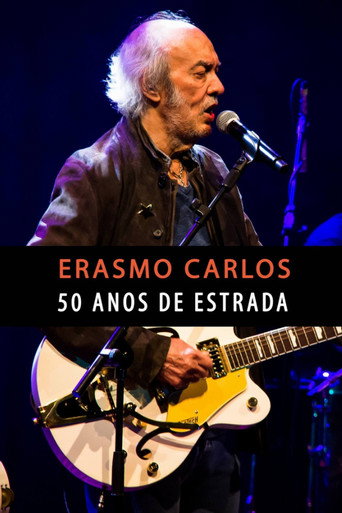 NR
NRTo mark his 50-year career, Erasmo Carlos hosts a celebration of the genre that launched him to stardom: rock 'n' roll.
Erasmo Carlos - 50 Anos de Estrada
2009
 NR
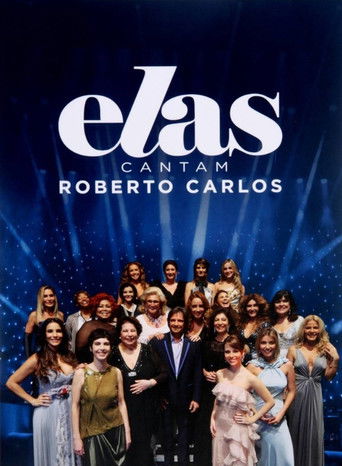
NRNo synopsis available yet.
Elas Cantam Roberto Carlos
2009
 6.8
6.8No synopsis available yet.
Acústico MTV: Roberto Carlos
2001
 4.0
4.0No synopsis available yet.
Roberto Carlos e Caetano Veloso - A Música de Tom Jobim
2008
 6.8
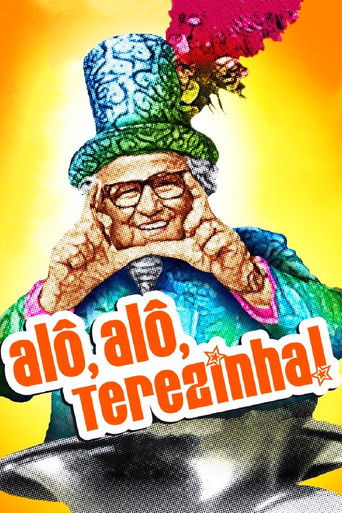
6.8Hello, Hello, Terezinha! is a feature-length documentary about the country's biggest communication phenomenon. Politically incorrect, radical, renewing, Chacrinha changed Brazilian television forever and expressed a Brazil that was around it, but was not perceived. The film tells the great adventure of Abelardo Barbosa through the eyes of the presenter. It gathers the nuclei of its constellation - chacretes, fledglings and artists who passed through its programs - to identify their individualities and their emotions.
Hello, Hello, Terezinha!
2009
 5.0
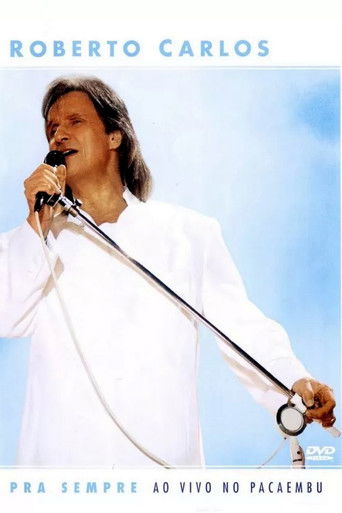
5.0Roberto Carlos' first DVD recorded live, with 35,000 fans at the Pacaembu stadium in Sao Paulo, Brazil, on October 26, 2004.
Roberto Carlos: Pra Sempre - Ao Vivo no Pacaembu
2004

1970s · 3 titles
 5.6
5.6A statuette bought in an antique shop in Tokyo may lead to the discovery of a great treasure.
Roberto Carlos e o Diamante Cor-de-Rosa
1970
 5.9
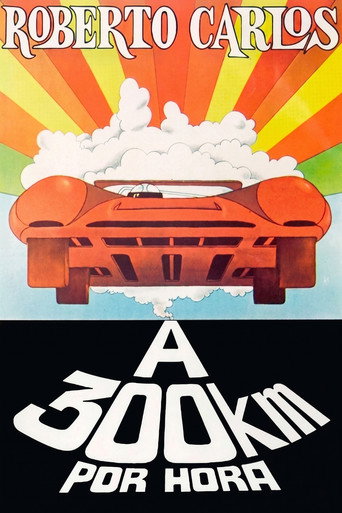
5.9A mechanic who wants to become a race car pilot has his great opportunity when he has to take the place of another pilot who had suffered an accident.
Roberto Carlos a 300 Quilômetros por Hora
1971
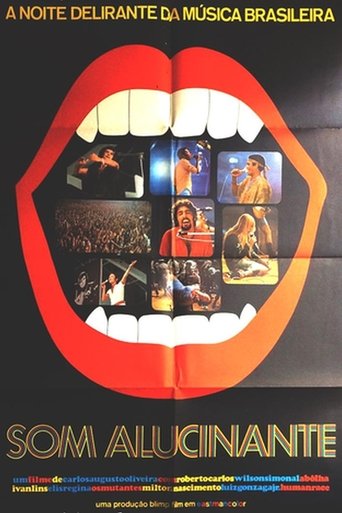 10.0
10.0No synopsis available yet.
O Som Alucinante
1971
1960s · 3 titles
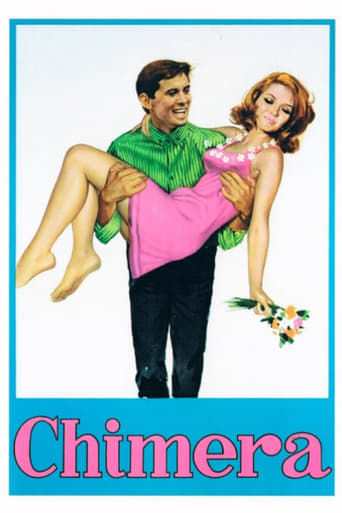 6.8
6.8No synopsis available yet.
Chimera
1968
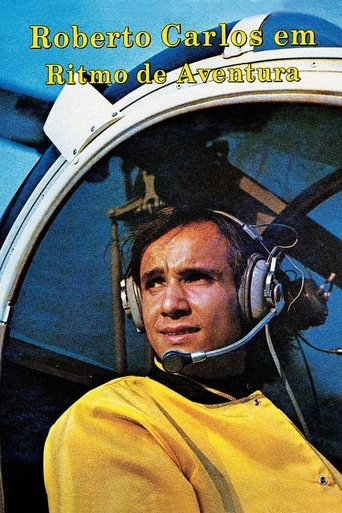 5.9
5.9While making a movie in Rio de Janeiro, the singer Roberto Carlos is kidnapped by an international gang that wants to make money with his songs in a computer, together with Pierre, the villain of the movie, and sent to New York.
Roberto Carlos, Looking for Adventure
1968
No synopsis available yet.
Opção
1967
1950s · 1 titles
Series credits
8.0Os Trapalhões was a Brazilian comedy group and also a Brazilian television series created by Wilton Franco. Its members were Dedé Santana, Zacarias, Mussum and their leader Didi Mocó, that was played by Renato Aragão. The name Trapalhões is derived from the Portuguese verb atrapalhar, which means the opposite of helping, to do something the wrong way or to Those that confuse. The name is translated "Tramps" in English DVD subtitles. It was aired by Rede Globo from 1977 to 1999. On March 18, 1990, Zacarias died due to respiratory failure, but the group and the series didn't come to an end until July 29, 1994, when Mussum died due to an unsuccessful heart transplant.
The Trapalhões
1977
7.7A successful businesswoman in the music industry sees her life fall apart after a young and mysterious woman starts work as her secretary. The scheming girl is totally obsessed by the famous businesswoman and she tries to steal everything from her, including her career.
Celebrity
2003
7.5A French variety show.
Numéro un
1975
4.7A yearly musical contest organized by the municipality of Viña del Mar, Chile which takes place during the last week of February at the Quinta Vergara Amphitheater since February 21, 1960.
Viña del Mar International Song Festival
1963
7.0No synopsis available yet.
Hebe
1966
7.0The telenovela tells the story of Pedro, a young singer seeking recognition and success. The son of Celso and Anita leaves his parents' home when he discovers that his brother Claudio has become involved with his girlfriend Selma. The singer then goes to live in a student community, where he meets the siblings Bruno, a composer, and Nina. Pedro and Bruno begin a professional partnership. Nina ends up falling in love with the singer, but is torn between him and the former seminarian Chico.
O Amor é Nosso!
1981
 NR
NRNo synopsis available yet.
Sessão +SBT
2026
 7.7
7.7In 1992, actress and dancer Daniella Perez was murdered by her co-star, Guilherme de Pádua and his wife, Paula Thomaz, in a cruelly premeditated crime. The untimely death of the 22-year-old, daughter of Brazilian author and producer, International Emmy winner Gloria Perez, shocked the country, gained notoriety and occupied the front pages of national newspapers for years.
A Brutal Pact: The Murder of Daniella Perez
2022
 7.4
7.4No synopsis available yet.
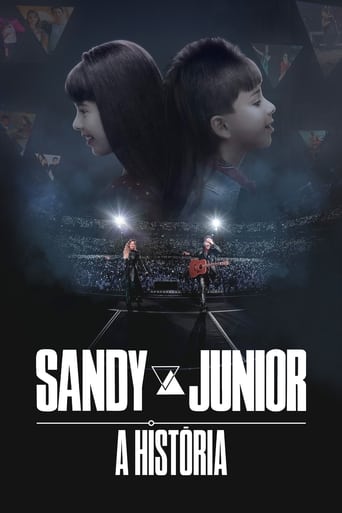
Sandy & Junior: A História
2020
 9.0
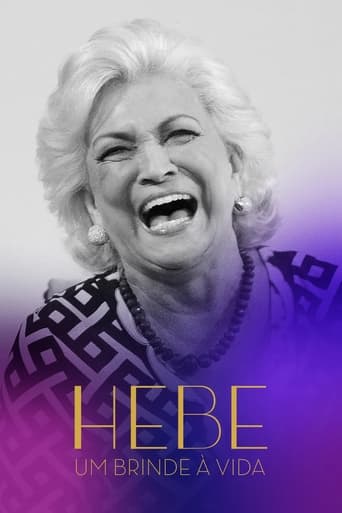
9.0Hebe's story confounds with that of Brazilian TV. Find out what she was like behind the cameras: her passions, disappointments and how she became one of the greatest icons of Brazil.
Hebe: Um Brinde à Vida
2022
 NR
NRNo synopsis available yet.
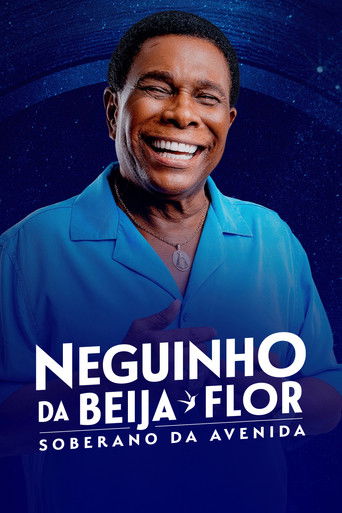
Neguinho da Beija-Flor - Soberano da Avenida
2025
 NR
NRNo synopsis available yet.
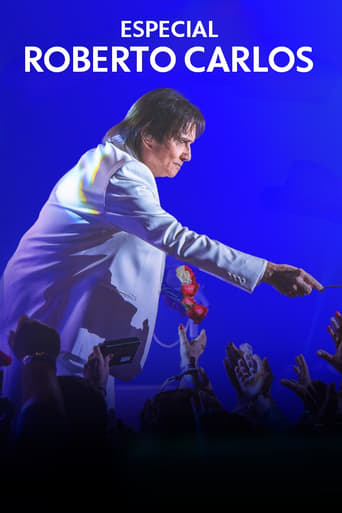
Especial Roberto Carlos
1974