
Writing
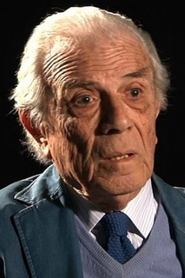
Henri de Turenne
Born — Died
1921-11-19 — 2016-08-23
Place of birth
Tours, Indre-et-Loire, France
Known for
Writing
Credits
11 titles
Henri de Turenne (19 November 1921 – 23 August 2016) is a French journalist and screenwriter. He was born in Tours. The son of Armand de Turenne, a World War I flying ace, he was raised in Germany and French Algeria, both countries becoming central creative themes in his adult work. After the Second World War, de Turenne worked as a journalist for Agence France-Presse, Le Figaro, France Soir, and ORTF, reporting from Allied-occupied Germany, covering the Korean War and the Algerian War, and, in 1952, winning the Prix Albert Londres. Since the mid-1960s, he worked primarily in television, notably on the French Grandes Batailles series for Pathé, making over a hundred documentaries. He won an …
Known for
 8.7
8.7No synopsis available yet.
Cinépanorama
1956
 NR
NRNo synopsis available yet.
Pour le plaisir
1964
 7.5
7.5A second-class horror movie has to be shown at Cannes Film Festival, but, before each screening, the projectionist is killed by a mysterious fellow, with hammer and sickle, just as it happens in the film to be shown.
Fear City: A Family-Style Comedy
1994
 NR
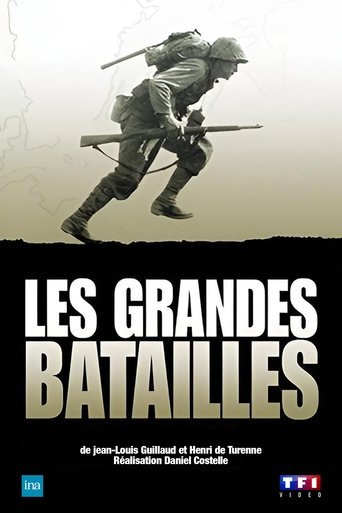
NRLes Grandes Batailles is a series of historical television programs by Daniel Costelle, Jean-Louis Guillaud, and Henri de Turenne, broadcast on French television in the 1960s and 1970s, depicting the major battles of World War II, as well as the Nuremberg Trials. The project for the series actually began with an official government commission for a program on the Battle of Verdun in 1966. Ten other programs about World War II followed. The writers and producers of the series were Henri de Turenne and Jean-Louis Guillaud, both journalists. They entrusted the production of the series to the young director Daniel Costelle.
Les Grandes Batailles
1966
 8.0
8.0No synopsis available yet.
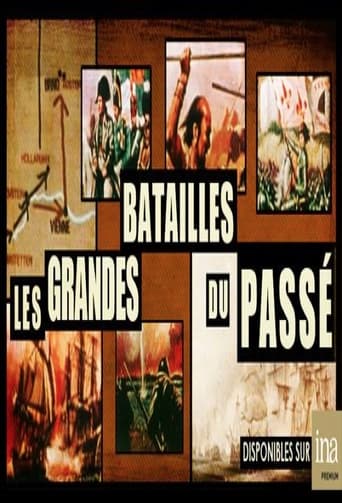
Les Grandes batailles du passé
1973
 6.0
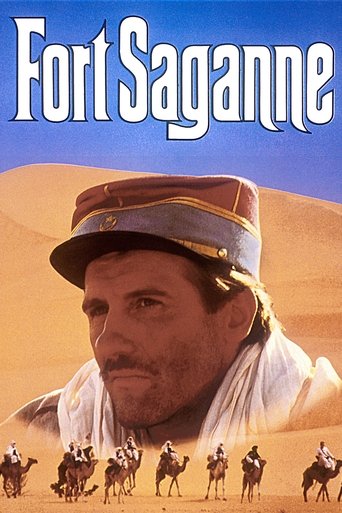
6.0In 1911, a willful and determined man from peasant stock named Charles Saganne enlists in the military and is assigned to the Sahara Desert under the aristocratic Colonel Dubreuilh.
Fort Saganne
1984
Film credits
Series credits
8.7No synopsis available yet.
Cinépanorama
1956
NRNo synopsis available yet.
Pour le plaisir
1964
NRLes Grandes Batailles is a series of historical television programs by Daniel Costelle, Jean-Louis Guillaud, and Henri de Turenne, broadcast on French television in the 1960s and 1970s, depicting the major battles of World War II, as well as the Nuremberg Trials. The project for the series actually began with an official government commission for a program on the Battle of Verdun in 1966. Ten other programs about World War II followed. The writers and producers of the series were Henri de Turenne and Jean-Louis Guillaud, both journalists. They entrusted the production of the series to the young director Daniel Costelle.
Les Grandes Batailles
1966
8.0No synopsis available yet.
Les Grandes batailles du passé
1973
Behind the camera
6.0In 1911, a willful and determined man from peasant stock named Charles Saganne enlists in the military and is assigned to the Sahara Desert under the aristocratic Colonel Dubreuilh.
Fort Saganne
1984
 NR
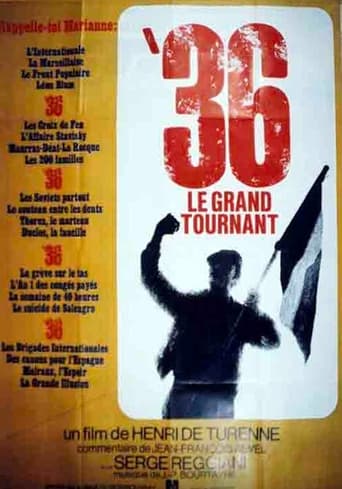
NRBased on a montage of photographic and cinematographic archives, this documentary evokes, from the demonstrations of February 1934 to the resignation of the government of Léon Blum, passing through the great moments of the Popular Front, the climate of a time when the destiny of France and Europe will switch. The simply edited images are accompanied by a rigorous commentary, mixed with sound documents and texts by famous writers.
36, le grand tournant
1970
In the 18th century, the peasants of the forest of Rennes were oppressed by the Regent in the name of taxation. Their lord, the Marquis de Trémi, goes to Paris to denounce these abuses.
Le Loup blanc
1977
Political history of the 1930s in France.
De l'internationale à la marseillaise
1969
Political history of the 1930s in France.
De l'internationale à la marseillaise
1969