Acting
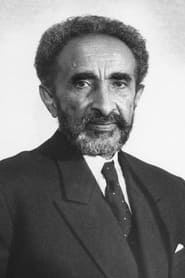
Emperor Haile Selassie I of Ethiopia
Born — Died
1892-07-22 — 1975-08-26
Place of birth
Harar, Ethiopia
Known for
Acting
Credits
18 titles
Haile Selassie I was Emperor of Ethiopia from 1930 to 1974. He rose to power as Regent Plenipotentiary of Ethiopia (Enderase) for Empress Zewditu from 1916. He is widely considered a defining figure in modern Ethiopian history, and the key figure of Rastafari, a religious movement in Jamaica that emerged shortly after he became emperor in the 1930s. He was a member of the Solomonic dynasty, which claims to trace lineage to Emperor Menelik I, believed to be the son of King Solomon and Makeda the Queen of Sheba.
Known for
 7.0
7.0World in Action was Granada Television’s flagship ITV current affairs series, running from 7 Jan 1963 to 7 Dec 1998, and built a reputation for film-led investigative reporting and a forceful editorial stance. Its journalism produced major public and political repercussions—including investigations associated with miscarriages of justice such as the Birmingham Six—and it also served as a platform for landmark documentary projects, including the first broadcast of “Seven Up!” as part of the strand in 1964.
World in Action
1963
 7.2
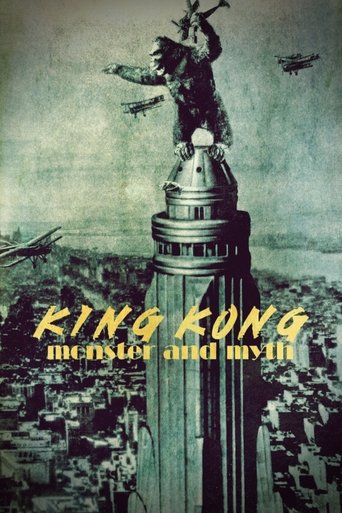
7.2In 1933, Merian C. Cooper and Ernest B. Schoedsack, two audacious and visionary directors, dared to create a motion picture that eclipsed everything seen until then: when King Kong was released, it was celebrated as an artistic and technical revolution and became the first myth created by the young cinematic art.
King Kong: Monster and Myth
2024
 5.5
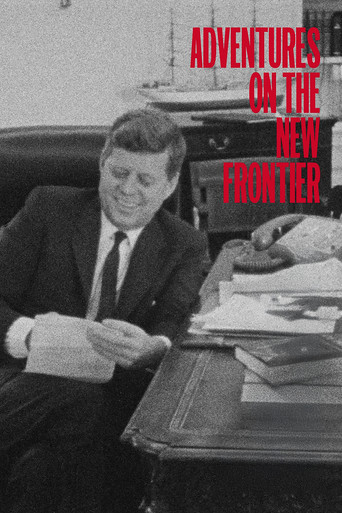
5.5A look at the daily business of U.S. President John F. Kennedy, with a focus on some of the political issues he faces six weeks into his term. Preserved by the Academy Film Archive in 2007.
Adventures on the New Frontier
1961
 NR
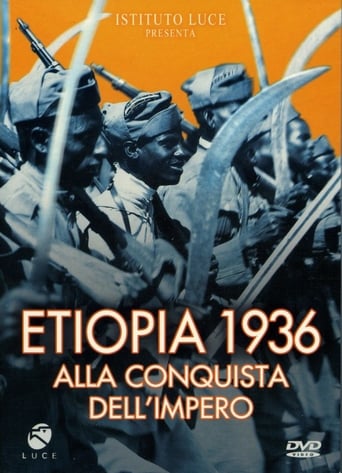
NRBy means of a chronological arrangement of historical video material from the Istituto Luce archives, it tells the story of Fascist Italy's ambitions in Africa and the role they played in shaping fascist ideology and the stance of the fascist regime in the Western world at the height of the age of colonialism and aggressive European expansionism.
Etiopia 1936: alla conquista dell'impero
2004
 6.4
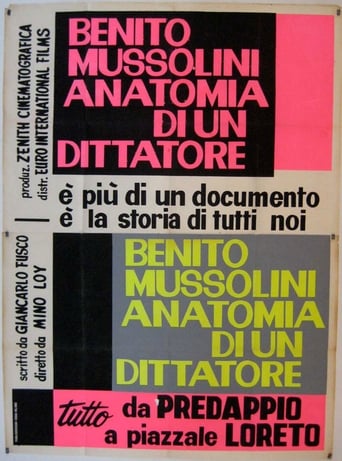
6.4No synopsis available yet.
Benito Mussolini: Anatomy of a Dictator
1962
 6.5
6.5The fascinating story of the rise to power of dictator Benito Mussolini (1883-1945) in Italy in 1922 and how fascism marked the fate of the entire world in the dark years to come.
The March on Rome
2022
Film credits
2020s · 2 titles
7.2In 1933, Merian C. Cooper and Ernest B. Schoedsack, two audacious and visionary directors, dared to create a motion picture that eclipsed everything seen until then: when King Kong was released, it was celebrated as an artistic and technical revolution and became the first myth created by the young cinematic art.
King Kong: Monster and Myth
2024
6.5The fascinating story of the rise to power of dictator Benito Mussolini (1883-1945) in Italy in 1922 and how fascism marked the fate of the entire world in the dark years to come.
The March on Rome
2022
2000s · 2 titles
NRBy means of a chronological arrangement of historical video material from the Istituto Luce archives, it tells the story of Fascist Italy's ambitions in Africa and the role they played in shaping fascist ideology and the stance of the fascist regime in the Western world at the height of the age of colonialism and aggressive European expansionism.
Etiopia 1936: alla conquista dell'impero
2004
 6.5
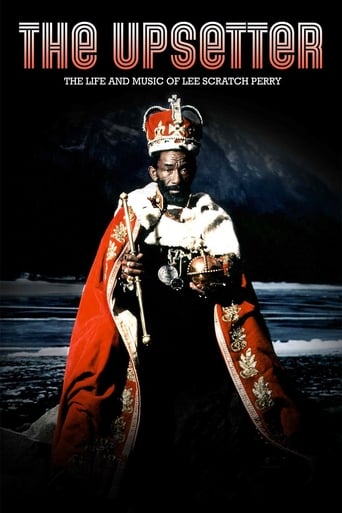
6.5The Upsetter tells the fascinating story of Lee Scratch Perry a visionary musician and artist from poor rural Jamaica who journeyed to the big city of Kingston in the late 1950’s with dreams of making it in the burgeoning record industry. He burst upon the scene with a brand new sound, inventing a genre of music that would come to be called Reggae, discovering a young Bob Marley and gaining international recognition as a record producer and solo artist. Soon he was being called upon by artists as diverse as The Clash and Paul McCartney to provide his unique sound.
The Upsetter: The Life and Music of Lee Scratch Perry
2008
1970s · 3 titles
 NR
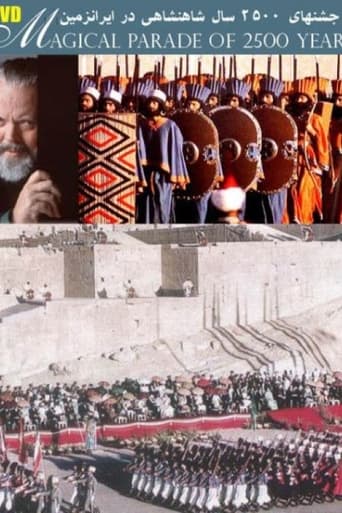
NRA film documenting the exorbitant 2,500-year celebration of the Persian Empire, held in October 1971, organized by Shah Mohammad Reza Pahlavi, and attended by leaders from around the world.
Flame of Persia
1971
About the difficult political situation in the world related to the arms race.
Madness. Reflections on the Cost of Murder
1979
 NR
NRJonathan Dimbleby’s landmark 1973 documentary “The Unknown Famine” stands as a pivotal moment in Ethiopian history—a journalistic endeavour that not only exposed a humanitarian crisis but inadvertently helped precipitate the end of Africa’s oldest monarchy. The footage was broadcast by ITV for its flagship affairs series named "This Week".
The Unknown Famine
1973
1960s · 5 titles
5.5A look at the daily business of U.S. President John F. Kennedy, with a focus on some of the political issues he faces six weeks into his term. Preserved by the Academy Film Archive in 2007.
Adventures on the New Frontier
1961
6.4No synopsis available yet.
Benito Mussolini: Anatomy of a Dictator
1962
 NR
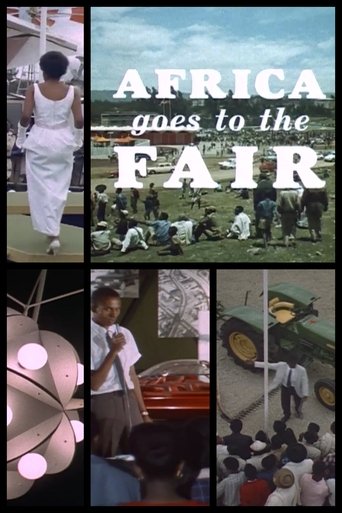
NR"This film depicts modern American products and U.S. economic development through the U.S. national exhibit at the 1966 trade fair in Addis Ababa, Ehtiopia, which was attended by 360,000 Africans (including children from the Haile Selassie I Day School, who toured the exhibition as part of a classroom assignment)" (US National Archives). Directed by renowned cinematographer, Stevan Larner.
Africa Goes to the Fair
1966
 7.0
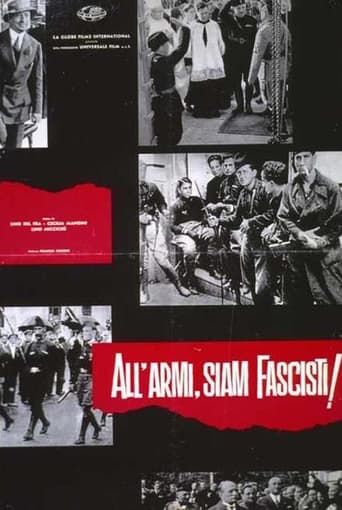
7.0Documentary compiled from archives and accompanied by a poet's commentary, shows the sweep of modern Italian history from 1911 to 1961, centering on the conditions leading to Fascism and the post-WWII reaction to the Fascist experience.
To Arms, We Are Fascists!
1962
First portrait of Negus Hailé Selassié made by Italian television. The descendant of the Solomonid lineage, the last emperor of Ethiopia, forced into exile by the fascist invasion between 1936 and 1941, when he returned to his country after the liberation of the Allied Forces. In 1965 Selassié, considered a new messiah for Rastafarianism, was still in office, the empire of Ethiopia ending in 1974, a year before his death. (1965)
Primo Piano: Hailé Selassié, imperatore d'Etiopia
1965
1950s · 2 titles
 NR
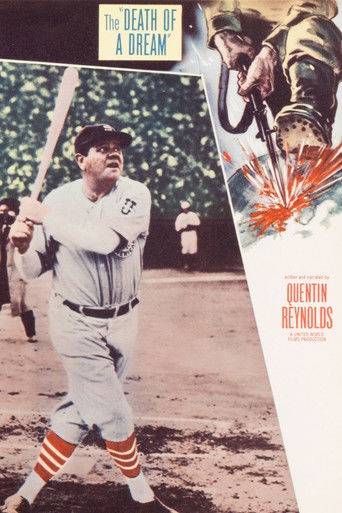
NRCautionary documentary warning of the perils of Communism and nuclear war, forcefully written and narrated by Quentin Reynolds, it was one of the earliest to depict Communism as an immediate threat to "peace, democracy and security."
Death of a Dream
1950
 7.0
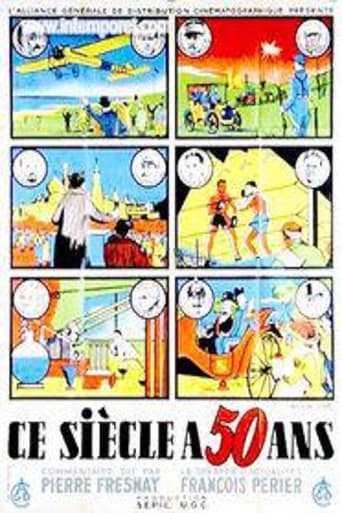
7.0As the title of this French documentary indicates, Ce Siecle a 50 Ans examines the 20th Century at its halfway point. Utilizing the archives of several European film reserves, director Denise Tua offers a fascinating mosaic of the people and events that shaped the years 1900 to 1950. Complementing the vintage film clips are three dramatized sketches, delineating the romantic customs of three different points in time. These sketches are inadequately performed, and can easily be ignored. Ce Siecle a 50 Ans both preserved and provided celluloid material for scores of future documentaries.
The Century Is Fifty
1950