
Acting
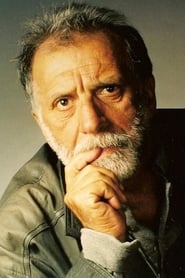
Guará Rodrigues
Born — Died
1943-01-01 — 2006-02-21
Place of birth
Belo Horizonte, Brazil
Known for
Acting
Credits
58 titles
Guaracy Rodrigues, known as Guará (Belo Horizonte, 1943 — Rio de Janeiro, February 21, 2006) was a Brazilian actor, art director and film director. Known for his small roles and cameos throughout his more than 40 years as an actor, he is considered one of the most important figures in the history of marginal cinema.
Known for
 7.0
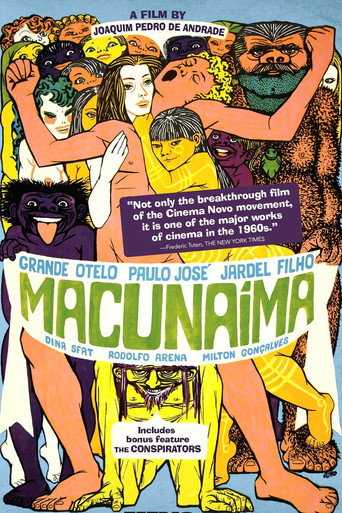
Born a fully grown black man in a village in the Brazilian jungle, Macunaíma later magically transforms into a white man before making an adventure-filled trip to the city of São Paulo. Once there, he becomes something of a dandy, falling in love with Ci, a revolutionary who dies in an accidental bombing. After robbing a ruthless industrialist, Macunaima returns to his village where he finds his newly acquired knowledge and possessions of little use.
Macunaima
1969
 5.9
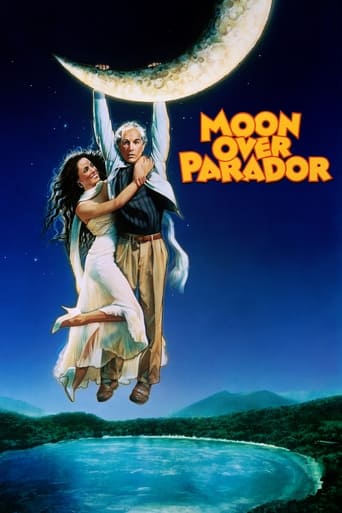
Underappreciated actor Jack Noah is on location in Parador at the time the dictator dies. The dictator's right-hand man makes Jack an offer he cannot refuse... to play the dictator. Jack's acting skills fool the masses but not close friends and employees of the dictator.
Moon Over Parador
1988
 6.8
Santamaria and Urtigo are two bandits on the run, one is white, the other black. Santamaria is a mystical visionary and believes in the imminent coming of a purifying angel. Urtiga, his inseparable companion, is a simple-minded and ingenious man who follows Santamaria around and participates in the crimes he commits. The two bandits take over a house after kidnapping its owner and his girlfriend.
The Angel Was Born
1969
 5.5
In Rio de Janeiro, after an altercation with his father and mother, a young man named Bebeto kills his family and goes to a movie theater, where he watches four weird vignettes.
Killed the Family and Went to the Movies
1991
 4.5
Young guy from the poor Northeast region of Brazil comes to Rio de Janeiro to try his luck. Naturally, he is faced with many adversities along the way.
The Adventures of a Paraíba
1982
 6.1
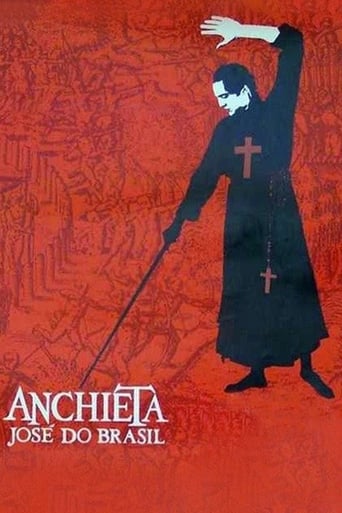
Life and death of the jesuit who fought for the peaceful relationship between colonists and the indigenous peoples of Brazil.
Anchieta, José do Brasil
1977
Film credits
2020s · 2 titles
 9.0
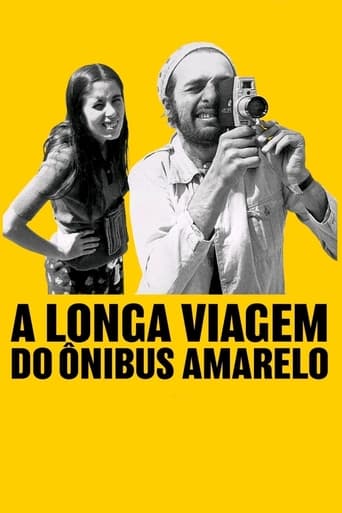
For this behemoth, Bressane took his opera omnia and edited it in an order that first adheres to historical chronology but soon starts to move backwards and forward. The various pasts – the 60s, the 80s, the 2000s – comment on each other in a way that sheds light on Bressane’s themes and obsessions, which become increasingly apparent and finally, a whole idea of cinema reveals itself to the curious and patient viewer. Will Bressane, from now on, rework The Long Voyage of the Yellow Bus when he makes another film? Is this his latest beginning? Why not, for the eternally young master maverick seems to embark on a maiden voyage with each and every new film!
The Long Voyage of the Yellow Bus
2023
 NR
1972. A Kombi travels from Amsterdam to Goa, India. This journey is the raw material for Boom Shankar, the only film directed by Guará Rodrigues, a mythical character in Brazilian cinema, both as an actor and behind the camera, as an assistant to some of the greatest directors of the period. That film disappeared before its release, but some recently found fragments are combined with testimonies from members of the trip that recover the libertarian and pioneering spirit of the time.
Boom Shankar – O Filme Perdido do Guará
2024
2010s · 2 titles
 3.5
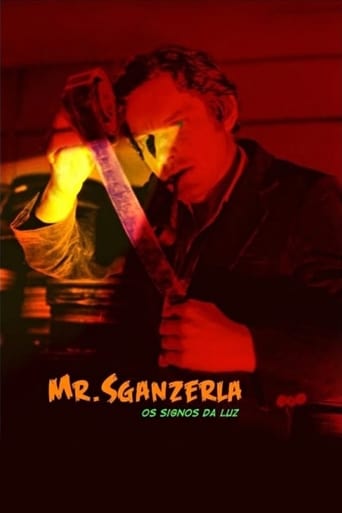
A documentary on prolific underground Brazilian filmmaker Rogério Sganzerla.
Mr. Sganzerla: Os Signos da Luz
2012
 4.7
A curious couple, whose existence takes place where art arises along a singular metaphysical desire. They search for it through repeated and varied representations, in a setting of light where hope and desperation blend together.
Beduíno
2016
2000s · 6 titles
 4.6
In search of a powerful hallucinogenic, five friends embark on a dangerous journey deep into the Amazon. But a bad trip isn't the only threat as they discover when they stumble across the hidden camp of the crazed Dr. Moreau and his murderous animal-human hybrid creations.
A Werewolf in the Amazon
2005
 5.4
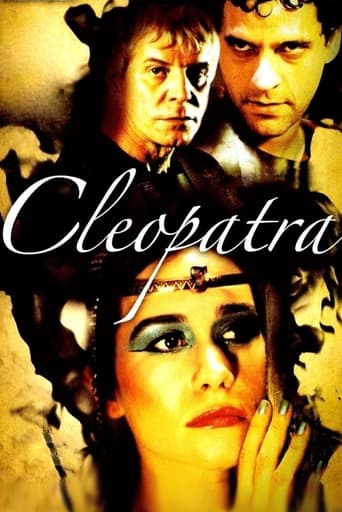
The great battles are the backdrop for the unfolding of the Egyptian Queen's personal life. The strategy of Cleopatra is to seduce the Roman General Julius Caesar and Mark Antony to protect their civilization.
Cleopatra
2007
 5.0
A short documentary on Belair, an independent Brazilian film company that lasted for only five months in 1970.
A Miss e o Dinossauro
2005
Zé Rocha is a director trying to shoot his first film. He dreams of making a professional movie, and starts shooting in 35mm. But as his budget begins to fade, he changes to Black-and-White, then gradually down to 16mm, Super-8 and, in the end, to his despair, to the video format. With the help of Edna Marla, producer who is searching for the Holy Grail of a genuinely 100% Brazilian celluloid; Dona Martírio, his mother, former left-wing activist; Guará Rodrigues, an underground Brazilian movie star; and Lila Lessa, who stars in a 6 p.m. soap opera, they develop strategies and outlandish plans to win the insane battle of filmmaking in Brazil.
Samba Chanson
2002
 NR
Slowly we recognize traces of a couple's history. Joana, living isolated in an apartment between books and mysteries searching for an "ideal world" and Jota living on the streets searching for a confrontation with the real and trying to give back the final word to the "other"..
O Quadrado de Joana
2007
 7.2
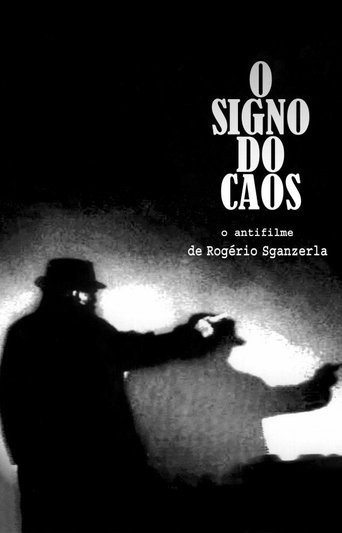
A customs agent, Dr. Amnésio, examines some reels of film, a documentary Orson Welles made about Brazil, and tries to confiscate the material. Then, a party in which repression agents celebrate their victory against freedom and creativity.
The Sign of Chaos
2003
1990s · 14 titles
5.5In Rio de Janeiro, after an altercation with his father and mother, a young man named Bebeto kills his family and goes to a movie theater, where he watches four weird vignettes.
Killed the Family and Went to the Movies
1991
 NR
"Portraits and excerpts from Brazilian films from all times. Actors, directors and images that affirm cinema."
Celebração - 100 Anos do Cinema Nacional
1997
At same time as it dives into excess and violence of Brazilian reality, Curra Urbana tri to insert itself in anti ilusionist modern aesthetic reinstarting a dialogue from Jean Luc Godard and some of later Brazilian apropriators especially those of Cinema Marginal.
Curra Urbana
1998
 7.0
Movie director gets crazy while shooting a film, and goes to a mental institution. There, he leads a revolt, kidnapping a group of Human Rights activists and demanding a camera as ransom.
Louco por Cinema
1994
 6.6
Daniel is a taxi driver who’s married to Adalgisa. When she starts acting in low-budget movies, he forbids her from seeing their son, Joaquim. For more than a decade, Daniel nurtures a feeling of revenge for his ex-wife, which gains strength when their now adult son finds his mother in full professional decay.
Scent of Gardenias
1992
 9.0
Collective film with five segments around the works and life of brazilian writer Oswald de Andrade.
Oswaldianas
1992
 NR
No synopsis available yet.
Uma Vida Dividida
1999
 4.6
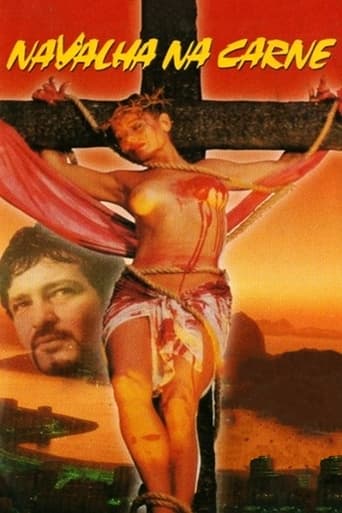
The story of three characters in a brothel room: the prostitute Neusa Sueli, the gigolo Vado and the homosexual Veludo speak of their lives and expose their marginality.
Razor in the Flesh
1997
 NR
Aroeiras is a fictional city in the northeastern interior of Brazil where Genésio lives. Old, widowed, retired and childless, he fills his loneliness drinking and dreaming of the nostalgic heroism of cangaceiros (northeastern outlaws) and the love of Rosália. His friend Baltazar, a peasant leader, does not believe in myths of the past. He believes that organized political struggle is the only possible way to change things and he is looking for new ways to fight the powerful.
A Saga do Guerreiro Alumioso
1993
 4.8
The history of Brazilian popular music in the 20th Century, focusing specially on the life and works of intriguing singer Mário Reis, a loner who, with his special way of singing - whispering and softly saying the words - in a time when singers with potent voices ruled, was in a way a forerunner of Bossa Nova style.
The Mandarin
1995
 10.0
In a Rio de Janeiro after the catastrophe, only the hills were immune to a flood that left the asphalt submerged. While the Navy is rationing provisions and some are sacrificing themselves to avoid starvation, a diver goes to the bottom of the sea and finds a submerged civilization there.
Oceano Atlantis
1993
 7.5
A day in the life of a young man who aspires to be a filmmaker in Belo Horizonte. He is aware that there are many obstacle to shooting and the city is just one of them. He is not giving up, at least not without rebelling...
A Hora Vagabunda
1998
 8.0
Documentary that addresses, through the testimony of directors and actors, the work of Dib Lutfi, considered one of the greatest photographers of Brazilian cinema.
Dib
1997
 7.0
Loosely based on an Oswald de Andrade screenplay, "Perigo Negro" is a segment of anthology film "Oswaldianas" which deals with a uprising soccer player who has his career spoiled by a unscrupulous gambler
Perigo Negro
1992
1980s · 15 titles
5.9Underappreciated actor Jack Noah is on location in Parador at the time the dictator dies. The dictator's right-hand man makes Jack an offer he cannot refuse... to play the dictator. Jack's acting skills fool the masses but not close friends and employees of the dictator.
Moon Over Parador
1988
4.5Young guy from the poor Northeast region of Brazil comes to Rio de Janeiro to try his luck. Naturally, he is faced with many adversities along the way.
The Adventures of a Paraíba
1982
 6.9
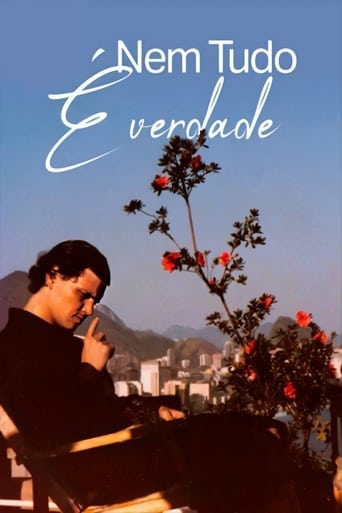
Orson Welles goes to Brazil to shoot his documentary It's All True.
It's Not All True
1986
 6.1
Noronha is a low middle-class civil servant who lives with his frustrated wife Gorda and their four eldest daughters. The youngest one, virginal Silene, is unexpectedly sent back from boarding school after killing a female cat and her seven newborns in a hysterical fit. Many dark family secrets will emerge from that episode leading to tragic events.
The Seven Kittens
1980
 5.5
A public relations man is invited to guide an American millionaire during his stay in Rio de Janeiro. He gets involved in the most bizarre situations, from orgiastic mega-parties to confrontations with the police, meetings with drug dealers and movie stars, facing corruption and even murder.
Rio Babilonia
1982
 8.2
French poet Blaise Cendrars arrives by sea on the city of Rio de Janeiro and lives s life of bohemian parties during the celebration of carnaval.
Um Filme 100% Brasileiro
1985
 6.3
Based upon the life story of Father Antonio Vieira, born in Lisbon in 1608 and deceased in Salvador, Bahia, in 1697. He's considered the first Brazilian writer and one of the most important aesthete of linguistic and of the Portuguese language of all times, a master in the art of metaphor, of verbal relations and analogy. He was persecuted and condemned by the Portuguese Court of Inquisition due to his position against native slavery, against the intolerance to the Jewish people and to the colonial politics of exploration.
Sermões
1989
 6.0
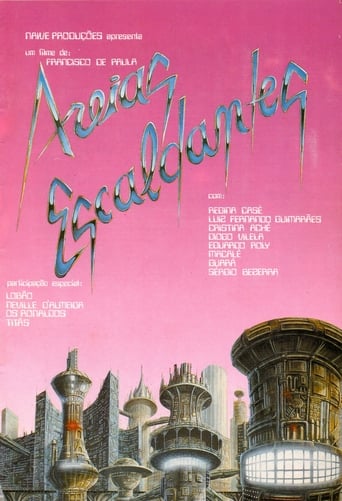
In the near future, in the country of Kali, a group of young terrorists carry out robberies, kidnappings and murders under the orders of a mysterious big boss known as "Entity" and are pursued by the pompous and inefficient Special Police.
Areias Escaldantes
1985
 5.7
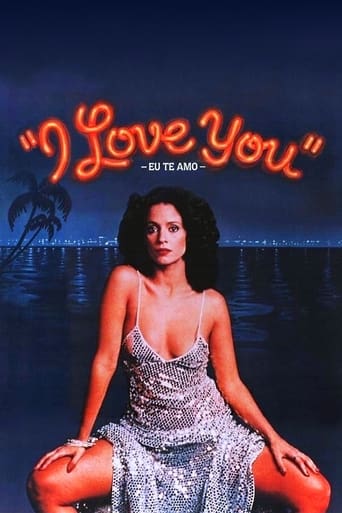
After the collapse of their relationships with other people, Maria and Paulo embark in an intense relationship in order to shield themselves from loneliness.
I Love You
1981
 6.3
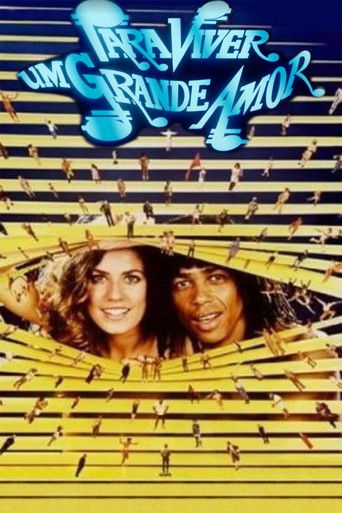
Poor people who live in the slums in Rio de Janeiro decide to occupy an empty apartment building in the rich part of the city. Meanwhile, a rich girl falls in love with a poor composer. Based on the musical play "Pobre Menina Rica", by Vinícius de Moraes and Carlos Lyra.
Para Viver Um Grande Amor
1984
 5.0
Fantasy comedy about Brazilian writer Oswald de Andrade, one of the most important icons of Modernism in Brazil. In the film, Oswald is played by two actors: Ítala Nandi, as his feminine anima, and Flávio Galvão, as the masculine half.
The Brazilwood Man
1982
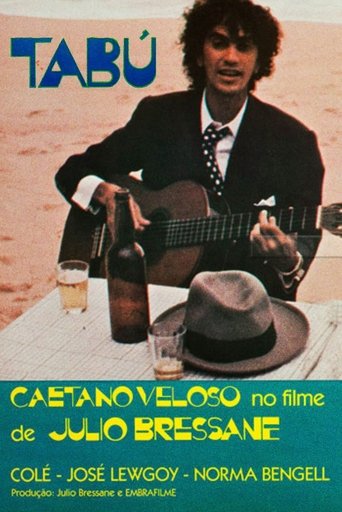 6.5
The fictional encounter in Rio de Janeiro, Brazil (in the 30s) between popular songwriter Lamartine Babo and inconoclast poet and playwright Oswald de Andrade.
Tabu
1983
 4.0
Somwhere in the city of Porto Alegre, a man who has lost his memory is questioned by a group of police officers about the barbaric murder of a socialite. Without recognizing himself in the documents he carries in his pocket, he wanders through the underworlds of the city in search of an answer.
Noite
1985
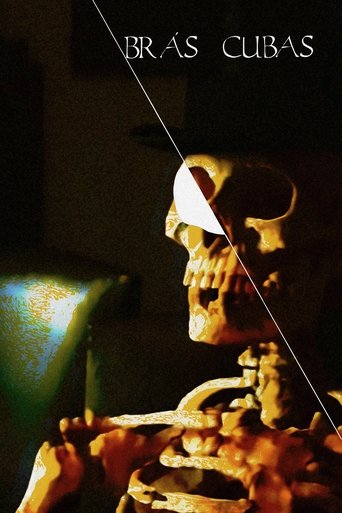 6.5
Irreverent adaptation of great writer Machado de Assis's masterpiece "Memórias Póstumas de Brás Cubas" ("Brás Cubas's Posthumous Memories"). A dead man tells about his love life and adventures, specially his affair with Virgília, a dubious married woman.
Brás Cubas
1985
 4.4
Dede (Guilherne Fontes) is a Brazilian teen who lives with his middle-class grandparents who are members of the local communist party. When his grandmother dies, his grandfather's health soon fades to the point where he can't speak or walk. The local party officials ask Dede to continue to family tradition and take over his grandfather's position of social authority, but when Dede is introduced to cocaine by his best friend Alpino (Marcos Palmeira), the attraction to drugs is more appealing to him than political activism.
Dedé Mamata
1988
1970s · 11 titles
6.1Life and death of the jesuit who fought for the peaceful relationship between colonists and the indigenous peoples of Brazil.
Anchieta, José do Brasil
1977
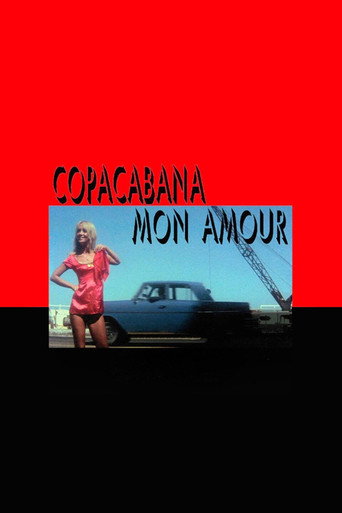 7.3
Sônia and her homosexual brother are both believed by their mother to be possessed by the devil. She works as a prostitute in the streets of Copacabana and he’s a servant who falls madly in love with his employer.
Copacabana Mon Amour
1970
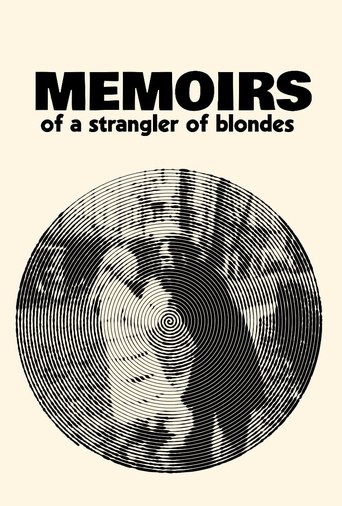 7.4
First film by Julio Bressane shot in exile, "Memoirs" is a film about a man who repeatedly kills the same type of woman in same places, the same way. Filmed on the streets of London.
Memoirs of a Strangler of Blondes
1971
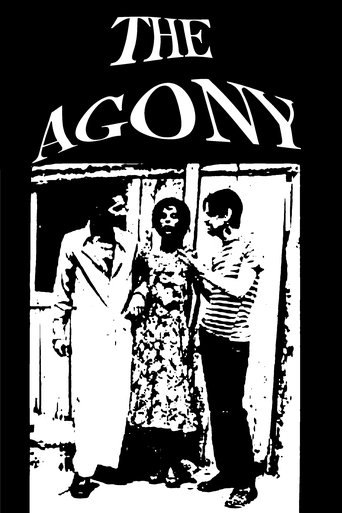 7.8
Cropped hair, a rosemary branch behind the ear, yellow shirt of shiny satin, he's behind the wheel of his car when passing by a woman who walks by the roadside. Strongly painted lips, printed dress with round skirt and red shoes matching the color of the lipstick, she catches his attention. He gives her a ride, the two of them stare in silence for a few moments. They introduce themselves to one another and between the two establishes an absurd dialogue and full of metaphors. And they are driving around in corners of Rio de Janeiro, to the sound of Noel Rosa and Lamartine Babo. Eva and Antena, she a seer, he, an assassin on the run, initiate an unusual case of love, a marginal love, where boredom often gives way to tragedy, creating the agony of a holiday spent in an abyss.
The Agony
1976
 5.7
A dysfunctional family, composed of a prostitute and two gay men, one strong and the other fragile and stupid, lives a routine life in Rio de Janeiro. When the slut threatens the other two to stop supporting them, they decide to find an odalisque as an alternative to keep their easy life.
The Rowdy Family
1970
 5.0
The idiosyncratic adventures of a group of individuals who share the same house.
Madrepérola
1978
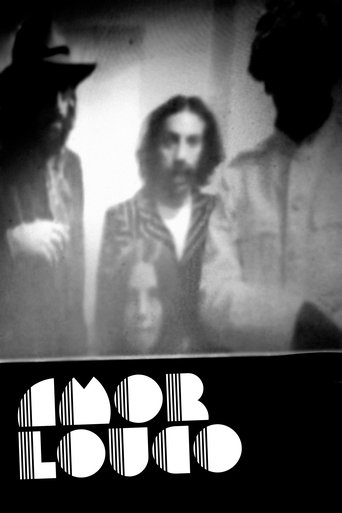 5.2
Bressane's second London film, shot in six days in his apartment. "I had seen the French avant-garde films of the 1920's and naturally the title cites Breton. But underneath it can also be read in many ways. It is a cinema that is invented on the spur of the moment, like you invent an instrument to play music and then abandon it. This film came out like an improvisation, a total risk. It is a deconstruction of meaning but not in the analytical, intellectual sense. I have always tried to lose myself with my films. There is no trace of American or French underground cinema. If anything, it is the idea of home movies, there were many ideas for digital films long before digital film existed. This film made itself, it was like a jazz improvisation. Amor Louco is a lost object, it doesn't speak any language, it has no signs, no letters, no captions. And in the scene where the cataract is cut with the razor blade, it was the adventure of the film itself that was put to the test".
Crazy Love
1971
 6.0
Bressane’s first color film, shot in the home of the artist Elyseu Visconti. Part of it is missing sound and final editing because the director was forced to leave Brazil. Horror and humor to deal with the subject of insanity: “In the end everyone leaves the house as though they were laboratory mice escaping, they invade the city and contaminate the world”. “If we talk about horror, this film deals with national horror, with Mojica Marins as an emblem. There might be a few touches of Corman and English horror, but it is another level of horror. What transformed the film was the location where we were shooting, the house of a 19th century painter, a receptacle of light. When I arrived and saw that house, that light, I said: ‘This is the film. This is the horror’. The meaning of the film, its appeal, derives from this laboratory of light” (J. Bressane). — Torino Film Festival
Baron Olavo, The Horrible
1970
 6.2
In a movie studio, the actors are getting made up and the crew is waiting to begin shooting the film. Grande Otelo, the bungling "king of the deck", and Marta Anderson, the blond and provocative star of the show, recite in the historical scenario of the chanchadas, the abandoned studios of Cinédia. "The photography is splendid, it is a sort of parallel song, of critique, of parody, of understanding of a certain light typical of Brazilian cinema of the times, already re-created, already stylized. And with the older actors, Otelo, Lewgoy and the others, something very important happened in the artistic perception, seeing again, doing again, it was already a concrete metalanguage" (J. Bressane).
King of the Cards
1975
 6.1
Two maids decide to rebel against the society that oppresses them and start murdering their own mistresses.
Watch Out, Madame
1970
 6.3
Spider, a banker, lives with three women. A tycoon that is a caricature of Brazil's bourgeoisie, his trajectory is the starting point for an essay on the mental underdevelopment of Brazilian elites, in which black humor sets the tone for sharp criticism.
No Way, Spider
1970
1960s · 5 titles
7.0Born a fully grown black man in a village in the Brazilian jungle, Macunaíma later magically transforms into a white man before making an adventure-filled trip to the city of São Paulo. Once there, he becomes something of a dandy, falling in love with Ci, a revolutionary who dies in an accidental bombing. After robbing a ruthless industrialist, Macunaima returns to his village where he finds his newly acquired knowledge and possessions of little use.
Macunaima
1969
6.8Santamaria and Urtigo are two bandits on the run, one is white, the other black. Santamaria is a mystical visionary and believes in the imminent coming of a purifying angel. Urtiga, his inseparable companion, is a simple-minded and ingenious man who follows Santamaria around and participates in the crimes he commits. The two bandits take over a house after kidnapping its owner and his girlfriend.
The Angel Was Born
1969
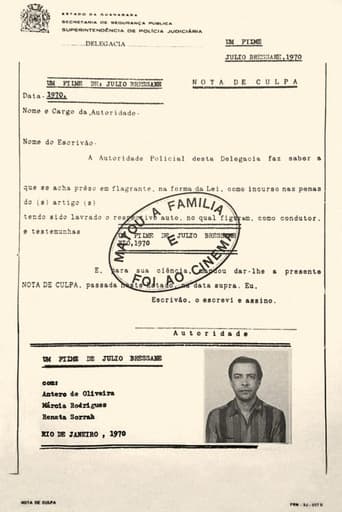 6.6
A man living with his parents in a low middle-class apartment in Rio de Janeiro coldly stabs them with a razor and then goes to the movies. Marcia, a rich and dissatisfied young woman, takes advantage of a trip from her husband to go to her home in Petrópolis, where she receives a visit from an old friend, Regina.
Killed the Family and Went to the Movies
1969
 6.8
During the Brazilian military government, journalist Estêvão is sent from Rio de Janeiro to Brasilia to cover the important statement of a minister, but takes the opportunity to deliver incriminating documents to another one.
On Borrowed Time
1968
 7.1
Edson is having an affair with actress Maria do Rosário, who dreams of being a movie director. So he tries to get some easy money for her film, but is arrested and meets a police torturer instead.
Garden of War
1969
Behind the camera
The picture brings interviews with the participants of the 1st São Paulo Jazz Festival that occurred in Anhembi Conventions Palace in September 1978 and reunited musicians, composers and singers from all around the world.
Música para Sempre
1980
7.1Edson is having an affair with actress Maria do Rosário, who dreams of being a movie director. So he tries to get some easy money for her film, but is arrested and meets a police torturer instead.
Garden of War
1969
 NR
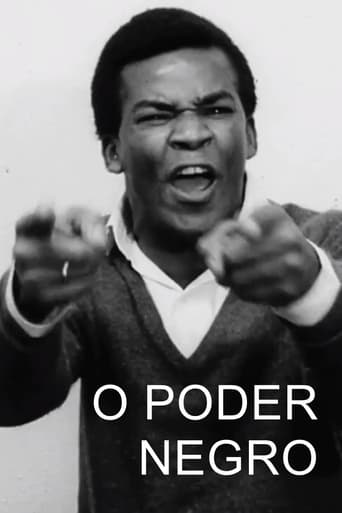
An excerpt from Neville D'Almeida's debut feature "Jardim de Guerra" (1968), focusing on the Black Power speech made by a character played by Antonio Pitanga.
O Poder Negro
2018