
Acting
Harriet May Mills
Acting credits
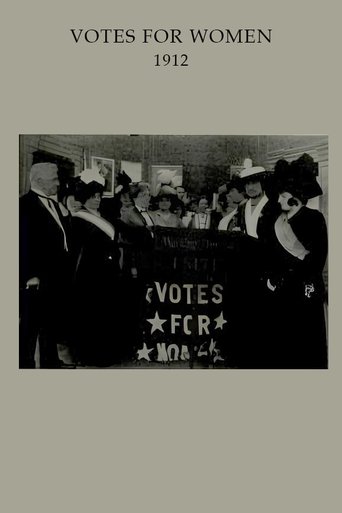
An Edison Kinetophone short featuring leading suffragists Harriet May Mills, Mrs. James Lees Laidlaw, Mrs. Raymond Brown, Mrs. John Rogers, Jr., and Elizabeth Freeman delivering speeches in support of women’s right to vote. Produced as part of Edison’s early sound-film experiments, it captured real voices from the suffrage movement and was exhibited in vaudeville houses, where it sometimes met with controversy. (Note: This film is distinct from the 1912 Reliance production of the same name directed by Hal Reid, which was a silent dramatic narrative.)
Votes for Women
1913
 8.0
8.0Named by historian Kevin Brownlow as “the first important suffrage film”, this melodrama follows suffragist May Fillmore in her fight to sway Senator Herman, whose vote could pass a key reform bill. After exposing him and his fiancée Jane Wadsworth to the dire living conditions of a motherless tenement family—unsanitary housing, child labor, and workplace exploitation—Jane turns against her negligent fiancé and joins the suffrage cause. Ultimately, both Herman and Jane’s father are persuaded to support reform, and the film ends with the characters proudly taking part in a suffrage parade. (Note: This silent narrative film is distinct from Edison’s Votes for Women (1913), a Kinetophone short that recorded real suffragist leaders delivering speeches.)
Votes for Women
1912