

Acting
Shōtarō Hayashi
Born
1934-06-21 (92)
Place of birth
Kyoto, Kyoto Prefecture, Japan
Known for
Acting
Credits
60 titles
Japanese actor.
Known for
 8.5
8.5Down-on-his-luck veteran Tsugumo Hanshirō enters the courtyard of the prosperous House of Iyi. Unemployed, and with no family, he hopes to find a place to commit seppuku—and a worthy second to deliver the coup de grâce in his suicide ritual. The senior counselor for the Iyi clan questions the ronin’s resolve and integrity, suspecting Hanshirō of seeking charity rather than an honorable end. What follows is a pair of interlocking stories which lay bare the difference between honor and respect, and promises to examine the legendary foundations of the Samurai code.
Harakiri
1962
 6.6
6.6Two New York cops get involved in a gang war between members of the Yakuza, the Japanese Mafia. They arrest one of their killers and are ordered to escort him back to Japan. However, in Japan he manages to escape, and as they try to track him down, they get deeper and deeper into the Japanese Mafia scene and they have to learn that they can only win by playing the game—the Japanese way.
Black Rain
1989
 5.9
5.9Three stories of moral sickness set during Japan’s prosperous Genroku era are told in this bloody follow-up to the sexploitation classic Shogun’s Joy of Torture, the politically incorrect moral lessons paint a trio of tales of tragic heroines caught up in violence, sadomasochism, incest and torture.
Orgies of Edo
1969
 6.0
6.0Sachiko is the leader of a girl gang from Shinjuku who wind up in Kyoto and make a bid to take over the local girl gangs there.
Girl Boss Guerilla
1972
 7.3
7.3In the teeming black markets of postwar Japan, Shozo Hirono and his buddies find themselves in a new war between factious and ambitious yakuza.
Battles Without Honor and Humanity
1973
 6.5
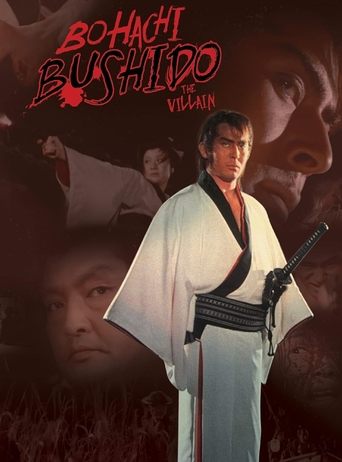
6.5The Bohachi Clan, the most vile, corrupt organization with ties deep in the Shogunate, have controlled the flesh trade in Japan for generations. When threatened by a competitor, they employ Saburai, a nihilistic ronin on the verge of self destruction. Blood gushes and limbs fly for anyone who stands against Saburai as he instills the Way of the Bohachi.
Bohachi Bushido: The Villain
1974
Film credits
1980s · 5 titles
6.6Two New York cops get involved in a gang war between members of the Yakuza, the Japanese Mafia. They arrest one of their killers and are ordered to escort him back to Japan. However, in Japan he manages to escape, and as they try to track him down, they get deeper and deeper into the Japanese Mafia scene and they have to learn that they can only win by playing the game—the Japanese way.
Black Rain
1989
 6.2
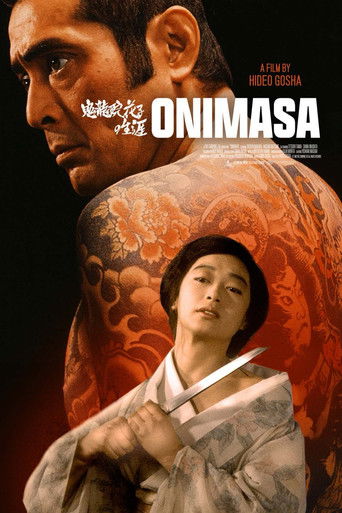
6.2Onimasa is the egocentric boss of a small yakuza clan on Shikoku Island, whose criminal duties conflict with his self-image as a chivalrous samurai. His struggles with his boss, the Shikoku Godfather, and the tumultuous life of his adopted daughter, Matsue, form the backdrop of this epic tale of justice, obedience, and bloody vengeance.
Onimasa: A Japanese Godfather
1982
 6.0
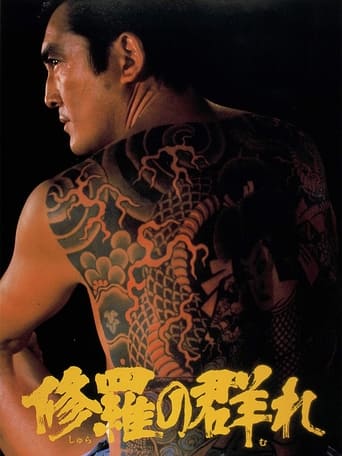
6.0During the Showa era, a young yakuza survives war and injury and rises to become a clan boss with the help and respect of his sworn brothers.
The Story of a Man Among Men
1984
 6.2
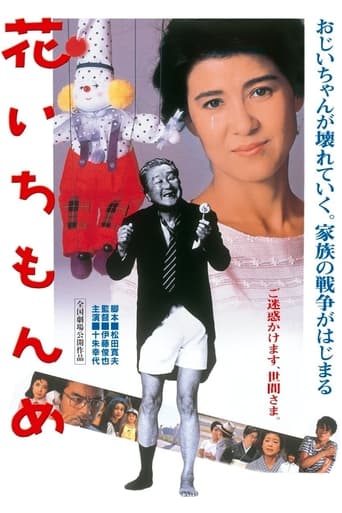
6.2Grandfather Fuyukichi Takano, a former university professor, gets fired from his museum job when he is affected by Alzheimer's disease, but his affliction serves to deepen family ties. Japan's submission to the 58th Academy Awards for the Academy Award for Best Foreign Language Film
Gray Sunset
1985
 6.5
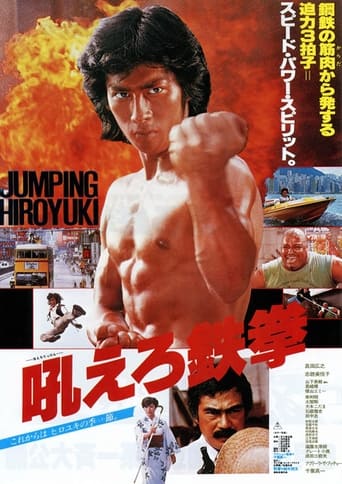
6.5On his death bed the man who raised Joji reveals that he is not his real father and that Joji’s real parents died tragically in a plane crash. Shortly thereafter Joji goes to Japan is search of his sister and his twin brother Toru. Joji’s quickly finds his sister Chihiro who is now blind and lives with their uncle. Joji one evening accidently over hears his uncle who has ties to the criminal underworld discussing his various illegal operations. Joji ‘s eavesdropping is discovered by his uncle who offers him a chance to join the organization. Joji promptly turns his uncle’s offer down which immediately puts his life in danger.
Roaring Fire
1981
1970s · 37 titles
6.0Sachiko is the leader of a girl gang from Shinjuku who wind up in Kyoto and make a bid to take over the local girl gangs there.
Girl Boss Guerilla
1972
7.3In the teeming black markets of postwar Japan, Shozo Hirono and his buddies find themselves in a new war between factious and ambitious yakuza.
Battles Without Honor and Humanity
1973
6.5The Bohachi Clan, the most vile, corrupt organization with ties deep in the Shogunate, have controlled the flesh trade in Japan for generations. When threatened by a competitor, they employ Saburai, a nihilistic ronin on the verge of self destruction. Blood gushes and limbs fly for anyone who stands against Saburai as he instills the Way of the Bohachi.
Bohachi Bushido: The Villain
1974
 6.6
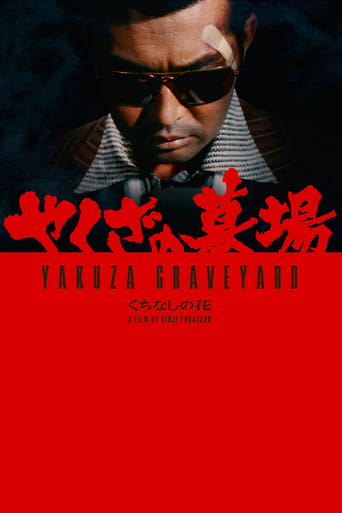
6.6A police investigator cracks down on yakuza business, but once he realizes the police are in negotiations with certain factions, he sides with his own syndicate of choice.
Yakuza Graveyard
1976
 6.5
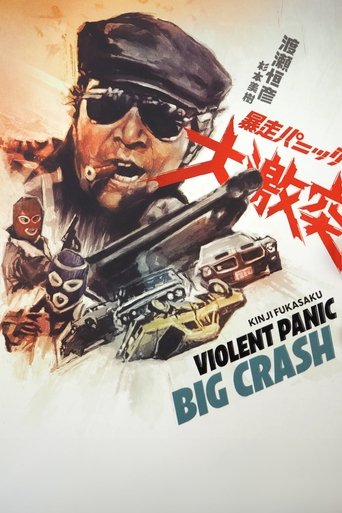
6.5Takashi, a bank robber, dreams of his final heist and escaping to Brazil... but in his way, stands a woman that loves him, his dead partner's brother, a corrupt cop, a motorcycle gang and every police officer in the Kanto region.
Violent Panic: The Big Crash
1976
 5.9
5.9The peaceful planet of Jillucia has been nearly wiped out by the Gavanas, whose leader takes orders from his mother rather than the Emperor. King Kaiba sends out eight Liabe holy seeds, each to be received by a chosen one to defend the Gavanas. Each recipient, ranging from hardened General Garuda to Gavana Prince Hans to young Terrans Meia, Kido, and Aaron all have different reactions to being chosen.
Message from Space
1978
 7.2
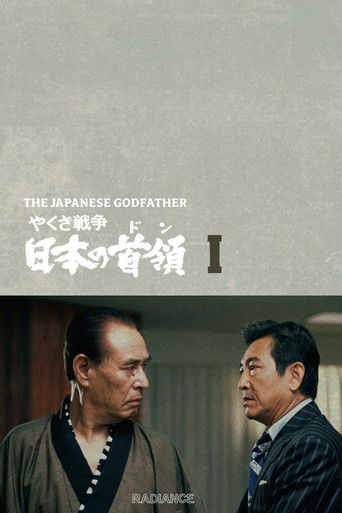
7.2A yakuza leader must balance his violent tactics necessary for the rough streets of 1960s Tokyo with the domestic needs of his daughters.
Japan's Don
1977
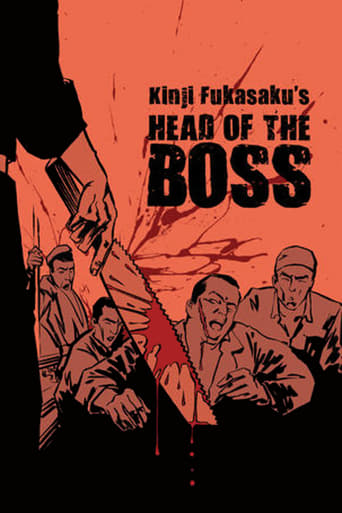 7.4
7.4The seventh in the shocking "Jingi Naki Tatakai" movie series, which exposes the true lives of the yakuza that is hidden by a mask of "jingi". The next stage of this continuing drama is the Kanmon Channel where the Owada and the Kyoei groups are battling for territorial rights and drug smuggling. The Owada sends their man, Tetsu, and his friend Shuji to kill the Kyoei boss. With the promise of fame and riches, Shuji takes the fall and goes to jail for 7 years. But when he's released, he discovers that he and Tetsu have been all but forgotten by the Owada. Feeling betrayed, Shuji takes matters into his own hands and becomes an unsuspecting pawn in an internal conflict and an assassination attempt on the Owada boss. And now angered, Shuji seeks revenge...
New Battles Without Honor and Humanity 2: Head of the Boss
1975
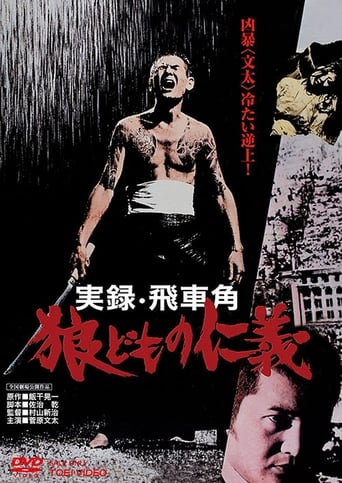 7.5
7.5In gangster-infested 1920s Yokohama, gambler Ishiguro gets in with the local gang -- but his view of life changes after the Great Kanto Earthquake.
Code of Wolves
1974
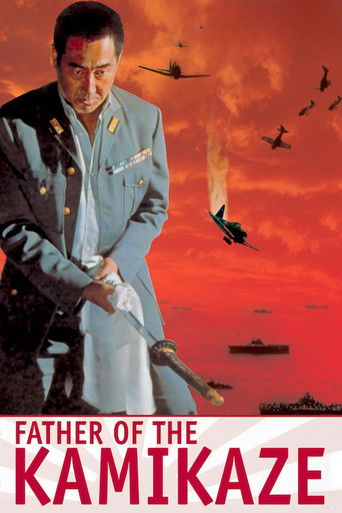 NR
NRVice Admiral Takajiro Ohnishi could see that Japan's defeat in WWII was inevitable. He came to realize that the only way to force a negotiated solution was to convince the Americans that invading Japan would cause massive casualties on both sides. The cold logic of suicide attacks, where one man and one plane could kill hundreds, seemed the only solution. In one of the cruel ironies of fate, Ohnishi actually succeeded; he convinced the Americans that invading Japan would be too costly in lives. But what he could not foresee was that America had another way of ending the war.
Father of the Kamikaze
1974
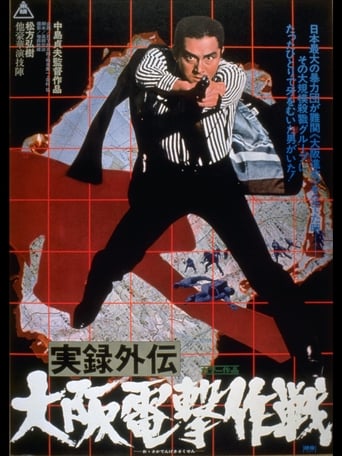 7.7
7.7Amidst Japan's postwar economic boom, yakuza factions in Osaka fight for survival when Japan's largest crime syndicate plans a hostile takeover.
Operation Plazma in Osaka
1976
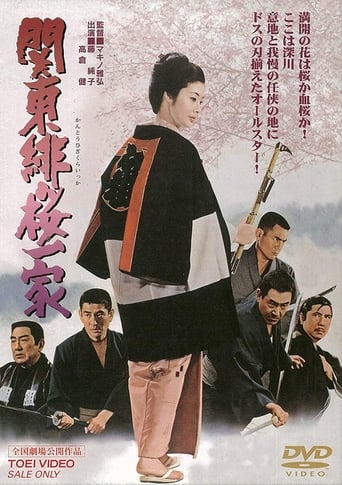 6.8
6.8The Ni Family is the most well know and respected group of firefighters in the Kanto region. When their leader dies and the successor disappears, Tsuruji, a beautiful yet tough geisha, becomes the boss. But will she be able to confront a yakuza gang trying to take over the area?
The Kanto Scarlet Cherry Gang
1972
 4.6
4.6A Japanese geologist discovers that dinosaurs still exist in caves beneath the surface of a volcanic lake.
Legend of Dinosaurs and Monster Birds
1977
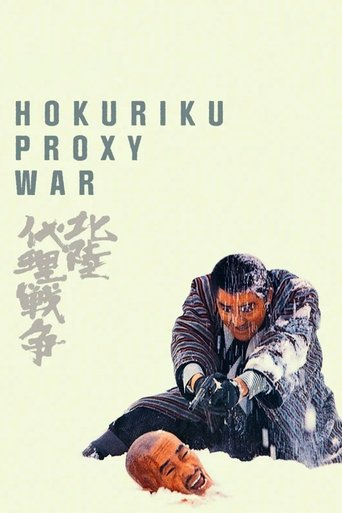 6.9
6.9A Yakuza group from Osaka with dreams of national dominance moves into the snowy Hokuriku region, sparking a bloody turf war with local gangs.
Hokuriku Proxy War
1977
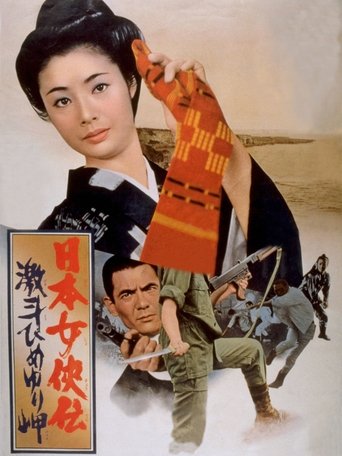 6.4
6.4A boss from a trucking company has run-ins with evil yakuza during the American occupation of Okinawa. Her hometown is threatened by usurers, gangsters and indirectly by American GI influences. She must battle a yakuza organization with her employees to help settle things.
Trials of an Okinawa Village
1971
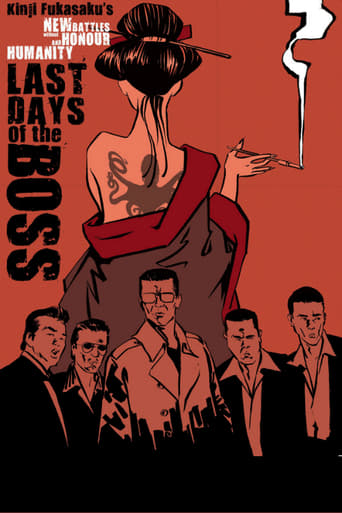 7.1
7.1The eighth sequel of the series by the successful “Fukasaku and Bunta” collaboration revolves around the men of a lesser organization that are constantly bullied by the upper organization and “bleed in vain” in gang wars.
New Battles Without Honor and Humanity 3: Last Days of the Boss
1976
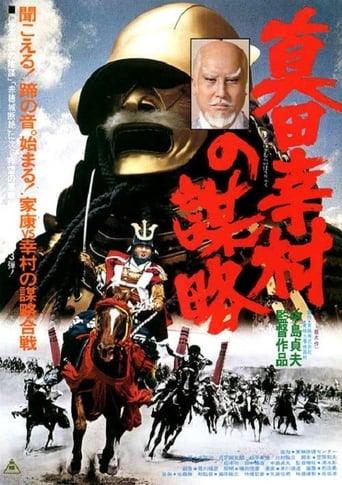 5.4
5.4This is a film about a real person. Sanada Yukimura fought a war against Tokugawa Ieyasu.
The Shogun Assassins
1979
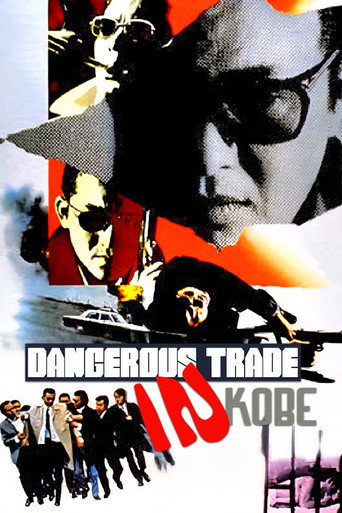 7.0
7.0Using a lesser mobster as bait a government agent infiltrates a narcotics-smuggling gang to try to capture the boss. But his survival has a price.
Dangerous Trade in Kobe
1973
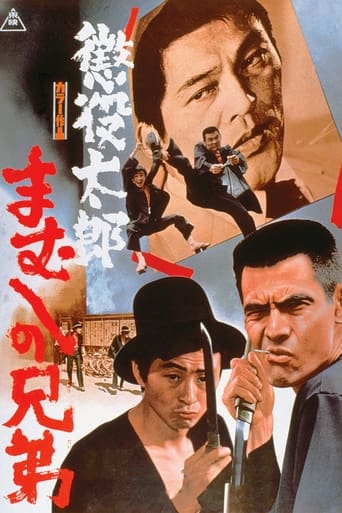 7.7
7.7After spending several years in prison, yakuza punk Masa (Bunta Sugawara) and his underling, Katsuji (Tamio Kawachi) are back out in the mean streets of Kobe to make a name for themselves amongst the local yakuza organization.
The Viper Brothers
1971
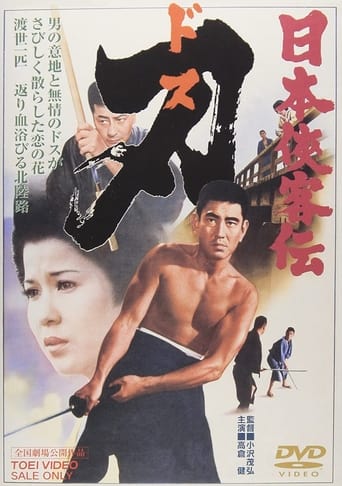 7.0
7.0No synopsis available yet.
Dagger
1971
 10.0
10.0Toei studios last ninkyo eiga of the 70's.
Path of Japanese Chivalry: Story of All-Out Attack
1975
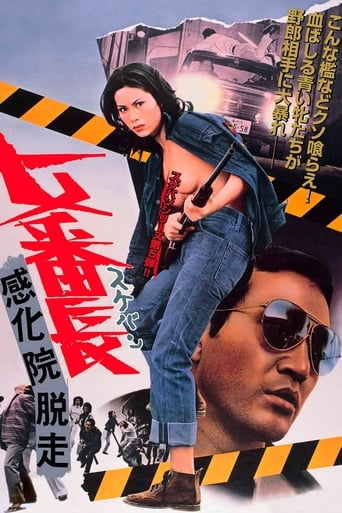 6.2
6.2Girl Boss Ruriko and her cellmates escape from a greedy corrupt reform school that's more interested in cheating the government out of money than reformation. Each having their own reasons for escaping, they go their separate ways. With the help of a young mechanic, who's also on the lam, Ruriko tries to realize her dream of leaving the island of Japan behind. But the authorities are always one step behind her...
Girl Boss: Escape From Reform School
1973
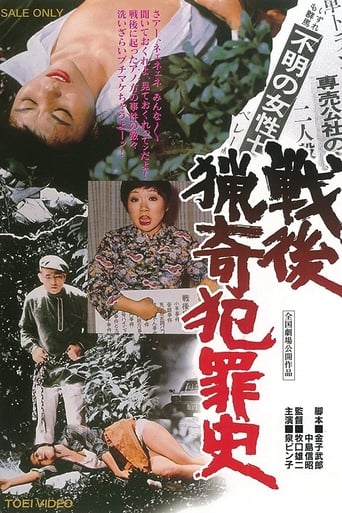 5.7
5.7Reconstruction, in the form of episodes, of the most bizarre crimes that occurred in Japan after World War II.
The Most Perverted Post War Crimes
1976
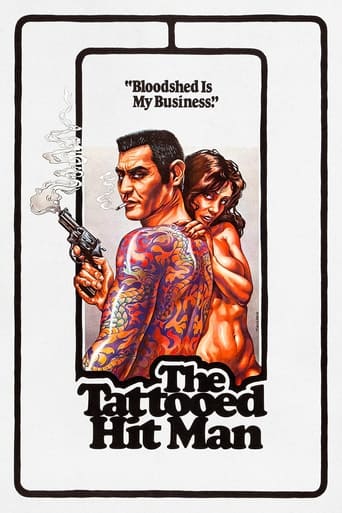 6.2
6.2The most dangerous hired gun in Kyushu's underworld has managed to trigger a vicious gang war, and now, there's a contract on his life. Though nobody is more skilled in the arts of dealing death, can the tattooed hitman fend off the entire Japanese mafia as he searches for the man who wants him dead?
The Tattooed Hitman
1974
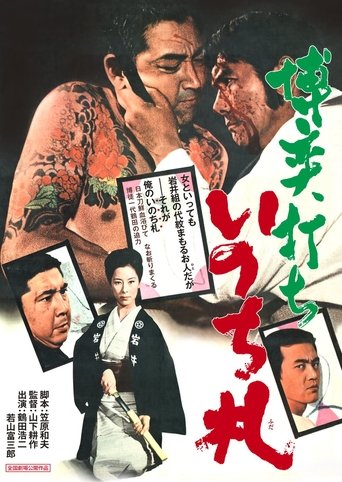 8.5
8.5Seijiro and Shizue meet in Niigata and fall in love. Seijiro has to go back to Tokyo soon after, and they promise each other to meet again a year later. However, Seijiro gets jailed for five years. Unable to find him, Shizue gets married to a yakuza boss who can help her family business.
Fate Deals the Card of Death
1971
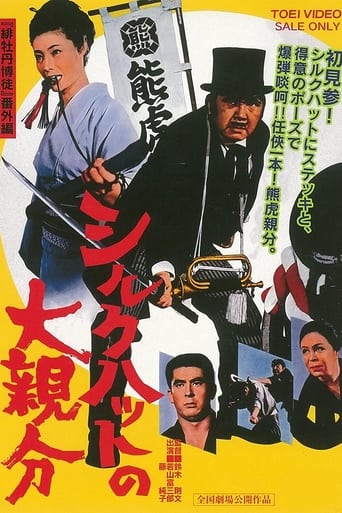 9.0
9.0In a strange outfit and full of youthful energy, the explosive Boss Kumatora raises hell like there's no tomorrow. The first movie of a new series starring Wakayama Tomisaburo as everybody's favorite character Boss Kumatora from the Red Peony Gambler series. Having made a fortune in the Russo-Japanese War, the Kumatora Family migrates to Kyushu to take on a military-related job. There they encounter the evil and malicious interference of the Chindai family of Kumamoto, and Boss Kumatora boldly fights back with the help of O'Ryu the Red Peony. A super entertaining film with non-stop comedy and action directed by Suzuki Norifumi.
Silk Hat Boss
1970
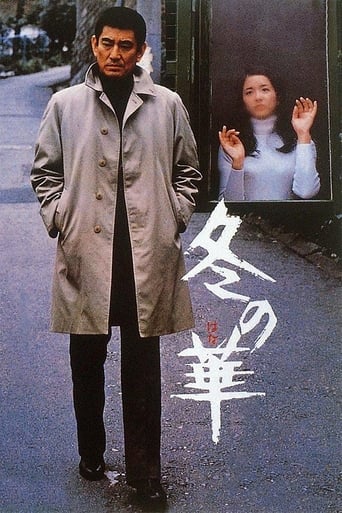 6.5
6.5Kanno is a Yakuza. He had to kill Matsuoka who betrayed their boss. Kanno knew Matsuoka had a 3-year-old daughter named Youko. Before he gave himself to the police, he asked his trusted man to take care of her. While in prison, Kanno kept sending letters to Youko, disguising as an uncle in Brazil. 15 years later, Kanno is released. He is determined to live legitimately, however the Yakuza has not forgotten his wicked deed!
Winter's Flower
1978
 6.2
6.2After World War II, when Okinawa was under control of the United States, the local yakuza prospered. But when Okinawa is returned to Japan, the mainland yakuza tries to take over; the local yakuza tries to compete. Now sides are drawn among the local yakuza guys who used to be best friends since their childhood, and brother fights brother. It results in the biggest yakuza war in Okinawa.
The Okinawa War of Ten Years
1978
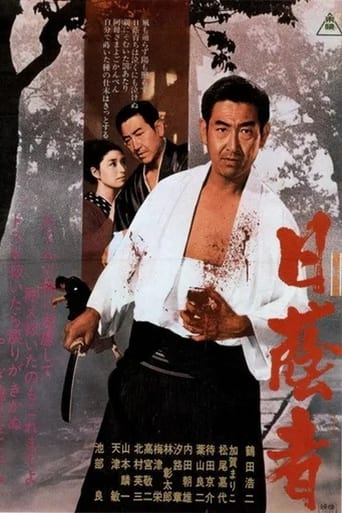 9.0
9.0A Yakuza film directed by Kôsaku Yamashita
Hikage-Mono
1972
 7.0
7.0Upon his release from prison, Masa (Bunta Sugawara) is disappointed to not be picked up by his brother Katsu (Tamio Kawaji). After hitching a ride on a bus full of old women, Masa finds out that Katsu tried to fake a car accident and get some money for Masa to live on after prison. Together, the two decide to blackmail the woman (Yoko Horikoshi) who hit Katsu, who happens to be the daughter of a rich company president (Seizaburo Kawazu). 6th film in a series of 8.
The Viper Brothers: The Blackmailers
1973
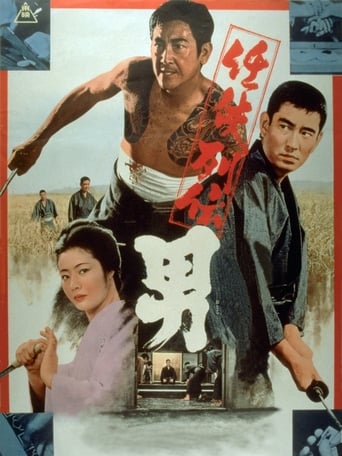 7.0
7.0Japanese movie.
The Man
1971
 6.8
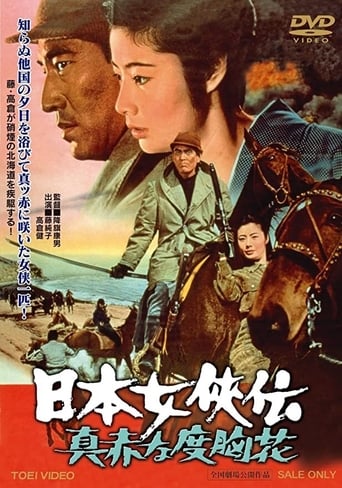
6.8An exciting tale of action on the distant northern island of Hokkaido around the beginning of the 20th Century starring two of the biggest names in Yakuza film history, Fuji Junko and Takakura Ken. Since the death of death of her father, Yuki who has traveled from her home in the southernmost part of Japan must fight corrupt local officials seeking to fill her late father's post. As her life is in danger a mysterious rifleman, played by Takakura Ken watches from the shadows. Can she finish the work her dear departed father started in an untamed land?
Brave Red Flower of the North
1970
 NR
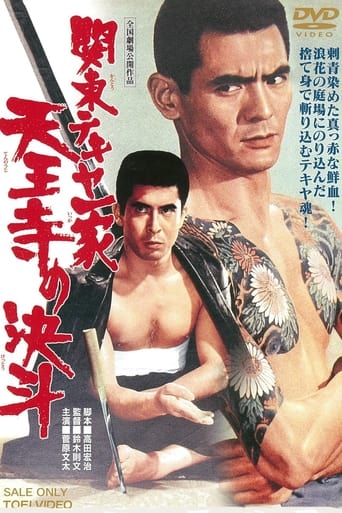
NRThe third film in the Kanto Street Peddlers series. Sugawara still plays the same Kanto street peddler, who this time ventures to Osaka where he defends a blind girl at a street market. The area is targeted by rotten yakuza (Asao Koike and Tatsuo Endo), who have lured local senior female boss (Nijiko Kiyokawa’s) rebellious but not entirely indecent son Goro Ibuki to their side.
Kanto Street Peddlers: Royal Temple Duel
1970
 9.0
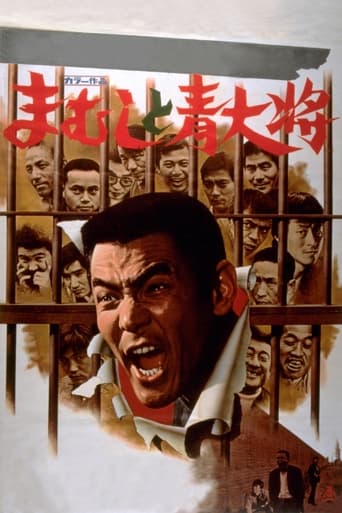
9.0The last in the series. Sugawara runs into two mahjong cheaters (Ichiro Araki and Mako Midori + sidekick Takuzo Kawatani) whom he takes for friends in need as his naivety prevents him from seeing their true nature.
The Viper Brothers and the Young General
1975
 7.2
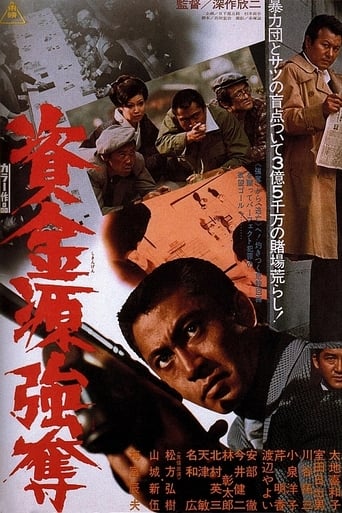
7.2After eight years in prison, Takeshi’s mission is a big heist from his own clan’s gambling parlor.
Gambling Den Heist
1975
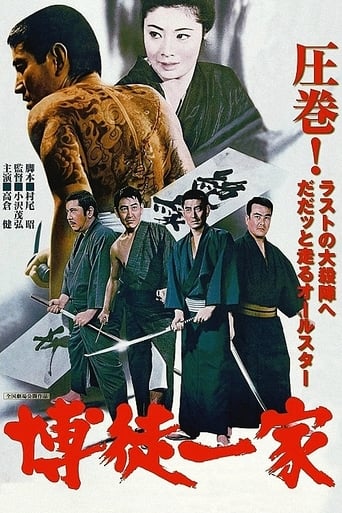 7.0
7.0Ken Takakura stars as Ryoji one of the Aramasa family's loyal lieutenants whao takes the burden of his family being insulted by the Tanuma's family goons, by retaliating on his own. After injuring the head of Tanuma's family, and slaying others along the way, he then surrenders to the law and serves time. Before his last year to serve, the head of the Aramasa family falls ill and decides to retire, Ryoji miss chance to be successor, his old friend is reluctant but accepts. Now this gives the Tanuma family a chance for revenge! But with Tomisaburo Wakayama (Sekine) always having your back, how can you go wrong?
House of Gamblers
1970
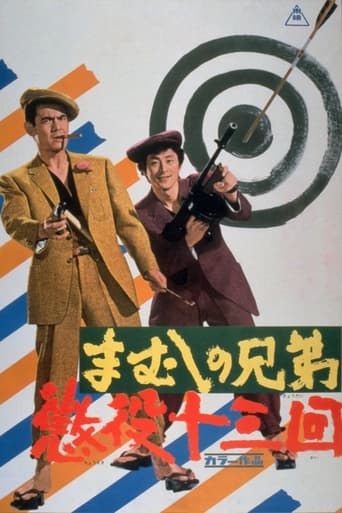 7.0
7.0Part 3 in a long running (8+1 films) action/comedy/melodrama series about a pair of short tempered, amoral, but not evil chinpira (Bunta Sugawara and Tamio Kawachi) thinking too big of themselves.
The Viper Brothers: Prison Gang 13
1972
1960s · 18 titles
8.5Down-on-his-luck veteran Tsugumo Hanshirō enters the courtyard of the prosperous House of Iyi. Unemployed, and with no family, he hopes to find a place to commit seppuku—and a worthy second to deliver the coup de grâce in his suicide ritual. The senior counselor for the Iyi clan questions the ronin’s resolve and integrity, suspecting Hanshirō of seeking charity rather than an honorable end. What follows is a pair of interlocking stories which lay bare the difference between honor and respect, and promises to examine the legendary foundations of the Samurai code.
Harakiri
1962
5.9Three stories of moral sickness set during Japan’s prosperous Genroku era are told in this bloody follow-up to the sexploitation classic Shogun’s Joy of Torture, the politically incorrect moral lessons paint a trio of tales of tragic heroines caught up in violence, sadomasochism, incest and torture.
Orgies of Edo
1969
 7.3
7.3The third chapter of the ‘Red Peony Gambler’ saga depicts the happiness and sadness of Red Peony Oryu’s life as she seals her femininity with a red peony tattoo and lives in world of chivalry and honor of the yakuza. This story takes place in the middle of the Meiji era in Nagoya. Oryu is wandering the country, training herself to reinstate her family name. With a written recommendation from Kumatora, she appears at the door of the Nishinomaru family. At the same time, the family is preparing for the gambling competition at the Netsuda Shrine Festival, which they have been hosting for generations. Meanwhile, the crooked Kinbara family is plotting to take over the competition. And now Oryu is forced to get involved in the struggle…
Red Peony Gambler: Flower Cards Game
1969
 7.1
7.1In the fourth installment, Musashi's potentially greatest opponent Kojiro jumps in and out of the story at the oddest and most coincidental moments. As his great love Otsu has succumbed to madness. Musashi then sets off to beat the functionaries of a treacherous clan in an arranged duel. 73 against one. Boastful Kojiro watches, secure in the knowledge that only he is a worthy opponent.
Miyamoto Musashi IV: The Duel at Ichijo-ji Temple
1964
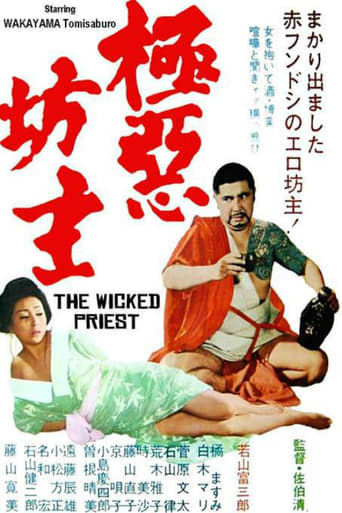 6.2
6.2Shinkai, a Buddhist monk with a penchant for drinking and gambling, sets sinners straight with judo throws rather than sermons. After fighting off a gang of street thugs, Shinkai is placed on probation but manages to escape his superiors’ watchful eyes to covertly indulge in life’s pleasures. But when he hears of rogue priests in his order consorting with yakuza, Shinkai must make them see the error of their ways and reach enlightenment, one punch at a time.
Wicked Priest
1968
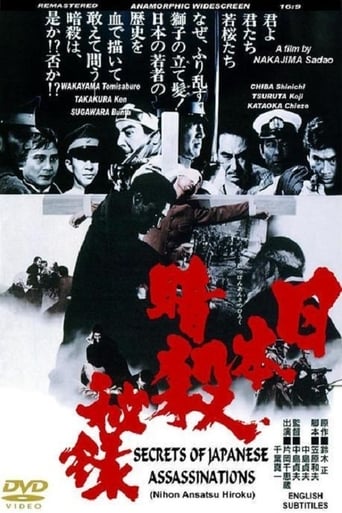 7.5
7.5This anthology film consists of nine incidents in the late 19th and early 20th centuries when assassins changed the course of Japanese history.
Memoir of Japanese Assassinations
1969
 6.5
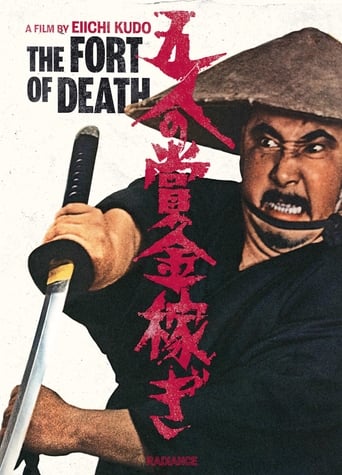
6.5The second Bounty Hunter film, when master killer Shikoro Ichibei takes up the cause of a group of farmers being driven to despair by the vile Lord Ozeki. The villainous lord has driven them to mounting their last stand at a deserted fort against an army of attackers. Wakayama Tomisaburo is superb as an expert in killing and military tactics, who leaves his medical practice at a clinic for the poor in order to counter the vicious tactics of that vile lord.
The Fort of Death
1969
 7.0
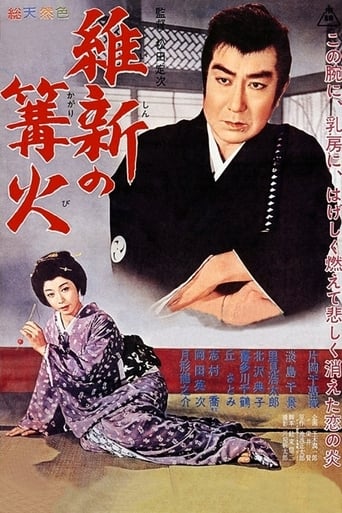
7.0Megastar Kataoka Chiezo is Vice-commander Hijikata Toshizo of the Shinsengumi in this realistic tale of Japan’s inner battles that led to the downfall of the Tokugawa shogunate. Excellent performances and extremely good swordplay highlight this glimpse into the heart and soul of Japanese history. Although known as “Razor Blade” Hijikata, the vice-commander is a man of deep conviction with a little-known sense of humanity. Starting after the famed Ikedaya Incident, in which they saved Kyoto from Choshu’s plot to burn the city to ashes, they work hard to change the public’s view of them as merciless killers to their true mission of protecting the shogun. This is an extraordinary tale of blood and guts! From the pen of award winning author Shotaro Ikenami (Bandit Vs. Samurai, Hunter in the Dark, Misumi's The Last Samurai)
Restoration Fire
1961
 7.4
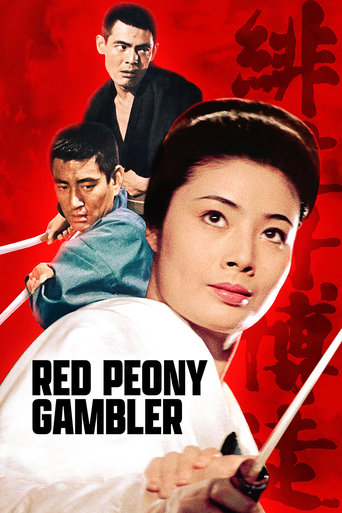
7.4Ryuko was raised by her father, a gambler named Senzo Yano in Kumamoto, Kyushu, after her mother died when she was little. When she turned 18 years old, her father was attacked and killed by a stranger in alley. Ryuko then dissolves her yakuza family, and, carrying the wallet left by the killer, she sets out on a journey to avenge her father’s death. Five years later, she wanders the nation, known only as! Red Peony Oryu who has a red peony tattooed on her shoulder and has the defiance and courage of a man. She meets Katagiri - a loner gambler, Kumatora - boss of a family in Shikoku, and Otaka - female boss of the Doman Family in Osaka. With their help, she finally catches up with the man who murdered her father.
Red Peony Gambler
1968
 6.7
6.7A yakuza member embarks on a trail of revenge for his murdered boss. Senzo, the successor of the Mita Family, searches for the man bearing a tattoo of a dragon who is said to be responsible for the death of their former leader.
Gambler's Legacy
1969
 NR
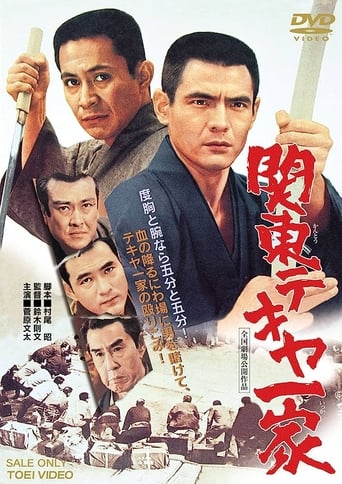
NRKokubu Masaru (Bunta Sugawara) is a hard-headed, hot-tempered member of a street vendor clan run by an elderly boss (Kanjuro Arashi). They come into conflict with an unholy alliance of evil Yakuza bosses (Watanabe, Amatsu and Kawazu).
Kanto Street Peddlers
1969
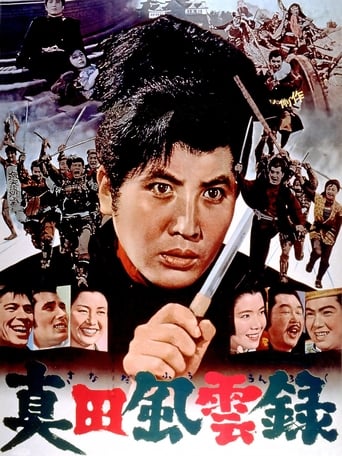 6.6
6.6Osaka in the early 1600s, aftermath of the historical Battle of Sekigahara; a group of orphan children are wandering through the battlefield scavenging for armour when they encounter a young boy named Sasuke with magical powers he says came from a meteor that crashed onto the Earth…
Sasuke and His Comedians
1963
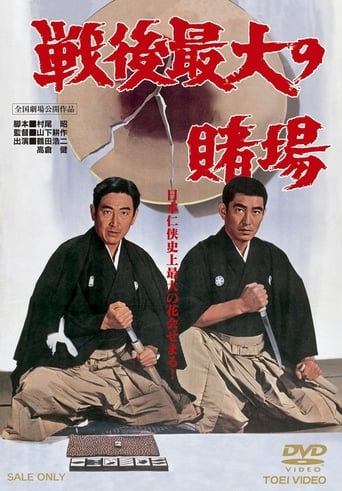 7.0
7.0When Honjo is selected as Kansai district's chairman, Iwasa of the rival gang asks Itsuki to do everything possible to have Honjo step down, which puts Itsuki between a rock and a hard place.
The Biggest Gamble
1969
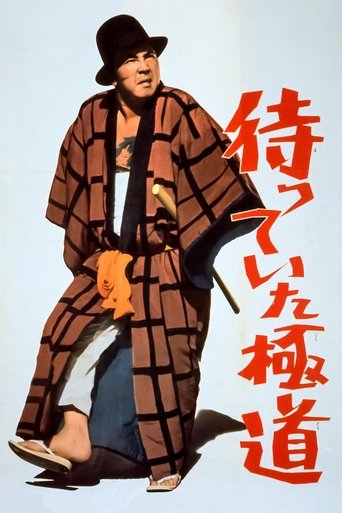 8.0
8.0Forth film in the Gokudo series with Tomisaburô Wakayama
The Yakuza Awaits
1969
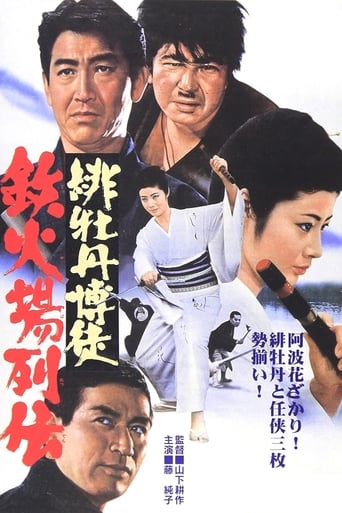 6.2
6.2Oryu the Red Peony, a wandering female yakuza on a soul-searching journey after the death of her father. After collecting her sickly follower from jail, she is taken in by a fishing village. Feeling indebted to their generosity, she stays to work for the village and promises to leave her yakuza ways behind. When a dispute breaks out for the gambling rights to a local festival, the villagers are harassed by a gang of thugs. When the harassment turns violent, Oryu must decide wither to keep her promise or protect the villagers.
Red Peony Gambler: Biographies of a Gambling Room
1969
 6.8
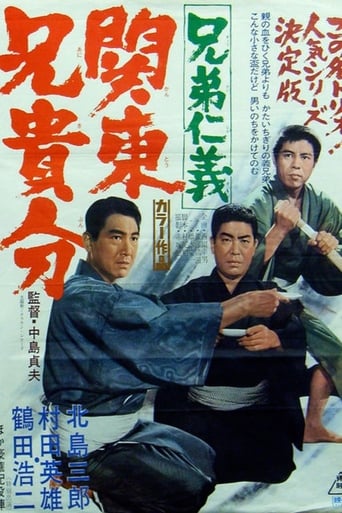
6.8Sixth film in the "Kyodai Jingi" series. Three gangsters challenge an underworld group in northern Japan.
Code Between Brothers 6
1967
 7.6
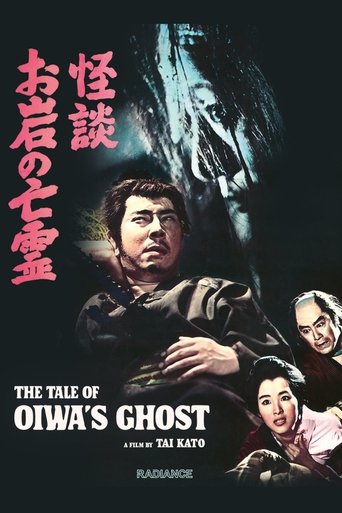
7.6A samurai plots to reclaim his estranged wife after she leaves him over a murder scandal. When her sister falls victim to a scheme, he and his friend manipulate events, but their plans lead to supernatural vengeance.
The Tale of Oiwa's Ghost
1961
 7.0
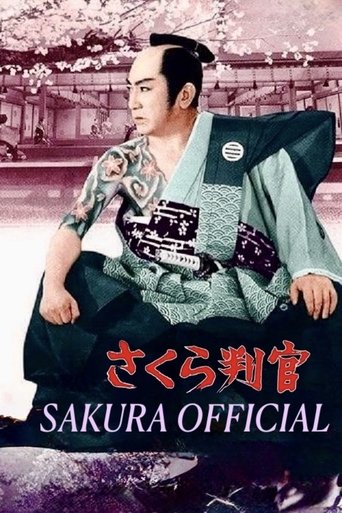
7.0As Japan’s Tokugawa shogunate nears the end of its rule, Edo North Magistrate Toyama no Kinsan is called upon to judge the most difficult case of his career. In a masterfully woven tale, he has to face the truth about his estranged father’s possible involvement in a nefarious plot to take over rule of the Hizen Shimabara clan by assassinating the rightful lord, his son, and install one of Shogun Ienari’s offspring as daimyo.
Sakura Official
1962