
Directing
Maurice Dugowson
Born — Died
1938-09-23 — 1999-11-11
Place of birth
Saint-Quentin, France
Known for
Directing
Credits
12 titles
Known for
 5.7
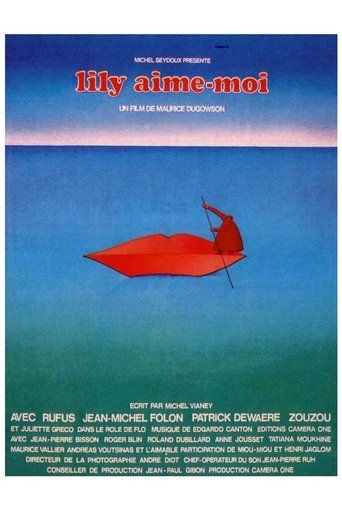
5.7Everything starts when a journalist François decides to investigate the world of working class people. He gets into the lives of Claude, a worker and his wife Lily who has left him.
Lily, aime-moi
1975
 NR
NR"This book is a descent into the soul of a child." On November 26th, 1865, Lewis Carroll's 'Alice's Adventures in Wonderland' was published. In this 1973 broadcast, we discover the genesis of this "masterpiece of the absurd" and delve into the depths of a child's soul, thanks to Jean Gattegno's fascinating analysis. As a bonus, Claude Rich reads us an excerpt from Alice's adventures.
The Hundred Books: Alice in Wonderland
1973
 8.3
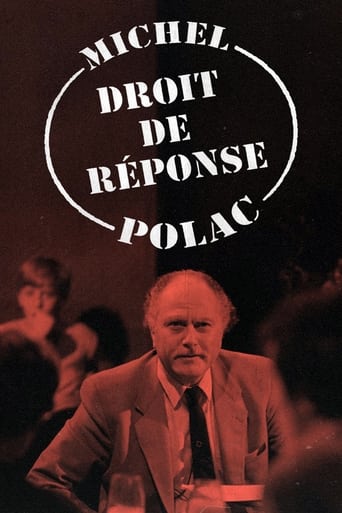
8.3"Droit de Réponse" (Right of Reply) is a French debate program broadcast between December 12, 1981 and September 19, 1987 on the TF1 channel, presented by Michel Polac and produced by Maurice Dugowson. Broadcast live on a weekly basis, on Saturdays from 8.30 p.m., the right of reply has been the source of many controversies, due to the various speakers who have come to present their point of view on the show (which leads to famous scandals , remained in the memory of viewers), but also for the variety and relevance of the topics covered, which ensured the success of the program on the air for several years. On French television, this program is considered by some observers as a “pioneer program in terms of controversy-show or clash, in modern language”.
Droit de Réponse
1981
 4.5
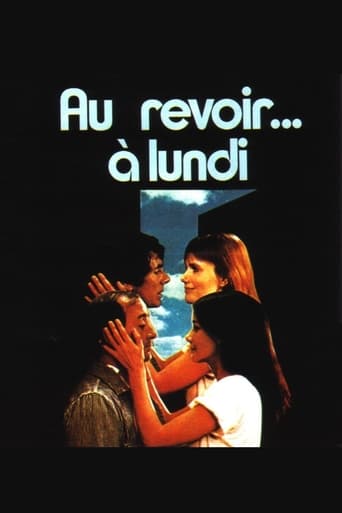
4.5Lucie the Quebecker and Nicole the Frenchwoman with the "funny accent" are both twenty-six, single and share their Montreal apartment as they share their joys and sorrows. The first works in radio, the second in an airline company, and both have a married lover who, every Friday evening, rushes off to a home that has been forsaken for a while, saying: "Bye, see you Monday"...
Bye, See You Monday
1979
 8.0
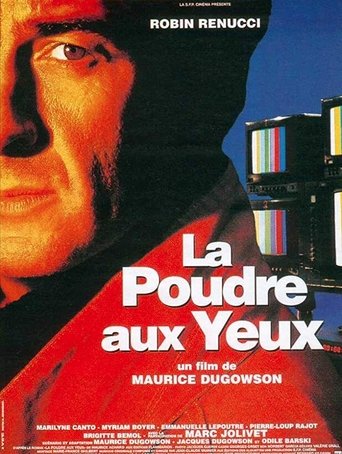
8.0What do you do if you are a reporter with a deadline and you are going blind? This French drama answers that question. Arnold is a crack television reporter assigned to cover an uprising in northern Sri Lanka. Recently he has suffered great headaches and his eyes have been tired. Before leaving he has a doctor check him and is appalled by the diagnosis that he is going blind. If he goes to Sri Lanka, the stress could hasten his loss of sight. If he does not go, he will lose the assignment to a rival reporter. Instead of going, he locks himself in his Paris apartment and creates the documentary from a combination of new and old video footage. He suffers through many emotional outbursts in the process. The highlight of his video is a scene in which he, using complex computer-work, "inserts" himself into Sri-Lankan street situation. Though the documentary is excellent, Arnold is crushed when his editor demands the scene be deleted from the film because it slows the film down.
Blind Spot
1995
 6.4
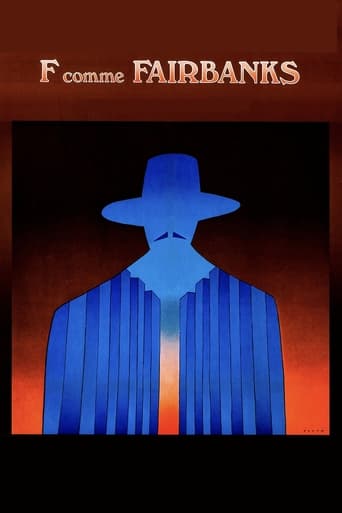
6.4André Fragman, nicknamed "Fairbanks" after his childhood idol by his film projectionist father, returns home from military service. He meets and falls in love with Marie, an aspiring actress who is rehearsing for a stage production of 'Alice in Wonderland'. All his attempts to find a job and a way out end up in failure, his friends Étienne and Jean-Pierre are powerless to help him, and the dreamy yet desperate hero loses his mind.
F as in Fairbanks
1976
Behind the camera
5.7Everything starts when a journalist François decides to investigate the world of working class people. He gets into the lives of Claude, a worker and his wife Lily who has left him.
Lily, aime-moi
1975
NR"This book is a descent into the soul of a child." On November 26th, 1865, Lewis Carroll's 'Alice's Adventures in Wonderland' was published. In this 1973 broadcast, we discover the genesis of this "masterpiece of the absurd" and delve into the depths of a child's soul, thanks to Jean Gattegno's fascinating analysis. As a bonus, Claude Rich reads us an excerpt from Alice's adventures.
The Hundred Books: Alice in Wonderland
1973
8.3"Droit de Réponse" (Right of Reply) is a French debate program broadcast between December 12, 1981 and September 19, 1987 on the TF1 channel, presented by Michel Polac and produced by Maurice Dugowson. Broadcast live on a weekly basis, on Saturdays from 8.30 p.m., the right of reply has been the source of many controversies, due to the various speakers who have come to present their point of view on the show (which leads to famous scandals , remained in the memory of viewers), but also for the variety and relevance of the topics covered, which ensured the success of the program on the air for several years. On French television, this program is considered by some observers as a “pioneer program in terms of controversy-show or clash, in modern language”.
Droit de Réponse
1981
4.5Lucie the Quebecker and Nicole the Frenchwoman with the "funny accent" are both twenty-six, single and share their Montreal apartment as they share their joys and sorrows. The first works in radio, the second in an airline company, and both have a married lover who, every Friday evening, rushes off to a home that has been forsaken for a while, saying: "Bye, see you Monday"...
Bye, See You Monday
1979
8.0What do you do if you are a reporter with a deadline and you are going blind? This French drama answers that question. Arnold is a crack television reporter assigned to cover an uprising in northern Sri Lanka. Recently he has suffered great headaches and his eyes have been tired. Before leaving he has a doctor check him and is appalled by the diagnosis that he is going blind. If he goes to Sri Lanka, the stress could hasten his loss of sight. If he does not go, he will lose the assignment to a rival reporter. Instead of going, he locks himself in his Paris apartment and creates the documentary from a combination of new and old video footage. He suffers through many emotional outbursts in the process. The highlight of his video is a scene in which he, using complex computer-work, "inserts" himself into Sri-Lankan street situation. Though the documentary is excellent, Arnold is crushed when his editor demands the scene be deleted from the film because it slows the film down.
Blind Spot
1995
6.4André Fragman, nicknamed "Fairbanks" after his childhood idol by his film projectionist father, returns home from military service. He meets and falls in love with Marie, an aspiring actress who is rehearsing for a stage production of 'Alice in Wonderland'. All his attempts to find a job and a way out end up in failure, his friends Étienne and Jean-Pierre are powerless to help him, and the dreamy yet desperate hero loses his mind.
F as in Fairbanks
1976
6.4André Fragman, nicknamed "Fairbanks" after his childhood idol by his film projectionist father, returns home from military service. He meets and falls in love with Marie, an aspiring actress who is rehearsing for a stage production of 'Alice in Wonderland'. All his attempts to find a job and a way out end up in failure, his friends Étienne and Jean-Pierre are powerless to help him, and the dreamy yet desperate hero loses his mind.
F as in Fairbanks
1976
 6.0
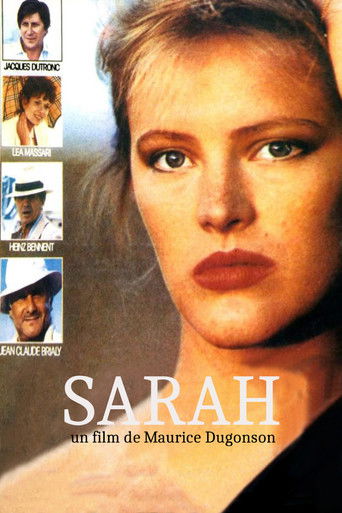
6.0An insurance investigator meets an attractive woman in a hotel on his way to check out the causes of a fire that destroyed a movie set.
Sarah
1983
6.0An insurance investigator meets an attractive woman in a hotel on his way to check out the causes of a fire that destroyed a movie set.
Sarah
1983
On July 16, 1942, Paris police detained thirteen thousand Jews across the city and held them at the Vélodrome d’Hiver stadium for later deportation to concentration camps. This event, known as the Vél d’Hiv Roundup, became a symbol of Vichy France’s willingness to collaborate with the Nazis. This 1986 documentary tells the story of the roundup and French anti-Semitism of the period through archival footage and interviews with survivors and Resistance members.
Story of a Day: The Vel d’Hiv Roundup
1986
On July 16, 1942, Paris police detained thirteen thousand Jews across the city and held them at the Vélodrome d’Hiver stadium for later deportation to concentration camps. This event, known as the Vél d’Hiv Roundup, became a symbol of Vichy France’s willingness to collaborate with the Nazis. This 1986 documentary tells the story of the roundup and French anti-Semitism of the period through archival footage and interviews with survivors and Resistance members.
Story of a Day: The Vel d’Hiv Roundup
1986
 6.0
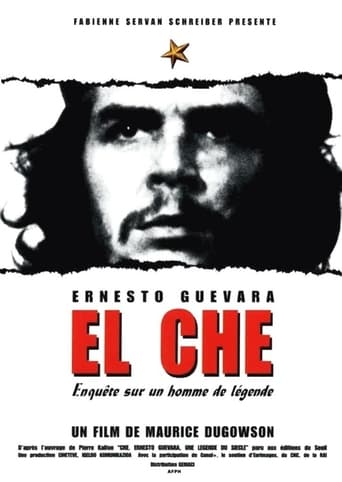
6.0Thirty years after the death of Ernesto Che Guevara, Maurice Dugowson went on the tracks of this revolutionary who was to become a true myth for a whole generation. Portrait.
El Che, Ernesto Guevara, enquête sur un homme de légende
1997