
Acting
Ping Fan
Born — Died
1920-01-01 — 1999-12-11
Place of birth
Beijing, China
Known for
Acting
Credits
32 titles
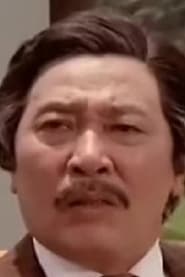
Ping Fan (平凡) was a Chinese actor born as Ping Yongshou (平永寿). He mainly acted in Hong Kong movies.
Known for
 NR
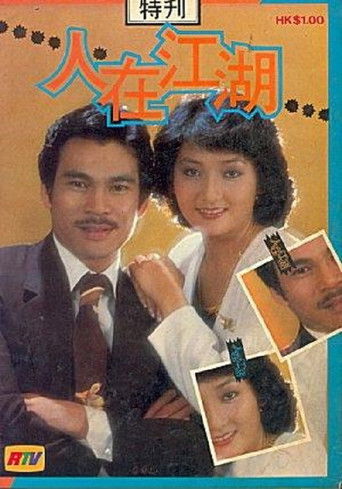
NRBrothers Bo and Wei are forced to join the triad in Hong Kong after arriving from China. They become successful drug dealers but sacrifice their family happiness for money and power. Once the ICAC is established, they become its targets and struggle to escape its grip.
Blowing in the Wind
1980
 NR
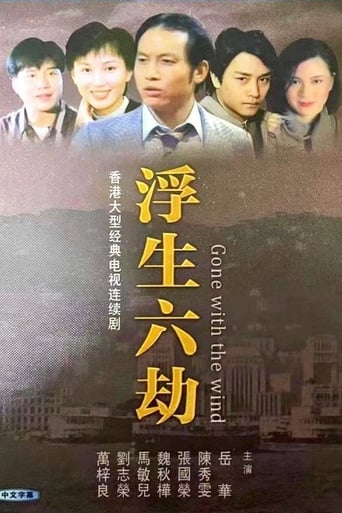
NRNo synopsis available yet.
Gone with the wind
1980
 7.0
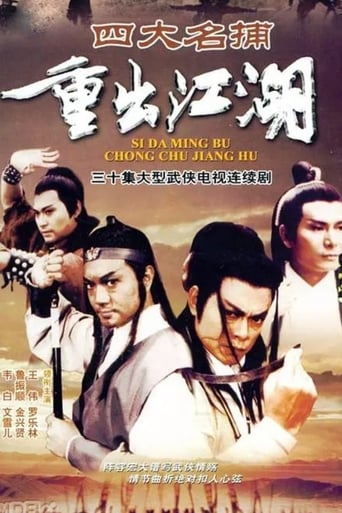
7.0The four famous hunters had already been hidden, but they reappeared because their master Zhuge Shenhou was killed. Shangguan Cang Qiang assassinated Shenhou and successfully seized his throne, and then revealed his ambitions, and he controlled the emperor with drugs, trying to force him to surrender the throne. The four great immortals learned of his conspiracy, obstructed it, and vowed to fight with him to the end and crush his dream of becoming emperor.
Return of The Four
1985
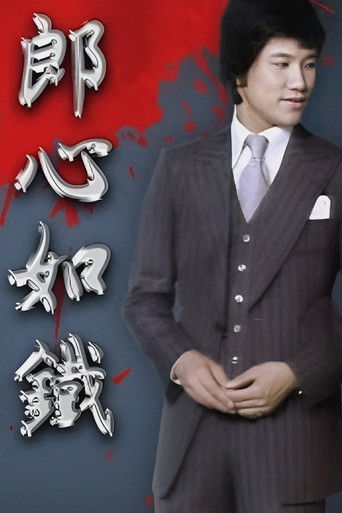 NR
NRNo synopsis available yet.
Hong Kong Tragedy
1978
 NR
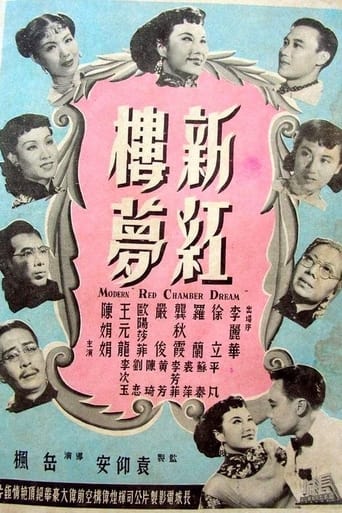
NRDream of the Red Chamber, one of the big four of classic Chinese novels, has been adapted for film and television dozens of times over the past decades. Yet this sui generis Great Wall production daringly transposes the setting to modern-day 1950s. The contemporised story revolves nonetheless around the love triangle between Jia Baoyu and his two cousins. Both girls love him but his heart belongs to only one. The ending, however, is remarkably changed to separation of the lovers as a result of war—the war that was surely still haunting the minds of the filmmakers at the time when the film was made. Not only did Great Wall pour money into building extravagant sets just so to recreate down to the smallest detail the grandeur of the legendary Jia mansion, but the film also boasted of its lavish costume designs for the diverse female cast. (From Hong Kong Film Archive)
Modern ‘Red Chamber Dream’
1952
 10.0
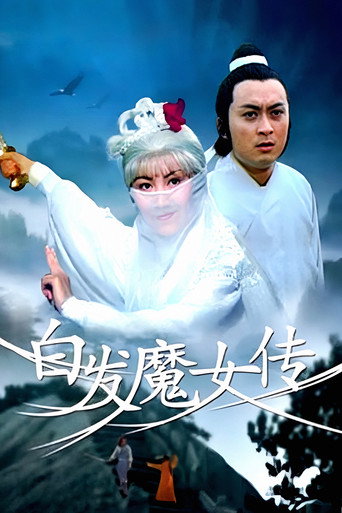
10.0No synopsis available yet.
White Hair Devil Lady
1980
Film credits
1980s · 2 titles
1970s · 2 titles
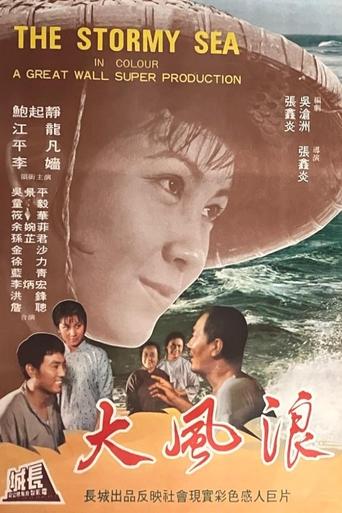
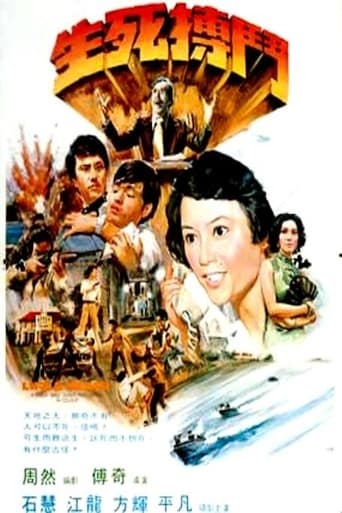
1960s · 6 titles
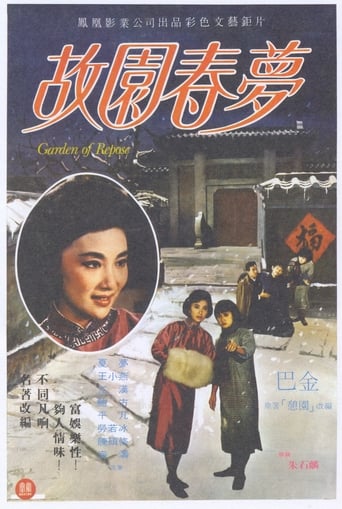 10.0
10.0Yang Mengchi is a spoiled, rich do-nothing whose habit of smoking opium has cost him his entire fortune and the family mansion, the Garden of Repose, now due to be sold to Yao Guodong. Fearing that Yao's spoiled and unruly son Siaofu will follow in Yang's footsteps, Yao's stepwife Wan Zhaohua tries to instil discipline in the child but her efforts are undermined by the child's indulging and protective father and grandmother. Unable to reform himself despite his own son's chastisement, Yang leaves home to lead a reclusive life in a destitute temple, only helped out by his filial daughter Han'er. The poverty-stricken Yang is drafted into the army and tragedy ensues.
Garden of Repose
1964
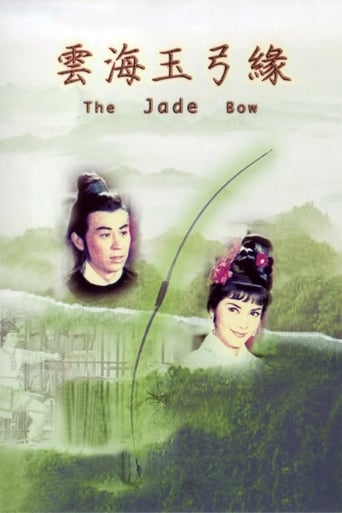 5.4
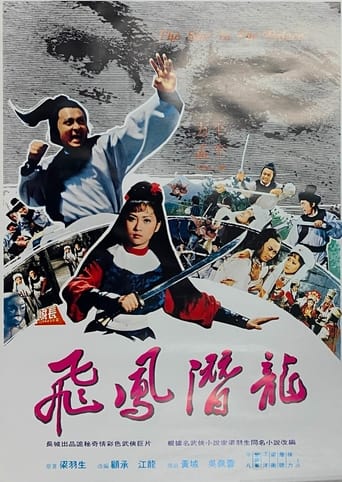
5.4A villain steals a kung fu manual and kills the good swordsmen it belongs to. He masters the powers it offers and goes on to commit various evils. Twenty years later, a young swordsman heads off to take him to account. On the way he meets a couple of feisty young swordswomen, and his life gets more complicated.
The Jade Bow
1966
A woman in a loveless marriage is visited by her former lover. In this version, her husband is a miserly doctor who wants the lover, Qin, to help him get a hospital post. Qin’s presence in the household rekindles the old romance and the couple hover on the edge of adultery.
Romance in the Boudoir
1960
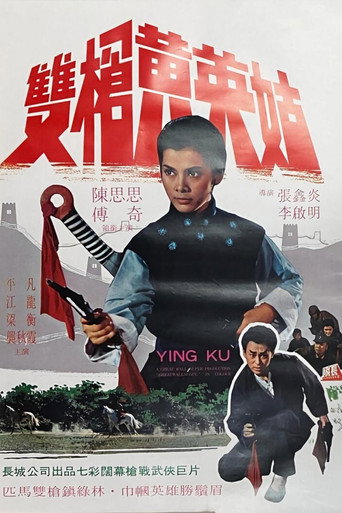 10.0
10.0No synopsis available yet.
Ying Ku
1967
 9.0
9.0No synopsis available yet.
雙女情歌
1968
 10.0
10.0Love stories of three different female characters.
The Fair Ladies
1967
1950s · 11 titles
NRDream of the Red Chamber, one of the big four of classic Chinese novels, has been adapted for film and television dozens of times over the past decades. Yet this sui generis Great Wall production daringly transposes the setting to modern-day 1950s. The contemporised story revolves nonetheless around the love triangle between Jia Baoyu and his two cousins. Both girls love him but his heart belongs to only one. The ending, however, is remarkably changed to separation of the lovers as a result of war—the war that was surely still haunting the minds of the filmmakers at the time when the film was made. Not only did Great Wall pour money into building extravagant sets just so to recreate down to the smallest detail the grandeur of the legendary Jia mansion, but the film also boasted of its lavish costume designs for the diverse female cast. (From Hong Kong Film Archive)
Modern ‘Red Chamber Dream’
1952
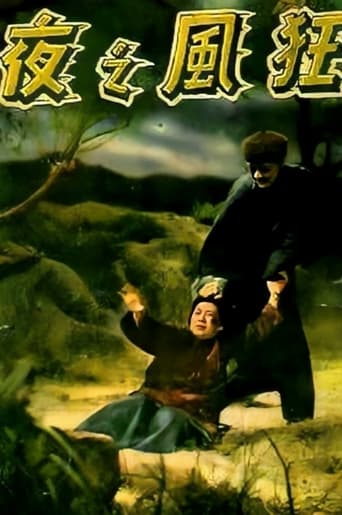 8.0
8.0HK drama film.
The Stormy Night
1952
 NR
NRHK horror film.
One Million for Me
1959
No synopsis available yet.
Aren't the Kids Lovely?
1953
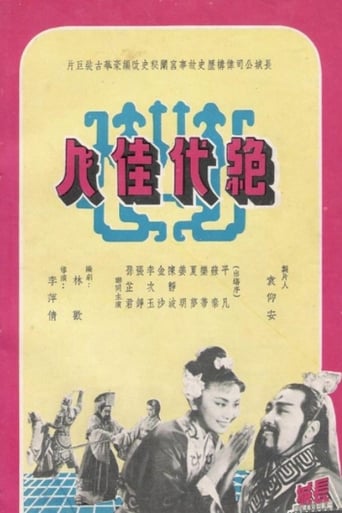 10.0
10.0This is a story of how Ru Ji, a farm girl of Chao Kuo, who sacrificed her own life to save her country and people in the year 257 B.C.
The Peerless Beauty
1953
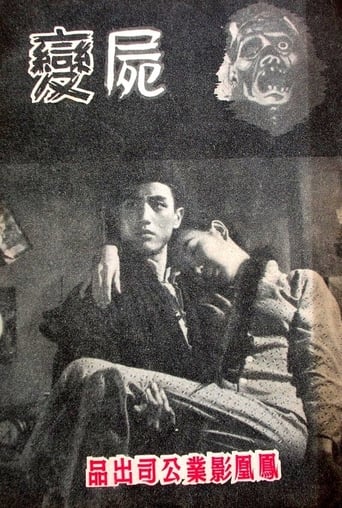 NR
NRFamed director Zhu Shilin tries his hand at a horror film! The beginning of The Living Corpse immediately sets the tone with a folk duet clearly inspired by the popular 1956 musical Songs of the Peach Blossom River. The duet, in addition to Zhu's frequent use of long, empty shots and crisp editing, gives this horror film a traditional poetic charm and a strong folk flavor. Mise-en-scene and sound effects create a terrifying atmosphere, and successfully communicate the ghostliness of a world without ghosts.
The Living Corpse
1958
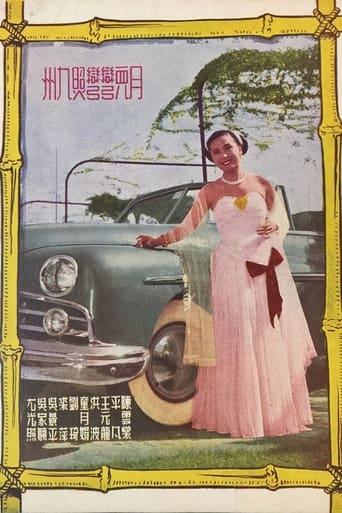 NR
NRAn early Musical by the Hsin Hwa Motion Picture Company.
The Moon-Blanch'd Land
1952
Hung Sin Nui plays a mother of three who is burning with desires to serve society. Working as a journalist, she stays out for long hours, resulting in negligence of her children and her husband’s suspicions of infidelity. The twist, at once ironic and realistic, is that her unsupportive husband had actually written in his youth a book on gender equality. On the verge of divorce, the couple reconciles after the husband’s mother, sympathetic to the difficulties faced by women, rises to the occasion with timely and prudent advice. Hung’s character, a woman stuck between cultures of old and new, was tailor-made for the star by screenwriter Chu Hak. Director Li Pingqian portrays her struggles with realist and humanistic touches, extending gentle critiques of social prejudices without fanning the ire of resentment.
It So Happens to a Woman
1955
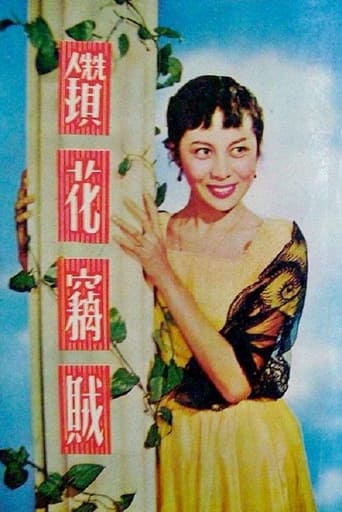 9.0
9.0A diamond flower from the rich merchant Sun was stolen, his neighbors gathered a detective group to solve this problem.
Diamond Thief
1955
Nikolai Gogol's The Inspector General is a satire play well-known around the world. In the period between the end of World War II and the 1960s, the play was adapted in Hong Kong cinema a total of six times. Director Huang Yu alone adapted it twice, as a Republic era story and a period comedy, respectively. The 1955 Republic era-set film is more faithful to its source material, following a spoiled rich brat who is mistaken as a government inspector in a small town and ends up being wined and dined by a corrupted local official. The film pokes fun at the ugliness of bureaucracy in old society, calling back to renowned Qing Dynasty novel Officialdom Unmasked while keeping the original play's artistic style.
The Inspector General
1955
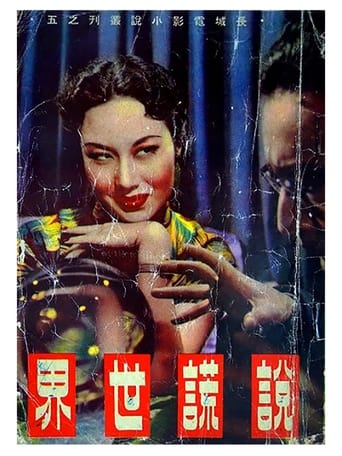 8.0
8.0As China falls into hyperinflation following the end of the war, people fought tooth and nail to get their hands on the only reliable currencies in the world: gold and American dollars. This is a story that shows how seven bars and two thousand US dollars bring together an interesting mix of characters: an opportunistic manager, a materialistic courtesan, a con artist posing as a commissioner of the Treasury, a white-collar worker who will do anything for a promotion, a man who specialises in conning women, a father who marries off his daughter for money and a sorcerer who fakes his magic. In this dog-eat-dog world, the only truth is that everyone is lying for his own gain. Playing the courtesan who longs to be part of high society, Li Lihua steals the film with a feisty performance opposite the amusing Yan Jun, whose con artist character has a tendency to flirt with lyrics from Peking operas.
Awful Truth
1950
1940s · 6 titles
Teacher Huang San extends to his pupils the high principles of patriotism, thus arousing the hatred of the occupying Japanese. Huang is forced to flee and to escape from the Japanese clutches. One night, he helps a robber escape from a pursuing Japanese officer by firing his gun and thus unintentionally kills the Japanese. Huang San follows to his hideout and from then on, Huang San joins the bandits. Huang San attempts to rob a house but discovers that the occupant is none other than his student Wang Zhongkang who is involved with the guerrillas. Huang San decides to help Zhongkang raid the military arsenal of the enemy. However, as Huang gradually gains the trust of their chief, some jealous associates within the bandit group informs on him. Huang and Zhongkang carry out their raid amid a fierce confrontation, Zhongkang successfully implements his mission but Huang is killed in the battle.
Lion-Hearted Warriors
1948
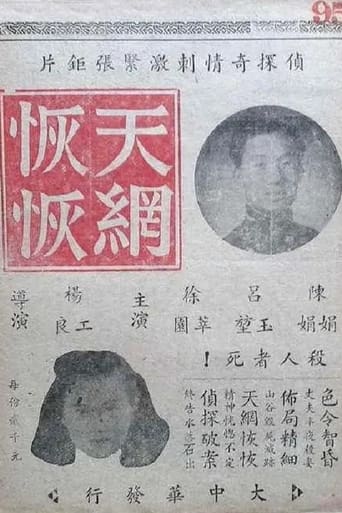 NR
NRA Charlie Chan mystery, from Hong Kong.
Tin Mong Foy Foy
1947
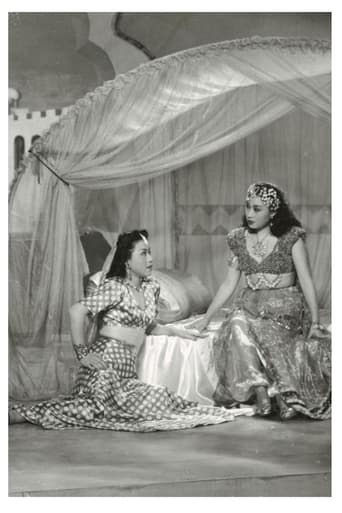 NR
NRShowing off his love of visual aesthetics as a painter, director Dan Duyu combines elegance, exoticism and oddity into a grand big-budget package with New Arabian Nights. Dan's vision is definitely not bound by the source material, but his magical and music-filled version of the orient turns out to be not so different from how Western storytellers would imagine it.
New Arabian Nights
1947
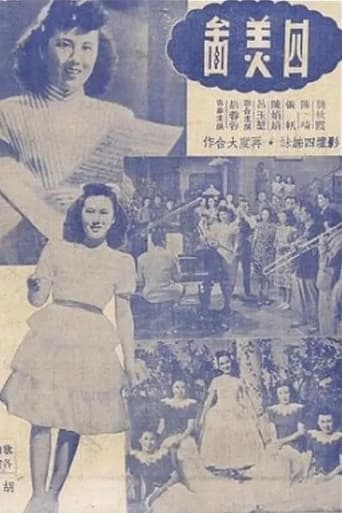 NR
NRFour sisters, each with their different characters, embark on their separate roads to romance. Elder sister has vast experience of romance; second sister is predisposed to vampiness and wantonness; third sister is righteous and of noble character; fourth sister is just reaching puberty and experiencing the pangs of first love. Being sentimental, flirtatious and amorous, the four sisters form a backdrop conducive to songs and tripping the light fantastic.
Portrait of Four Beauties
1947
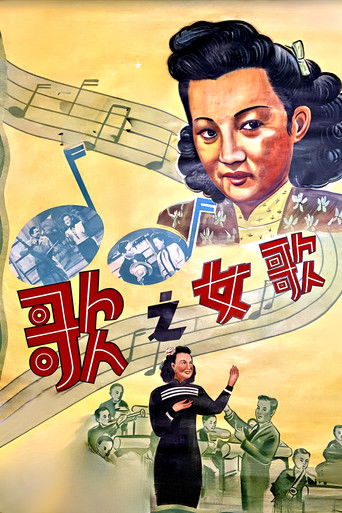 NR
NRStarring in numerous singing films, Zhou Xuan was one of the most beloved singers in both cinema and recording industries for her 'golden voice'. Popular nightclub singer Zhu Lan (Zhou) is originally in love with impoverished painter Fang Zhiwei (Gu Yelu), but is taken advantage of by rich playboy Ye Chunhua (Wang Hao) at her most vulnerable time. To add to her misfortune, Zhu discovers her being an adoptee. She also learns the heartbreaking truth about her birth parents which intertwines with her own life across generations. Eventually, irreversible tragedy awaits with revenge exacted for past wrongs. In a case of art imitating life, the songstress's life and upbringing resemble Zhou Xuan's own, making the film even more heart-wrenching. The 'Song Fairy' Chen Gexin composed the film's entire music with six songs sung by Zhou. 'Song of a Songstress', sung towards the end of the film, adds poignancy to the film with its discourse on the joy and sorrow in life.
Song of a Songstress
1948
A robber named Zhang Kui hid in a coffin to avoid the authorities before being transported to another associate. Instead of joining his friend in a major robbery, Zhang Kui ran away together with wife and daughter. Zhang failed to escape, but his daughter would train as a marital artist until she can take revenge for her father.
Neo-Northeast Hero
1949
Undated · 1 titles
Series credits
NRBrothers Bo and Wei are forced to join the triad in Hong Kong after arriving from China. They become successful drug dealers but sacrifice their family happiness for money and power. Once the ICAC is established, they become its targets and struggle to escape its grip.
Blowing in the Wind
1980
NRNo synopsis available yet.
Gone with the wind
1980
7.0The four famous hunters had already been hidden, but they reappeared because their master Zhuge Shenhou was killed. Shangguan Cang Qiang assassinated Shenhou and successfully seized his throne, and then revealed his ambitions, and he controlled the emperor with drugs, trying to force him to surrender the throne. The four great immortals learned of his conspiracy, obstructed it, and vowed to fight with him to the end and crush his dream of becoming emperor.
Return of The Four
1985
NRNo synopsis available yet.
Hong Kong Tragedy
1978